Nov 8, 2024
Iran’s State-Censored Media Divided on President-Elect Trump
The November 8 edition of the Iran Media Review evaluates commentary on Trump again winning the presidency in the United States.
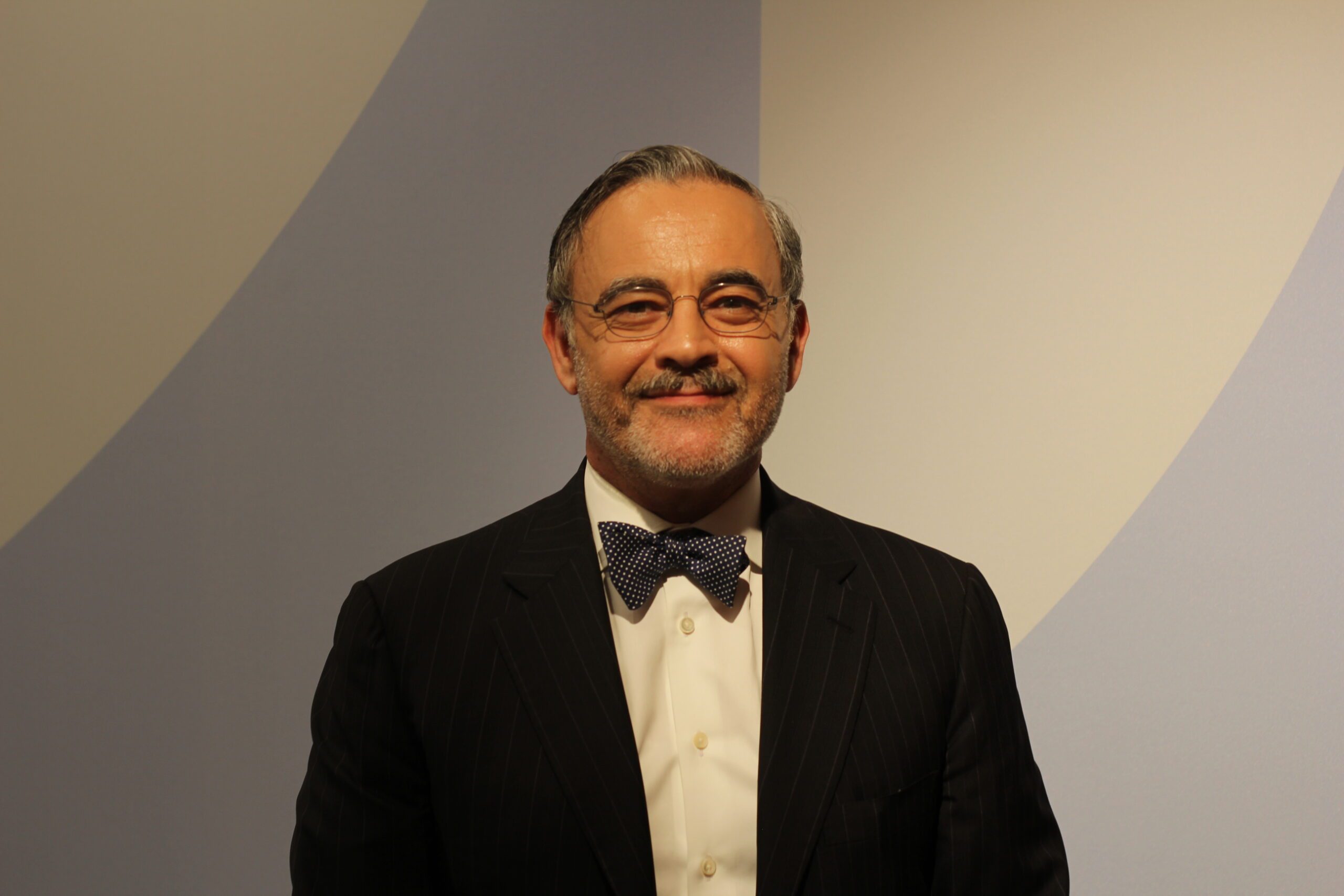
Iran’s state-censored media appears divided on the prospects for President-elect Donald J. Trump’s Iran policy. The exception is Kayhan newspaper, a mouthpiece of Supreme Leader Ayatollah Ali Khamenei’s, which claims there will be no difference in Iran’s relations with the United State regardless of who is president.
- November 7: Kayhan newspaper, on its front page wrote:
- “America is the great Satan, regardless of who is the president.”
- November 7: Reformist Ham-Mihan newspaper published an editorial warning readers against making a prejudiced assessment of Trump:
- “In Iran, Trump is known for his withdrawal from the nuclear agreement and for martyring Major General Qassim Suleimani … But unlike his predecessors, Trump is inclined to stay away from regional wars, a promise he has consistently made in the course of the campaign. A regional war is indeed the most dangerous phenomenon imaginable today. This does not mean there will be no tensions under Trump, but we should not be prejudiced against him.”
- November 7: Ham-Mihan columnist Hani Rastegaran wrote in an analysis of the presidential election in the United States:
- “Relations between the United States and Iran will either move toward an all-out war or toward a constructive and viable dialogue. The Islamic Republic will not experience anything between the two extremes.”
- November 7: Kargozaran, a technocratic newspaper, published an editorial on the U.S. presidential election:
- “Will Iran be subject to harsher sanctions when Trump returns to the White House …? Last time around, Iran exported oil to a large number of countries, and he easily managed to reduce Iran’s oil exports. However, more than 90% of Iran’s oil is exported to China, which makes it harder for him to sanction Iran … Nevertheless, if Trump manages to reduce Iran’s oil revenue, the Cabinet will experience a budget deficit, and the rial will further collapse against the U.S. dollar.”
- November 7: Reformist Etemad published expert commentary on the return of Trump to the White House:
- Abd al-Reza Faraji-Rad wrote: “No need to worry. Trump’s psychology is not a war-seeking one as demonstrated during his first four years in office.”
- Ali Ahangar wrote: “Iran was clever not to make a nuclear agreement with the interim administration of President Joe Biden.”
- Heshmatollah Falahatpisheh wrote: “Trump’s return is like the return of the Taliban: Both pursue the same objectives but with different means second time around.”
- November 7: Reformist Shargh Daily also published commentary:
- Jafar Haqpanah wrote: “Trump is in cahoots with AIPAC,” the American Israel Public Affairs Committee. “We ought not fear Trump himself but his foreign policy and defense team.”
- Jafar Qanadbashi wrote: “Trump’s return to the White House is not a threat … He is a businessman, and he will not move toward increased tensions with Iran.”
- Jalal Mirzaei, a former parliamentarian, wrote: “Trump being an opportunity or a threat depends on Iran’s behavior … If Iran manages to recalibrate some of its policies and pursue an active and smart policy, the threat of Trump can be turned into an opportunity.”
The views represented herein are the author's or speaker's own and do not necessarily reflect the views of AGSI, its staff, or its board of directors.
Related
Iran Media Review
Nov 5, 2024
Clerics Worry About Iranian Economy While Khamenei Focuses on U.S.
The November 5 edition of the Iran Media Review considers the contrasting messaging coming from Iran’s supreme leader on countering the United States versus the president’s meetings with Shia clerics who stressed the need to address economic issues.
Iran Media Review
Nov 1, 2024
Under Attack, Iran Reaches Out to the United States and Ethnic and Religious Minorities
The November 1 edition of the Iran Media Review considers Tehran’s outreach to Washington and ethnic and religious minorities as Iran braces itself for more Israeli attacks.
Nov 5, 2024
Clerics Worry About Iranian Economy While Khamenei Focuses on U.S.
The November 5 edition of the Iran Media Review considers the contrasting messaging coming from Iran’s supreme leader on countering the United States versus the president’s meetings with Shia clerics who stressed the need to address economic issues.
Nov 1, 2024
Under Attack, Iran Reaches Out to the United States and Ethnic and Religious Minorities
The November 1 edition of the Iran Media Review considers Tehran’s outreach to Washington and ethnic and religious minorities as Iran braces itself for more Israeli attacks.
Analysis
The Committee of Six and Strategic Decision Making in Iran
Remarks by Iran’s president offer a rare glimpse of how the Islamic Republic has adapted its decision making to the absence of its supreme leader.
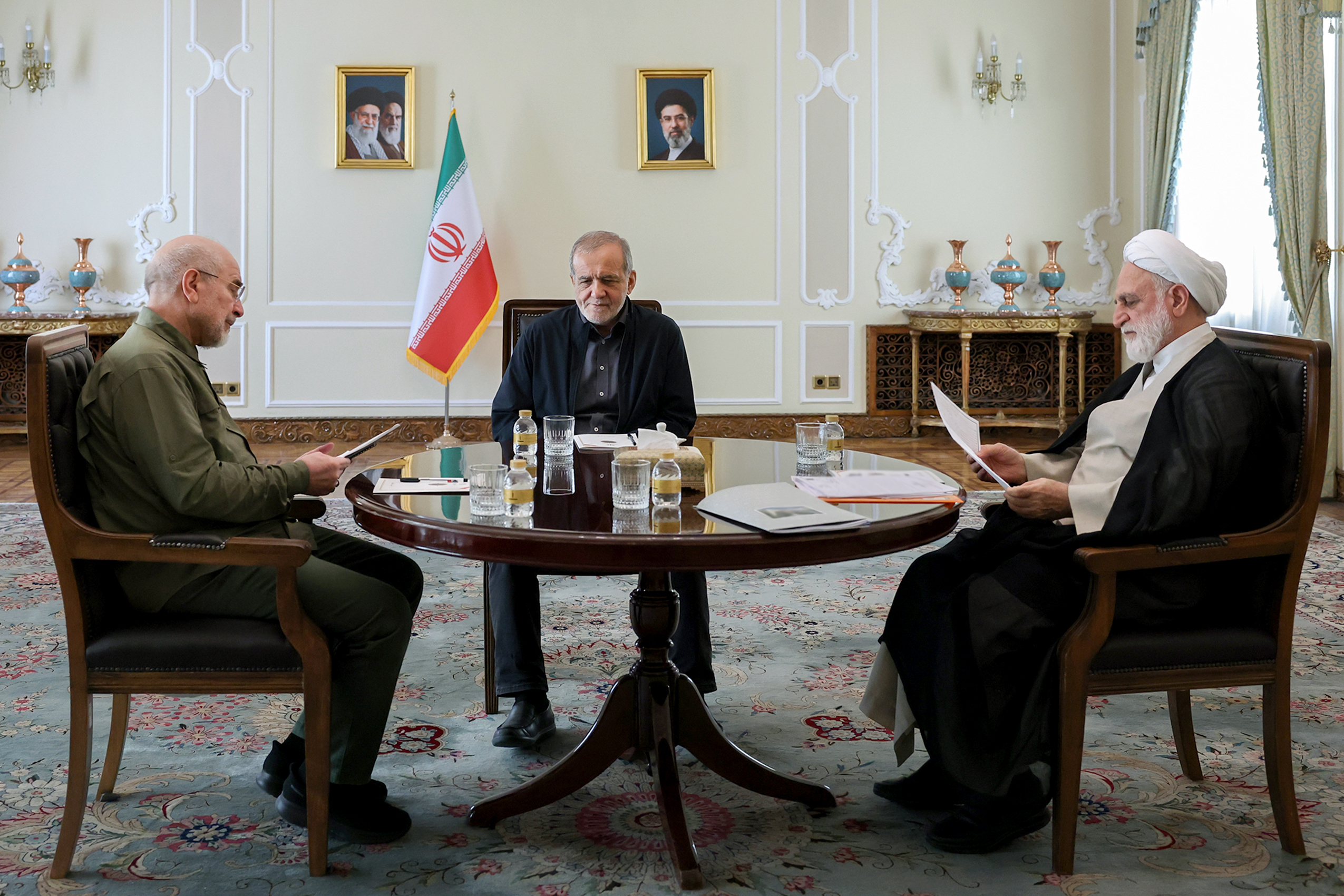
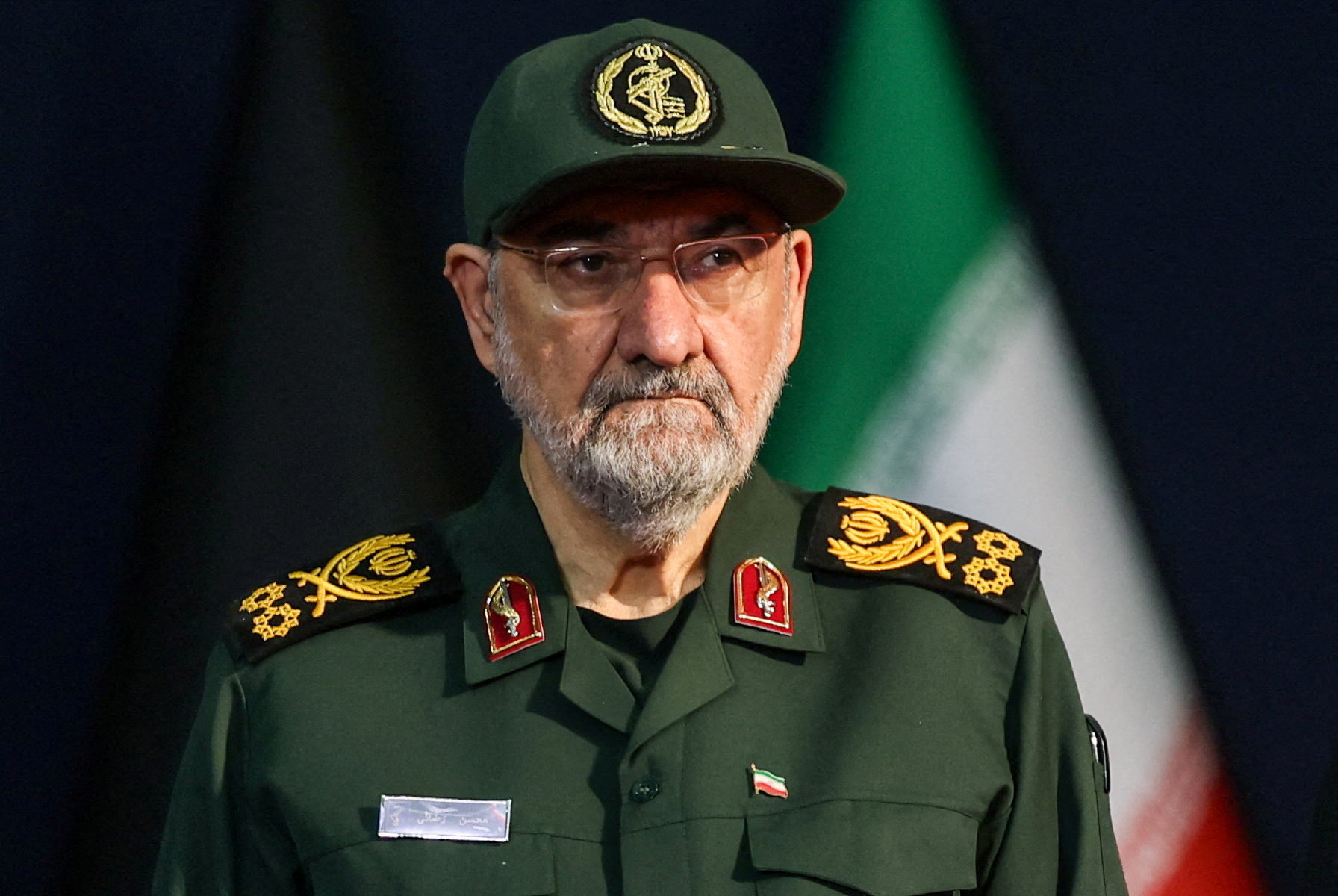
Mohsen Rezaei at the Helm of Iran’s Supreme National Security Council
Under Rezaei, the SNSC could prove constructive or paralyze strategic decision making.
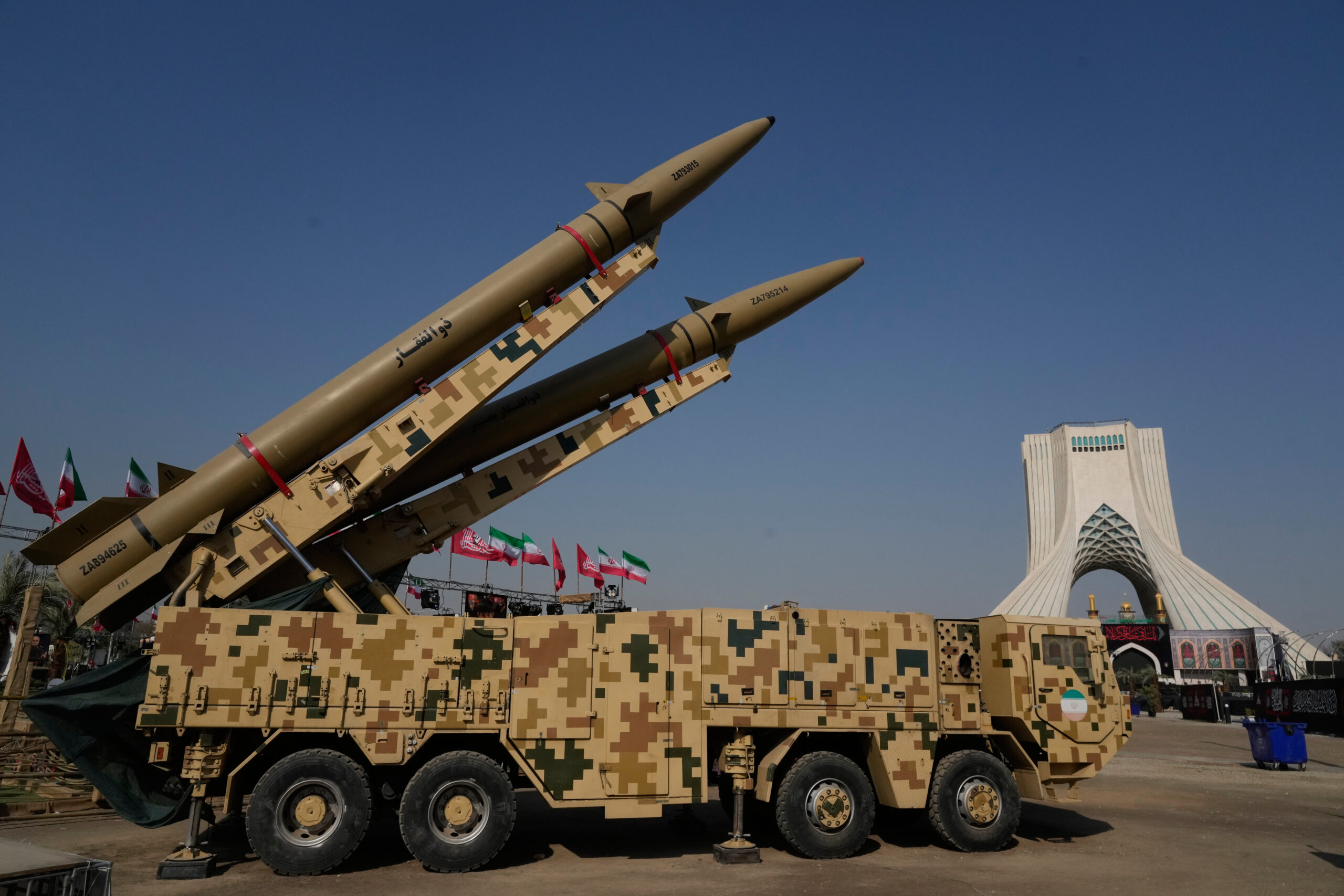
The Islamic Republic Returns to Offense
After U.S.-Israeli strikes killed Supreme Leader Ayatollah Ali Khamenei on February 28, Iran’s collective leadership has concluded that the best defense is a good offense.
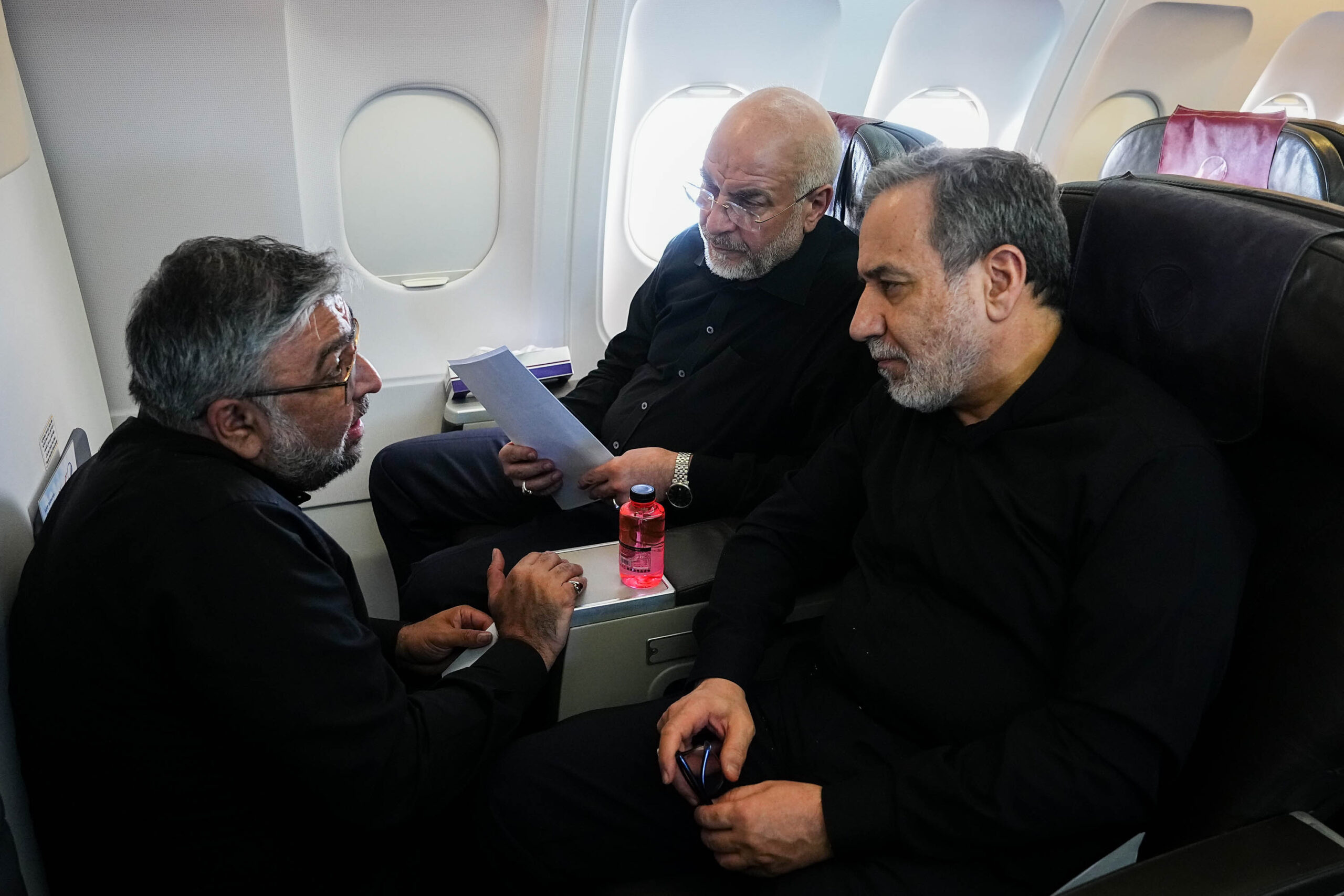
Iran’s Collective Strategic Decision Making
Wartime pressure has temporarily aligned the leadership’s overriding interest in regime survival, even as its members continue to differ over the costs, methods, and ultimate objectives of the war.
Events
Oct 6, 2026
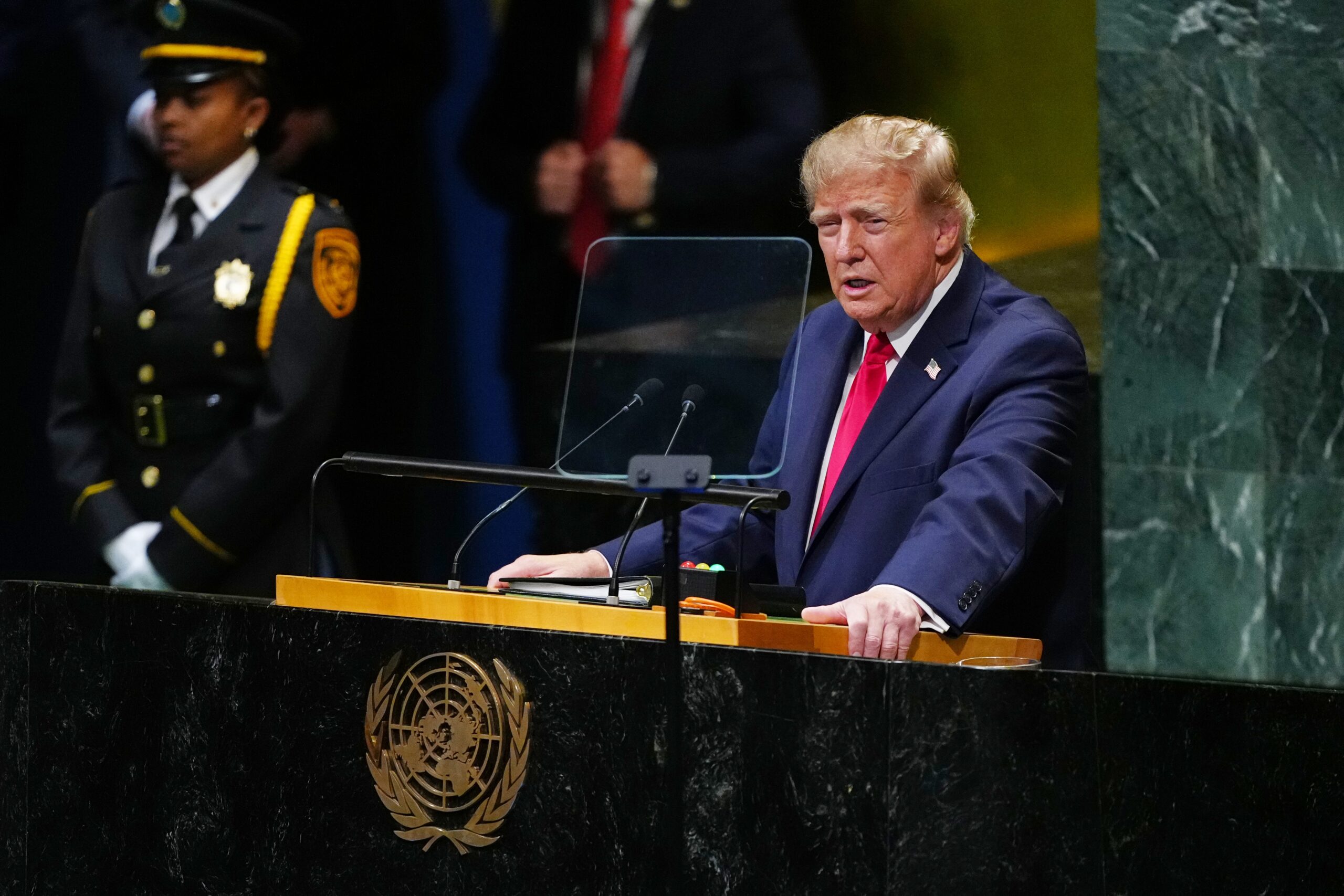
Is the U.S.-Iran Stalemate a “New Normal” or the Prelude to Another Explosion?
On October 6, AGSI hosted a discussion on the U.S.-Iran stalemate and the prospects for a cease-fire.
Speakers



Book Talk: Iran and the Bomb: The United States, Iran and the Nuclear Question
On June 16, AGSI hosted a discussion on the evolution of Iran's nuclear program.
Speakers
Apr 21, 2026
Inside Iran’s Wartime Leadership: Power, Succession, and Regime Stability
On April 21, AGSI hosted a discussion on the evolution of Iran's leadership during the war.
Speakers

Mar 18, 2026
In Its Conflict With the United States and Israel, Does Escalation Favor Iran?
On March 18, AGSI hosted a discussion on the escalation of the Iran war.
Speakers