Aug 7, 2024
High Dividend Payments Continue to Drain Saudi Aramco’s Liquid Assets
Aramco’s high dividend payout may not be sustainable, and any decline in dividend payments would adversely affect the government budget and Public Investment Fund.

Saudi Aramco’s financial results for the first half of 2024 highlight the impact that higher dividend payments are having on its balance sheet and raise questions about whether dividends can be sustained at current levels.
Aramco introduced a new performance-linked dividend in the third quarter of 2023. This is in addition to the usual base dividend the company has paid since 2018. The performance-linked dividend is set at 70% of Aramco’s “free cash flow” (defined as the cash flow from operations after capital expenditures and base dividend payments) in 2022 and 2023 and is to be paid on a quarterly basis through the fourth quarter of 2024. Dividend payments are expected to be $124 billion in 2024 compared to $98 billion in 2023 (and $75 billion in 2022). What will happen in 2025 and beyond is unclear.
The higher dividend payout is good news for the government and Public Investment Fund, the company’s two largest shareholders. Both need funds to cover growing spending commitments in pursuit of the Vision 2030 reforms.
Is the High Dividend Sustainable?
Cash from Aramco’s operating activities declined by nearly 12% in the first half of 2024 relative to the first half of 2023 as lower oil production more than offset higher oil prices. Despite this, capital investments and dividend payments increased, resulting in a $28 billion drawdown in liquid assets (defined as cash and short-term investments).

Source: Aramco
At $74 billion, liquid assets are still at comfortable levels, but the rate at which they are declining (from $135 billion at the end of 2022) suggests that it will be difficult to sustain the dividend at current levels in the absence of a strong rebound in oil revenue. Additional borrowing, further asset disposals, or a reduction in capital spending could help sustain the high dividend for some period, but none are longer-term solutions.
It is unclear how Aramco plans to proceed with its dividend policy in 2025 and beyond. Aramco President and CEO Amin Nasser wrote in the financial report that “we continued to deliver a base dividend that is sustainable and progressive, and a performance-linked dividend that shares the upside with our shareholders.” The performance-linked dividend may remain in 2025 but perhaps at a lower level that reflects the less favorable oil market environment the company is experiencing compared to 2022.
Any reduction in Aramco’s dividend will have implications for the government budget and PIF. To cover any drop in the dividend, either new sources of revenue will need to be found, spending plans adjusted, or borrowing increased.
The views represented herein are the author's or speaker's own and do not necessarily reflect the views of AGSI, its staff, or its board of directors.
Related
Saudi Economic Spotlight
Aug 6, 2024
Strong Spending Growth Likely to Result in a Larger Government Budget Deficit
Fiscal data for the first half of 2024 suggests that the government fiscal deficit will be larger than budgeted due to continued strong spending growth.
Saudi Economic Spotlight
Jul 8, 2024
Saudi Unemployment Rate Hits Record Low
The July 8 edition of the Saudi Economic Spotlight highlights how labor market indicators improved in the first quarter of 2024, with the unemployment rate among Saudi nationals falling to its lowest level on record.
Aug 6, 2024
Strong Spending Growth Likely to Result in a Larger Government Budget Deficit
Fiscal data for the first half of 2024 suggests that the government fiscal deficit will be larger than budgeted due to continued strong spending growth.
Jul 8, 2024
Saudi Unemployment Rate Hits Record Low
The July 8 edition of the Saudi Economic Spotlight highlights how labor market indicators improved in the first quarter of 2024, with the unemployment rate among Saudi nationals falling to its lowest level on record.
Analysis
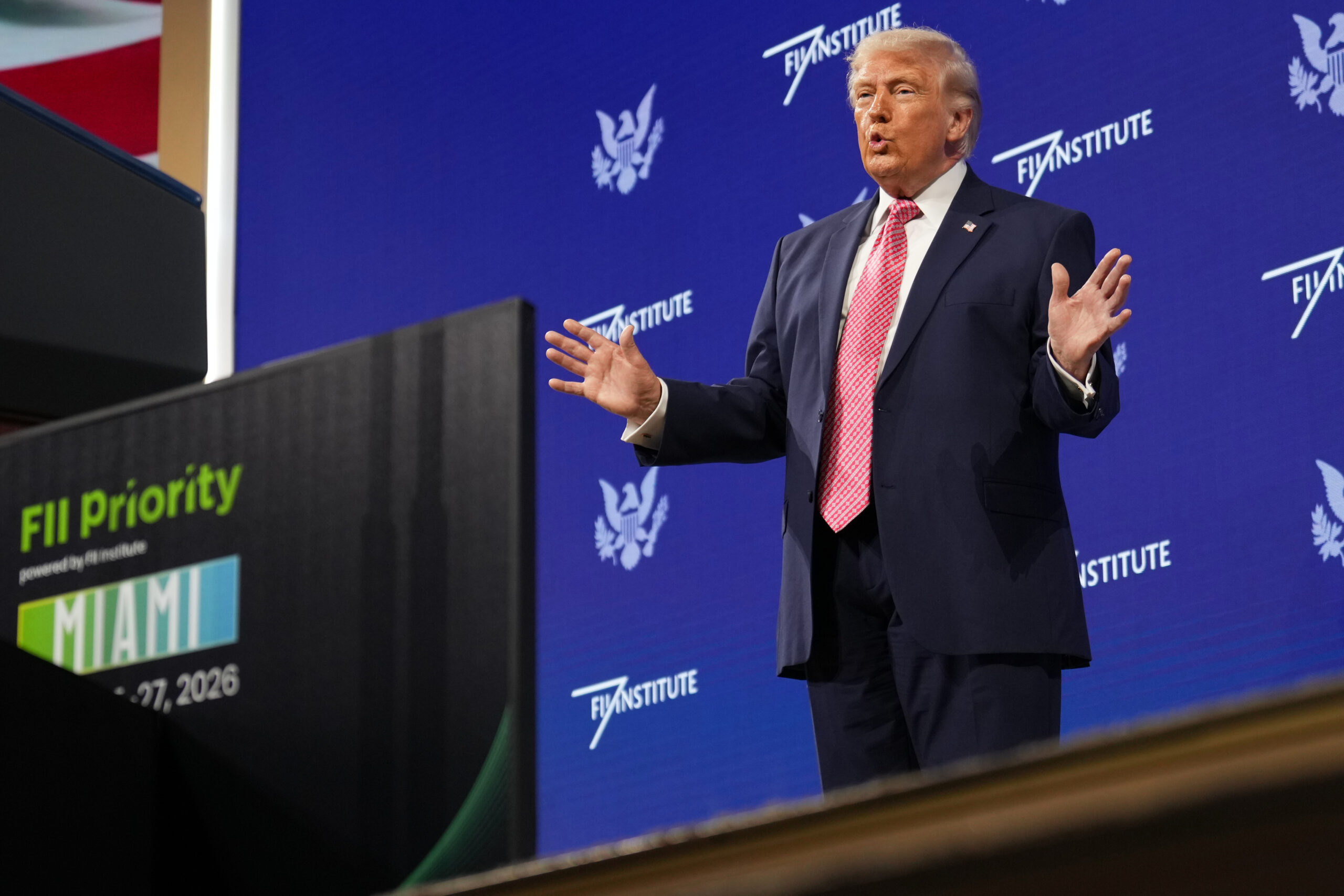
The Trump Presidency, Iran War, and U.S.-Gulf Economic Relationship
The outbreak of the Iran war has halted the deepening of the economic relationship between the United States and the Gulf countries. While likely temporary, it could take some time before the upward trajectory is restored.
Have Saudi Labor Market Reforms Run Their Course?
Recent data suggests that the positive impact of a decade of reforms to improve Saudi labor market outcomes may now be waning.
Saudi Arabia Weathers the Iran War Thanks to Investments in “Economic Resiliency”
The impact of the Iran war on the Saudi economy has been mitigated by investments in “economic resiliency,” including the East-West oil pipeline, relatively prudent fiscal policy, and the accumulation of a large stock of foreign financial assets.
Saudi Economic Outlook Positive If U.S.-Iran Deal Holds
If the memorandum of understanding between the United States and Iran holds, the Saudi economy will grow strongly in the second half of 2026 and into 2027.
Events
Mar 11, 2026
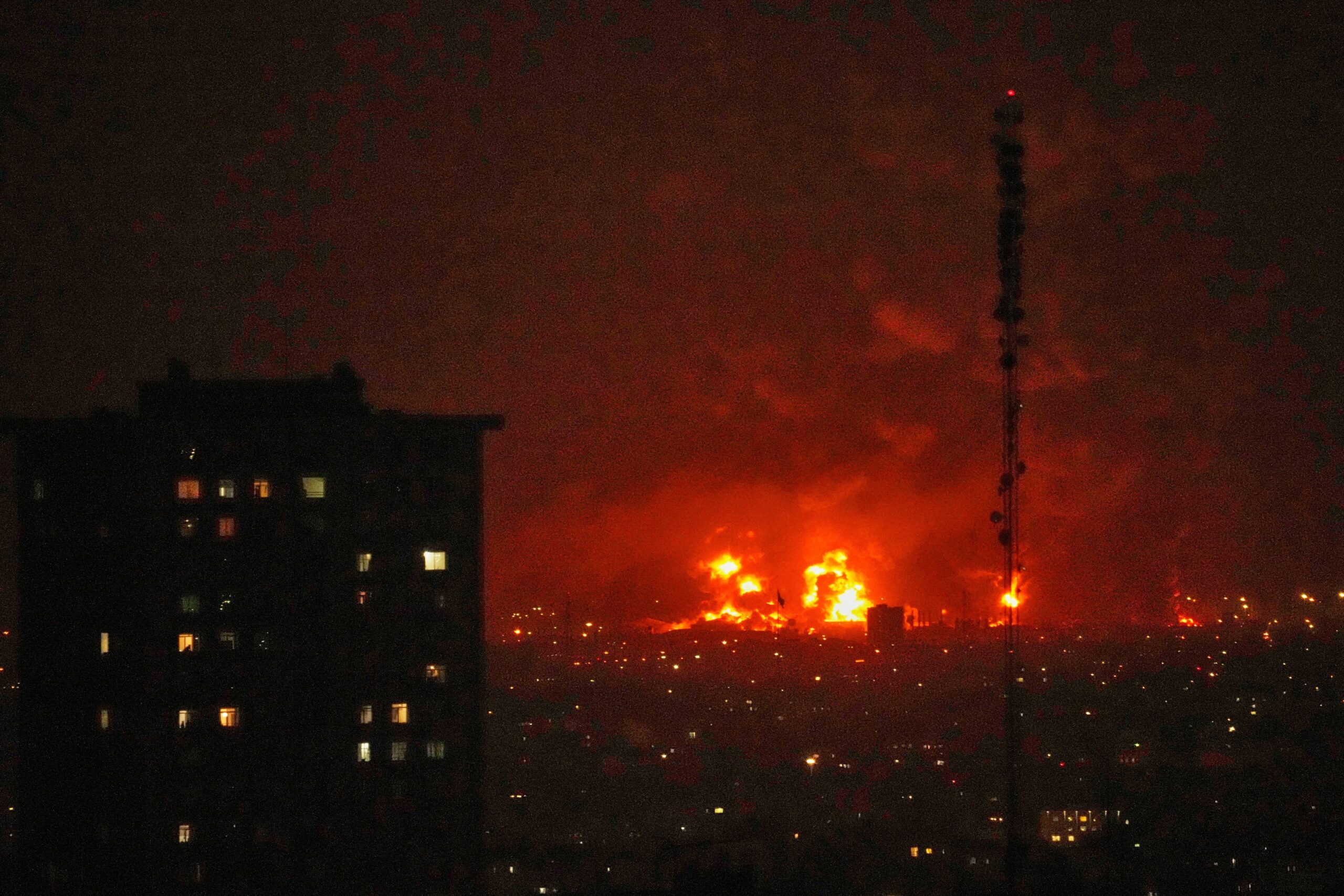
Shockwaves From Iran: Implications for Energy Markets and the Global Economy
On March 11, AGSI hosted a discussion on global energy and economic market volatility.
Speakers




Jan 8, 2026
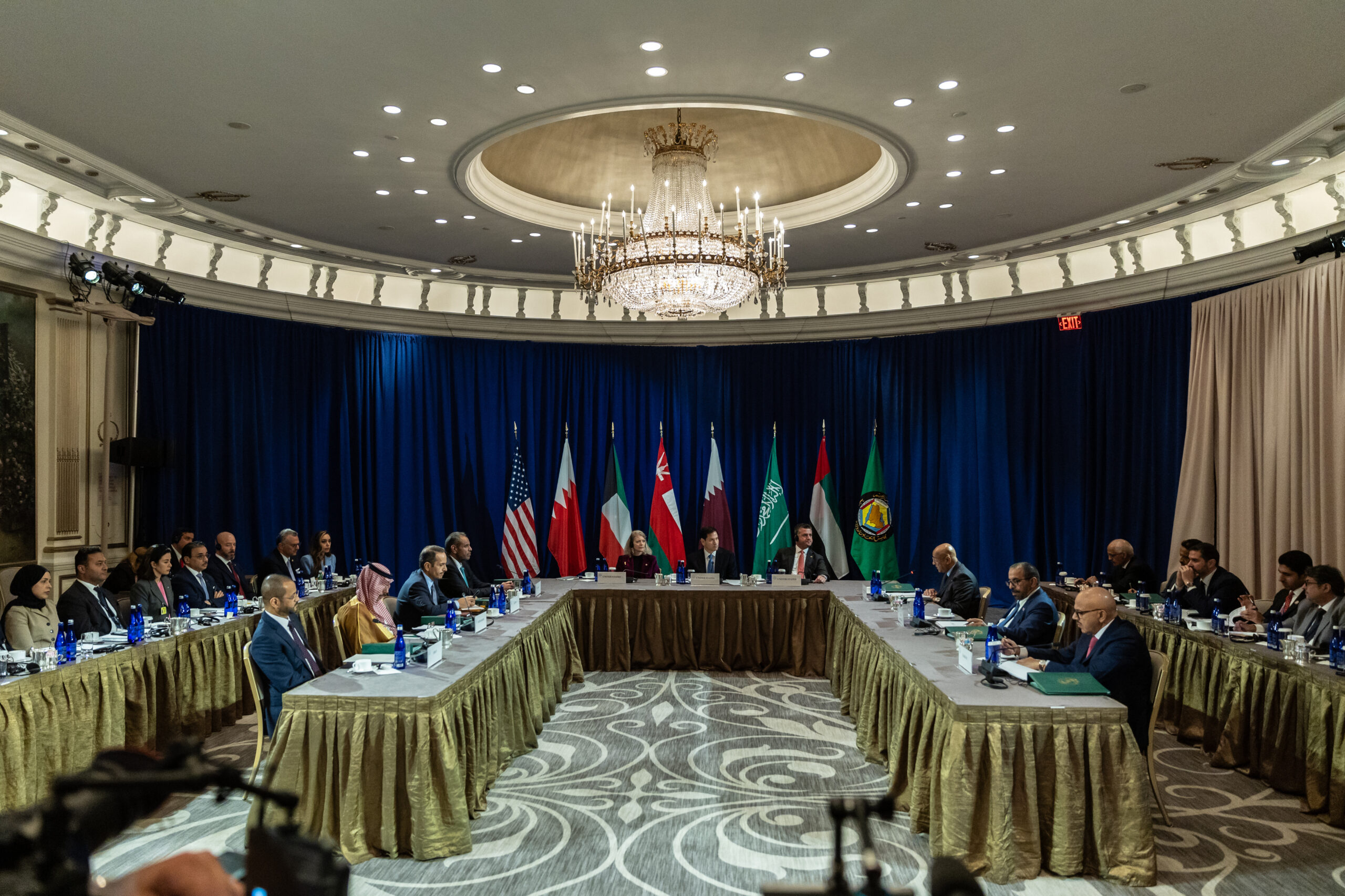
Outlook 2026: Prospects and Priorities for U.S.-Gulf Relations in the Year Ahead
On January 8, AGSI hosted a virtual roundtable with its leadership and scholars as they look ahead and assess trends likely to shape the Gulf region and U.S. foreign policy during the coming year.
Speakers




Dec 15, 2025
Looking to 2026: Economic Prospects and Policy Challenges in the GCC
On December 15, AGSI hosted a discussion on the future of Gulf economies.
Speakers


Sep 4, 2025
Saudi Arabia: Sustaining Strong Growth Amid Global Economic Uncertainty
On September 4, AGSI hosted a discussion on the International Monetary Fund’s 2025 Article IV report on Saudi Arabia.
Speakers