Jul 16, 2024
President-Elect Pezeshkian and Rising Minority Expectations
The July 16 edition of the Iran Media Review examines how Iran’s minority communities are engaging with President-elect Masoud Pezeshkian.

Throughout the presidential campaign and televised debates, President-elect Masoud Pezeshkian did his utmost to manage the level of public expectations by pointing out the limits to presidential power in Iran. However, the mere fact that Pezeshkian, a reformist, was elected has raised the level of expectations, particularly among Iran’s ethnic and religious minorities, whose rights Pezeshkian promised to protect. Even before his inauguration, Pezeshkian is sending the right signals, including through bilingual posts on X, formerly known as Twitter, in Azeri Turkish and Persian. The question is if he will have a similar degree of freedom of action when it comes to appointments of minorities in the Cabinet and other institutions.
- July 14: Following a visit by Islamic Revolutionary Guard Corps chief commander Major General Hossein Salami, Quds Force chief Ismail Qaani, IRGC Ground Forces chief Brigadier General Mohammad Pakpour, IRGC navy chief Admiral Ali Reza Tangsiri, and IRGC Aerospace Force Chief Amir-Ali Hajizadeh, Pezeshkian wrote a message on X that began with a prologue in Azeri Turkish followed by text in Persian: In Azeri Turkish, he wrote: “The path lies ahead of us, and so does the storm. The banner of Hussein shall not lie on the ground.” In Persian, he continued: “During today’s visit from my dear brethren from the Guard, I was gifted the banner from the sacred mausoleum of His Holiness the Commander of the Martyrs, may peace be upon him. The banner of the free people of the world is now on our shoulders. Being the standard bearer of this banner requires us to demand justice and remain loyal, self-sacrificing, and cultured, just like Abbas, peace be upon him,” referencing Hussein ibn Ali, the grandson of the Prophet Muhammad, and his half-brother and standard bearer in the battle of Karbala, Abbas ibn Ali.
- July 14: Centrist Khabar Online reported on Pezeshkian’s July 13 meeting with representatives from Iran’s religious and ethnic minorities:
- “President-elect Pezeshkian sat at the head of the table … sitting next to him were Sheikh Muhammad Ali Amini, a prominent Sunni cleric from Hormozgan province and the director of the Sunni Theological Seminary in Bandar Lengeh, and former Foreign Minister Mohammad Javad Zarif.”
- Amini reportedly said to Pezeshkian: “What made our hearts follow you was your honesty and bravery, the fact that you look at the nation as equals and respect them all. The people trusted you. We hope you deliver on your promises, and we will support you.”
- Interviewed by Khabar Online, Amini said: “We feel that since he enjoys the support of the leader of the revolution, he will succeed in realizing his plans. These plans he spoke of must certainly be viewed approvingly by the leader. Therefore, we hope he can advance his agenda without sabotage from certain quarters.” Asked by the reporter if the composition of the Cabinet was discussed at the meeting, Amini said: “No. What Dr. Pezeshkian told the assembled people was enough, and no attention was paid to details.” The reporter further asked Amini: “You have good relations with the grandees of the countries in the periphery of the Persian Gulf. What is their view of Dr. Pezeshkian and his future Cabinet?” Amini responded: “Their view is very optimistic and encouraging. Many of their rulers told me that they are friends and well-wishers of the leader of the revolution. This message should be communicated to Dr. Pezeshkian so their good intentions are taken into account and they are respected, so that they remain hopeful and feel at ease with the Islamic Republic of Iran.”
- July 14: Balouch journalist Abd al-Hakim Salarzehi voiced the expectations of Sunni Baluchis in reformist Shargh Daily:
- “It is not at all excessive to demand the employment of capable Sunnis in centers of power, such as decision-shaping and decision-making positions, or as vice president, Cabinet ministers, governors, or top-tier positions in the police and the armed forces. This is justice. The Sunnis are genteel and noble Iranian people who throughout the centuries defended and made sacrifices for the rulers, honor, and dignity of the fatherland. Despite the intellectual, ideological, and physical infiltration of foreigners, they have fortunately, in their own distinct way, been a source of pride and honor. Now that the inspiring victory of Dr. Masoud Pezeshkian has brought back happiness to those waiting for better days and given renewed hope to those who suffer … there are renewed questions about the ability of the president-elect to deliver on his promises … or will we once again be disappointed? … Dr. Masoud Pezeshkian, break the taboos and unlock the locks. Employ Sunnis in the Cabinet ministries, in the structure of the system, and in the Cabinet. Appoint them into decision-making positions and use them as ambassadors, advisors, and cabinet ministers … Let me quote the appropriate and meritorious words of the Sheikh al-Eslam, Molana Abd al-Hamid, who has constantly stressed the need for meritocracy and perceives the demands of the Sunnis as supraethnic and suprareligious. Should meritocracy rule, injustice and discrimination will end. It will result in solidarity and development enchanting the nation … By giving rights to all Iranian ethnicities and cultures, you will consolidate national security and national unity.”
The views represented herein are the author's or speaker's own and do not necessarily reflect the views of AGSI, its staff, or its board of directors.
Related
Iran Media Review
Jul 12, 2024
President-Elect Pezeshkian’s Inclusive Approach to Identifying Ministers Will Soon Meet Reality
The July 12 edition of the Iran Media Review examines the formation of President-elect Masoud Pezeshkian's Cabinet.
Iran Media Review
Jul 9, 2024
Iran: Endless Challenges Staring Iran’s President-Elect in the Eyes
The July 9 edition of the Iran Media Review highlights the crises President-elect Masoud Pezeshkian will face when he enters office.
Jul 12, 2024
President-Elect Pezeshkian’s Inclusive Approach to Identifying Ministers Will Soon Meet Reality
The July 12 edition of the Iran Media Review examines the formation of President-elect Masoud Pezeshkian's Cabinet.
Jul 9, 2024
Iran: Endless Challenges Staring Iran’s President-Elect in the Eyes
The July 9 edition of the Iran Media Review highlights the crises President-elect Masoud Pezeshkian will face when he enters office.
Analysis
The Islamic Republic Returns to Offense
After U.S.-Israeli strikes killed Supreme Leader Ayatollah Ali Khamenei on February 28, Iran’s collective leadership has concluded that the best defense is a good offense.
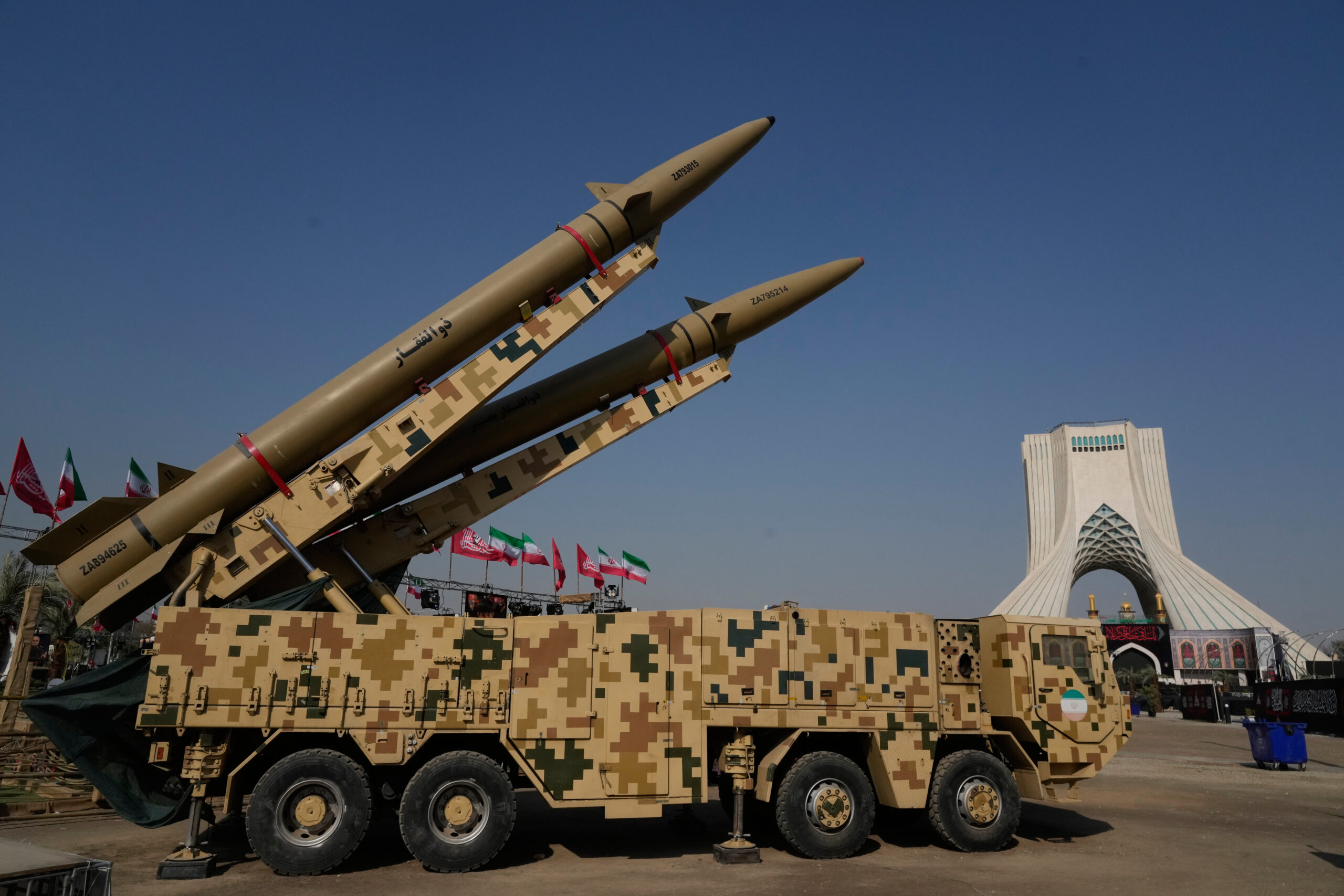
Iran’s Collective Strategic Decision Making
Wartime pressure has temporarily aligned the leadership’s overriding interest in regime survival, even as its members continue to differ over the costs, methods, and ultimate objectives of the war.
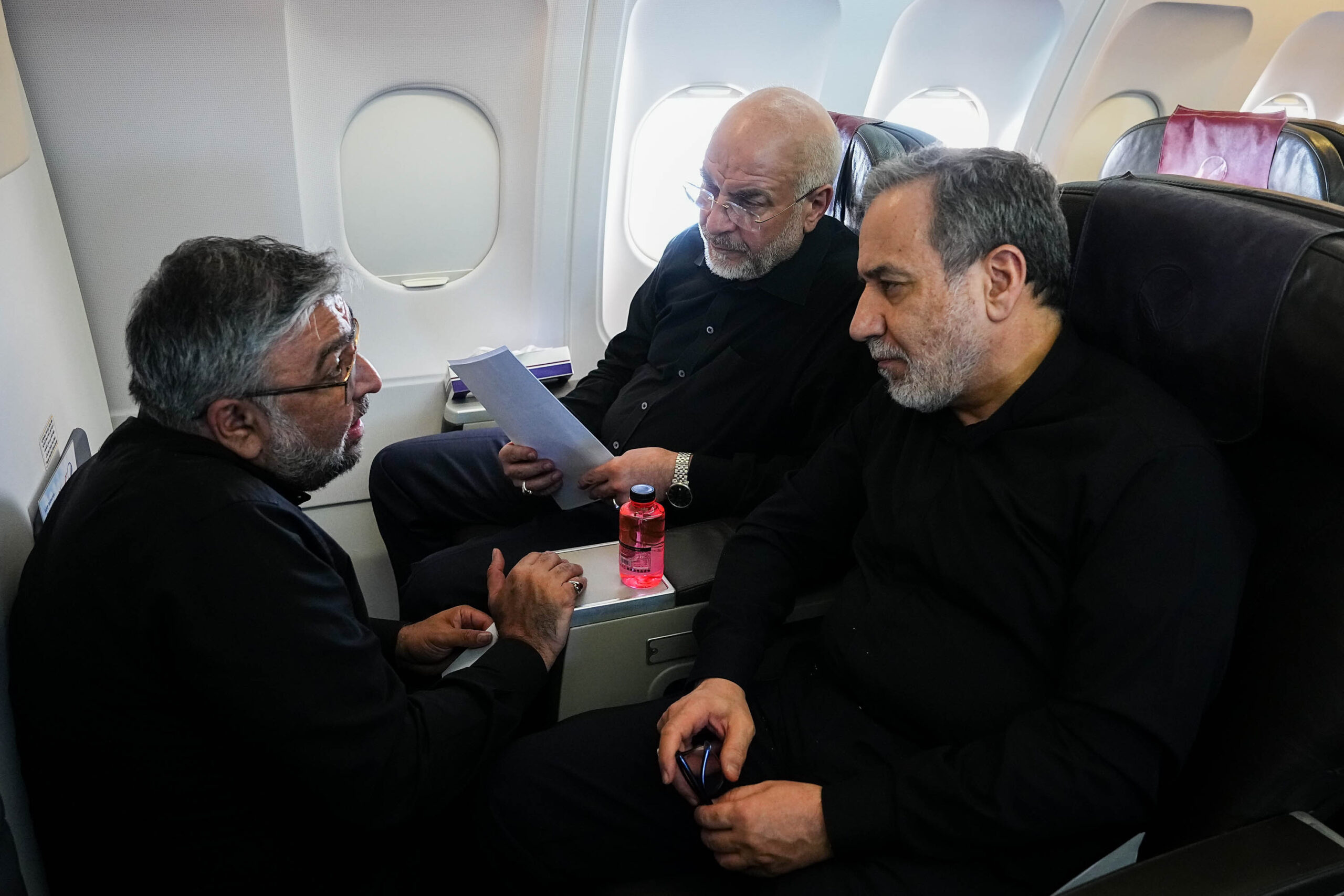
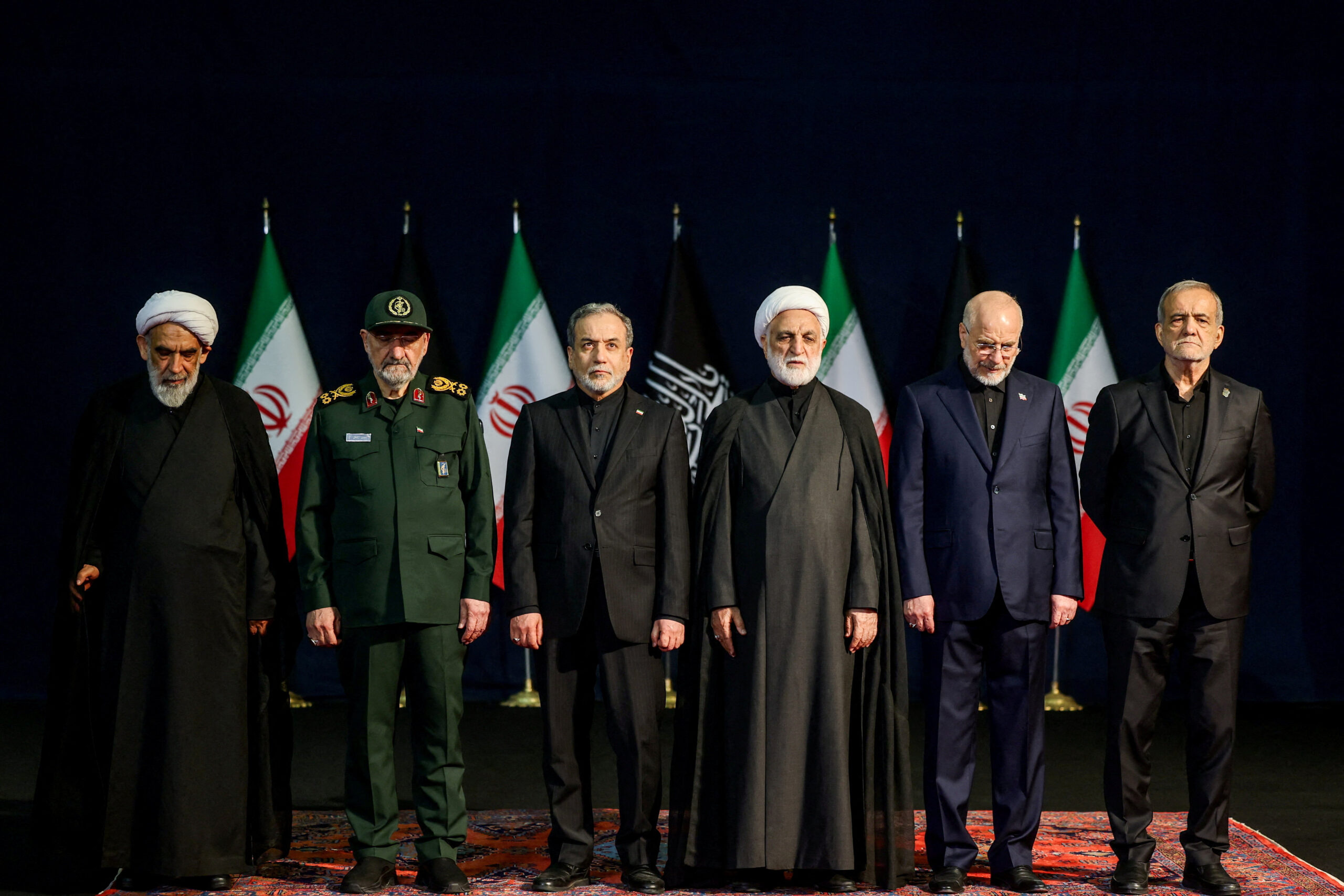
The Islamic Republic’s Collective Leadership
While there is historical precedent for collective leadership in Iran, today’s leadership includes representatives of the IRGC and regular military – a reflection of the IRGC’s expanding role and the necessities of governing under wartime conditions.
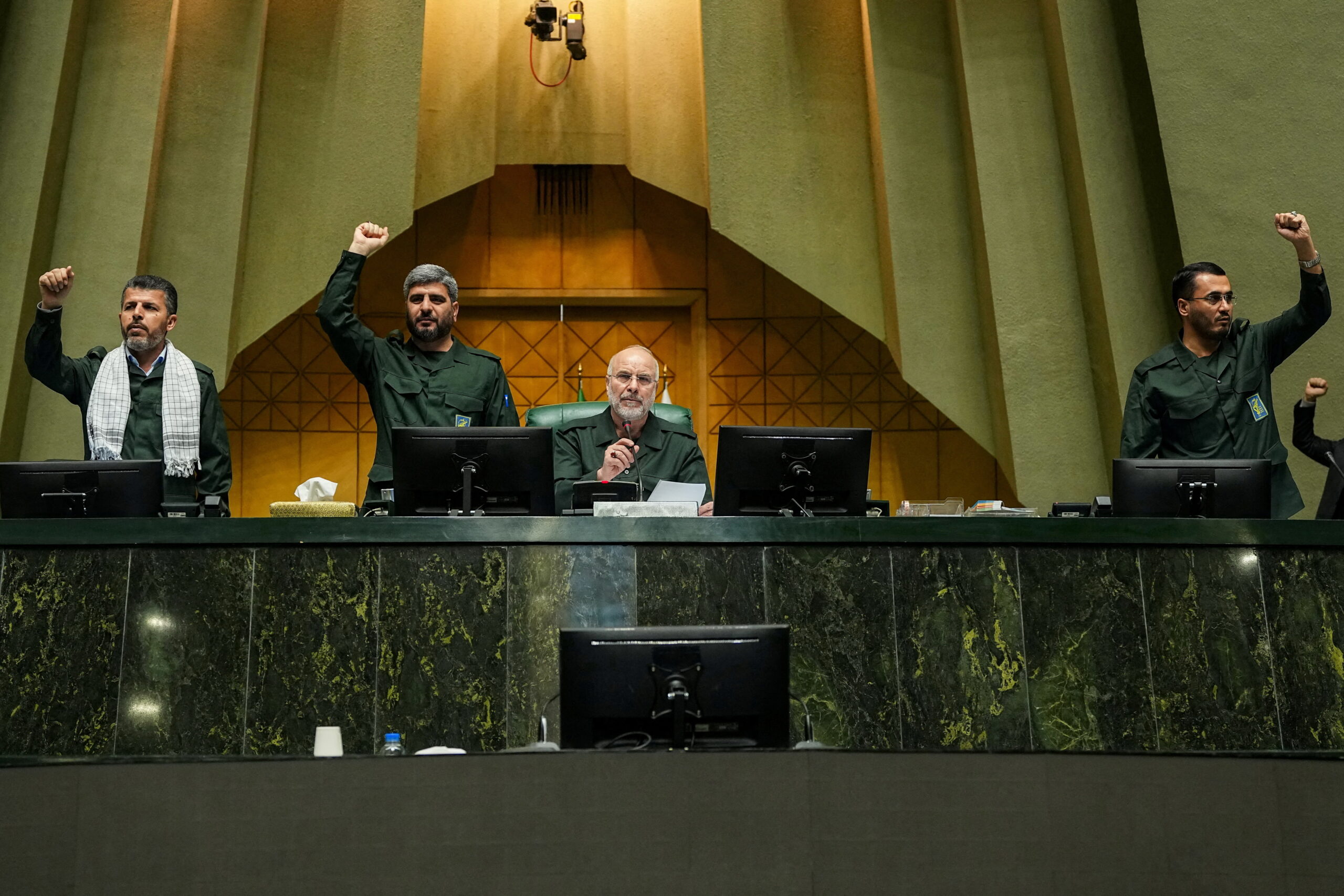
How Did the IRGC Seize Power in Iran?
The IRGC did not seize power in a single stroke. It accumulated it – patiently, methodically – until no counterweight remained.
Events
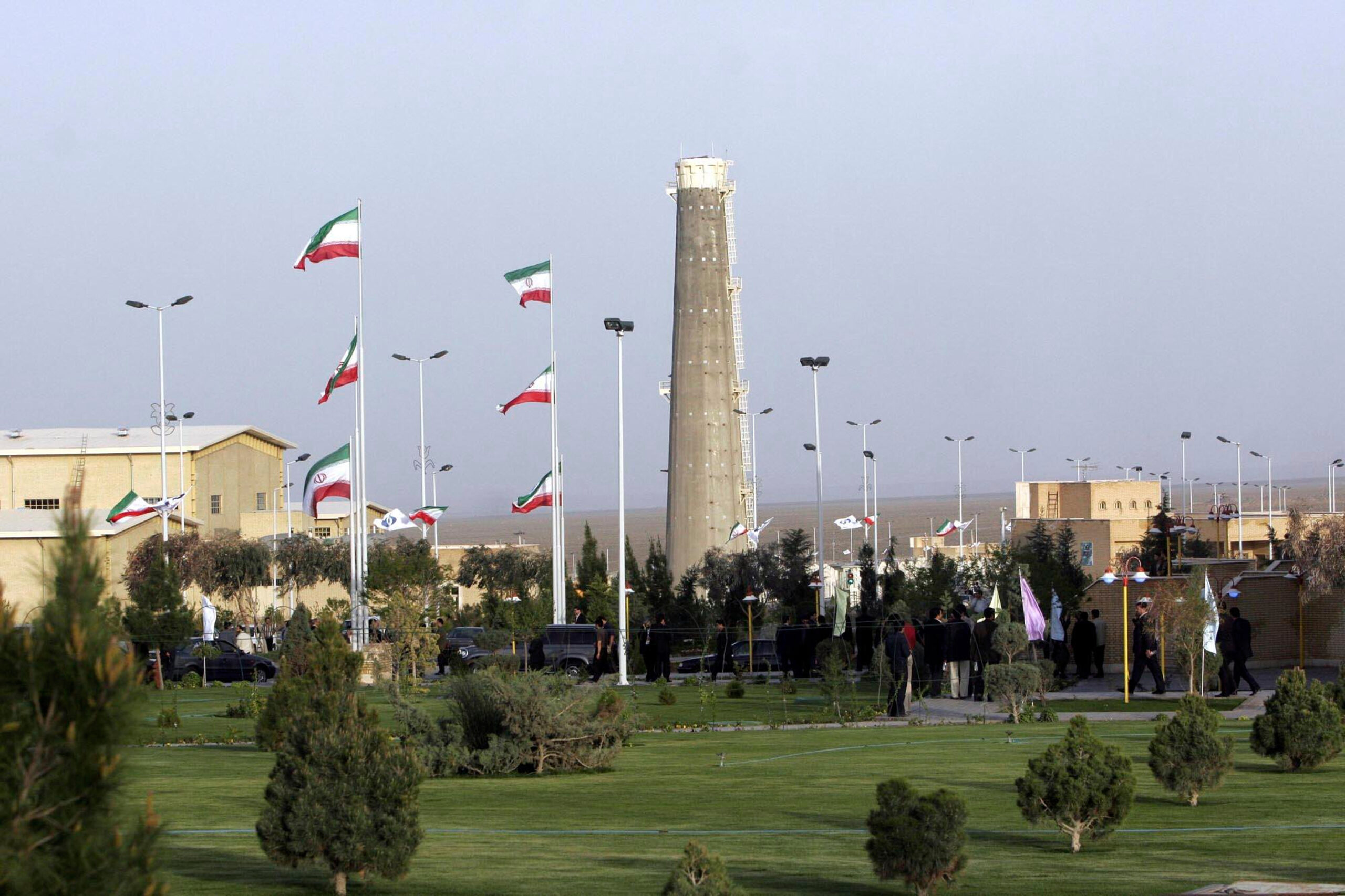
Book Talk: Iran and the Bomb: The United States, Iran and the Nuclear Question
On June 16, AGSI hosted a discussion on the evolution of Iran's nuclear program.
Speakers

Apr 21, 2026
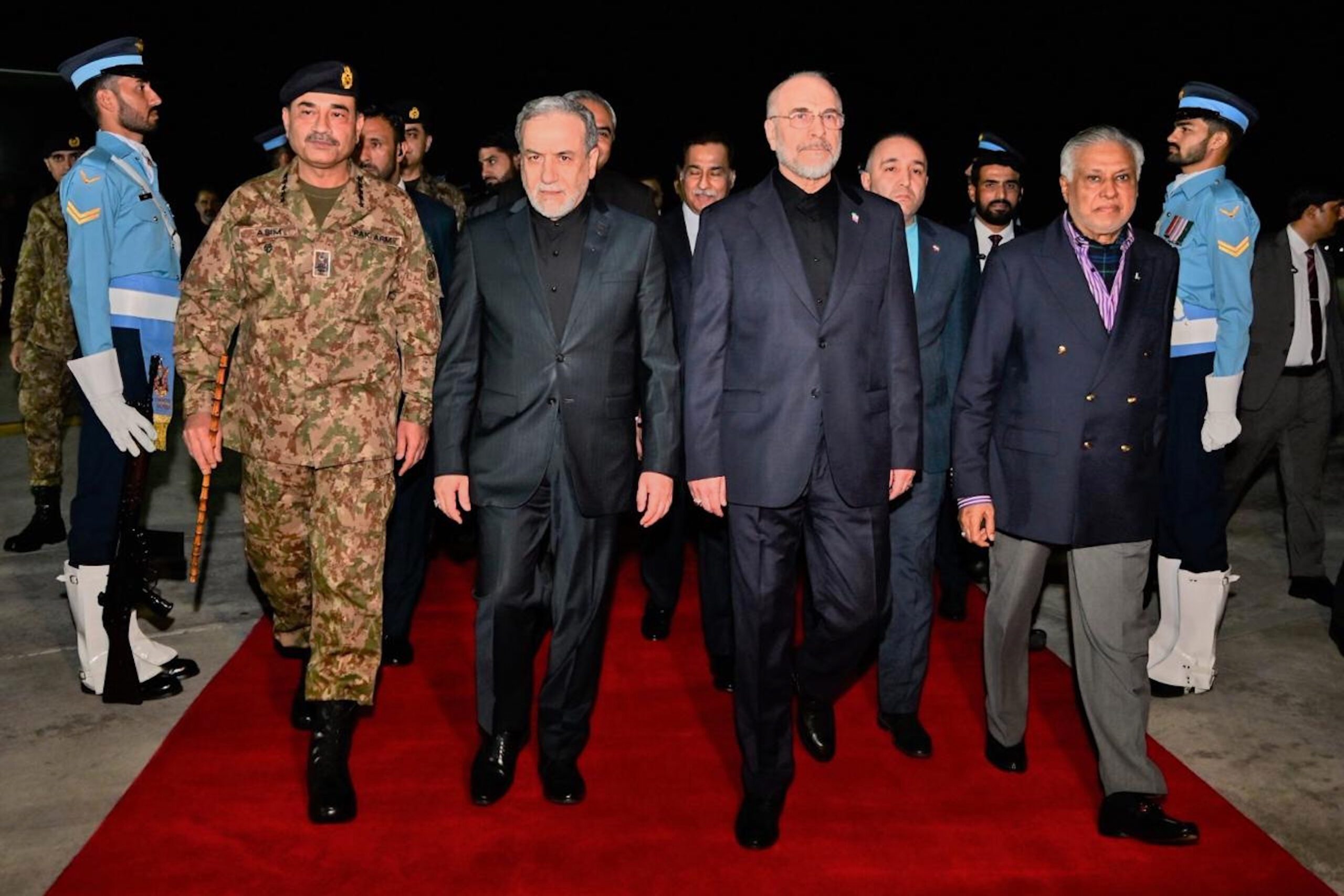
Inside Iran’s Wartime Leadership: Power, Succession, and Regime Stability
On April 21, AGSI hosted a discussion on the evolution of Iran's leadership during the war.
Speakers

Mar 18, 2026
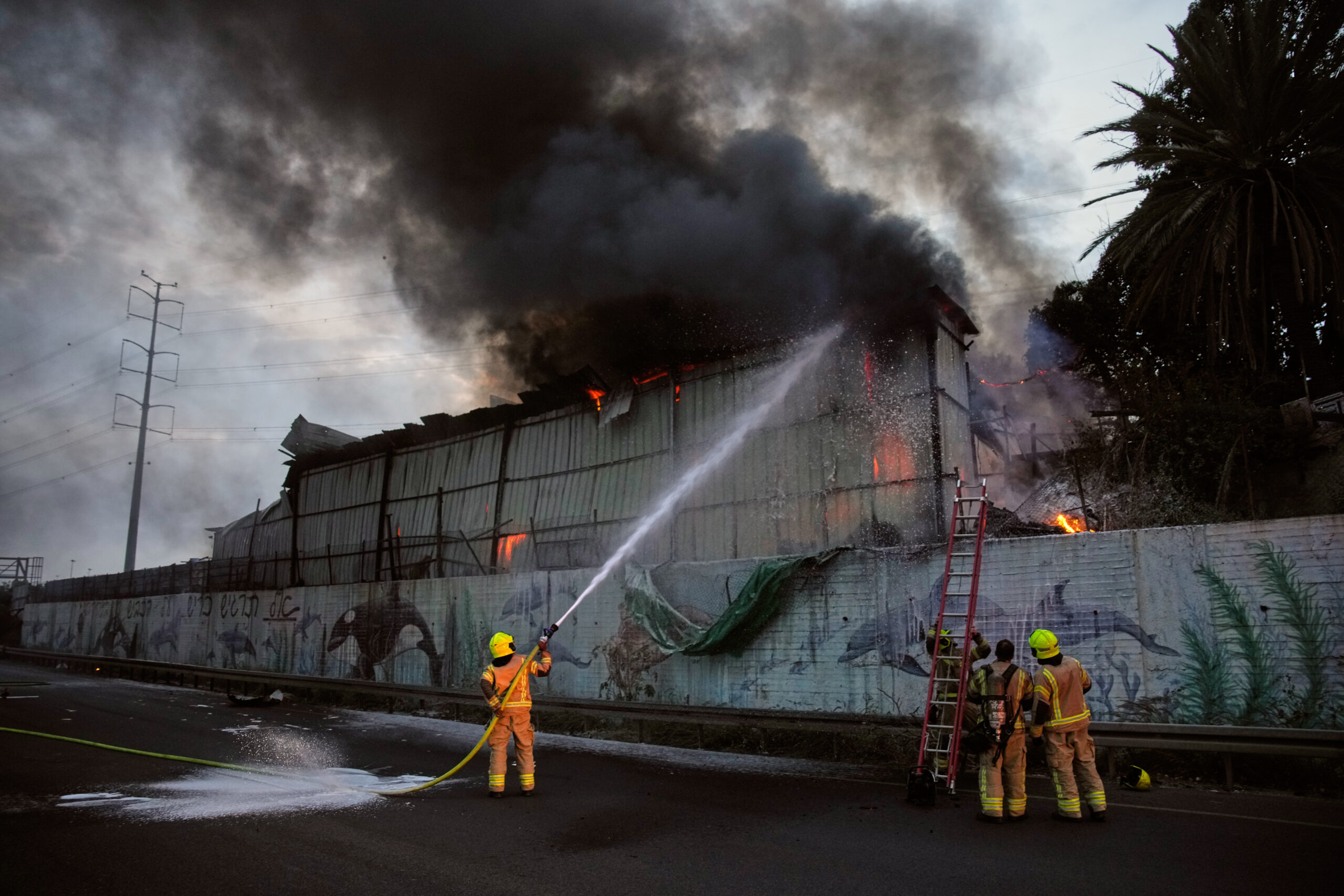
In Its Conflict With the United States and Israel, Does Escalation Favor Iran?
On March 18, AGSI hosted a discussion on the escalation of the Iran war.
Speakers


Mar 2, 2026
After the Shock: Implications of the U.S.–Israeli Strikes and Iran’s Leadership Transition
On March 2, AGSI hosted a discussion on the U.S.-Israeli strikes on Iran.
Speakers