Jul 9, 2024
Iran: Endless Challenges Staring Iran’s President-Elect in the Eyes
The July 9 edition of the Iran Media Review highlights the crises President-elect Masoud Pezeshkian will face when he enters office.

While Iran’s reformist camp is celebrating the victory of Masoud Pezeshkian in the presidential election, reformist media is also reminding the president-elect of the daunting challenges he will face as the head of the executive branch.
- July 8: Abbas Abdi, who took part in the hostage taking at the U.S. Embassy in Tehran in 1979 and has since become a reformist, dedicated his column in reformist Etemad newspaper to his thoughts on “What the President Ought to Do.” Urging readers to forget the details and look at the bigger picture when it comes to the challenges Iran is facing, Abdi wrote:
- “We are lagging behind our regional rivals. According to the 2024 ’20 Year Development Plan,’ we were meant to regain our economic, scientific, and technological lead in Southwest Asia … but as everyone knows, we not only failed to get closer to our objective but lost our previous position. Doubtlessly, we had advances in the military and defense fields, which enabled Iran to respond appropriately when needed, but as we know, the power of a state is the accumulated economic, military, social, political, diplomatic, cultural, and media capabilities of the state. The sources of power must be balanced. States that have concentrated on a single factor have imperiled themselves. One example is the Soviet Union, which, despite its superior military, intelligence, and policing capabilities, could not secure its existence.”
- “For almost 10 years, our diplomatic illiteracy allowed other countries to impose ruinous sanctions and United Nations Security Council resolutions on us, which led to a decade with no economic growth to speak of … We are now reviving the economy, but at a slow speed … On top of stagnation, we have also experienced inflation, particularly during the past six years with a 40% annual inflation rate, which imposes added pressure on the people and embitters their lives … Add to it increased poverty, underemployment and unemployment, capital flight, and corruption due to the system of multiple exchange rates.”
- “Social problems remain unsolved: the issues of women’s dress, low fertility rates, divorces, poverty, social plagues, and the like. There is no consensus on how to solve these problems in practice. The same applies to the cultural field, media, and the internet, in which we are facing deep cleavages polarizing Iranian society.”
- “But our biggest problem is our domestic politics. The crisis showed itself in the first round of the presidential election, in which 60% of voters did not participate. There was a cleavage between those who voted and those who boycotted the election. The second cleavage was among the 40% who voted: Half of them opposed the official line of the regime and supported Pezeshkian, and the rest supported different groups dominant in the Cabinet and Parliament. In the second round of the election, despite all the efforts, only half of the people showed up at the polls. This degree of political cleavages is not sustainable.”
- “The question is why we civilized and educated Iranians are incapable of solving our problems … This is perhaps because of several reasons. First, there are cleavages within the structures of power in which people fight each other instead of helping each other. Second, there is a cleavage between the state and society that has never been as wide as it is now since the revolution. Third, there is no approach that can have the support of all groups, and there is no science-based approach to create unity between the government and the people.”
The views represented herein are the author's or speaker's own and do not necessarily reflect the views of AGSI, its staff, or its board of directors.
Related
Iran Media Review
Jul 2, 2024
Presidential Election in Iran: Pezeshkian and Jalili Proceed to Runoff July 5
The July 2 edition of the Iran Media Review examines commentary ahead of the second round of voting in Iran’s presidential election.
Iran Media Review
Jul 1, 2024
Iran’s Presidential Election: The Foreign Policy Debate
The July 1 edition of the Iran Media Review examines a wide-ranging debate on foreign policy among Iran’s presidential candidates.
Jul 2, 2024
Presidential Election in Iran: Pezeshkian and Jalili Proceed to Runoff July 5
The July 2 edition of the Iran Media Review examines commentary ahead of the second round of voting in Iran’s presidential election.
Jul 1, 2024
Iran’s Presidential Election: The Foreign Policy Debate
The July 1 edition of the Iran Media Review examines a wide-ranging debate on foreign policy among Iran’s presidential candidates.
Analysis
The Islamic Republic Returns to Offense
After U.S.-Israeli strikes killed Supreme Leader Ayatollah Ali Khamenei on February 28, Iran’s collective leadership has concluded that the best defense is a good offense.
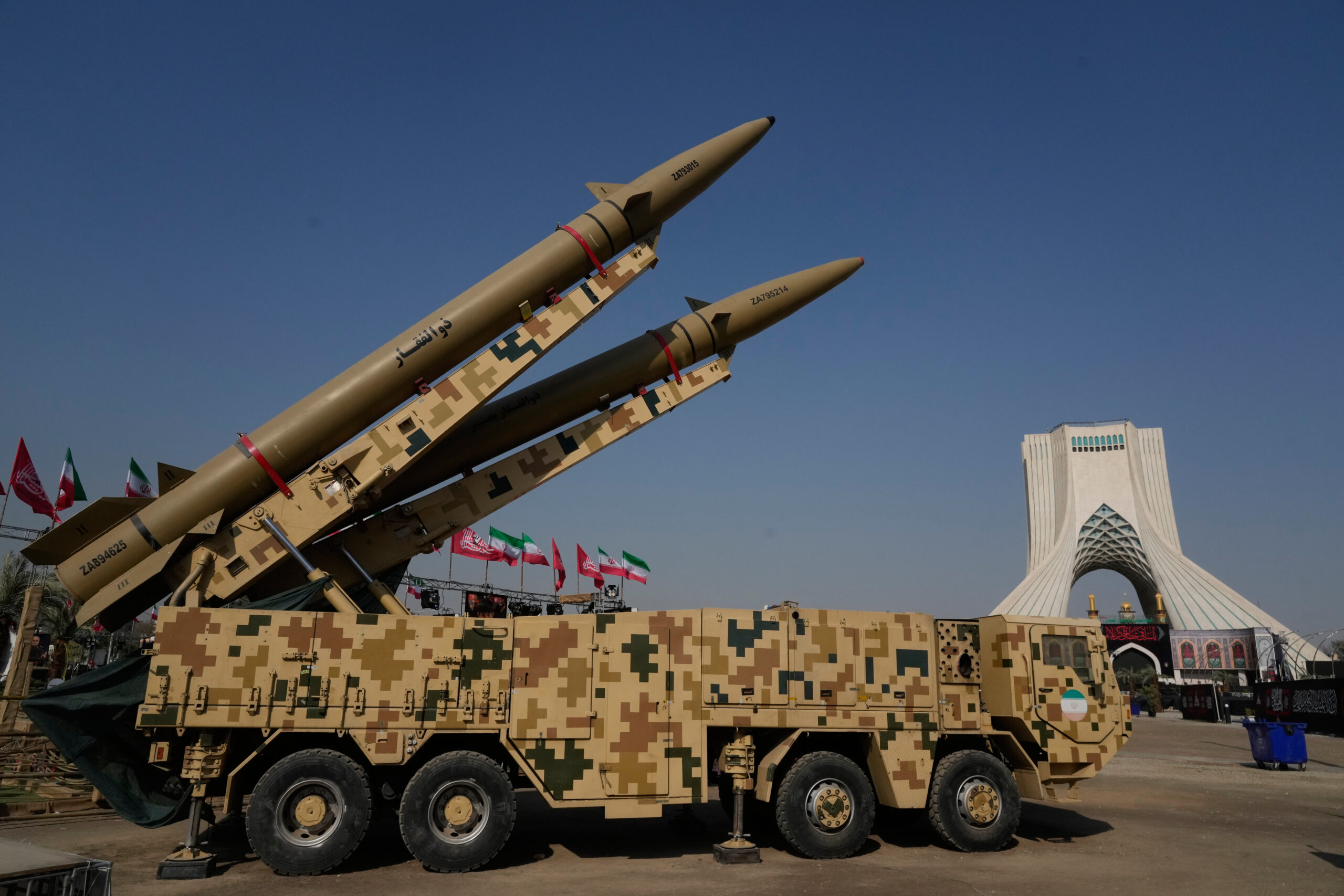
Iran’s Collective Strategic Decision Making
Wartime pressure has temporarily aligned the leadership’s overriding interest in regime survival, even as its members continue to differ over the costs, methods, and ultimate objectives of the war.
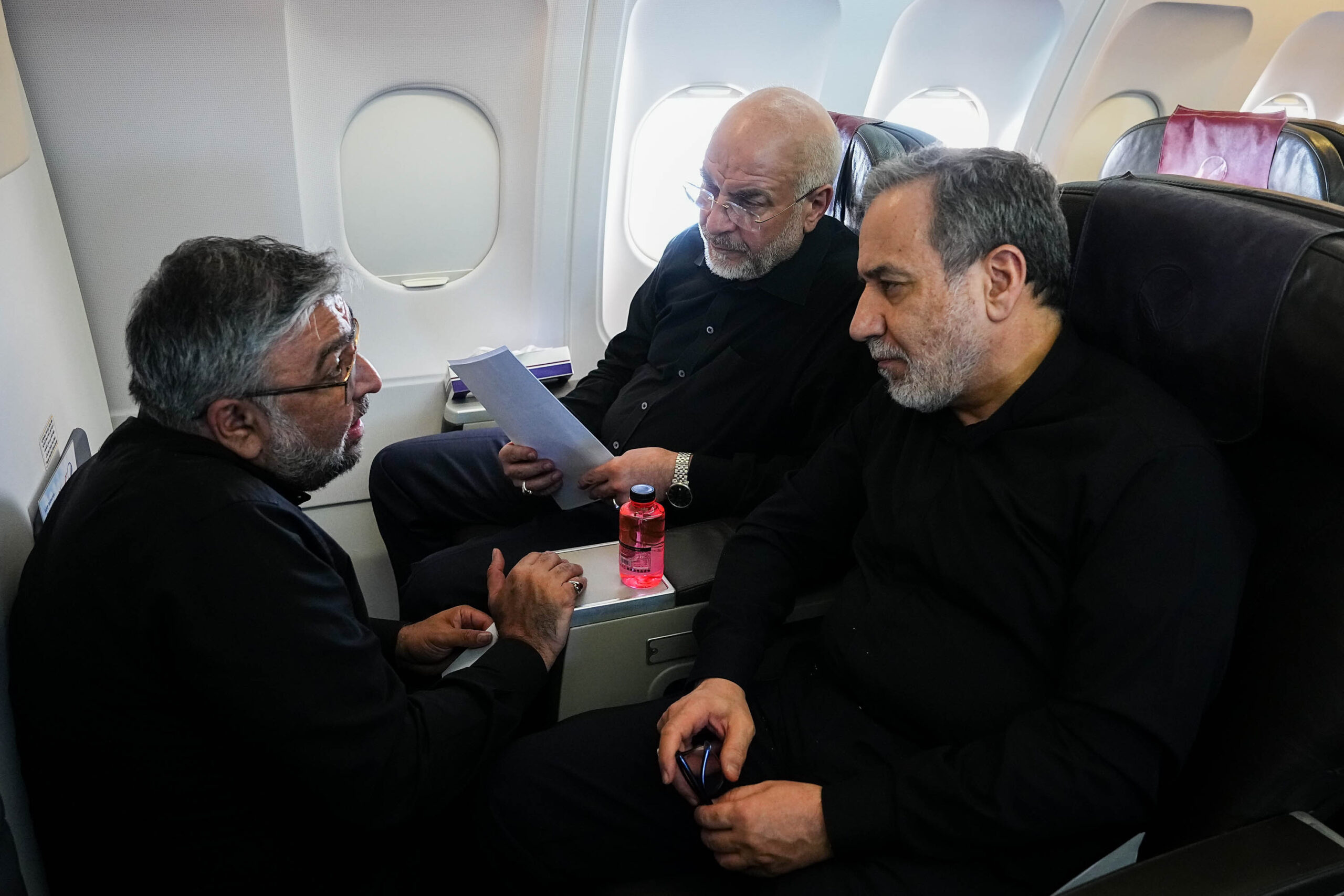
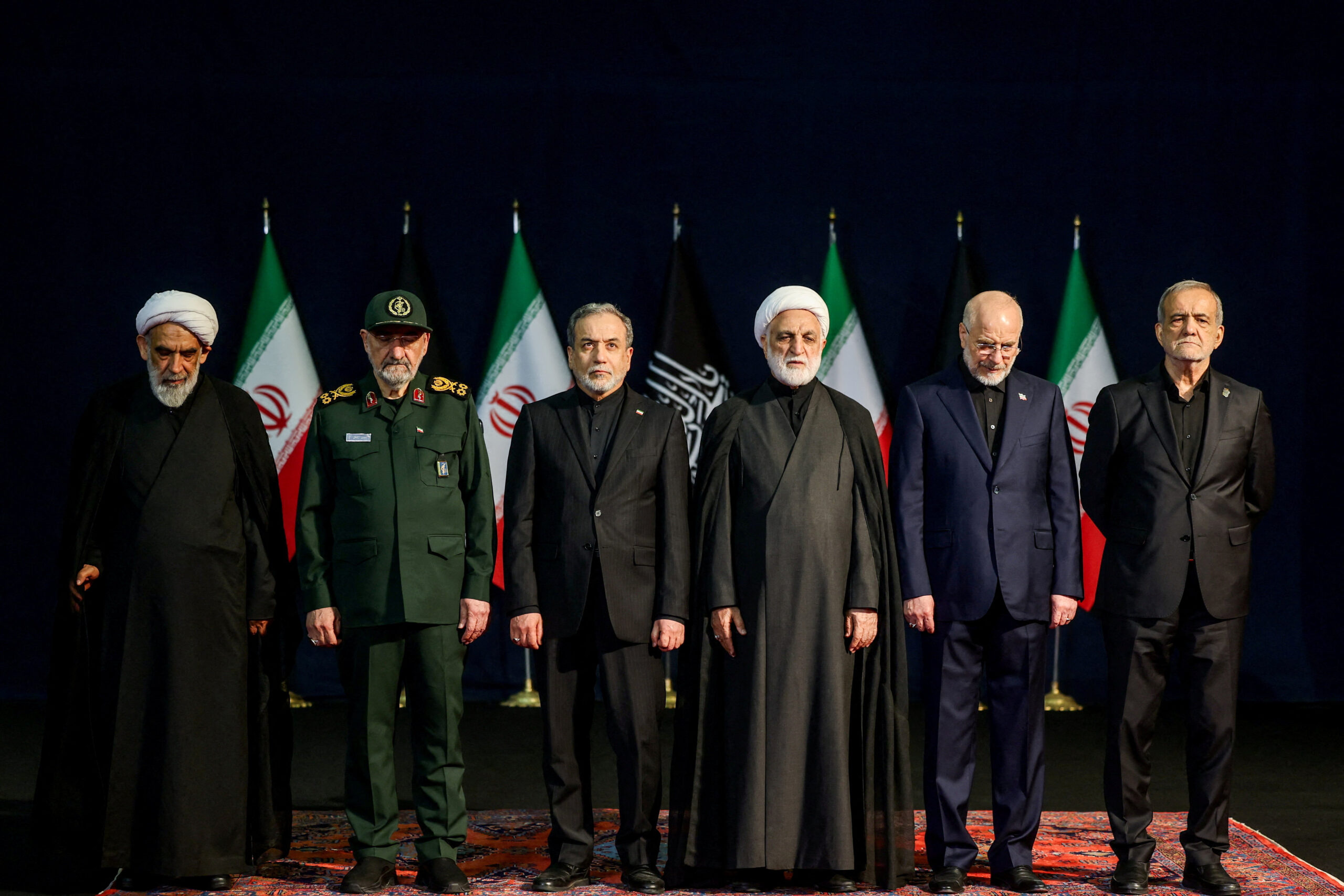
The Islamic Republic’s Collective Leadership
While there is historical precedent for collective leadership in Iran, today’s leadership includes representatives of the IRGC and regular military – a reflection of the IRGC’s expanding role and the necessities of governing under wartime conditions.
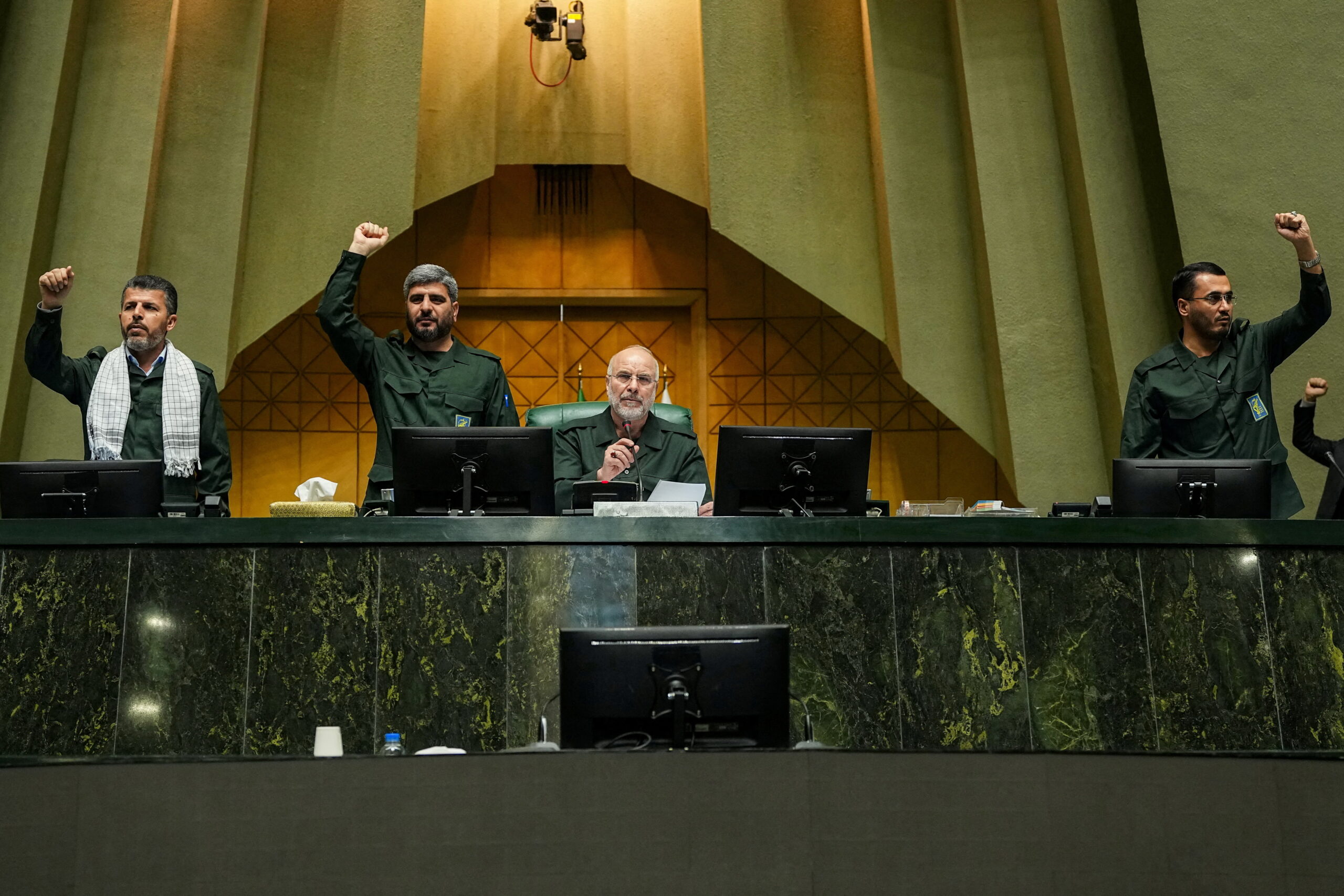
How Did the IRGC Seize Power in Iran?
The IRGC did not seize power in a single stroke. It accumulated it – patiently, methodically – until no counterweight remained.
Events
Book Talk: Iran and the Bomb: The United States, Iran and the Nuclear Question
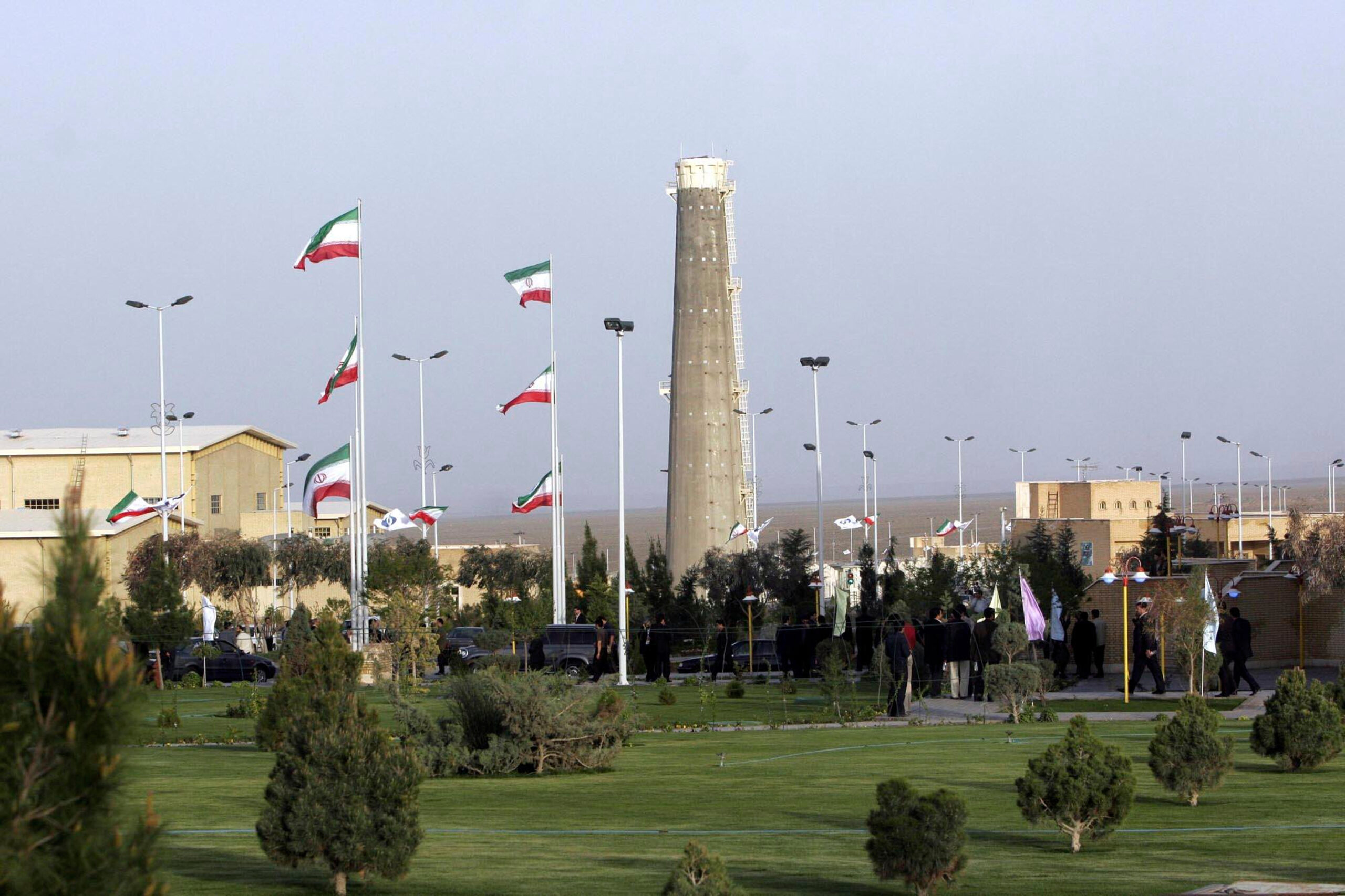
On June 16, AGSI hosted a discussion on the evolution of Iran's nuclear program.
Speakers

Apr 21, 2026
Inside Iran’s Wartime Leadership: Power, Succession, and Regime Stability
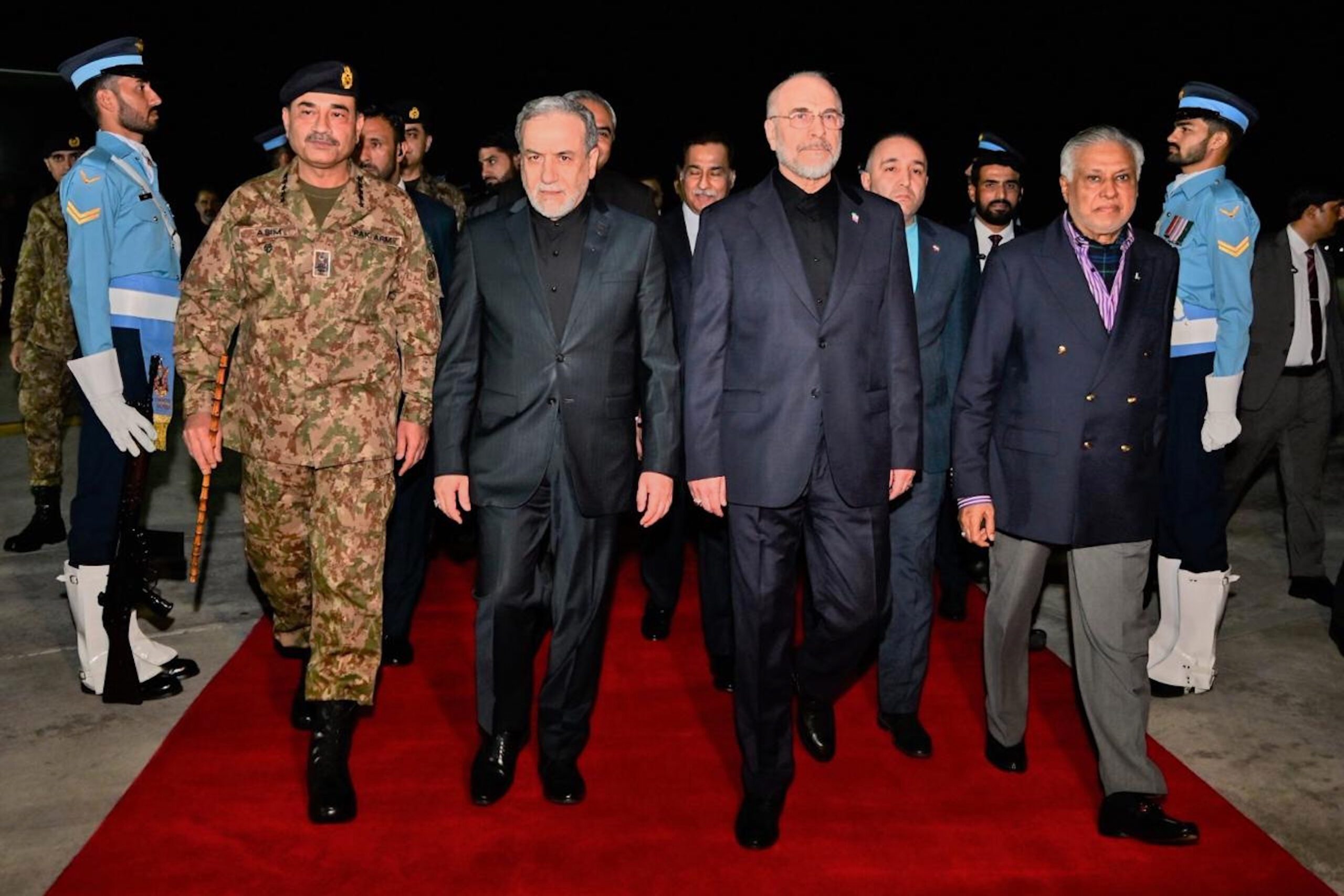
On April 21, AGSI hosted a discussion on the evolution of Iran's leadership during the war.
Speakers

Mar 18, 2026
In Its Conflict With the United States and Israel, Does Escalation Favor Iran?
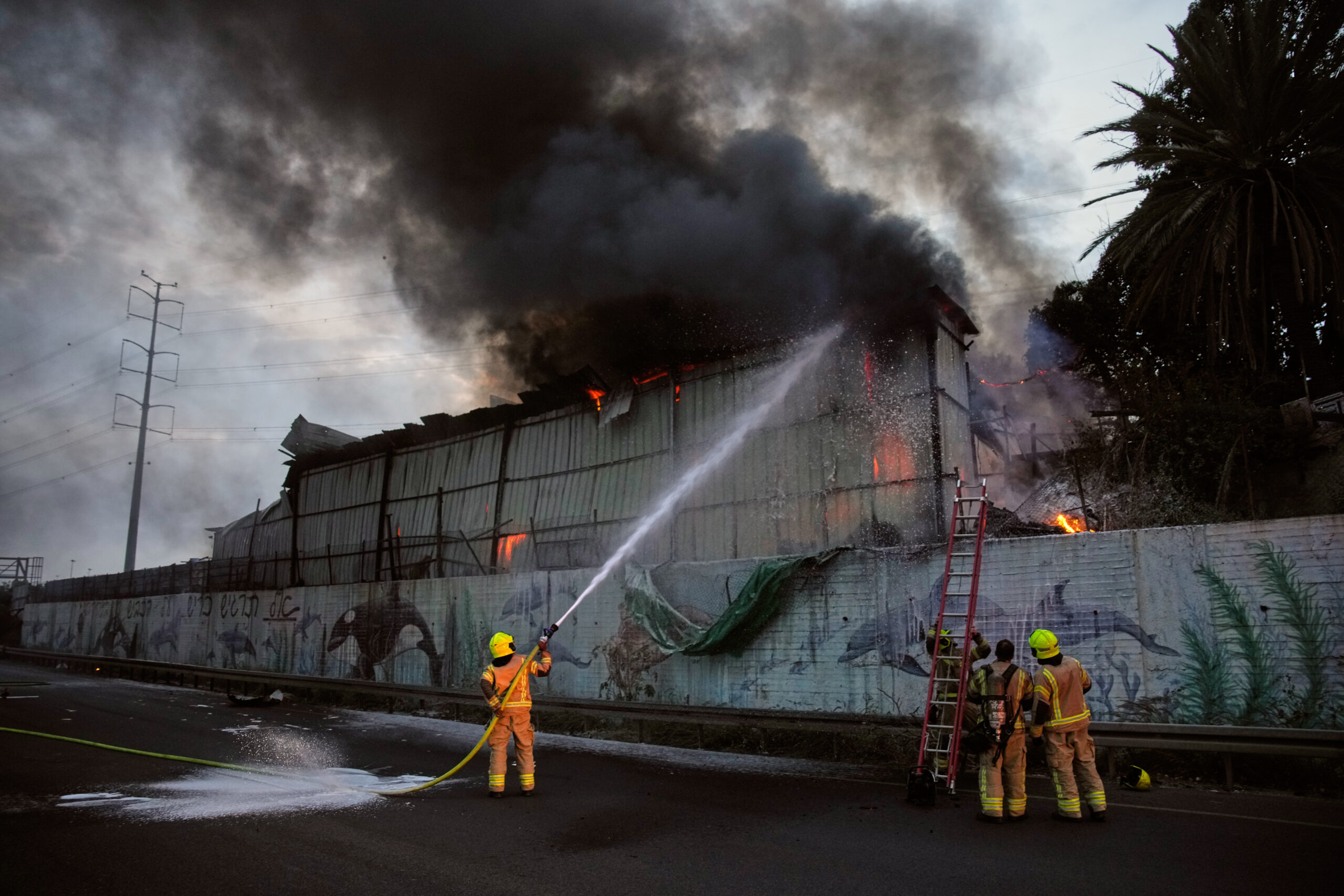
On March 18, AGSI hosted a discussion on the escalation of the Iran war.
Speakers

Mar 2, 2026
After the Shock: Implications of the U.S.–Israeli Strikes and Iran’s Leadership Transition
On March 2, AGSI hosted a discussion on the U.S.-Israeli strikes on Iran.
Speakers