May 29, 2024
Financing Saudi Arabia’s Ambitious Reforms
The May 29 edition of the Saudi Economic Spotlight examines Saudi Arabia’s use of an array of funding sources to finance its ambitious investment programs.

The Saudi Public Investment Fund and government are on the lookout for new financing. The PIF has depleted its cash reserves and requires financing to continue with its ambitious investment programs, including at Neom. The central government needs to finance the fiscal deficits it is planning to run over the next three years. Three recent developments show a range of financing options are being used:
- The PIF has liquidated part of its U.S. equity portfolio. The publication of the PIF’s submission to the U.S. Securities and Exchange Commission (form 13-F filing) showed the value of its U.S. equity holdings declined to $20.6 billion at the end of the fourth quarter of 2023 from $35.2 billion at the end of the third quarter. While part of this decline was due to losses at Lucid Motors, the PIF closed previously held positions in over 20 companies. These sales could have raised nearly $14 billion that it can now reinvest elsewhere.
- The central government is issuing an international sukuk. This $5 billion dollar-denominated sukuk, or Islamic bond, is on top of the $12 billion in international bonds issued earlier in 2024.
- Renewed reports of the likely sale of Aramco equity. A second public sale of Aramco equity has long been expected, and media outlets are reporting such a sale on the Saudi equity market may occur as soon as June. Estimates of the size of the sale vary from $10 billion to $20 billion, with this ultimately likely to be determined by the interest of foreign investors in the deal. If the sale goes ahead, the proceeds are expected to find their way to the PIF.
Large Funding Needs Will Not Go Away
These developments demonstrate the financing flexibility that Saudi Arabia still has given its large asset holdings and low debt levels, but the question is for how much longer this can continue. Unless there is a scaling back of the ambitious investment projects being undertaken by the PIF and, to a lesser degree, the central government, financing needs will remain high. Previous estimates put the PIF’s capital needs through 2030 at $270 billion.
Without a sustained increase in oil revenue, it is likely that remaining pockets of liquidity in the economy, including at Aramco and the Saudi Central Bank, will have to be tapped to keep priority projects going. Recourse to further borrowing is also likely. With the PIF’s stated intention of having 20%-25% of its investment portfolio in international assets already in question given the recent U.S. equity sales, further foreign asset disposals seem unlikely at this time. Sales of the PIF’s equity positions in domestic listed companies, such as the Saudi National Bank and Saudi Telecom, will also become more difficult after an Aramco sale given the liquidity the latter would drain from the domestic investor base.
Higher oil revenue would of course be the best solution for Saudi Arabia, enabling projects to continue apace and financing strains to abate. Whether the oil market will cooperate remains to be seen.
The views represented herein are the author's or speaker's own and do not necessarily reflect the views of AGSI, its staff, or its board of directors.
Related
Saudi Economic Spotlight
Mar 28, 2024
Mixed Signals in the Latest Saudi Labor Market Report
The March 28 edition of the Saudi Economic Spotlight examines trends in unemployment and labor force participation rates for Saudi nationals.
Saudi Economic Spotlight
Mar 12, 2024
Aramco Is Still the Jewel in Saudi Arabia’s Crown
The March 12 edition of the Saudi Economic Spotlight examines the continued strong performance of Aramco.
Mar 28, 2024
Mixed Signals in the Latest Saudi Labor Market Report
The March 28 edition of the Saudi Economic Spotlight examines trends in unemployment and labor force participation rates for Saudi nationals.
Mar 12, 2024
Aramco Is Still the Jewel in Saudi Arabia’s Crown
The March 12 edition of the Saudi Economic Spotlight examines the continued strong performance of Aramco.
Analysis
The Trump Presidency, Iran War, and U.S.-Gulf Economic Relationship
The outbreak of the Iran war has halted the deepening of the economic relationship between the United States and the Gulf countries. While likely temporary, it could take some time before the upward trajectory is restored.
Have Saudi Labor Market Reforms Run Their Course?
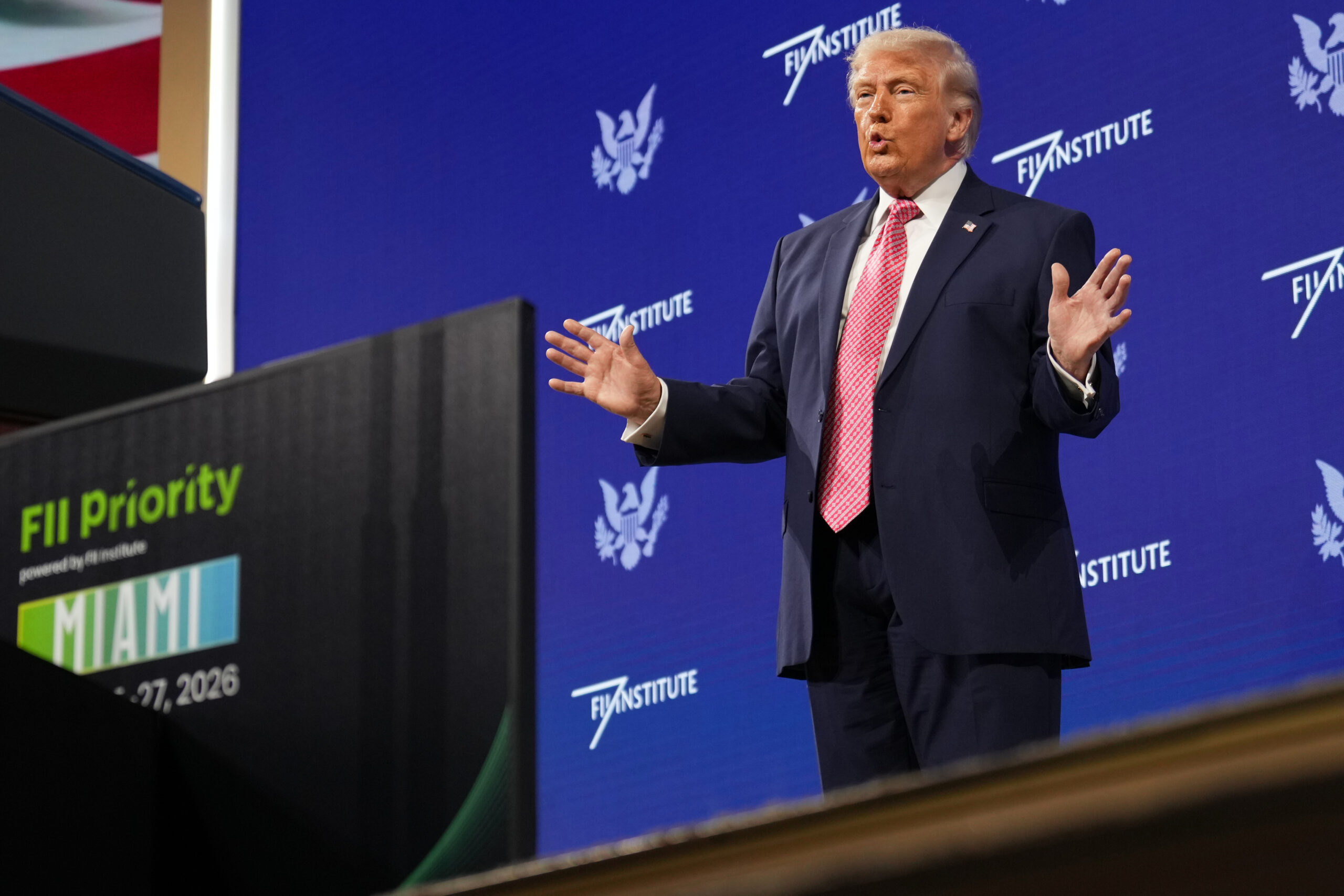
Recent data suggests that the positive impact of a decade of reforms to improve Saudi labor market outcomes may now be waning.

Saudi Arabia Weathers the Iran War Thanks to Investments in “Economic Resiliency”
The impact of the Iran war on the Saudi economy has been mitigated by investments in “economic resiliency,” including the East-West oil pipeline, relatively prudent fiscal policy, and the accumulation of a large stock of foreign financial assets.
Saudi Economic Outlook Positive If U.S.-Iran Deal Holds
If the memorandum of understanding between the United States and Iran holds, the Saudi economy will grow strongly in the second half of 2026 and into 2027.
Events
Mar 11, 2026
Shockwaves From Iran: Implications for Energy Markets and the Global Economy
On March 11, AGSI hosted a discussion on global energy and economic market volatility.

Speakers


Jan 8, 2026
Outlook 2026: Prospects and Priorities for U.S.-Gulf Relations in the Year Ahead
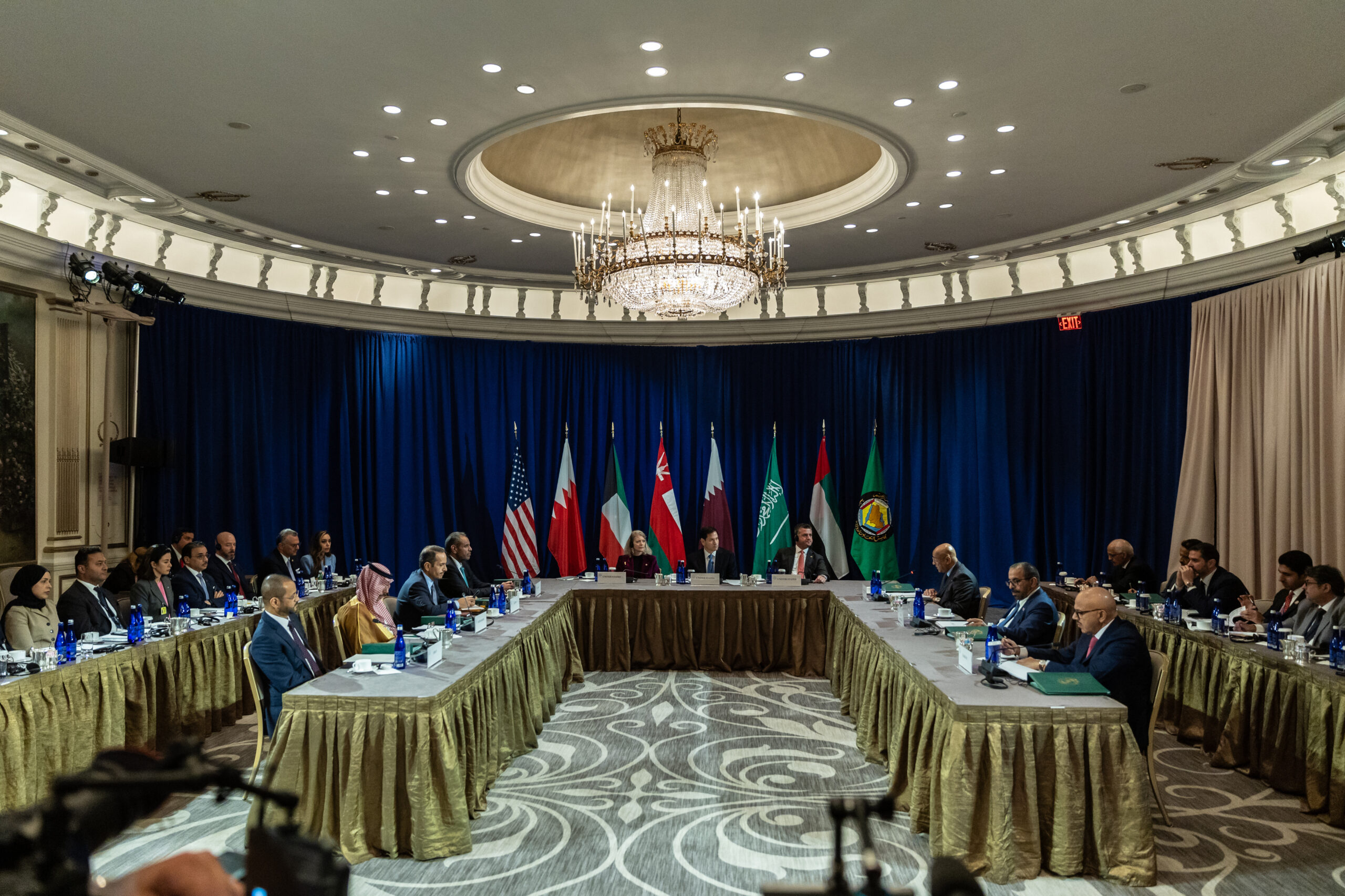
On January 8, AGSI hosted a virtual roundtable with its leadership and scholars as they look ahead and assess trends likely to shape the Gulf region and U.S. foreign policy during the coming year.
Speakers




Dec 15, 2025
Looking to 2026: Economic Prospects and Policy Challenges in the GCC
On December 15, AGSI hosted a discussion on the future of Gulf economies.
Speakers


Sep 4, 2025
Saudi Arabia: Sustaining Strong Growth Amid Global Economic Uncertainty
On September 4, AGSI hosted a discussion on the International Monetary Fund’s 2025 Article IV report on Saudi Arabia.
Speakers