Feb 13, 2024
Iran Celebrates the 45th Anniversary of the Islamic Revolution
The February 13 edition of the Iran Media Review examines reactions to President Ebrahim Raisi’s Revolution Day speech.

As the Iranian regime commemorated the 1979 Islamic Revolution February 11, President Ebrahim Raisi praised the blessings of the revolution, which he claimed include freedom of speech. Select foreign dignitaries, including a Bahraini Shia leader and the Houthi ambassador to Iran, also praised the regime for its achievements, some of which appear as elusive as the “freedom of speech” cited by Raisi. The reformist press, on the other hand, provided a healthy dose of skepticism to the president’s speech.
- February 11: Raisi, addressing the Revolution Day rally in Tehran, said, according to Islamic Revolutionary Guard Corps mouthpiece Fars News:
- “The slogan ‘neither East nor West’ has always been heeded by the Iranian nation. Today, as the Islamic Revolution has reached 45, we declare that the Iranian nation is committed to this policy. It is not receiving orders from any powerful state since Iran itself is in a position of power and strength.”
- “Nowadays, nobody even talks of having the ‘military option on the table’ with regard to Iran. This is thanks to the defense capabilities, the capable armed forces, and the devout people of Iran … When the enemy watches million-man marches in more than 1,400 cities and 35,000 villages of this country with the people shouting in defense of the Islamic Revolution, nobody dares to attack this land.”
- “In the course of the last 45 years, the Islamic Republic has supported the Palestine issue … Throughout these years,” Iran’s foreign adversaries “tried by different means, such as war, threats, and sanctions, to make us abandon the idea of Palestine. But today, 45 years after the victory of the glorious Islamic Revolution, it is proved to the entire world that in the Palestine issue, the Islamic Republic of Iran, the imam,” referencing the late Grand Ayatollah Ruhollah Khomeini, “and the supreme leader were right: Palestine is the primary problem of the world of Islam and the honored Quds,” or Jerusalem.
- “Today, freedom of thought, freedom of writing, and freedom in other fields have been guaranteed. Gone are the days when people were tortured for weeks for the sake of writing a declaration. Today, critical words are uttered and written in the media, in cyberspace, and in digital media. Freedom in Islamic Iran is one of the blessings of the Islamic Revolution. As opposed to the postulations of claimants of freedom, there is real freedom in this country.”
- February 11: While attending a Revolution Day rally in Qom, Ayatollah Sheikh Isa Qassim, a Bahraini Shia leader, said, according to Fars News: “The Islamic Revolution of Iran is a great revolution that must be supported … The greatness of the Islamic Revolution and the awakened consciousness of the people motivated this rally.”
- February 11: Houthi ambassador to Iran Ibrahim Mohammed al-Dailami, addressing the Revolution Day rally in Ramsar in northern Iran, said, according to Fars News: “We are in the paradise of revolution. We have come to take part in the Islamic Revolution and establish relations between us and you … Yemen and Iran have had good and brotherly relations even prior to Islam, in particular in northern Iran, in Tabarestan and Deilaman. God be praised, we are in such a good and beautiful place.
- February 12: In contrast, an editorial by reformist Ham Mihan satirized Raisi’s claims:
- “The honorable president said in his statements: ‘Whenever we followed the discourse of the imam and the leader, we were successful, and when certain individuals and officials here and there did not follow it or did not believe it, we remained backward.’ The sentence implicitly implies that the current Cabinet is subordinated to the guidance of the leader. Why, then, have the circumstances deteriorated? Why were promises made by the Cabinet not only not realized but the situation got worse? The president’s election speeches and addresses are available, and it is clear what promises he made. It’s all available in writing as well. Now, does this mean that this Cabinet has also ignored the guidance” of Supreme Leader Ayatollah Ali Khamenei?
- Raisi’s “statements concerning the fight against corruption and inflation are truly wondrous. He said: ‘Today, productivity is increasing, and we have had an unprecedented decrease in inflation … We are committed to our promise to you and will not allow the least bit of corruption in the administrative structure of the state.’ Such statements are not only unreal but also untrue and not worthy of Revolution Day.”
- “As for the president’s rosy depiction of the present situation, just take a look at the economic pages of Ham Mihan concerning the people’s economy … Have you not noticed that the public gatherings at” Revolution Day ceremonies “have become less crowded, and don’t you think this is a reaction to such statements? You promised single digit inflation, yet 30 months after the formation of your Cabinet, inflation is above 40%. Why do you claim to be sensitive about corruption and say you want to uproot it yet we witness a $7.3 billion corruption scandal in the tea business? … We are hoping for a fundamental revision of statements to calm the people rather than rub salt in their wounds.”
The views represented herein are the author's or speaker's own and do not necessarily reflect the views of AGSI, its staff, or its board of directors.
Related
Iran Media Review
Feb 9, 2024
Iran and the Specter of Ethnic Strife
The February 9 edition of the Iran Media Review highlights a warning against dismissing complaints by ethnic minorities.
Iran Media Review
Feb 6, 2024
Iran’s State-Censored Media Reacts to U.S. Bombing of Iranian Proxies
The February 6 edition of the Iran Media Review examines the muted response in Iranian media to recent U.S. strikes against Iranian-backed militias.
Feb 9, 2024
Iran and the Specter of Ethnic Strife
The February 9 edition of the Iran Media Review highlights a warning against dismissing complaints by ethnic minorities.
Feb 6, 2024
Iran’s State-Censored Media Reacts to U.S. Bombing of Iranian Proxies
The February 6 edition of the Iran Media Review examines the muted response in Iranian media to recent U.S. strikes against Iranian-backed militias.
Analysis
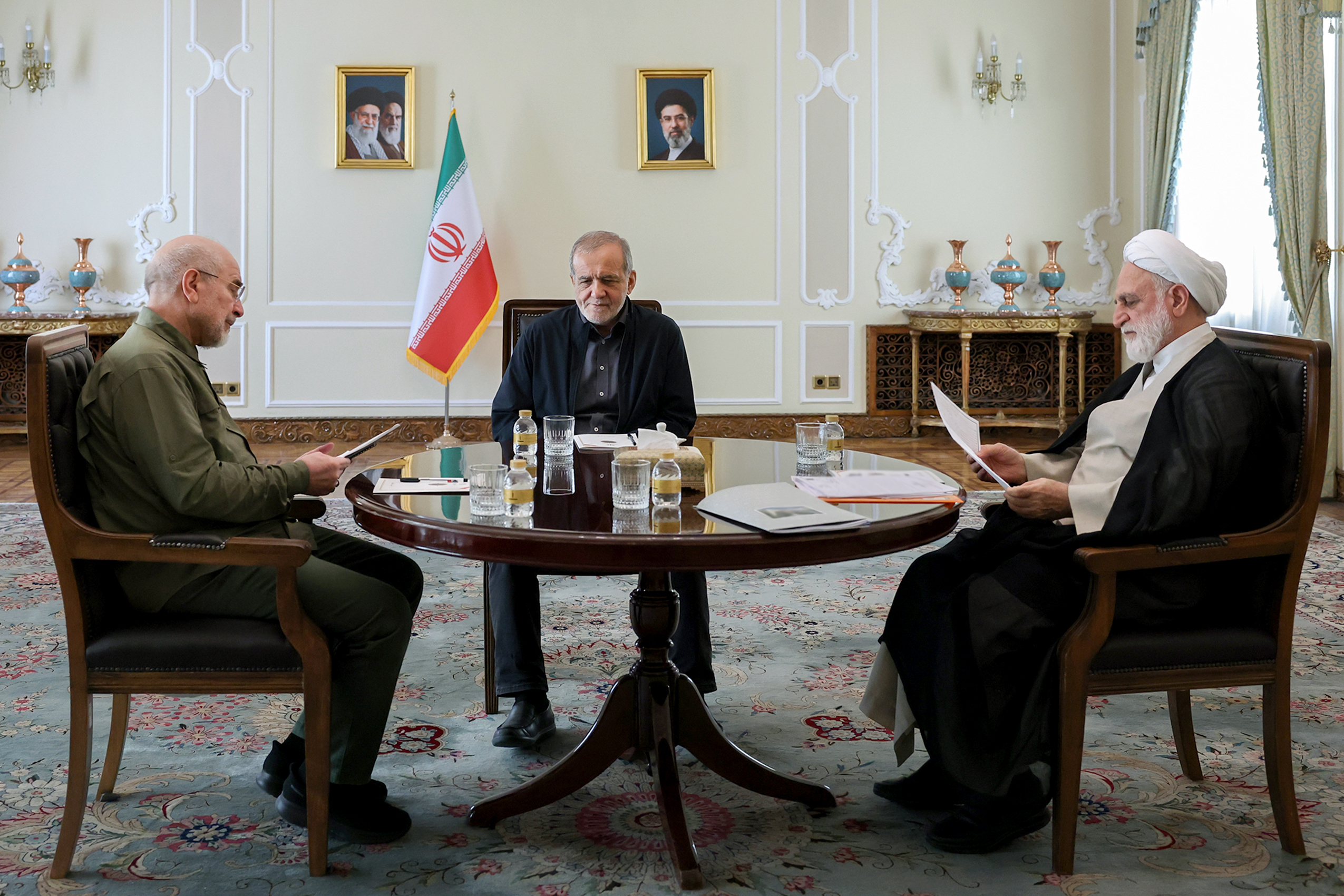
The Committee of Six and Strategic Decision Making in Iran
Remarks by Iran’s president offer a rare glimpse of how the Islamic Republic has adapted its decision making to the absence of its supreme leader.
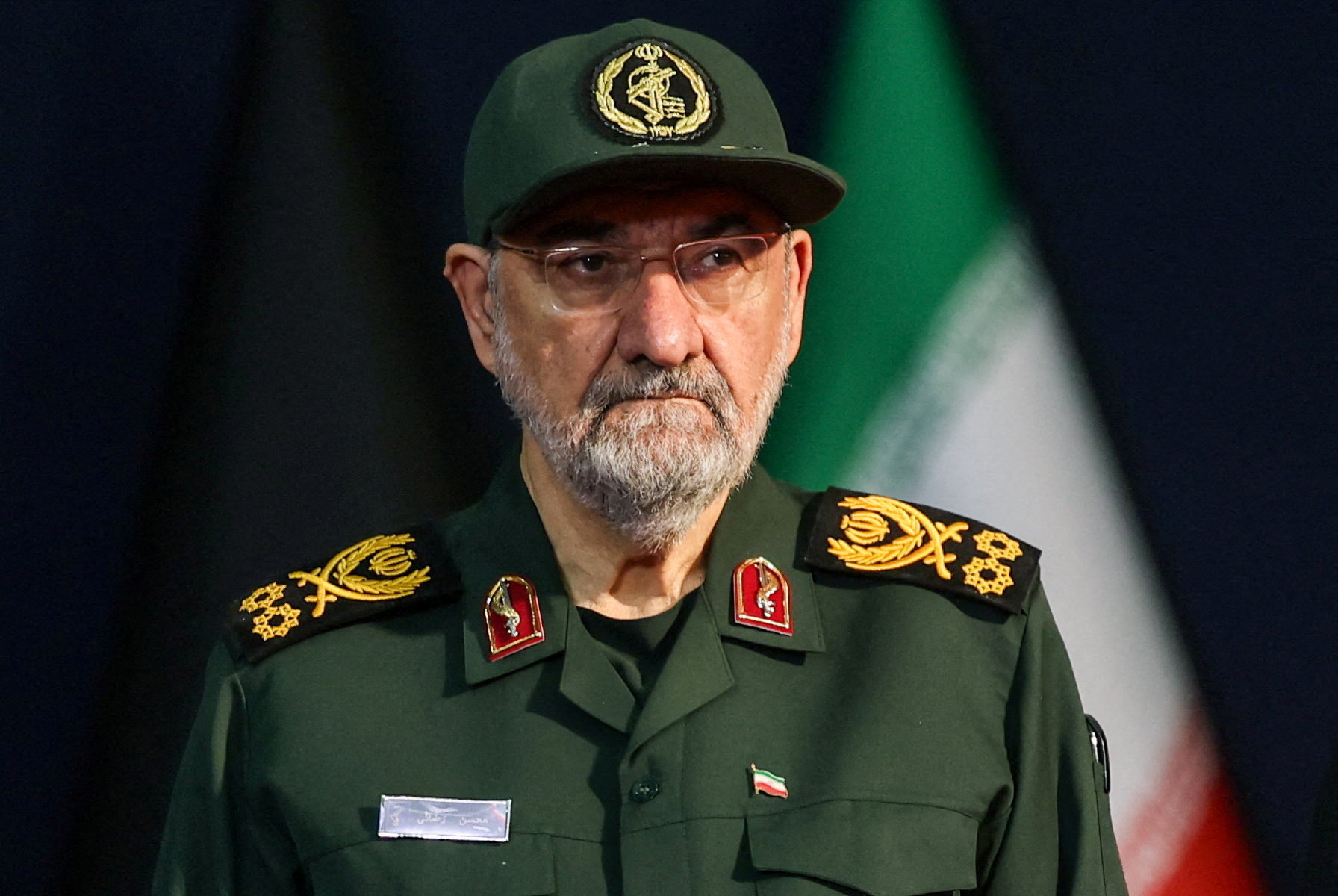
Mohsen Rezaei at the Helm of Iran’s Supreme National Security Council
Under Rezaei, the SNSC could prove constructive or paralyze strategic decision making.
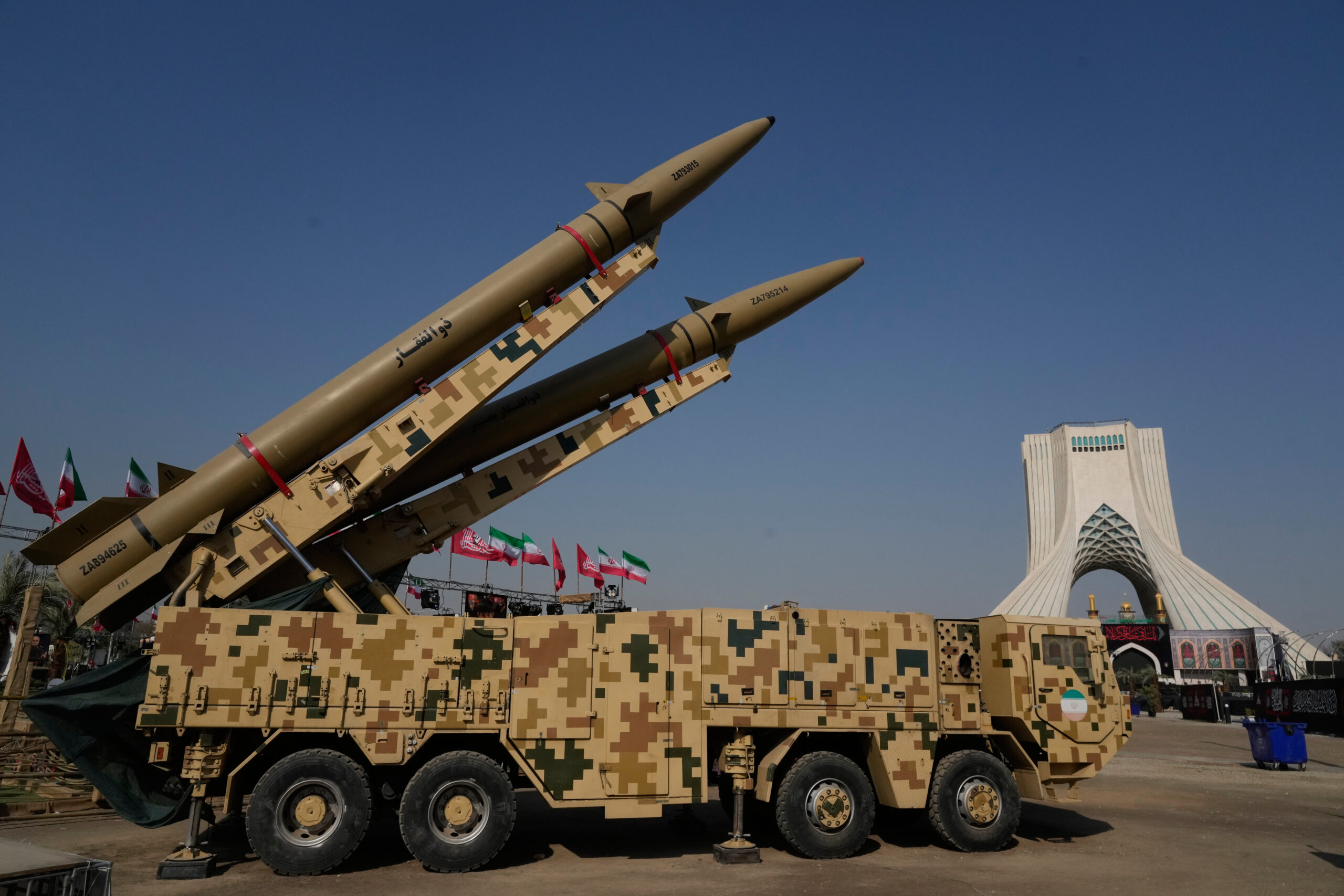
The Islamic Republic Returns to Offense
After U.S.-Israeli strikes killed Supreme Leader Ayatollah Ali Khamenei on February 28, Iran’s collective leadership has concluded that the best defense is a good offense.
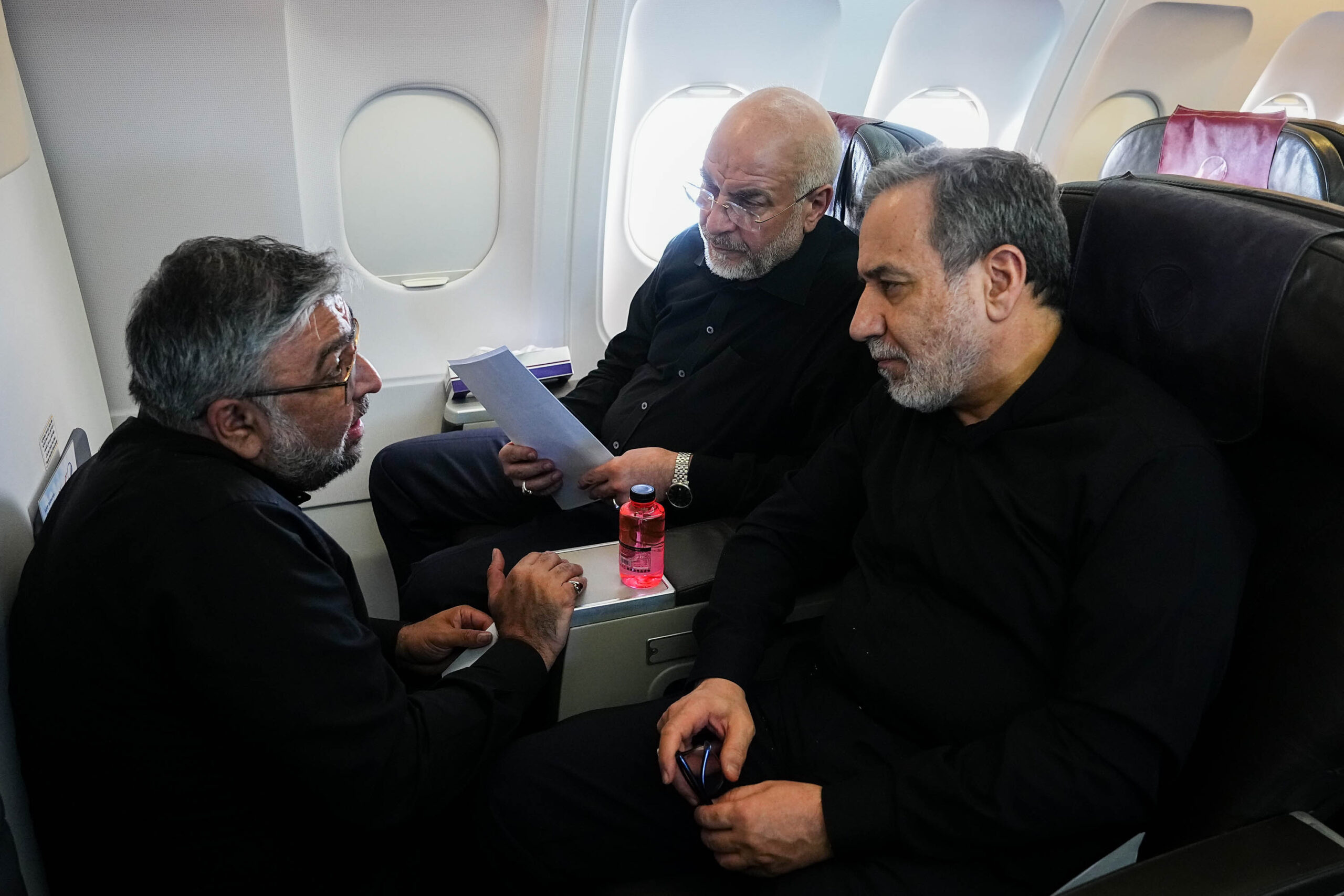
Iran’s Collective Strategic Decision Making
Wartime pressure has temporarily aligned the leadership’s overriding interest in regime survival, even as its members continue to differ over the costs, methods, and ultimate objectives of the war.
Events
Oct 6, 2026
Is the U.S.-Iran Stalemate a “New Normal” or the Prelude to Another Explosion?
On October 6, AGSI hosted a discussion on the U.S.-Iran stalemate and the prospects for a cease-fire.
Speakers



Book Talk: Iran and the Bomb: The United States, Iran and the Nuclear Question
On June 16, AGSI hosted a discussion on the evolution of Iran's nuclear program.

Speakers

Apr 21, 2026
Inside Iran’s Wartime Leadership: Power, Succession, and Regime Stability
On April 21, AGSI hosted a discussion on the evolution of Iran's leadership during the war.

Speakers

Mar 18, 2026
In Its Conflict With the United States and Israel, Does Escalation Favor Iran?
On March 18, AGSI hosted a discussion on the escalation of the Iran war.
Speakers