Dec 12, 2023
Rare Insight Into Iran’s Decision Not to Wage War Against the Taliban in 1998
The December 12 edition of the Iran Media Review examines new revelations about Iran’s decision not to intervene in Afghanistan following the Taliban’s killing of 12 Iranians.

Iran’s Supreme National Security Council remains a black box, and very little is known about the strategic decision-making process in Iran. However, often provoked by factional struggles for power, current and former regime officials occasionally end their silence and talk openly. For example, when Kayhan Daily, which at times is perceived as the mouthpiece of Supreme Leader Ayatollah Ali Khamenei, on November 25 accused former reformist President Mohammad Khatami of attempting to provoke a war with the Taliban in 1998 in the wake of the Taliban’s killing of 12 Iranians, the reformist camp responded. The Islamic Revolutionary Guard Corps was the main proponent of a war against the Taliban, former reformist officials claimed. Kayhan’s intention was probably to absolve the Taliban of the killing of Iranian nationals in 1998, improve relations with Afghanistan’s Taliban government, and at the same time take a jab at Iranian reformists. However, with their response, the reformists not only undermined the whitewashing of the Taliban in the eyes of the Iranian public but also provided much-needed insight into strategic decision making in Iran.
- November 25: In a lengthy article, Kayhan columnist Mohammad-Emad Aarabi claimed that after the Taliban seized the Iranian Consulate in Mazar-i-Sharif and killed 11 Iranian diplomats and a journalist, the reformist camp “insisted on identifying the Taliban as the perpetrators of this crime and issued the order to attack Afghanistan.” Kayhan further claimed it was not Taliban fighters but elements of Pakistani intelligence that were responsible for the attack.
- November 27: Reformist Ham-Mihan newspaper published an interview with Mohsen Aminzadeh, who was deputy foreign minister in 1998:
- “As I remember it, the Secretariat of the Supreme National Security Council convened on August 19, 1998. The meeting marked the end of the adventurism of ideological officials who wanted to start a war with the Taliban … Until August 9, 1998, Mr. Alaeddin Boroujerdi was responsible for Afghan affairs at the Foreign Ministry. After the murder of our diplomats at the Iranian Consulate in Mazar-i-Sharif, he was removed, and in the following days, responsibility for Afghanistan was given to me because I was deputy minister for Asia and Oceania. Regardless of changed responsibilities in the Foreign Ministry, Mr. Boroujerdi was pursuing an Iranian attack against the city of Herat in Afghanistan. He, along with Mr. Ali Larijani, Commander Rahim Safavi, and Commander Hassan Firouzabdi, had teamed up to plan and execute joint operations between the Quds Force and Afghan forces opposed to the Taliban led by the late Ahmad Shah Massoud,” referencing the Northern Alliance, or United Front, “with the aim of occupying Herat … According to the memoir of the late” President Ayatollah Ali Akbar Hashemi Rafsanjani, “he managed to change the leader’s opinion concerning operations against the Taliban and the occupation of the city of Herat. The late Rafsanjani, the leader, and, of course, Khatami and the Khatami Cabinet were totally opposed to Iran entering Afghanistan militarily.”
- December 2: Ali Rabiee, who served as the head of the Supreme National Security Council Secretariat under Khatami, wrote in Ham-Mihan:
- “The meeting referred to took place at the Supreme National Security Council Secretariat and was an internal meeting, the result of which would usually be sent to the president and the supreme leader. Therefore, then-President Mohammad Khatami was not present at the meeting. Then-Supreme National Security Council Secretary Hassan Rouhani, too, was off to Mecca, and the emergency session took place in his absence. The meeting took place in the evening, and I prepared the agenda. Prior to the meeting, Massoud came to my office, and he also provided a 15-minute explanation at the meeting concerning the latest situation in Afghanistan, Taliban advances, and the possibility of the fall of Herat.”
- “Iranian military intervention in Afghanistan was under no circumstances proposed by then-Foreign Minister Kamal Kharazi or other government agencies. As a matter of fact, President Mohammad Khatami was constantly concerned about hasty decisions, military intervention, and entanglement in another war. Prior to the meeting, I also telephoned Supreme National Security Council Secretary Hassan Rouhani, and he immediately headed back to Tehran. As a matter of fact, those who proposed and insisted on military intervention were not Cabinet members and were not reformists. I recall that two of those who proposed a military attack remained in my office until midnight, long after the end of the meeting, so the protocols from the meeting would be according to their preferences. Traditionally, the Secretariat prepared protocols reflecting the viewpoints of all members. Therefore, after the meeting, I also consulted with two informed participants who had not expressed their opinions during the meeting so their viewpoints would also be reflected in the protocols. It turned out that these two were opposed to the military attack plan and considered it fundamentally problematic. The viewpoints of these individuals, too, were included. After a few hours, the leader issued his wise decision to the effect of ‘no Iranian forces will enter Afghanistan.’”
- December 10: Jamaran News, which is close to the household of the founder of the Islamic Republic, Grand Ayatollah Ruhollah Khomeini, published Kharazi’s journal entry from August 17, 1998:
- “Yesterday and today, the deputies met to produce a political plan to deal with the killing of our diplomats by the Taliban. The Foreign Ministry believes the problem cannot be solved by military means. Today, we met at the Supreme National Security Council. Two brothers from the Revolutionary Guard, Gholam-Ali Dorri Najafabadi and Mostafa Pour-Mohammadi from the Intelligence Ministry, me and Alaeddin Boroujerdi from the Foreign Ministry, and Ali Larijani from the Voice and Vision of the Islamic Republic of Iran were present. Larijani and the brothers from the Guard defended military intervention and the liberation of Herat and believed we could protect our own with a few brigades. I asked, ‘Why should we intervene militarily in Afghanistan? Our goal ought to be safeguarding our borders, and we should engage in political work from a position of power.’ While there was a harsh discussion, voices were raised, and the meeting was excited. Mr. Hejazi came with the message of the leader: ‘I have by no means reached a decision to engage the country in a war. What I said was conditioned on the impossible: Can the United Front guarantee that it is capable of saving Herat? This does not mean that we should send our kids and entangle the country in an all-out war. The idea of operations in foreign territory has not at all crossed my mind.’ It was an interesting scene. The brothers who demanded the seizure of Herat chose silence when they heard the leader’s message. In order to wash away bad feelings, we all cheek kissed each other, and military intervention was canceled.”
The views represented herein are the author's or speaker's own and do not necessarily reflect the views of AGSI, its staff, or its board of directors.
Related
Iran Media Review
Dec 8, 2023
Evolution in Official Iranian Commentary on the Houthis’ Seizure of Israeli-Owned Ship
The December 8 edition of the Iran Media Review examines Iran’s rhetoric regarding the Houthis’ seizure of the Galaxy Leader, an Israeli-owned ship.
Iran Media Review
Dec 5, 2023
IRGC in No Hurry to Avenge Officers Slain by Israel
The December 5 edition of the Iran Media Review examines responses to the recent killing of two Islamic Revolutionary Guard Corps officers in an Israeli strike.
Dec 8, 2023
Evolution in Official Iranian Commentary on the Houthis’ Seizure of Israeli-Owned Ship
The December 8 edition of the Iran Media Review examines Iran’s rhetoric regarding the Houthis’ seizure of the Galaxy Leader, an Israeli-owned ship.
Dec 5, 2023
IRGC in No Hurry to Avenge Officers Slain by Israel
The December 5 edition of the Iran Media Review examines responses to the recent killing of two Islamic Revolutionary Guard Corps officers in an Israeli strike.
Analysis
The Islamic Republic Returns to Offense
After U.S.-Israeli strikes killed Supreme Leader Ayatollah Ali Khamenei on February 28, Iran’s collective leadership has concluded that the best defense is a good offense.
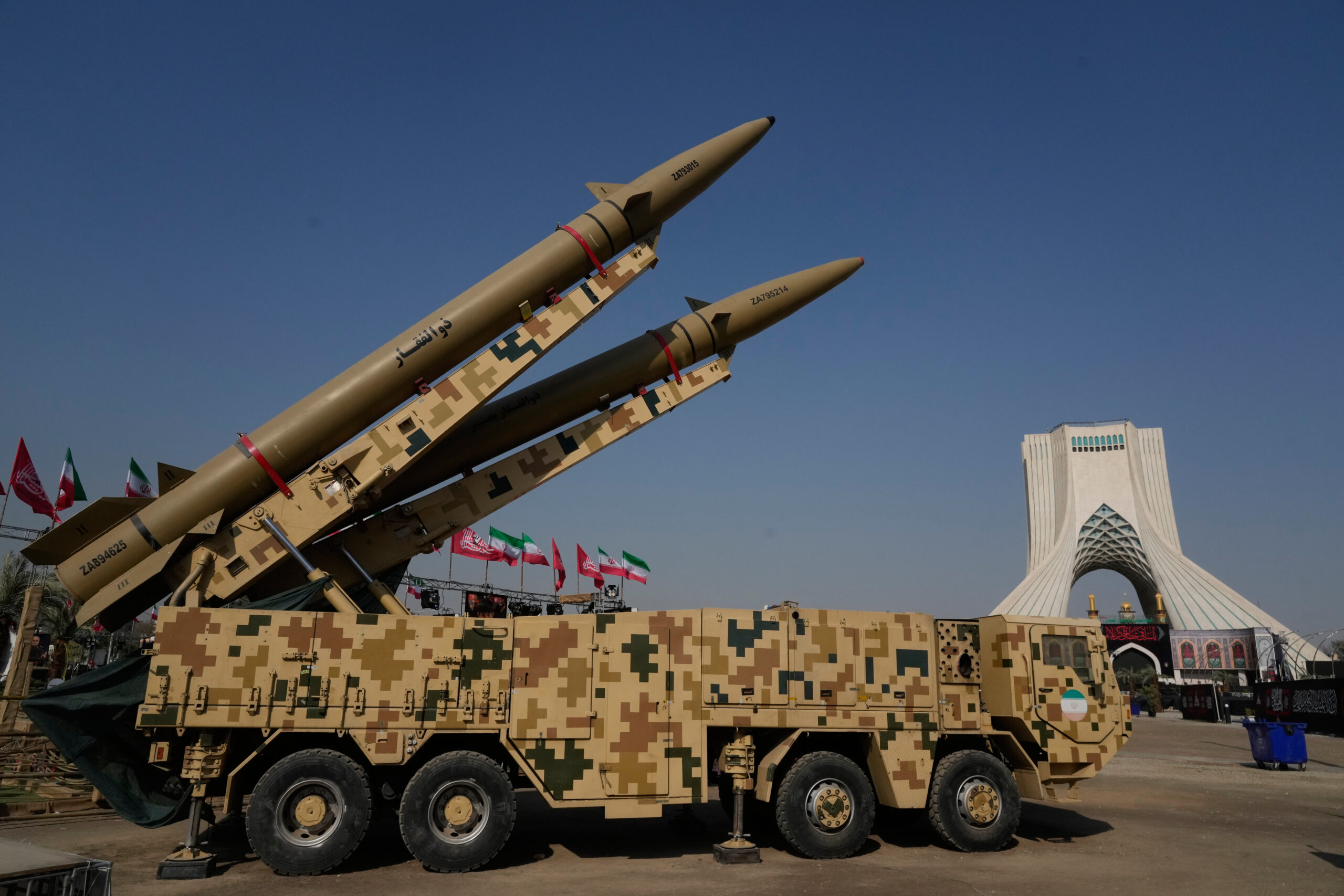
Iran’s Collective Strategic Decision Making
Wartime pressure has temporarily aligned the leadership’s overriding interest in regime survival, even as its members continue to differ over the costs, methods, and ultimate objectives of the war.
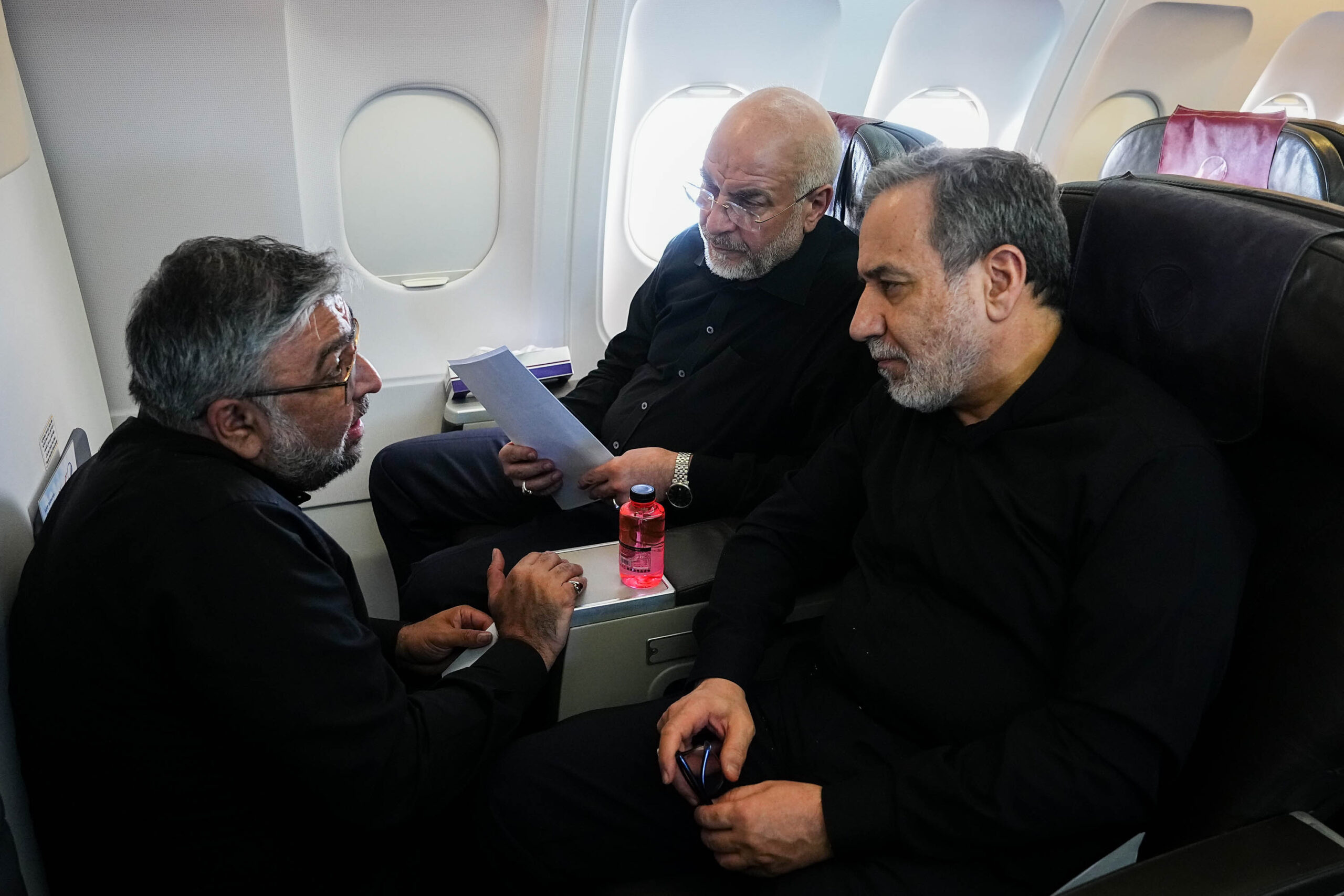
The Islamic Republic’s Collective Leadership
While there is historical precedent for collective leadership in Iran, today’s leadership includes representatives of the IRGC and regular military – a reflection of the IRGC’s expanding role and the necessities of governing under wartime conditions.
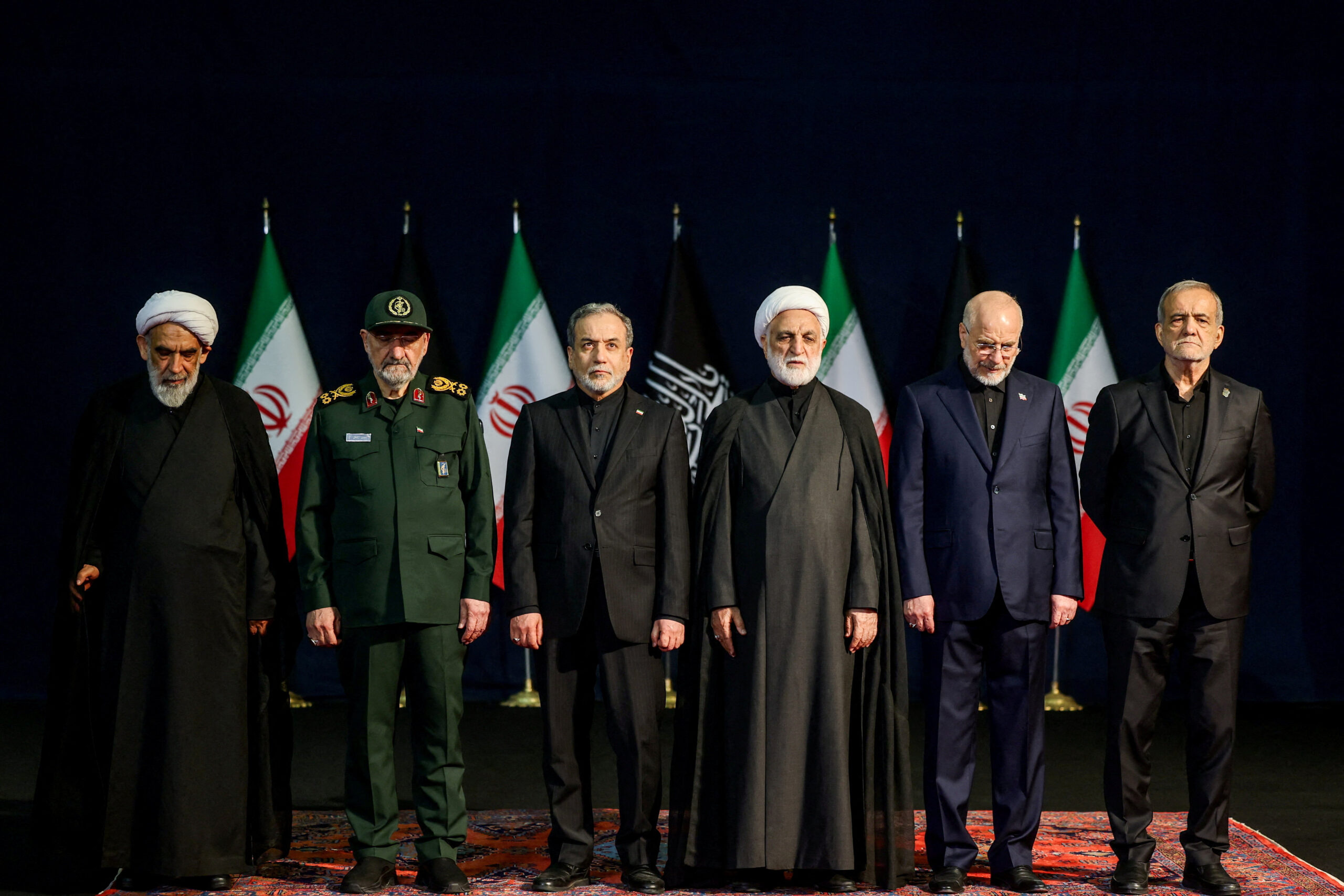
How Did the IRGC Seize Power in Iran?
The IRGC did not seize power in a single stroke. It accumulated it – patiently, methodically – until no counterweight remained.
Events
Oct 6, 2026
10:00am - 11:00am
Is the U.S.-Iran Stalemate a “New Normal” or the Prelude to Another Explosion?
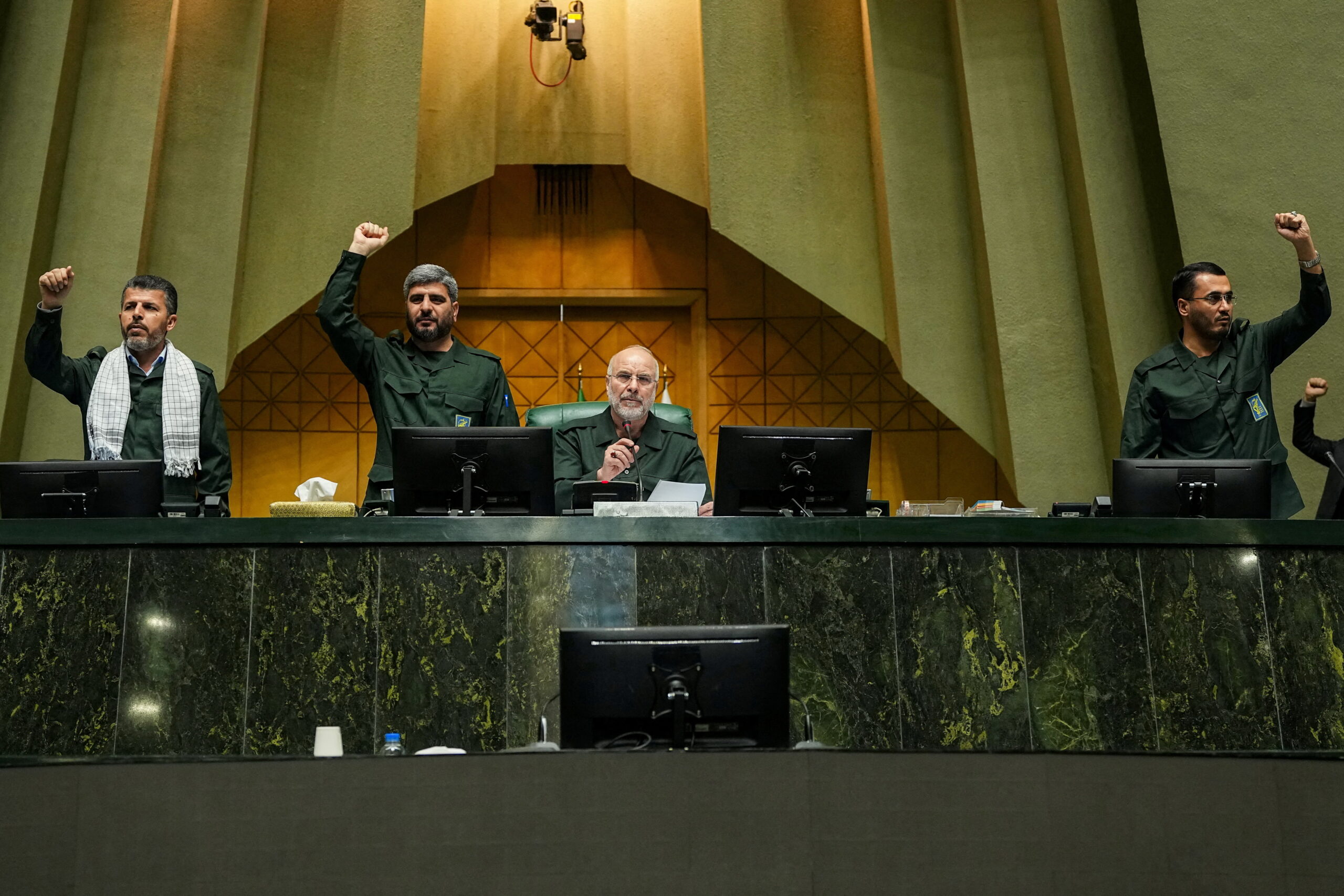
On October 6, AGSI will host a discussion on the U.S.-Iran stalemate and the prospects for a cease-fire.
Speakers



Book Talk: Iran and the Bomb: The United States, Iran and the Nuclear Question
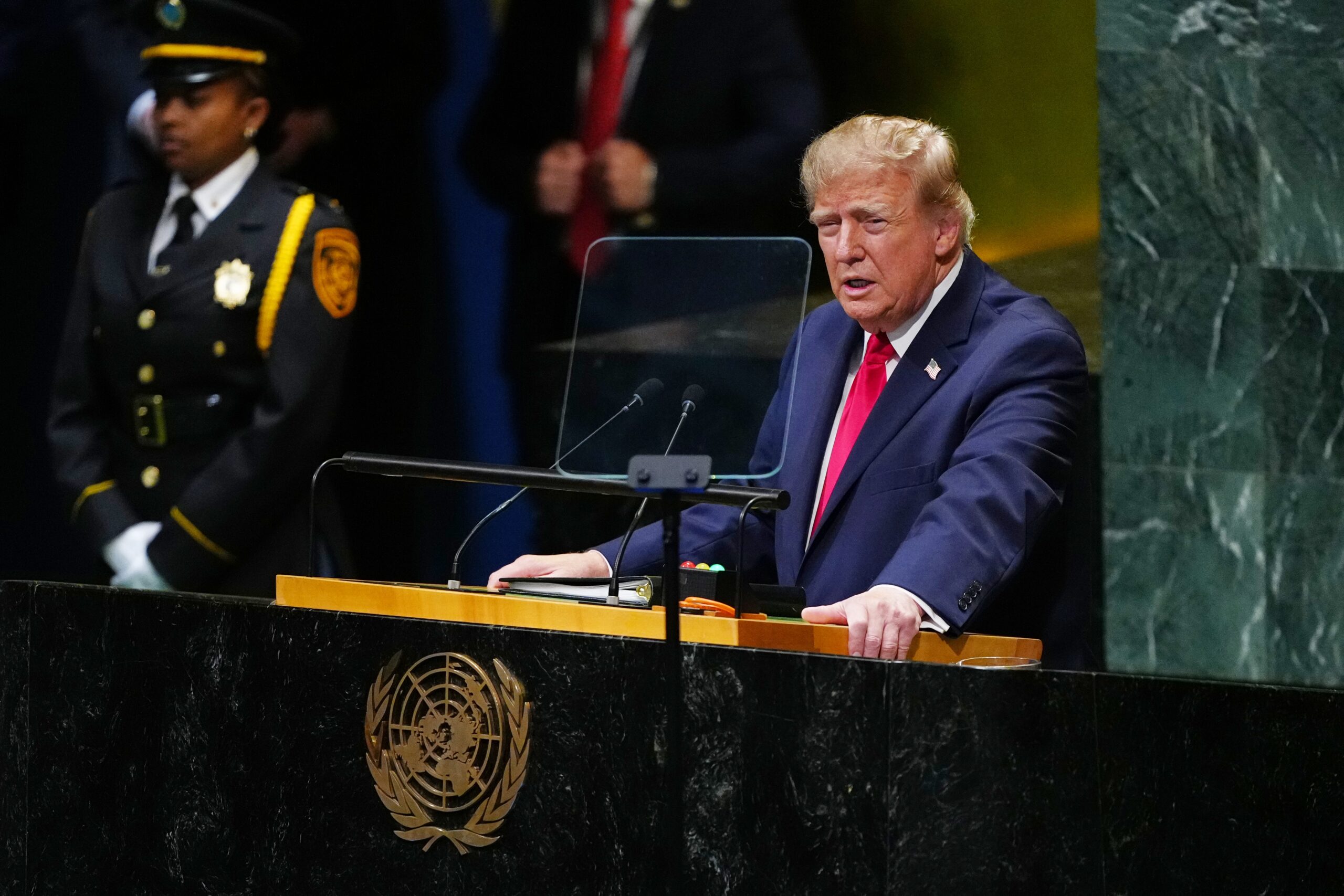
On June 16, AGSI hosted a discussion on the evolution of Iran's nuclear program.
Speakers
Apr 21, 2026
Inside Iran’s Wartime Leadership: Power, Succession, and Regime Stability
On April 21, AGSI hosted a discussion on the evolution of Iran's leadership during the war.
Speakers

Mar 18, 2026
In Its Conflict With the United States and Israel, Does Escalation Favor Iran?
On March 18, AGSI hosted a discussion on the escalation of the Iran war.
Speakers