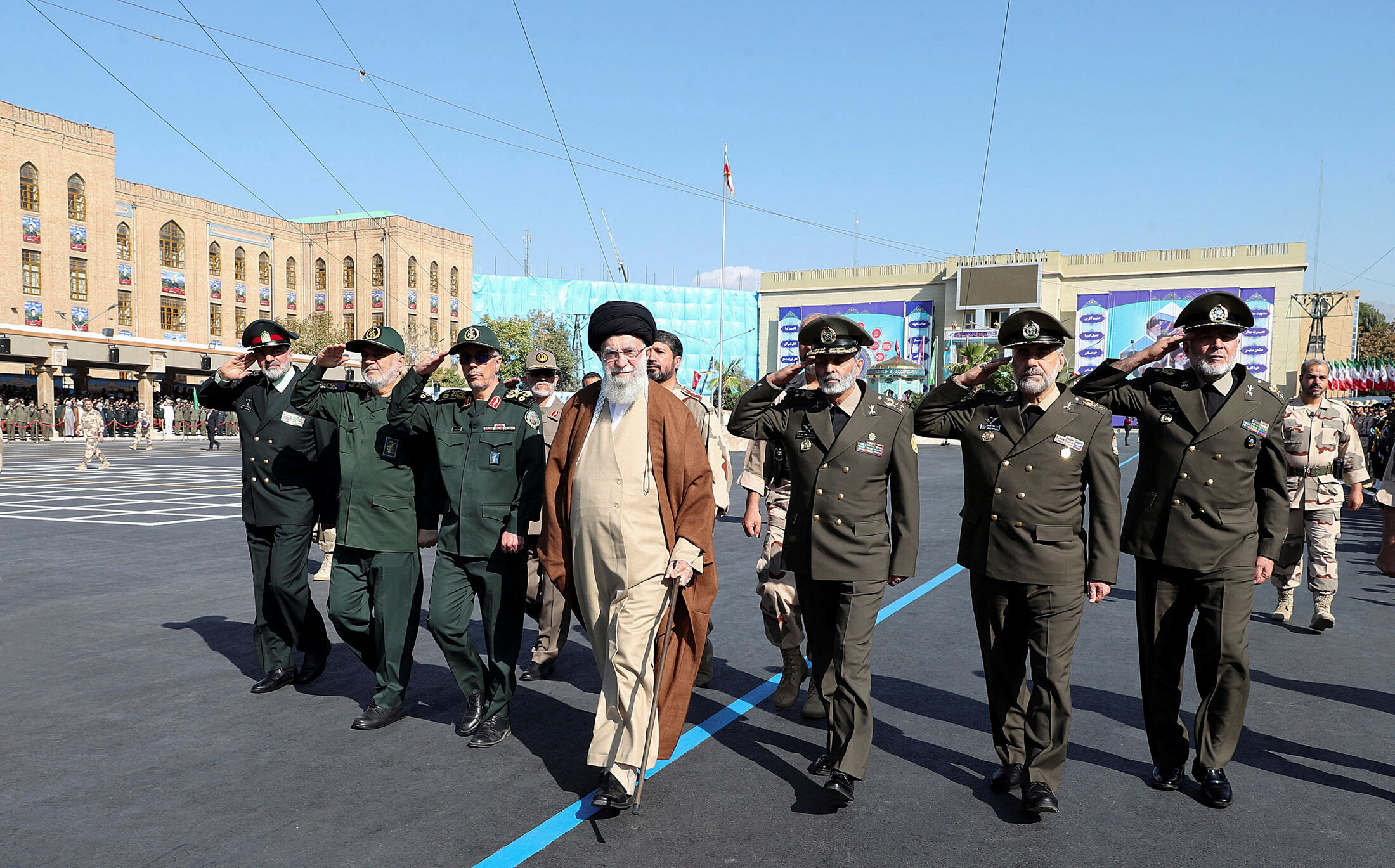
Iranian Supreme Leader Ayatollah Ali Khamenei reviews armed forces during a graduation ceremony for armed forces officers at the Imam Ali academy in Tehran, Iran, October 10. (Office of the Iranian Supreme Leader/West Asia News Agency via REUTERS)
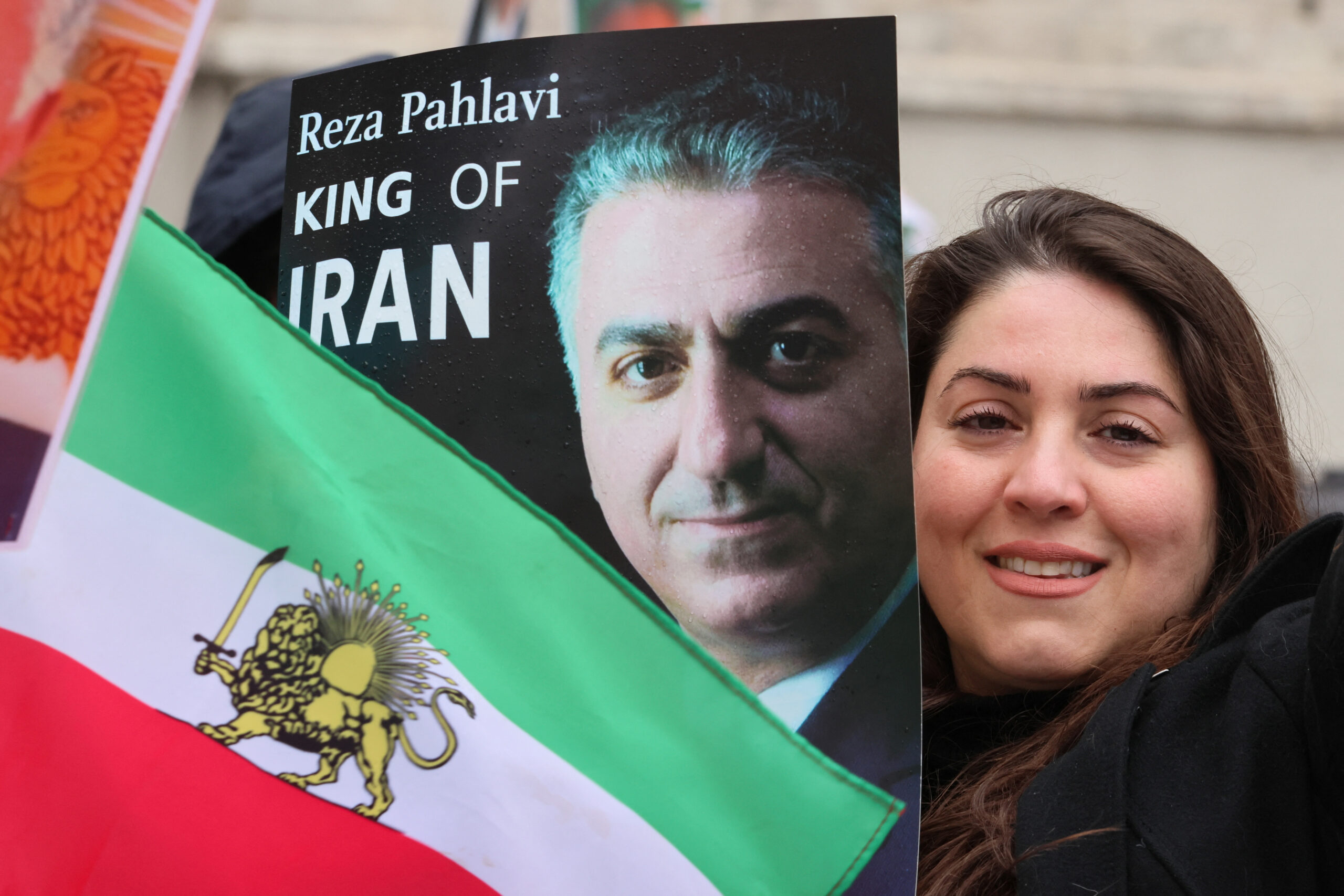
On January 1, Reza Pahlavi, the former crown prince of Iran, predicted, “2023 will be the year of victory for the Iranian nation and the year of achievement of liberty and justice in Iran.” Islamic Revolutionary Guard Corps mouthpiece Sobh-e Sadeq responded September 18, declaring the lack of public protests on the anniversary of the 2022 protests marked “the end of a delusion.” With only a few months left in 2023, the former crown prince’s prophecy of the regime’s imminent collapse appears delusional but so do IRGC claims of the regime’s invulnerability.
Iranian opposition figures are excused for predicting the imminent collapse of a regime whose weakened legitimacy is widely apparent. First, the Islamic Republic is a religious regime in an increasingly secular society, as documented by the Headquarters for the Promotion of Virtue and the Prevention of Vice. This weakens the religious legitimacy of the regime. Second, the regime’s systematic manipulation of elections has reduced electoral participation, making the regime less representative of the population, reducing its popular legitimacy. Third, under the weight of international sanctions and due to economic mismanagement, the regime finds it increasingly difficult to provide for the people, which weakens its performance legitimacy.
Loss of legitimacy alone, however, does not axiomatically result in regime collapse. Political scientist Jack A. Goldstone identified five necessary and sufficient conditions that must be in place for a revolution to succeed: “national economic or fiscal strain, alienation and opposition among the elites, widespread popular anger at injustice, a persuasive shared narrative of resistance, and favorable international relations.” For the time being, none of these conditions appear to be present in Iran, hindering the possibility of a successful revolution or regime change.
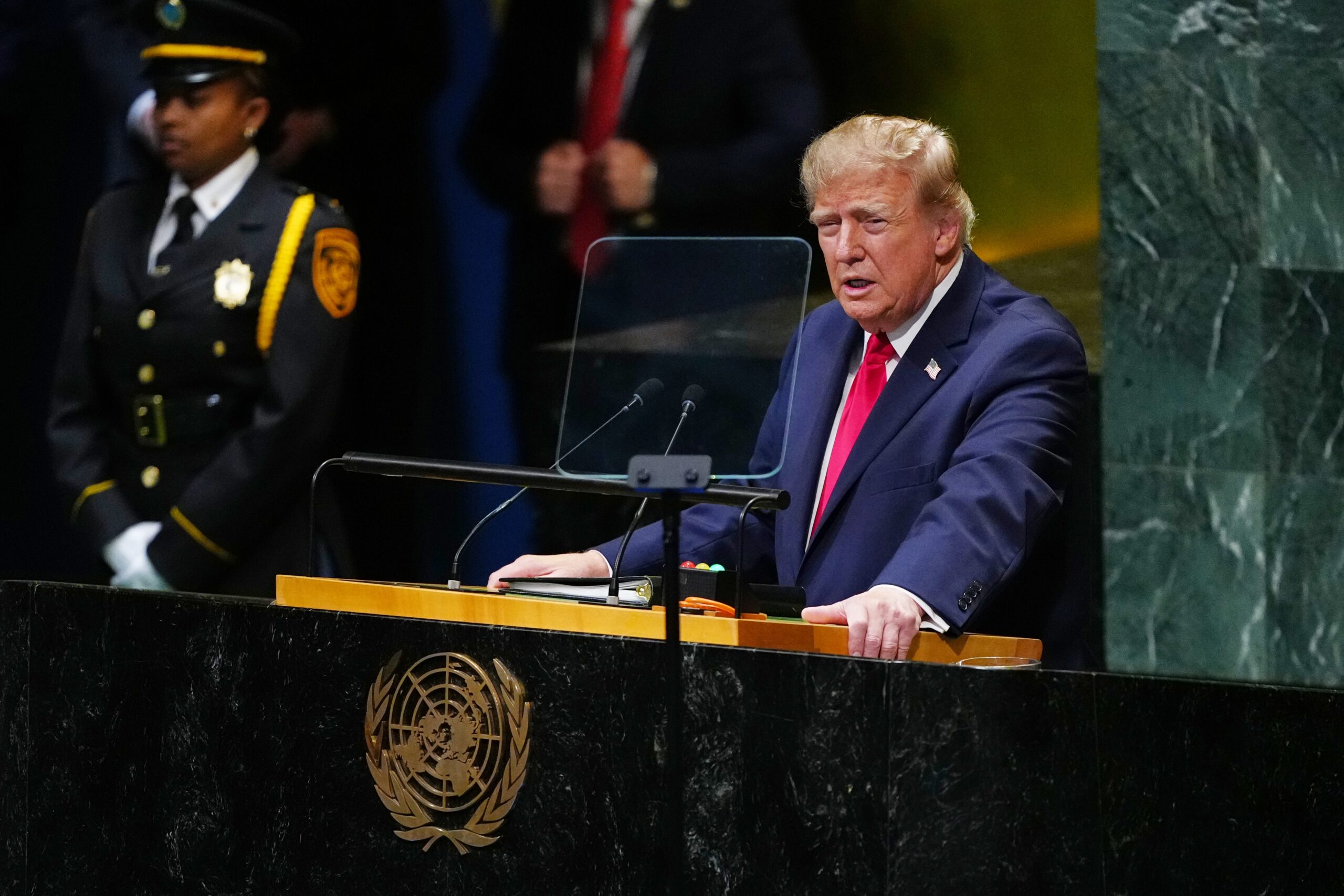
First, the regime is facing economic pressure, but it nevertheless survived former President Donald J. Trump’s declared and largely successful “maximum pressure” campaign to “bring Iran’s oil exports to zero.” President Joseph R. Biden Jr. has not enforced sanctions against Iran with the zeal of his predecessor, and Iran has reportedly managed to increase oil exports. Second, while there appears to be a sense of growing alienation and even opposition among some Iranian elites, such as former Prime Minister Mir Hossein Mousavi and former Parliamentary Speaker Mehdi Karroubi, ruling elites by and large continue to serve the regime for numerous reasons, including financial gain and out of fear for their own lives should the regime collapse. Third, there is widespread outrage at injustice in Iran, but it does not necessarily unify the public. Many Iranians are angry at the regime for not providing for them; some are angry at the regime for restricting their personal freedoms; and fewer people are angry at the regime for denying them political freedoms. Absent leadership and organization, the anger of discrete groups cannot be translated into coordinated and effective action against the regime. Fourth, the opposition lacks an alternative vision for a post-Islamic Republic Iran capable of bringing the public together in a united struggle. Fifth, international conditions are favorable to the regime. While Russia and China actively support Iran, no country, with the possible exception of Israel, appears willing to risk war with Iran by providing substantial and effective support to the opposition.
The Islamic Republic benefits from two other important factors: the relative competence of the regime and the absolute incompetence of the opposition.
The Iranian regime boasts an institutionalized leadership, with Supreme Leader Ayatollah Ali Khamenei as the final arbiter among competing power centers. It also benefits from its command over the government’s bureaucracy and resources. The opposition, on the other hand, lacks leadership, organization, and resources. Tellingly, none of the opposition figures who attended the February 10 “Future of Iran’s Democracy Movement” panel at Georgetown University took over the mantle of leadership of the Iranian opposition. Just as telling, only one of the eight opposition figures present represented an organization – the rest participated as individuals.
The one organizational representative has since proved a liability rather than an asset to the opposition. Abdullah Mohtadi, general secretary of the Komala Party of Iranian Kurdistan, an armed Iranian Kurdish opposition group based in Iraq’s Kurdistan region, reportedly declared his commitment to Iran’s territorial integrity prior to the Georgetown University panel. When interviewed by Kurdish-language media outlets, however, he said Komala will have “other demands once the regime is overthrown,” seemingly alluding to separatism. By emphasizing Komala’s separatist tendencies, the regime’s message to the Iranian public has been simple and effective: The collapse of the Islamic Republic and victory of the Georgetown circle would result in the dissolution of the Iranian state.
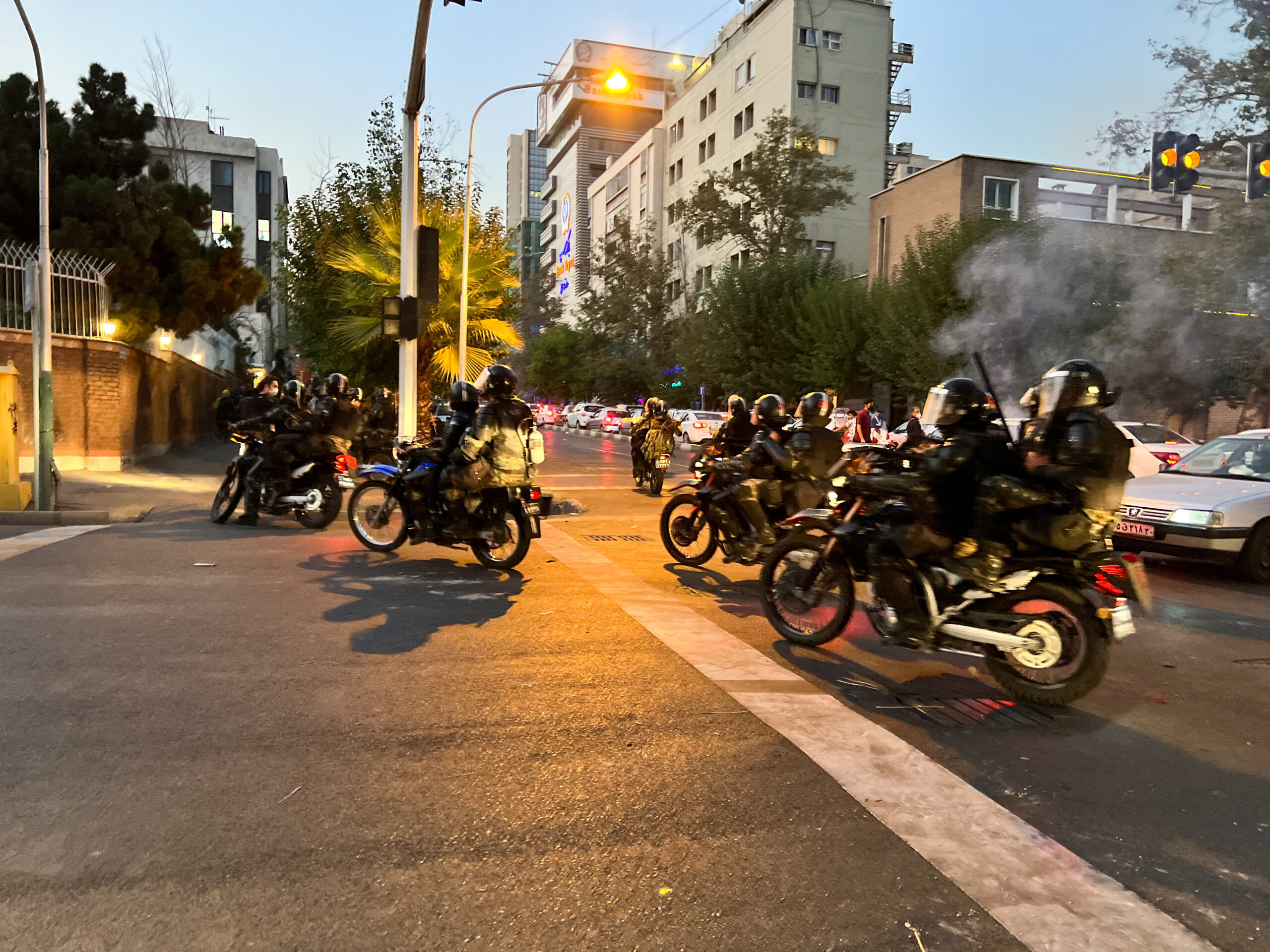
While the regime has managed to combine ruthlessness with pragmatism and remarkable ideological flexibility, individual opposition figures remain hostage to past ideological stances and, at times, the immediate interests of their foreign backers. For example, the regime seems to no longer be systematically enforcing mandatory hijab rules, judging by general videos of people walking on the streets in Tehran. Once an effective tool for ensuring ideological conformity among the urban middle class, violent enforcement of the hijab legislation – culminating in Mahsa Amini’s death in the custody of the morality police – provoked the public into dissidence. Rather than risk a new round of anti-regime protests, the regime, for the most part, now looks the other way, although cases of hard enforcement are at times reported on social media.
No such pragmatism is apparent among the opposition figures, whose ideological rigidity, and perhaps commitments to foreign governments, prevents them from building bridges to elites and creating an effective coalition against the regime. Masih Alinejad, an exiled journalist and member of the Georgetown circle, has demanded a trial of Mousavi, the leader of Iran’s Green Movement, on charges of alleged complicity in the mass killing of political prisoners in the late 1980s. This is the same Mousavi who has been under house arrest since Iran’s disputed 2009 presidential election, commands a significant following among regime elites and the general public, and could have served as a useful ally to the opposition.
The former crown prince is not any different. In an April 2019 interview with Voice of America Persian following the Trump administration’s designation of the IRGC as a foreign terrorist organization, Pahlavi opposed the designation, perhaps figuring the IRGC could one day be useful to him. After all, Grand Ayatollah Ruhollah Khomeini’s secret negotiations with the Imperial Army resulted in its declaration of neutrality in the course of the 1979 Islamic Revolution, securing a peaceful transfer of power from the Pahlavi regime to Khomeini and his allies. It was therefore surprising that Pahlavi tweeted January 15 urging the European Union to designate the entire IRGC a terrorist organization, and later embarked on a visit to Israel, which has pushed for a similar agenda. To add to the confusion, Pahlavi has since urged IRGC members to “join the Iranian people in their revolution.” Pahlavi’s acrobatics are not likely to endear him to the IRGC and have probably bolstered cohesion within its ranks. They also make the public question the motivations behind his seemingly contradictory moves.
The Iranian opposition abroad is delusional but so is the IRGC with its claims of the regime’s invulnerability. As with any other regime, the Iranian regime has its weaknesses, but for now, the conditions from which revolutions arise do not seem to be in place, and there is no prospect of the regime’s imminent collapse. However, should those conditions emerge, a competent opposition movement could take advantage of them to overthrow the Islamic Republic.
The views represented herein are the author's or speaker's own and do not necessarily reflect the views of AGSI, its staff, or its board of directors.
The answer to this question can, in part, be found in the institutionalized nature of the Islamic Republic as well as the regime’s externalization of the crisis, ruthlessness, and pragmatism.
As long as the Iranian opposition lacks leadership, organization, and a shared vision for Iran’s future, it is unlikely to pose any serious challenge to the current Iranian regime.
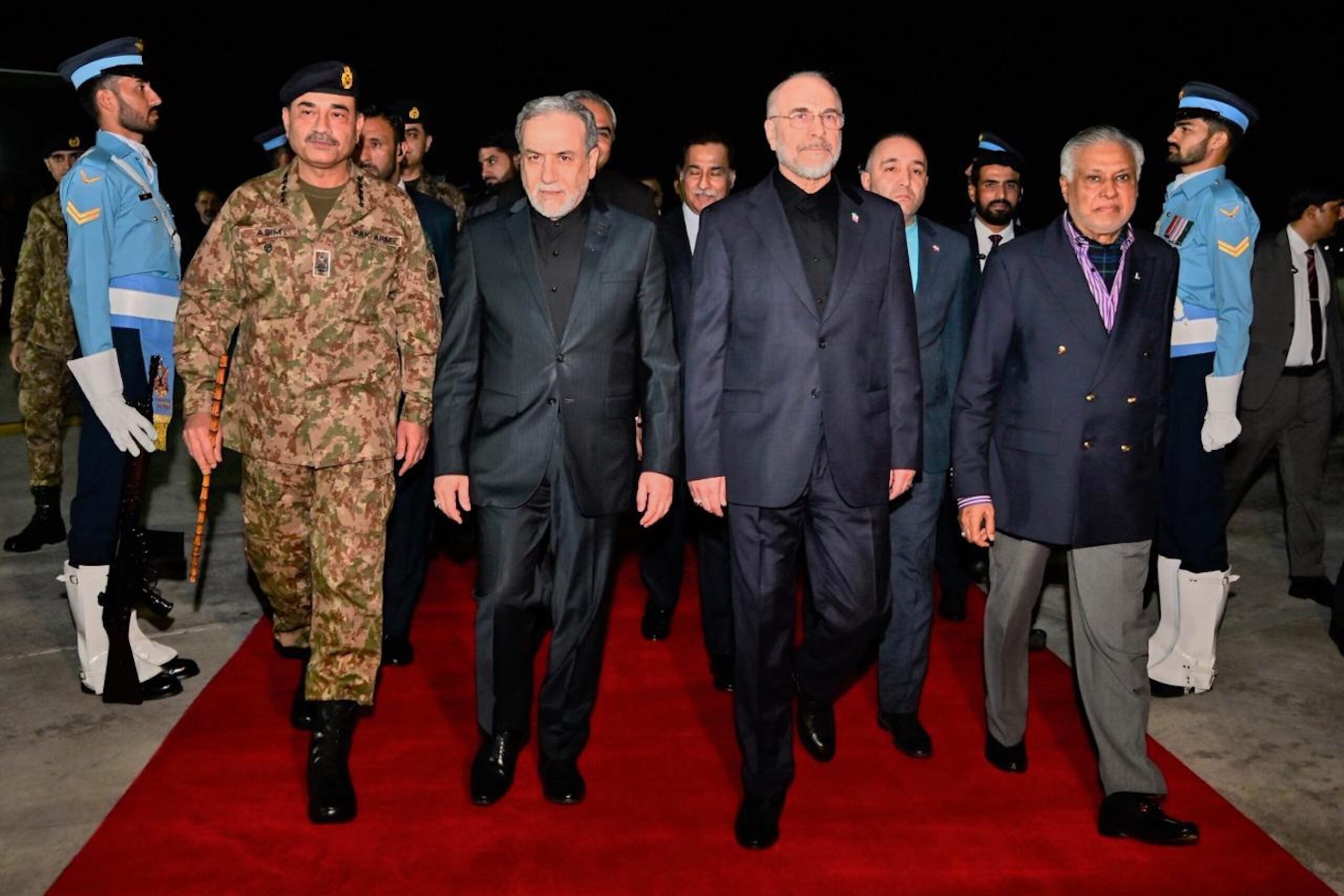
After U.S.-Israeli strikes killed Supreme Leader Ayatollah Ali Khamenei on February 28, Iran’s collective leadership has concluded that the best defense is a good offense.
Wartime pressure has temporarily aligned the leadership’s overriding interest in regime survival, even as its members continue to differ over the costs, methods, and ultimate objectives of the war.