Event Report – Petro Diplomacy: The Energy Transition and the Road to COP28
AGSIW's ninth annual Petro Diplomacy conference examined how the Gulf Cooperation Council countries are managing the energy transition and expectations for the United Nations Climate Change Conference, COP28, in Dubai beginning in November.
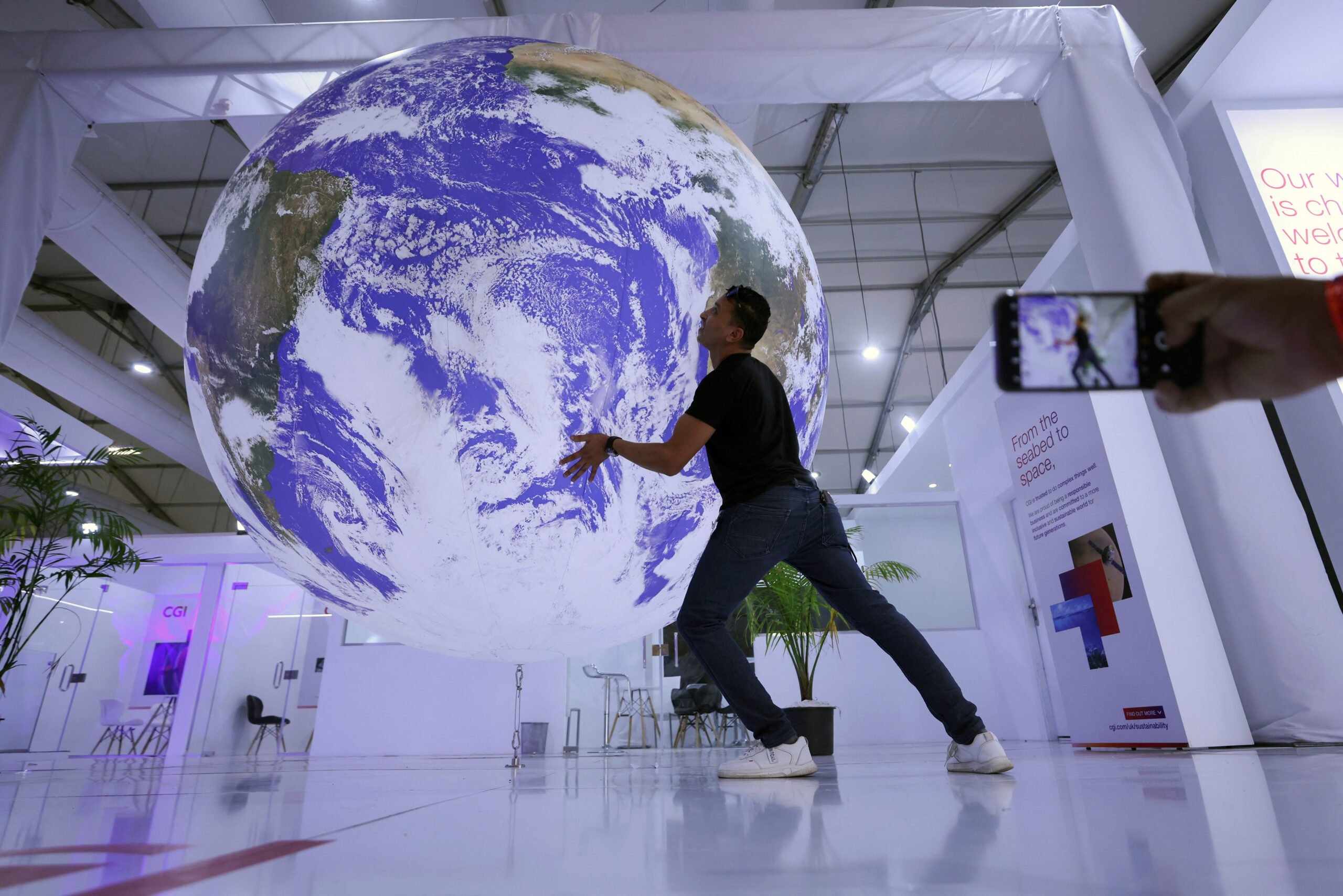
'An attendee poses for a picture near a model Earth during the COP27 climate summit in Sharm el Sheikh, Egypt November 19, 2022. (REUTERS/Mohamed Abd El Ghany)'
Executive Summary
The Arab Gulf States Institute in Washington held its ninth annual Petro Diplomacy conference from June 27-28. The event examined how the Gulf Cooperation Council countries are managing the energy transition and expectations for the United Nations Climate Change Conference, COP28, in Dubai beginning in November.
The conference was broken up into four sessions and one keynote address. The first panel discussed the pathways the GCC’s oil producers are charting to decarbonize their energy-intensive economies, build resilience to climate change, and prepare for a post-oil era. The discussion was framed with COP28 in mind, with speakers expressing their views on what is likely to emerge from the 14-day summit. The second panel covered the shifting geopolitics and alliances in the wake of the Russian invasion of Ukraine and how it is reshaping the Middle East, with China ascendant as an investor and economic partner. In his keynote address, Mike Howard, chair of the World Energy Council, covered the role of digitalization in the energy transition and how new technologies are reshaping the energy landscape. The third session, held on day two, was a virtual presentation by the International Energy Agency on its “Oil 2023” report, a five-year forecast of where the oil market is heading and projections of when oil demand is expected to peak. The final session, held virtually, looked at the changing picture of energy systems across the GCC and the shape of the future energy mix as the energy transition gathers pace.
This paper is the report for the 2023 Petro Diplomacy conference. For the ninth consecutive year, AGSIW convened its Petro Diplomacy conference. The conference brought together private and public sector stakeholders from the United States and the Gulf Arab countries to discuss emerging trends in energy markets and regional politics.
The views represented herein are the author's or speaker's own and do not necessarily reflect the views of AGSI, its staff, or its board of directors.
AGSIW’s Energy and Climate Initiative explores Gulf energy and climate policies, technological advances, and pressing political, social, and environmental issues ahead of COP28.
Petro Diplomacy is a signature annual event in Washington, DC bringing together private and
public sector stakeholders from the United States and the Gulf Arab countries to discuss emerging
trends in energy markets and regional politics.
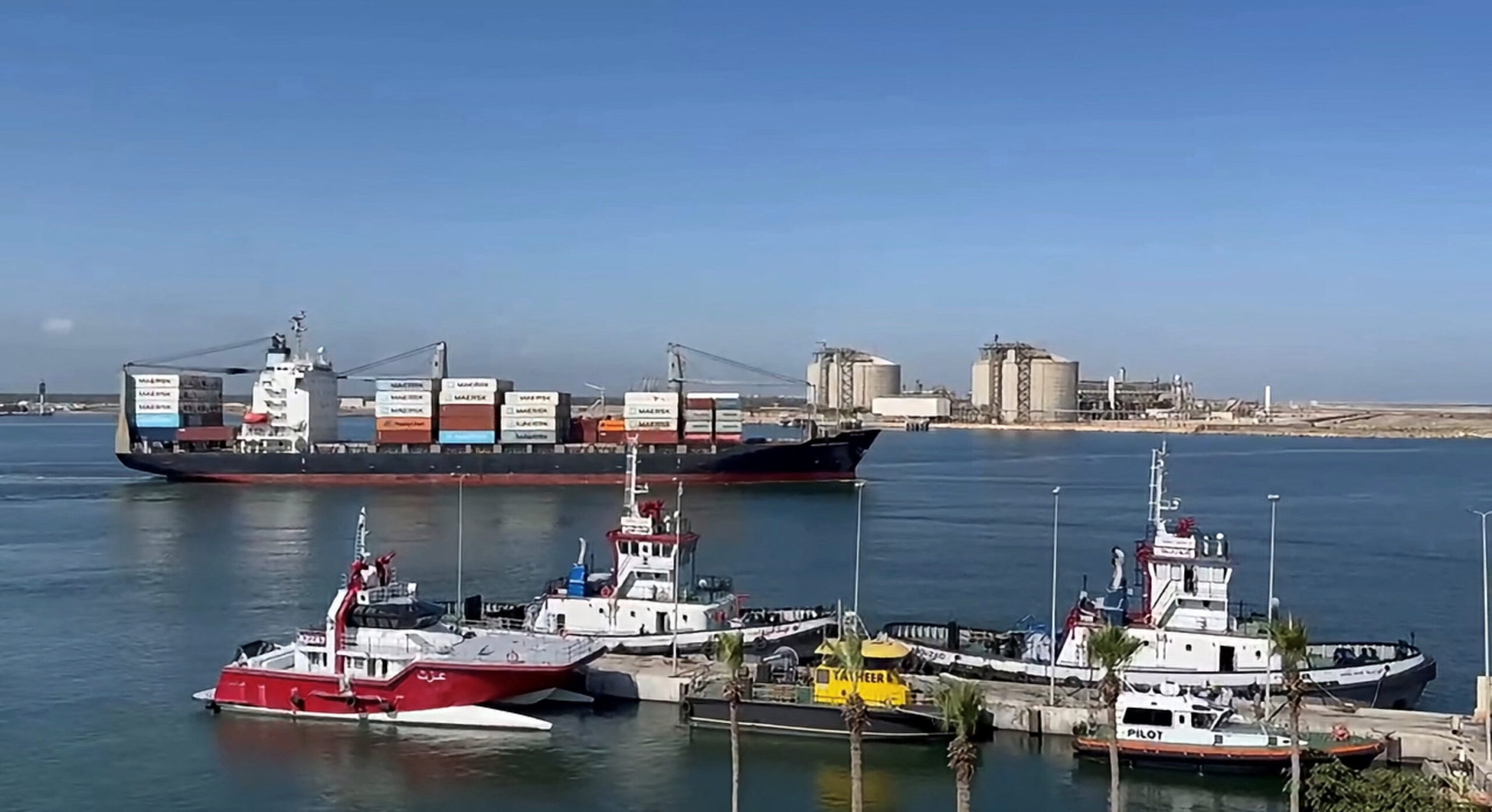
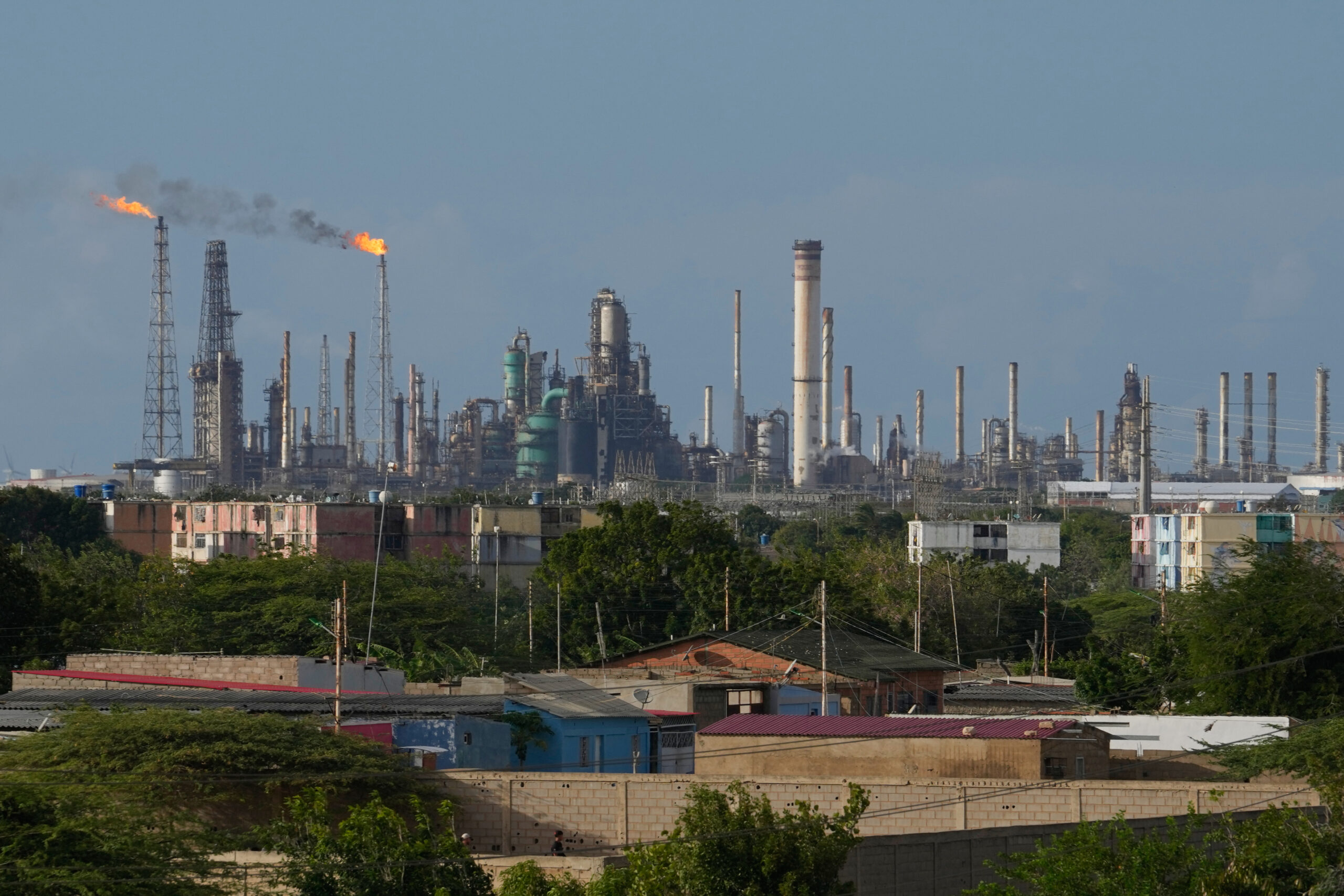
Egypt has become the indispensable transit state linking Saudi Arabia's Red Sea infrastructure with global markets. But that strategic importance may also have exposed it to the same risks facing Gulf producers.
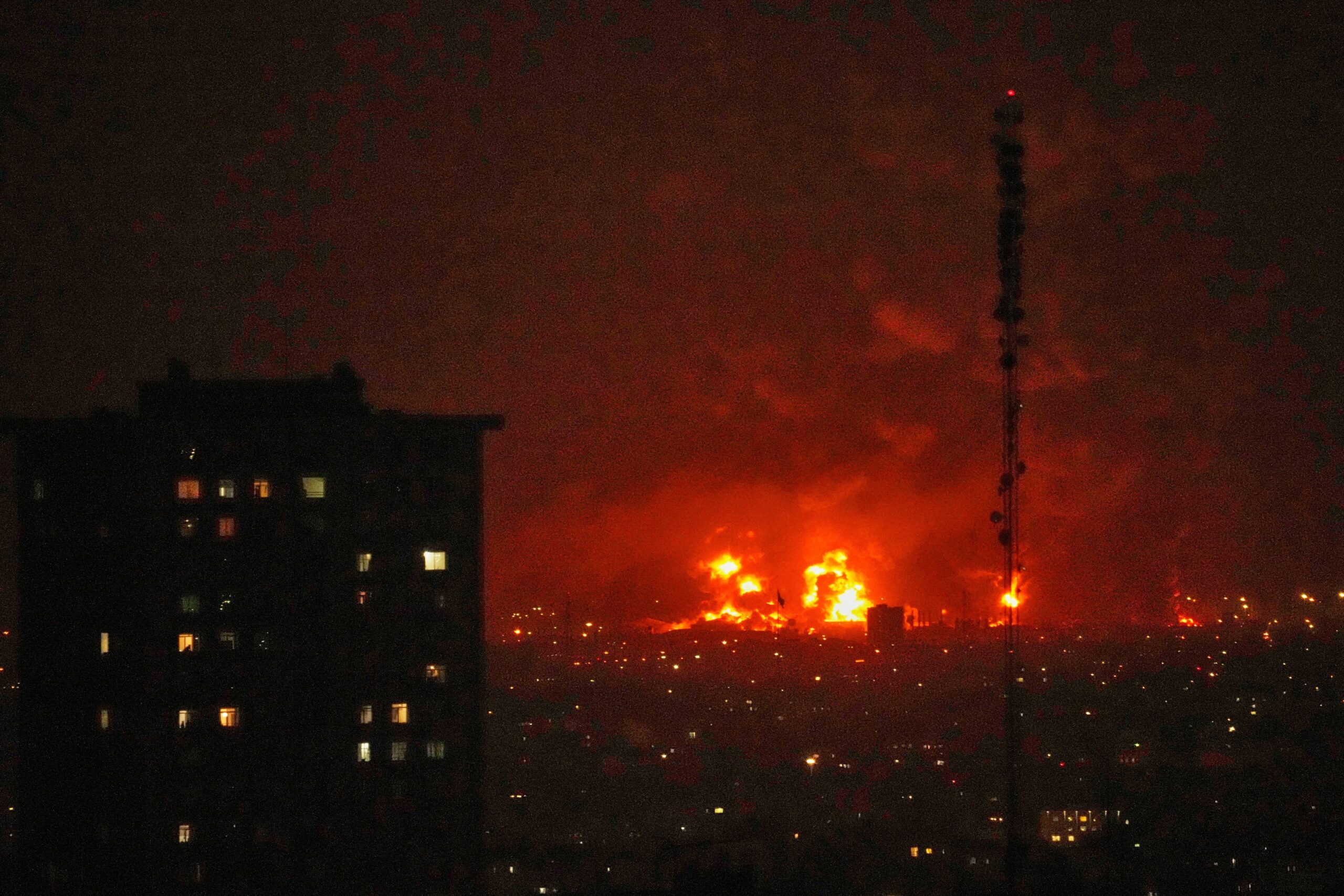
The vulnerability of the world's most important energy chokepoint has been laid bare, setting in motion changes that are likely to outlast the conflict.
The Iran war has triggered what energy experts have described as the world’s worst energy crisis. And what is certain is that the prewar energy order will be redrawn.