Jun 30, 2023
Rafsanjani Junior on the Perils of Sanctions Evasion
The June 30 edition of the Iran Media Review highlights criticism of Iranian President Ebrahim Raisi’s efforts to conduct trade in currencies other than the U.S. dollar.

While official Iranian media outlets celebrate President Ebrahim Raisi’s efforts to exclude the U.S. dollar from Iran’s trade as a means of bypassing sanctions, Mohsen Hashemi Rafsanjani, son of the late Ayatollah Ali Akbar Hashemi Rafsanjani, warns of the perils of nondollar exports.
- June 28: In an interview with reformist daily Etemad, Rafsanjani argued:
- “Over the course of the past year, particularly during officials’ foreign visits, the media has widely reported on the Raisi Cabinet’s agreements with various foreign governments, including some in East Asia, about excluding the U.S. dollar from trade and replacing it with national currencies … It is not yet clear if such agreements are serious … but they are a reminder of the experiences under President Mahmoud Ahmadinejad.”
- “At the time, Iran exported its oil and related petroleum products to a certain country and in return received local currency, such as Chinese yuan, in its bank accounts in China. Then, Iran would use this currency to purchase products from this country. In other words … the yuan simply replaced the dollar without the counterpart using Iranian currency. This one-sided relationship was unbalanced and harmful to Iran’s national currency.”
- “If our energy exports are to countries that are not necessarily consumers of our oil and gas, these countries import them for reexport purposes and will act as middlemen of Iranian oil sales to consuming countries … Because of these middlemen, we will receive less money for our products.”
- “Since we do not have access to a credible foreign currency, we will be compelled to purchase subpar products in the local markets of the countries we export our oil to.”
- Rafsanjani concluded that the current state of affairs benefits the few individuals engaged in sanctions busting and their middlemen rather than Iran as a whole.
The views represented herein are the author's or speaker's own and do not necessarily reflect the views of AGSI, its staff, or its board of directors.
Related
Iran Media Review
Oct 23, 2026
Closing Borders: The Blockade Moves Inland
The October 23 edition of the Iran Media Review considers Iranian admissions that U.S. economic warfare is pressuring Iran.
Iran Media Review
Oct 20, 2026
Who Authorized Iranian Strikes Against U.S. Vessels?
The October 20 edition of the Iran Media Review examines IRGC messaging about July 7 strikes against U.S. Navy vessels and the debate surrounding the confirmation of a new Iranian defense minister.
Iran Media Review
Oct 16, 2026
Qalibaf’s New Equation: War, Negotiation, and Deterrence
The October 16 edition of the Iran Media Review highlights the call by Iran’s parliamentary speaker for a combination of war and negotiation to establish deterrence against further attacks on Iran.
Oct 23, 2026
Closing Borders: The Blockade Moves Inland
The October 23 edition of the Iran Media Review considers Iranian admissions that U.S. economic warfare is pressuring Iran.
Oct 20, 2026
Who Authorized Iranian Strikes Against U.S. Vessels?
The October 20 edition of the Iran Media Review examines IRGC messaging about July 7 strikes against U.S. Navy vessels and the debate surrounding the confirmation of a new Iranian defense minister.
Oct 16, 2026
Qalibaf’s New Equation: War, Negotiation, and Deterrence
The October 16 edition of the Iran Media Review highlights the call by Iran’s parliamentary speaker for a combination of war and negotiation to establish deterrence against further attacks on Iran.
Analysis
Debating Policy in Public: Iranian Elites Turn to YouTube
Rival camps within the Islamic Republic are increasingly turning to YouTube for policy debate, but there is a limit to the regime’s tolerance for that debate.
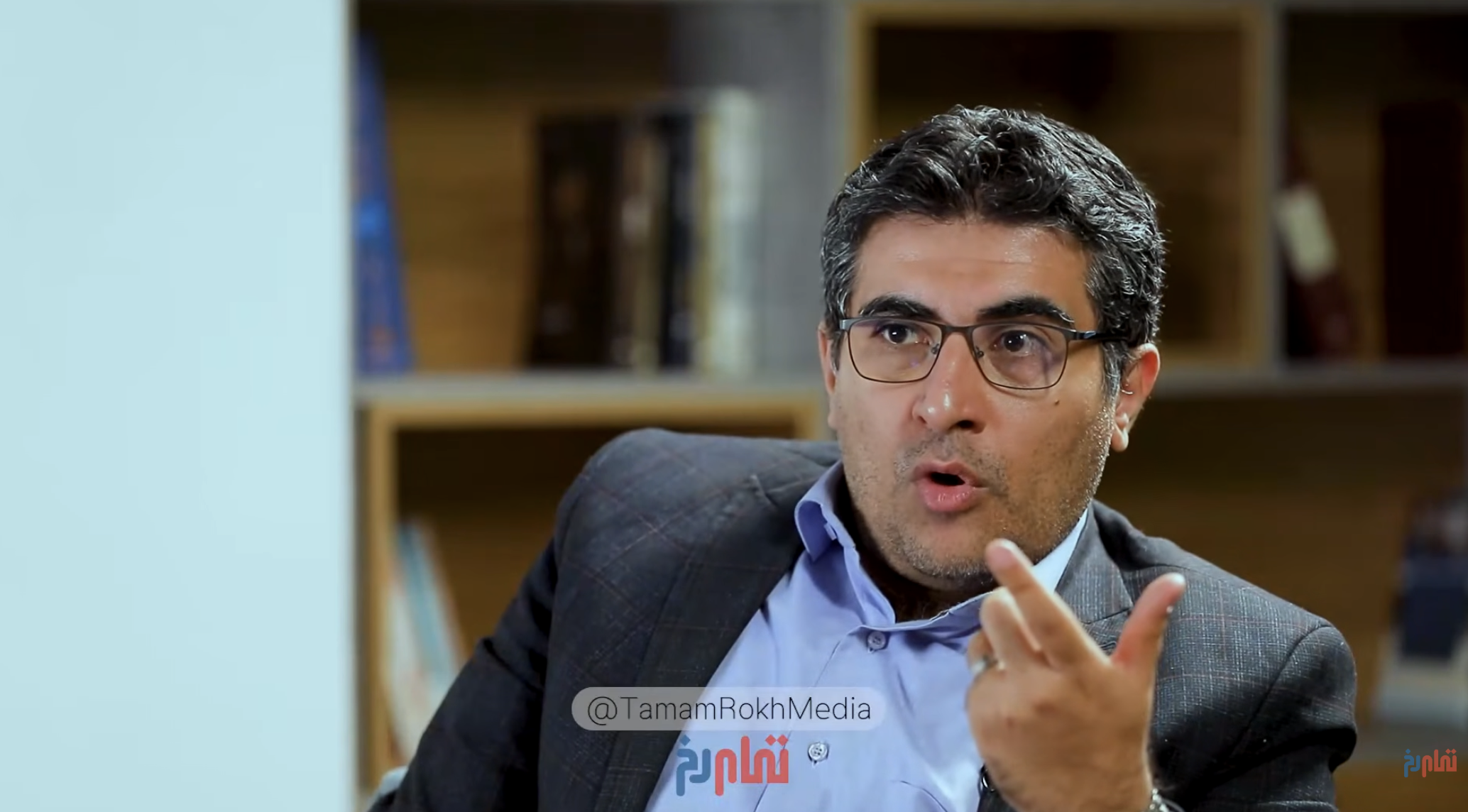
The Committee of Six and Strategic Decision Making in Iran
Remarks by Iran’s president offer a rare glimpse of how the Islamic Republic has adapted its decision making to the absence of its supreme leader.
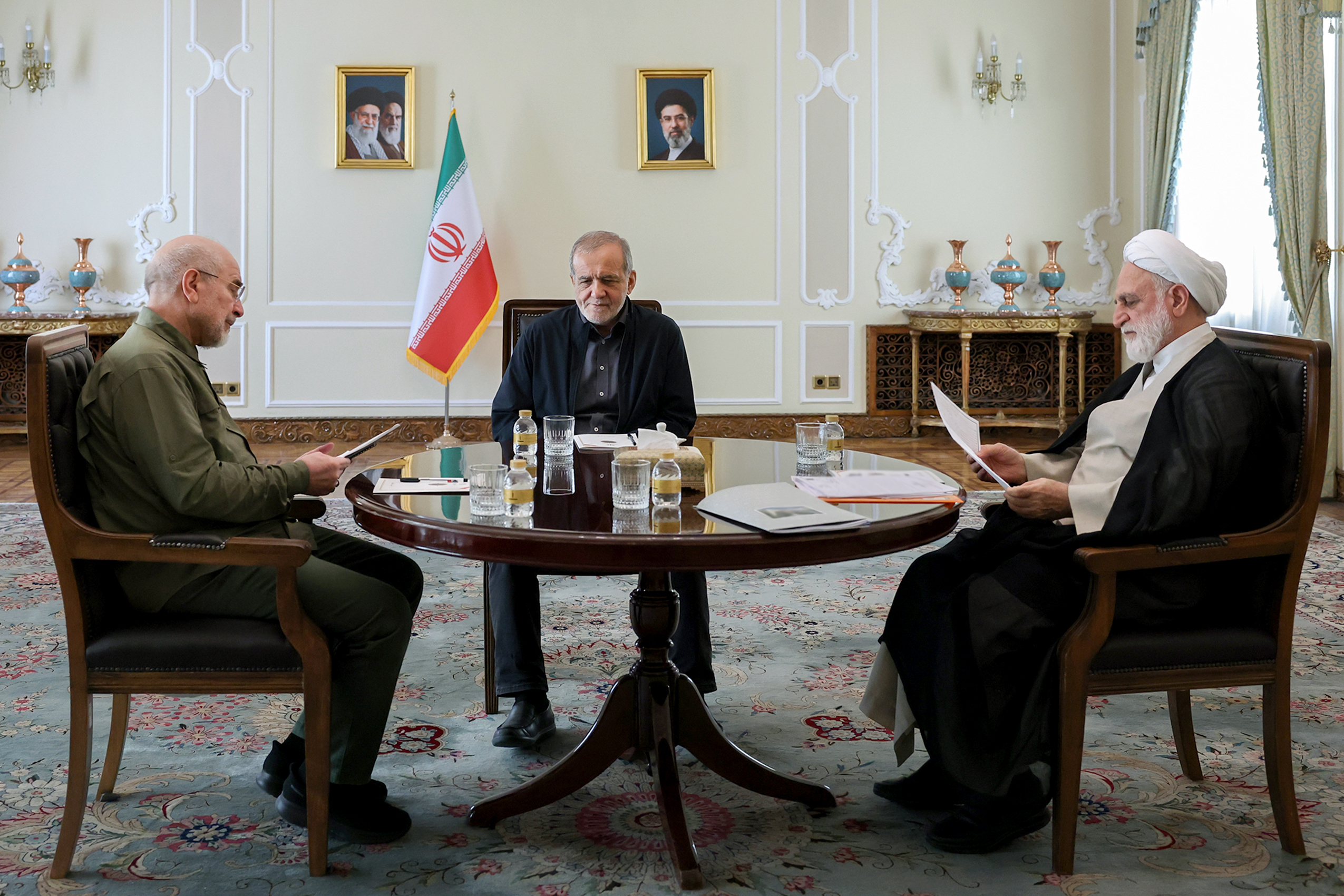
Mohsen Rezaei at the Helm of Iran’s Supreme National Security Council
Under Rezaei, the SNSC could prove constructive or paralyze strategic decision making.
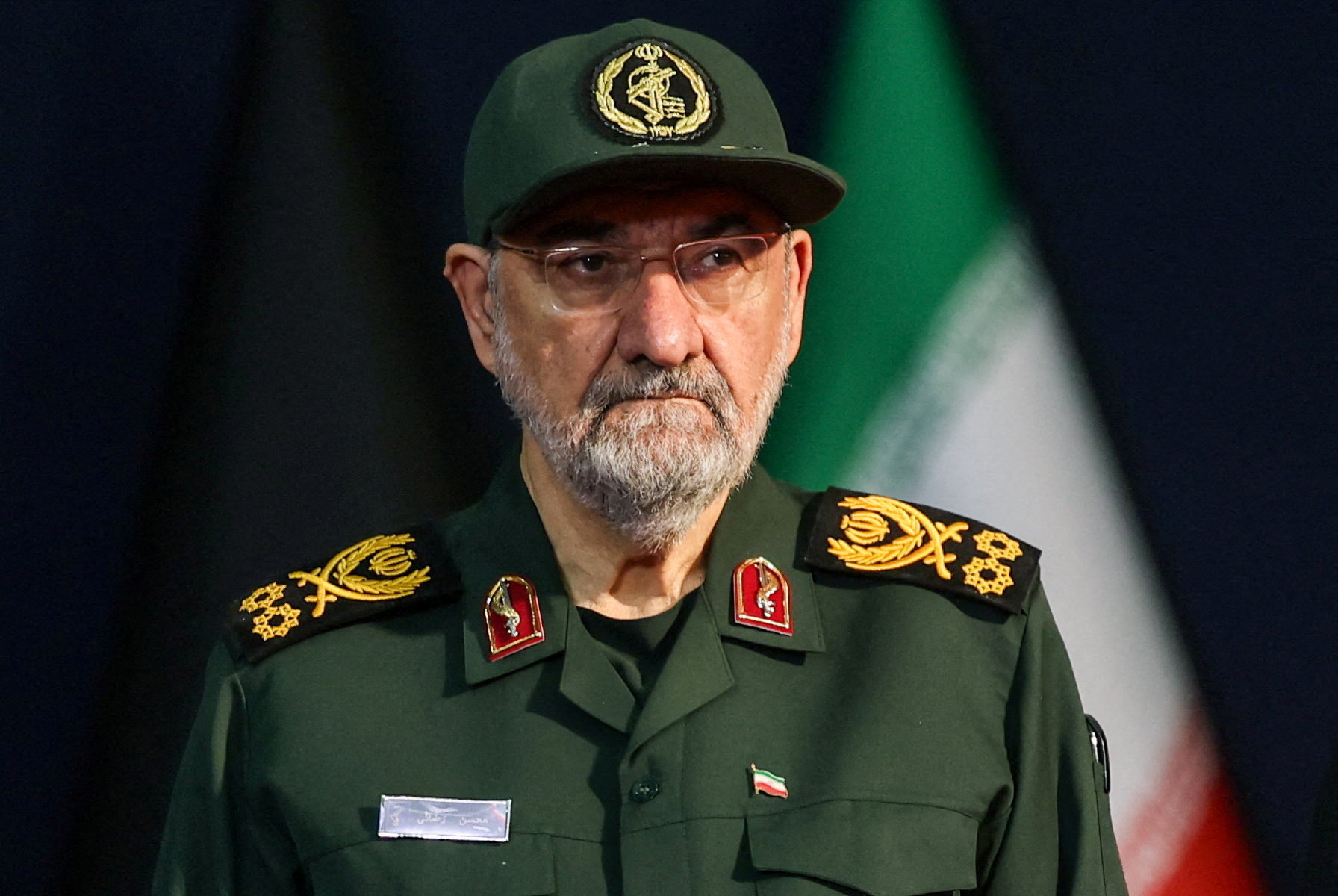
The Islamic Republic Returns to Offense
After U.S.-Israeli strikes killed Supreme Leader Ayatollah Ali Khamenei on February 28, Iran’s collective leadership has concluded that the best defense is a good offense.
Events
Oct 6, 2026
Is the U.S.-Iran Stalemate a “New Normal” or the Prelude to Another Explosion?
On October 6, AGSI hosted a discussion on the U.S.-Iran stalemate and the prospects for a cease-fire.
Speakers



Book Talk: Iran and the Bomb: The United States, Iran and the Nuclear Question
On June 16, AGSI hosted a discussion on the evolution of Iran's nuclear program.
Speakers
Apr 21, 2026
Inside Iran’s Wartime Leadership: Power, Succession, and Regime Stability
On April 21, AGSI hosted a discussion on the evolution of Iran's leadership during the war.
Speakers

Mar 18, 2026
In Its Conflict With the United States and Israel, Does Escalation Favor Iran?
On March 18, AGSI hosted a discussion on the escalation of the Iran war.
Speakers