May 23, 2023
Fact-Finding Committee to Investigate Iran’s 2022 Protests
The May 23 edition of the Iran Media Review examines commentary on the recently established committee to investigate Iran’s 2022 protests.
On May 7, Iranian President Ebrahim Raisi established a fact-finding committee to investigate the countrywide protests sparked by the September 2022 death of Mahsa Amini in police custody. The protests, and the government’s suppression of them, which, according to the Oslo-based organization Iran Human Rights, claimed the lives of 537 protesters, remain highly controversial in Iran. While killings of government agents during the unrest have been investigated by the judiciary, there has been little transparency concerning the protesters killed by government agents. Iranian commentators believe it is highly unlikely that the fact-finding committee will address the protesters’ deaths.
- May 7: The Islamic Republic News Agency reported that Raisi established a committee to investigate Iran’s 2022 protests.
- May 8: An article in Etemad discussed the criteria for the committee’s success. Nemat Ahmadi, a lawyer, argued: “One of the most important things concerning the 2022 unrest is transparency. Unfortunately, people were killed on both sides. Correct information is available concerning one party, and potential perpetrators are arrested, tried, and punished. On the other side, it is not clear who was involved in the killing or harming of citizens … Some people were killed, and this committee must establish who killed them and why.” Another lawyer, Saleh Nikbakht, argued: “It is well documented that the deaths of many people during the past year were due to extrajudicial actions, but this has not been subjected to adequate investigation. No effort has ever been made to establish truth-finding committees at the national level … The main condition for the success of this committee is to investigate the untold stories of these murders … The problems in Izeh,” a city in Khuzestan province that was a flashpoint of violence, “and the crises in different cities, such as Kurdistan, Mahabad, Sanandaj, Piranshahr, and also Tehran, all necessitate close investigation. Apart from accounts from officials, accounts from the people, too, must be relied upon … Family members of those killed, such as the Pirfalak and Amini families, must be consulted … otherwise, one can’t be hopeful concerning the result of the work of this committee.”
- May 10: Vali Esmaeilian, a member of parliament, said in an interview with the Iranian Labour News Agency that the fact-finding committee should act in nonpartisan manner: “The more transparent we are concerning the events, the more truthful we talk with the people, and the more information we provide to the public, the calmer society will be … The investigative committee must work professionally, and its work must not be disturbed by political and factional preferences. The people must be involved. There may be some protesters who were guided from abroad, but there were also those whose protests were domestic, and we must have a persuasive answer for them.”
- May 13: In its follow-up coverage of the fact-finding committee, ILNA interviewed Hassan Rasouli, a reformist political activist, who said: “In the first place, the Supreme National Security Council and the State Security Council were responsible for preventing unrest … but both bodies were unsuccessful … The minister of interior, his security deputy, other members of the Supreme National Security Council, the Voice and Vision of the Islamic Republic,” Iran’s state-run news outlet, “and others not only managed to manage the crisis with the lowest cost but also insisted on employing ineffective methods, such as sending text messages to women and ordering pilots to prevent women without hijabs from entering planes.” Concluding his criticism, Rasouli said: “I think one of the reasons behind the president’s decision to establish this committee was the fact that he reached the conclusion that the initiatives taken by the Supreme National Security Council … and the interior minister’s initiatives were hard and excessive and did not achieve their objective.” Rasouli added that “70% to 80% of the Iranian people are unhappy with the economic, political, and cultural conditions of the country. Therefore, establishing a fact-finding committee will not have any impact on the public, the majority of which distrusts the government. Those in charge of the affairs of the state must reconcile with the nation and reduce the gap between the state and society.”
- May 21: Shargh Daily columnist Ehsan Houshmand reviewed a number of cases involving plainclothes and uniformed security forces killing protesters and demanded transparency. Houshmand asked who the perpetrators were, who authorized their actions, and how the justice system dealt with them. He concluded: “In our society, there are people who ask why cases involving protesters attacking security forces are processed with lightning speed while there is no progress when it is the other way around.”
The views represented herein are the author's or speaker's own and do not necessarily reflect the views of AGSI, its staff, or its board of directors.
Related
Iran Media Review
Aug 18, 2026
Qalibaf: The Strait of Hormuz Will Not Reopen
The August 18 edition of the Iran Media Review highlights a speech by Iran’s parliamentary speaker pledging not to reopen the Strait of Hormuz until the United States fulfills the conditions of the Islamabad memorandum of understanding.
Iran Media Review
Aug 14, 2026
Iran Has No Intention of Relinquishing the Strait of Hormuz
The August 14 edition of the Iran Media Review considers remarks made by the new Supreme National Security Council secretary on his first day in office.
Iran Media Review
Aug 11, 2026
Major General Mohsen Rezaei Appointed Supreme National Security Council Secretary
The August 11 edition of the Iran Media Review analyzes Iranian media responses to the appointment of a new Supreme National Security Council secretary.
Aug 18, 2026
Qalibaf: The Strait of Hormuz Will Not Reopen
The August 18 edition of the Iran Media Review highlights a speech by Iran’s parliamentary speaker pledging not to reopen the Strait of Hormuz until the United States fulfills the conditions of the Islamabad memorandum of understanding.
Aug 14, 2026
Iran Has No Intention of Relinquishing the Strait of Hormuz
The August 14 edition of the Iran Media Review considers remarks made by the new Supreme National Security Council secretary on his first day in office.
Aug 11, 2026
Major General Mohsen Rezaei Appointed Supreme National Security Council Secretary
The August 11 edition of the Iran Media Review analyzes Iranian media responses to the appointment of a new Supreme National Security Council secretary.
Analysis
The Islamic Republic Returns to Offense
After U.S.-Israeli strikes killed Supreme Leader Ayatollah Ali Khamenei on February 28, Iran’s collective leadership has concluded that the best defense is a good offense.
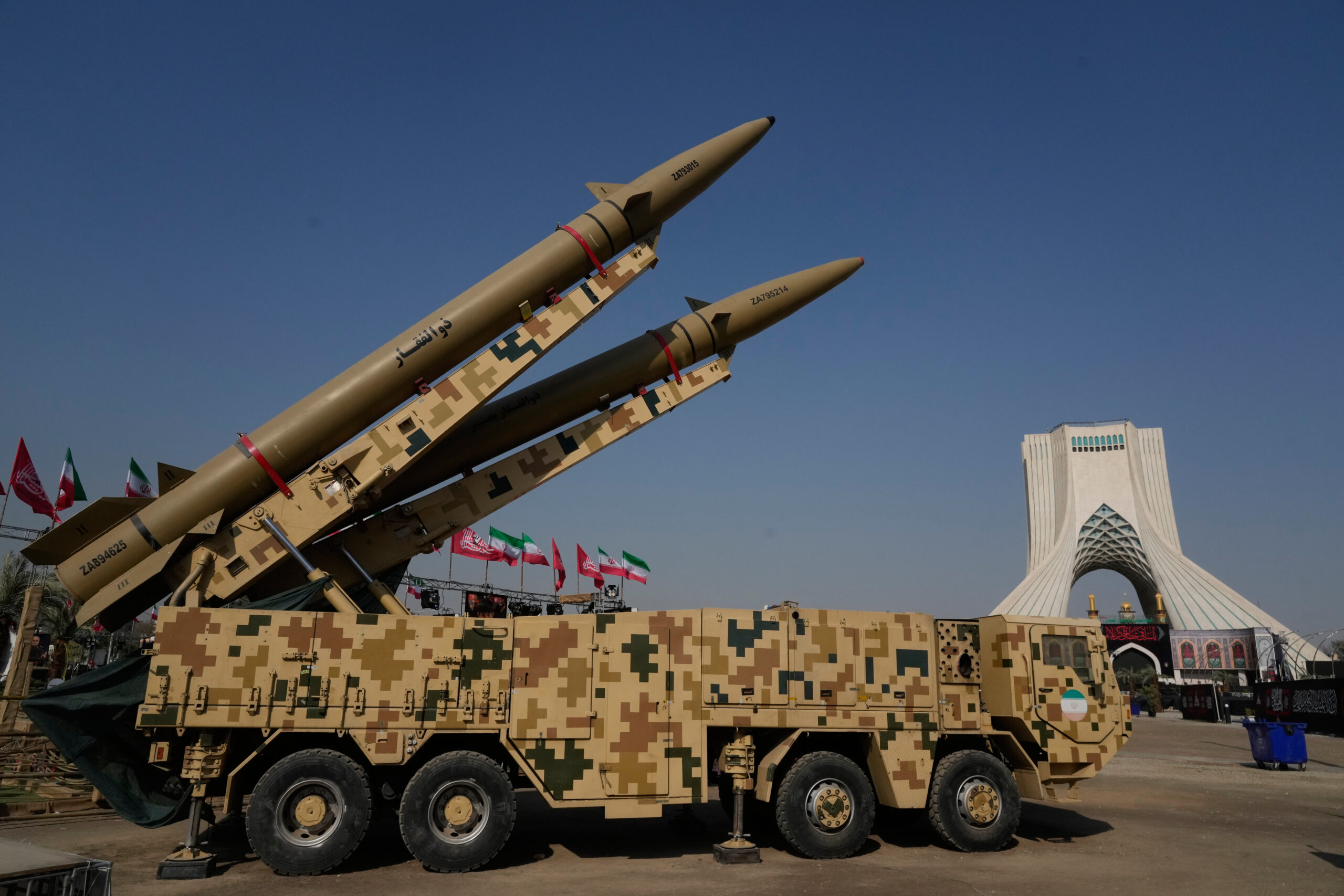
Iran’s Collective Strategic Decision Making
Wartime pressure has temporarily aligned the leadership’s overriding interest in regime survival, even as its members continue to differ over the costs, methods, and ultimate objectives of the war.
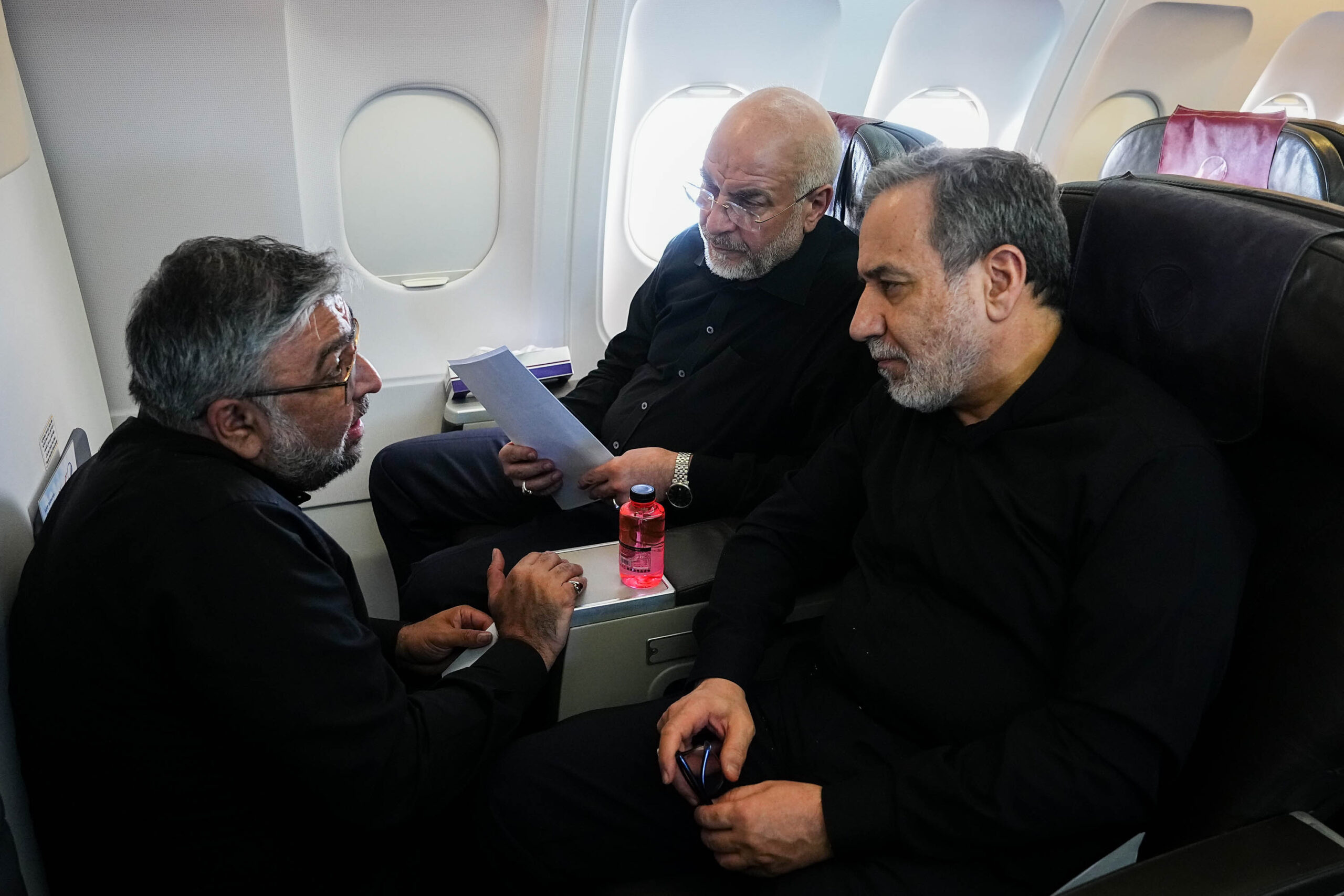
The Islamic Republic’s Collective Leadership
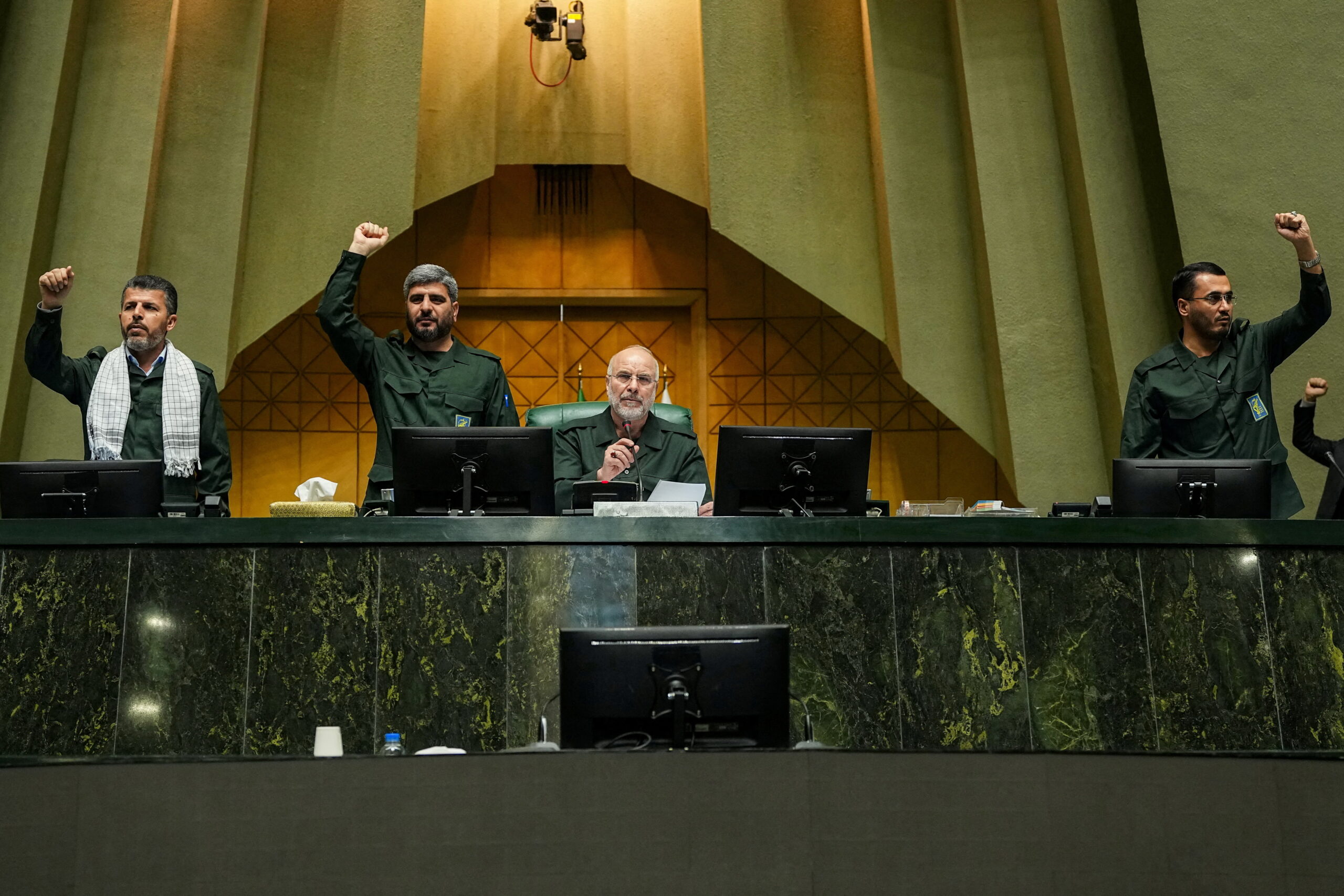
While there is historical precedent for collective leadership in Iran, today’s leadership includes representatives of the IRGC and regular military – a reflection of the IRGC’s expanding role and the necessities of governing under wartime conditions.
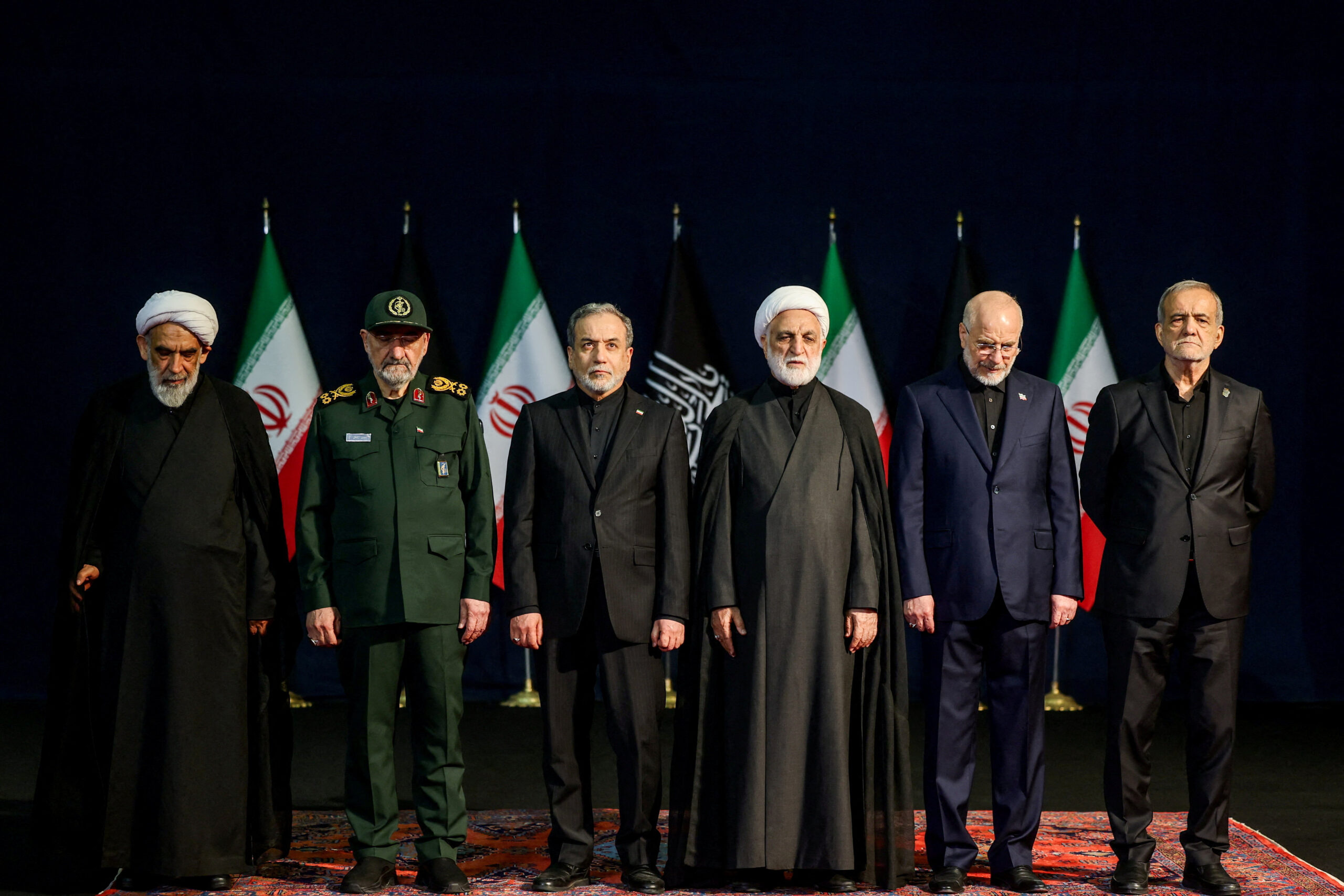
How Did the IRGC Seize Power in Iran?
The IRGC did not seize power in a single stroke. It accumulated it – patiently, methodically – until no counterweight remained.
Events
Book Talk: Iran and the Bomb: The United States, Iran and the Nuclear Question
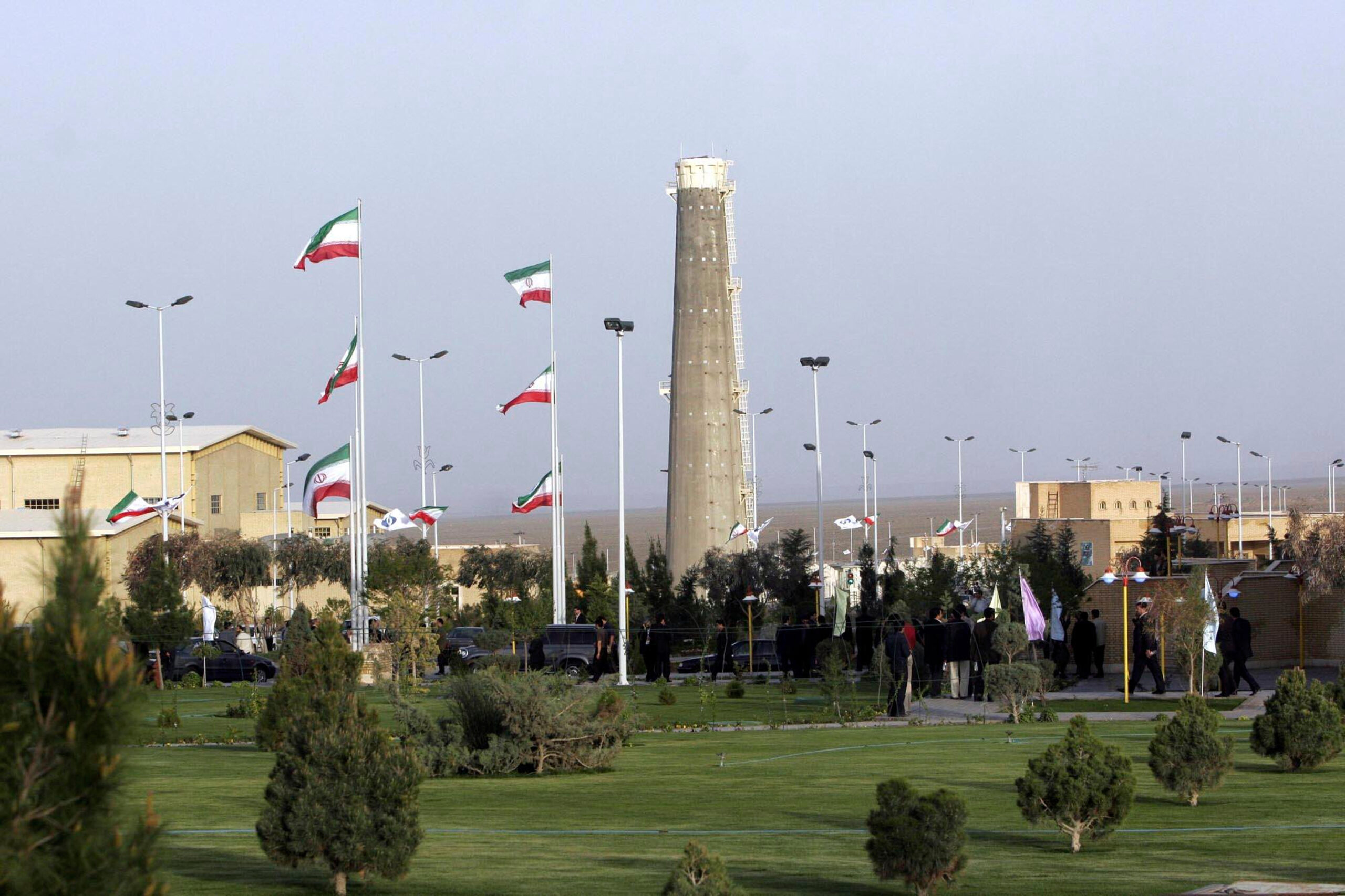
On June 16, AGSI hosted a discussion on the evolution of Iran's nuclear program.
Speakers

Apr 21, 2026
Inside Iran’s Wartime Leadership: Power, Succession, and Regime Stability
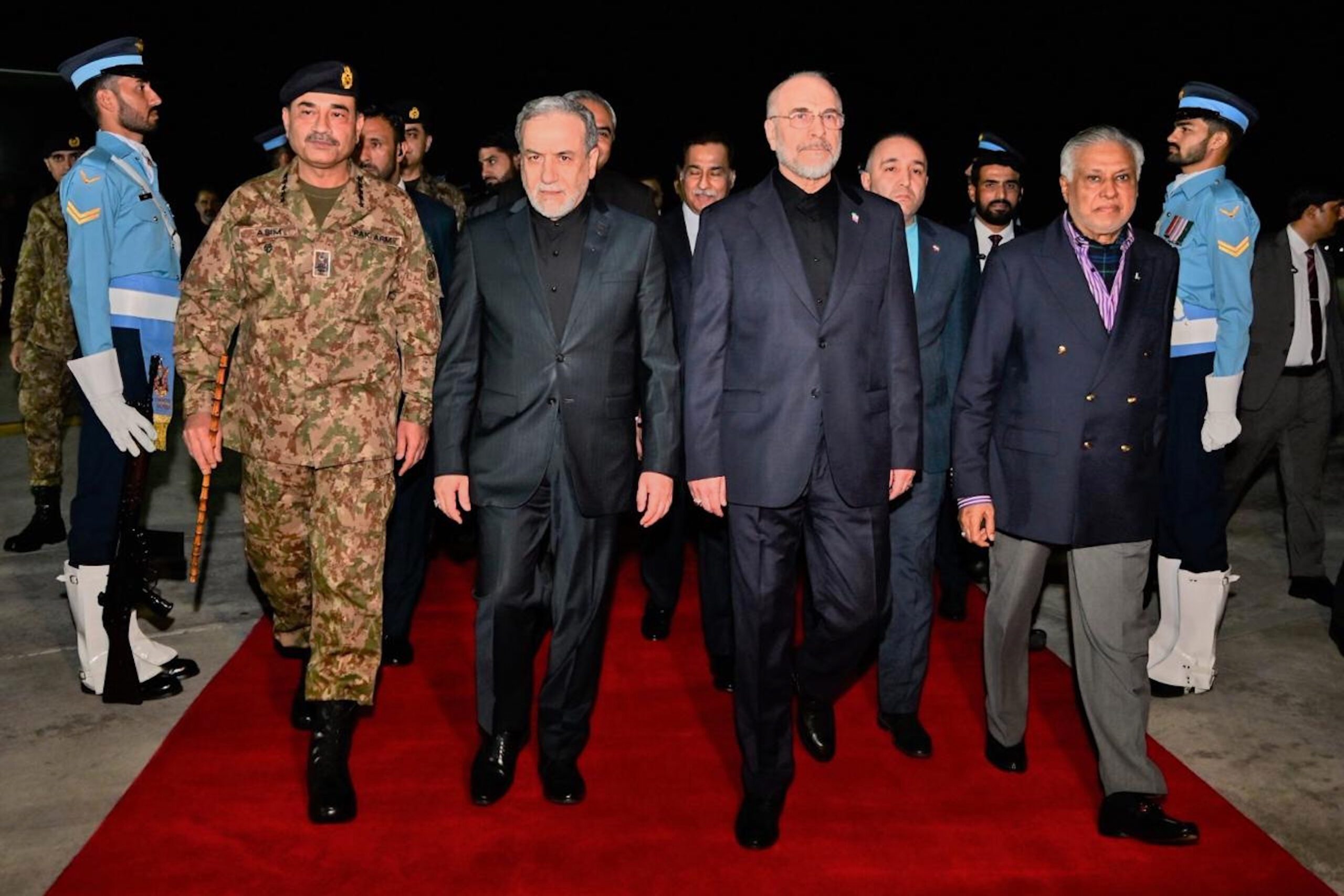
On April 21, AGSI hosted a discussion on the evolution of Iran's leadership during the war.
Speakers

Mar 18, 2026
In Its Conflict With the United States and Israel, Does Escalation Favor Iran?
On March 18, AGSI hosted a discussion on the escalation of the Iran war.
Speakers
Mar 2, 2026
After the Shock: Implications of the U.S.–Israeli Strikes and Iran’s Leadership Transition
On March 2, AGSI hosted a discussion on the U.S.-Israeli strikes on Iran.
Speakers