Mar 3, 2023
With Eyes Wide Open, Iran Moves Toward More Unrest
The March 3 edition of the Iran Media Review examines commentary on the possibility that Iran’s economic troubles will trigger a new round of protests.

With the protests in the wake of the suspicious death of Mahsa Amini in police custody still in recent memory, Iran is expecting a new round of anti-regime protests provoked by the poor state of the economy. However, the regime does not appear to have a viable plan to improve the economy. The leadership of the Islamic Revolutionary Guard Corps urges patience, and President Ebrahim Raisi may be on the verge of adopting populist policies that, according to experts, could further weaken Iranians’ purchasing power. With eyes wide open, the regime appears to be moving toward more unrest.
- February 25: Shargh newspaper editor Ahmad Gholami argued in an editorial: “While a social issue led to social protests in the current year, some believe that the state of the economy may lead to political turmoil next year,” referring to the beginning of the Iranian new year March 21. “The government expressing such concerns is not necessarily a reflection of policymaking” to avoid the expected crisis but to psychologically “prepare society for future protests” and combat the “element of surprise.” Gholami urged the government to “manage the conflict” rather than “issue warnings, which will be largely ignored.”
- February 25: Donya-ye Eqtesad daily’s lead article covered the “Prospects for Iran’s Economy in 1402” conference, which focused on economic issues in the March 2023-March 2024 Iranian calendar year. In a speech at the conference, economist Hossein Abdeh Tabrizi warned of slower growth rates, decreased demand in the Iranian market, and increased inflation in the coming year.
- February 25: IRGC Chief Commander Major General Hossein Salami, addressing executives from the Iranian development organization Construction Jihad, said, as quoted by Asr-e Iran: “We are not averting our eyes from the problems and understand the economic hardships and fluctuations in the foreign exchange market. But the Cabinet and regime officials are working to alleviate those problems, and the nation should not surrender.”
- February 25: Reformist Etemad newspaper’s coverage of the Parliamentary Integration Committee’s plan to provide a universal gas subsidy to Iranian households, including those without automobiles, included comments from critics of the scheme. Mohammad Ali Khatibi, the former Iranian ambassador to OPEC, argued that the plan is “fundamentally illogical and only raises the level of expectations in society. When the government is in poor economic shape, such policies only increase the pressure on the already tight budget.” Mahmoud Khaqani, a former Oil Ministry official, commented: “This is neither logical nor economical … Why is nobody asking why there is a budget deficit and why it persists …? If enacted, this plan will result in poor people selling their subsidized gas rations to auto owners at inflated prices. Taxi drivers will in turn increase their fare, since they are purchasing their gas at inflated prices, and so will truckers and others involved in logistics, which will result in increased prices of food and other products. This will just result in higher inflation and decreased purchasing power for the people.”
The views represented herein are the author's or speaker's own and do not necessarily reflect the views of AGSI, its staff, or its board of directors.
Related
Iran Media Review
Feb 28, 2023
New Threats Against Iran International TV
The February 28 edition of the Iran Media Review explores responses to Iran International’s relocation from London to Washington, DC.
Iran Media Review
Feb 24, 2023
Iranian Regime Official Demands Further Internet Restriction
The February 24 edition of the Iran Media Review considers a regime advisor’s justification for restricting internet access in Iran.
Feb 28, 2023
New Threats Against Iran International TV
The February 28 edition of the Iran Media Review explores responses to Iran International’s relocation from London to Washington, DC.
Feb 24, 2023
Iranian Regime Official Demands Further Internet Restriction
The February 24 edition of the Iran Media Review considers a regime advisor’s justification for restricting internet access in Iran.
Analysis
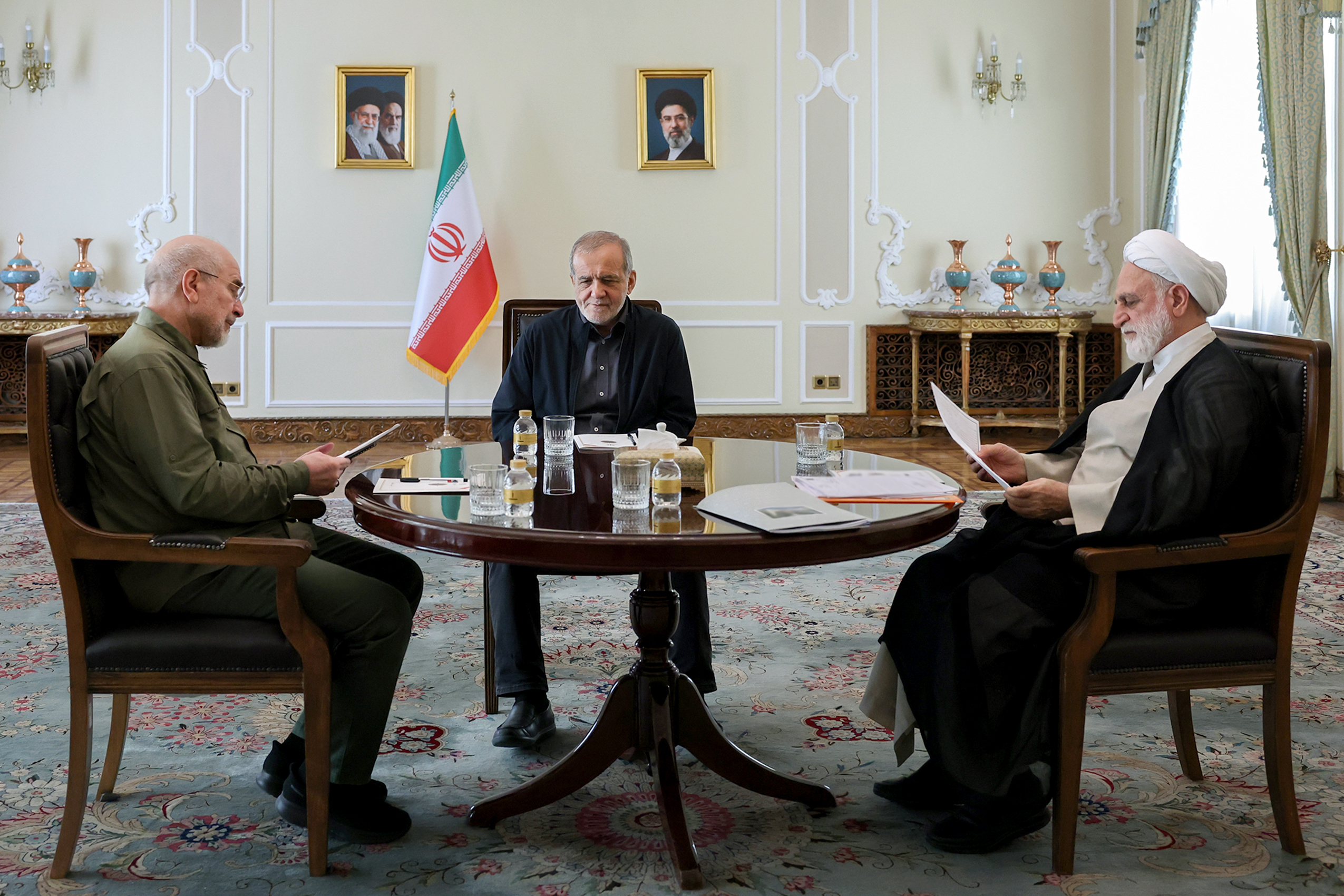
The Committee of Six and Strategic Decision Making in Iran
Remarks by Iran’s president offer a rare glimpse of how the Islamic Republic has adapted its decision making to the absence of its supreme leader.
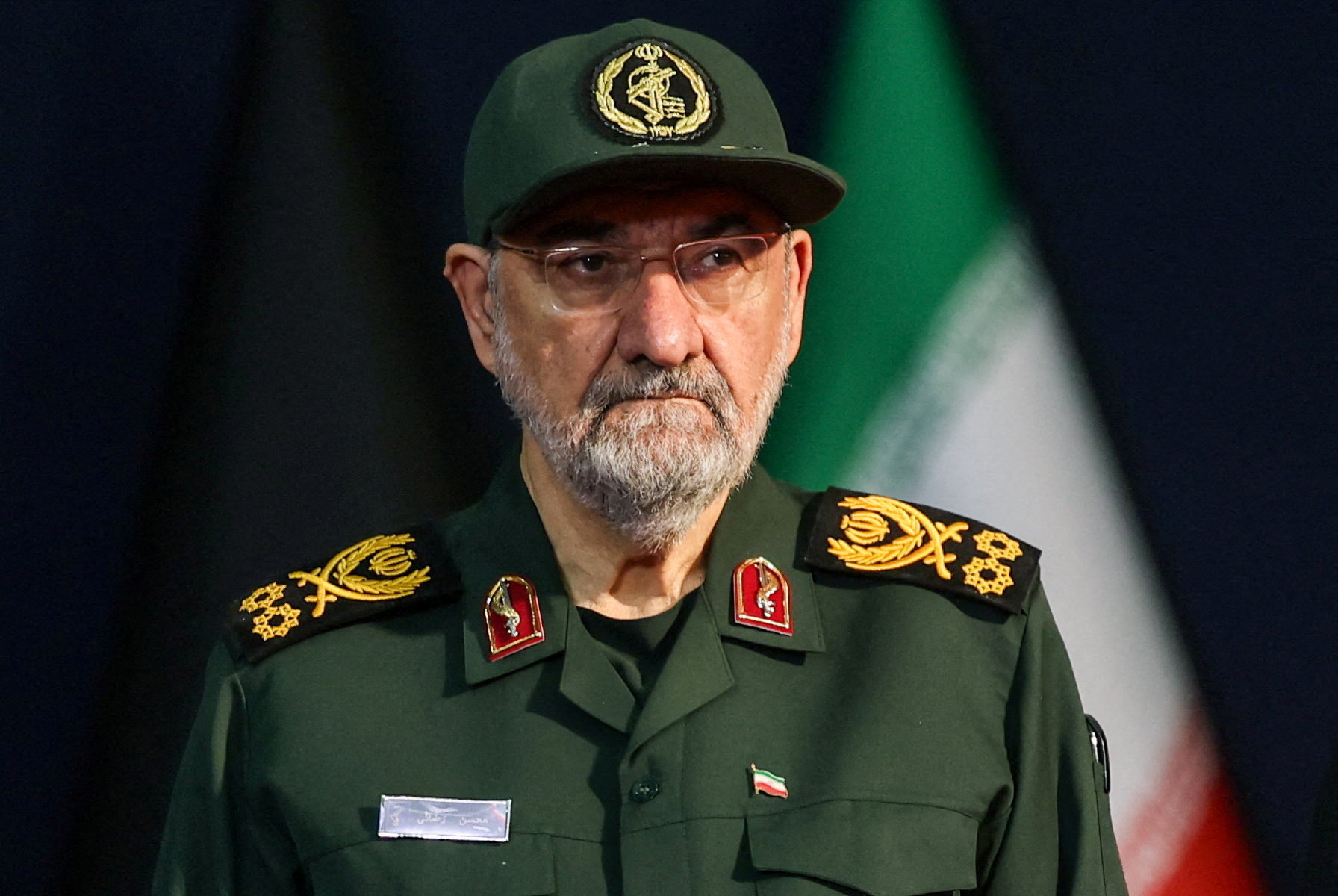
Mohsen Rezaei at the Helm of Iran’s Supreme National Security Council
Under Rezaei, the SNSC could prove constructive or paralyze strategic decision making.
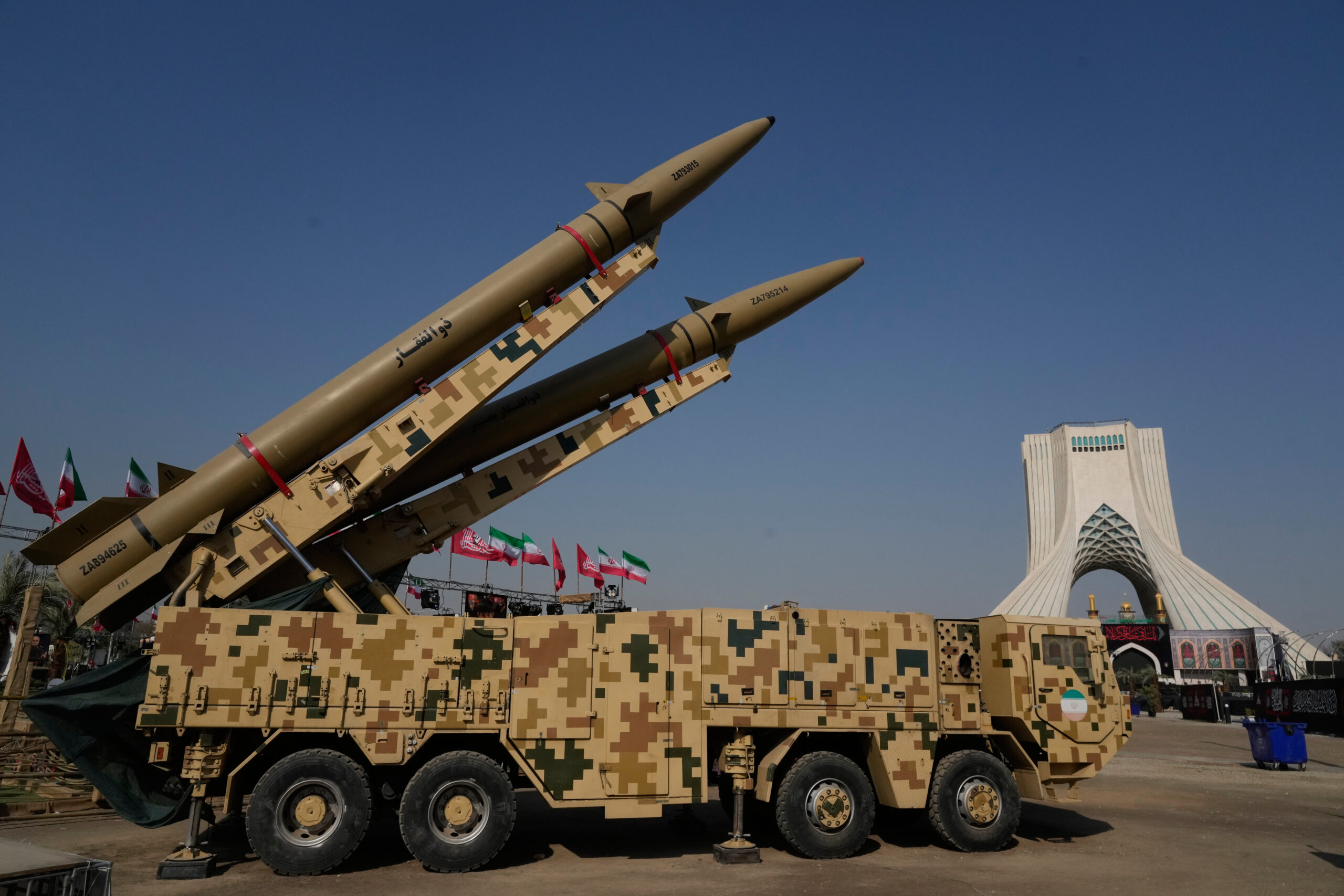
The Islamic Republic Returns to Offense
After U.S.-Israeli strikes killed Supreme Leader Ayatollah Ali Khamenei on February 28, Iran’s collective leadership has concluded that the best defense is a good offense.
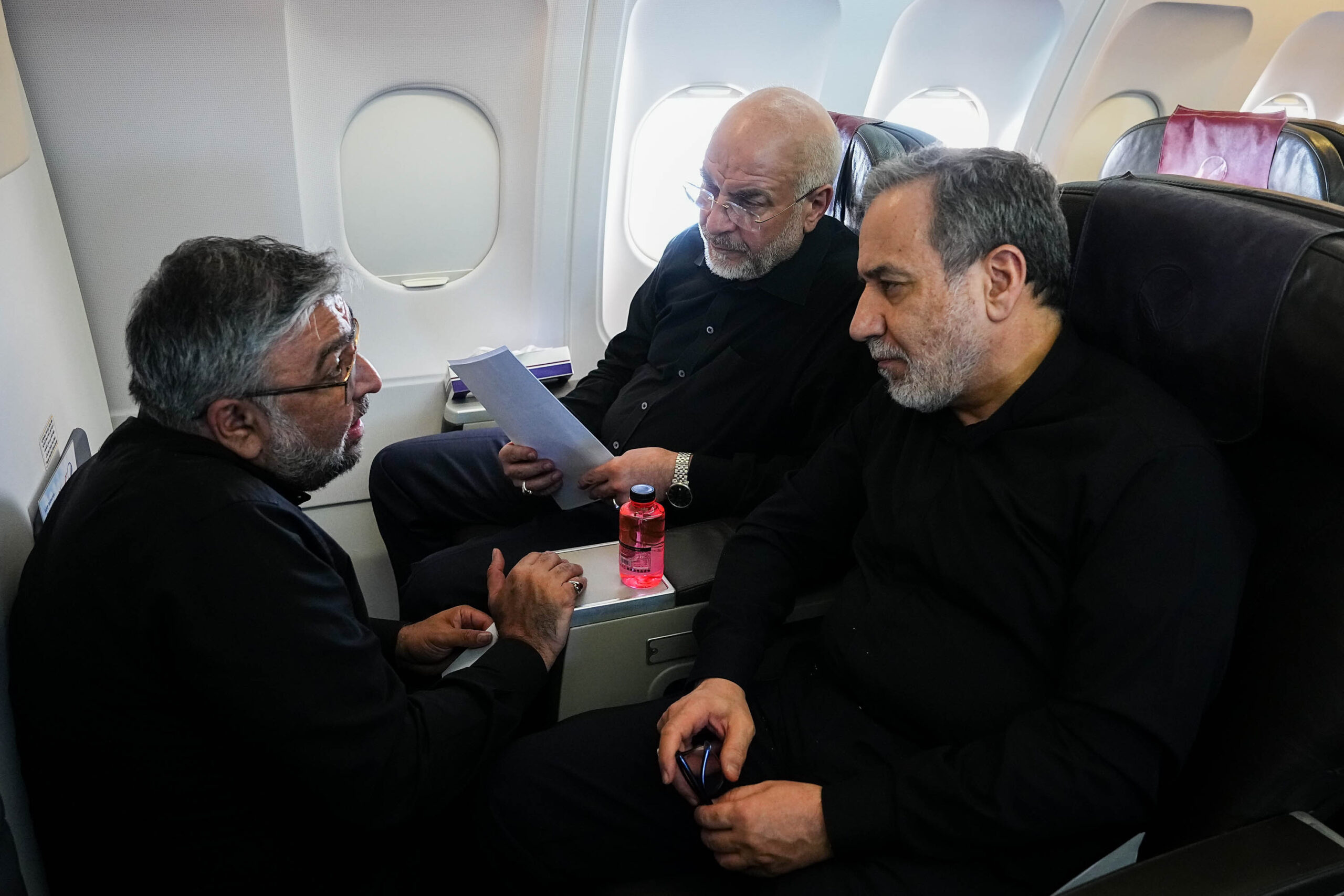
Iran’s Collective Strategic Decision Making
Wartime pressure has temporarily aligned the leadership’s overriding interest in regime survival, even as its members continue to differ over the costs, methods, and ultimate objectives of the war.
Events
Oct 6, 2026
Is the U.S.-Iran Stalemate a “New Normal” or the Prelude to Another Explosion?
On October 6, AGSI hosted a discussion on the U.S.-Iran stalemate and the prospects for a cease-fire.
Speakers



Book Talk: Iran and the Bomb: The United States, Iran and the Nuclear Question
On June 16, AGSI hosted a discussion on the evolution of Iran's nuclear program.

Speakers

Apr 21, 2026
Inside Iran’s Wartime Leadership: Power, Succession, and Regime Stability
On April 21, AGSI hosted a discussion on the evolution of Iran's leadership during the war.

Speakers

Mar 18, 2026
In Its Conflict With the United States and Israel, Does Escalation Favor Iran?
On March 18, AGSI hosted a discussion on the escalation of the Iran war.
Speakers