Dec 20, 2022
Reformist Politician: “Dampening of Protests Does Not Mean Decreased Dissatisfaction”
The December 20 edition of the Iran Media Review highlights warnings from Mohsen Mir-Damadi regarding the roots of discontent in Iran.

While the Islamic Republic appears to have effectively suppressed protests in Iran, the regime should not be complacent, warned Mohsen Mir-Damadi, who participated in taking hostages at the U.S. Embassy in Tehran in 1979 but has since become a reformist politician. Mir-Damadi’s political metamorphosis from radical revolutionary to reformist took more than four decades, but, with respect to discontent in Iran, time is a luxury the Islamic Republic cannot afford.
- December 5: Mir-Damadi, interviewed by reformist Etemad daily, said: “We are facing public dissatisfaction accumulated over a very long time. The regime ignored warnings from all those who care about it, experts, university professors, and the like, and everything exploded … In particular, by frustrating the people’s hope for change through the ballot box, we reached the current situation.” Mir-Damadi further warned: “Lessening of protest gatherings does not mean decreased protests and dissatisfaction. Protests are hidden under the skin of events, but their occurrence follows ebbs and flows. If the government is wise, it should welcome overt protests, which bring it out of ignorance and help it identify the causes and roots of the protests … The regime should take advantage of the protests to address the causes of popular discontent.” Turning to the time factor, and promises made by Iranian officials, Mir-Damadi said: “The passing of time and the fast pace of events make everything more complicated and further radicalize the society. Solutions, which may have worked two months ago, are useless for solving today’s problems … Opaque promises do not solve the problems. You look at the president’s promises during the last presidential election. How many of those have been delivered?”
The views represented herein are the author's or speaker's own and do not necessarily reflect the views of AGSI, its staff, or its board of directors.
Related
Iran Media Review
Dec 16, 2022
The Regime is Unpopular and the IRGC Knows It
The December 16 edition of the Iran Media Review considers the implications of the release of a classified bulletin concerning the Iranian regime’s declining popularity.
Iran Media Review
Dec 13, 2022
As China Sides With GCC States in Island Dispute, Shargh News Blames the Regime
The December 13 Iran Media Review explores reactions to a joint Chinese-GCC statement regarding the dispute over Abu Musa and the Greater and Lesser Tunbs.
Dec 16, 2022
The Regime is Unpopular and the IRGC Knows It
The December 16 edition of the Iran Media Review considers the implications of the release of a classified bulletin concerning the Iranian regime’s declining popularity.
Dec 13, 2022
As China Sides With GCC States in Island Dispute, Shargh News Blames the Regime
The December 13 Iran Media Review explores reactions to a joint Chinese-GCC statement regarding the dispute over Abu Musa and the Greater and Lesser Tunbs.
Analysis
The Islamic Republic Returns to Offense
After U.S.-Israeli strikes killed Supreme Leader Ayatollah Ali Khamenei on February 28, Iran’s collective leadership has concluded that the best defense is a good offense.
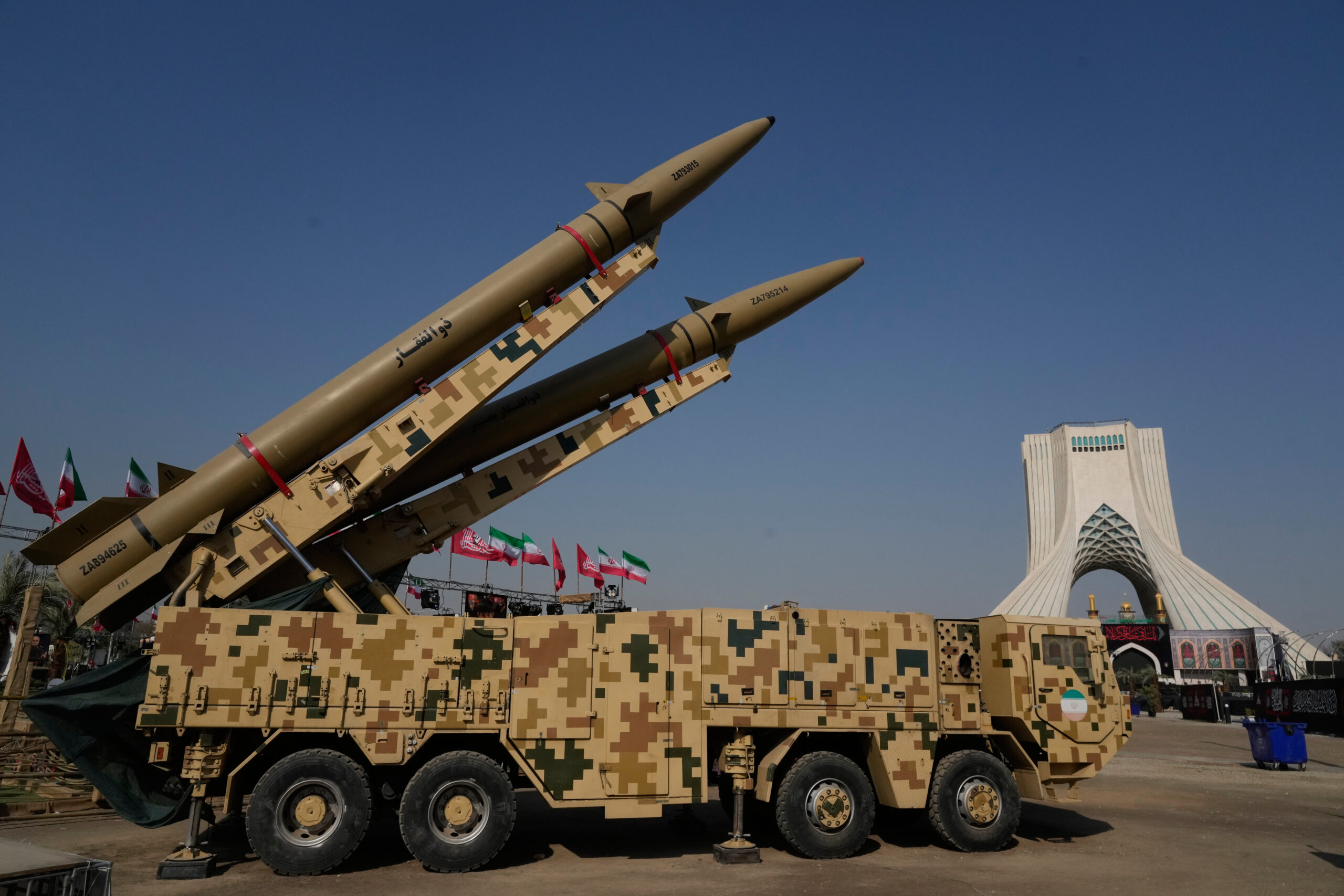
Iran’s Collective Strategic Decision Making
Wartime pressure has temporarily aligned the leadership’s overriding interest in regime survival, even as its members continue to differ over the costs, methods, and ultimate objectives of the war.
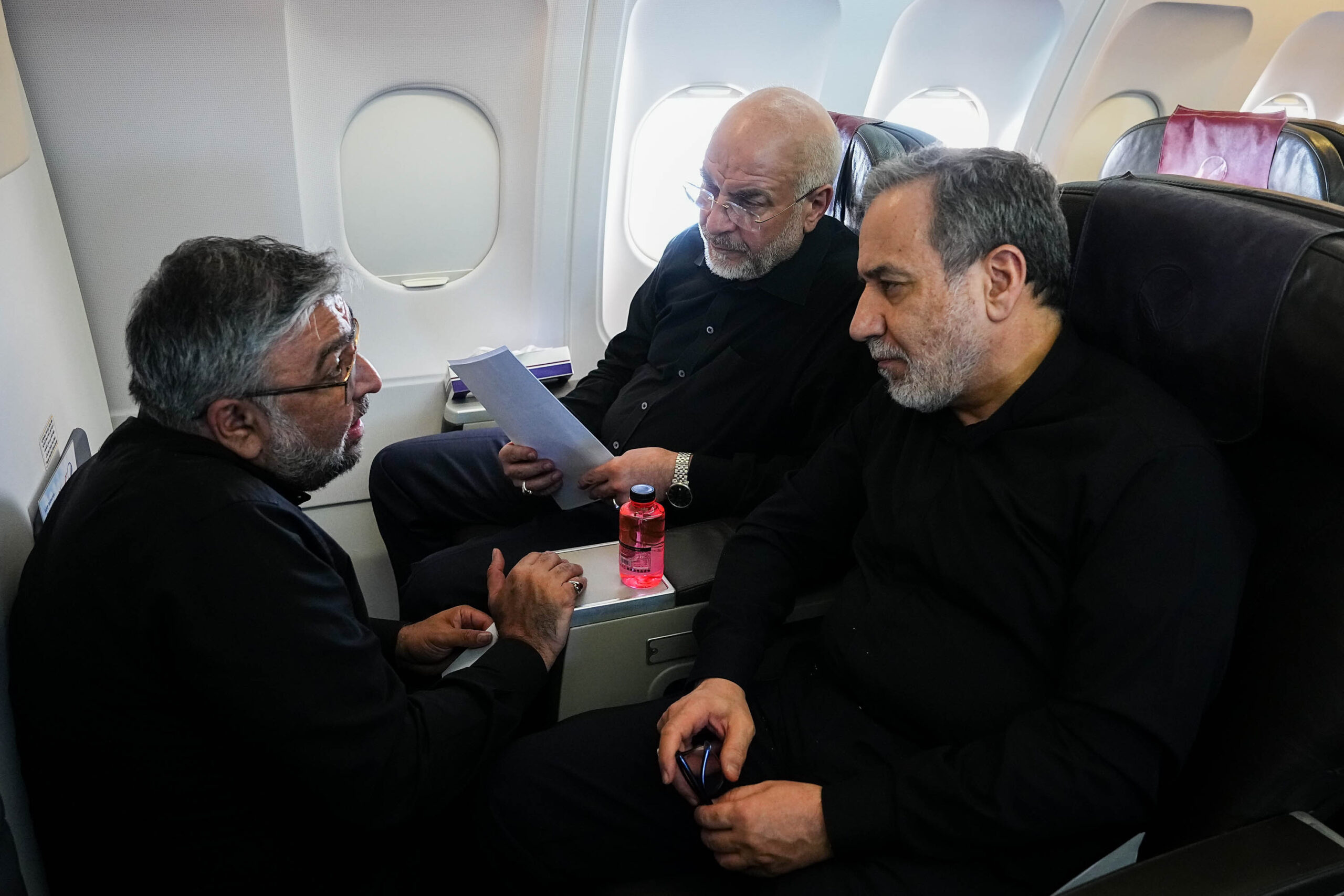
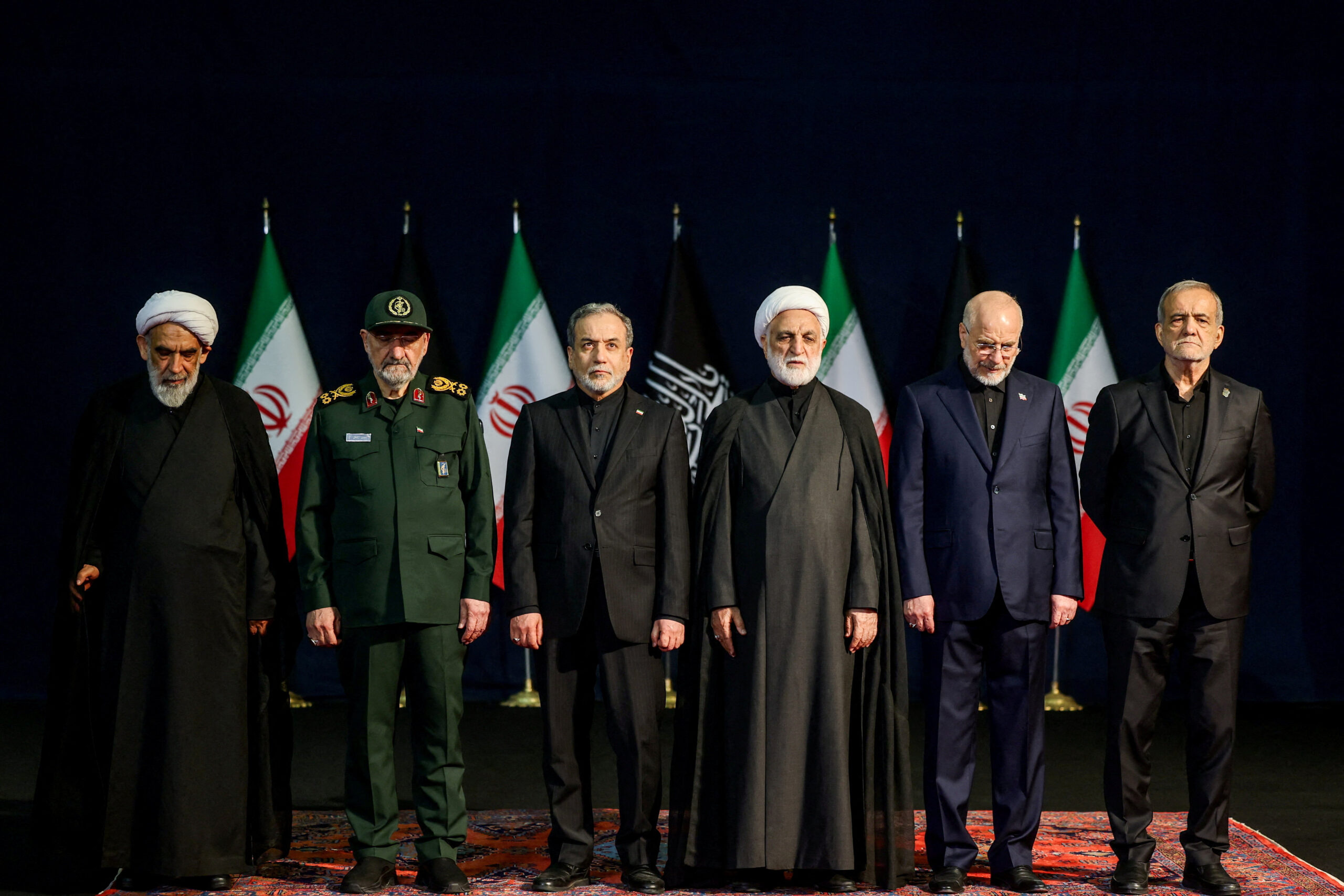
The Islamic Republic’s Collective Leadership
While there is historical precedent for collective leadership in Iran, today’s leadership includes representatives of the IRGC and regular military – a reflection of the IRGC’s expanding role and the necessities of governing under wartime conditions.
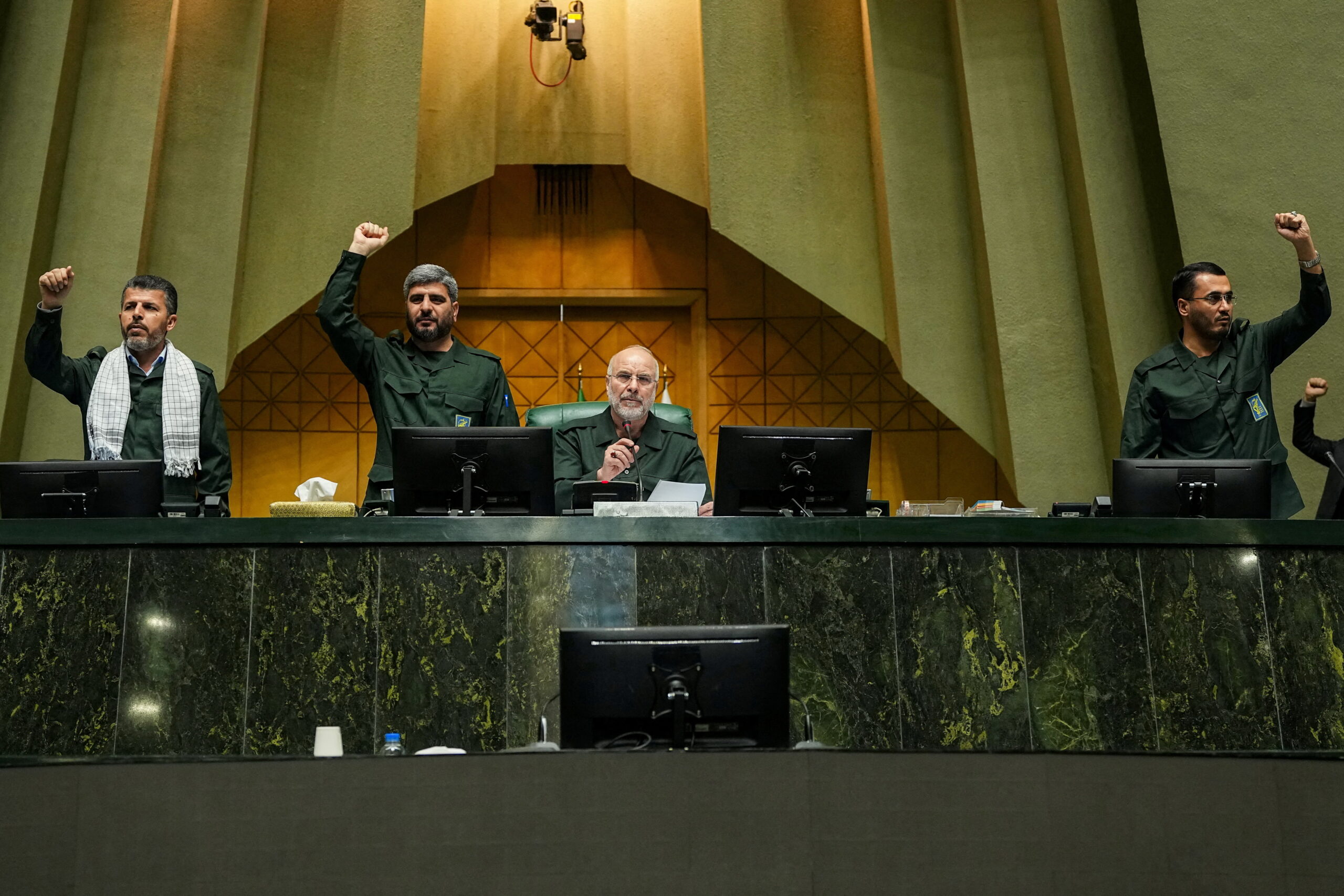
How Did the IRGC Seize Power in Iran?
The IRGC did not seize power in a single stroke. It accumulated it – patiently, methodically – until no counterweight remained.
Events
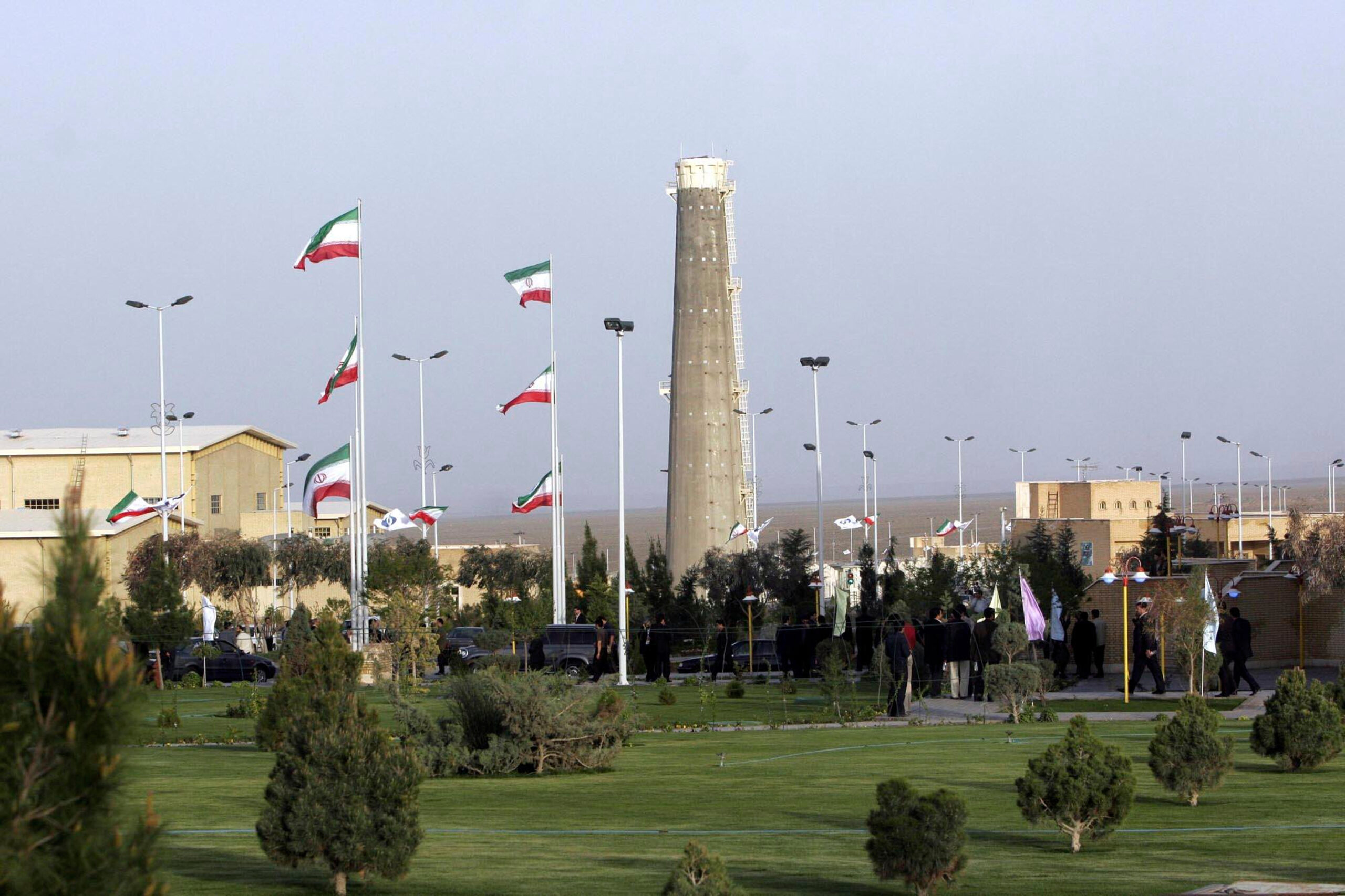
Book Talk: Iran and the Bomb: The United States, Iran and the Nuclear Question
On June 16, AGSI hosted a discussion on the evolution of Iran's nuclear program.
Speakers

Apr 21, 2026
Inside Iran’s Wartime Leadership: Power, Succession, and Regime Stability
On April 21, AGSI hosted a discussion on the evolution of Iran's leadership during the war.
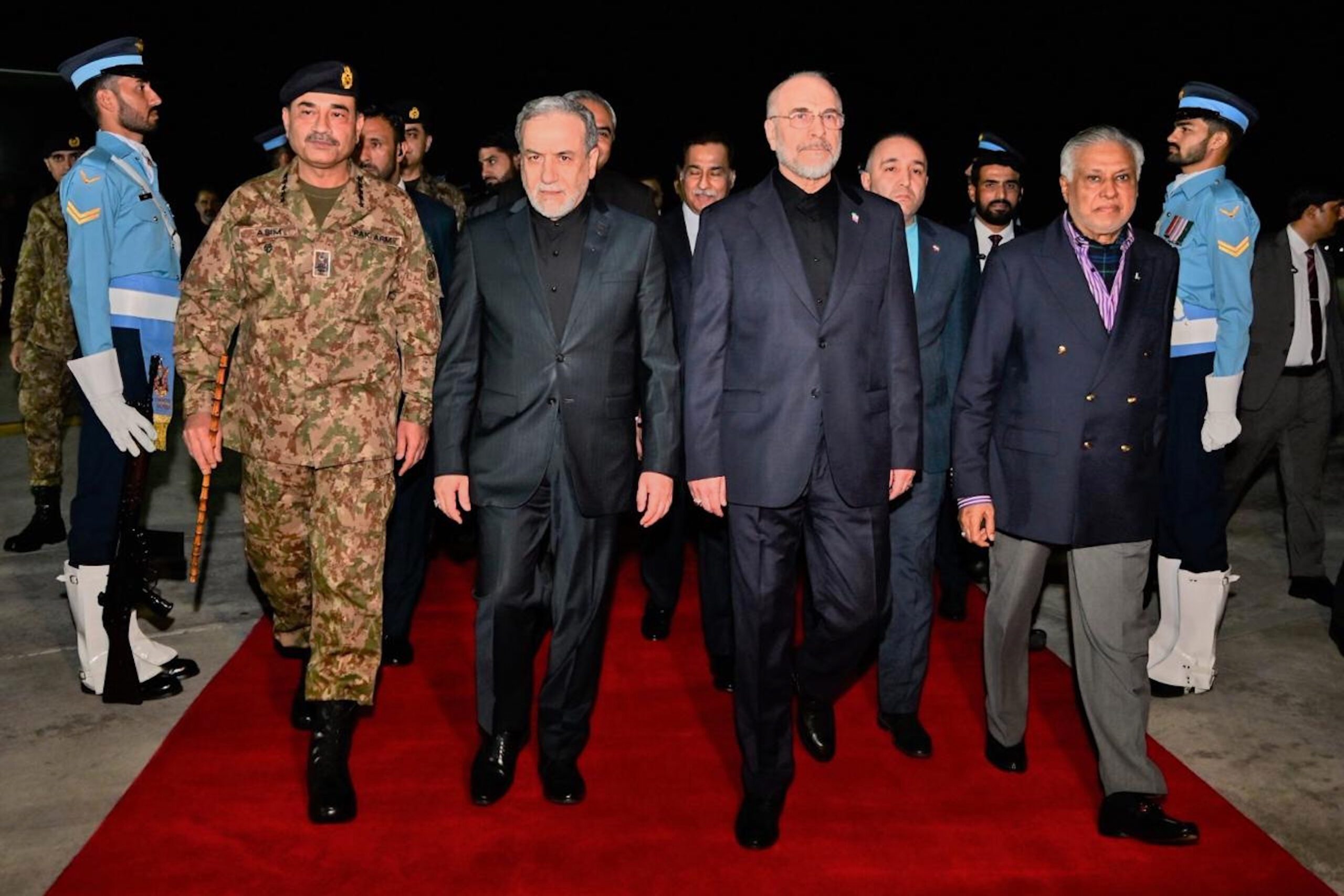
Speakers

Mar 18, 2026
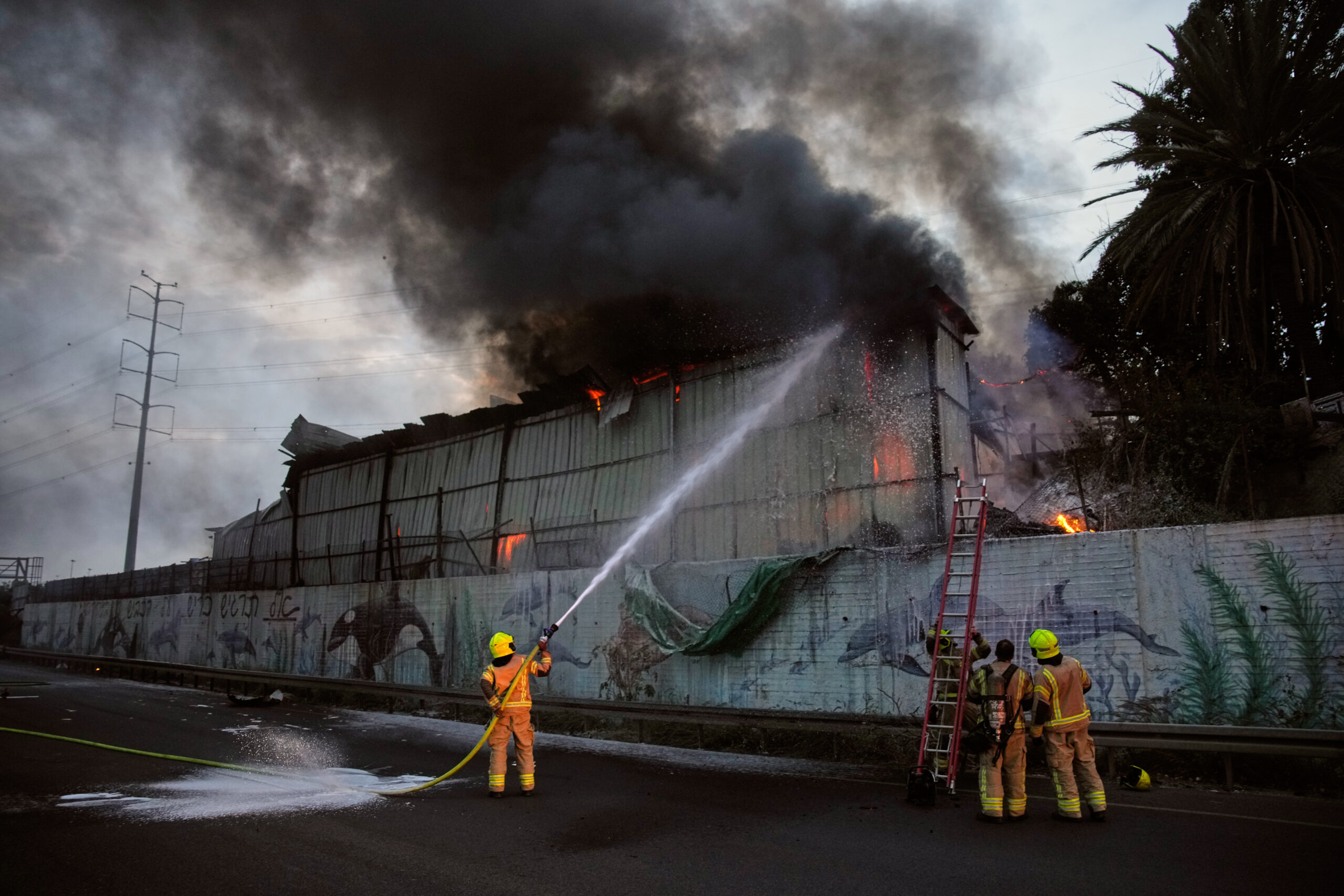
In Its Conflict With the United States and Israel, Does Escalation Favor Iran?
On March 18, AGSI hosted a discussion on the escalation of the Iran war.
Speakers


Mar 2, 2026
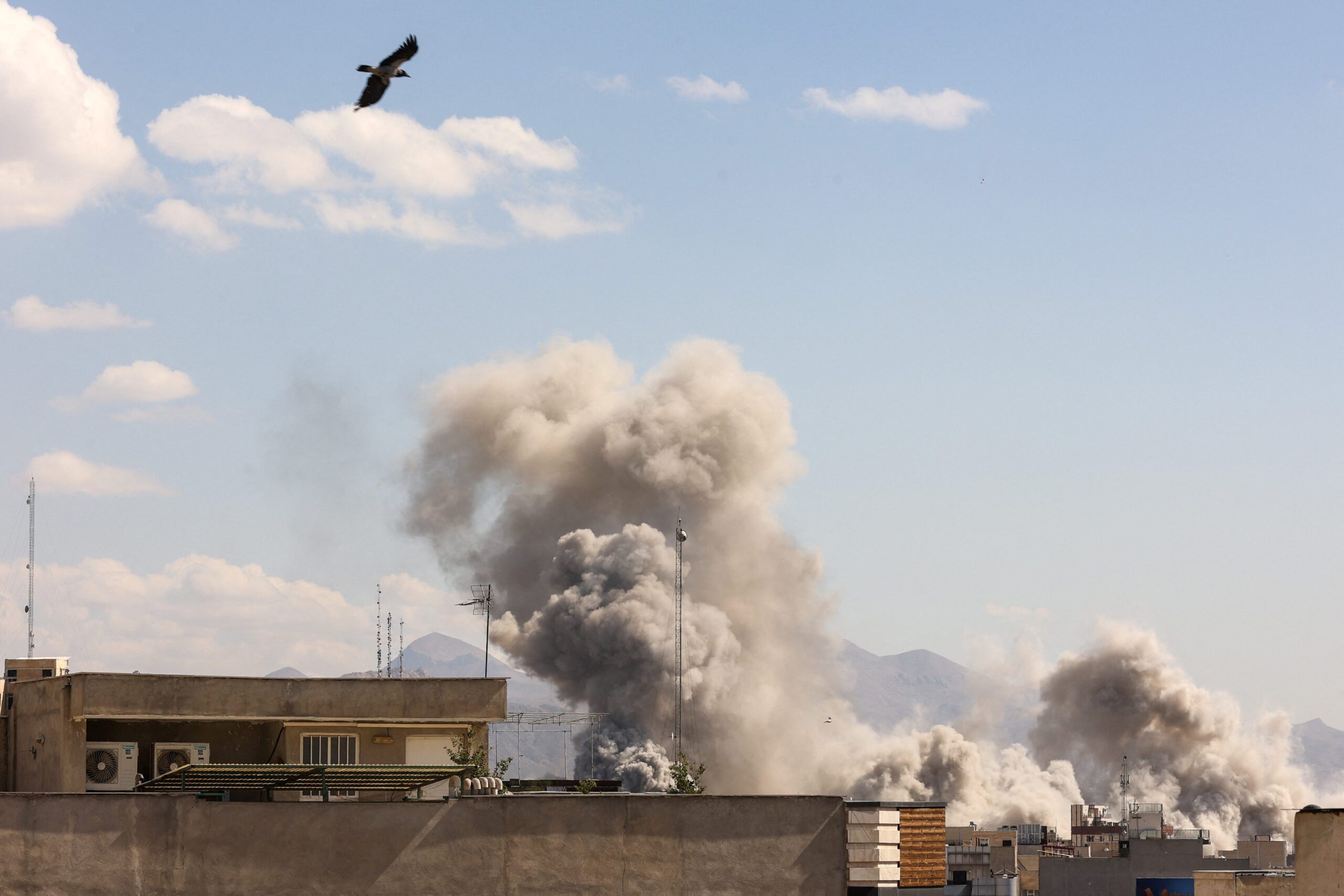
After the Shock: Implications of the U.S.–Israeli Strikes and Iran’s Leadership Transition
On March 2, AGSI hosted a discussion on the U.S.-Israeli strikes on Iran.
Speakers