Sep 2, 2022
Who is in Charge of Iran’s Afghanistan Policy?
The September 2 edition of the Iran Media Review considers the struggle between the Foreign Ministry and IRGC over conducting foreign policy.

Iran’s Afghanistan policy is a failure, Ebrahim Rahimpour, Foreign Ministry Asia and Oceania director general under former President Hassan Rouhani, wrote in an opinion piece in Etemad, and he called for the administration of foreign policy to return to the Foreign Ministry. Hassan Kazemi Qomi, former senior officer of the Quds Force of the Islamic Revolutionary Guard Corps and ambassador to Iraq, who is currently Iran’s special representative for Afghanistan, on the other hand, appears to be the most prominent voice in shaping Afghan policy. Who is in charge of Iran’s Afghanistan policy?
- August 15: Rahimpour wrote: “Throughout the years, be it during the past year and a half, or 20 years ago … Iran’s security services, in particular the Islamic Revolutionary Guard Corps, maintained relations with the Taliban.” He continued, “I must bluntly say that, as then deputy foreign minister of the Islamic Republic of Iran in charge of Afghanistan, I was unaware of the dealings or motives for dealings with this group, and I am not informed about the depth of exchanges and relations.” Turning to an assessment of Iran’s Afghanistan policy, Rahimpour wrote: “We must assess success or failure of Iran’s policy toward this group and Afghanistan based on elements of interest to our national security … With regard to security, every single day there are reports of border clashes with the Taliban … Concerning the economy, Afghanistan was the fifth-largest importer of Iranian goods, but trade relations with Afghanistan have considerably declined. We have also not achieved any success with regard to the safety of the Shia and Persian speakers in Afghanistan, and not a week passes without news of massacre of the Shia in Afghanistan, or injustice and discrimination against the Persian speakers.” Rahimpour concluded: “We simply did not pass the test,” and he urged, “We must bring the conduct of foreign policy back to the institution with the necessary expertise, meaning the Foreign Ministry.”
- August 15: “Entangling the Islamic Republic of Iran in a conflict with the Taliban is the post-exit policy of the United States,” Kazemi Qomi said in an interview with Iranian television. He went as far as calling the opposition to the Taliban regime “American” but has since taken back his accusation.
Rahimpour did not explicitly explain what alternative course the Foreign Ministry would have pursued in Afghanistan, but if cooperation with the United States was among them, Tehran lost another opportunity to reduce tensions with Washington. Furthermore, Kazemi Qomi’s statements illustrate that the Foreign Ministry’s preferences carry little weight. The IRGC, which provided the United States with intelligence to bomb Taliban positions during the 2001 U.S.-led invasion of Afghanistan, shifted course after former President George W. Bush’s “Axis of Evil” speech, and extended limited support to the Taliban, in the perhaps vain hope of gaining influence over the Afghan group. To judge by Kazemi Qomi’s statements, Iran is not about to shift course.
The views represented herein are the author's or speaker's own and do not necessarily reflect the views of AGSI, its staff, or its board of directors.
Related
Iran Media Review
Aug 31, 2022
Iraq’s Muqtada, Iran’s Frankenstein
The August 31 edition of the Iran Media Review considers reactions by Iran’s state-censored media to Iraqi Shia cleric Muqtada al-Sadr's announcement that he is leaving politics.
Iran Media Review
Aug 30, 2022
Big Deal or Not? Opposing Assessments of Economic Impact of the Nuclear Deal
The August 30 edition of the Iran Media Review evaluates different perspectives on the potential economic impact of reviving the JCPOA.
Aug 31, 2022
Iraq’s Muqtada, Iran’s Frankenstein
The August 31 edition of the Iran Media Review considers reactions by Iran’s state-censored media to Iraqi Shia cleric Muqtada al-Sadr's announcement that he is leaving politics.
Aug 30, 2022
Big Deal or Not? Opposing Assessments of Economic Impact of the Nuclear Deal
The August 30 edition of the Iran Media Review evaluates different perspectives on the potential economic impact of reviving the JCPOA.
Analysis
How Did the IRGC Seize Power in Iran?
The IRGC did not seize power in a single stroke. It accumulated it – patiently, methodically – until no counterweight remained.
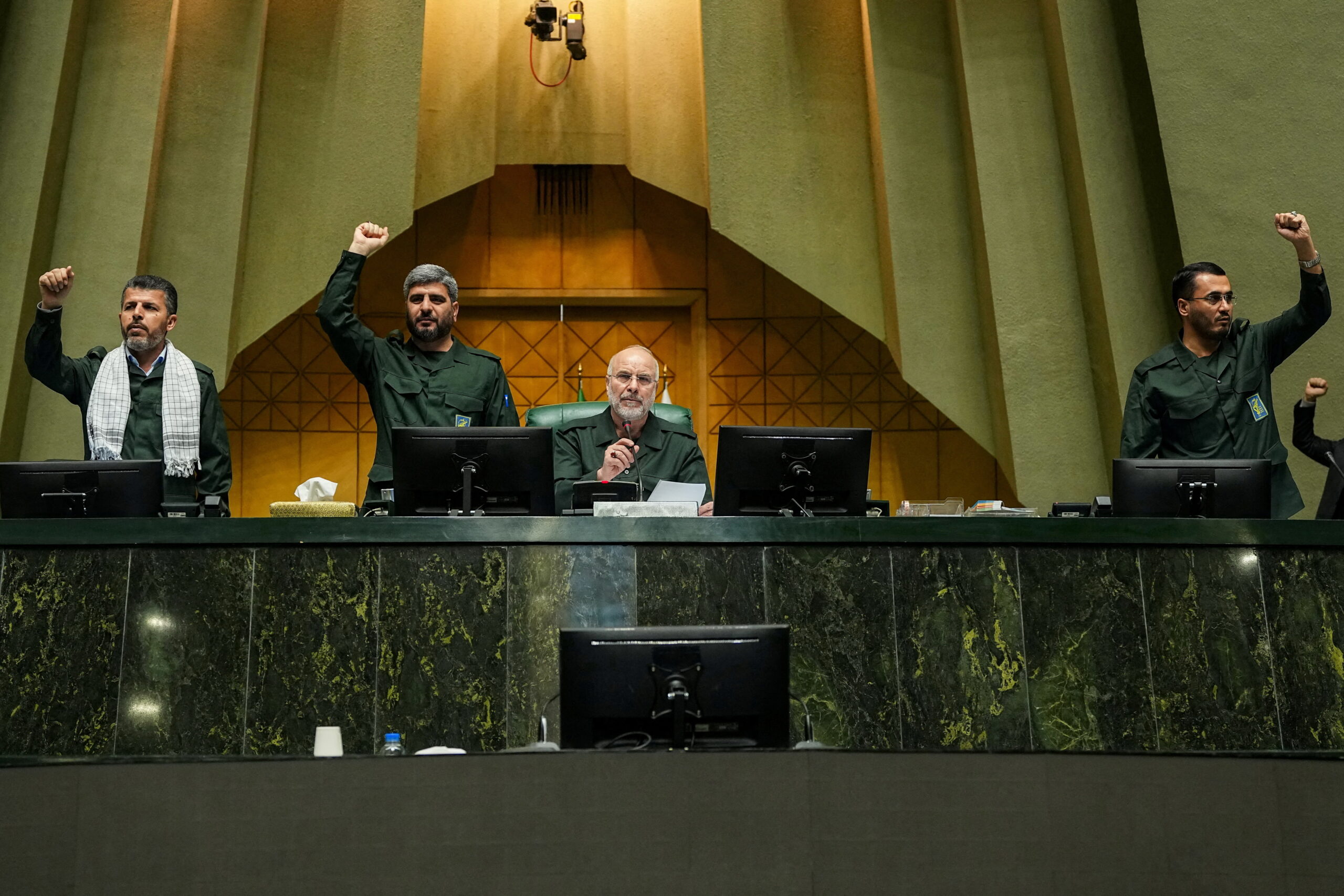
Under Mojtaba, the IRGC Will Reign Supreme
Iran may still call itself an Islamic Republic. In practice, however, it increasingly resembles a state in which the military governs from behind clerical robes.
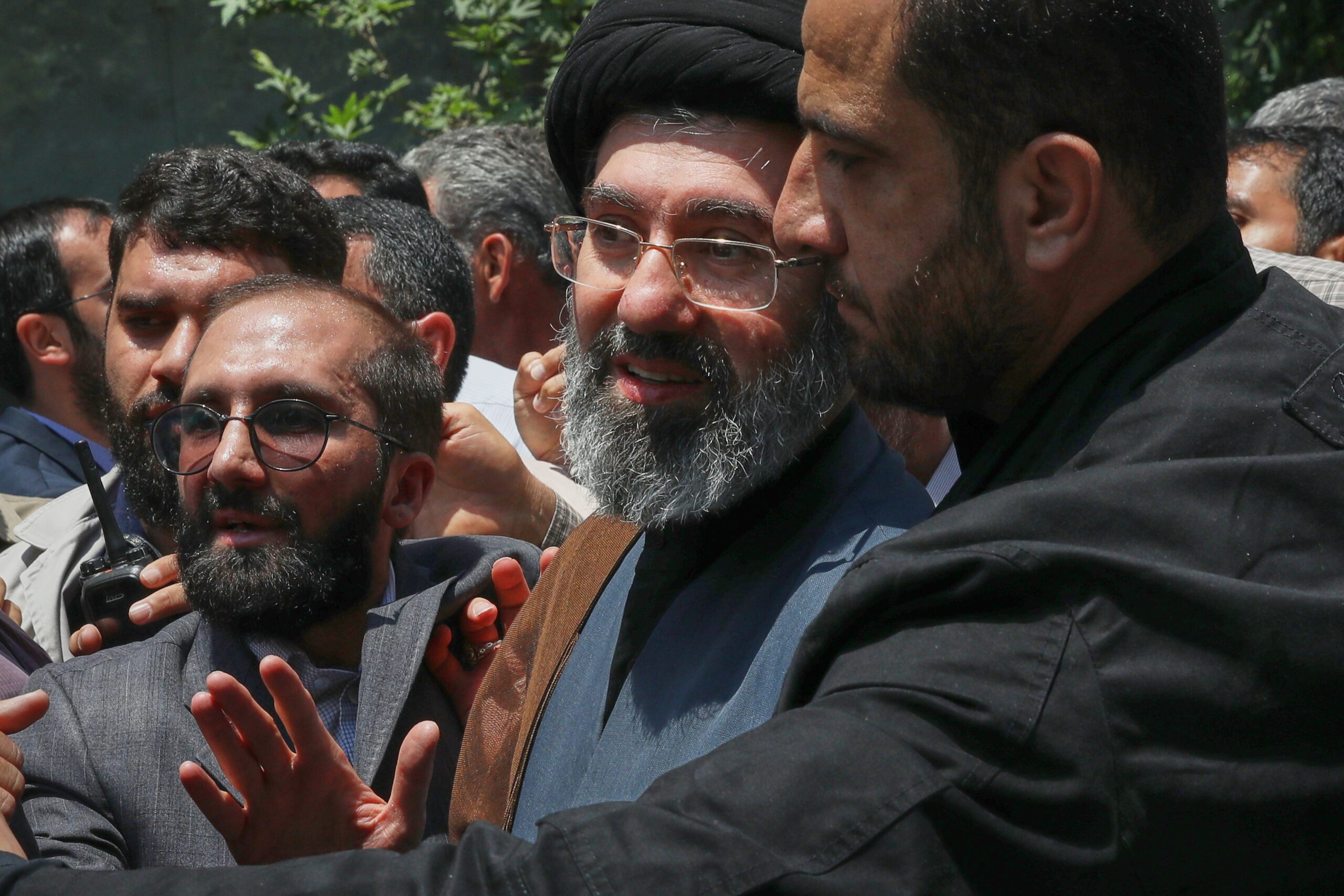
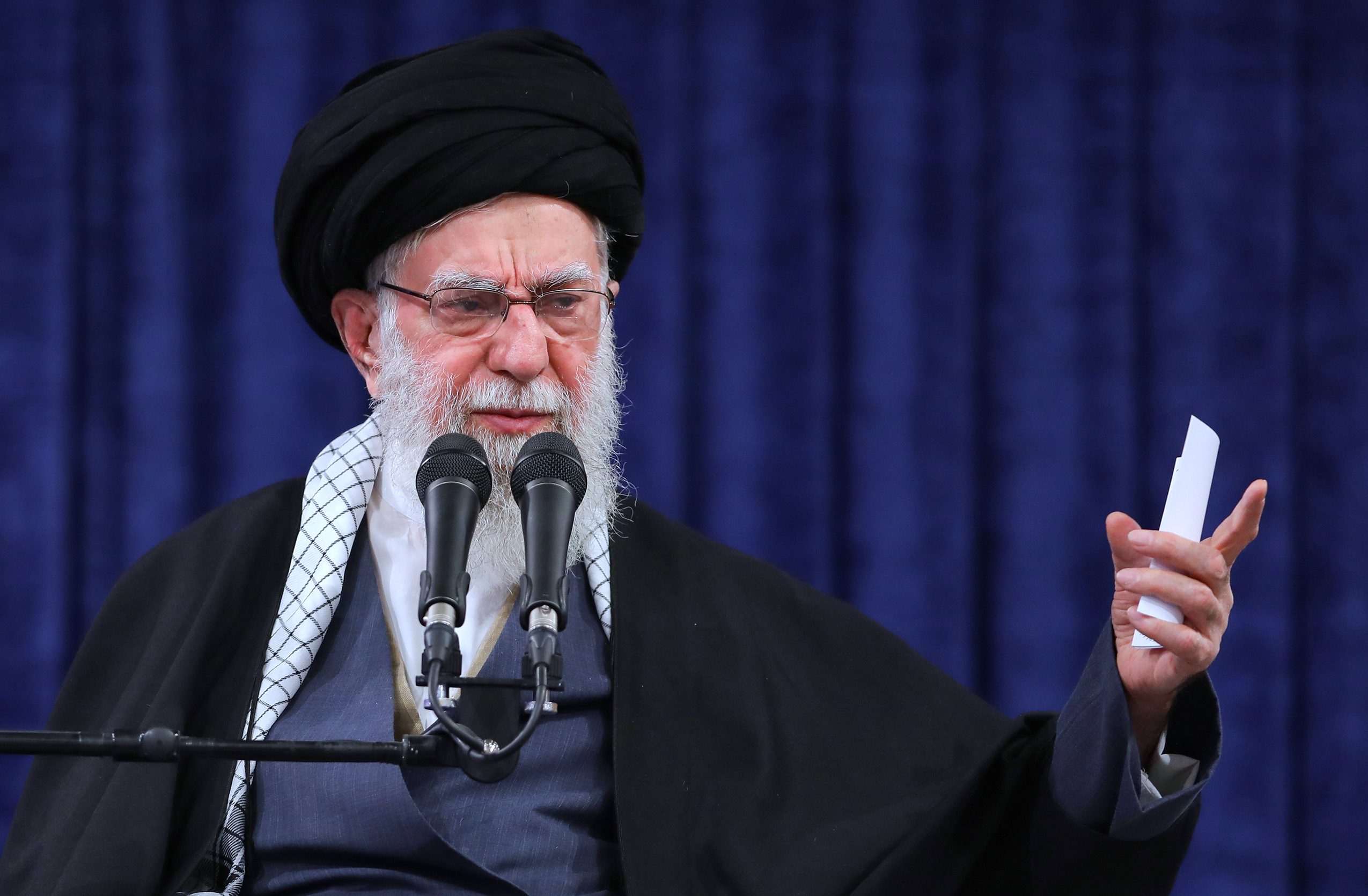
Political Life and Legacy of Iran’s Ayatollah Khamenei
Ayatollah Ali Khamenei was killed in his office in Tehran at age 86, leaving behind a country in ruins and on the verge of civil war and potential disintegration.
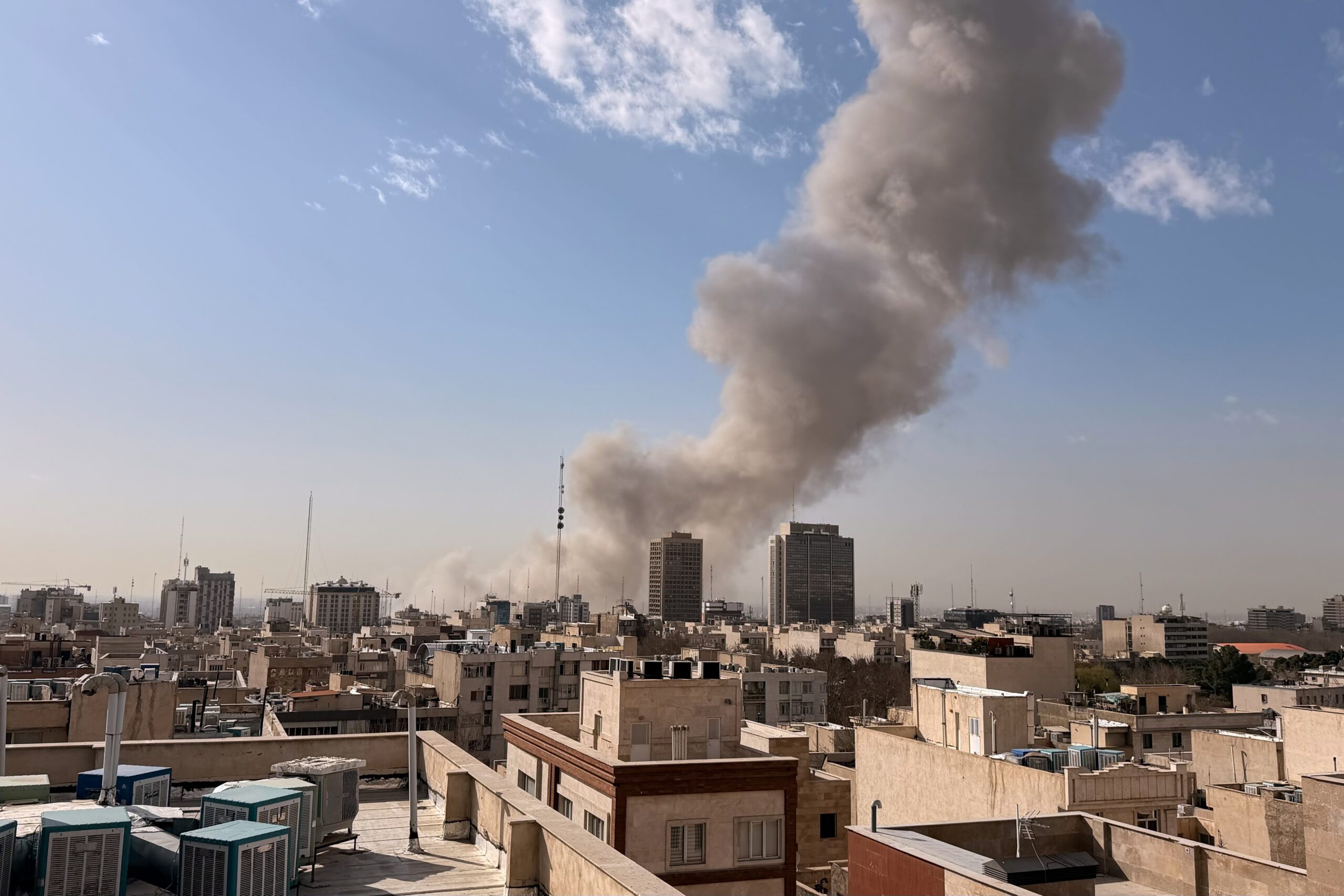
Iranian Regime Fighting for Survival
Iran is signaling that it will not absorb attacks passively. But whether this strategy ensures the regime’s survival, seals its fate, or accelerates a broader catastrophe will shape the region for years to come.
Events
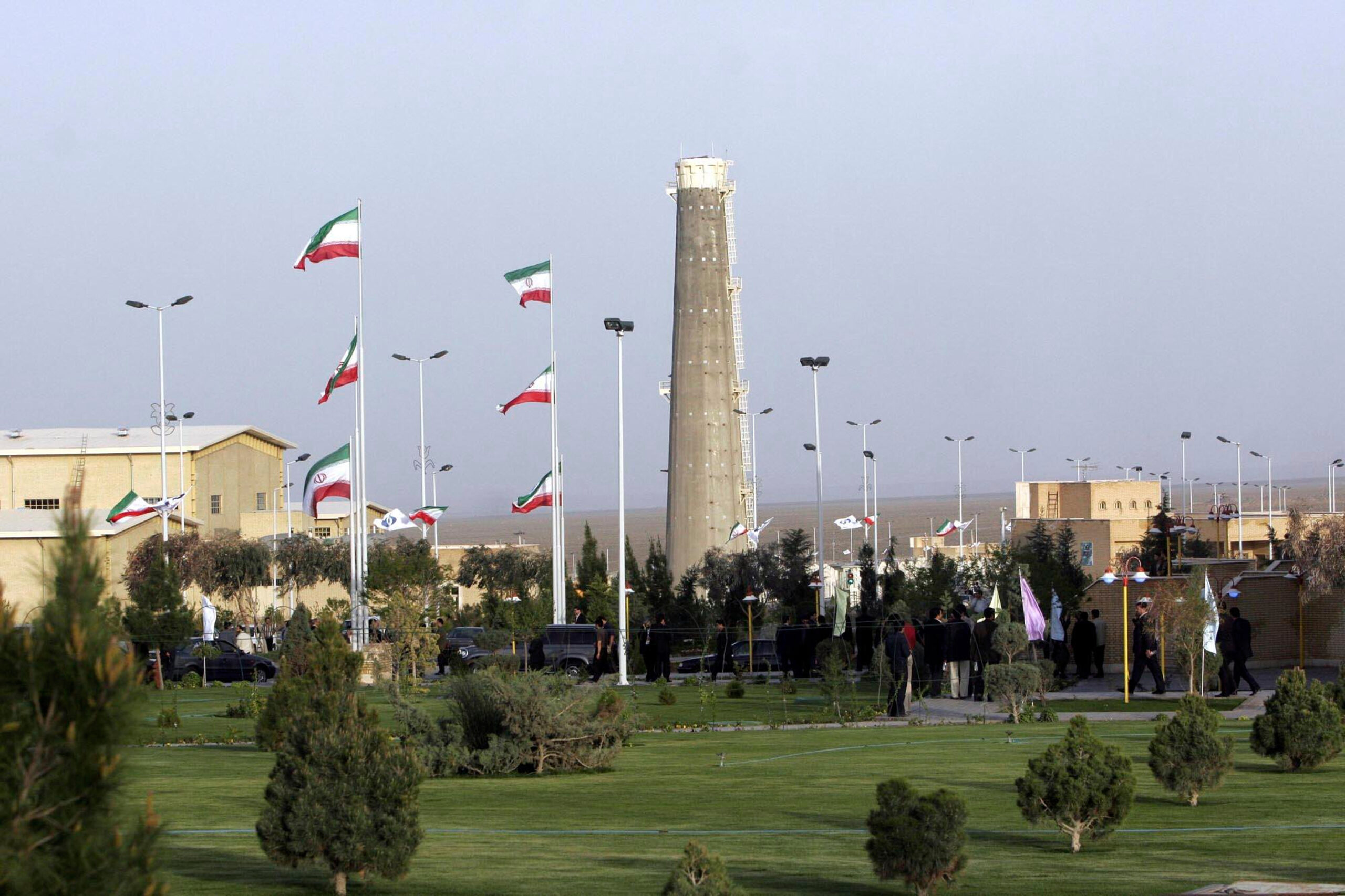
Book Talk: Iran and the Bomb: The United States, Iran and the Nuclear Question
On June 16, AGSI hosted a discussion on the evolution of Iran's nuclear program.
Speakers

Apr 21, 2026
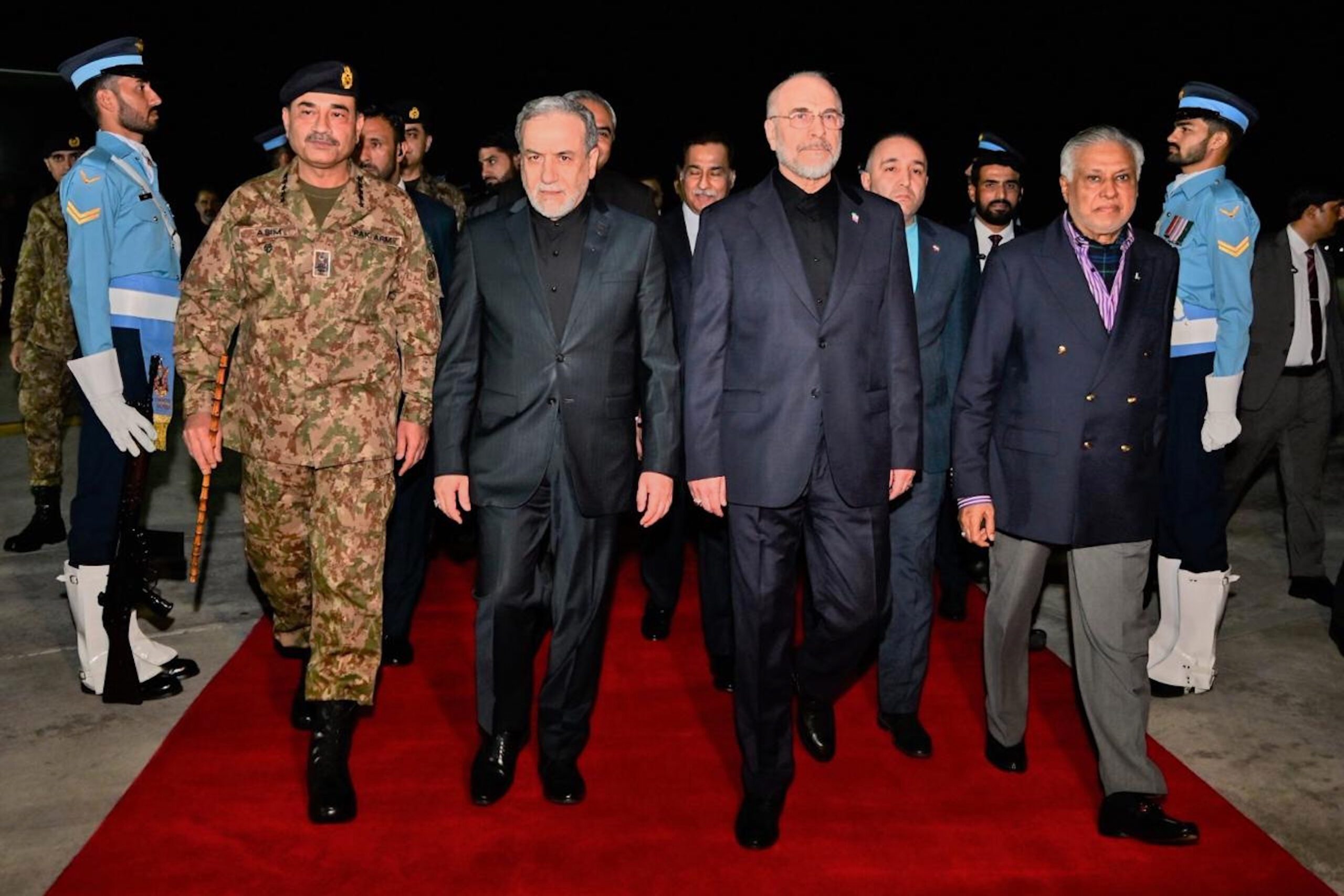
Inside Iran’s Wartime Leadership: Power, Succession, and Regime Stability
On April 21, AGSI hosted a discussion on the evolution of Iran's leadership during the war.
Speakers

Mar 18, 2026
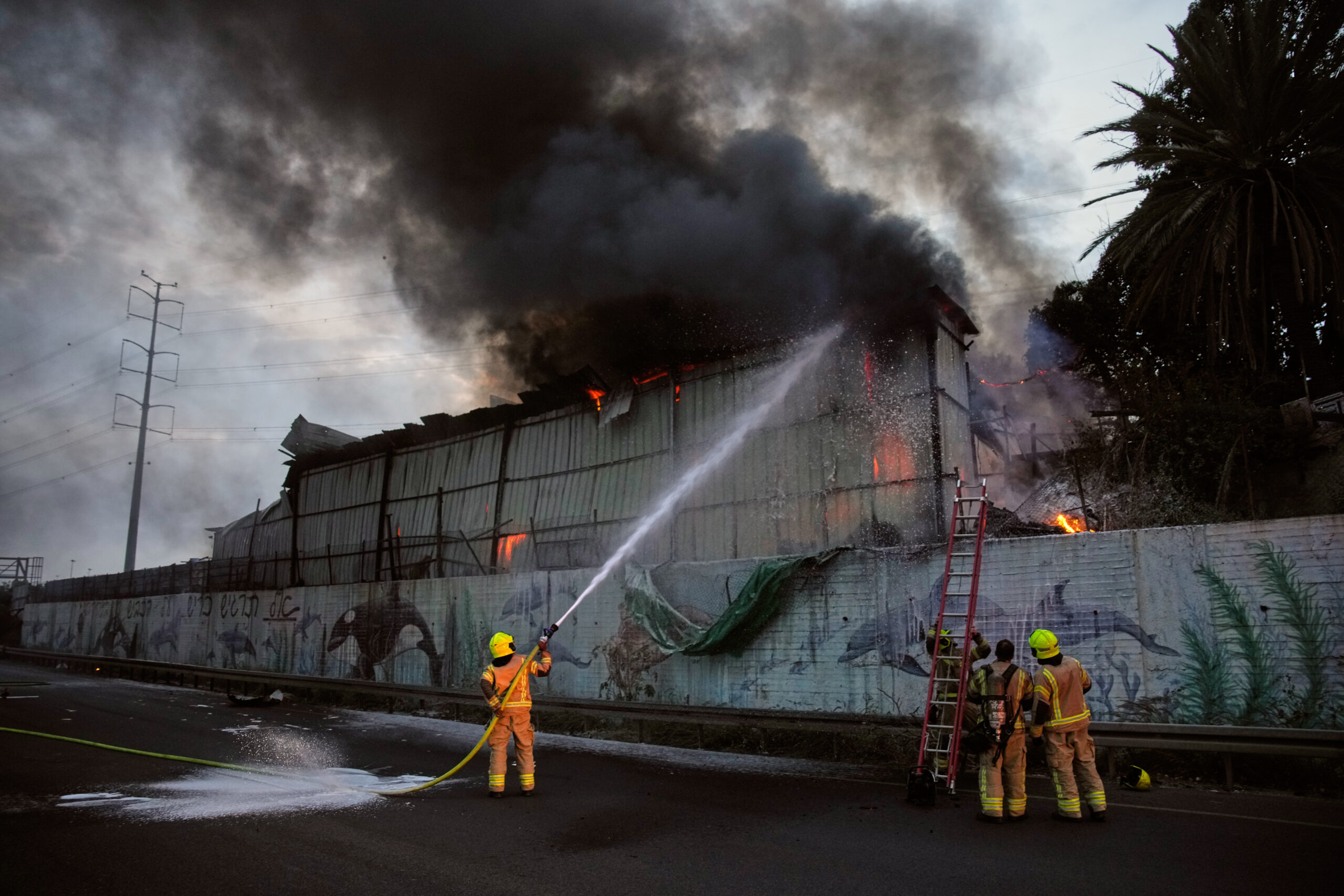
In Its Conflict With the United States and Israel, Does Escalation Favor Iran?
On March 18, AGSI hosted a discussion on the escalation of the Iran war.
Speakers

Mar 2, 2026
After the Shock: Implications of the U.S.–Israeli Strikes and Iran’s Leadership Transition
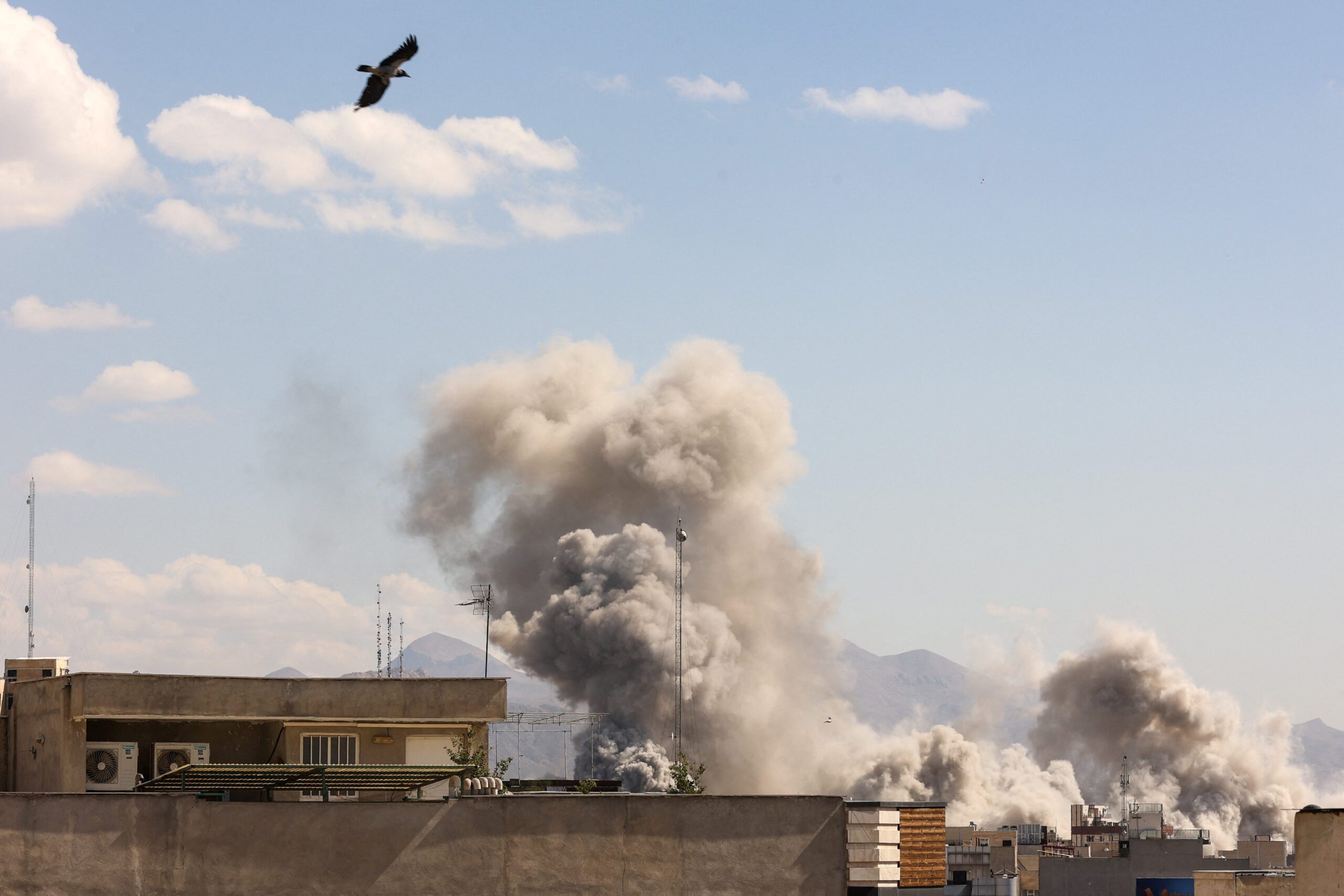
On March 2, AGSI hosted a discussion on the U.S.-Israeli strikes on Iran.
Speakers