Jul 26, 2022
Limits of Iran’s Shia Internationale Anthem
The July 26 edition of the Iran Media Review examines the limitations of the new Iranian anthem in elevating Iran’s supreme leader to the leader of the world's Shia.

“The Internationale” has served as the official anthem of the socialist movement since the 19th century. Translated into most world languages, it still provides the basic vocabulary and ideological tenets of leftist political parties globally. The Islamic Republic too has engaged in several attempts to create revolutionary anthems, whose appeal transcends Iran’s political borders. “Salam Farmandeh” or “Saluting the Commander” is the latest among these attempts, but translations of the anthem illustrate the limits of the regime’s propaganda effort.
The anthem, which was first performed March 21, just before the Iranian New Year, by a children’s choir on Iranian television, is addressed to the Mahdi, the Shia Messiah, and his vicegerent, Ayatollah Ali Khamenei, referred to as “Seyyed Ali” to whom the children pledge: “Despite my small stature … I will be your Haj-Qassim,” a reference to the former Islamic Revolutionary Guard Corps Quds Force commander, Major General Qassim Suleimani, and “I will serve you as the unknown soldiers,” a reference to the personnel of the Intelligence Ministry.
Despite its poor vocabulary and bad rhyme, Iran has invested heavily in propagating the anthem, which is now performed by school children all over the country, broadcast on state television, and shared on social media. In June, Khamenei publicly praised the anthem, and Iranian cultural centers abroad also reportedly performed it in Persian in Kashmir, India; in Arabic translation in Bahrain and Nigeria; and in Azeri in Baku, Azerbaijan.
The video footage from abroad leaves an impression of haphazardly gathered crowds and playback rather than the actual performance of the anthem. More importantly, there are substantial text differences: As opposed to the Persian and Azeri versions, there are no references to Khamenei and Suleimani in the Arabic translation of the lyrics.
In particular, the lack of reference to Khamenei illustrates the limits of Iran’s propaganda effort: Khamenei is the head of state in Iran but not universally accepted among the Shia as a source of emulation, let alone the vicegerent of the Mahdi.
AGSIW’s Iran Media Review monitors, translates, and reviews critical Persian-language media sources identifying important developments and trends in the Islamic Republic of Iran.
The views represented herein are the author's or speaker's own and do not necessarily reflect the views of AGSI, its staff, or its board of directors.
Related
Iran Media Review
Sep 15, 2026
Despite Tactical Victories, Iran Struggles to Restore Deterrence
The September 15 edition of the Iran Media Review examines Iranian statements on a possible nuclear bomb, Iran’s relationship with the UAE, and developments in Yemen.
Iran Media Review
Sep 11, 2026
Diminishing Importance of the Straits?
The September 11 edition of the Iran Media Review contrasts hard-liners’ celebration of oil prices rising with a technocratic Iranian newspaper’s warning that the regime’s ability to take the world economy hostage is diminishing.
Iran Media Review
Sep 8, 2026
Mohsen Rezaei Explains Tehran’s Strategy
The September 8 edition of the Iran Media Review outlines the Iranian Supreme National Security Council secretary’s remarks on Iran’s strategic response to the U.S. naval blockade.
Sep 15, 2026
Despite Tactical Victories, Iran Struggles to Restore Deterrence
The September 15 edition of the Iran Media Review examines Iranian statements on a possible nuclear bomb, Iran’s relationship with the UAE, and developments in Yemen.
Sep 11, 2026
Diminishing Importance of the Straits?
The September 11 edition of the Iran Media Review contrasts hard-liners’ celebration of oil prices rising with a technocratic Iranian newspaper’s warning that the regime’s ability to take the world economy hostage is diminishing.
Sep 8, 2026
Mohsen Rezaei Explains Tehran’s Strategy
The September 8 edition of the Iran Media Review outlines the Iranian Supreme National Security Council secretary’s remarks on Iran’s strategic response to the U.S. naval blockade.
Analysis
The Islamic Republic Returns to Offense
After U.S.-Israeli strikes killed Supreme Leader Ayatollah Ali Khamenei on February 28, Iran’s collective leadership has concluded that the best defense is a good offense.
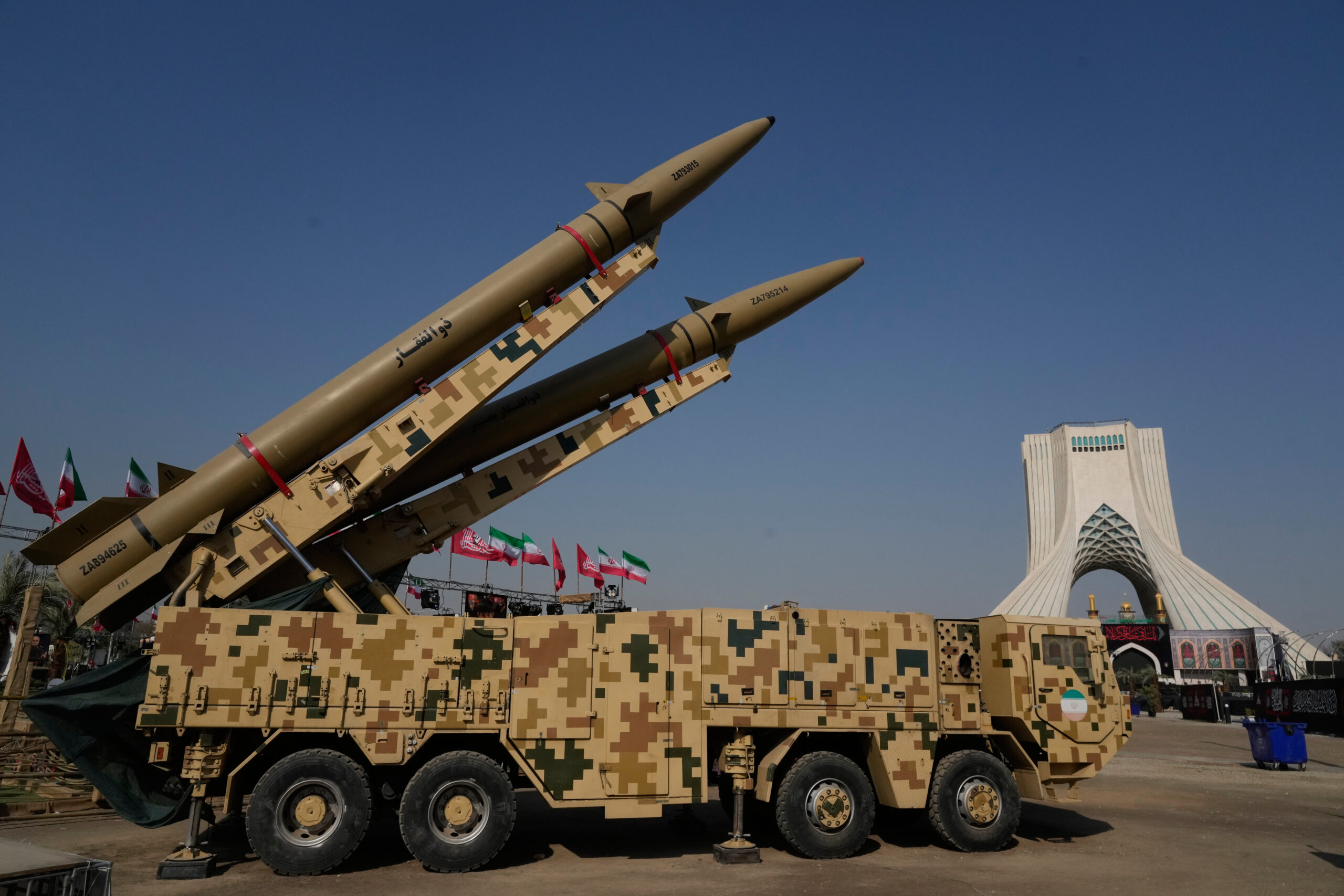
Iran’s Collective Strategic Decision Making
Wartime pressure has temporarily aligned the leadership’s overriding interest in regime survival, even as its members continue to differ over the costs, methods, and ultimate objectives of the war.
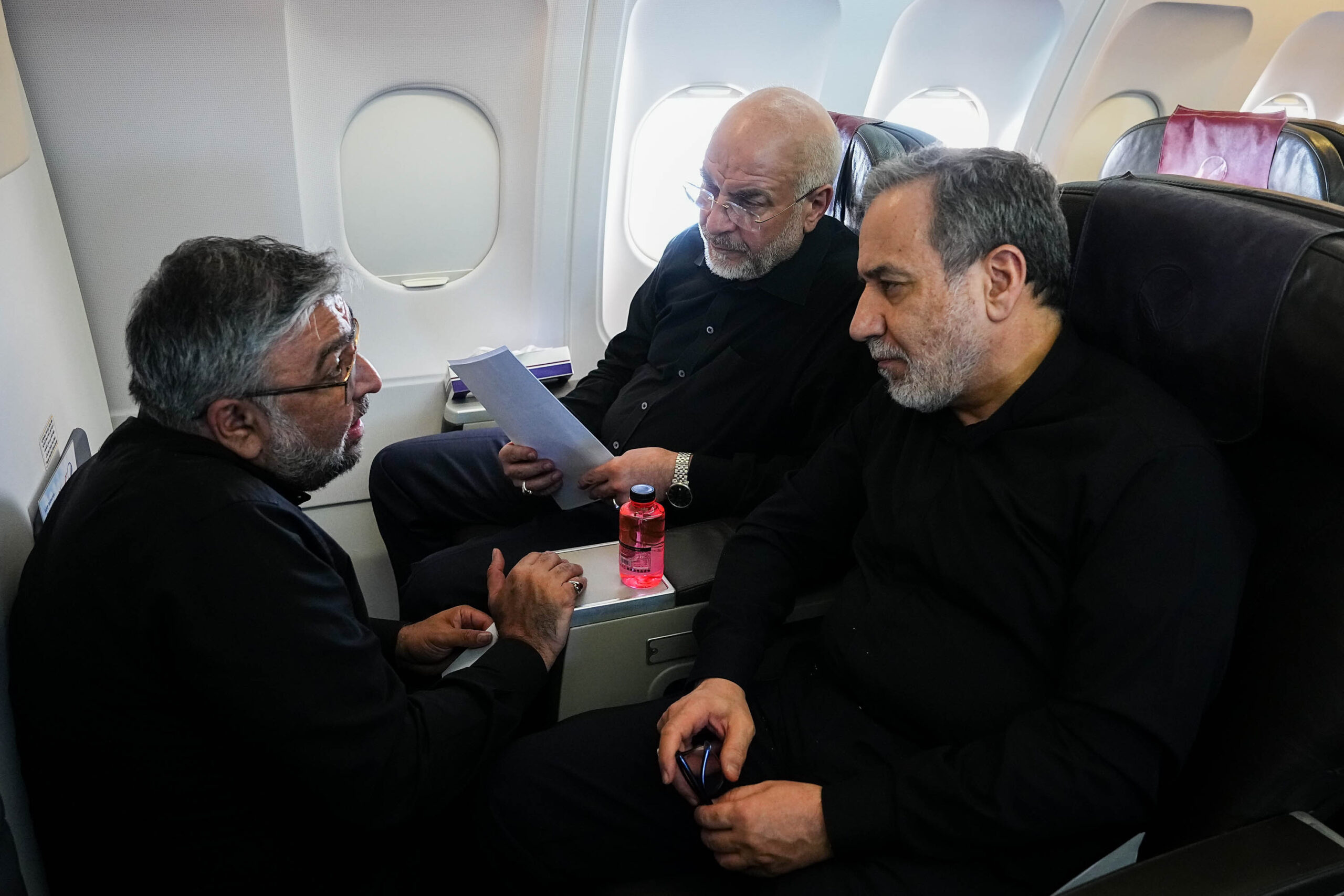
The Islamic Republic’s Collective Leadership
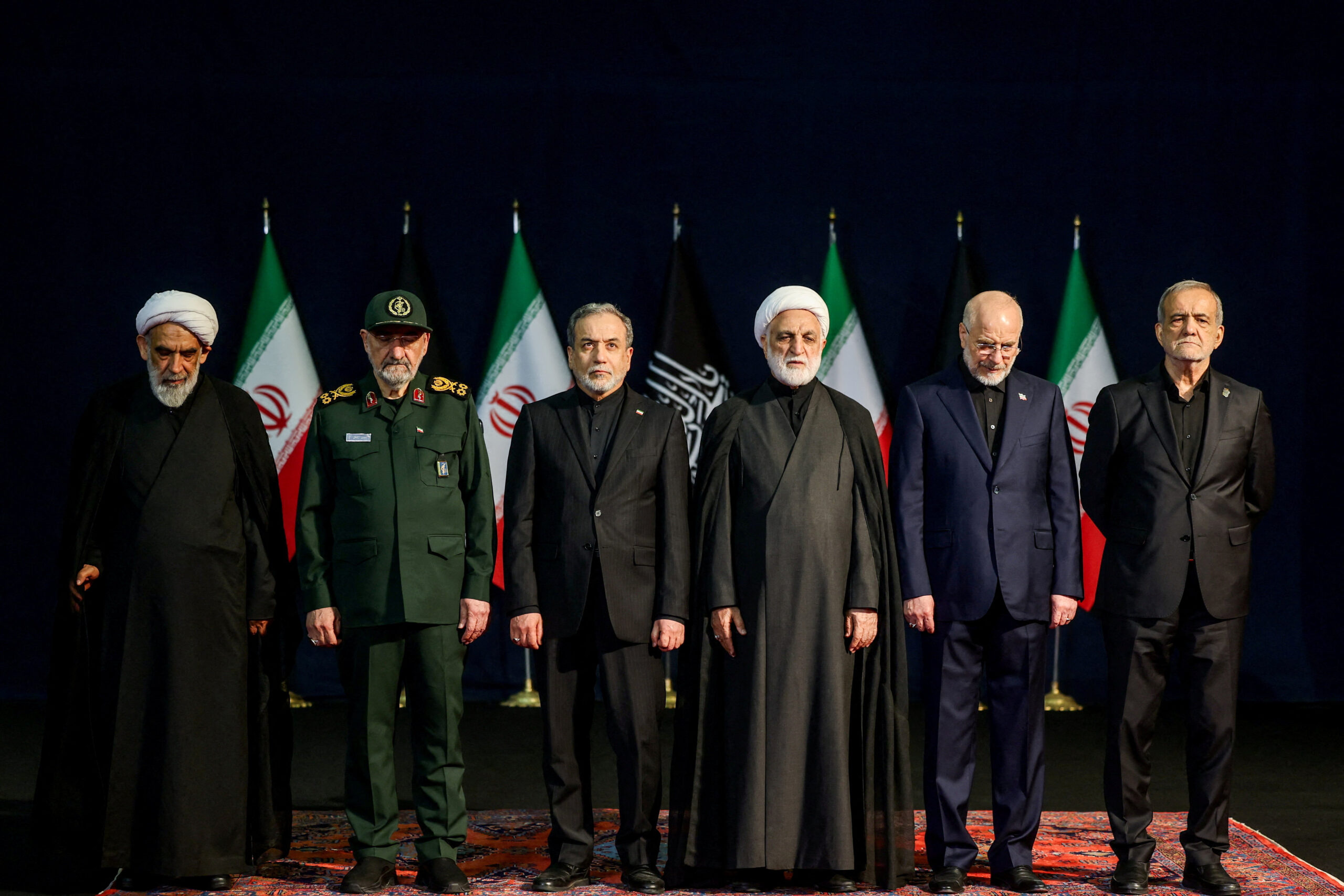
While there is historical precedent for collective leadership in Iran, today’s leadership includes representatives of the IRGC and regular military – a reflection of the IRGC’s expanding role and the necessities of governing under wartime conditions.
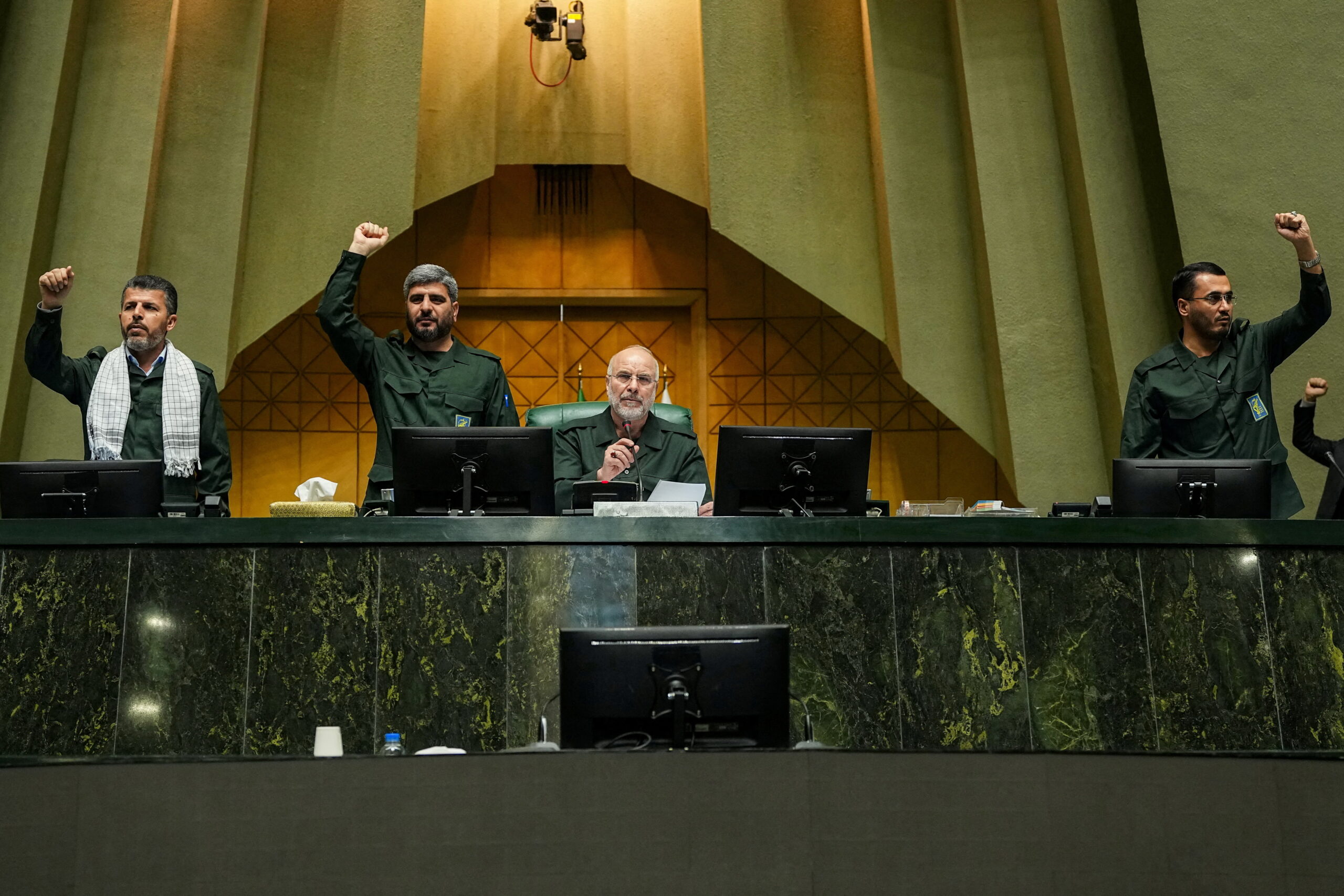
How Did the IRGC Seize Power in Iran?
The IRGC did not seize power in a single stroke. It accumulated it – patiently, methodically – until no counterweight remained.
Events
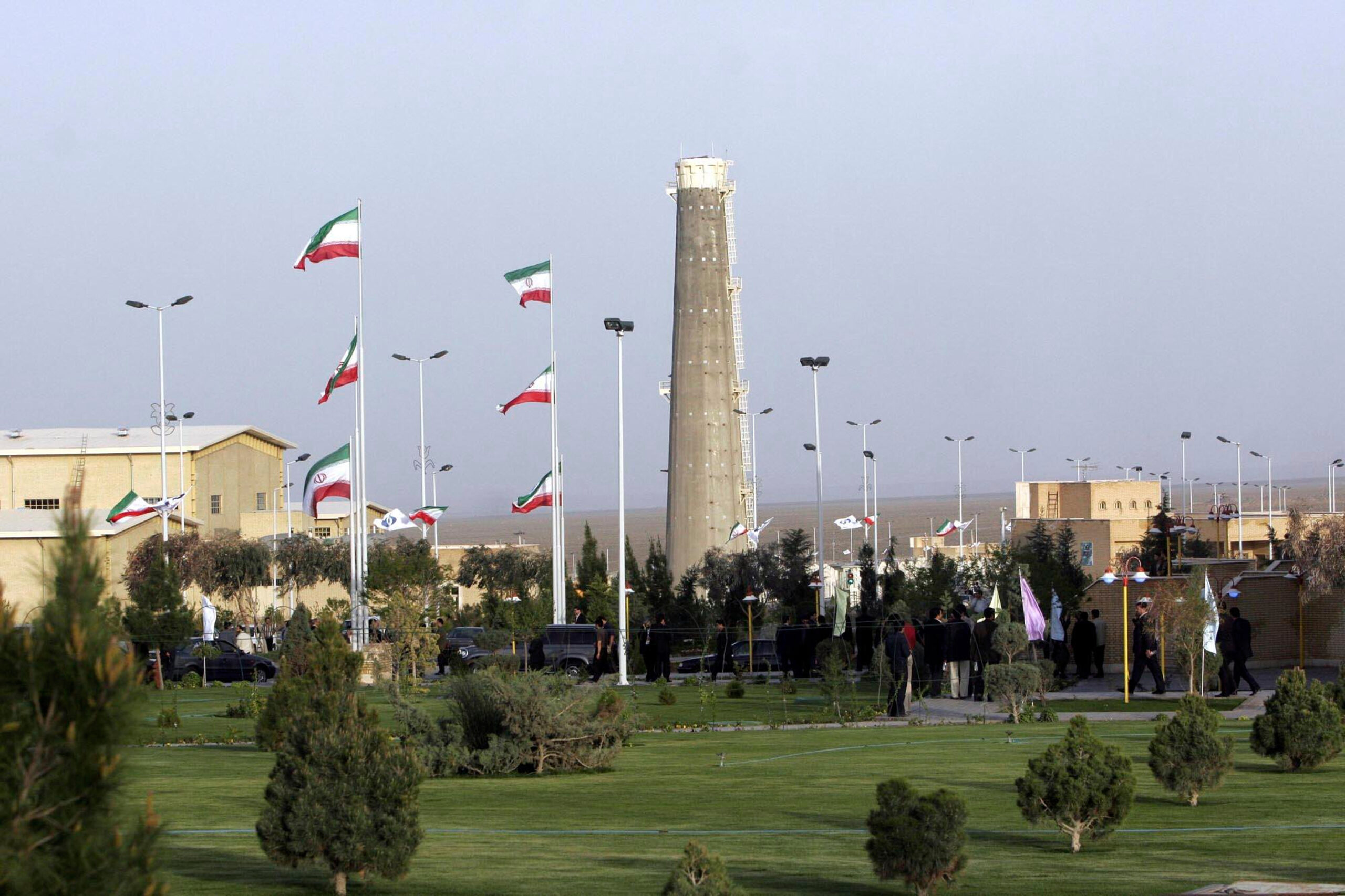
Book Talk: Iran and the Bomb: The United States, Iran and the Nuclear Question
On June 16, AGSI hosted a discussion on the evolution of Iran's nuclear program.
Speakers

Apr 21, 2026
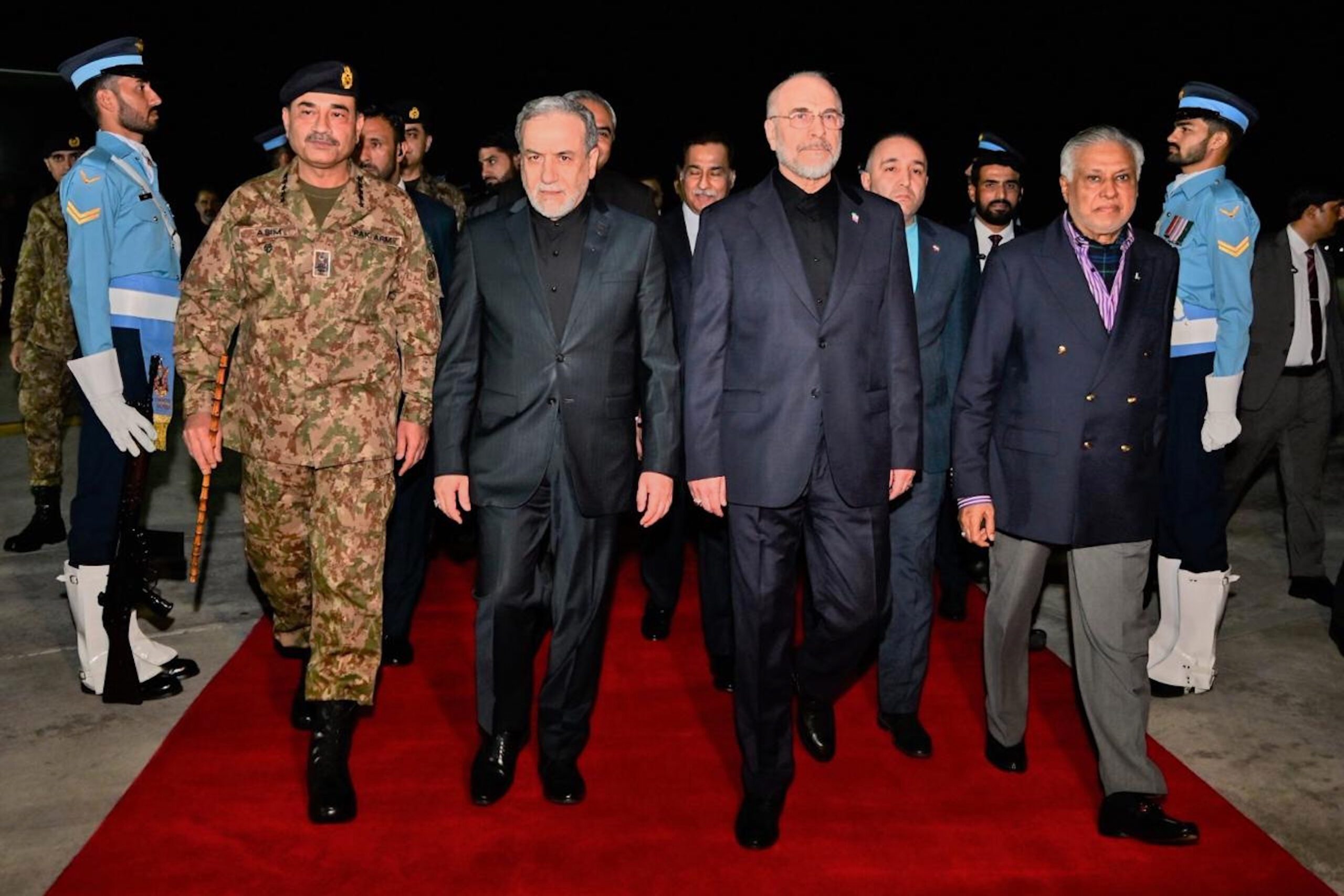
Inside Iran’s Wartime Leadership: Power, Succession, and Regime Stability
On April 21, AGSI hosted a discussion on the evolution of Iran's leadership during the war.
Speakers

Mar 18, 2026
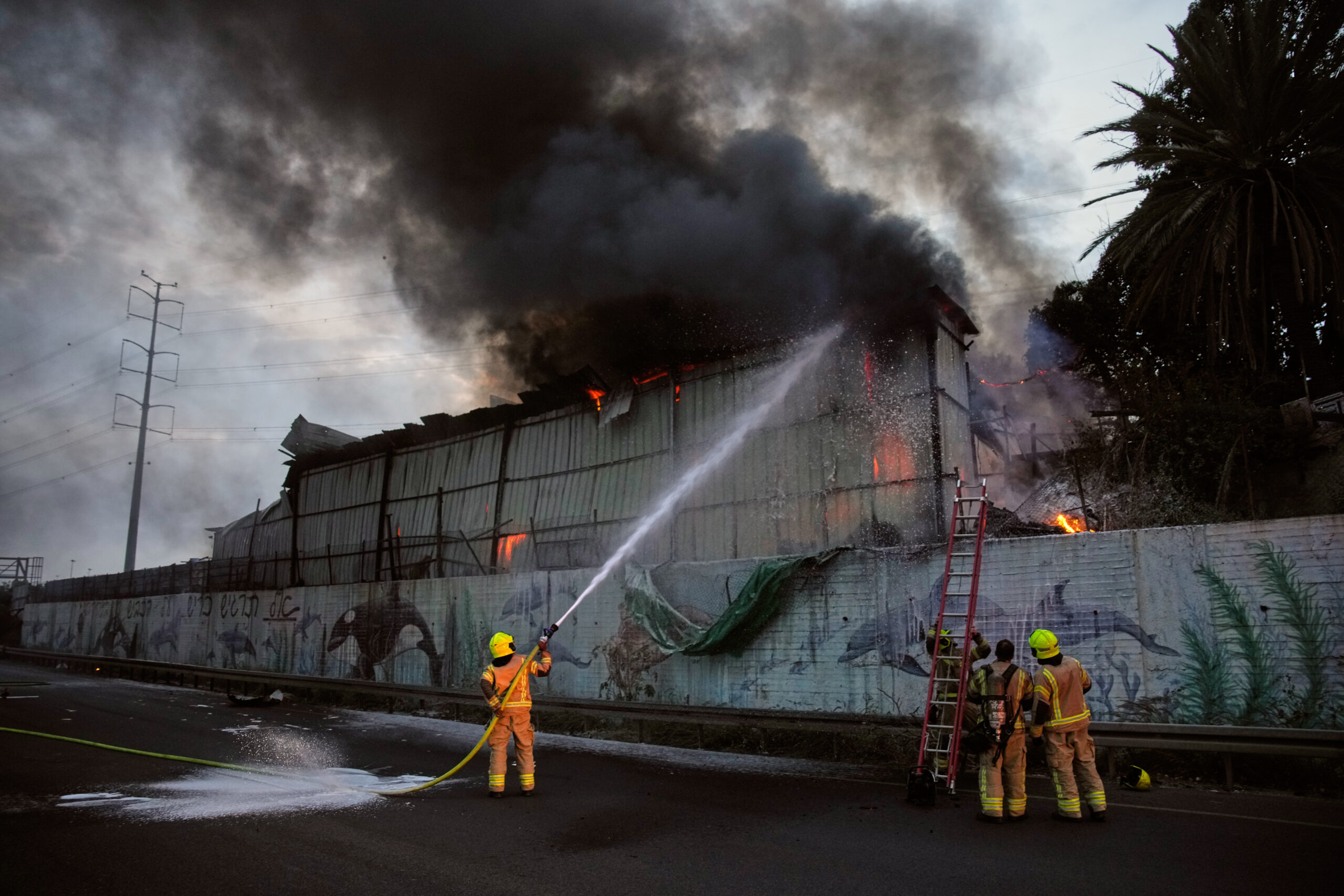
In Its Conflict With the United States and Israel, Does Escalation Favor Iran?
On March 18, AGSI hosted a discussion on the escalation of the Iran war.
Speakers


Mar 2, 2026
After the Shock: Implications of the U.S.–Israeli Strikes and Iran’s Leadership Transition
On March 2, AGSI hosted a discussion on the U.S.-Israeli strikes on Iran.
Speakers