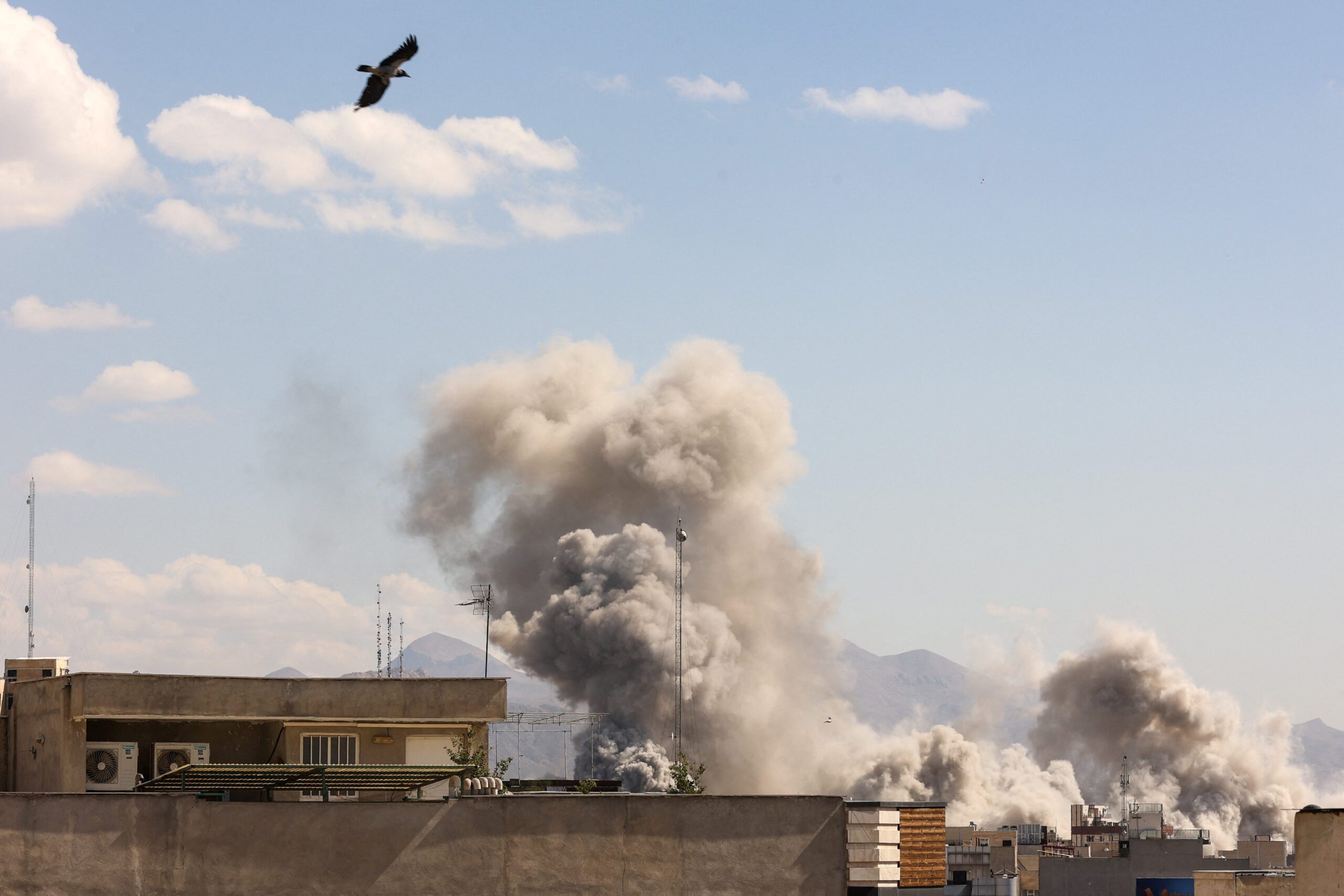
Under its new leadership, the Quds Force is no longer a popular mobilization force but commands a multinational Shia army and remains the dominant force within the Islamic Revolutionary Guard Corps.
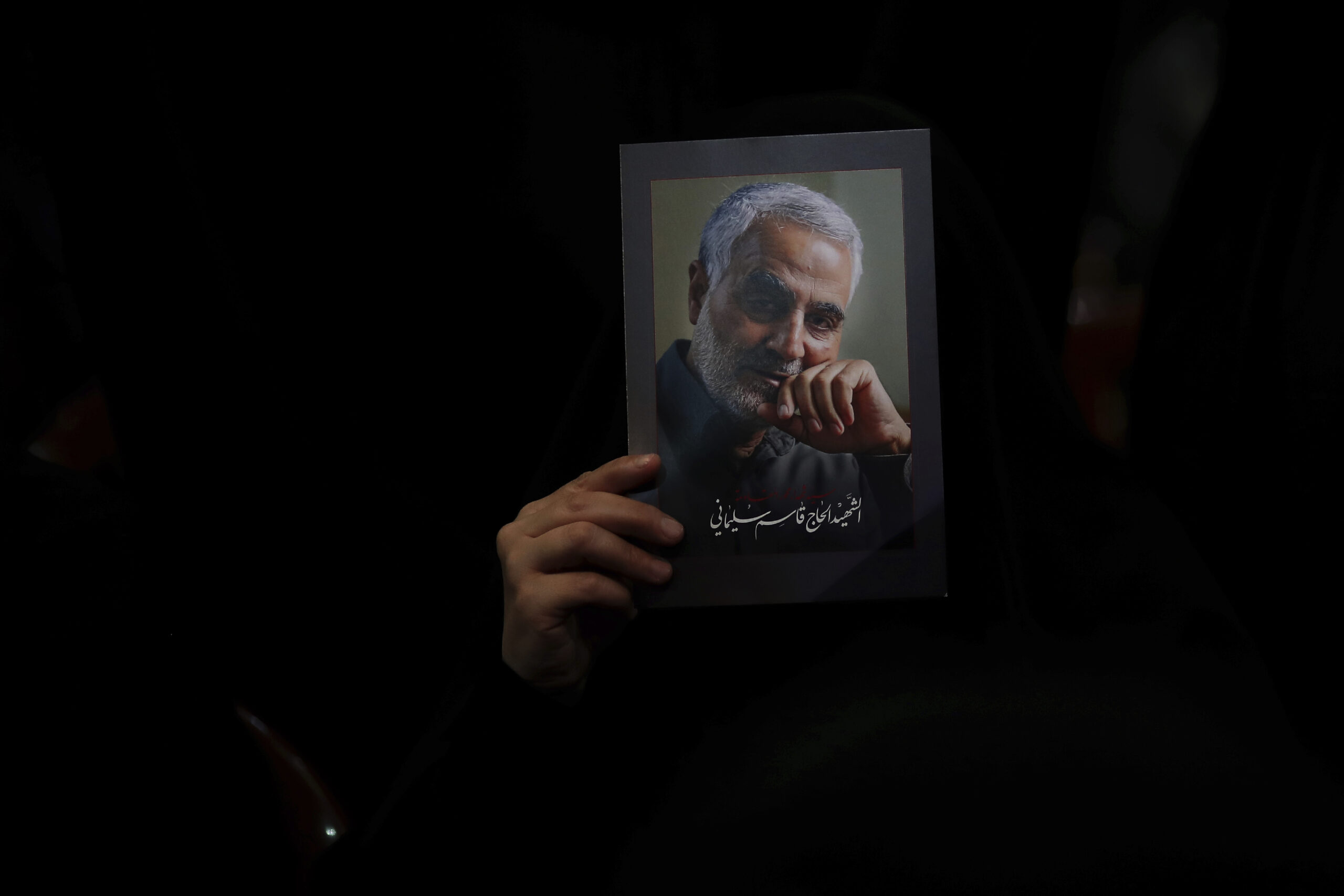
A Hezbollah supporter holds pictures of slain Iranian Revolutionary Guard Major General Qassim Suleimani in Beirut, Lebanon, February 16. (AP Photo/Hassan Ammar)
During Major General Qassim Suleimani’s 23 year tenure as its commander, the Islamic Revolutionary Guard Corps Quds Force went through three transformative changes from: a clandestine special operations organization into a popular mobilization force led by a charismatic leader; a group of distinct militias divided by nationality into a multinational Shia army; and the modest expeditionary component of the IRGC into the dominating force within it.
The January 2 killing of Suleimani appears to have impacted these organizational dimensions to a limited extent, judging by a survey of Persian language open sources. Apart from the popular mobilizing role of the expeditionary Quds Force, which was inseparable from the Suleimani cult and, therefore, inimitable, its organizational and operational doctrines still reflect transformative changes brought about by factors other than the personality of its long-time commander. As such, it continues to pose considerable challenges to Washington and its Middle Eastern allies.
In modern times, the roots of Iran’s expeditionary warfare can arguably be traced back to Tehran’s support to the Kurdish insurgency in Iraq (1961-74), participation in suppression of the Dhofar Rebellion in Oman (1972-79), and, in a more limited fashion, in South Yemen (1972-75). After the 1979 revolution, the Islamic Republic of Iran not only inherited the special operations doctrines, personnel, and materiel of the previous regime but aggressively expanded them with its network of revolutionaries in the Middle East and beyond. Legitimized by Article 154 of the Constitution of the Islamic Republic of Iran, and within the organizational framework of the IRGC, several parallel organizations, including the Quds Force, emerged to engage in what is often referred to as “exportation of the revolution.”
Much of this effort was clandestine, but that gradually changed after Suleimani was appointed Quds Force chief, sometime between September 10, 1997 and March 21, 1998. Initially, Suleimani practiced the secrecy of his predecessors. However, as the Quds Force, through its Iraqi allies and proxies, imposed ever greater losses on the U.S. military in Iraq, Suleimani gained a certain notoriety in the international media. This interest in Suleimani, in turn, led to increased media attention in Iran, at which point the Islamic Republic propaganda machinery nurtured the personality cult of Suleimani to garner public support for its military interventions in Iraq and later in Syria.
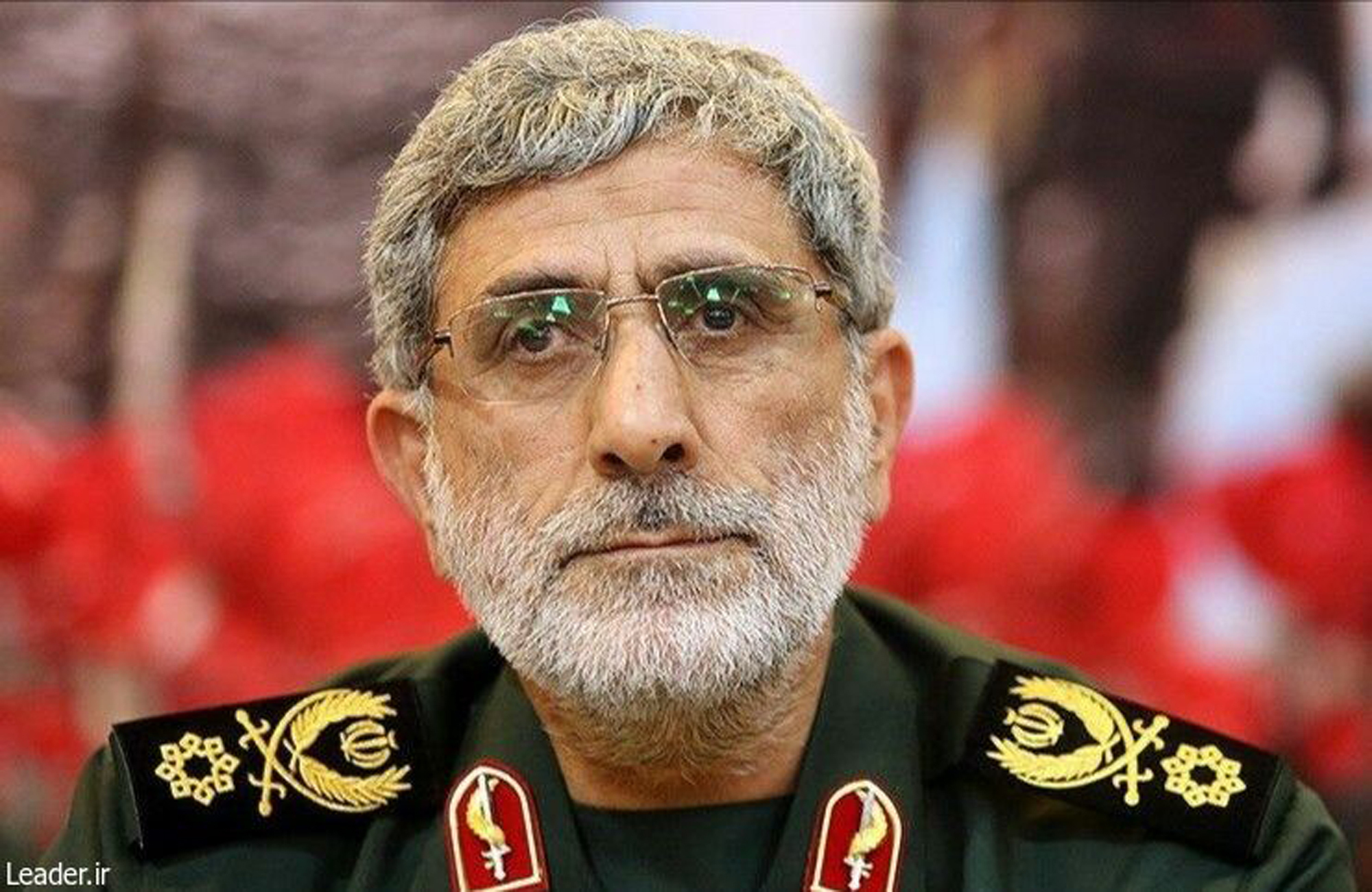
Neither Brigadier General Ismail Qaani, the current Quds Force chief, nor Brigadier General Mohammad Hossein-Zadeh Hejazi, his second in command, have displayed a disposition or capacity to imitate Suleimani’s charismatic leadership. The limited media exposure of the Quds Force since the killing of Suleimani may be an indication of a temporary halt to the organization’s popular mobilizing role and a return to secrecy.
In other respects, the killing of Suleimani is not likely to impact transformational changes in the Quds Force. This is particularly true of changes that, despite taking place during Suleimani’s tenure as chief commander, were caused by circumstances other than himself.
One example of this is the transformation of a group of distinct militias divided along nationalities into a multinational Shia army.
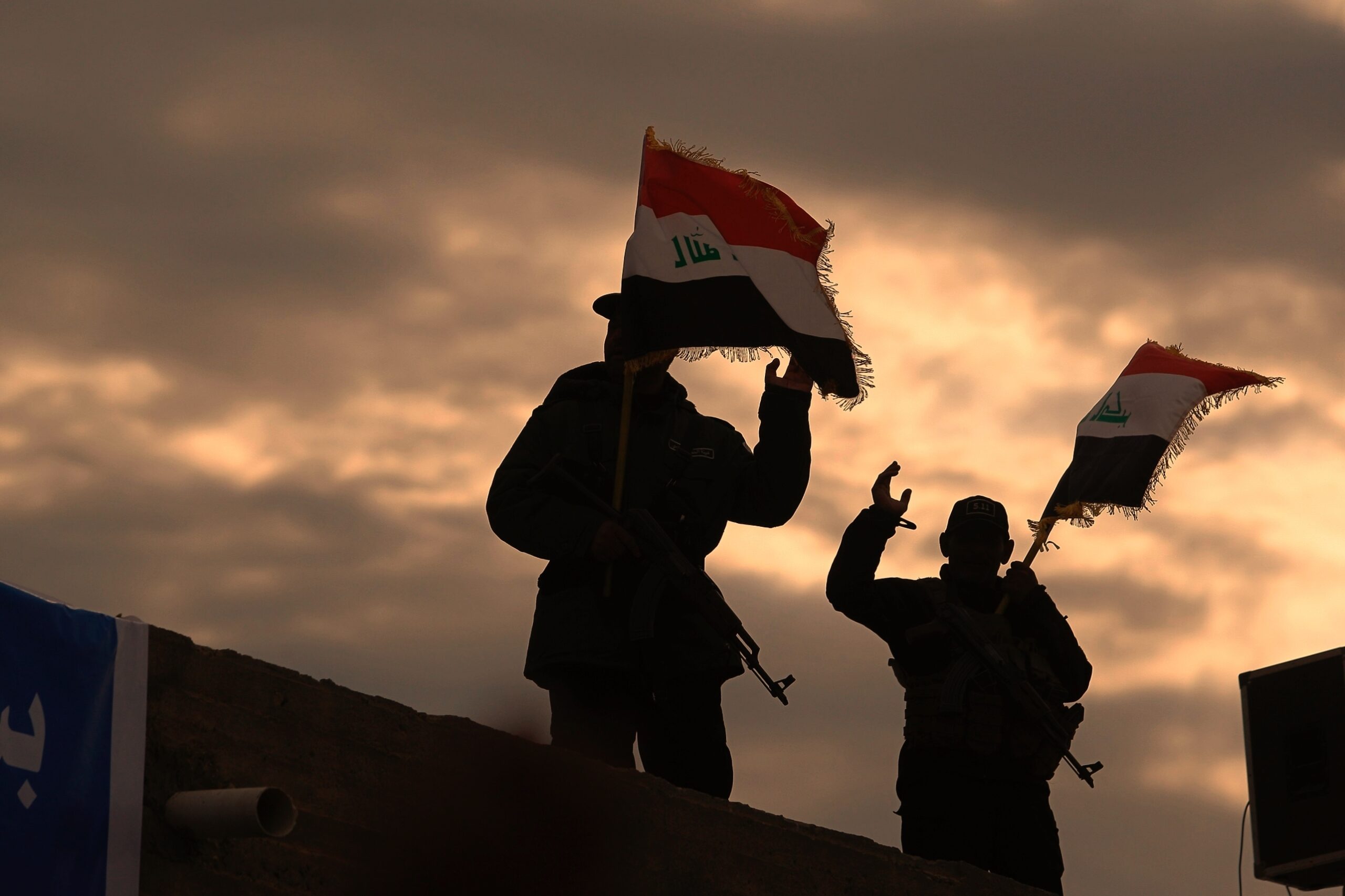
Ever since the 1980s, the IRGC has nurtured non-Iranian Shia militias, most prominently Hezbollah, a formidable military force in Lebanon, and the Badr Corps and other Shia militias, which emerged to fill the power vacuum in Iraq in 2003. As the civil war threatened the Baath regime in Syria, Tehran intervened militarily to secure the survival of Syrian President Bashar al-Assad and safeguard the supply line from Iran to Lebanese Hezbollah.
Tehran initially deployed the Quds Force in Syria, followed by Lebanese Hezbollah, the Afghan Fatemiyoun Division, the Pakistani Zeinabiyoun Brigade, and several Iraqi militias, as reflected in the monitoring of open source coverage of funeral services held in Iran, Iraq, and Lebanon for Shia foreign fighters killed in combat in Syria.
Shia Afghan, Iranian, Iraqi, Lebanese, and Pakistani Nationals Killed in Combat in Syria, January 2012 to May 2020
According to the data extracted from open sources, since January 2012, 573 Iranian nationals, 925 Afghan, 118 Iraqi, 1,262 Lebanese, and 174 Pakistani Shia foreign fighters were killed in combat in Syria. These numbers must be treated as a minimum as the real number may be somewhat higher. As a result, Tehran managed to achieve its strategic objective of securing the survival of the Baath regime in Syria.
Equally important, through joint operations in Syria and extensive coordination among each other, with the Syrian forces loyal to Assad and the Russian air force – and despite national, cultural, and even linguistic barriers – the distinct militias were transformed into a multinational Shia army that is likely to survive the killing of Suleimani.
There is also another example of Suleimani-era transformative change likely to outlive the slain commander: Just as the war with Iraq from 1980 to 1988 transformed the IRGC from a group of ragtag militias into Iran’s preeminent military force, the war in Syria is turning the IRGC, in its entirety, into an expeditionary force. Evidence of a growing number of combat fatalities in Syria of IRGC ground forces rather than members of the Quds Force attests to this development.
Among the 573 Iranian nationals identified, at least 60 served in the Quds Force, and some of the 332 individuals whose service affiliation was not identifiable also may have served among its ranks. This is hardly surprising since the Quds Force is a special operations unit traditionally tasked with operating outside Iran’s borders. Therefore, it is all the more surprising that 147 Iranians killed in combat in Syria were identified as having served in the IRGC ground forces.
Why did the IRGC leadership decide to deploy its ground forces in Syria? The first three IRGC personnel killed in Syria, Major Moharram Tork, Private Ali Asgari Taqanaki, and Brigadier General Hassan Shateri (also known as Hesam Khoshnevis) were all IRGC Quds Force members. Further analysis of the branch affiliation and time of death in combat of these fighters indicates the IRGC Quds Force bore the brunt of fatalities in the initial phase of the war in Syria. Since the Quds Force is a relatively small unit within the IRGC, those losses likely compelled the IRGC leadership to deploy regular ground forces to Syria to reduce the pressure on the Quds Force.
Iranian Nationals Killed in Combat in Syria by Military Branch, January 2012 to May 2020
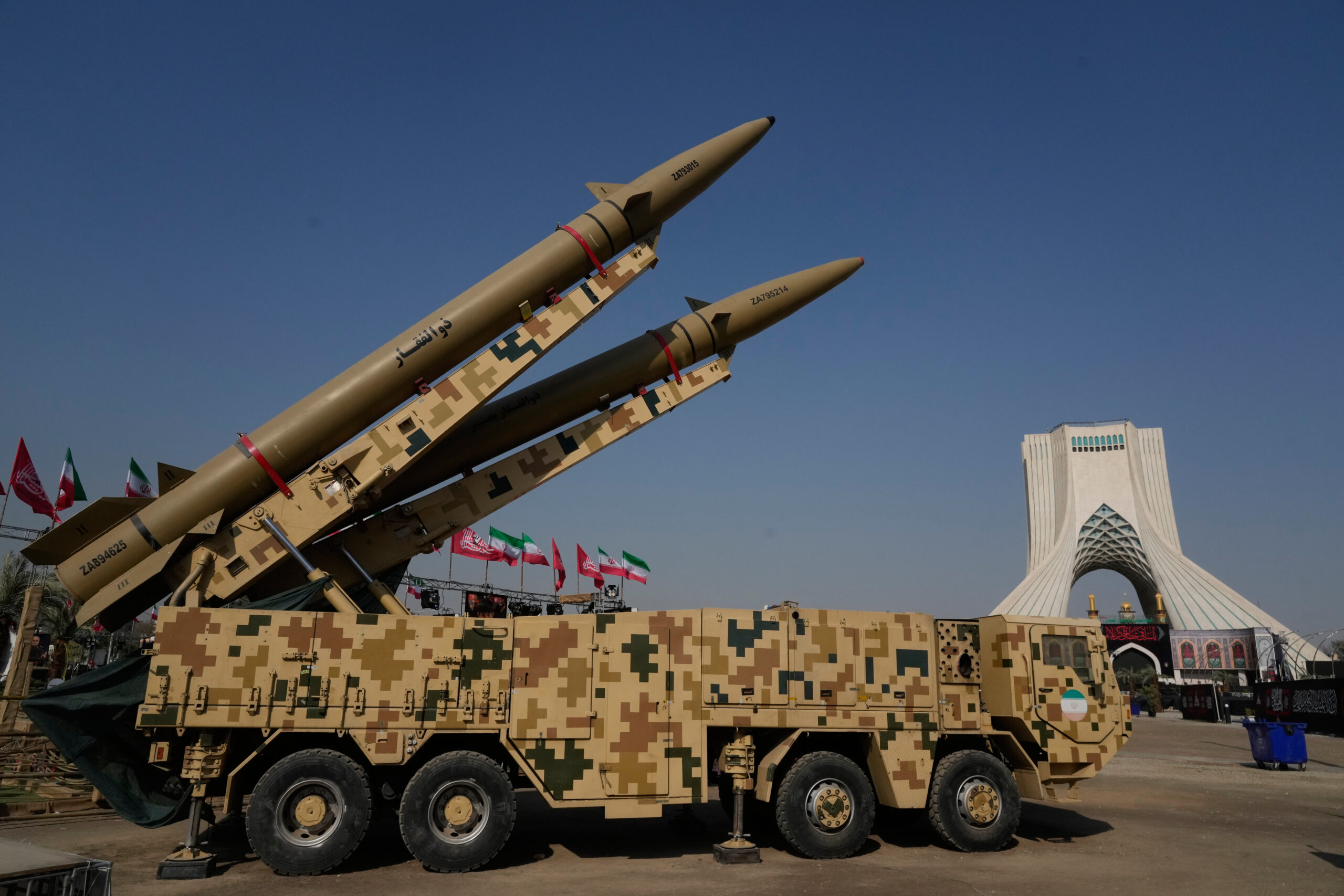
Organizational changes are likely to have a significant impact on the IRGC’s doctrine and future behavior. As veterans from the war in Syria are promoted within the ranks of the organization, it may embrace a less cautious and more activist line in an attempt to duplicate its success in Syria and could resort to using the battle-hardened Shia army at its disposal. Such a development bodes ill for the United States and its allies in the Middle East, particularly if a more confrontational Islamic Republic emerges in response to severe, sanctions-induced economic pressure in the future.
The views represented herein are the author's or speaker's own and do not necessarily reflect the views of AGSI, its staff, or its board of directors.
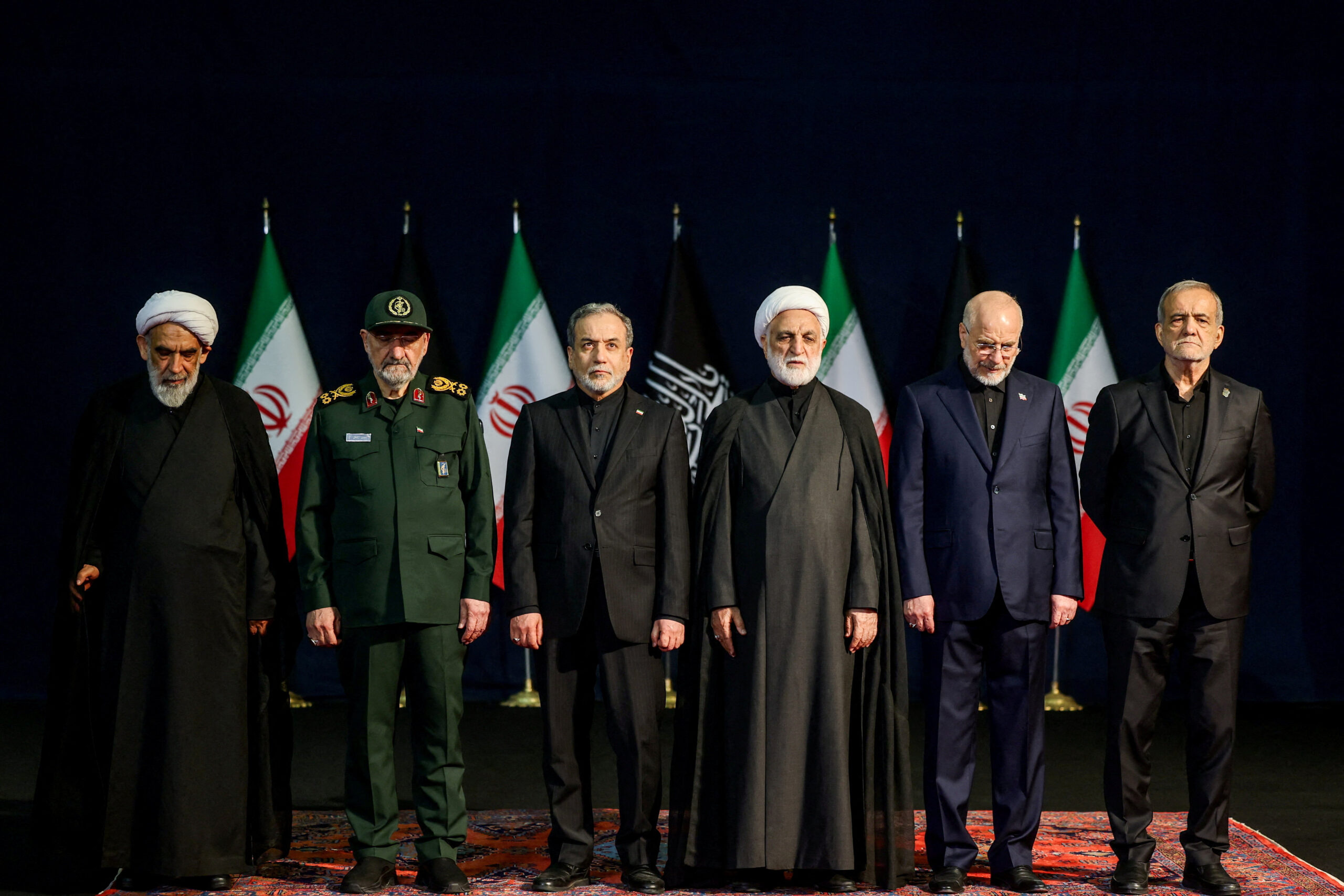
After U.S.-Israeli strikes killed Supreme Leader Ayatollah Ali Khamenei on February 28, Iran’s collective leadership has concluded that the best defense is a good offense.
Wartime pressure has temporarily aligned the leadership’s overriding interest in regime survival, even as its members continue to differ over the costs, methods, and ultimate objectives of the war.
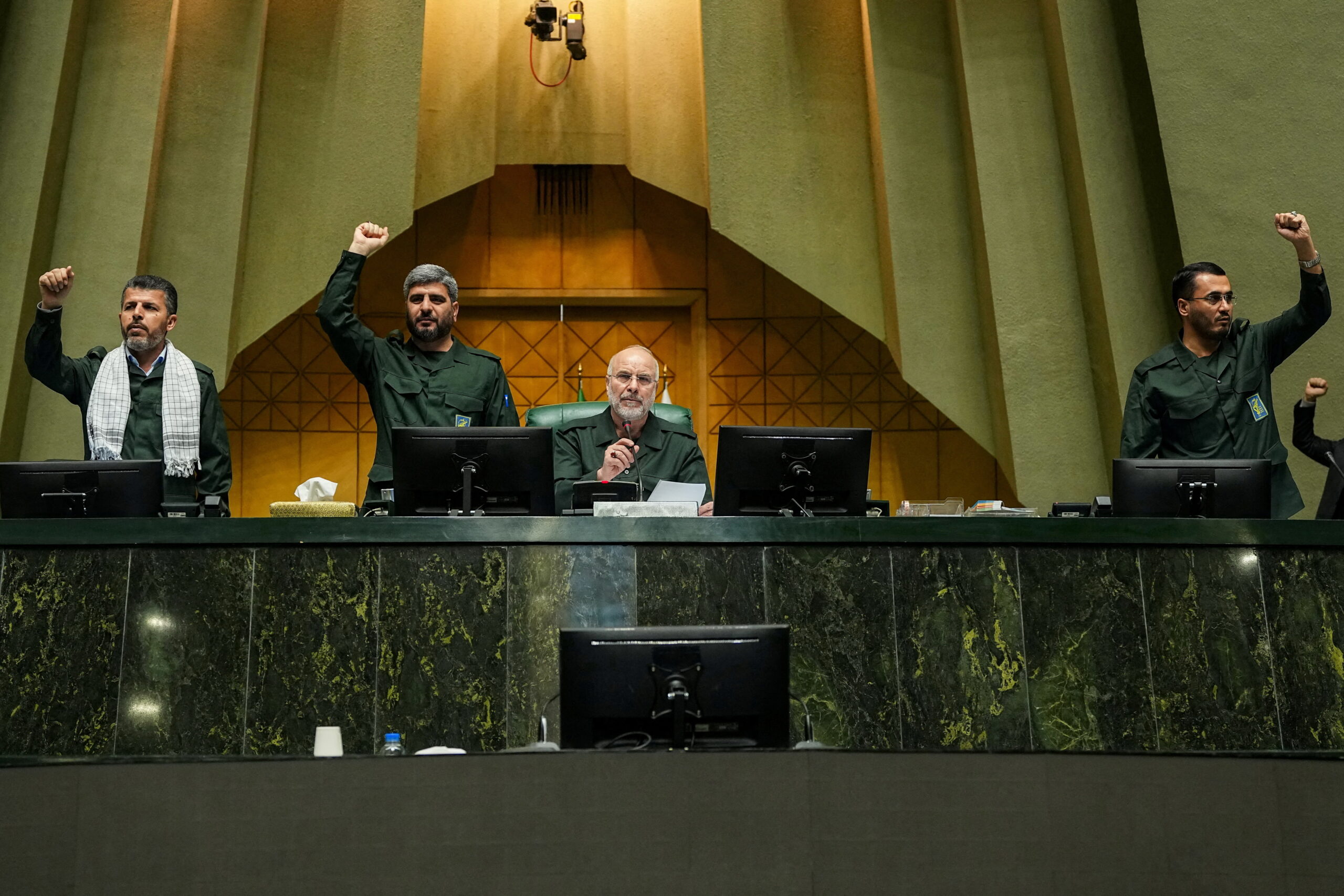
While there is historical precedent for collective leadership in Iran, today’s leadership includes representatives of the IRGC and regular military – a reflection of the IRGC’s expanding role and the necessities of governing under wartime conditions.