Saudi is Serious About Taking on ISIL Inside Syria
Is Saudi Arabia really preparing to send ground troops into Syria? When Brigadier General Ahmed al-Asiri said on February 4 that Riyadh was willing to contribute ground troops or special forces to any international initiative to combat ISIL in Syria, most observers dismissed the idea. But this past week the logic of these statements has...
'Coalition airstrike on ISIL position in Kobani, October 2014.'
Is Saudi Arabia really preparing to send ground troops into Syria? When Brigadier General Ahmed al-Asiri said on February 4 that Riyadh was willing to contribute ground troops or special forces to any international initiative to combat ISIL in Syria, most observers dismissed the idea.
But this past week the logic of these statements has become clearer, and the prospect of their realisation, perhaps, slightly less far-fetched.
The Saudi comments were aimed squarely at Washington. The United States, the statements imply, has initiated a project against ISIL that, to succeed, will ultimately require the deployment of ground forces in Syria. Moreover, the Saudi proposal’s implications include the indirect but unmistakable suggestion that not only has not enough been done against ISIL, but also that Washington has been profoundly disappointing when it comes to the other supposedly shared goal of creating a future in Syria without president Bashar al-Assad.
The international interventions in Syria launched in 2015 have, after all, contained very little truth in advertising. The Turkish intervention, which supposedly targeted ISIL, has been mainly directed against Kurdish forces. The even more cynical Russian intervention was also marketed as a counterterrorism initiative aimed at ISIL, but focused on providing air support to regime troops and expeditionary ground forces from Iran, Hizbollah and several Iraqi Shiite groups.
So, when Saudi military officials speak about an intervention against ISIL, given this context it is very difficult not to imagine an intended impact on the broader conflict. Everyone cites ISIL as the supposed target because attacking them doesn’t violate international law.
But the same would not be true of an intervention against the Syrian regime, even though it is primarily responsible for a death toll rapidly approaching the half-million mark.
And unless Washington agrees to use a ground offensive against ISIL as the pretext for direct actions against the regime – just as Russia has done against the mainstream rebels – its impact on the broader conflict will have to be indirect.
But this is entirely plausible. ISIL has been a key to the regime’s survival. Not only has the Russian intervention been justified as an anti-ISIL campaign, but Mr Assad has successfully promoted the illusion of a choice between his continued rule and either the triumph of ISIL or complete anarchy.
This widespread delusion defaults powerfully to Mr Assad’s favour, including among many in Washington. It has become so deep-seated and far-reaching that the only sure-fire means of dispelling it may be to eliminate ISIL as a serious presence in Syria. Even severely reducing ISIL’s capabilities in the country would greatly help clarify the point that the conflict in Syria has never been about these terrorist fanatics, but rather the future of a particularly brutal dictatorship that will apparently stop at nothing to retain power.
Saudi Arabia has additional strong interests in curtailing the power of ISIL, which poses a significant threat to its national security.
ISIL’s presence in the kingdom is clearly growing, as steadily increasing ISIL-related arrests and terrorist incidents vividly illustrate. Saudi Arabia can either take the fight to ISIL in Syria and Iraq, or sit back and wait to fight the organisation largely inside its own country.
Saudi Arabia may view ISIL as a manageable threat compared with the crisis posed by Iranian hegemony, as most starkly demonstrated by Tehran’s grip on Damascus. But these two problems converge in Syria.
Iran depends on Mr Assad for its control over Syria, and he, in turn, relies on the spectre of ISIL to rationalise his continued rule to key audiences both locally and globally.
Therefore, even if the Saudi preference is a ground intervention aimed directly at the regime, just as the Russian intervention directly targeted rebels, Riyadh’s interests in Syria could still be powerfully if indirectly served by a concerted international assault against ISIL. This may account for the recent insistence that Saudi Arabia’s determination to contribute ground forces in Syria is “final” and “irreversible”.
This rhetoric is a direct challenge to Washington. Even if read only in terms of the ISIL threat, without considering the future of the dictatorship, the Saudi position suggests, quite correctly, that stated U.S. policy goals ultimately cannot be realised by the present level of American commitment. It is unusual, and even embarrassing, to have coalition members with relatively modest military capabilities pushing a superpower towards greater engagement in pursuit of its own unambiguous policy goals.
The Pentagon was compelled to “welcome” the Saudi proposal, even though it clearly puts pressure on Washington, or otherwise look ridiculous.
This, ultimately, may be driving this new Saudi rhetoric about ground forces in Syria. But at some point, the United States will indeed have to either deploy capable ground forces, quite possibly in part American, or abandon the idea of “degrading and ultimately destroying” ISIL.
So, rhetoric notwithstanding and whatever their present intentions might be, American and Saudi forces might actually one day find themselves shoulder- to-shoulder in Syria.
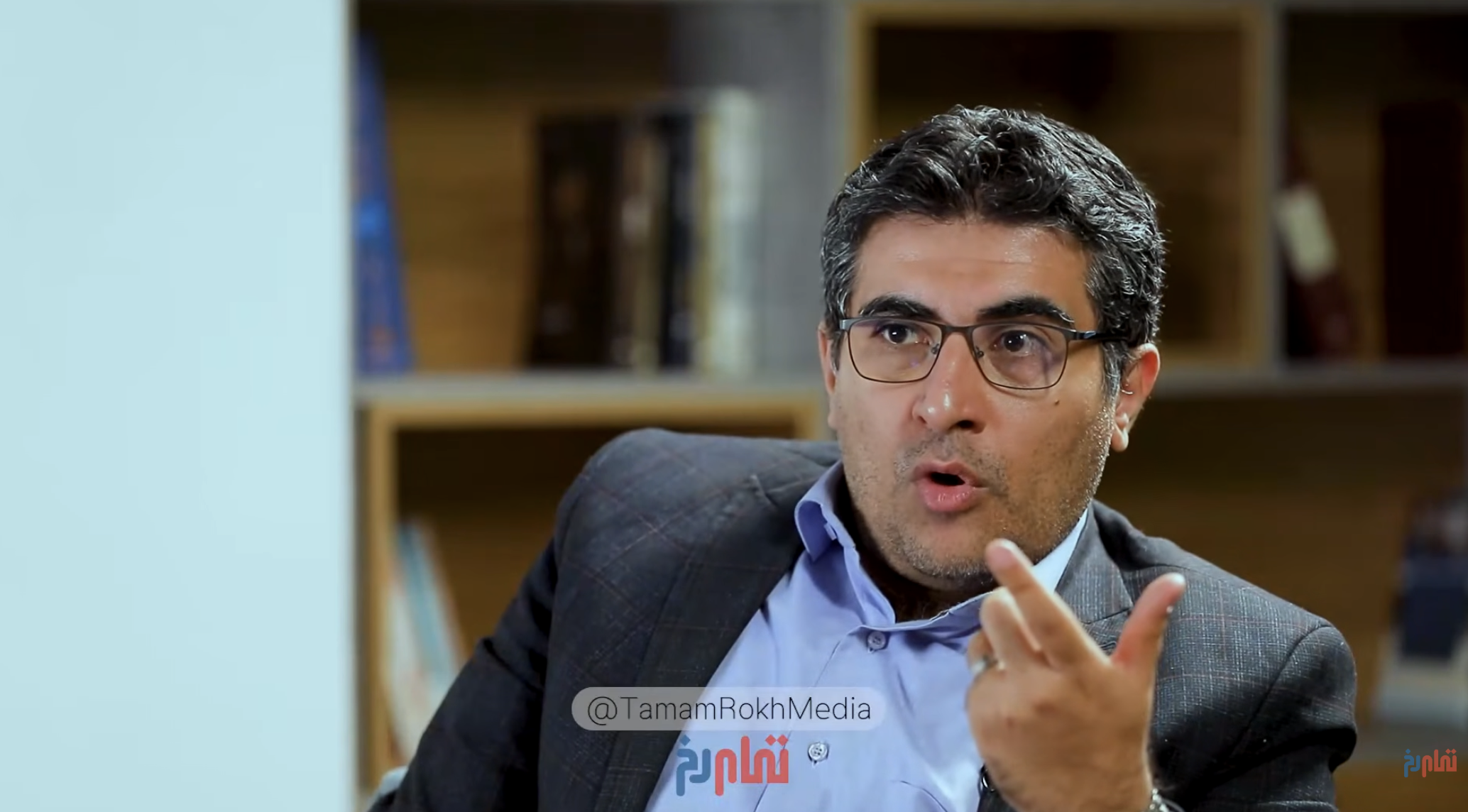
Rival camps within the Islamic Republic are increasingly turning to YouTube for policy debate, but there is a limit to the regime’s tolerance for that debate.
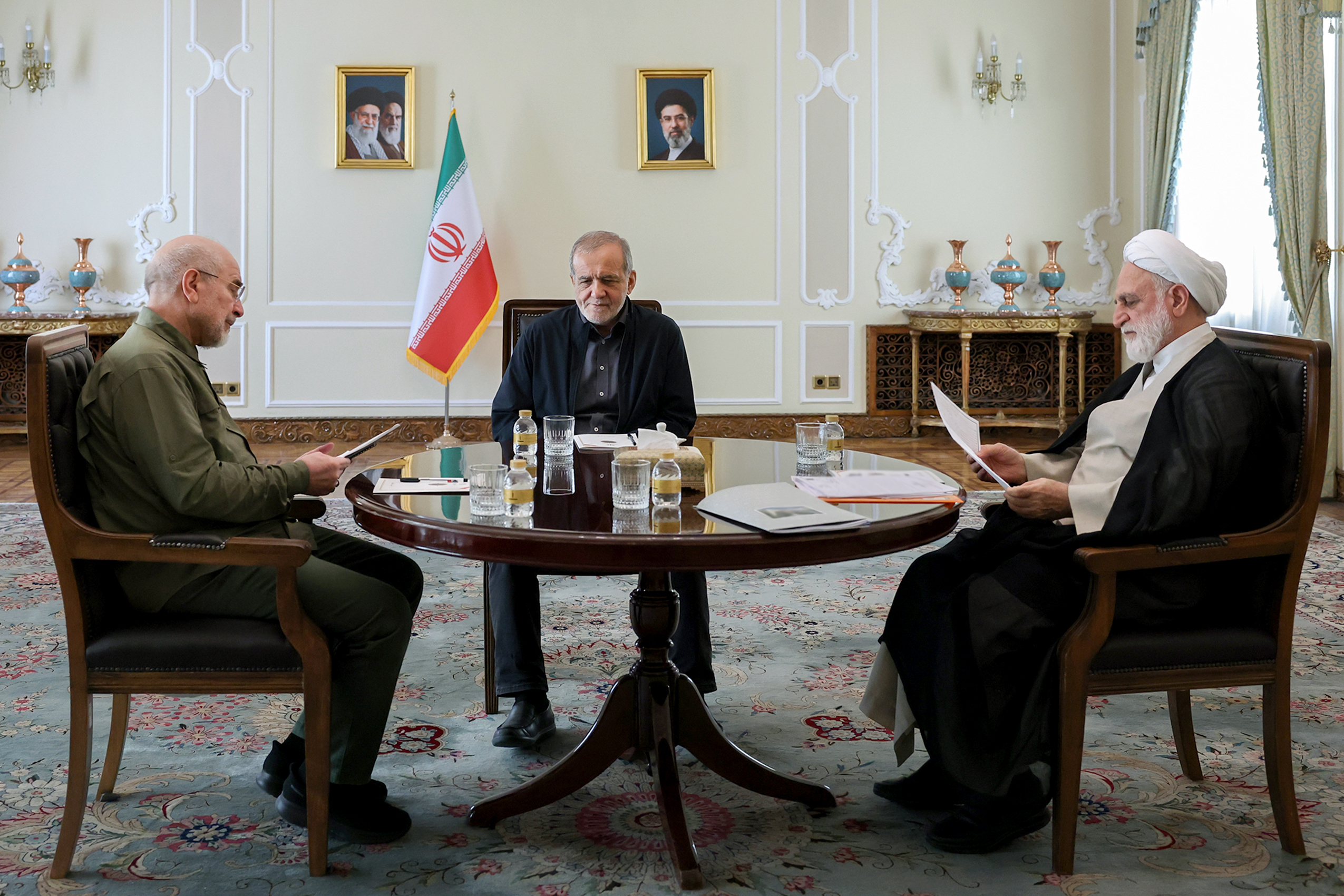
President Trump has led the United States into an impossible dilemma in which resuming and intensifying the war presents one set of alarming consequences while ending it under current circumstances offers at least as many disasters for Washington.
The Trump administration has positioned the United States at a crossroads between a new regime of containment against Iran or a historic drawdown of U.S. influence in the Gulf and broader Middle East.
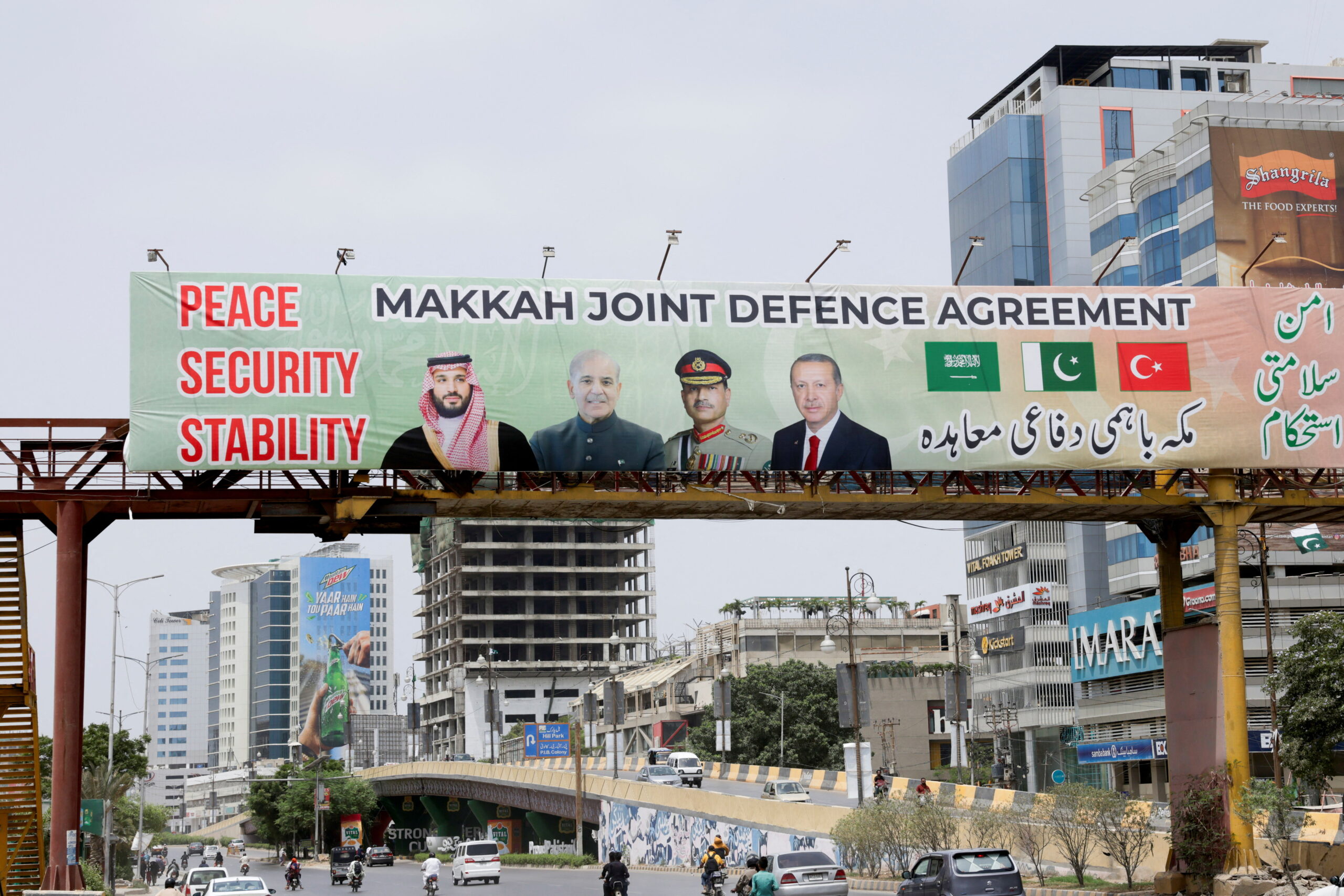
Riyadh and Abu Dhabi urged President Trump not to attack Iran, but now that the war is into its second month, leaving the current situation in place would be an unthinkable fiasco for them.
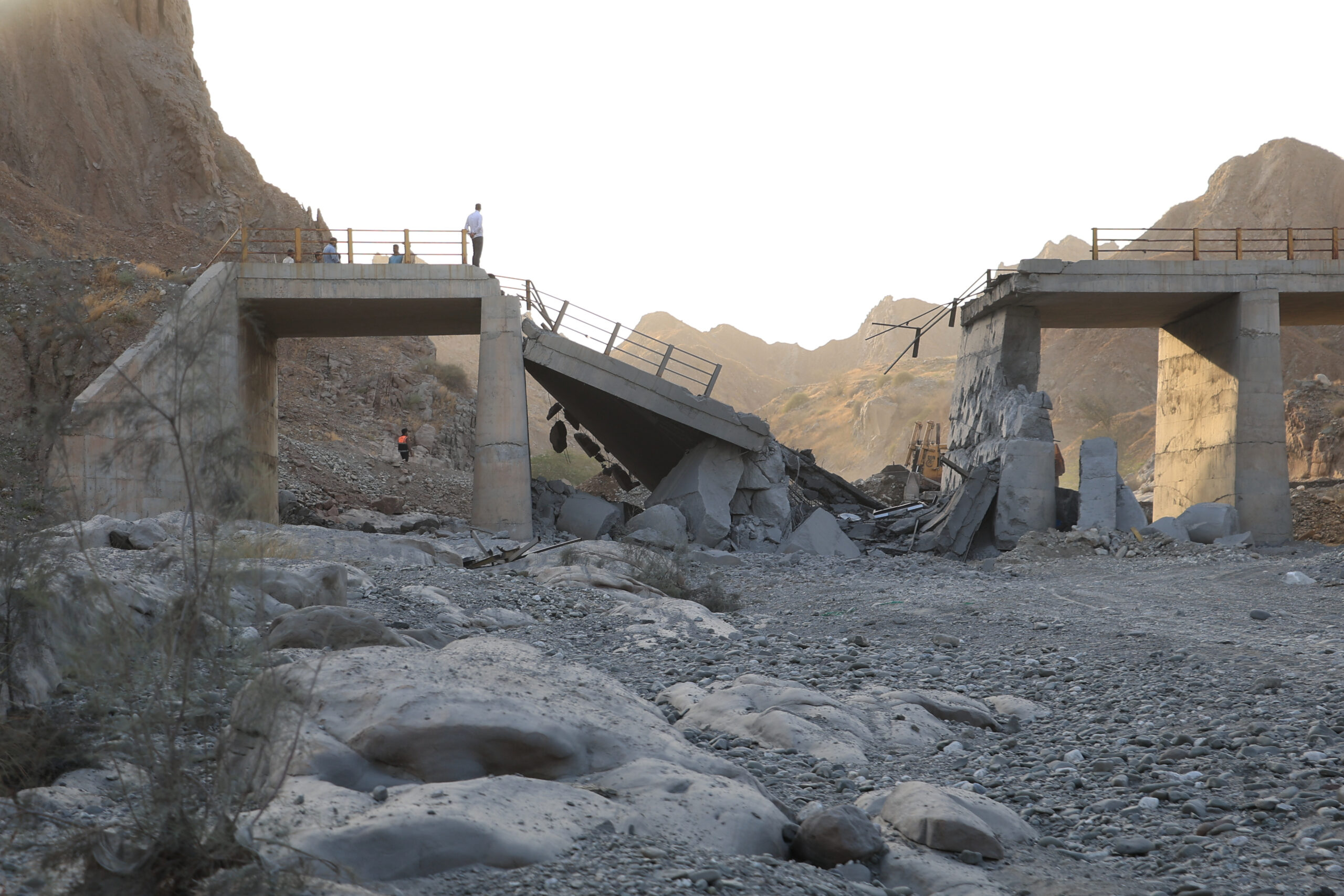
Though they were unsuccessful in preventing the current conflict, and, as expected, have been dragged into the U.S.-Israeli confrontation with Iran, Gulf Arab countries remain crucial to hopes for limiting the war and bringing it to a quick resolution.







Feb 16, 2016
Saudi is Serious About Taking on ISIL Inside Syria
Is Saudi Arabia really preparing to send ground troops into Syria? When Brigadier General Ahmed al-Asiri said on February 4 that Riyadh was willing to contribute ground troops or special forces to any international initiative to combat ISIL in Syria, most observers dismissed the idea. But this past week the logic of these statements has...
4 min read