After the Camp David talks, the dialogue has just begun
It may not have been a massive breakthrough, but in defiance of most predictions, last week’s summit meeting between American president Barack Obama and leaders of the Gulf Cooperation Council countries proved a significant success. Both sides appear to have achieved their basic aims. And, most importantly, the stage is set for a much longer...
'U.S. President Barack Obama (C) speaks with and Kuwaiti Emir Sheikh Sabah Al-Ahmad Al-Sabah (L), Deputy Prime Minister of Oman, Sayyid Fahad Bin Mahmood Al Said (2nd-L) and Qatar's Emir Sheikh Tamim bin Hamad Al-Thani before a group photo following the Gulf Cooperation Council-U.S. summit on May 14, 2015 at Camp David, Maryland. (Kevin Dietsch'
It may not have been a massive breakthrough, but in defiance of most predictions, last week’s summit meeting between American president Barack Obama and leaders of the Gulf Cooperation Council countries proved a significant success. Both sides appear to have achieved their basic aims. And, most importantly, the stage is set for a much longer and broader conversation that should restore a crucial, albeit frayed, strategic relationship.
The American side initiated the meeting when, on April 2, Mr Obama announced the framework for an agreement on Iran’s nuclear programme. Washington clearly sought to reassure its anxious Gulf allies and explain what, precisely, it is and is not doing in the negotiations with Iran.
The Gulf countries may not be entirely convinced yet, but it seems Mr Obama made considerable progress. He was reportedly adamant that the Iran talks are only about the nuclear file and do not constitute a “grand bargain” or broader rapprochement that would allow Tehran to pursue an aggressive regional agenda with less American opposition, let alone blessings.
The mood among Gulf officials regarding the Iran negotiations seemed to ease after the meetings. They appear more open to the possibility that their countries might benefit from the talks, and even an agreement. They seem increasingly receptive to the Obama administration’s arguments that an agreement, while not perfect, may be the best available arrangement, and will be tougher on Iran than most reports suggest. The Gulf countries even insist that they, too, would “tilt” towards Tehran if Iran significantly softens its regional policies.
Much has been made of the fact that four of the six GCC heads of state did not attend the meetings. Saudi Arabia’s King Salman’s sudden withdrawal may have sent a subtle message, but it didn’t rise to the level of a rebuff, as some western observers speculated, especially given how senior the Saudi delegation ended up being.
Moreover, there is now an explicit assurance that further high-level dialogue will be continuing. From the Gulf, and possibly also the American, perspective, perhaps the biggest net positive is the creation of a new set of structures and timelines for further crucial US-GCC meetings and consultations.
The parties established a whole range of new committees and working groups to look at a wide array of vital issues – including missile defence, cyber security, maritime security and interdiction, battling piracy, counter-terrorism, critical infrastructure protection, special forces training, meeting asymmetrical threats and American support for the Arab League’s proposed “unified Arab force” – some of which build on existing dialogue at the US-GCC Strategic Cooperation Forum, and others that significantly expand it.
Most significantly, the parties agreed to hold another summit next year in the Gulf region. That announcement is another key indication of how successful the Gulf countries feel last week’s meetings were.
Mr Obama apparently explained to his guests that he feels misunderstood in the Arab world on a range of issues which he addressed point by point. Along with a number of crucial assurances at the meetings and in the joint statement – including a strong reiteration of the American commitment to Gulf security formerly embodied in the 1980 “Carter Doctrine” and the insistence that Bashar Al Assad “has no role in Syria’s future” – this personal appeal by the American president appears to have struck a chord.
The two sides had been scheduled to hold another summit meeting in two years. The Gulf side must have initiated the new summit meeting for next year, having had to issue the invitation. So, rather than waiting out the rest of Mr Obama’s term, they would now rather continue to deal with him intensively and at the highest level. That’s the clearest indication of the summit’s success from both perspectives. An emerging area of convergence is the shared interest in developing self-reliant Gulf security capabilities. Americans want to draw down their direct military presence and commitments in the Middle East. Gulf and other Arab countries are working on a range of new individual and joint military capabilities.
In the context of the “unequivocal” American commitment in the joint statement “to deter and confront external aggression” aimed at its GCC partners, the parties can focus on building those capabilities. In December, Washington moved to allow arms sales to the GCC as an organisation, potentially greatly facilitating the development of badly-needed integration and interoperability.
As with all aspects of this vital and delicate relationship, developing and sustaining systematic American support for strengthened and integrated Gulf and Arab security capabilities will take years of sustained and focused effort. The “region-wide ballistic missile defence capability”, which is referred to in the joint statement annexe and being pursued actively by both sides, alone is a significant challenge. But it is precisely this kind of far-reaching strategic project that ought to characterise the “new era of cooperation” between the United States and its GCC partners that Mr Obama says was initiated at last week’s summit.
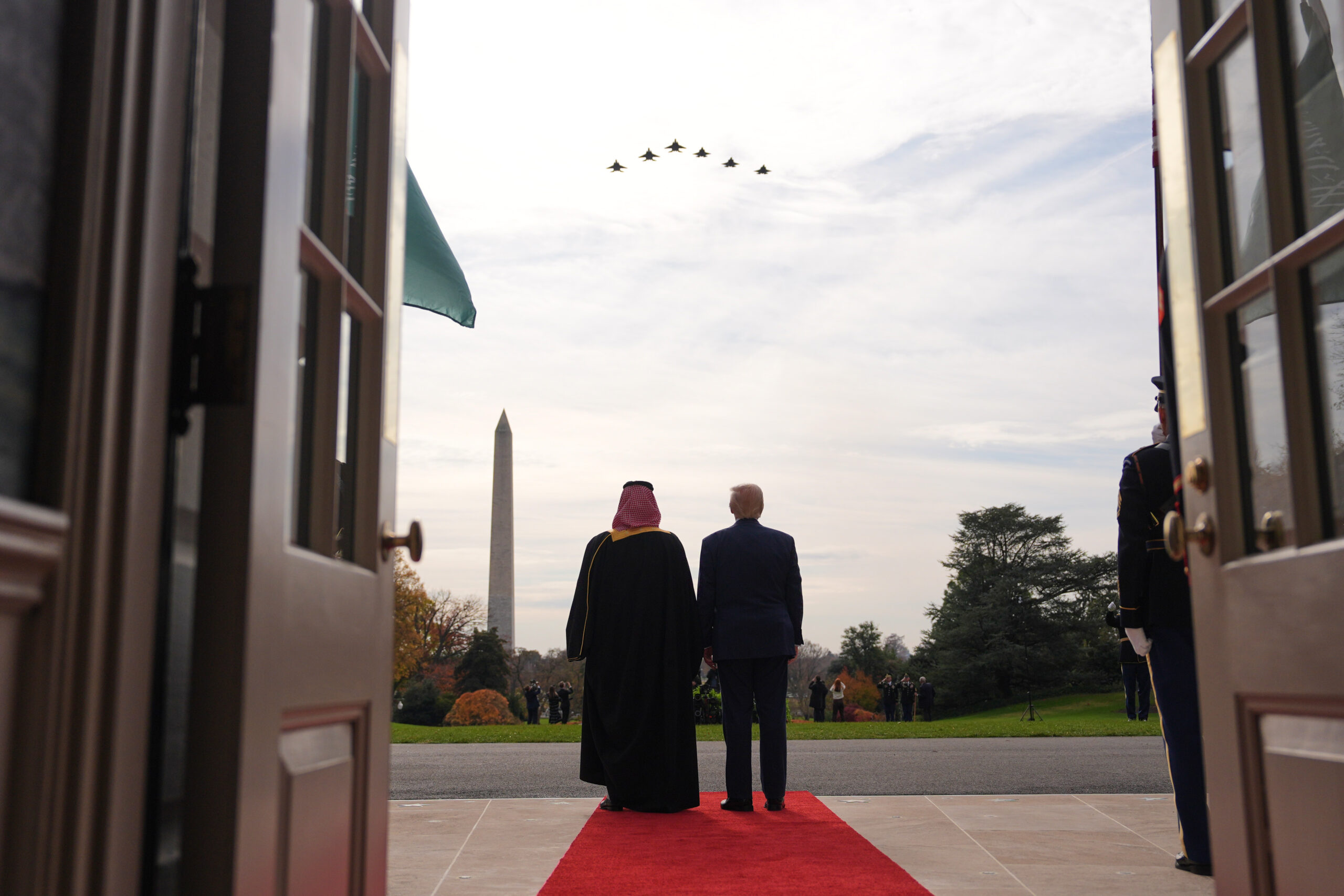
If the U.S. F-35 sale goes through, it will add a new layer to Saudi airpower. But the fifth-generation fighter by itself will not address Saudi Arabia’s present and future vulnerabilities.
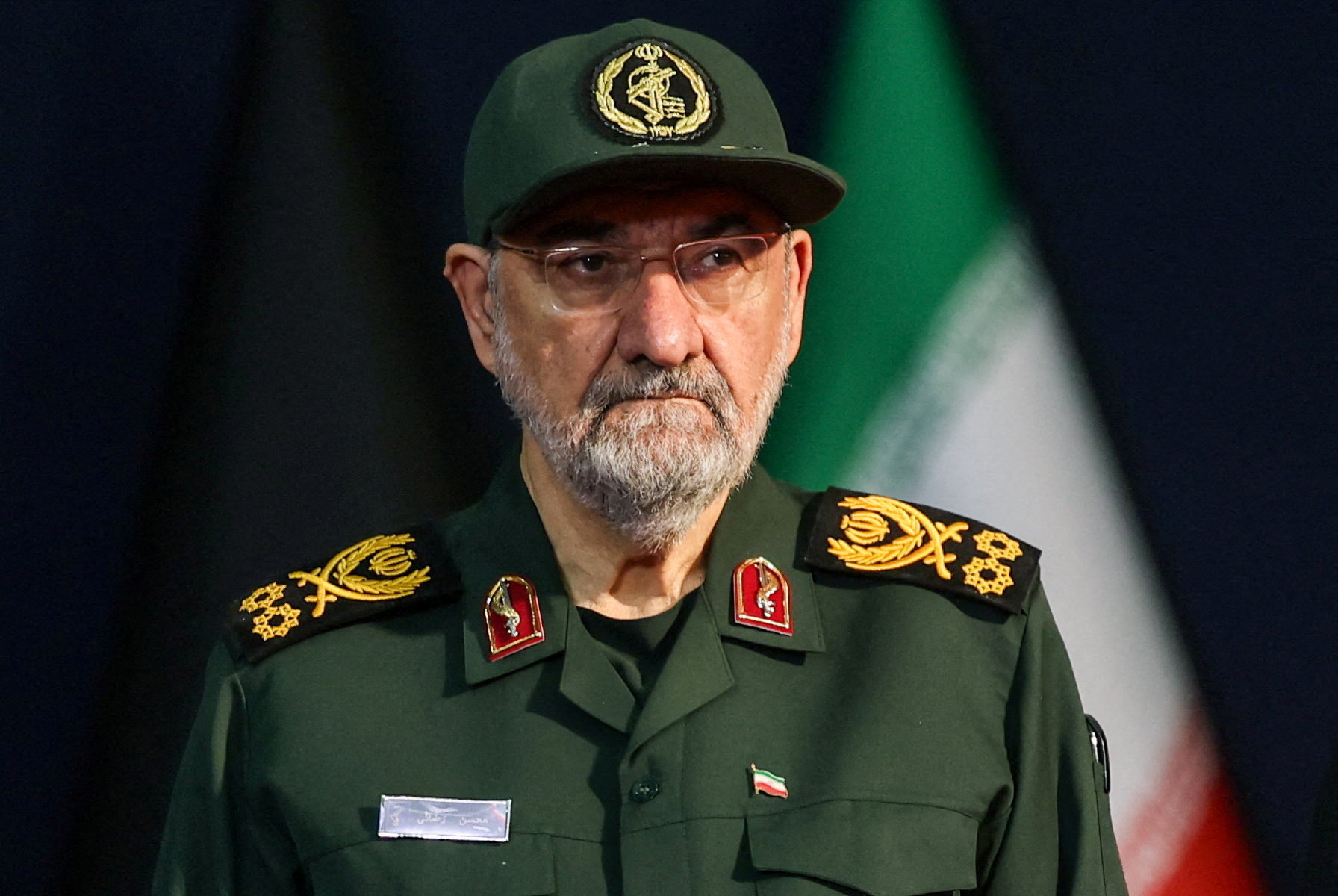
President Trump has led the United States into an impossible dilemma in which resuming and intensifying the war presents one set of alarming consequences while ending it under current circumstances offers at least as many disasters for Washington.
The Trump administration has positioned the United States at a crossroads between a new regime of containment against Iran or a historic drawdown of U.S. influence in the Gulf and broader Middle East.
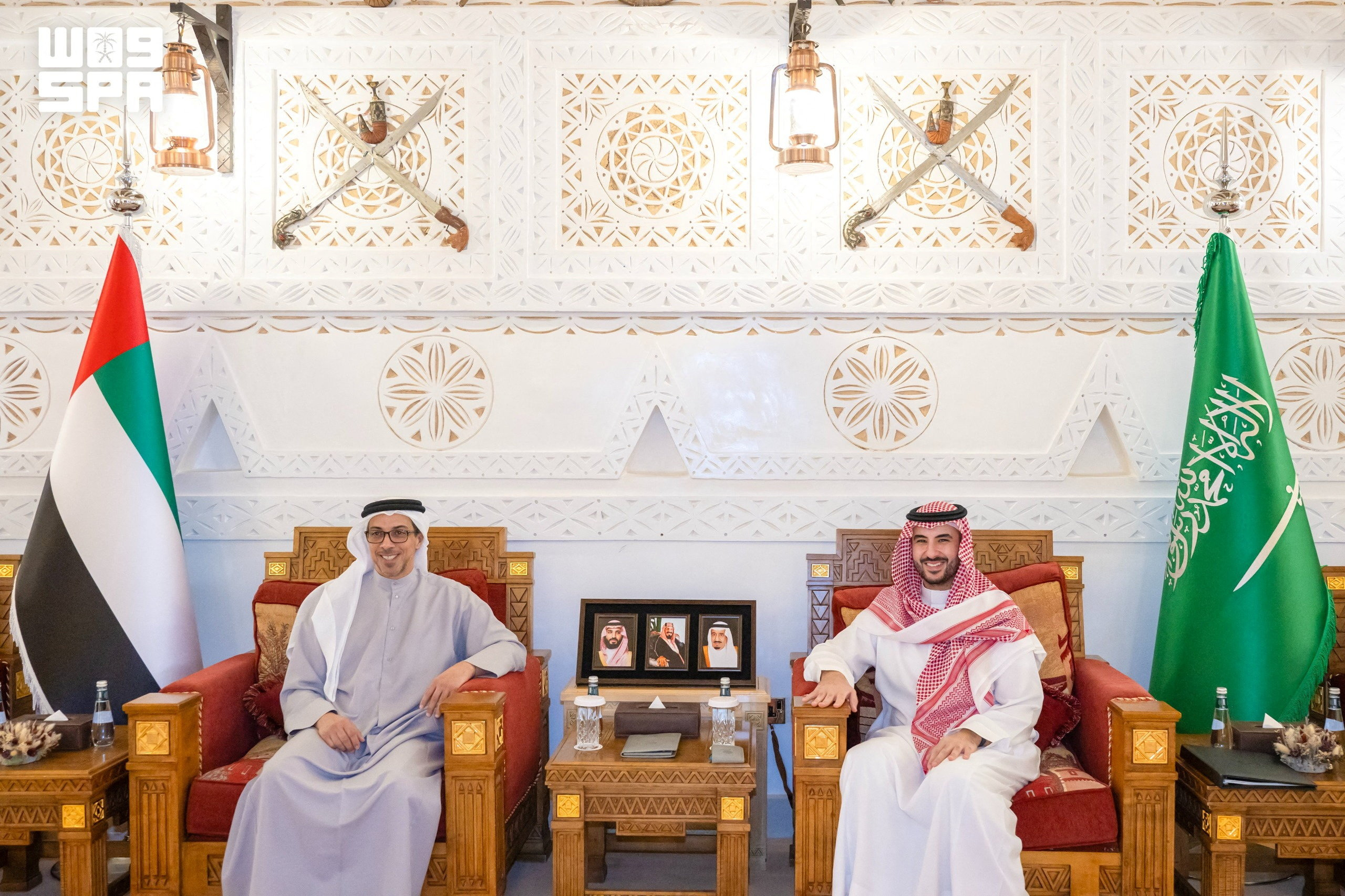
Riyadh and Abu Dhabi urged President Trump not to attack Iran, but now that the war is into its second month, leaving the current situation in place would be an unthinkable fiasco for them.
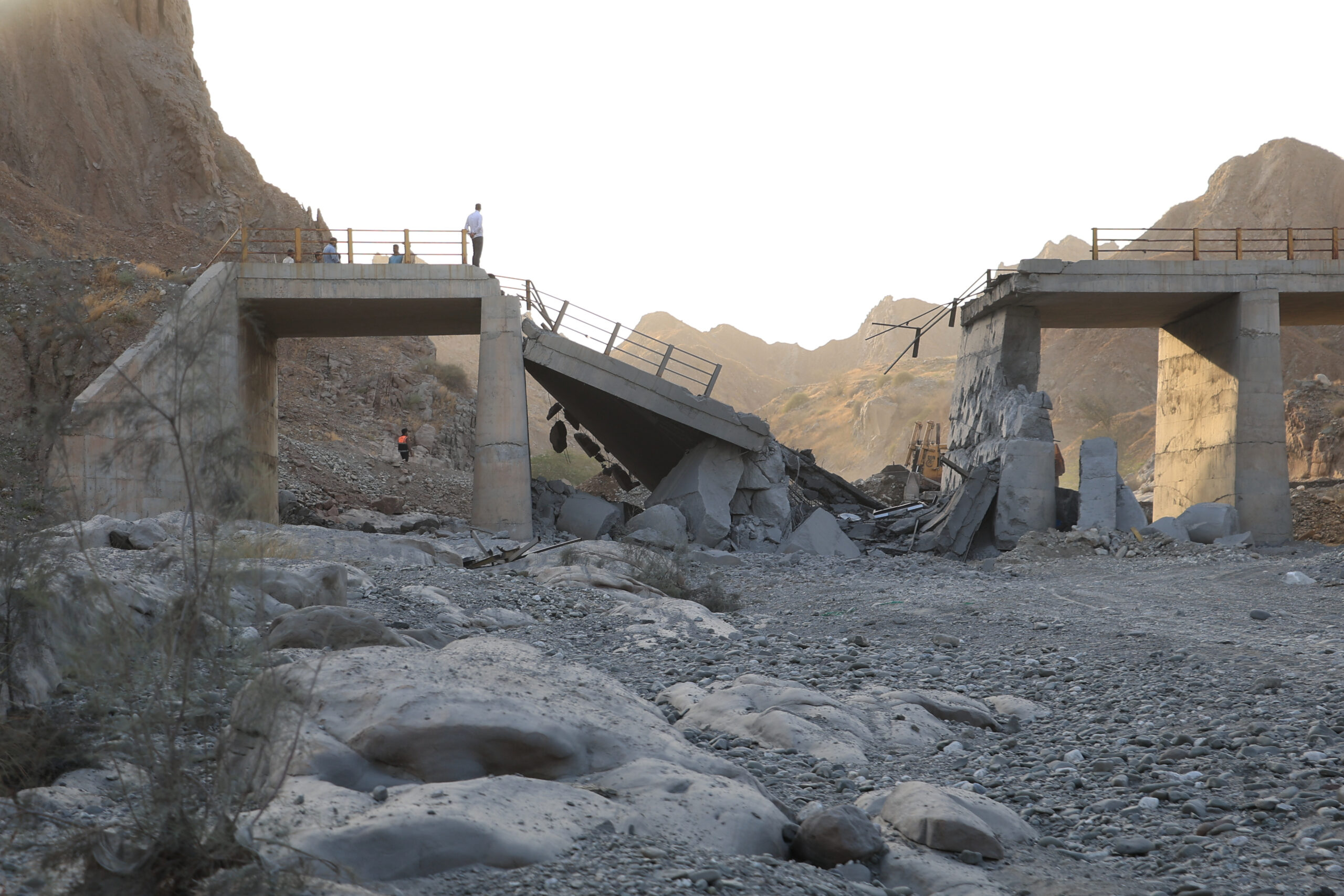
Though they were unsuccessful in preventing the current conflict, and, as expected, have been dragged into the U.S.-Israeli confrontation with Iran, Gulf Arab countries remain crucial to hopes for limiting the war and bringing it to a quick resolution.










May 18, 2015
After the Camp David talks, the dialogue has just begun
It may not have been a massive breakthrough, but in defiance of most predictions, last week’s summit meeting between American president Barack Obama and leaders of the Gulf Cooperation Council countries proved a significant success. Both sides appear to have achieved their basic aims. And, most importantly, the stage is set for a much longer...
4 min read