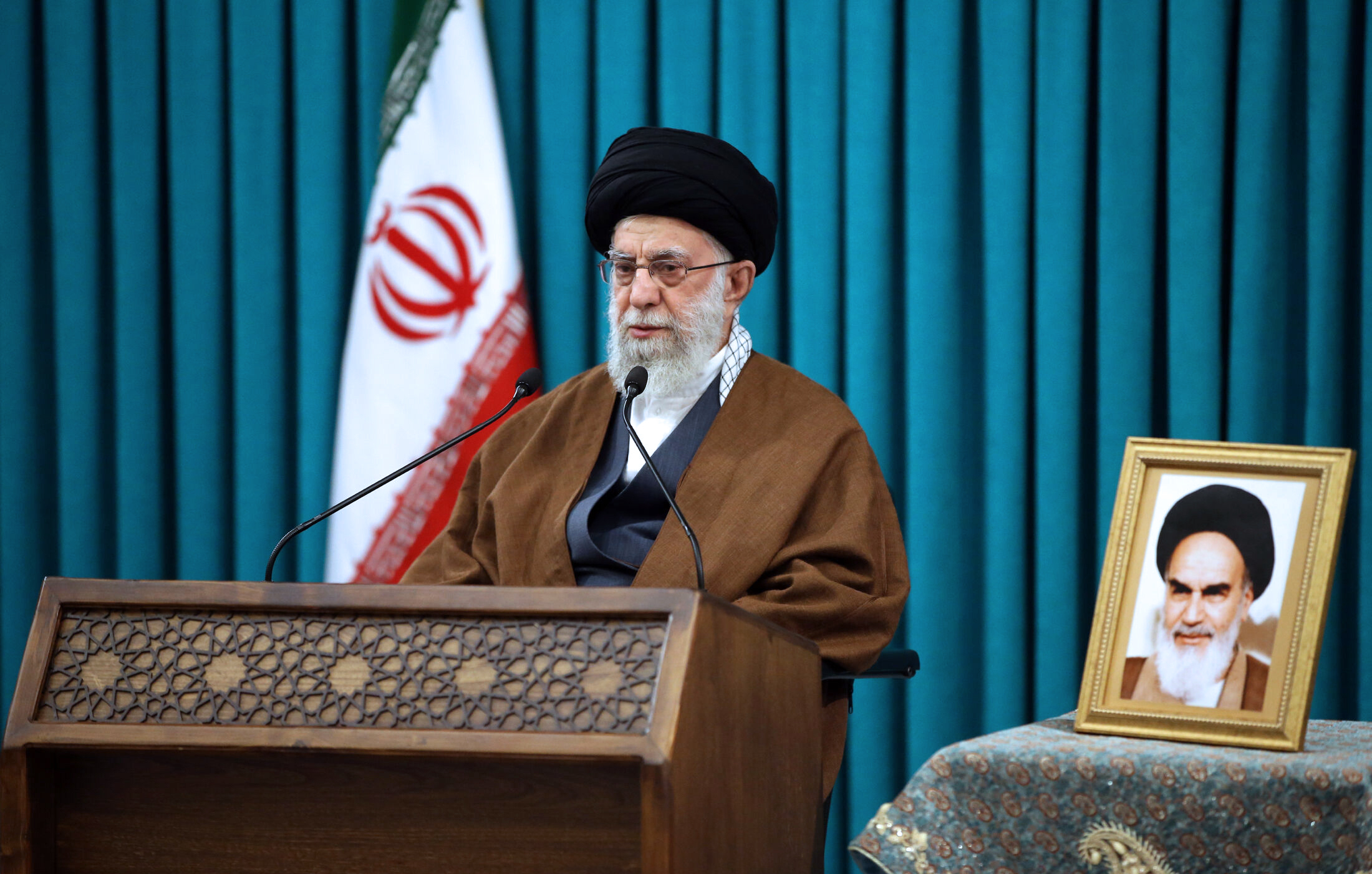
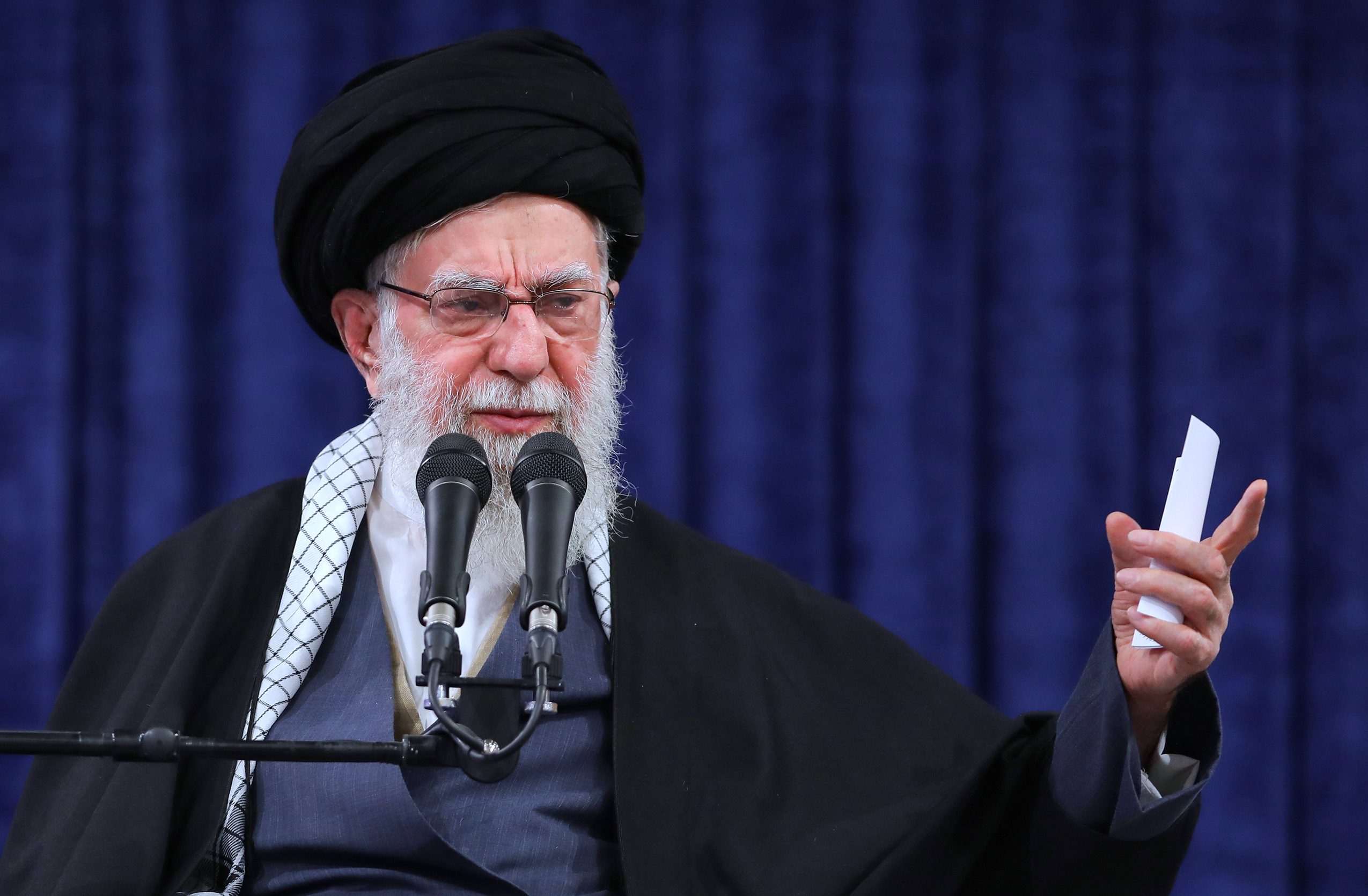
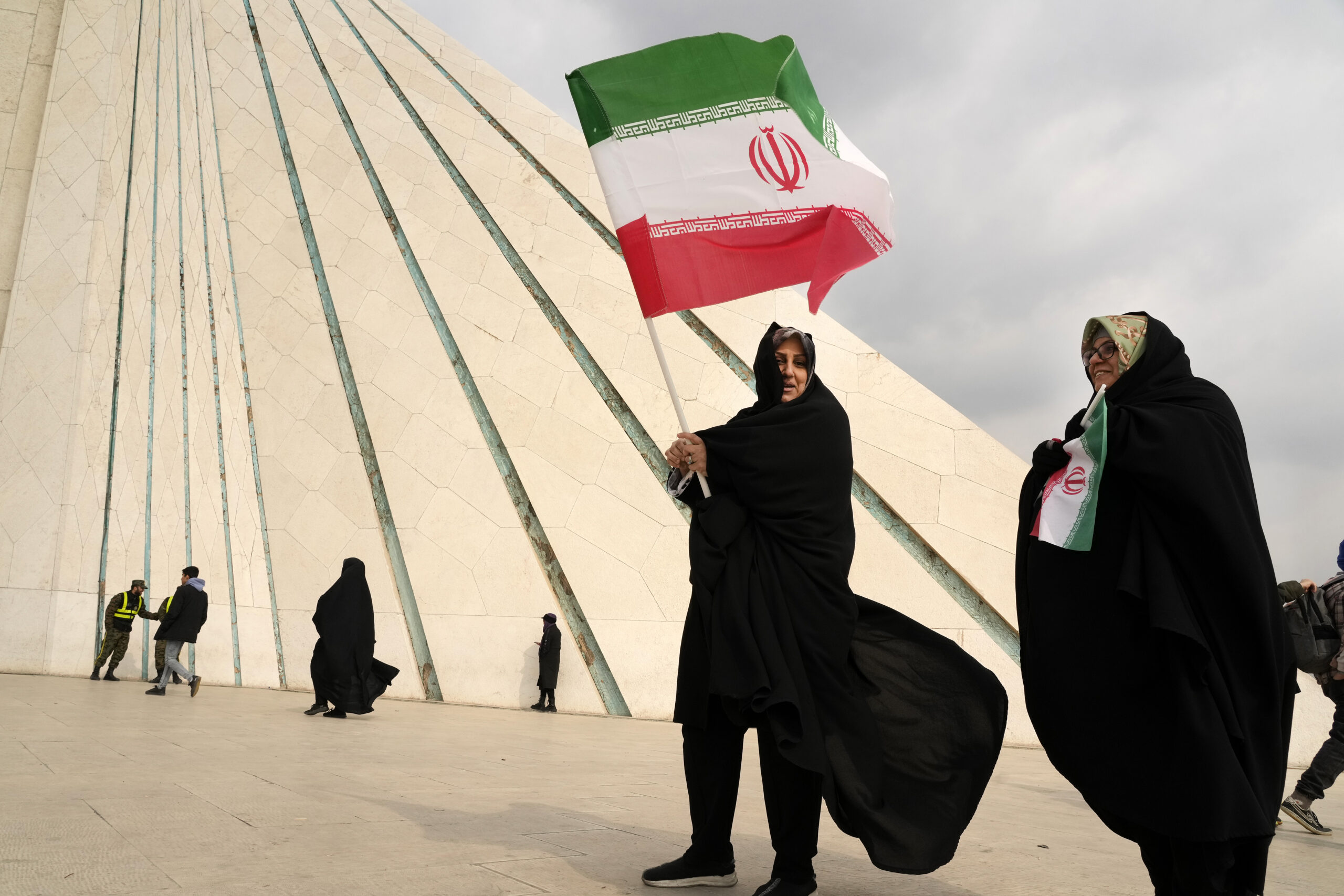
Iranian Supreme Leader Ayatollah Ali Khamenei speaks in a televised New Year speech, in Tehran, Iran, Monday, March 21. (Office of the Iranian Supreme Leader via AP)
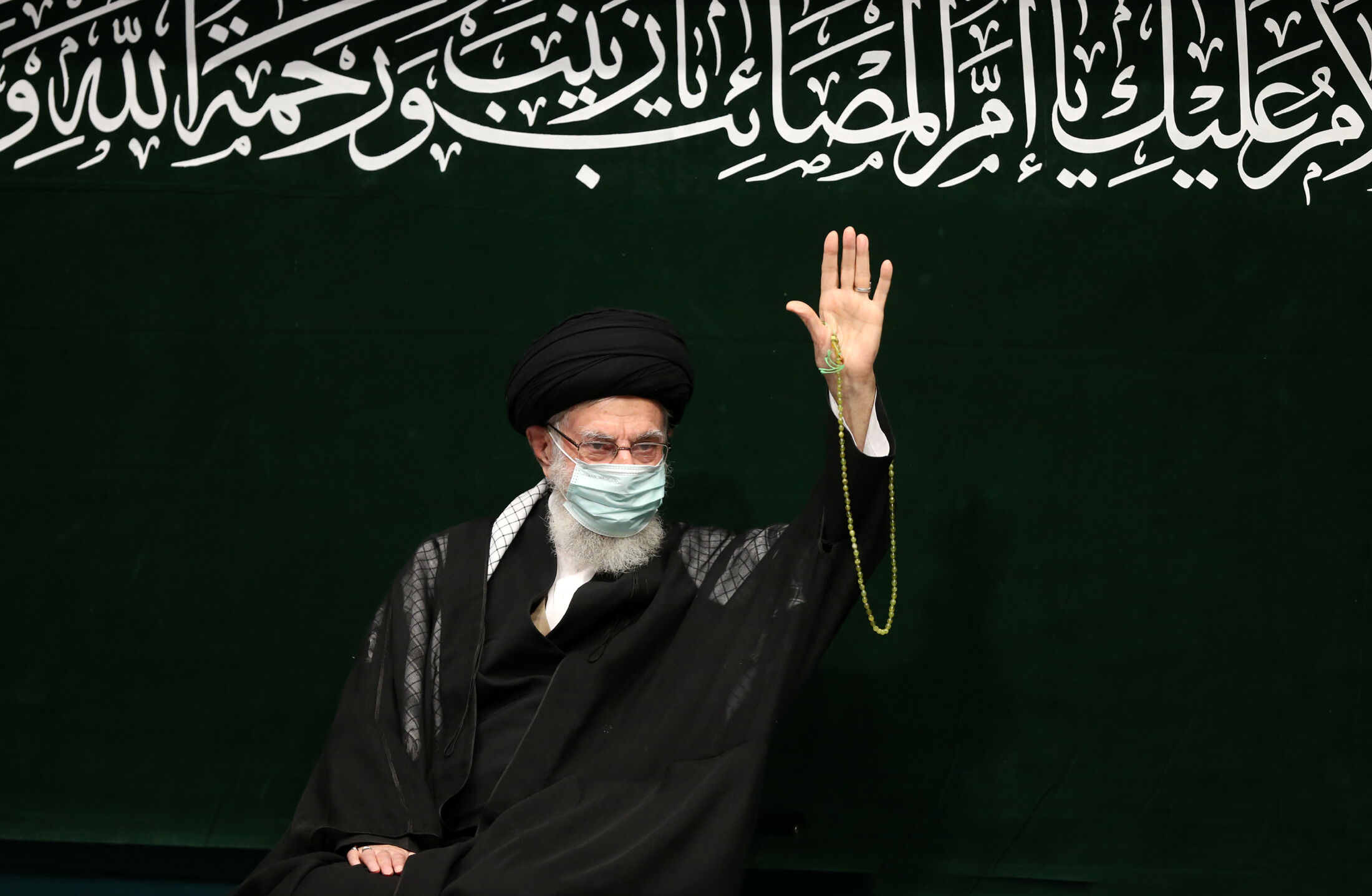
Since his rise to power, Iran’s supreme leader, Ayatollah Ali Khamenei, has survived all rumors of his ill health and death. Most recently, the London-based Express on September 11 reported “Khamenei is understood to be on his death bed,” and, on September 16, The New York Times declared him “gravely ill.” The next day, however, Khamenei, standing without his usual walking stick, delivered a seven-minute address to a group of students commemorating a religious holiday.
For the time being, Khamenei remains alive. But death comes for all, which raises the question: If Khamenei had not recovered from his “death bed,” how would political succession in the Islamic Republic likely have evolved?
The Islamic Republic of Iran’s Constitution addresses the issue of succession at some length. In the event of the death, resignation, or dismissal of the supreme leader, the 88-man Assembly of Experts is tasked with identifying qualified candidates and appointing the new leader “within the shortest possible time.” Until the appointment of the new leader, a council consisting of the president, head of the judiciary, and a cleric from the Guardian Council is supposed to temporarily take over the duties of the leader.
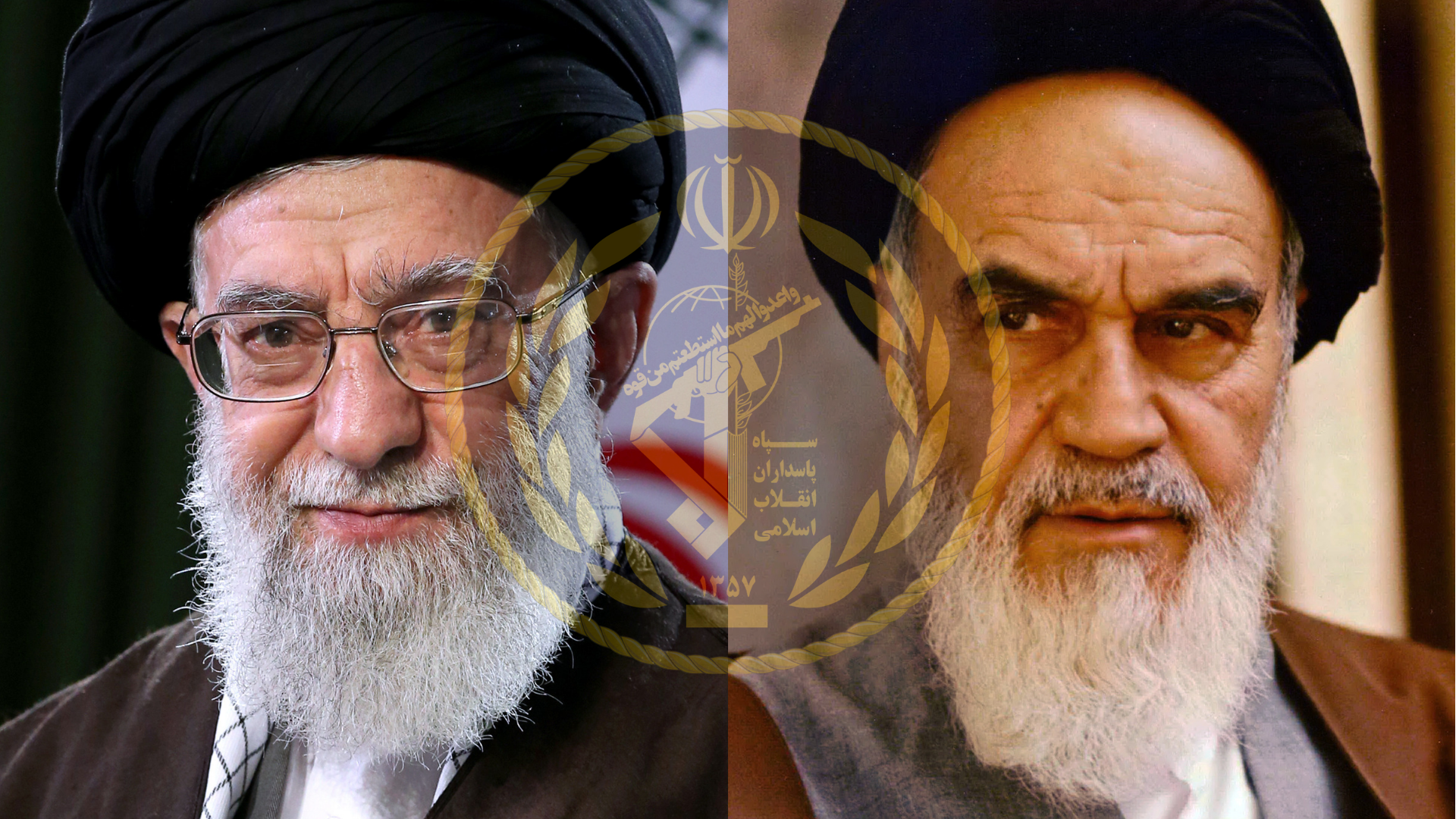
However, as demonstrated by Khamenei’s rise to leadership, powerful actors within the regime, rather than the constitution, are likely to shape the succession after him. On June 4, 1989, a day after the passing of Grand Ayatollah Ruhollah Khomeini, the first supreme leader and founder of the Islamic Republic, the Assembly of Experts convened an extraordinary session and elected Khamenei “temporary leader,” for which there was no constitutional provision. In doing so, the assembly also disregarded the constitutional requirements for leadership and elected as the leader a person who was not a marja, source of emulation, but a mere mid-ranking Shia cleric. On July 28, 1989, the regime held a referendum amending the constitution, which retroactively adjusted leadership qualifications to fit Khamenei’s, and on August 6, 1989, the Assembly of Experts elected Khamenei leader for life.
Khamenei’s rise to power was only possible through the machinations of his then friend and political ally Ali Akbar Hashemi Rafsanjani. In his capacity as parliamentary speaker, Rafsanjani and his network engaged in a long effort to eliminate leadership contenders, such as Grand Ayatollah Hossein Ali Montazeri, and prepare the ground for Khamenei’s leadership. Rafsanjani also amended the constitution to eliminate the position of prime minister and empowered the presidency, which became his around the same time Khamenei was elected leader.
There is every reason to expect a similar disregard for rules and procedures in political succession after Khamenei. Fearing a competing power center, Khamenei will not appoint a successor designate while he is alive, and once he dies, he will have no impact on the struggle for succession. Rafsanjani too is long gone, and his network, currently led by former President Hassan Rouhani, in disarray. Benefitting from the lack of any organized dominant political faction in place among civilian politicians, and from weak civilian institutions, the Islamic Revolutionary Guard Corps currently appears the most likely kingmaker after Khamenei.
The Iranian military did not play any role in leadership succession in 1989, but in his attempt to fend off external threats and suppress internal dissent, Khamenei has since heavily relied on the IRGC. In return for its support to Khamenei, the IRGC has gained considerable power over Iran’s politics and economy.
For the time being, the IRGC still appears to consider clerical leadership a source of legitimacy. While the IRGC rules indirectly, the clerical leadership also provides a useful scapegoat for the shortcomings of the regime. It may also not matter who succeeds Khamenei, since any future leader of the Islamic Republic will, for all practical purposes, be beholden to the IRGC. These mechanisms in turn, will complete the transformation of the Islamic Republic into a military dictatorship, albeit one with a clerical figurehead.
The views represented herein are the author's or speaker's own and do not necessarily reflect the views of AGSI, its staff, or its board of directors.
The political dynamics during the transitions in Iran in 1979 and 1989 reveal a number of similar features that will play into who will succeed Supreme Leader Ayatollah Ali Khamenei; what is new now is the role the IRGC is playing in the factional power struggle.
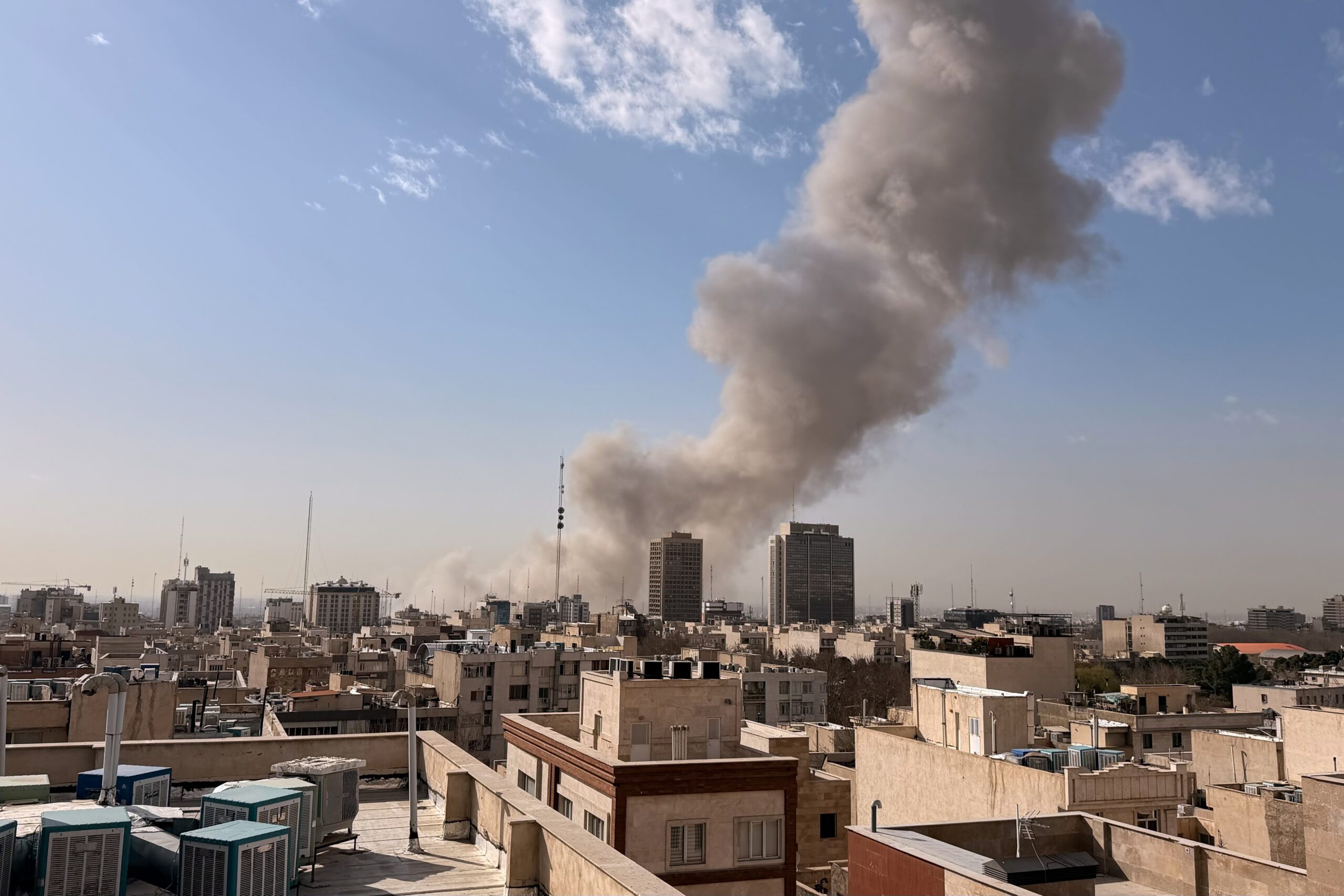
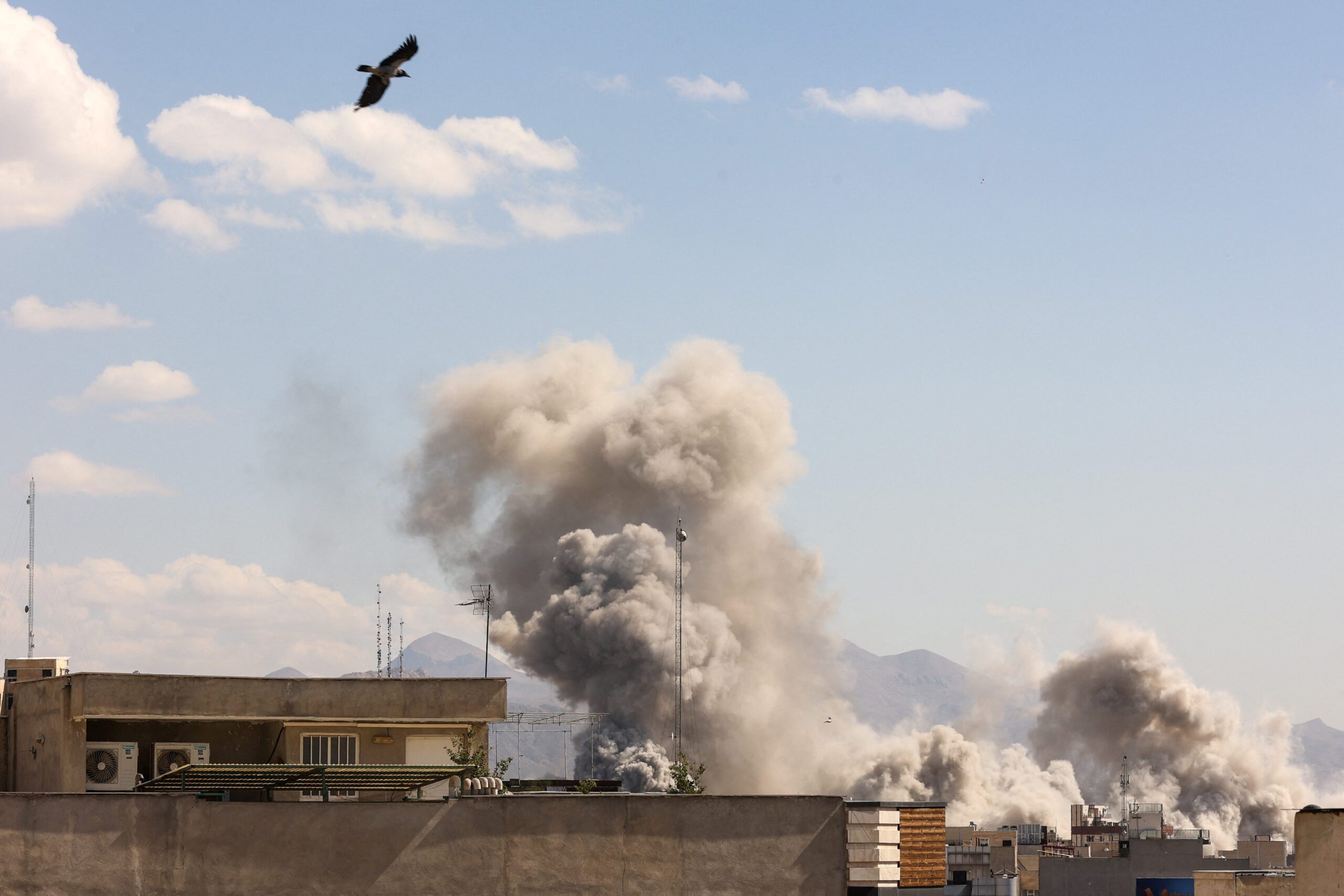
Ayatollah Ali Khamenei was killed in his office in Tehran at age 86, leaving behind a country in ruins and on the verge of civil war and potential disintegration.
Iran is signaling that it will not absorb attacks passively. But whether this strategy ensures the regime’s survival, seals its fate, or accelerates a broader catastrophe will shape the region for years to come.
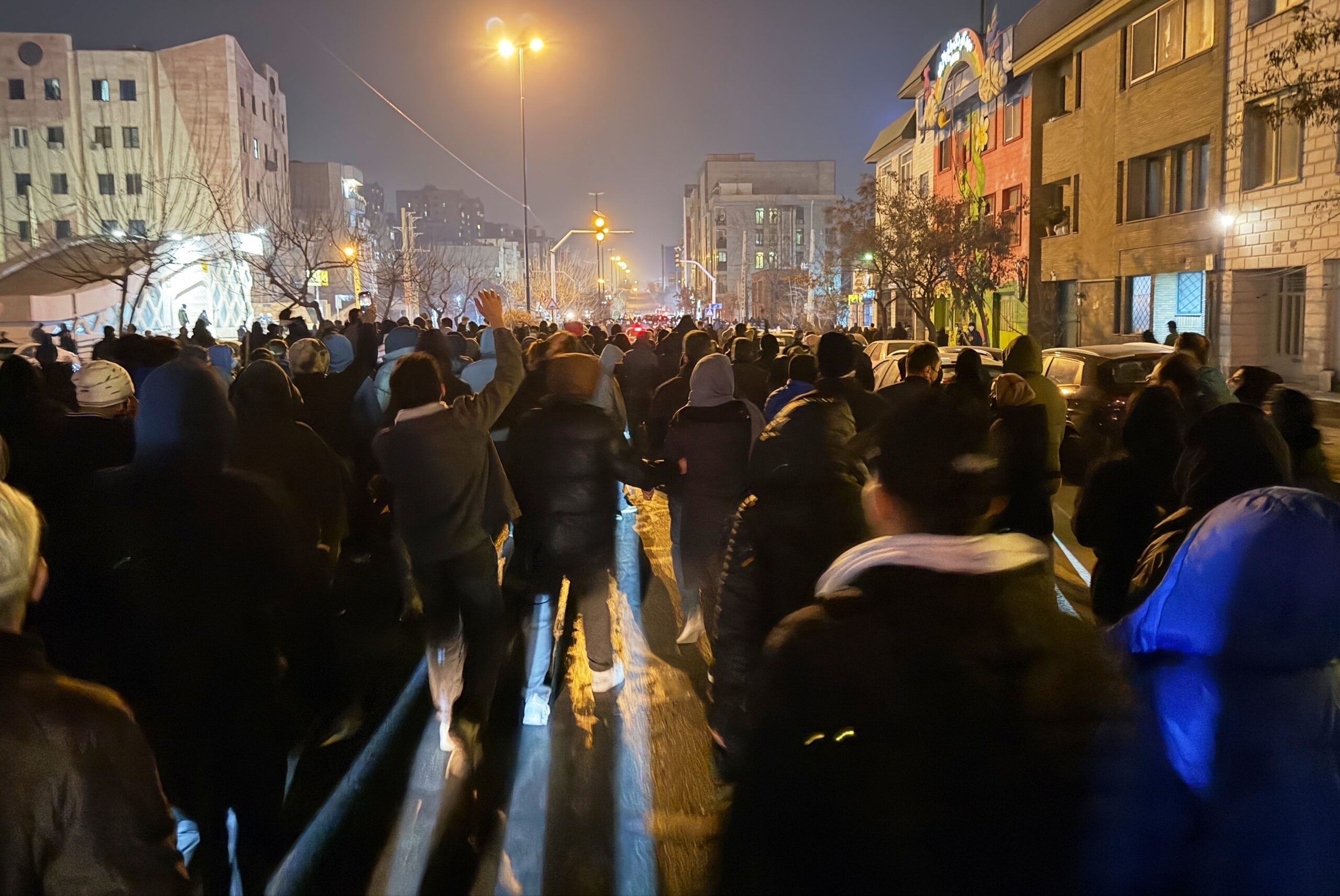
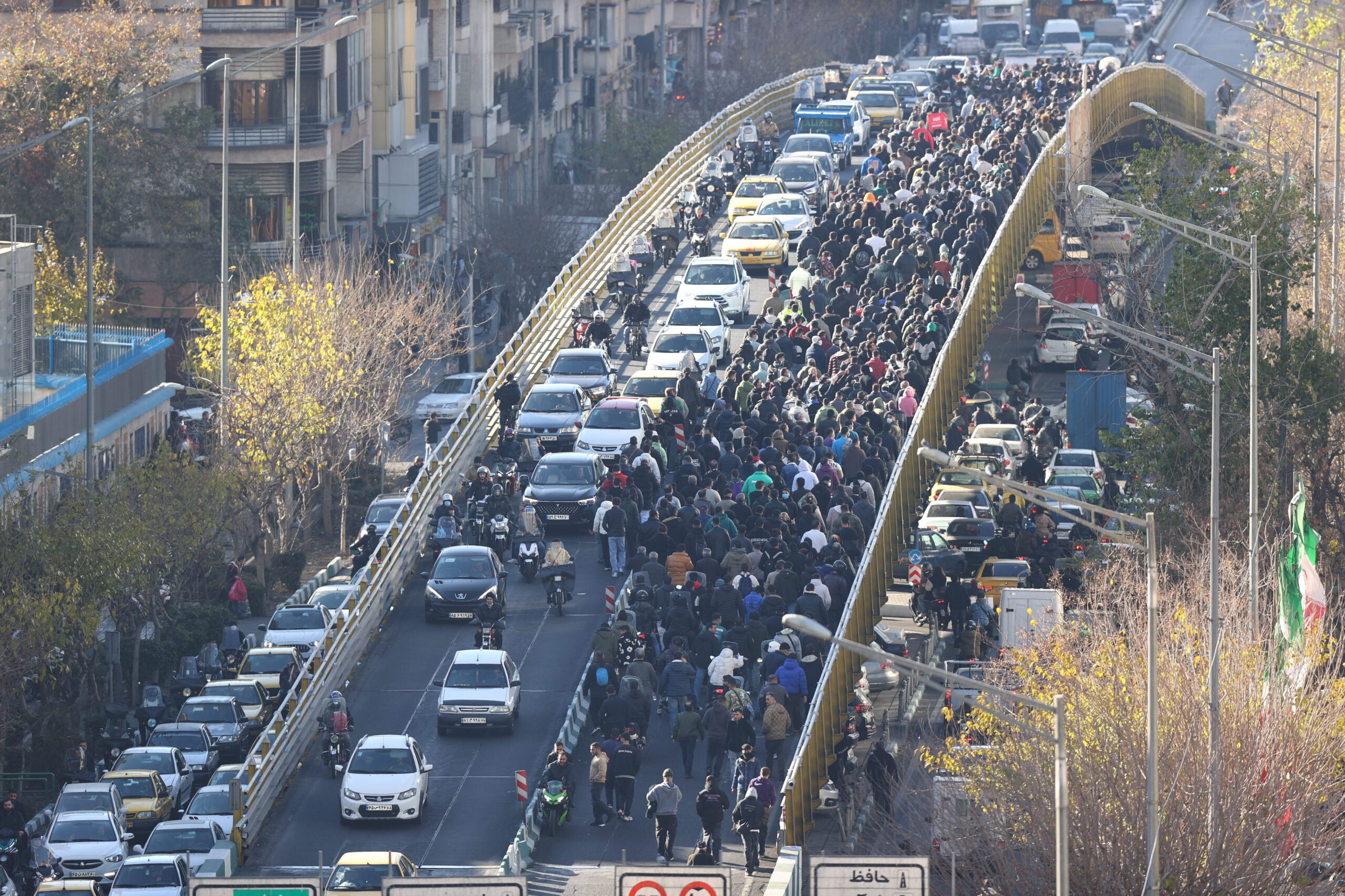
The erosion of the regime’s legitimacy across broad segments of society, combined with the breadth of the 2025-26 protest coalition, raises the possibility that a new confrontation could trigger renewed anti-regime mobilization.
Though the Iranian regime is facing increasing pressure from protesters and armed insurgent groups, it is not yet doomed – but without a deal with the United States, the regime is likely headed for a slow collapse.
On January 8, AGSI hosted a virtual roundtable with its leadership and scholars as they look ahead and assess trends likely to shape the Gulf region and U.S. foreign policy during the coming year.