Aug 23, 2022
The Islamic Republic Commemorates Bahrain’s Independence From Britain
The August 23 edition of the Iran Media Review explores how state-censored media used the commemoration of Bahrain’s independence from Britain to attack the Pahlavi regime for Bahrain’s separation from Iran.

Commemorating the anniversary of Bahrain’s August 14, 1971 independence from Britain, the Islamic Republic’s state-censored media focused on the island state’s separation from Iran and the alleged treason of Shah Mohammad Reza Pahlavi, who renounced Iran’s claims on Bahrain.
- August 12: According to YJC News, Dezful Friday prayer leader Hojjat al-Islam Seyyed Mohammad-Ali Qazi Dezfouli called the Iranian Parliament’s recognition of Bahrain’s independence on May 14, 1970 “one of the treacherous acts of the Pahlavi regime.”
- August 14: Historian Yaqoub Tavakoli, in an interview with the Iranian Labour News Agency, claimed Pahlavi rulers “fundamentally lacked incentive to safeguard the territorial integrity of Iran. Such was the spirit of their governance.”
- August 14: Seyyed Javad Mousavi of the Political Studies and Research Institute released a September 22, 1969 document from the SAVAK, Iran’s pre-revolution intelligence service, reporting lack of interest of a visiting Iranian senator in the plight of the Persian-speaking Shia in Bahrain.
- August 14: Jahan News used the commemoration of Bahrain’s independence from Britain to attack Iran’s royal family in exile. Empress “Farah and Reza Pahlavi, who pretend to care about, and issue messages of solidarity with, the people of Iran, should be asked why they do not issue public statements on occasions such as the anniversary of separation of Bahrain from Iran.”
- August 15: Mehr News reported that Iranian internet platforms showed film director Ahmad Shafiee’s documentary “A Separation” about Bahrain’s independence from Iran. According to the news agency, the Islamic Republic of Iran Broadcasting will broadcast the two-part series.
- August 15: Taghrib News promoted a Twitter campaign propagating “the real independence of Bahrain.”
- August 16: Javan, mouthpiece of the Islamic Revolutionary Guard Corps, published 11 reader comments all of which hold the Pahlavi regime responsible for the loss of Bahrain.
While the regime’s attacks against its immediate predecessor, and Iran’s royal family in exile, are routine and serve the purpose of legitimizing Iran’s present rulers, Bahrain’s separation from Iran, which has hitherto been a political nonissue, is gradually turning into a main propaganda staple, likely to cause further tensions in Tehran’s relations with Manama.
The views represented herein are the author's or speaker's own and do not necessarily reflect the views of AGSI, its staff, or its board of directors.
Related
Iran Media Review
Aug 19, 2022
State-Censored Media Reactions to Rushdie Assault
The August 19 edition of the Iran Media Review considers the views of Iranian media on what the attempt on the life of Salman Rushie means for nuclear negotiations in Vienna.
Iran Media Review
Aug 16, 2022
Parallelism and Rivalry by Design: Amal and Hezbollah
The August 16 edition of the Iran Media Review examines Iran’s support to Amal and Hezbollah in Lebanon.
Aug 19, 2022
State-Censored Media Reactions to Rushdie Assault
The August 19 edition of the Iran Media Review considers the views of Iranian media on what the attempt on the life of Salman Rushie means for nuclear negotiations in Vienna.
Aug 16, 2022
Parallelism and Rivalry by Design: Amal and Hezbollah
The August 16 edition of the Iran Media Review examines Iran’s support to Amal and Hezbollah in Lebanon.
Analysis
The Islamic Republic Returns to Offense
After U.S.-Israeli strikes killed Supreme Leader Ayatollah Ali Khamenei on February 28, Iran’s collective leadership has concluded that the best defense is a good offense.
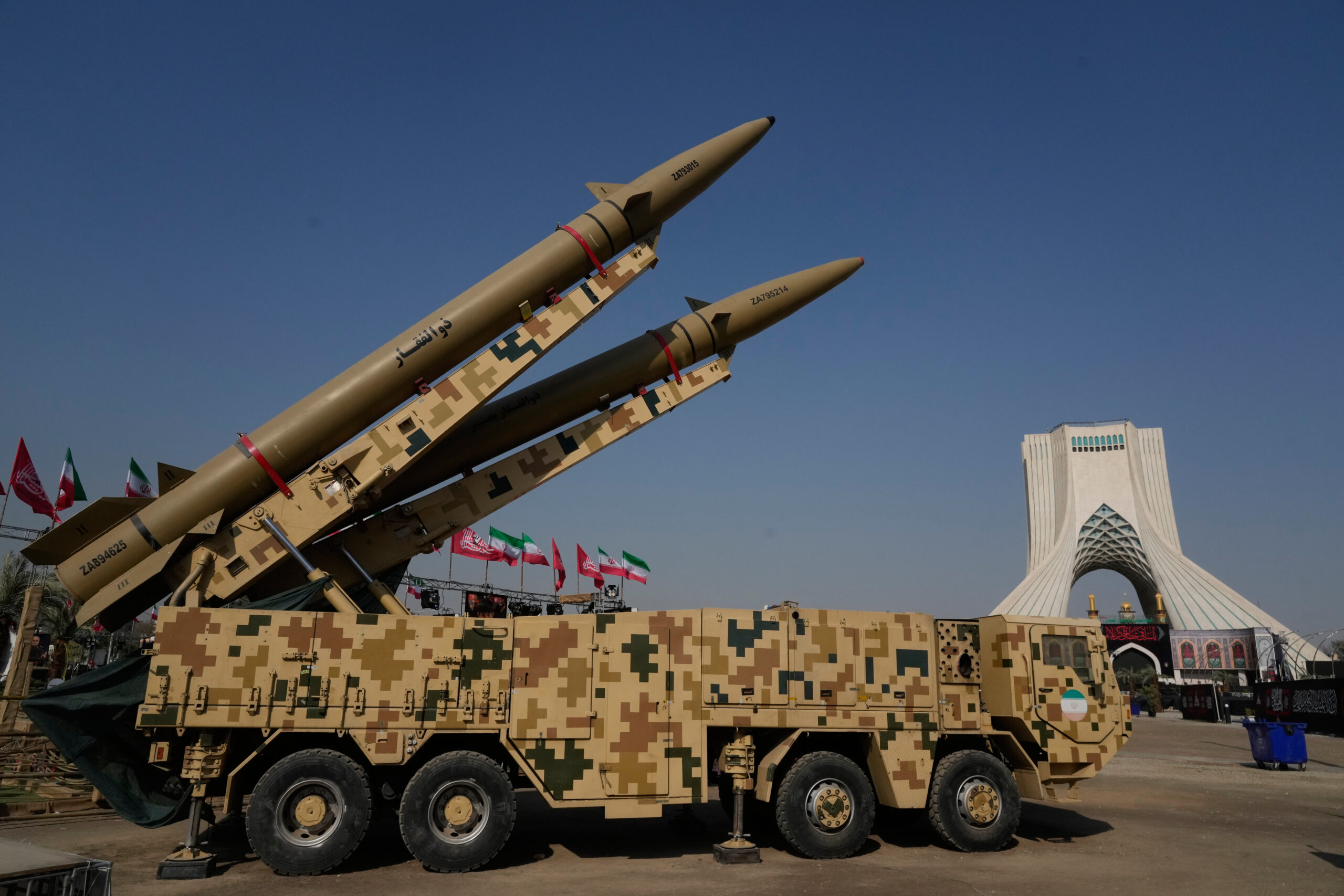
Iran’s Collective Strategic Decision Making
Wartime pressure has temporarily aligned the leadership’s overriding interest in regime survival, even as its members continue to differ over the costs, methods, and ultimate objectives of the war.
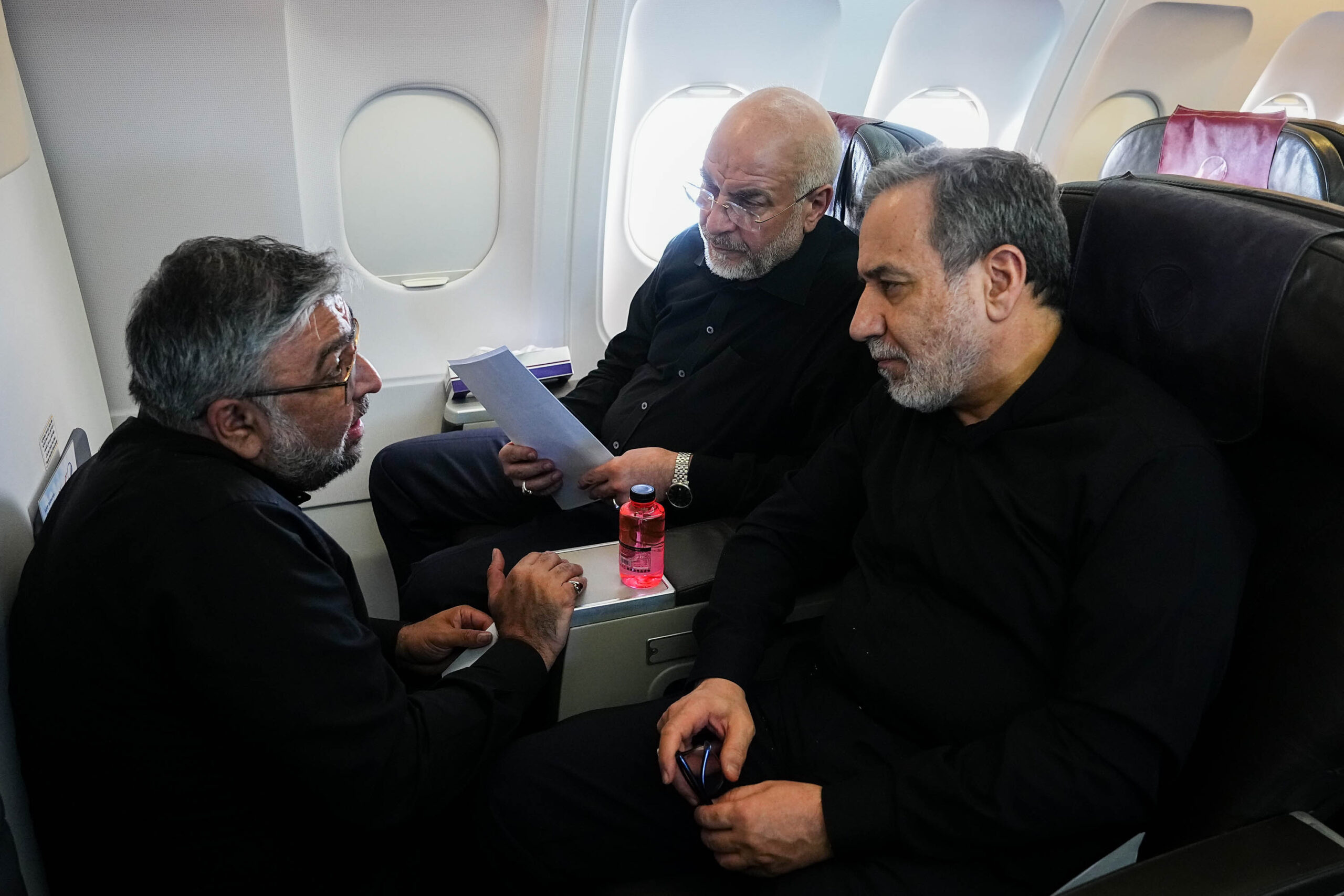
The Islamic Republic’s Collective Leadership
While there is historical precedent for collective leadership in Iran, today’s leadership includes representatives of the IRGC and regular military – a reflection of the IRGC’s expanding role and the necessities of governing under wartime conditions.
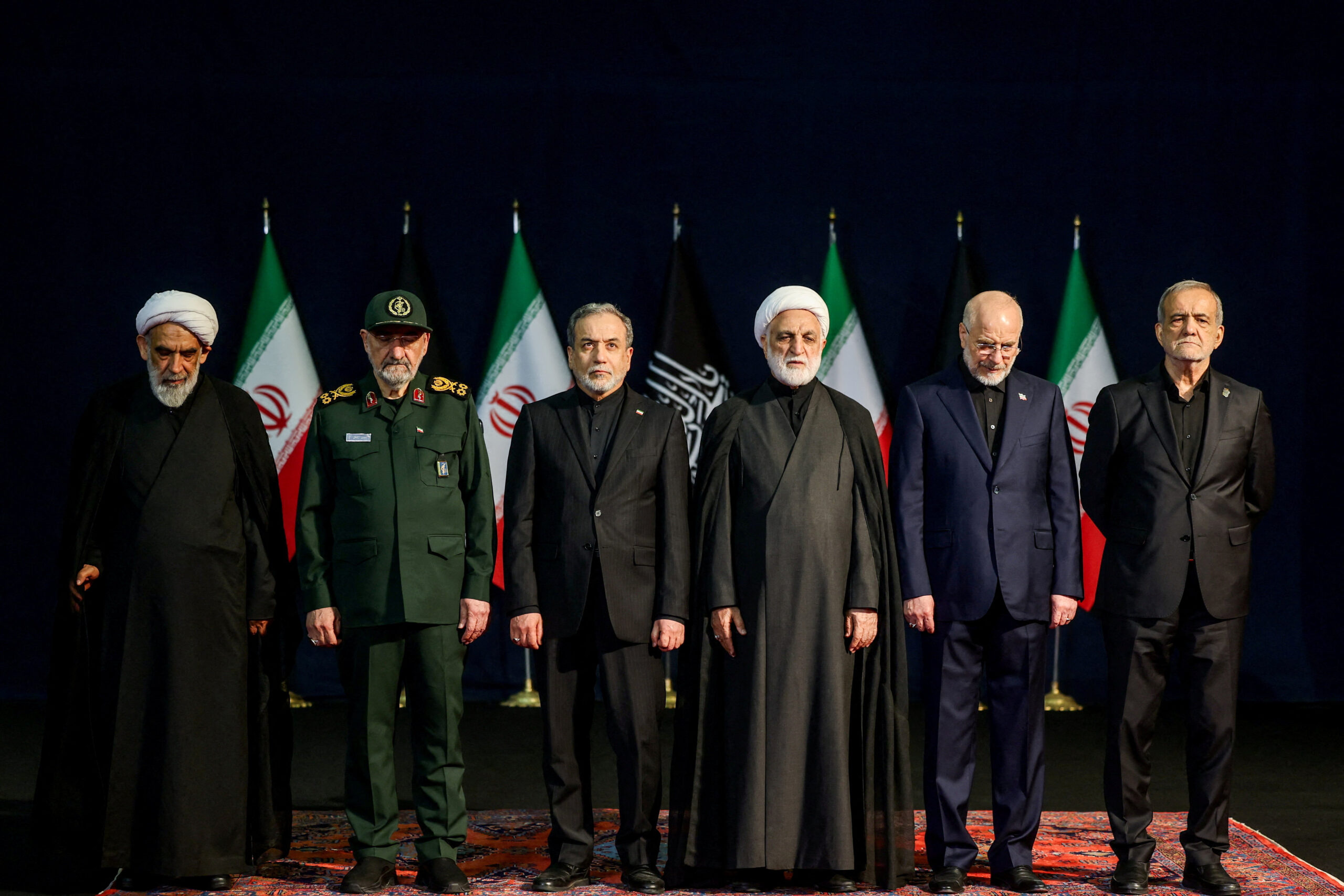
How Did the IRGC Seize Power in Iran?
The IRGC did not seize power in a single stroke. It accumulated it – patiently, methodically – until no counterweight remained.
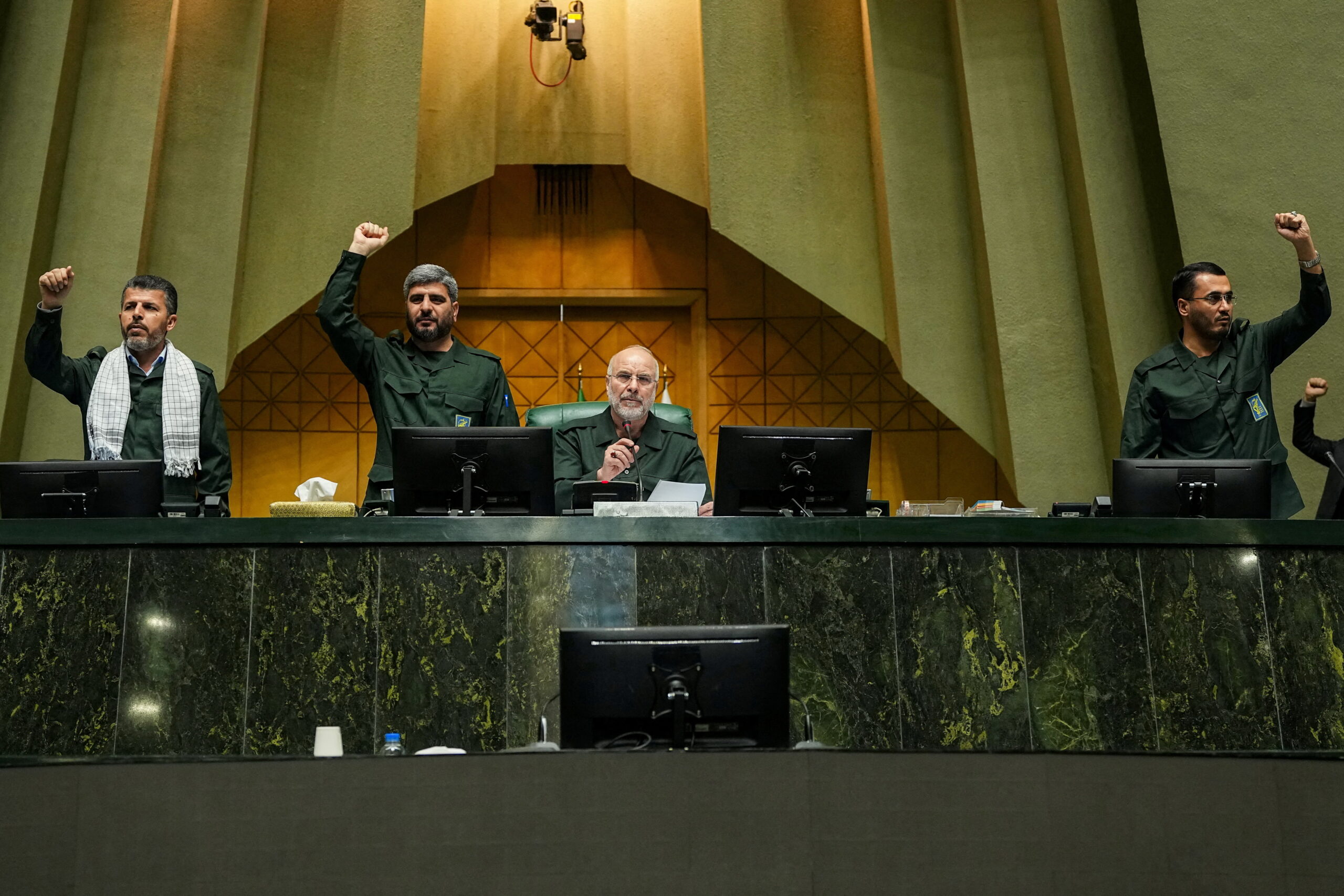
Events
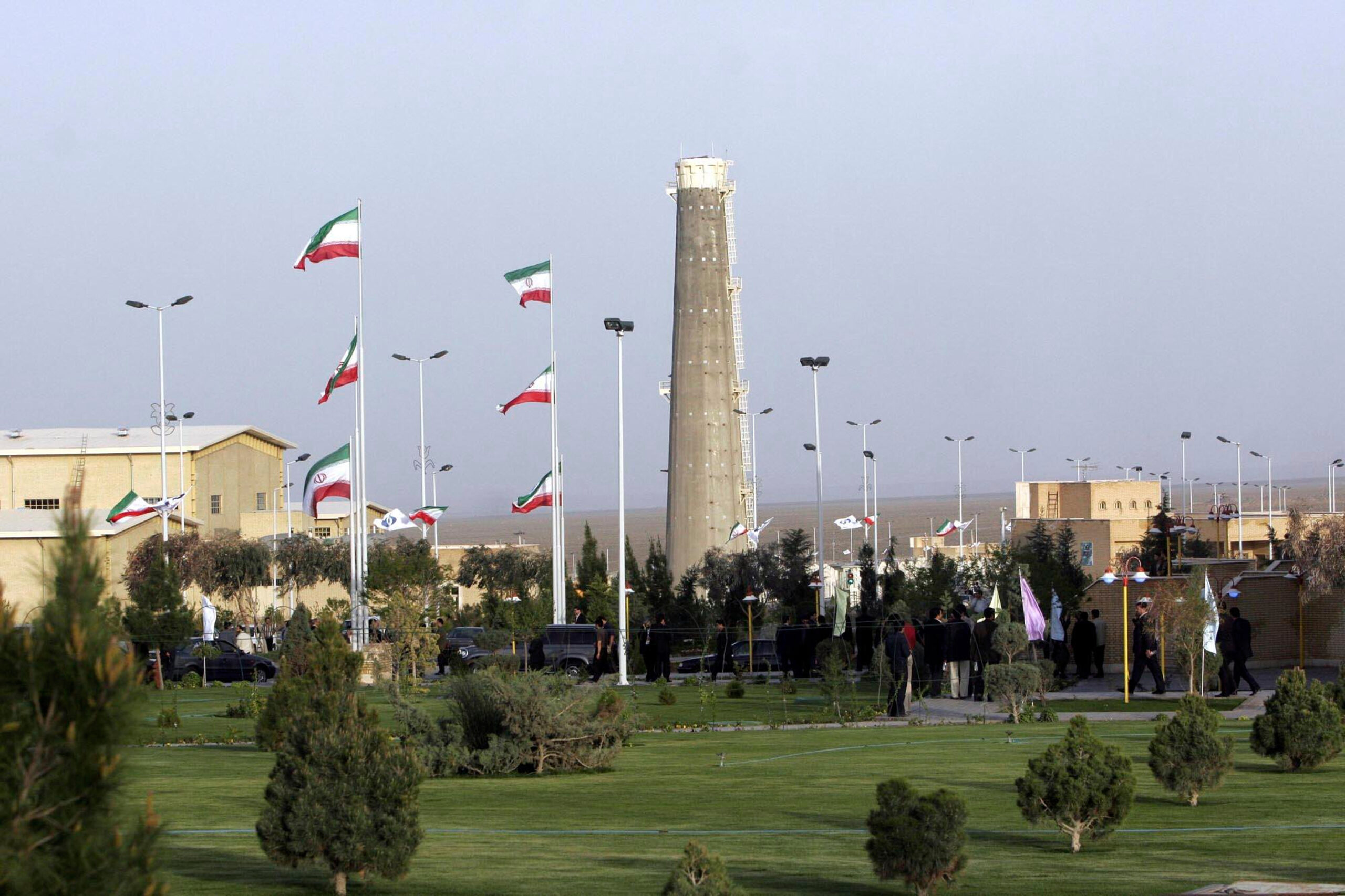
Book Talk: Iran and the Bomb: The United States, Iran and the Nuclear Question
On June 16, AGSI hosted a discussion on the evolution of Iran's nuclear program.
Speakers


Apr 21, 2026
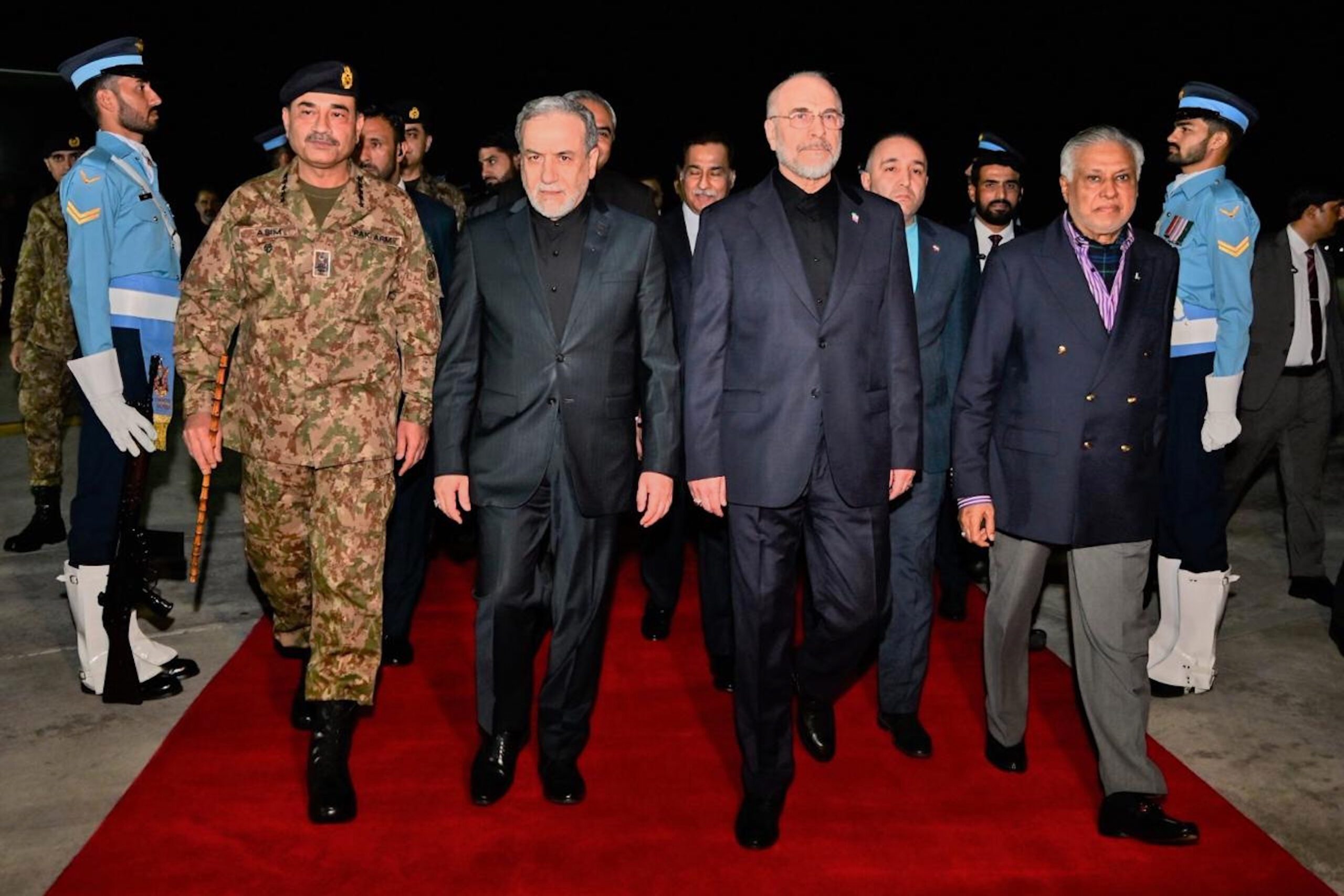
Inside Iran’s Wartime Leadership: Power, Succession, and Regime Stability
On April 21, AGSI hosted a discussion on the evolution of Iran's leadership during the war.
Speakers

Mar 18, 2026
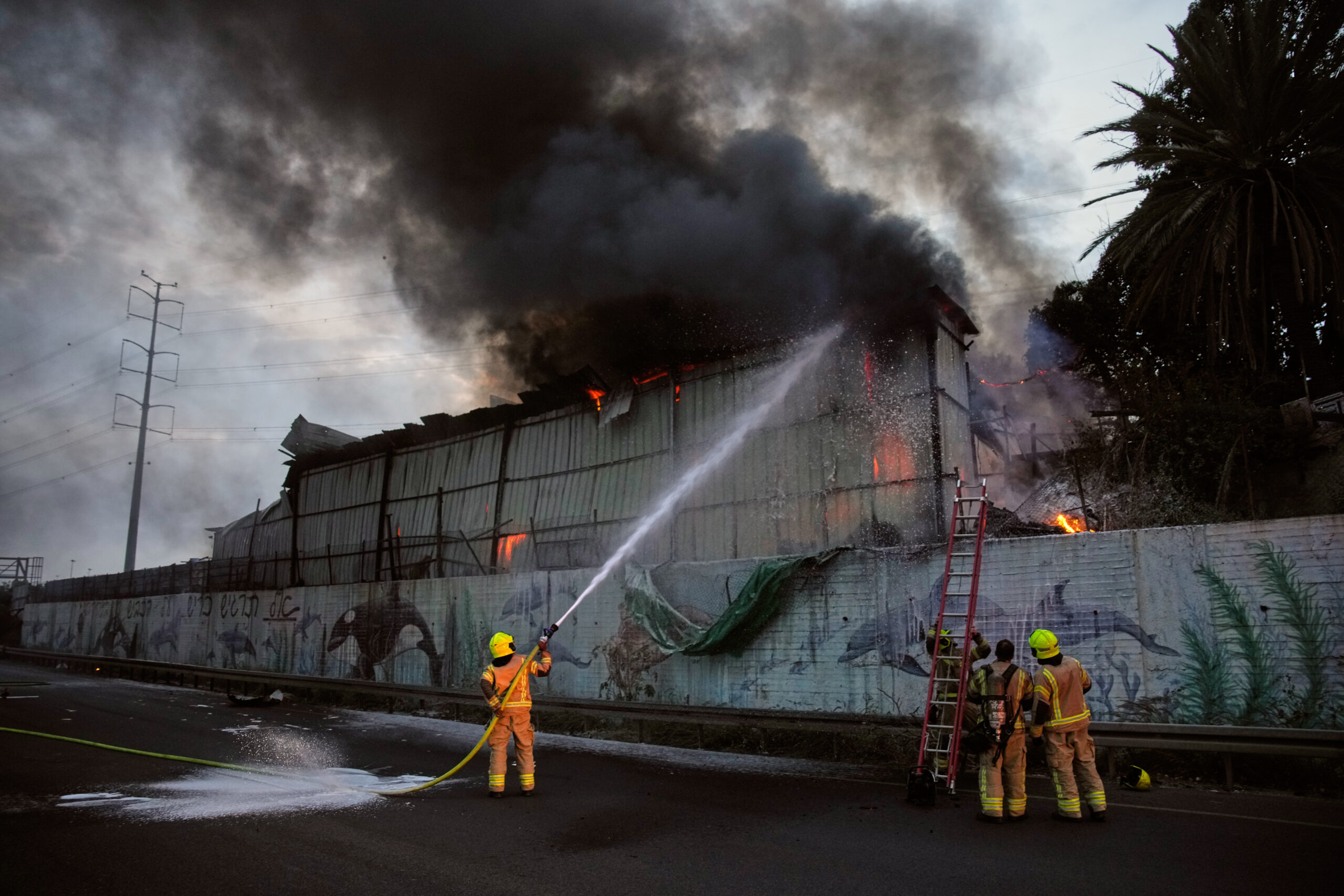
In Its Conflict With the United States and Israel, Does Escalation Favor Iran?
On March 18, AGSI hosted a discussion on the escalation of the Iran war.
Speakers



Mar 2, 2026
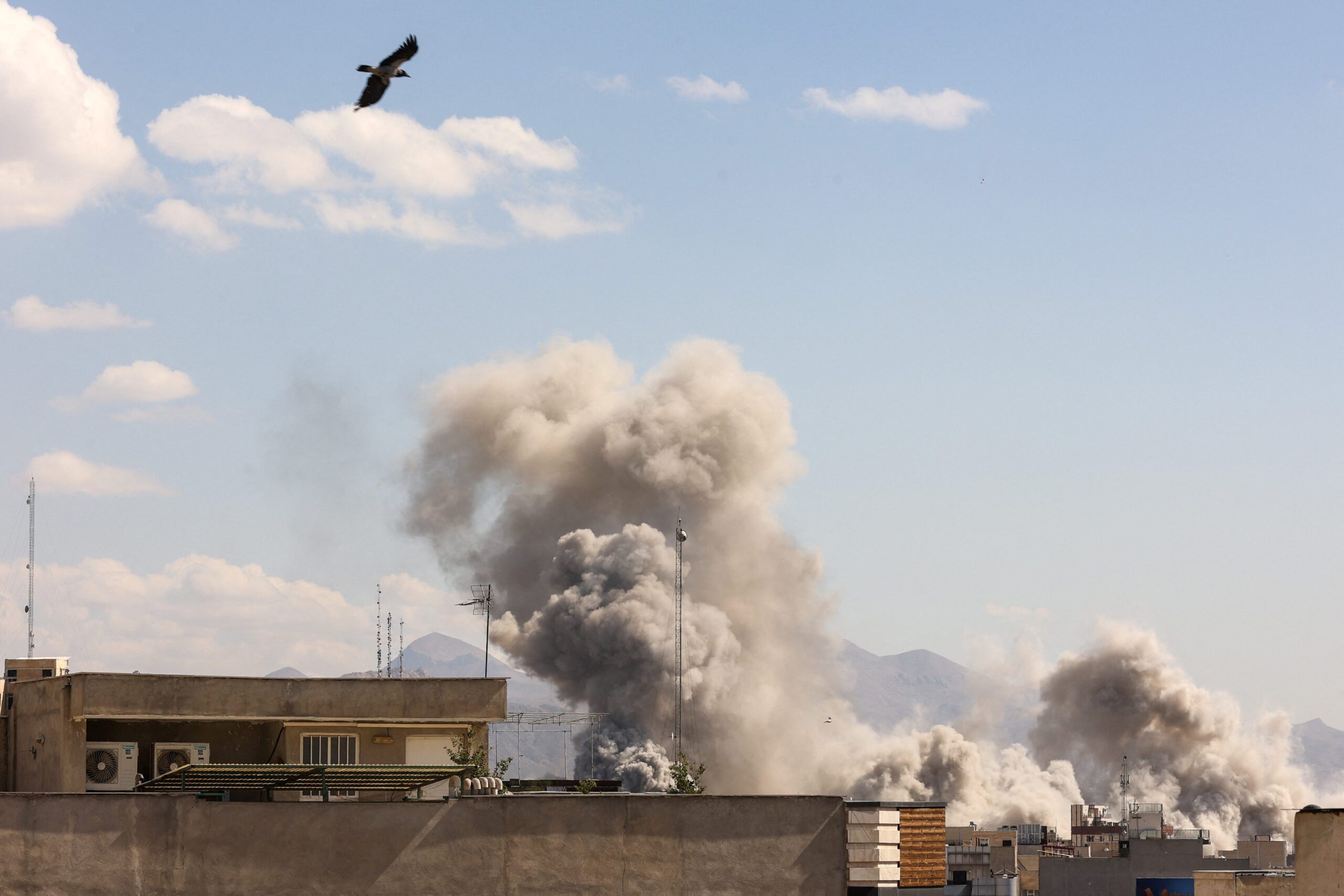
After the Shock: Implications of the U.S.–Israeli Strikes and Iran’s Leadership Transition
On March 2, AGSI hosted a discussion on the U.S.-Israeli strikes on Iran.
Speakers