GCC Crisis
June 2017 witnessed an unprecedented escalation of tensions among the Gulf Cooperation Council states, culminating with Saudi Arabia, the United Arab Emirates, and Bahrain severing ties with Qatar. AGSIW offers insights into the ongoing tensions and identifies the implications for Qatar and its GCC neighbors.
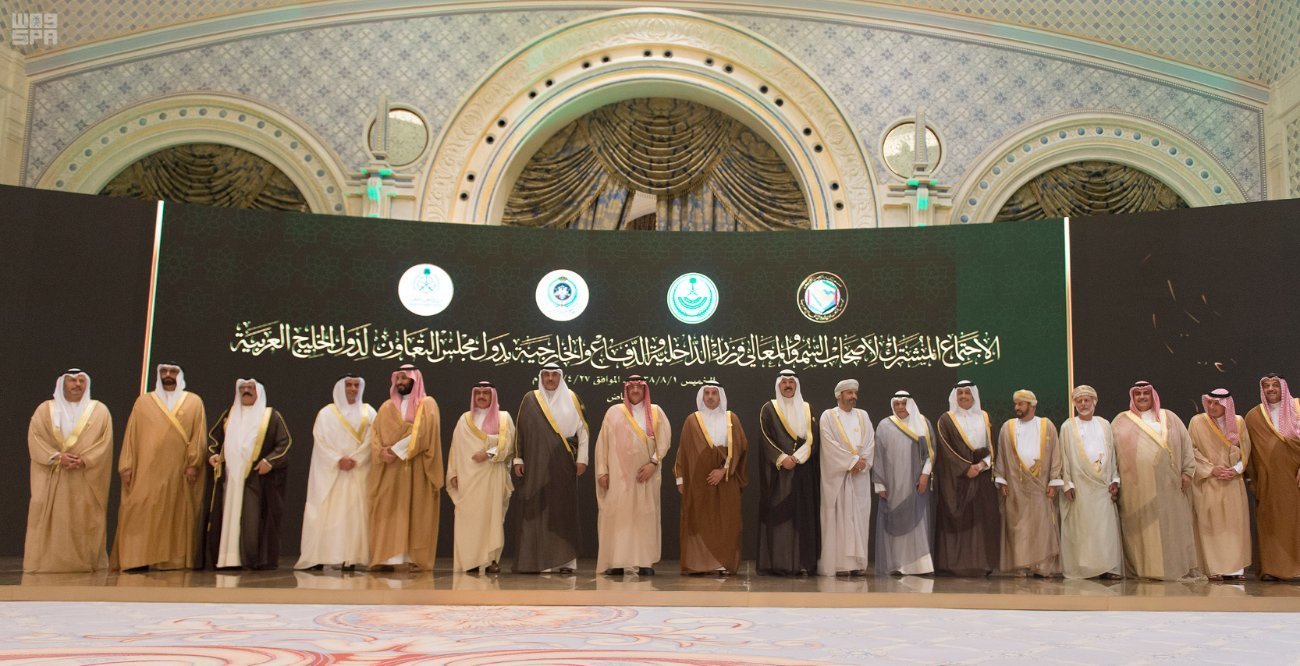
Self-Imposed Barriers to Economic Integration in the GCC
Qatar has lodged a complaint with the World Trade Organization against the United Arab Emirates, Saudi Arabia, and Bahrain for blocking its air traffic and increasing the costs of basic food and medicine imports. Though intra-Gulf state economic relations continue to suffer as a result of the current crisis, there are long-standing barriers to trade...

Jul 28, 2017
Qatar Must Adapt SEZs to New Regional Geopolitical Realities
The Saudi, Bahraini, and Emirati efforts to isolate Qatar logistically as part of the most recent Gulf Cooperation Council crisis will require a restructuring of the country’s plans for special economic zones (SEZs) – commonly known as free zones (FZs) in the rest of the GCC states. The traditional goals of SEZ development include attracting...


Enter Erdogan: Turkey’s Economic Stake in the GCC Dispute
On the heels of the G-20 summit in Hamburg, Turkish President Recep Tayyip Erdogan announced plans to visit Kuwait, Saudi Arabia, and Qatar. As the Gulf Cooperation Council diplomatic crisis continues, Erdogan’s presence likely will do little to calm regional tensions. U.S. Secretary of State Rex Tillerson’s own visit resulted in a U.S.-Qatar agreement to...

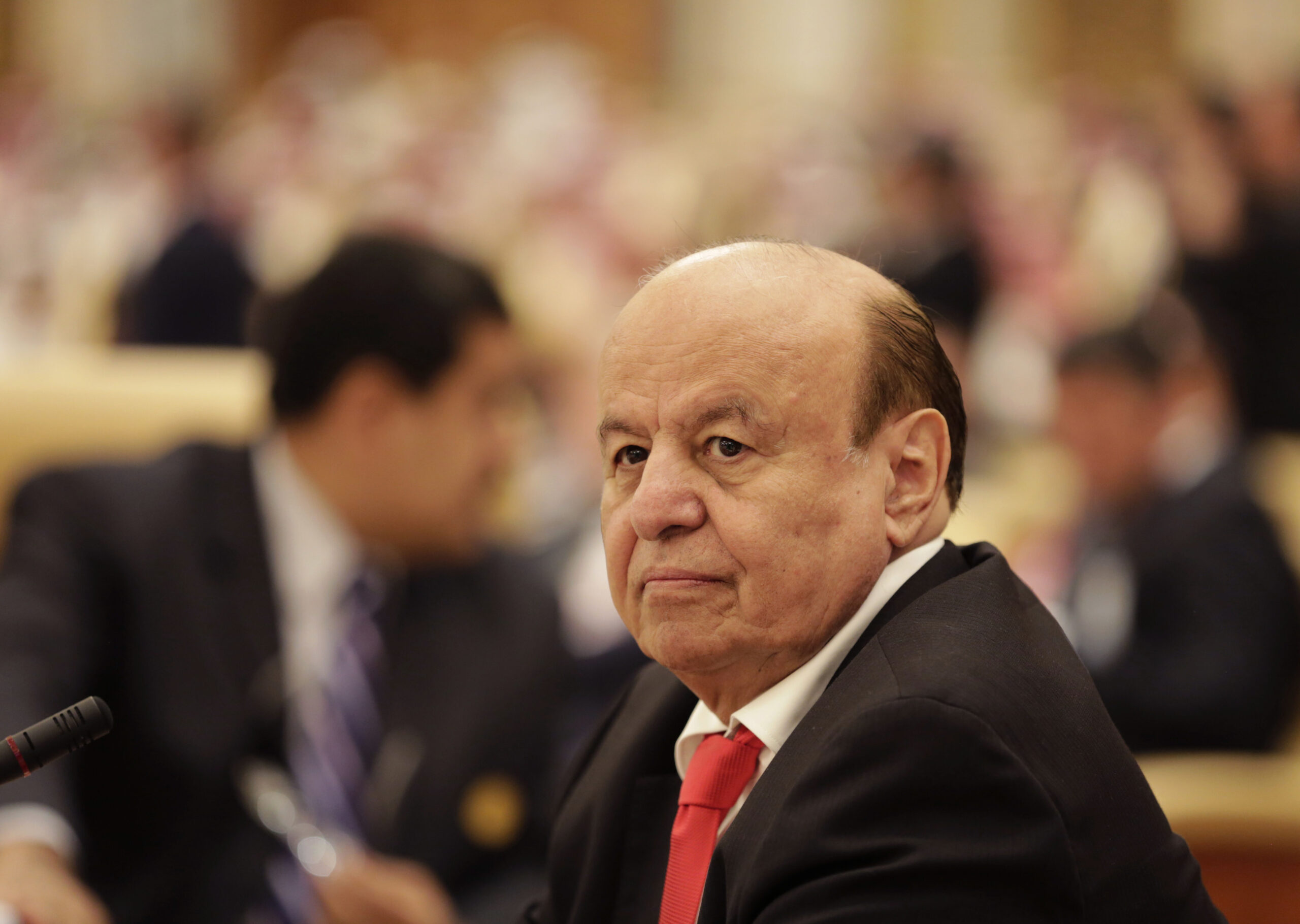
Qatar’s Dispute with Neighbors Reverberates in Yemen
On the surface, Yemen’s reaction to the Gulf crisis, in which Saudi Arabia, the United Arab Emirates, and Bahrain, along with Egypt, have broken diplomatic ties with Qatar, was rather straightforward: On June 5, Yemen’s internationally recognized government cut ties with Qatar, accusing the country of backing the Houthis and Yemen-based extremist groups. The Qatari...

Diplomatic Rift May Weaken Qatar’s Negotiating Power in Asian LNG Markets
Three weeks after the Gulf Cooperation Council’s worst crisis erupted, the diplomatic and economic boycott imposed on Qatar – the world’s largest exporter of liquefied natural gas (LNG) – has created only marginal logistical disruptions for international LNG markets and has had no impact on oil supplies. Qatar, one of the smallest producers in OPEC...

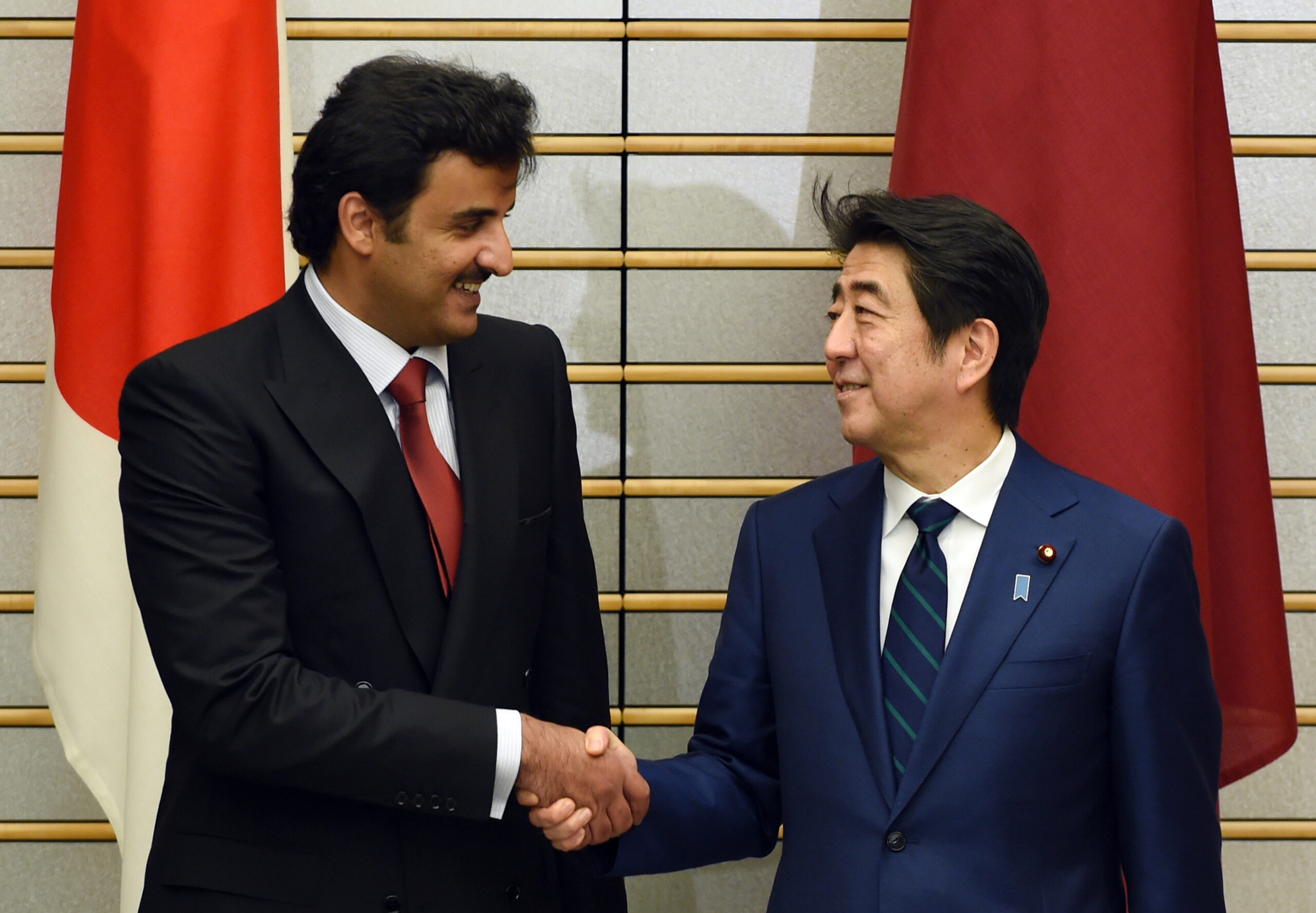
Securing the Qatari State
Challenges have now emerged from Qatar’s three closest neighbors that are testing its two-pronged security modus operandi.

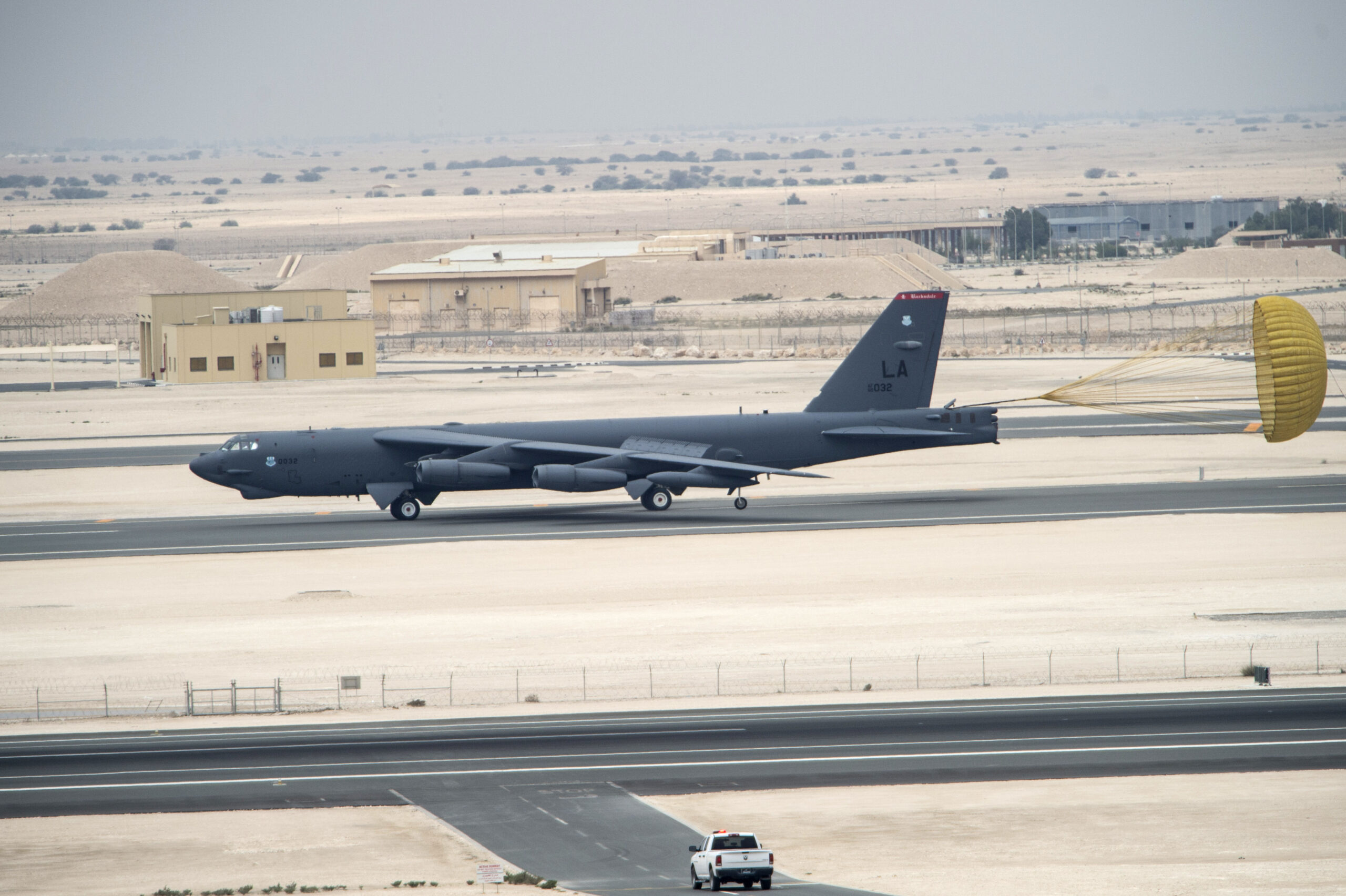
Washington’s Competing Priorities in the Qatar Crisis
On June 20, a U.S. State Department spokesperson announced what seemed to be a crucial shift in the U.S. approach to the confrontation between a group of Washington’s core Arab allies – Saudi Arabia, the United Arab Emirates, Bahrain, and Egypt – and another major partner, Qatar. Noting that “it’s been more than two weeks...

Qatar Crisis Heightens Obstacles to the Economic Reform Agenda
The isolation of Qatar is but one example of how the politics of the Gulf Arab states are getting in the way of economic diversification and transformation. While there are professed visions of change away from state-led growth, in which new private sector dynamism and the expansion of Gulf equity markets would employ citizens and...

Jun 16, 2017
GCC Crisis: Implications
As tensions across the Gulf Arab states escalate, measures taken against Qatar are impacting trade, business, and food security. Here are some implications of the ongoing diplomatic fallout with Qatar. Read Infographic

Unfulfilled 2014 Riyadh Agreement Defines Current GCC Rift
The past week has witnessed an unprecedented escalation of tensions among the Gulf Cooperation Council states, culminating with Saudi Arabia, the United Arab Emirates, and Bahrain severing ties with Qatar. AGSIW offers insights into the ongoing tensions and identifies the implications for Qatar and its GCC neighbors. Historical context is essential to understanding the escalating...

Isolating Qatar Reveals Economic Vulnerabilities of the GCC
The past week has witnessed an unprecedented escalation of tensions among the Gulf Cooperation Council states, culminating with Saudi Arabia, the United Arab Emirates, and Bahrain severing ties with Qatar. AGSIW offers insights into the ongoing tensions and identifies the implications for Qatar and its GCC neighbors. The Saudi, Bahraini, and Emirati efforts to isolate...

Saudi Leadership and Qatar Media
The past week has witnessed an unprecedented escalation of tensions among the Gulf Cooperation Council states, culminating with Saudi Arabia, the United Arab Emirates, and Bahrain severing ties with Qatar. AGSIW offers insights into the ongoing tensions and identifies the implications for Qatar and its GCC neighbors. This week has seen a precipitous escalation in...