Khamenei’s New Parliament: Cohesive, But Unrepresentative
The supreme leader’s engineering of Iran's parliamentary elections may help the regime to manage the multiple crises it is facing. But there will be consequences for narrowing the circle of the ruling elites and restricting the path for political participation for Iranian citizens.
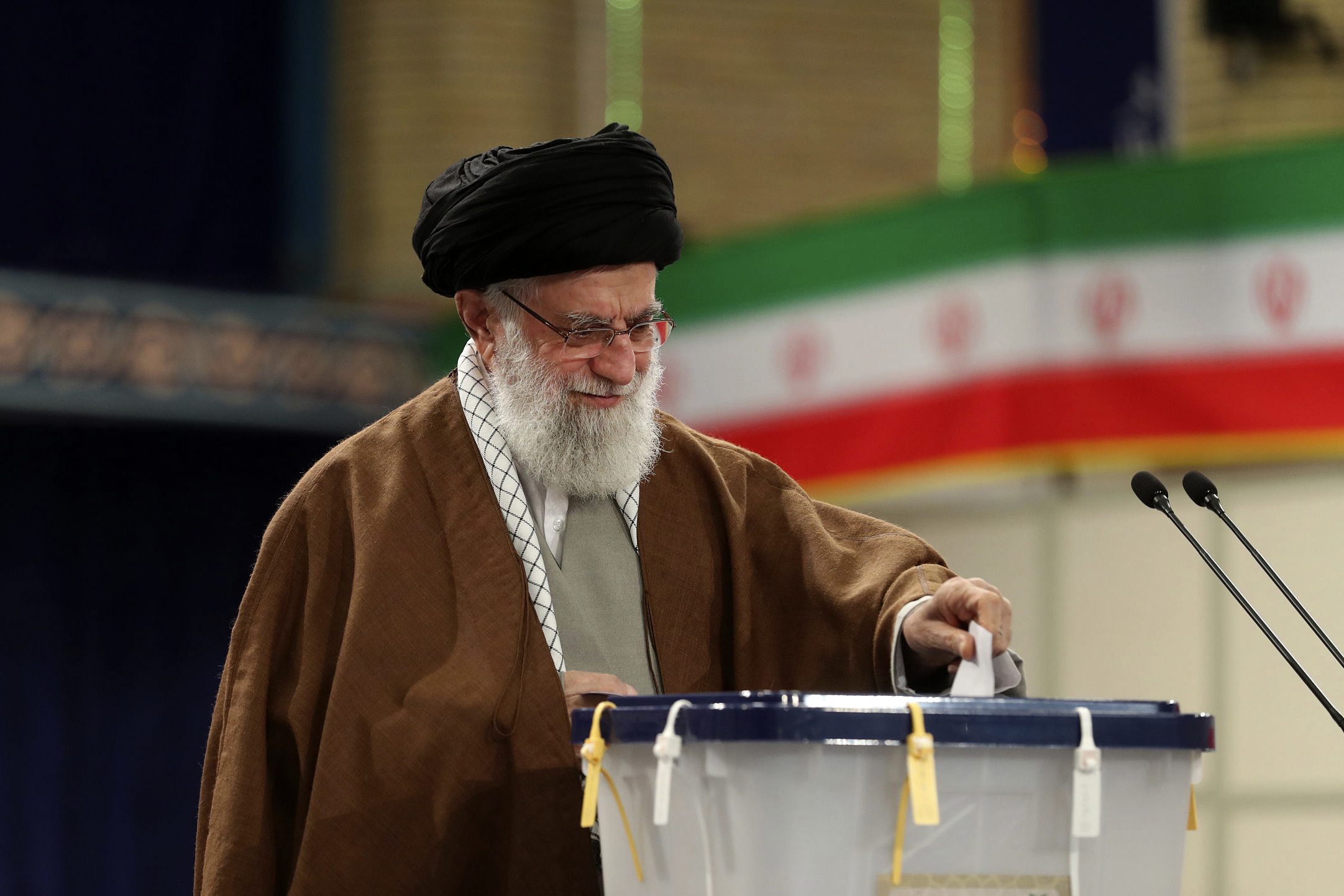
Iranian Supreme Leader Ayatollah Ali Khamenei casts his ballot in Iran's parliamentary elections, Tehran, Iran, Feb. 21. (Office of the Iranian Supreme Leader via AP)
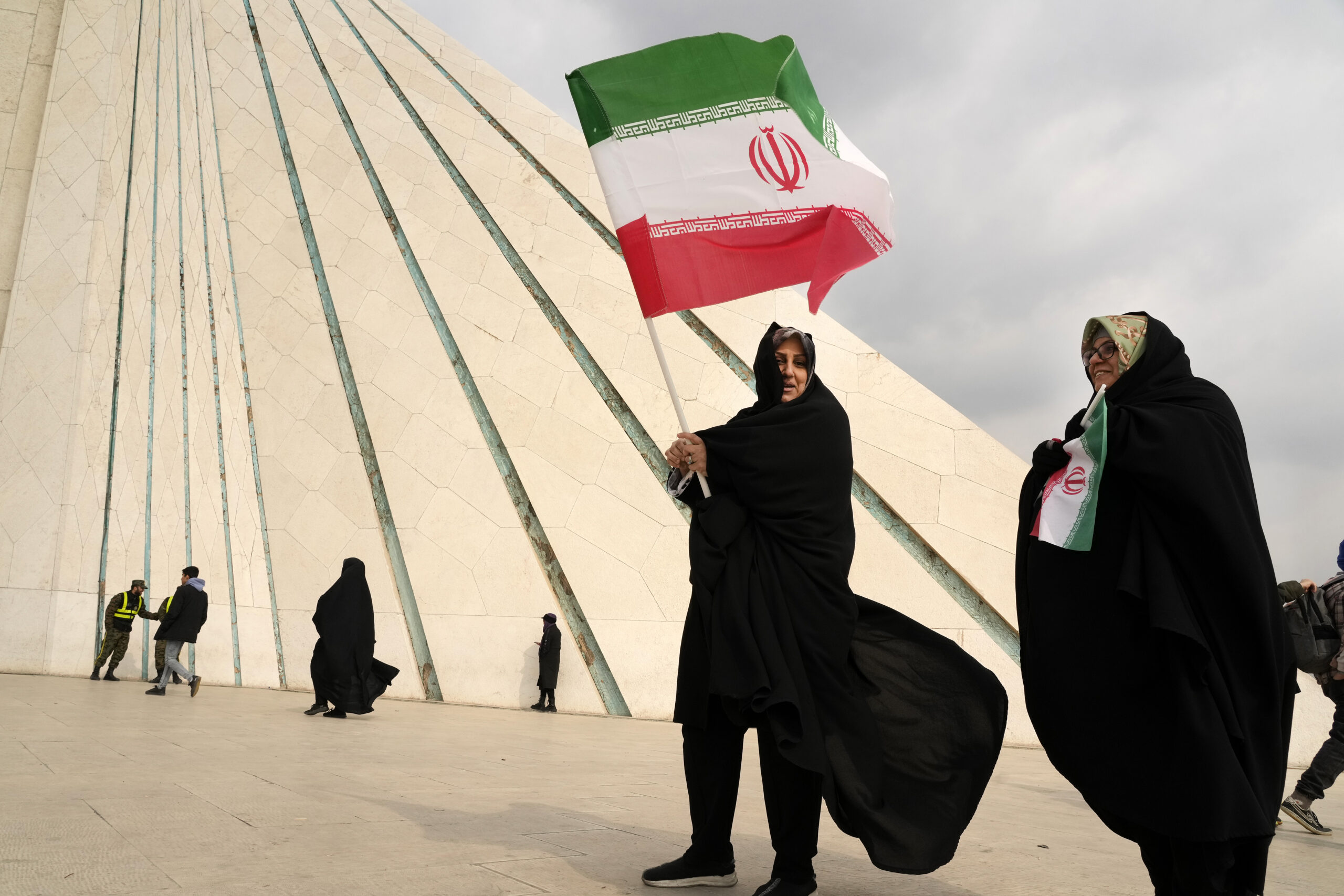
On February 21, Iran held parliamentary elections. In the face of external pressure from the United States, ongoing, albeit for the moment dormant, domestic unrest, and with leadership succession on the horizon, Iranian Supreme Leader Ayatollah Ali Khamenei opted for and got a more cohesive and less representative Parliament. In the short term, this may help the regime to manage the multiple crises it is facing. But in the longer term, there will be consequences for narrowing the circle of the ruling elites and restricting the path for political participation for Iranian citizens.
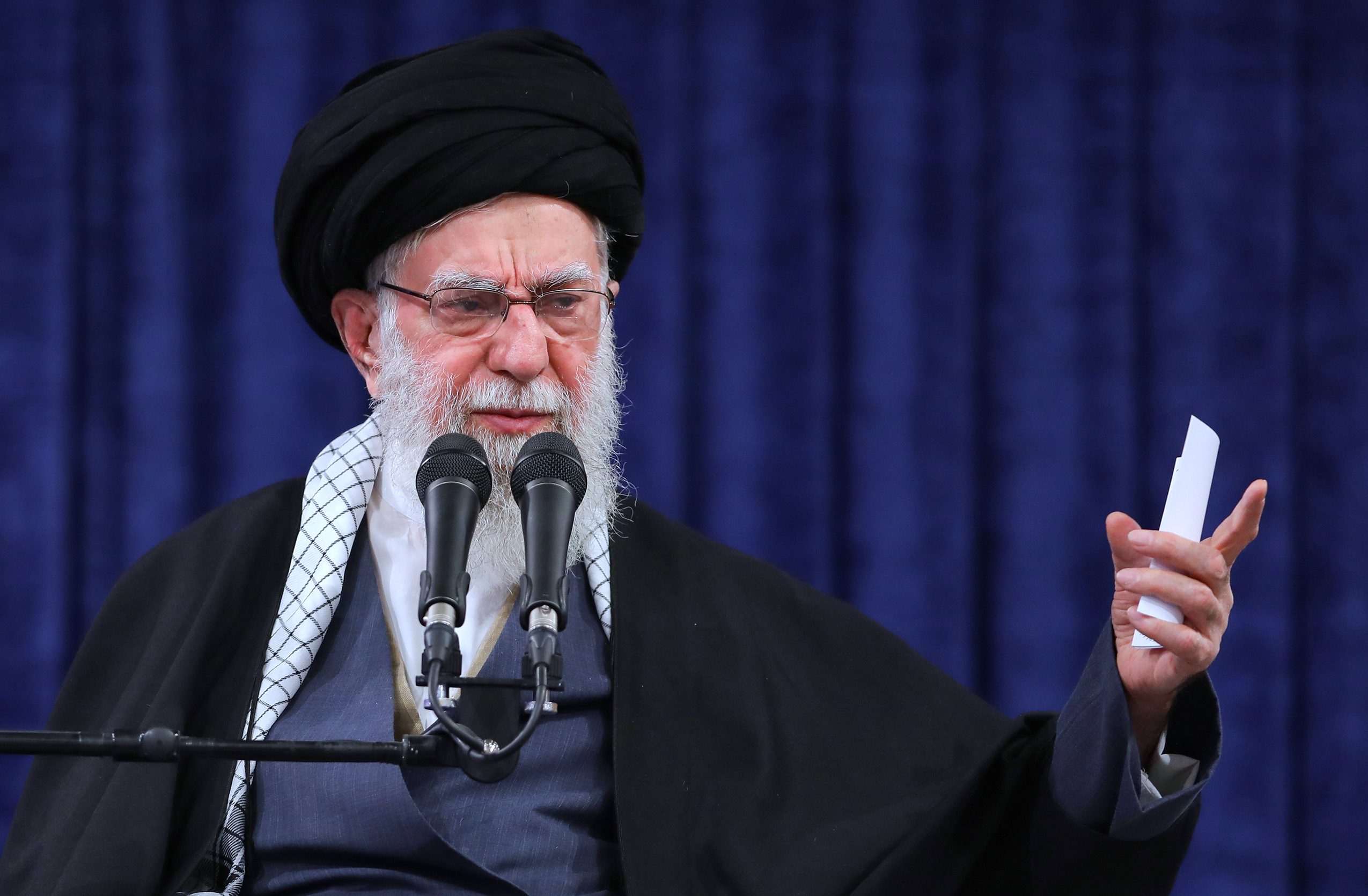
“Today is the day of realization of civic rights of the nation, which by voting, takes part in administration of the affairs of the state …” Khamenei said as he cast his vote in the parliamentary elections. He continued, stressing that voting is also “a religious duty.” Khamenei’s statements reflected his dual functions as the head of state and a religious authority.
However, only 42.57% of eligible voters heeded Khamenei’s call, marking the lowest voter turnout in a parliamentary election in the history of the Islamic Republic. In Tehran, the turnout was a mere 26%. The majority of voters boycotted the elections, in which the Guardian Council had disqualified 7,545 candidates, including 80 incumbent parliamentarians, out of 16,145 candidates.
The outcome of the elections and composition of the new Parliament was predictable: Most disqualified candidates were political allies of President Hassan Rouhani or the outgoing parliamentary speaker, Ali Larijani. Mohammad Baqer Qalibaf, a key figure in the Islamic Revolutionary Guard Corps and former mayor of Tehran, saw the rise of his political fortunes as he got the most votes in Tehran, and will most likely succeed Larijani as parliamentary speaker. While not particularly ideologically driven and a bon vivant, Khamenei apparently expects Qalibaf to transform the Parliament into a garrison of support rather than a forum for debate. This is not an easy task with this group of parliamentarians, who out of personal ambition, soon will likely start to factionalize and fight to prove who is more devout to Khamenei.
This arrangement will likely be helpful in the short term for a regime facing multiple crises. Regardless if the Islamic Republic chooses the path of diplomacy, military confrontation, or a combination of both toward the United States, a unified Parliament strengthens the regime. Such a Parliament is also unlikely to create any obstacles in the path of the regime’s suppression of politically and economically driven protests, which may resurface anytime as long as the United States continues its economic warfare against Iran. Finally, such a unified Parliament should ease the leadership succession after Khamenei.
However, there will be consequences for Khamenei and the regime for overzealously engineering the election. Khamenei himself has already lost face as more than half of eligible voters in Iran, and three-quarters of eligible voters in Tehran, ignored his call to participate in elections. How can Khamenei claim religious authority when the majority of the electorate does not obey him and ignores the “religious duty” to vote? It is also likely that the majority of the electorate disagrees with Khamenei concerning their “civic rights,” as they are only able to choose from the Guardian Council’s handpicked candidates.
The Islamic Republic will most likely also pay a price for narrowing the circle of the ruling elites of the regime. By disqualifying candidates, who for decades loyally served the Islamic Republic, including 80 incumbent parliamentarians, the regime is alienating its own servants. Each of the 7,545 disqualified candidates may emerge as an opposition figure, as was the case with earlier instances of purges in the Islamic Republic. For example, Mir Hossein Mousavi and Mehdi Karroubi were both loyal servants of the regime until they were purged in the wake of the contested June 2009 presidential election, after which they emerged as the leaders of the oppositional Green Movement.
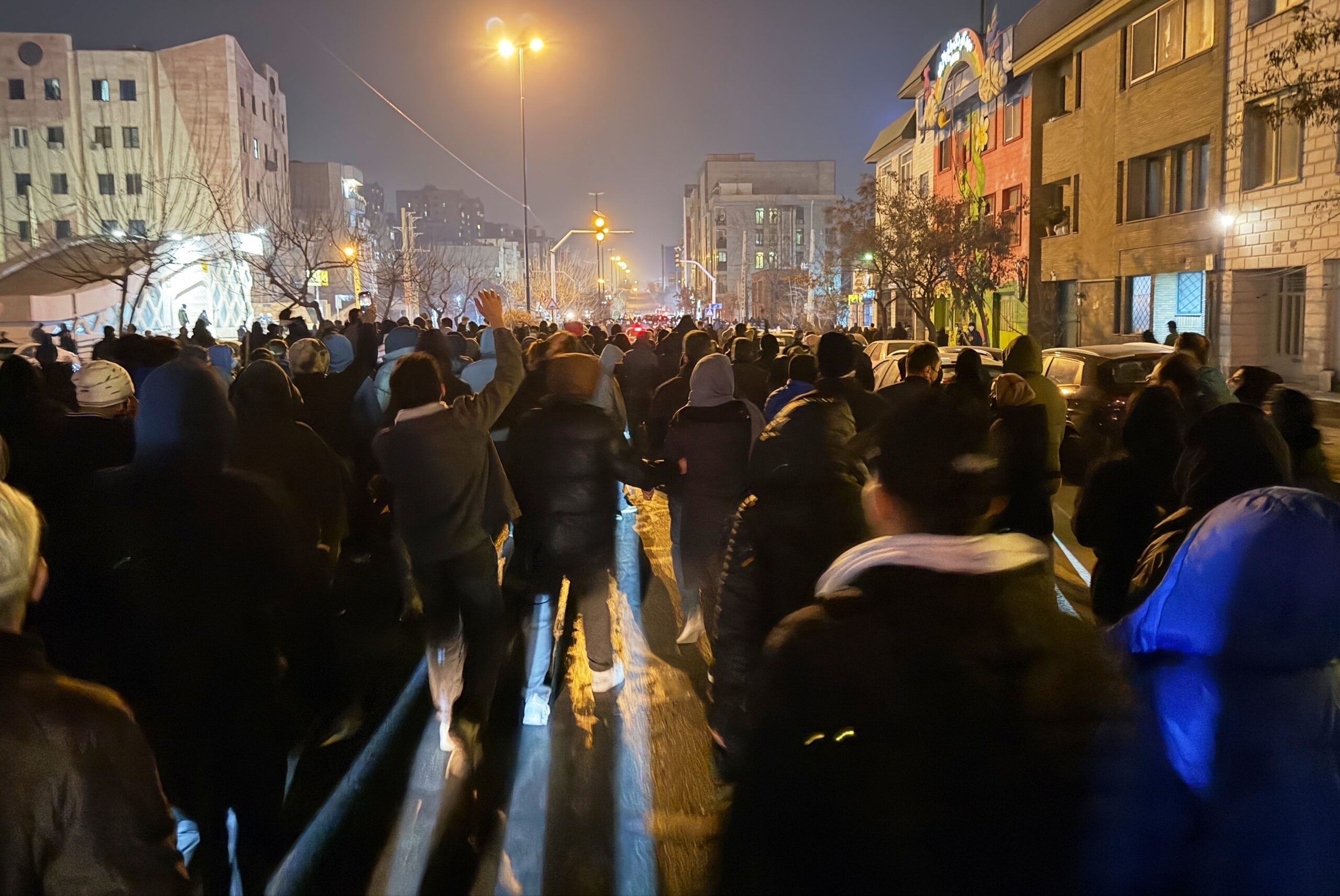
It is just as risky for the regime to deprive the electorate of the belief, or perhaps illusion, that they can take part in governance of the country through voting. That belief has for the past four decades helped the Islamic Republic maintain a degree of representative governance, popular support, and legitimacy. Once estranged from the ballot, the voters will be more likely to take their protest to the streets as a means of voicing their demands. This in turn may compel the regime to use force more frequently than is now the case.
In the short term, Khamenei’s election engineering may benefit him, but it is likely to have negative consequences for the longer term.
The views represented herein are the author's or speaker's own and do not necessarily reflect the views of AGSI, its staff, or its board of directors.
The political dynamics during the transitions in Iran in 1979 and 1989 reveal a number of similar features that will play into who will succeed Supreme Leader Ayatollah Ali Khamenei; what is new now is the role the IRGC is playing in the factional power struggle.
Iran may still call itself an Islamic Republic. In practice, however, it increasingly resembles a state in which the military governs from behind clerical robes.
Ayatollah Ali Khamenei was killed in his office in Tehran at age 86, leaving behind a country in ruins and on the verge of civil war and potential disintegration.
Iran is signaling that it will not absorb attacks passively. But whether this strategy ensures the regime’s survival, seals its fate, or accelerates a broader catastrophe will shape the region for years to come.
The erosion of the regime’s legitimacy across broad segments of society, combined with the breadth of the 2025-26 protest coalition, raises the possibility that a new confrontation could trigger renewed anti-regime mobilization.
On January 8, AGSI hosted a virtual roundtable with its leadership and scholars as they look ahead and assess trends likely to shape the Gulf region and U.S. foreign policy during the coming year.