Jan 10, 2025
IRGC Syria Veteran Criticizes Assad and Putin
The January 10 edition of the Iran Media Review explores statements made by an IRGC commander criticizing the Assad regime and Russia’s role in Syria.
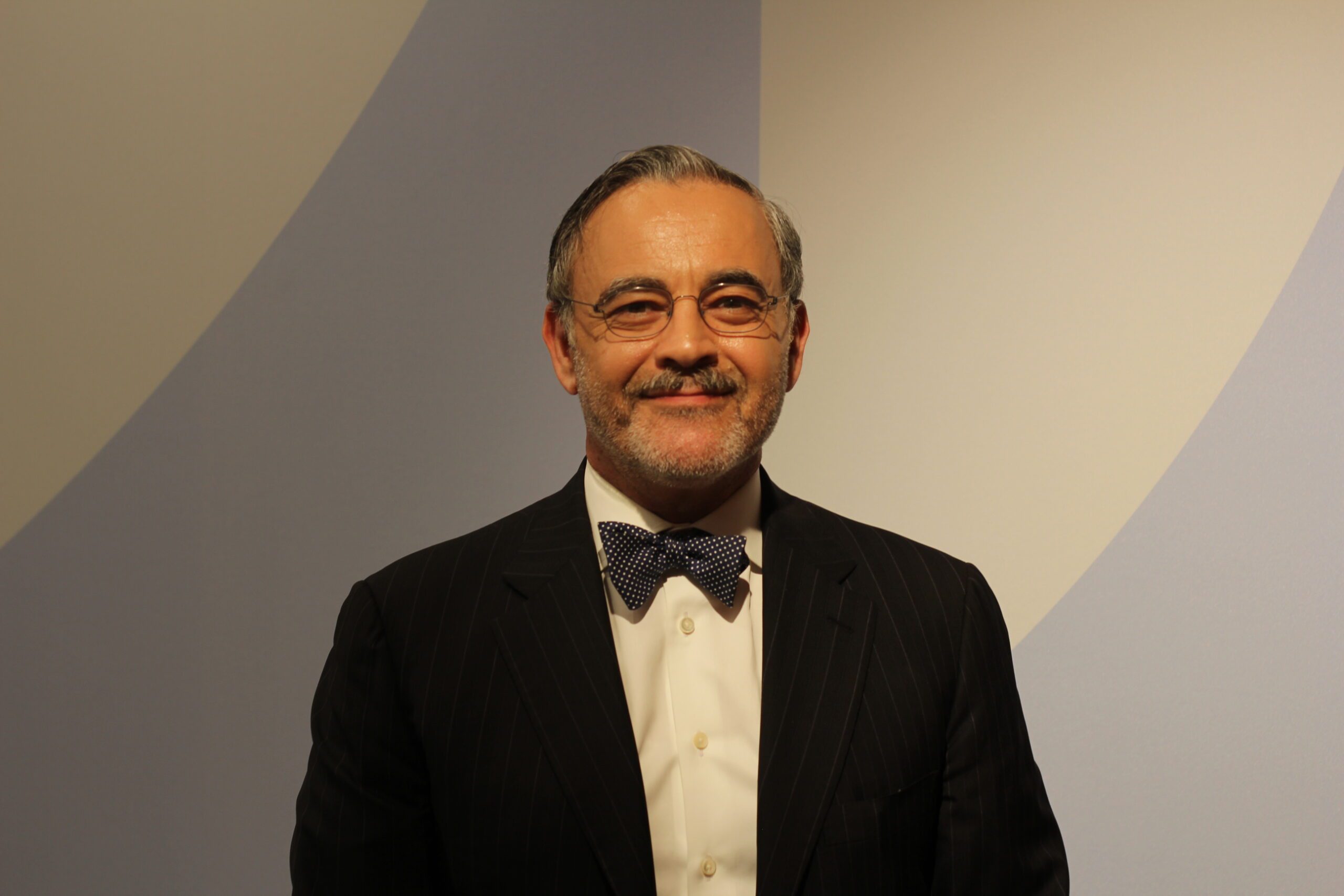
On January 7, Islamic Revolutionary Guard Corps Commander Behrouz Esbati, the public affairs director of the Joint Force Cyber Command and a veteran of Iran’s military operations in Syria, delivered a speech in Tehran in which he criticized former President Bashar al-Assad and what he described as Russia’s role in the collapse of the regime in Damascus. IRGC commanders have consistently criticized the Assad regime since the outbreak of public protests in Syria in 2011, and there are also many examples of public IRGC criticism of Russia. This raises two questions: Why did Iran support Assad to the very end, and why isn’t Iran reevaluating its perception of Russia as a strategic ally when IRGC commanders believe Russia behaves like an adversary and not an ally?
- January 7: In a recording of his speech released by Tabnak News Agency, which is affiliated with former IRGC Chief Commander Mohsen Rezaei, Esbati said:
- “Frequently, I am asked: ‘Was Bashar a traitor? Did he deliberately orchestrate these outcomes?’ My answer is no. Mr. Bashar was ideologically committed to the axis of resistance, but his conceptualization of its scope differed markedly from ours. His vision of Syria’s role in the axis of resistance was notably limited … He would say: ‘In the axis of the resistance, my role is confined to serving as a logistical platform for your efforts. You may use Syrian airspace to transport arms and munitions, but I will not engage Israel militarily.’ This constrained interpretation of the axis of resistance reflected a fundamental divergence in strategic objectives.”
- “One of our great commanders who secretly visited Damascus to meet Bashar,” most likely a reference to the Quds Force chief, Brigadier General Ismail Qaani, “told me: ‘This guy is bewitched!’ I told him: ‘The boys from Popular Mobilization Forces are ready. They were mobilized and ready for deployment in the front. But as soon as they try to enter the scene, Israeli and American planes will massacre them. We need air cover. Only Russians can provide it. I talked with Bashar for more than half an hour, but in the end, Bashar declined to talk with the Russians and said: ‘No, you call the Russians yourself!’”
- “The Russian Federation played a significant role in the systemic collapse of Syria. Following the ‘Deluge of al-Aqsa’ operation,” a reference to Hamas’ October 7, 2023 attack against Israel, “their actions were closely aligned with the Zionist regime’s strategic objectives. For instance, during the Israeli strike on our intelligence headquarters, where Martyr Sadeq,” a reference to Haj Sadeq, also known as Yousef Omidzadeh and Hojjat-Allah Omidvar, the Quds Force intelligence chief in Syria who was killed January 20, 2024, “was targeted, the Russians deliberately deactivated their radar systems, granting Israel unimpeded operational freedom.”
- “When we proposed a comprehensive defense strategy to Mr. Bashar, our approach emphasized ground operations to dismantle the opposition forces’ logistical and operational networks. Conversely, the Russians advocated for a primarily aerial campaign, promising decisive preemptive strikes that would neutralize enemy capabilities – particularly in Idlib. Despite our objections, Mr. Bashar opted for the Russian strategy. Over 20 days, three high-intensity air campaigns were executed. However, their strikes primarily targeted uninhabited deserts and civilian residential areas, sparing the operational infrastructure of Tahrir al-Sham. Russian reports falsely claimed significant damage to Tahrir al-Sham’s capabilities. Our intelligence units contradicted these claims, confirming that Tahrir al-Sham remained operationally intact. Yet our warnings were dismissed. Ultimately, the Russian intervention, marked by strategic miscalculations and actions aligned with interests of the Zionist regime, played a decisive role in the systemic collapse of Syria.”
The views represented herein are the author's or speaker's own and do not necessarily reflect the views of AGSI, its staff, or its board of directors.
Related
Iran Media Review
Jan 7, 2025
30,000 Iranians Connected to the Internet by Starlink
The January 7 edition of the Iran Media Review explores the limitations technological innovation imposes on Iran’s capacity to exert control over the internet.
Iran Media Review
Jan 3, 2025
Khamenei’s Suleimani Nostalgia
The January 3 edition of the Iran Media Review analyzes comments from Iran’s supreme leader commemorating the fifth anniversary of the killing of Quds Force chief Major General Qassim Suleimani.
Jan 7, 2025
30,000 Iranians Connected to the Internet by Starlink
The January 7 edition of the Iran Media Review explores the limitations technological innovation imposes on Iran’s capacity to exert control over the internet.
Jan 3, 2025
Khamenei’s Suleimani Nostalgia
The January 3 edition of the Iran Media Review analyzes comments from Iran’s supreme leader commemorating the fifth anniversary of the killing of Quds Force chief Major General Qassim Suleimani.
Analysis
Debating Policy in Public: Iranian Elites Turn to YouTube
Rival camps within the Islamic Republic are increasingly turning to YouTube for policy debate, but there is a limit to the regime’s tolerance for that debate.
The Committee of Six and Strategic Decision Making in Iran
Remarks by Iran’s president offer a rare glimpse of how the Islamic Republic has adapted its decision making to the absence of its supreme leader.
Mohsen Rezaei at the Helm of Iran’s Supreme National Security Council
Under Rezaei, the SNSC could prove constructive or paralyze strategic decision making.
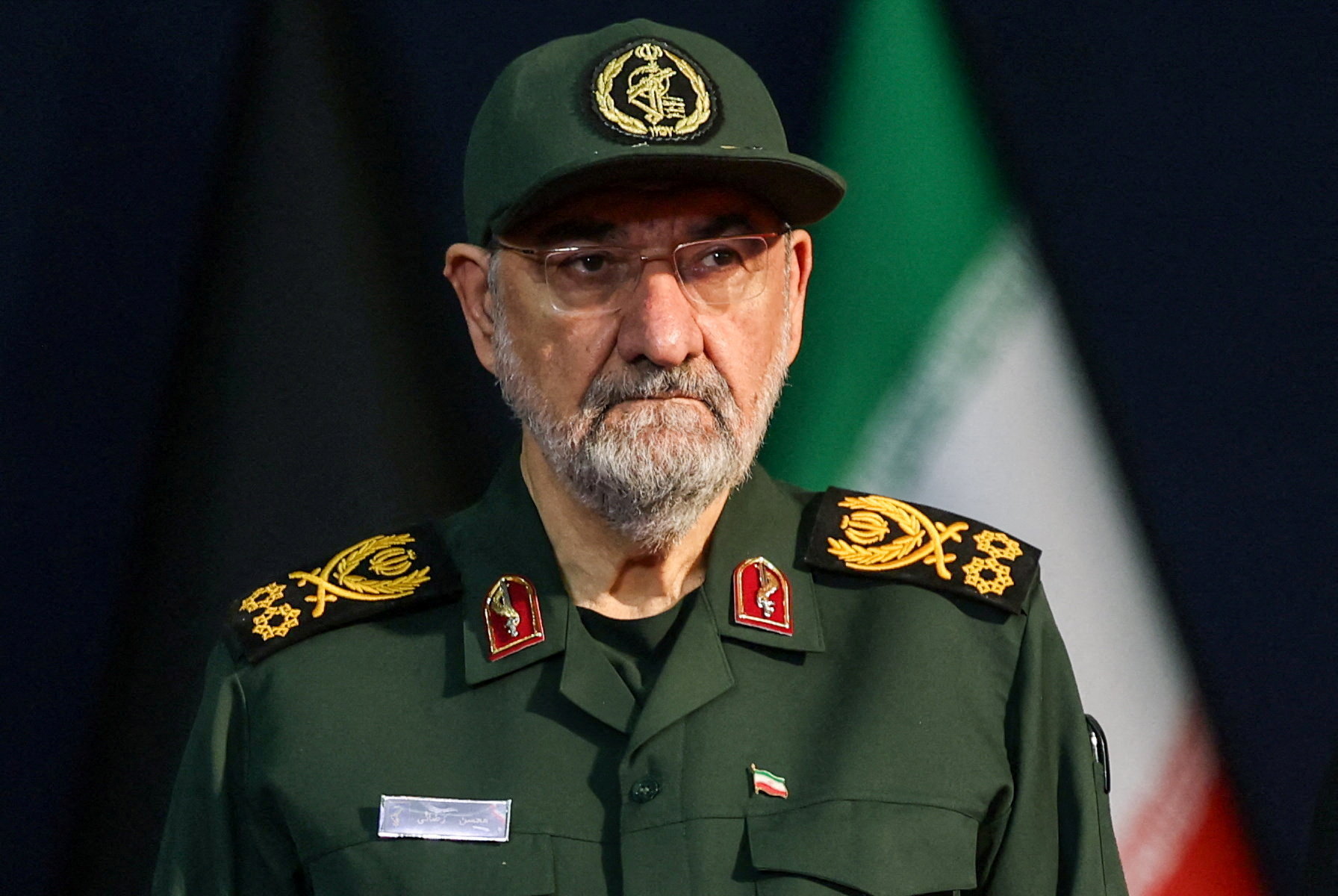
The Islamic Republic Returns to Offense
After U.S.-Israeli strikes killed Supreme Leader Ayatollah Ali Khamenei on February 28, Iran’s collective leadership has concluded that the best defense is a good offense.
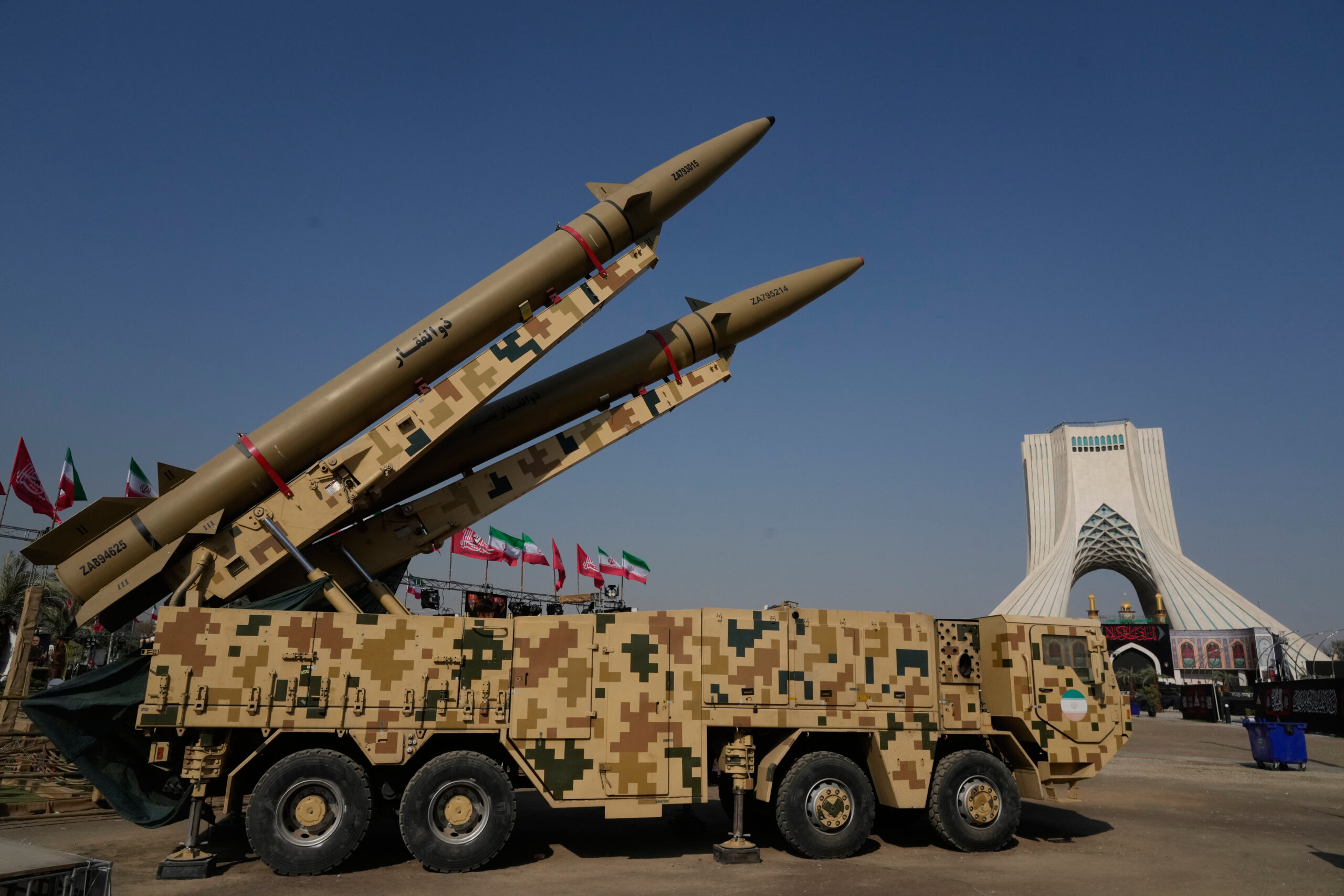
Events
Oct 6, 2026
Is the U.S.-Iran Stalemate a “New Normal” or the Prelude to Another Explosion?
On October 6, AGSI hosted a discussion on the U.S.-Iran stalemate and the prospects for a cease-fire.
Speakers



Book Talk: Iran and the Bomb: The United States, Iran and the Nuclear Question
On June 16, AGSI hosted a discussion on the evolution of Iran's nuclear program.
Speakers
Apr 21, 2026
Inside Iran’s Wartime Leadership: Power, Succession, and Regime Stability
On April 21, AGSI hosted a discussion on the evolution of Iran's leadership during the war.
Speakers

Mar 18, 2026
In Its Conflict With the United States and Israel, Does Escalation Favor Iran?
On March 18, AGSI hosted a discussion on the escalation of the Iran war.
Speakers