Nov 15, 2024
IRGC Split on How to Deal With Trump
The November 15 edition of the Iran Media Review explores calls among Iranian regime elites for exercising forbearance with the United States and warnings this will be met with aggression.

Iran’s technocratic elites, reformist media outlets, and all former foreign ministers are encouraging President Masoud Pezeshkian to find a formula to accommodate President-elect Donald J. Trump. However, Islamic Revolutionary Guard Corps mouthpiece Javan newspaper warns this would only encourage the next U.S. administration to increase its “aggression” against Iran.
- November 13: Reformist Ham-Mihan provided an account of a November 12 meeting between Pezeshkian and senior Iranian diplomats in Tehran:
- “Yesterday, the president convened with top diplomats to discuss foreign policy … Former Foreign Minister Mohammad Javad Zarif, now the president’s strategic affairs advisor, was present alongside current Foreign Minister Abbas Araghchi. Other attendees included past foreign ministers: Ali Akbar Salehi, Kamal Kharazi, and Ali Akbar Velayati. Also present was Mehdi Sanaei, a political advisor to the president who previously served as Iranian ambassador to Moscow; Seyyed Mohammad Sadr, who currently serves on the Expediency Council but previously served as deputy foreign minister; and Mahmoud Vaezi, a technocrat who previously served in President Hassan Rouhani’s Cabinet.”
- “First, Pezeshkian addressed Iran’s global relations and stated: ‘We are advancing our partnerships with China, focusing on infrastructure and construction projects. With Russia, we are collaborating on transit routes and a gas pipeline expansion. India is pressing for the activation of Chabahar port, while Persian Gulf nations are similarly interested in connectivity projects … Negotiations continue with European states, although the Zionist regime’s interference remains an obstacle.’”
- Turning to the United States, Pezeshkian commented, “When I started my official work as president, I said we ought to be merciful to our friends and exercise forbearance with our enemies. Today, I believe this more than ever before. In order to attend to our domestic issues and develop our countries, we must improve our international relations, reduce tensions, and prepare the ground for cooperation with regional and other countries … Even when it comes to relations with America, in my view, we will inevitably confront the United States on the international stage; it is best we steer this process … Ultimately, the Cabinet will shape foreign policy within the regime’s strategic framework.”
- The article also featured responses from academics to Pezeshkian’s remarks, including strategic affairs expert Diaco Hosseini, who reflected, “While disagreements with the U.S. persist, perpetual hostility is not our fate.”
- November 14: In a front page editorial, Javan newspaper, a mouthpiece of the IRGC, responded to Pezeshkian’s call for “showing forbearance with our enemies”:
- “Anyone reading that the order has been issued to show forbearance with enemies … will think we have prevailed in the fight against the United States and must now exercise forbearance … If we interpret these statements as a prelude to secret negotiations with Trump, even before he is sworn in, things get even worse. Past experience tells us that we can’t trust the United States, even if they put their hand on the Bible and swear … Just look at Trump’s Cabinet appointees: lunatics! What do you think they will think when they hear you want to show forbearance?! When facing lunatics, we must be wise … Exercising forbearance in the face of aggression will only encourage them to engage in more aggression. The president should not be fooled by his ignorant friends who are encouraging him to abandon hostilities with the United States. After all, it was not us who started hostilities.”
The views represented herein are the author's or speaker's own and do not necessarily reflect the views of AGSI, its staff, or its board of directors.
Related
Iran Media Review
Nov 12, 2024
Iranian Technocrats Suggest It Is “Time to End Hostilities”
The November 12 edition of the Iran Media Review evaluates the position of technocratic elites urging Iran to cease hostilities with the United States as well as the measured response from the IRGC.
Iran Media Review
Nov 8, 2024
Iran’s State-Censored Media Divided on President-Elect Trump
The November 8 edition of the Iran Media Review evaluates commentary on Trump again winning the presidency in the United States.
Nov 12, 2024
Iranian Technocrats Suggest It Is “Time to End Hostilities”
The November 12 edition of the Iran Media Review evaluates the position of technocratic elites urging Iran to cease hostilities with the United States as well as the measured response from the IRGC.
Nov 8, 2024
Iran’s State-Censored Media Divided on President-Elect Trump
The November 8 edition of the Iran Media Review evaluates commentary on Trump again winning the presidency in the United States.
Analysis
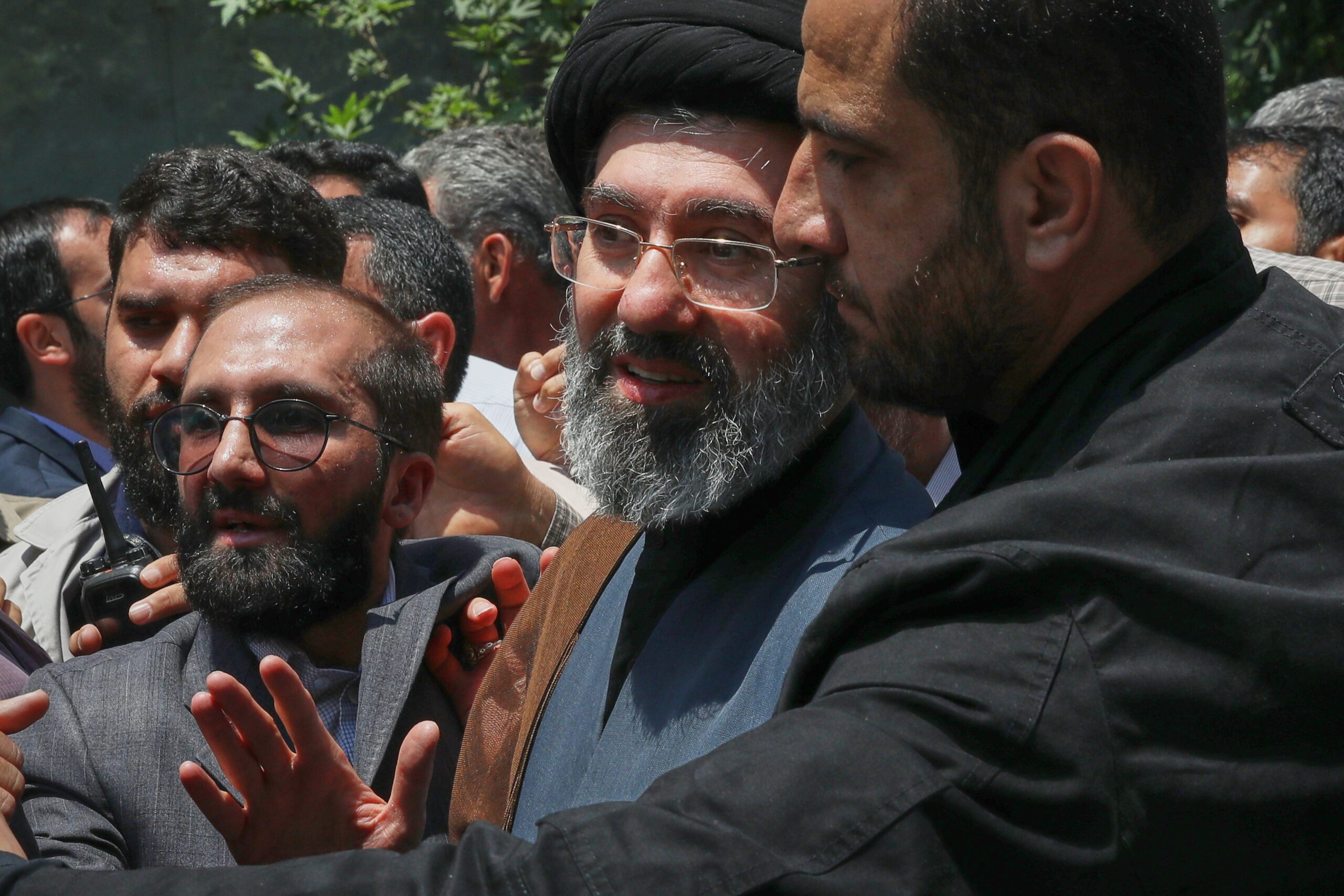
Under Mojtaba, the IRGC Will Reign Supreme
Iran may still call itself an Islamic Republic. In practice, however, it increasingly resembles a state in which the military governs from behind clerical robes.
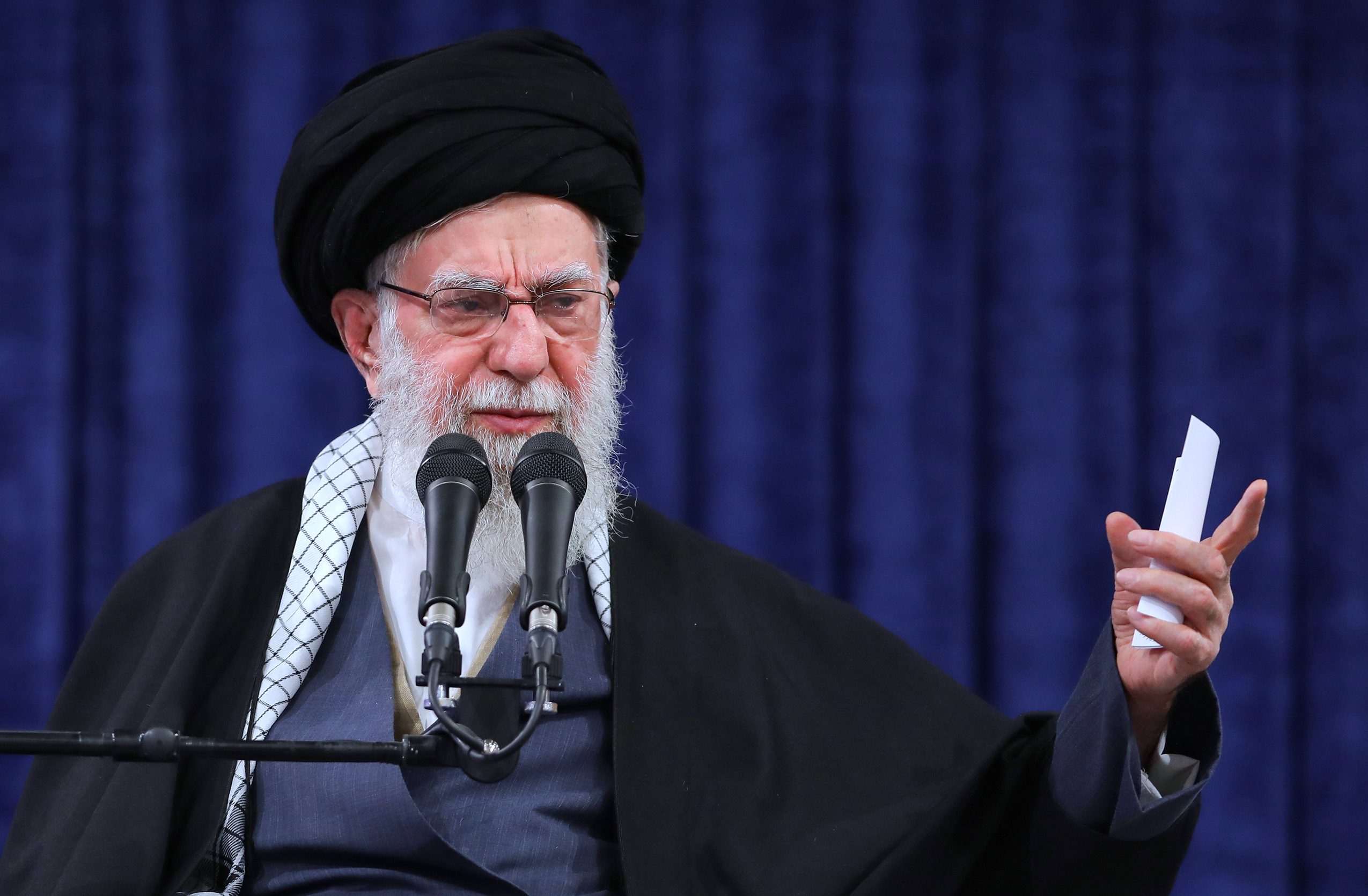
Political Life and Legacy of Iran’s Ayatollah Khamenei
Ayatollah Ali Khamenei was killed in his office in Tehran at age 86, leaving behind a country in ruins and on the verge of civil war and potential disintegration.
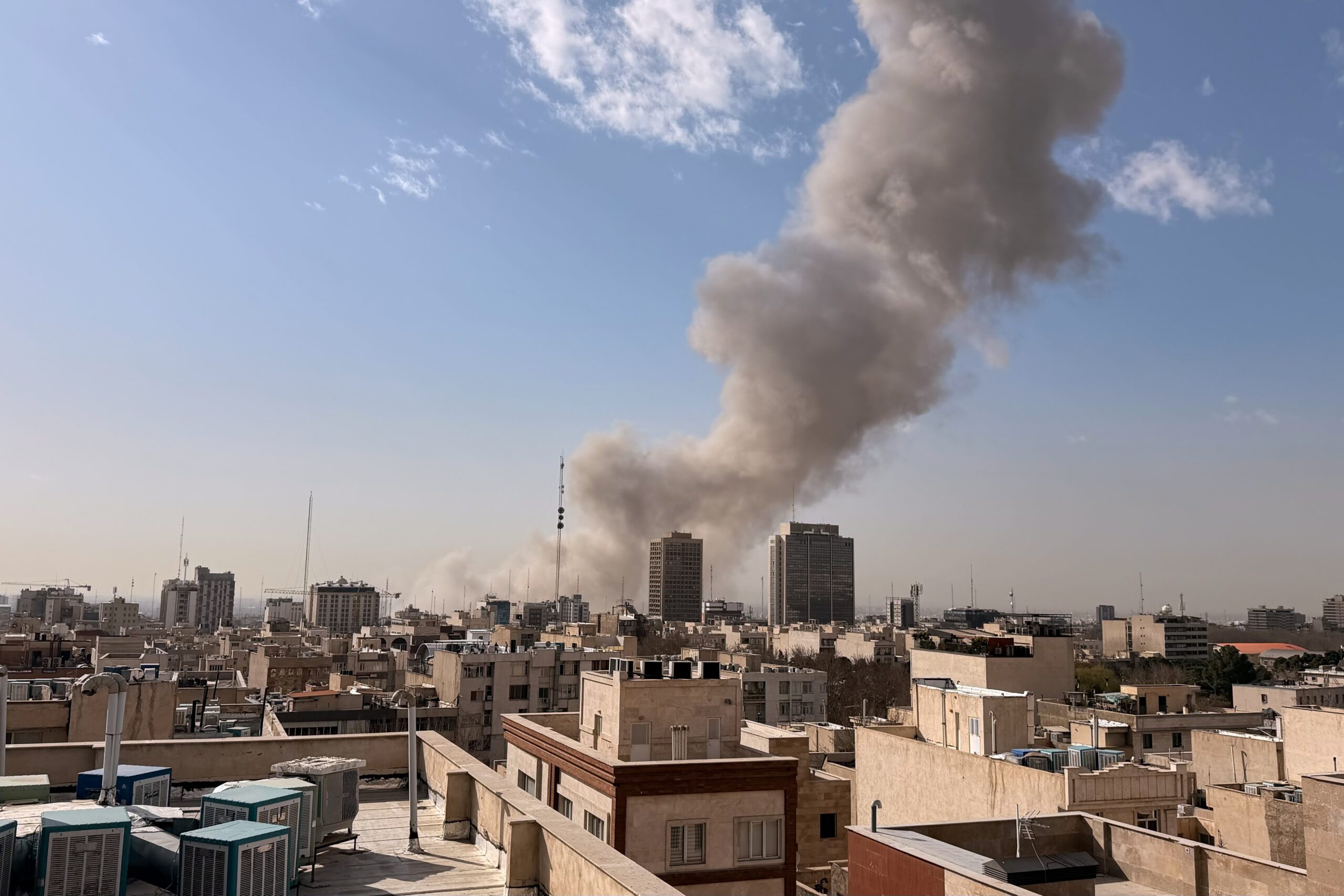
Iranian Regime Fighting for Survival
Iran is signaling that it will not absorb attacks passively. But whether this strategy ensures the regime’s survival, seals its fate, or accelerates a broader catastrophe will shape the region for years to come.
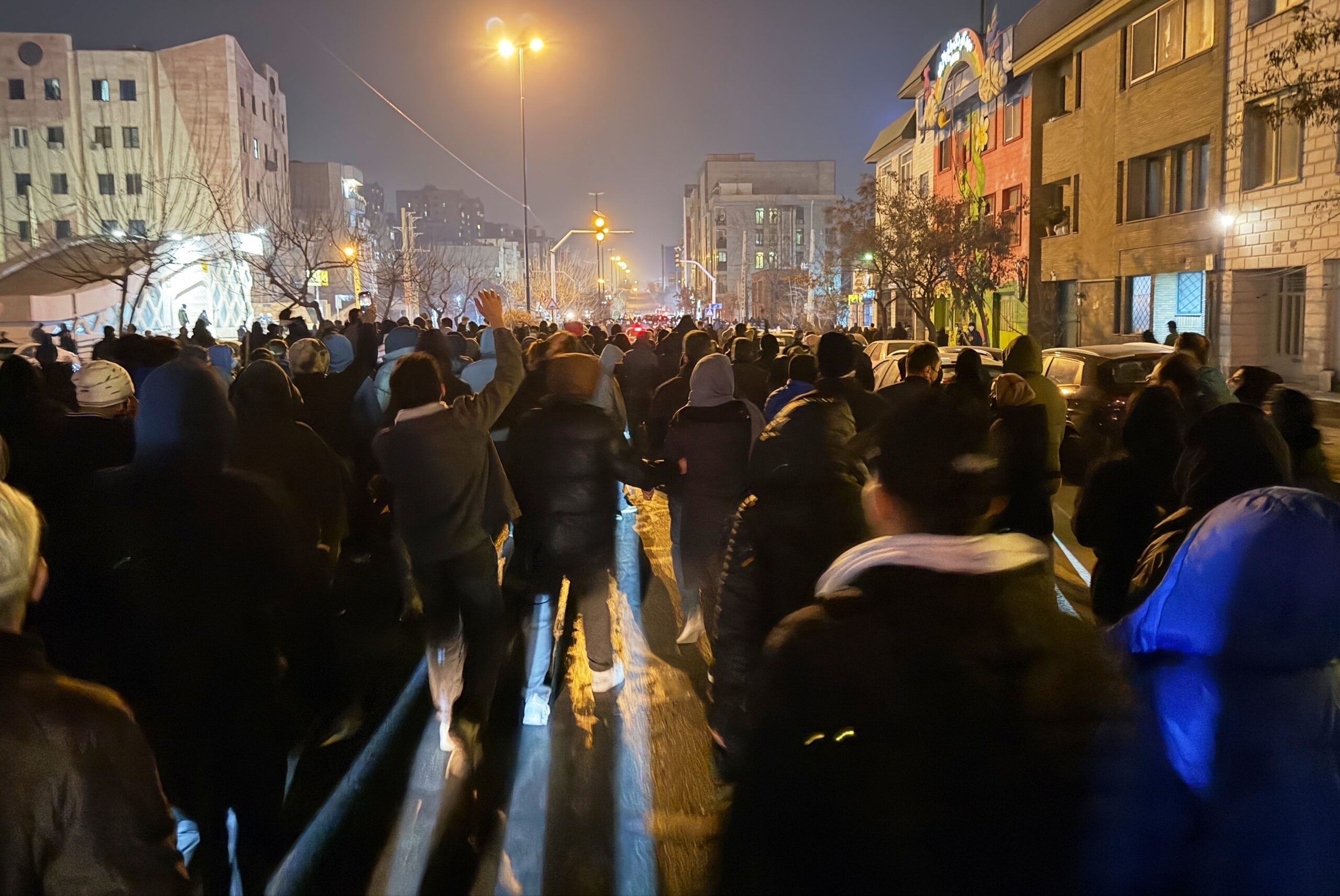
Iran’s 2025-26 Protests in Perspective
The erosion of the regime’s legitimacy across broad segments of society, combined with the breadth of the 2025-26 protest coalition, raises the possibility that a new confrontation could trigger renewed anti-regime mobilization.
Events
Mar 2, 2026
After the Shock: Implications of the U.S.–Israeli Strikes and Iran’s Leadership Transition
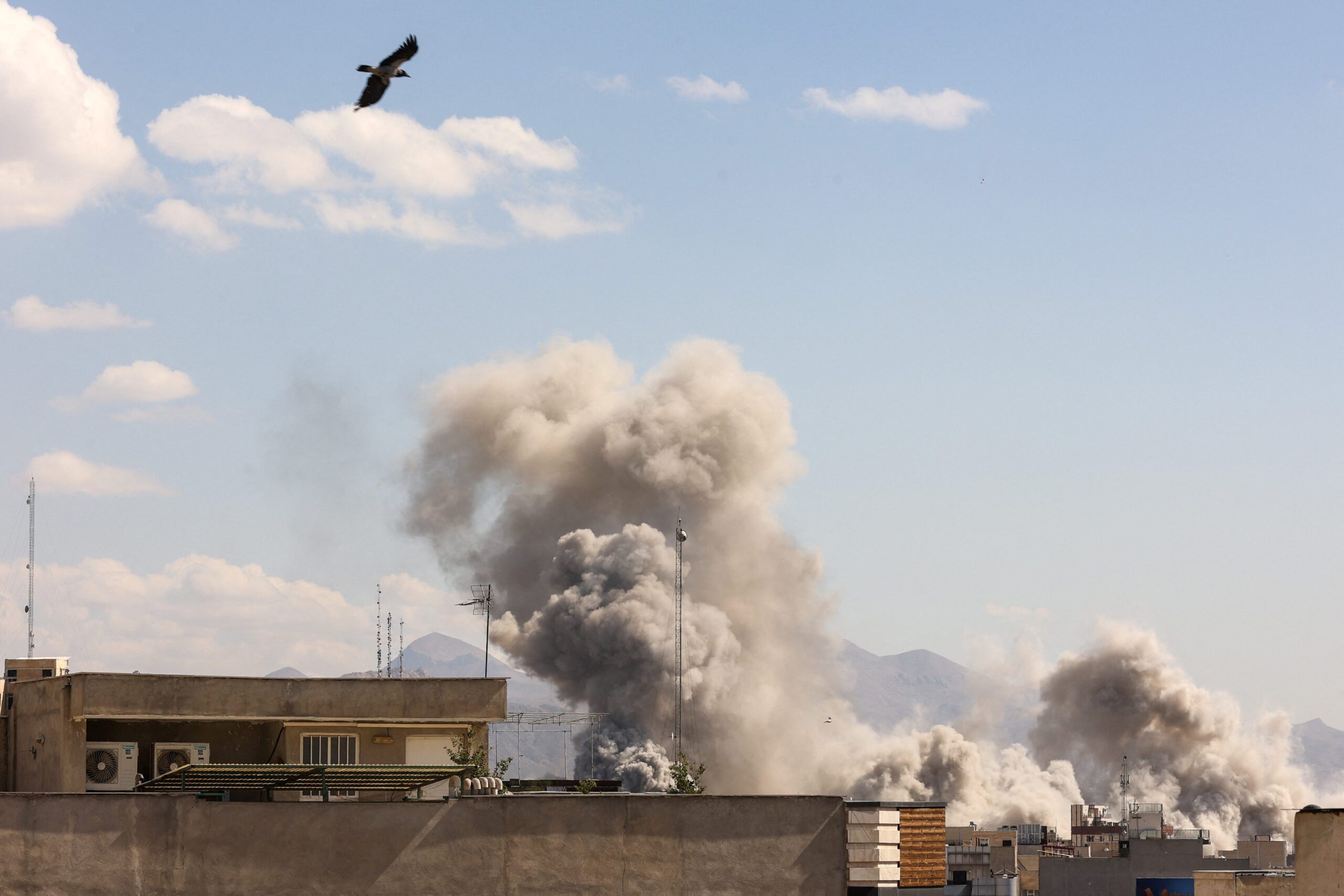
On March 2, AGSI hosted a discussion on the U.S.-Israeli strikes on Iran.
Speakers




Jan 8, 2026
Outlook 2026: Prospects and Priorities for U.S.-Gulf Relations in the Year Ahead
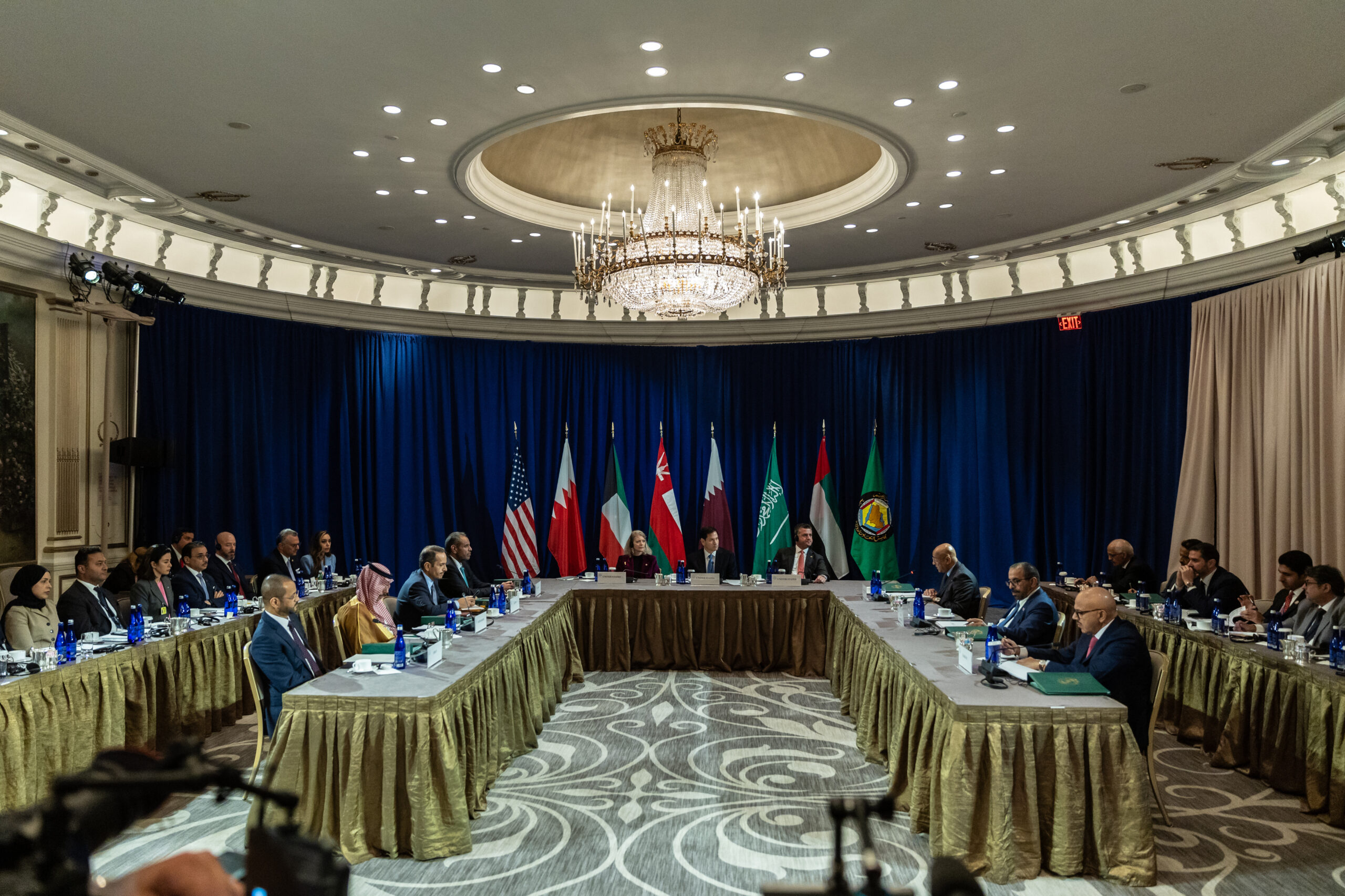
On January 8, AGSI hosted a virtual roundtable with its leadership and scholars as they look ahead and assess trends likely to shape the Gulf region and U.S. foreign policy during the coming year.
Speakers


Sep 16, 2025
Book Talk: Iran’s Grand Strategy: A Political History
On September 16, AGSI hosted a discussion on the roots of Iran's strategic outlook.
Speakers
Jun 23, 2025
U.S. Strike on Iran: Regional and Diplomatic Fallout
On June 23, AGSI hosted a discussion on the United States' attack on Iranian nuclear sites.
Speakers
