Everything at Once: Transformation of Abu Dhabi’s Oil Policy
Abu Dhabi traditionally managed its oil and gas resources cautiously and conserved hydrocarbon wealth for future generations, but the energy transition is reshaping its strategy.
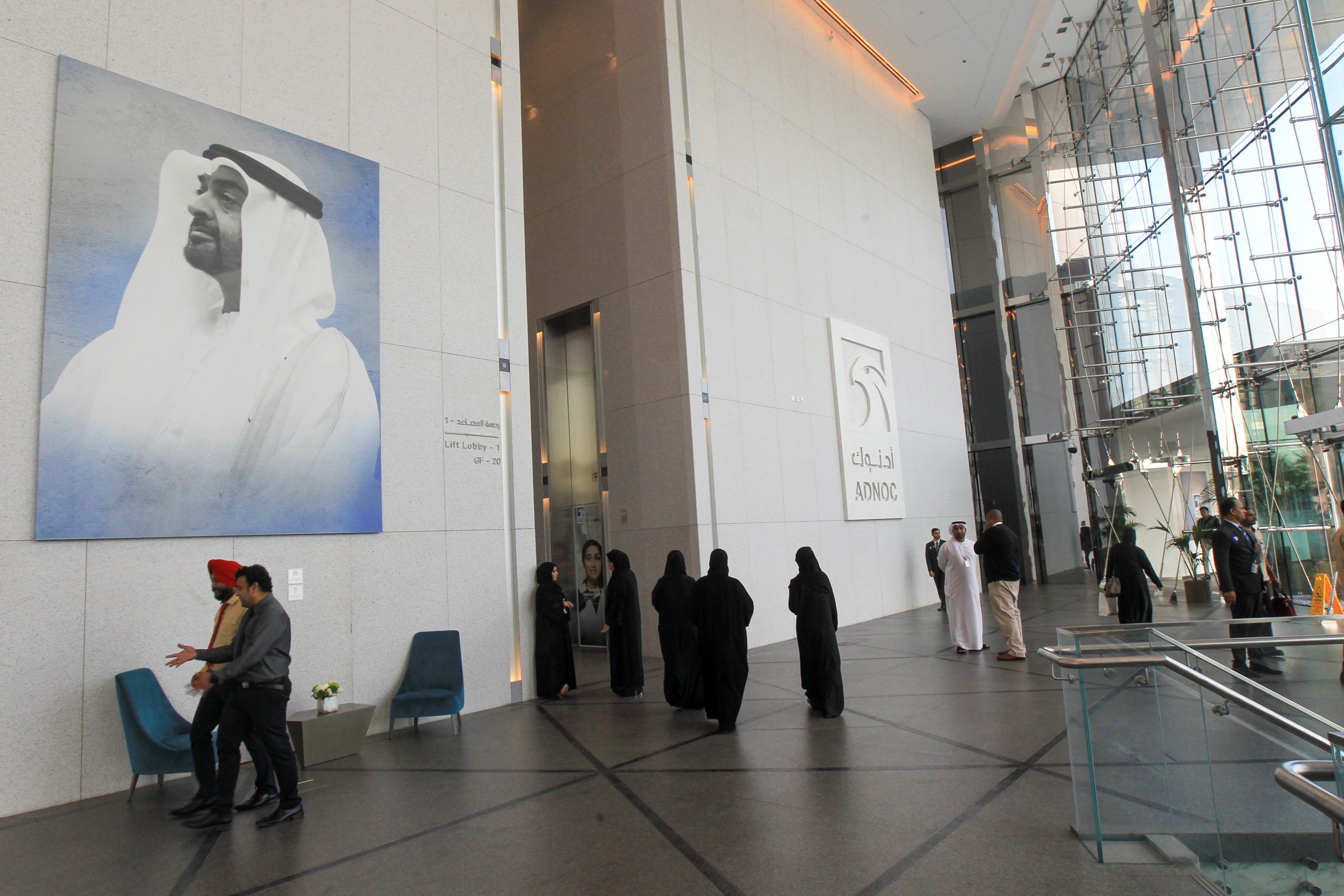
'ADNOC headquarters in Abu Dhabi, UAE December 10, 2019 (REUTERS/Satish Kumar)'
Executive Summary
Under Crown Prince Mohammed bin Zayed al-Nahyan, Abu Dhabi has made a fundamental shift in oil policy since 2016. Abu Dhabi traditionally managed its oil and gas resources cautiously and conserved hydrocarbon wealth for future generations, but the energy transition is reshaping its strategy. The Abu Dhabi National Oil Company has restructured its major onshore and offshore concessions, launched two bid rounds to license much of its acreage, and partly privatized elements of its downstream, midstream, and drilling segments. It plans to raise oil production capacity from 4.2 million barrels per day to 5 mb/d by 2030, and it has launched a new futures contract for its Murban crude. The United Arab Emirates’ growth agenda is at odds with continued production restraint, and there are important implications for OPEC.
The conflict with Iran has curtailed the supply of oil from the Gulf, pushing up the price of the medium and heavier grades it usually exports relative to lighter grades.
OPEC+ producers are increasing output in the face of a global economic downtown. This will be a major test for non-OPEC producers, but OPEC+ seems confident that time is on its side.
Gulf national oil companies represent a new pool of capital for global gas investment, and with some of their first forays in the United States, Gulf gas deals suggest Washington’s relations with Riyadh and Abu Dhabi are improving.
On July 8, AGSIW hosted a private briefing on the developing OPEC+ dispute and the repercussions for the future of the alliance as well as Saudi-UAE relations.