Oman
Sep 24, 2026
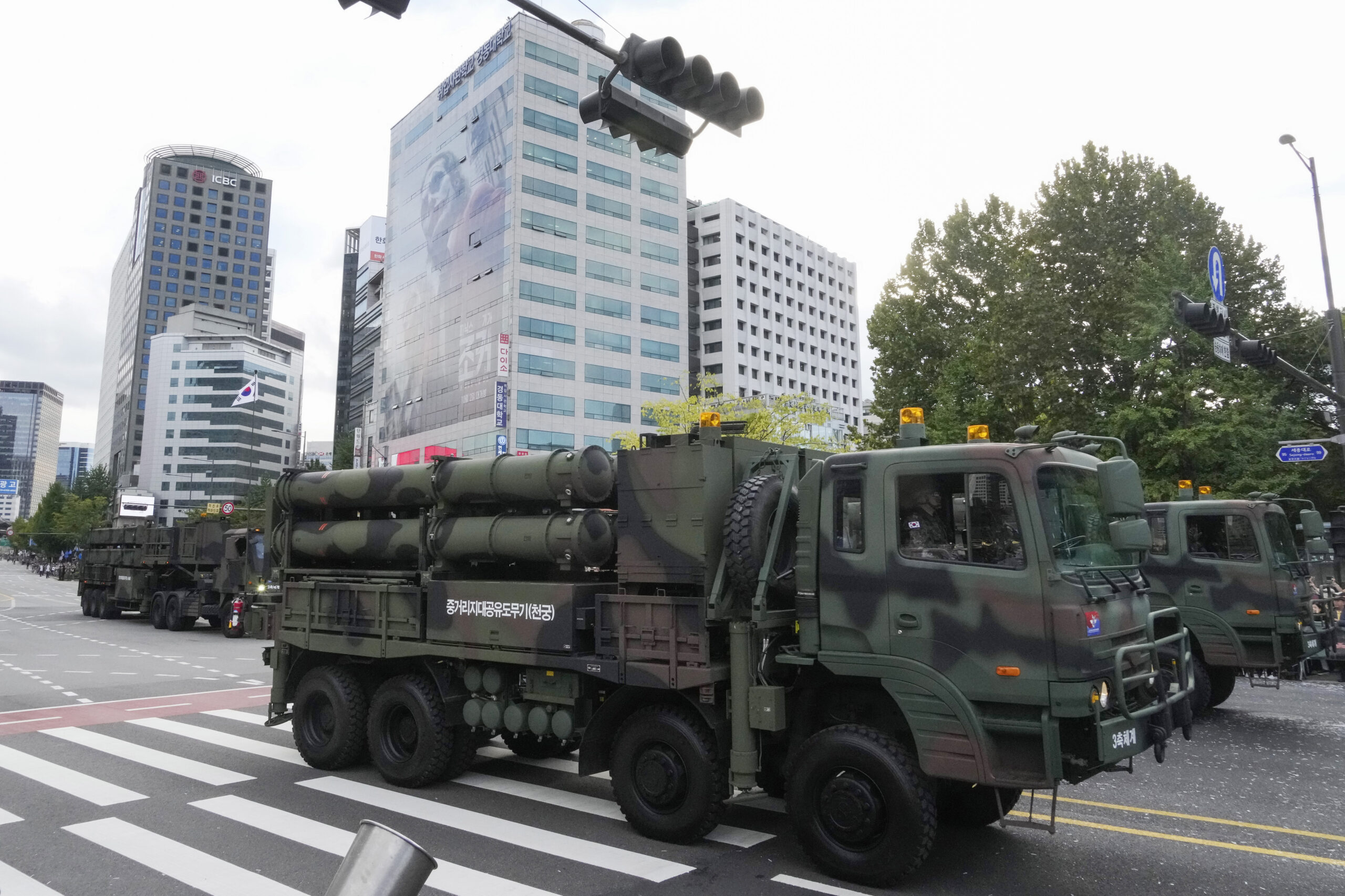
The Gulf’s Shift to Layered Security
Gulf states are combining military modernization, diplomacy, diversified external partnerships, and domestic resilience into a new framework for regional security.

Sep 3, 2026
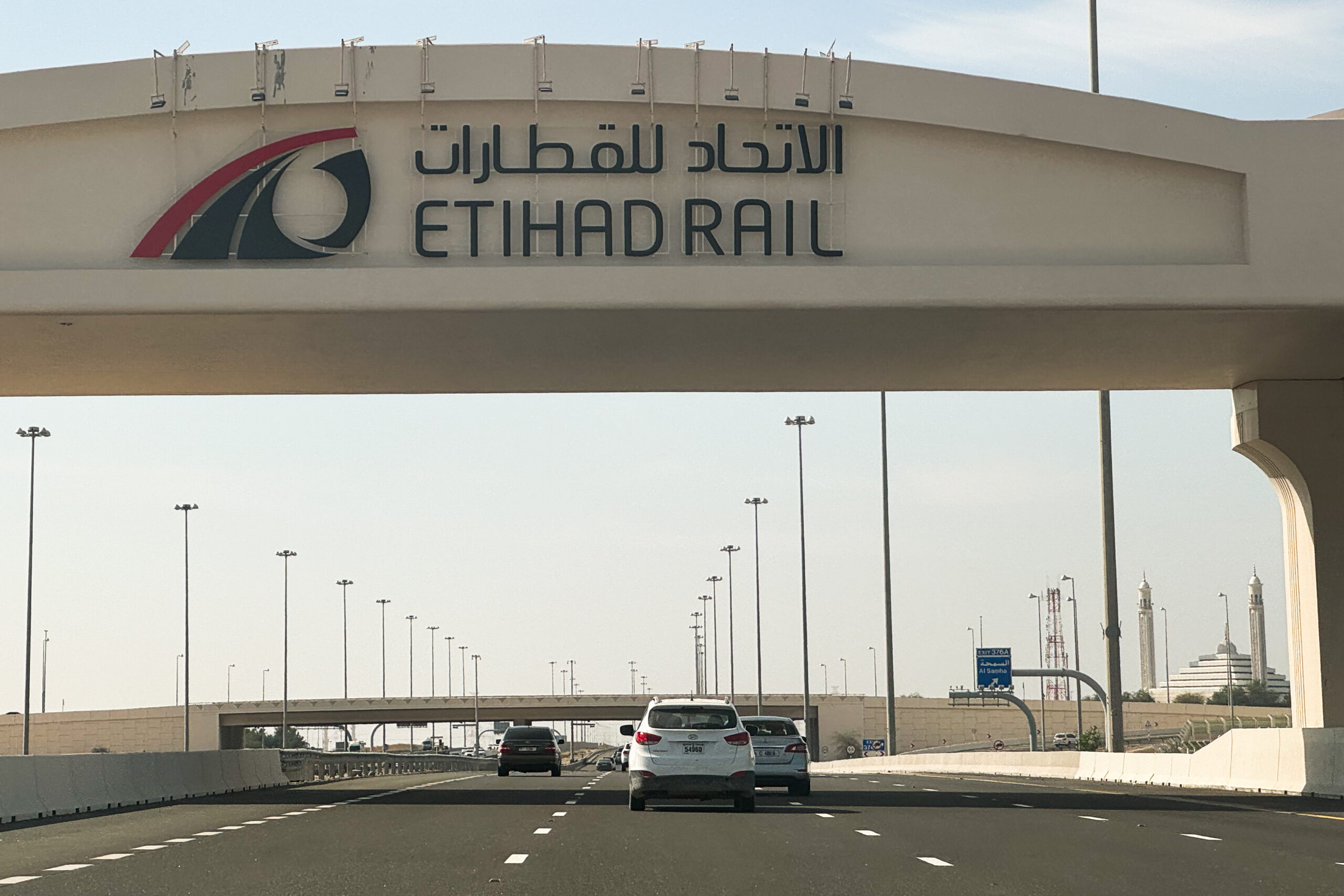
The Gulf Economic Infrastructure Buildout
Gulf countries are at the center of an emerging regional economic infrastructure expansion, but the implications will be global in nature.

Aug 21, 2026
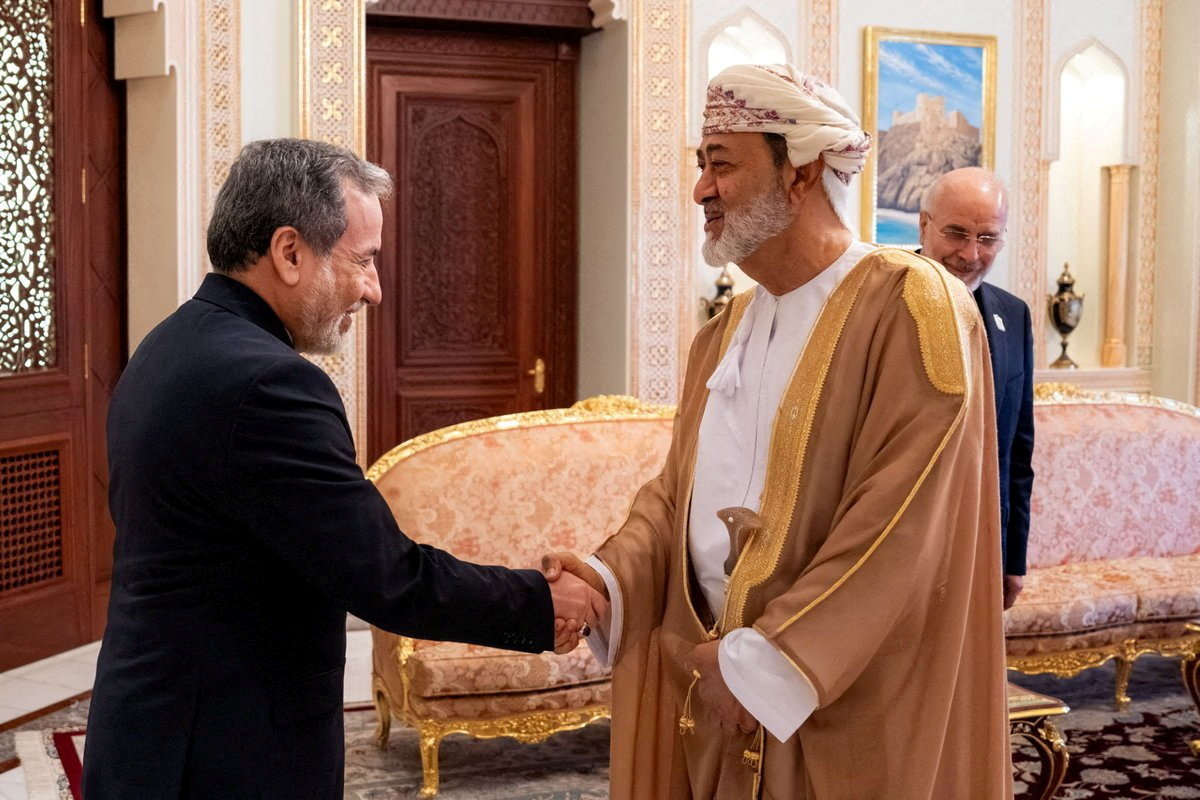
Oman’s Quiet Return to the Region’s Center
Oman’s divergence from the other Gulf Arab states could help shape the postwar regional order and determine the future of the Strait of Hormuz.

Aug 10, 2026
Pension Reform Joins the Gulf’s Talent Retention Toolkit
The Gulf states want to reduce their dependence on expatriates without losing the professionals they still need for economic diversification. Pension reform is becoming part of that bargain.

Aug 3, 2026
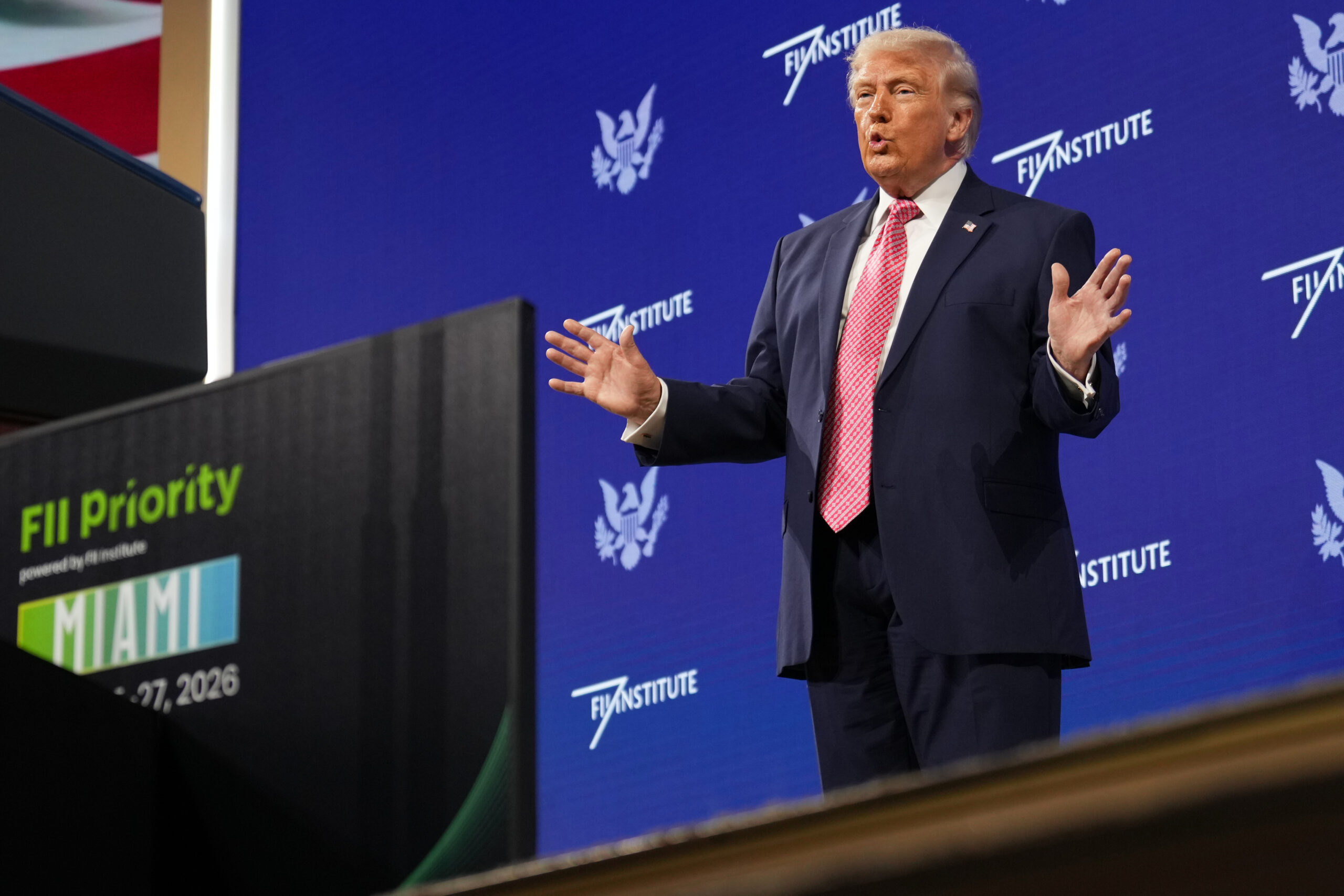
The Trump Presidency, Iran War, and U.S.-Gulf Economic Relationship
The outbreak of the Iran war has halted the deepening of the economic relationship between the United States and the Gulf countries. While likely temporary, it could take some time before the upward trajectory is restored.

Jul 30, 2026
Oman in the War
Oman has benefitted from the U.S.-Israeli war with Iran, but continued conflict and Oman’s highwire neutrality balancing act mean that the sultanate’s economic windfall is still in danger.

Jul 6, 2026
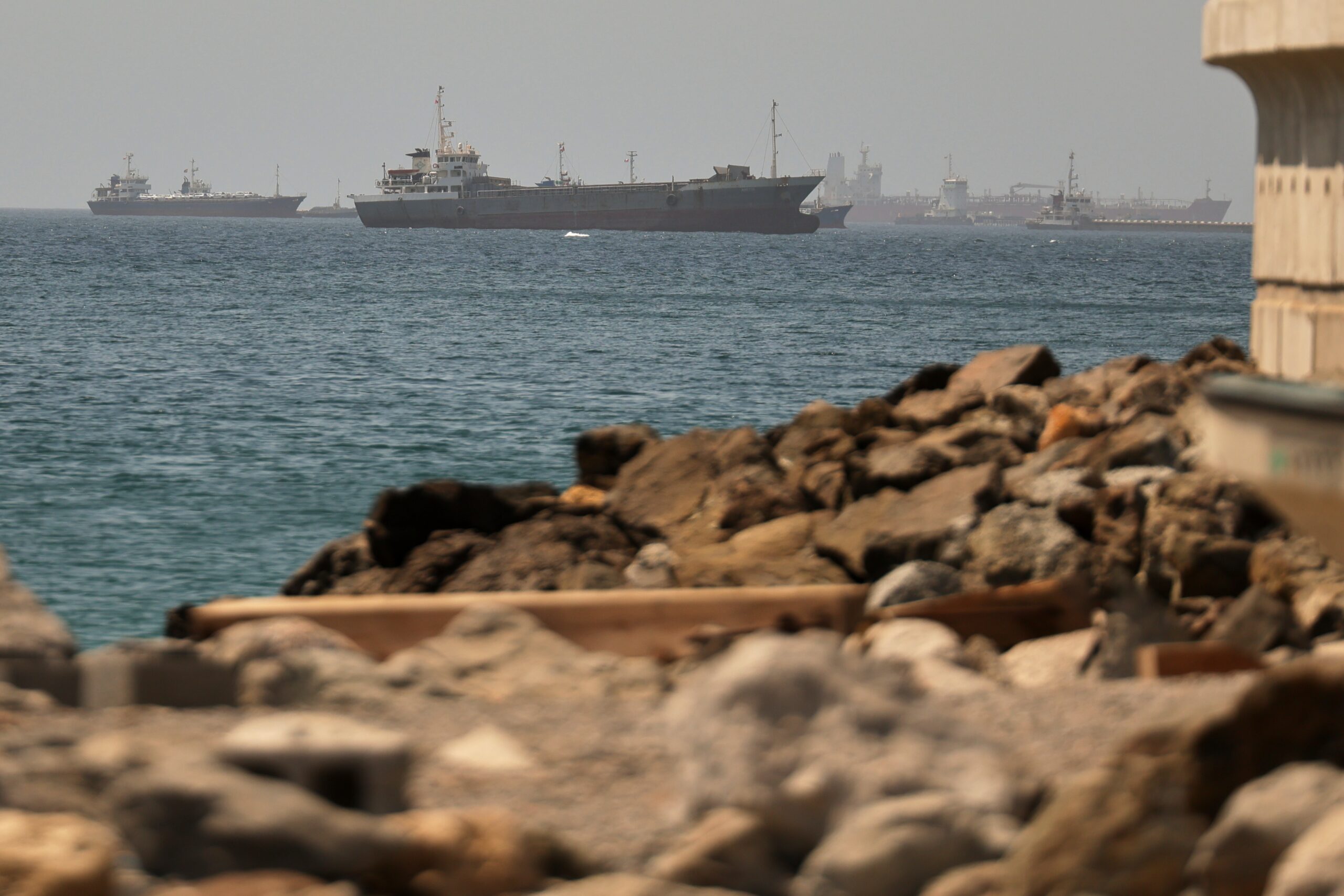
All About Those Ports
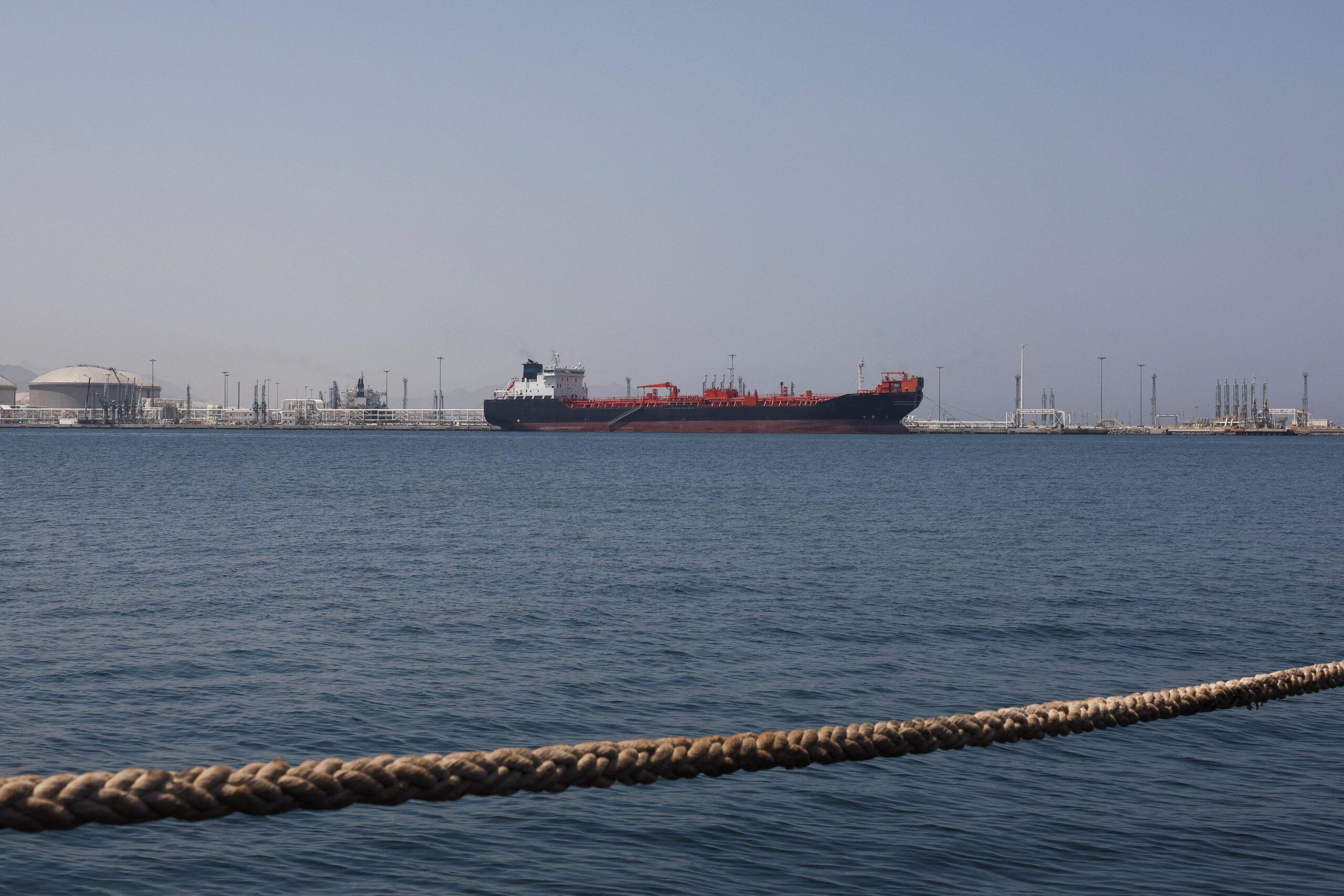
Ports will be key focus areas of economic infrastructure buildout efforts as the region works to move beyond the Iran conflict.
Jun 4, 2026
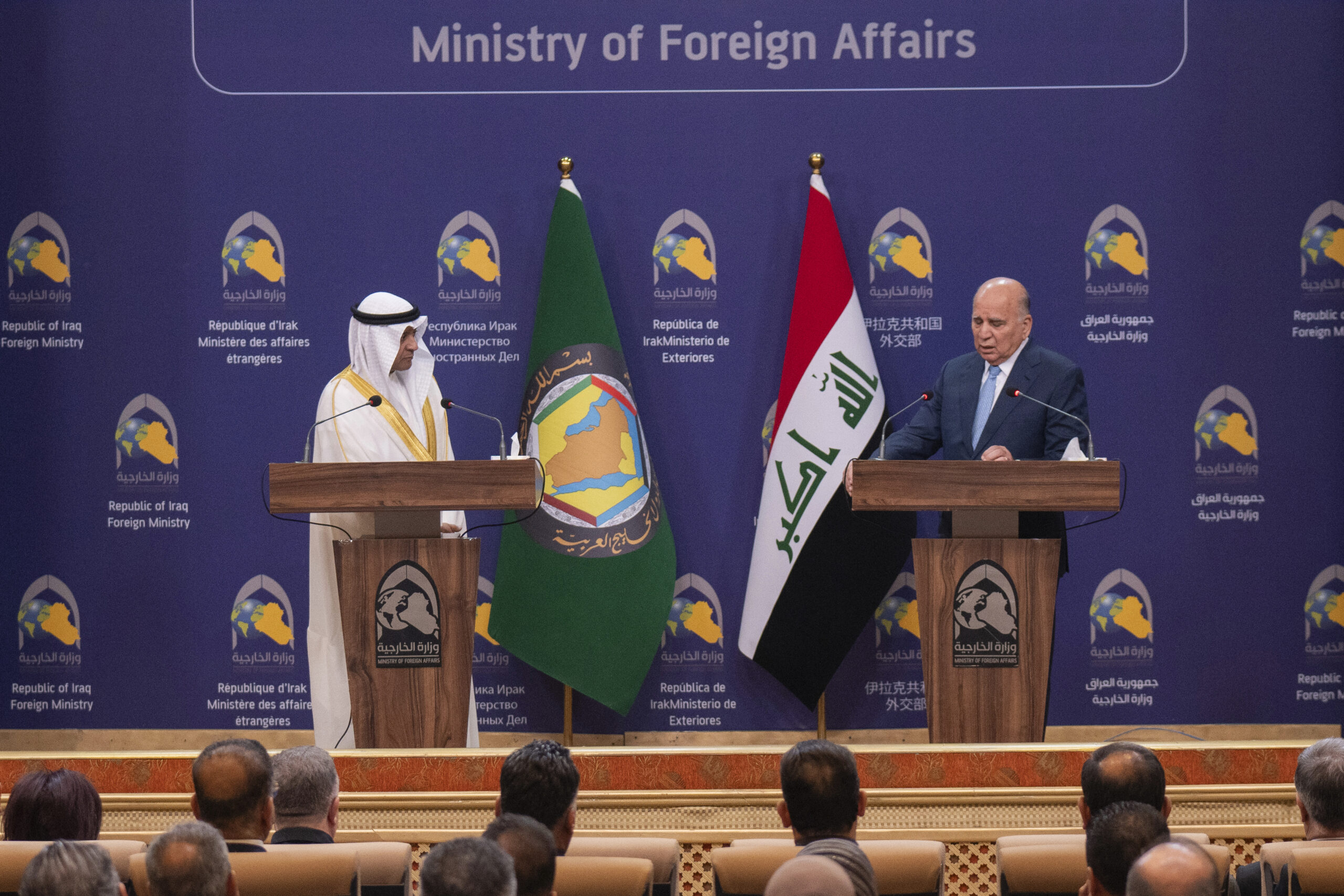
The Geopolitical Imperative of Iraq-GCC Relations
A strong relationship with the GCC acts as a stabilizing force for an inherently fragile Iraqi state. But to maintain this, Iraq needs to pair sophisticated regional diplomacy with assertive control over the nonstate actors operating within its borders.