The true economic and societal impact of the conflict may not be driven by headline events alone but by the gradual erosion of the systems that underpin daily life.
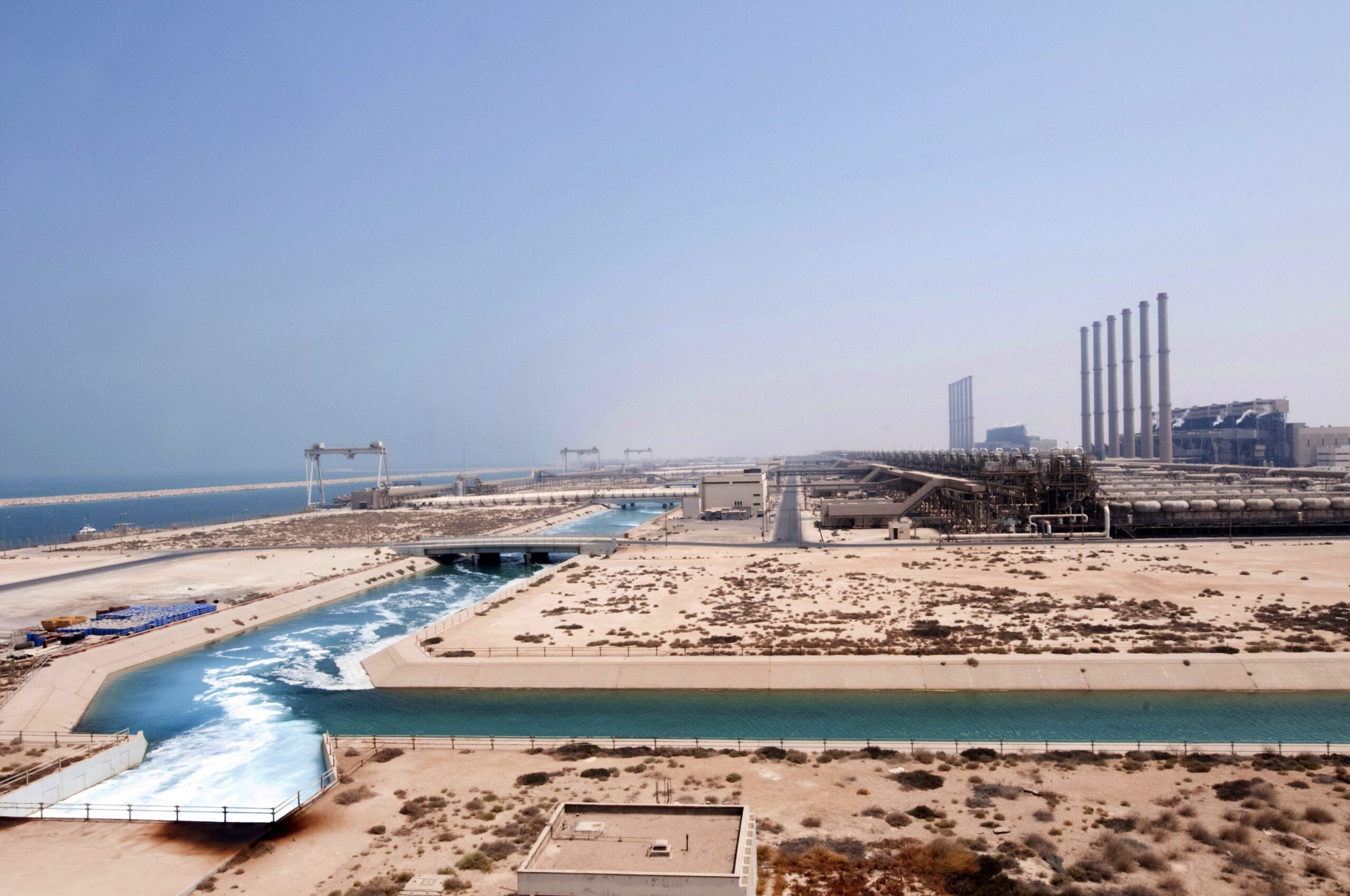
A general view of the Saline Water Conversion Corporation in Jubail, Saudi Arabia. (Saline Water Conversion Corporation/Handout via REUTERS)
The most immediate discussion surrounding the current U.S.-Israeli war against Iran has centered on missiles, oil markets, liquefied natural gas flows, air defense systems, and the Strait of Hormuz. While these are critical dimensions of the conflict, they also risk obscuring a more consequential question for Gulf societies themselves: What happens if the war begins to disrupt the systems that keep water flowing and food arriving?
In the Gulf Cooperation Council states, water and food security represent a core resilience issue. For decades, Gulf governments have invested heavily in infrastructure, stockpiles, and contingency planning to mitigate structural vulnerabilities stemming from arid climates and heavy reliance on imports. As a result, a catastrophic breakdown in water or food supply is not the most likely outcome in the near term. However, Iranian strikes on regional infrastructure, disruptions to maritime traffic, and the militarization of commercial spaces in and around the Gulf have significantly increased the likelihood of systemic stress.
Water Security: Targeting the Lifeline
Water security in the Gulf is built on technologically advanced but inherently vulnerable infrastructure. The UAE Water Security Strategy 2036 explicitly recognized this, framing water access not only as a sustainability issue but also as a matter of crisis preparedness. As in other GCC states, urban water supply in the UAE depends heavily on desalination, with plans to shift more than half of production to reverse osmosis by 2036.
Across the GCC, dependence on desalination is profound. Saudi Arabia operates over 2,300 desalination facilities with desalination accounting for roughly 70% of its potable water supply. The UAE derives roughly 42% of its drinking water from desalination. In Kuwait, Oman, and Qatar, desalination supplies more than 90% of drinking water. This infrastructure, much of it located along the Gulf coast, has become an increasingly visible vulnerability in the current conflict. Bahrain has already reported drone strikes on desalination infrastructure, while Kuwait acknowledged damage to a power and water station caused by missile debris. Desalination facilities represent high-leverage targets capable of translating military pressure into immediate civilian impact. Unlike oil installations, which primarily affect revenue and global markets, water infrastructure directly underpins daily survival.
This vulnerability is intensified by the energy-water nexus. Approximately 93% of desalination plants in the Gulf rely on natural gas, with most of the remainder powered by oil. Damage to energy infrastructure can therefore disrupt water production, leading to shortages. Even indirect strikes can have significant consequences. The clustering of desalination plants near ports, industrial zones, and energy facilities creates what some researchers describe as “cascading effects,” where damage to one part of a system – in this case attacks on adjacent targets – can cause compounding problems elsewhere, disrupting water production through secondary effects.
The UAE has sought to mitigate these risks through diversification. Abu Dhabi’s Liwa strategic water reserve, for example, stores over 26 million cubic meters of desalinated water underground and can meet emergency needs for extended periods. At the same time, the shift toward reverse osmosis plants, such as Taweelah, has begun to decouple water production from electricity generation, reducing dependence on traditional cogeneration systems and improving operational flexibility. Unlike traditional thermal desalination, which is closely tied to power generation, reverse osmosis uses electrically driven membrane filtration and can operate more independently of power plant cycles, allowing water production to continue even when electricity demand fluctuates or power infrastructure is disrupted.
However, even these measures cannot fully eliminate wartime vulnerability. Partial damage – to intake systems, pipelines, grid connections, or chemical supplies – can interrupt supply. In a region where uninterrupted utility provision is the norm, even temporary outages carry significant political and social implications. Water insecurity in the Gulf, therefore, is less about scarcity in the traditional sense and more about infrastructure fragility under conditions of conflict.
Food Security: When Supply Chains Break Down
If water security is, to a significant degree, about infrastructure vulnerability, food security in the Gulf is fundamentally about logistics. The region imports the vast majority of its food, with approximately 70% passing through the Strait of Hormuz en route to major ports, such as Jebel Ali in the UAE.
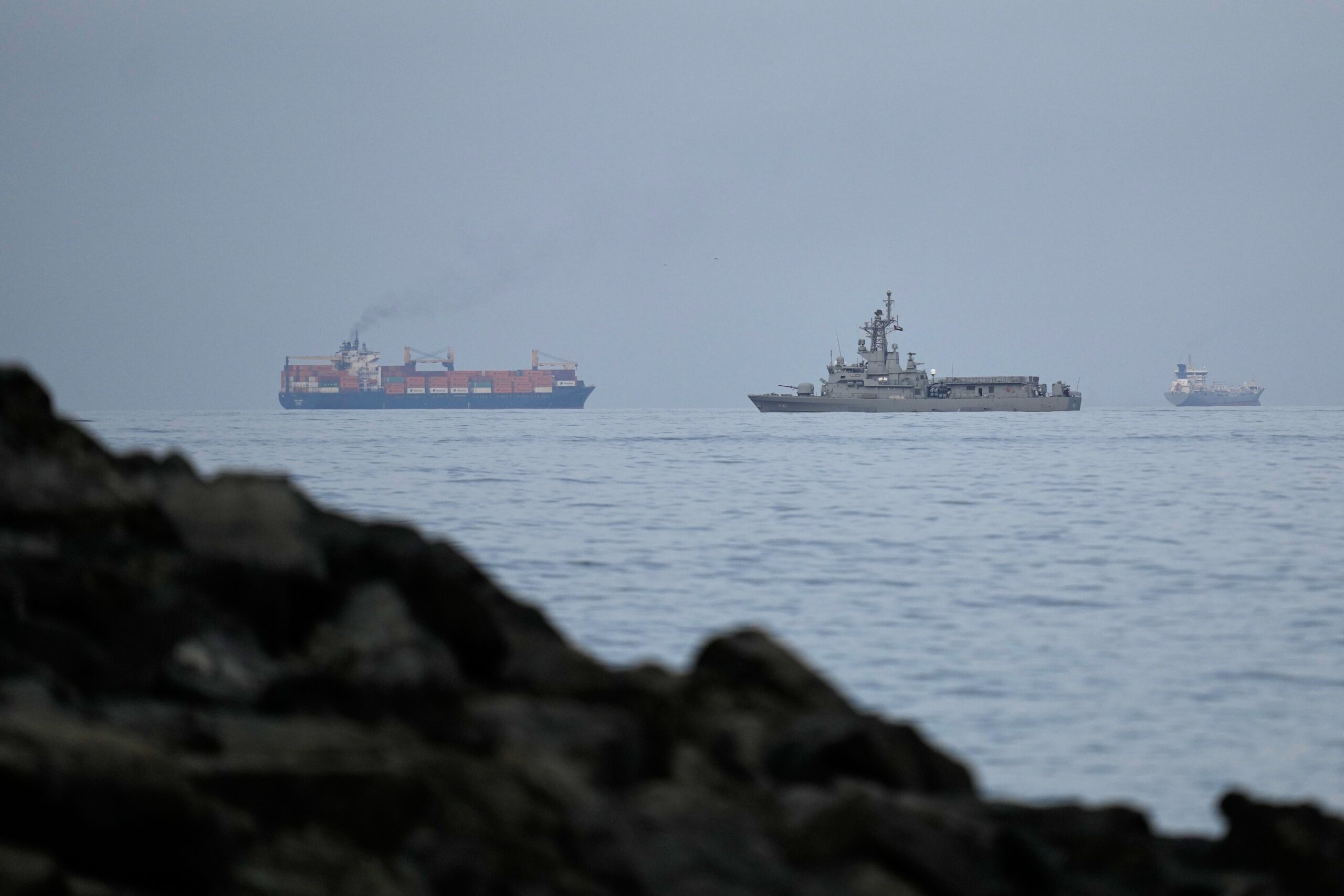
The disruption of maritime traffic has therefore had immediate consequences. Vessel movements through critical shipping lanes have declined sharply, with some days recording near-zero transits. Container ships carrying perishable goods have been delayed or stranded, raising the risk of spoilage. UAE authorities maintain that strategic reserves of essential goods are sufficient to cover four to six months of demand, and recent developments have highlighted the strength and adaptability of supply chain management systems for fresh and perishable goods, which depend on continuous and well-coordinated logistical flows.
The issue is not a lack of global supply or purchasing power. Rather, it is the physical challenge of moving goods into the region under wartime conditions. Rerouting shipments through alternative ports and overland corridors is possible, but it introduces delays, higher costs, and increased exposure to bottlenecks. Air freight has partially compensated for disruptions, particularly for high-value perishables, but capacity constraints and rising costs limit its scalability.
These dynamics are already feeding into broader economic pressures. Freight rates have increased, insurance premiums for shipping have surged, and congestion at secondary ports has intensified. At the same time, disruptions extend beyond food shipments themselves. The GCC states are major producers of fertilizer inputs, accounting for roughly one-third of global urea and around 30% of global ammonia output. With exports affected by the effective closure of the Strait of Hormuz, fertilizer prices have risen sharply, adding pressure to global agricultural production and, ultimately, food prices.
Buffers and Strategic Resilience
Despite these vulnerabilities, the Gulf states are not unprepared. Strategic reserves provide an important buffer against short-term disruptions. The UAE maintains food stockpiles sufficient to cover approximately four to six months of consumption, while Saudi Arabia has secured several months of wheat supply through large-scale purchases. Grain storage infrastructure across the region provides additional resilience for staple commodities.
These reserves are supported by robust regulatory frameworks. In the UAE, Federal Law No. 3 of 2020 governs strategic food stockpiles, mandating inventory monitoring, domestic storage requirements, and emergency distribution mechanisms. Recent statements from the Ministry of Climate Change and Environment have emphasized full operational readiness, with continuous inflows of livestock, fruits, and vegetables and around-the-clock monitoring of supply chains.
Beyond stockpiling, the UAE has pursued a broader strategy of resilience building. The National Food Security Strategy 2051 aims to enhance long-term sustainability through technological innovation and increased local production. The National Agriculture Centre and initiatives such as the UAE FoodTech Challenge seek to expand climate-smart agriculture, reduce waste, and strengthen domestic capacity.
At the same time, Gulf states have externalized part of their food security strategy. Emirati and Saudi sovereign wealth funds have invested in agricultural assets abroad, including farmland in Eastern Europe, livestock operations in South America, and rice production in South Asia. This approach effectively converts financial resources into secured supply chains, although it remains dependent on global trade routes, and thus continues to be vulnerable to the same disruptions affecting all imports.
An Underestimated Security Challenge
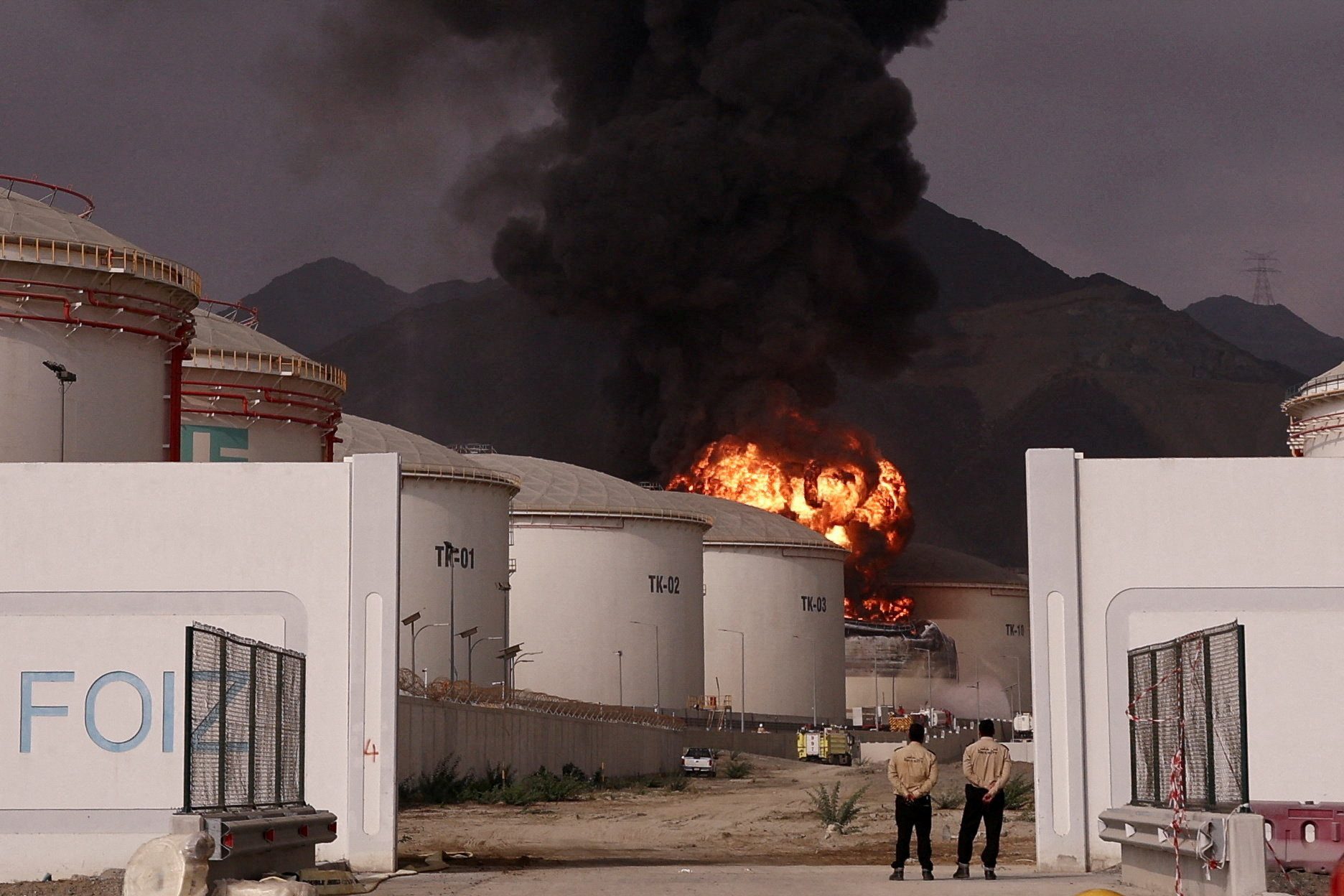
Strategic analysis of the current conflict tends to focus on visible and immediate targets, such as oil infrastructure, missile defense systems, and shipping incidents, while overlooking the less visible systems that sustain daily life. Oil terminals burning or missile interceptions make headlines, but the vulnerability of a desalination intake, cold-chain network, livestock clearance facility, or warehouse inventory system is far less dramatic, even though these systems may matter far more to everyday societal stability.
This imbalance is also evident in economic debates. Analysts and market reporting tend to focus on hydrocarbon revenue, sovereign wealth buffers, and shipping disruptions, often emphasizing the immediate impact on energy markets and trade flows. Yet this framing can understate second-order effects, such as disruptions to utility continuity, food inflation, supply-chain bottlenecks, and public confidence, which are central to long-term resilience in the Gulf. Emerging assessments from international financial institutions, including the International Monetary Fund and World Economic Forum, indicate that ongoing conflict-related disruptions are contributing to rising inflationary pressures, tightening supply chains, and increasing volatility in global food and fertilizer markets. These dynamics suggest that the true economic and societal impact of the conflict may not be driven by headline events alone but by the gradual erosion of the systems that underpin daily life.
Resilience Under Pressure
The UAE and its Gulf neighbors are better prepared for water and food disruptions than is often assumed. Decades of investment in infrastructure, reserves, logistics, and policy frameworks have created a degree of resilience.
However, preparedness is not the same as invulnerability. Prolonged conflict, sustained disruption of the Strait of Hormuz, or targeted attacks on desalination plants, ports, and distribution networks could significantly strain even well-prepared systems.
Therefore, water and food security must be understood not as peripheral concerns but as central pillars of national resilience. In the Gulf, the true test of stability is not only the ability to intercept missiles or stabilize markets. It is the capacity to ensure that taps continue to run and supermarket shelves remain stocked, even under the pressures of war.
The views represented herein are the author's or speaker's own and do not necessarily reflect the views of AGSI, its staff, or its board of directors.
The longer the conflict lasts, and the more damage to energy facilities, the greater the risk of oil market tightness, rising prices, and stranded commodities.
The use of pragmatic humanitarianism allows the UAE to advocate for strategies that reduce human suffering while also serving its national security interests.
While Singapore has traditionally been seen as a model for the United Arab Emirates, Norway, with its unique approach to economic management and environmental sustainability, is increasingly cited as an inspiration.
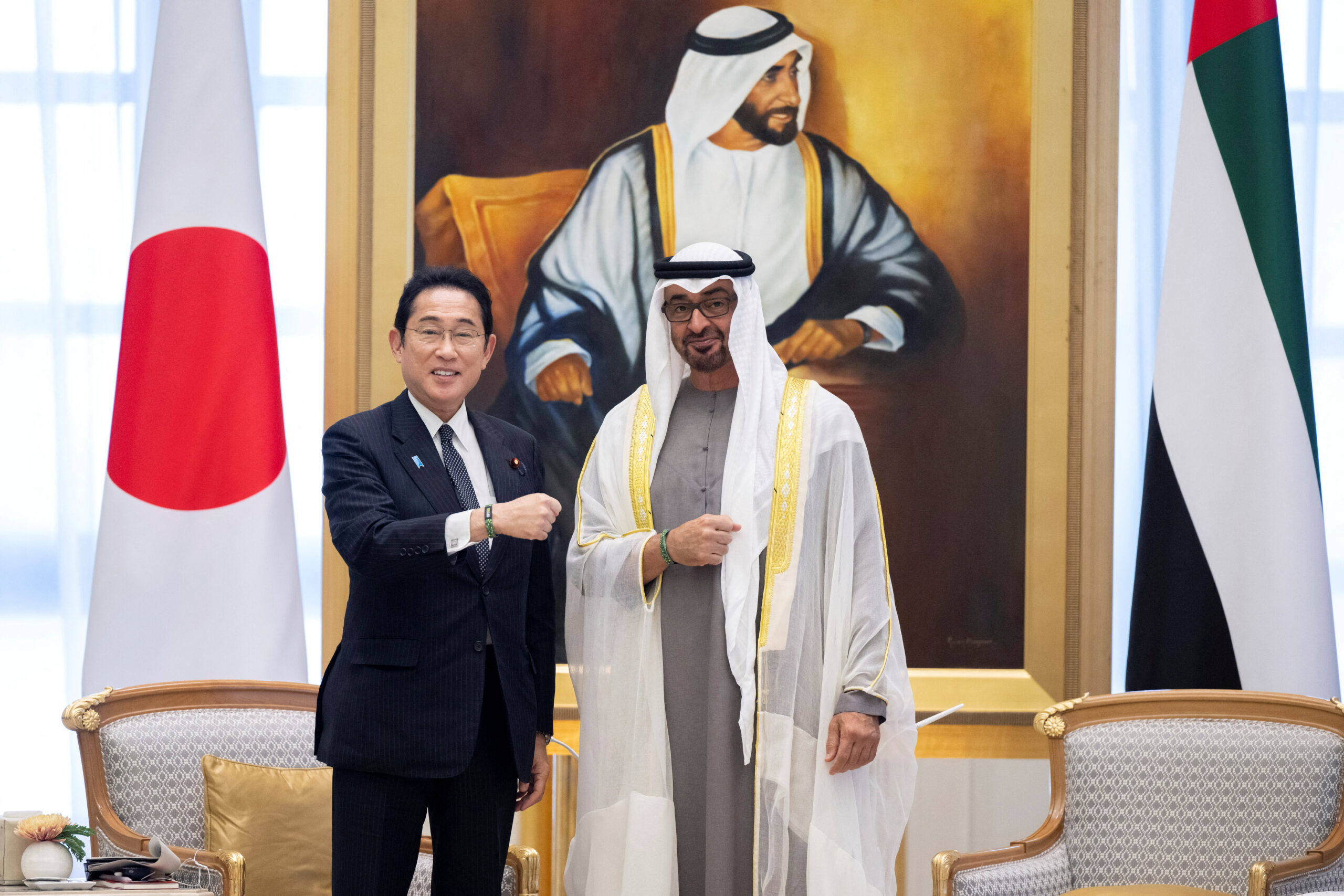
Cooperation on UAE-produced clean energy serves Japan’s interest in diversifying its renewable energy mix while also boosting the UAE’s global position as a reliable green energy supplier.
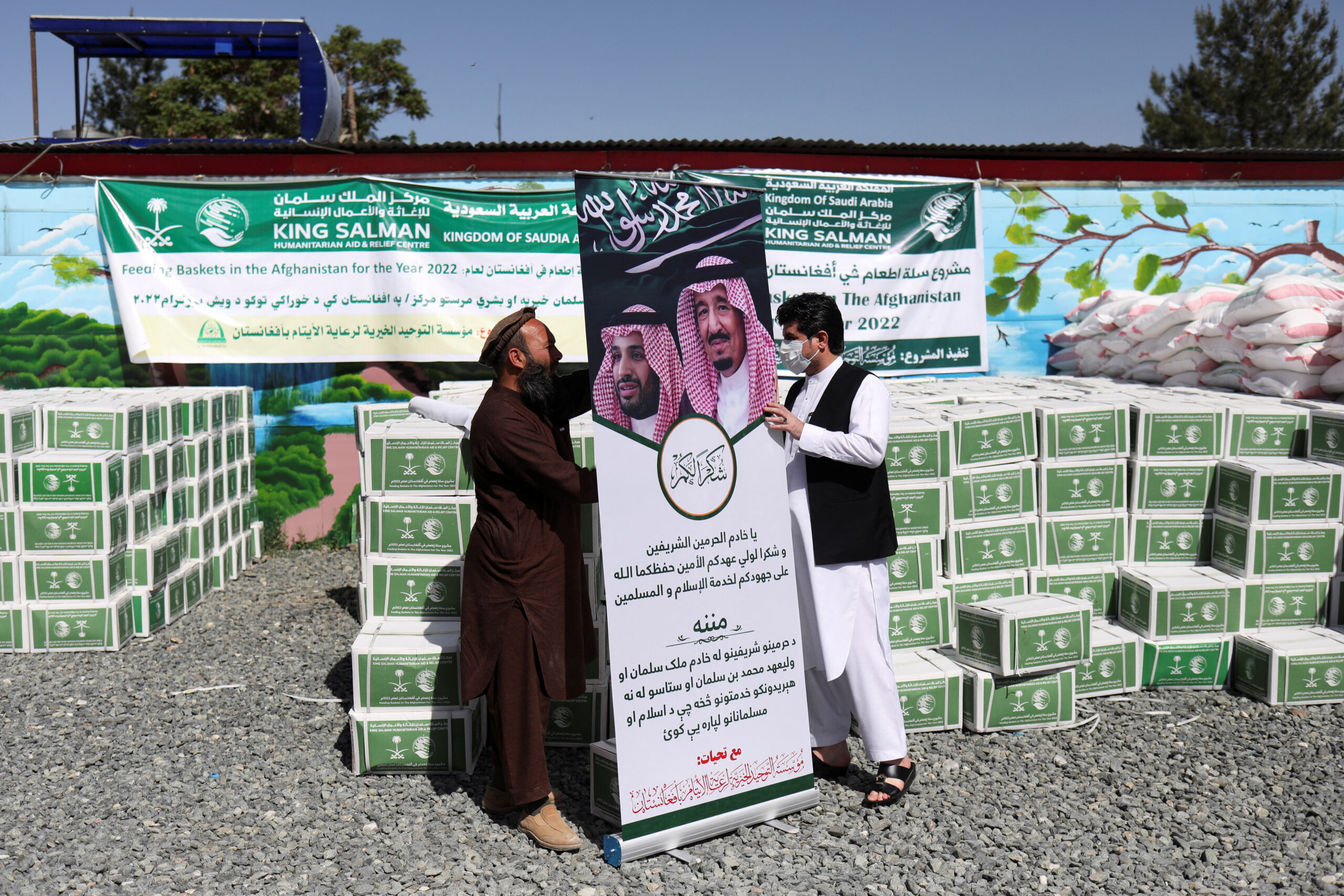
With the new Taliban regime in Kabul, Saudi leaders are likely to remain cautious and keep a close eye on power dynamics. But they are likely to keep some channels of communication open with the Taliban to promote stability in the region.