Dec 15, 2023
Own Goal: Bust of Assassinated Quds Force Chief to Remain at Stadium
The December 15 edition of the Iran Media Review highlights fallout from a controversy over a statue of Quds Force chief Qassim Suleimani at an Iranian stadium.

Iran was probably hoping to score a propaganda goal at the October 2 Asian Champions League football match in Isfahan between that city’s Sepahan club and Saudi Arabia’s Al-Ittihad, and score a goal Iran did – an own goal. The Saudi team refused to leave the locker room due to a statue of assassinated Islamic Revolutionary Guard Corps Quds Force chief Qassim Suleimani placed at the entrance to the field. At the time, the Asian Football Confederation stated the game had been canceled “due to unanticipated and unforeseen circumstances.” Sepahan team officials immediately argued the team should be declared the winner because the Saudi team did not play, but Shargh Daily on December 11 reported the Asian Football Confederation awarded Al-Ittihad a 3-0 win, fined Sepahan $200,000, and banned Sepahan from hosting its next three league matches at home. Still worse from Sepahan’s point of view, there is no prospect of the statue being removed in the near future, meaning this will not be the last own goal scored by regime officials.
- December 11: Quoting a December 9 statement from Vice President for Executive Affairs Mohsen Mansouri, reformist Shargh Daily wrote: “The decision not to remove the bust of Haj Qassim,” referencing Suleimani, “was a very correct decision. You saw that the bust was not removed, and it shall not be removed since we are always committed to our values and will not sell them out.”
The views represented herein are the author's or speaker's own and do not necessarily reflect the views of AGSI, its staff, or its board of directors.
Related
Iran Media Review
Dec 12, 2023
Rare Insight Into Iran’s Decision Not to Wage War Against the Taliban in 1998
The December 12 edition of the Iran Media Review examines new revelations about Iran’s decision not to intervene in Afghanistan following the Taliban’s killing of 12 Iranians.
Iran Media Review
Dec 8, 2023
Evolution in Official Iranian Commentary on the Houthis’ Seizure of Israeli-Owned Ship
The December 8 edition of the Iran Media Review examines Iran’s rhetoric regarding the Houthis’ seizure of the Galaxy Leader, an Israeli-owned ship.
Dec 12, 2023
Rare Insight Into Iran’s Decision Not to Wage War Against the Taliban in 1998
The December 12 edition of the Iran Media Review examines new revelations about Iran’s decision not to intervene in Afghanistan following the Taliban’s killing of 12 Iranians.
Dec 8, 2023
Evolution in Official Iranian Commentary on the Houthis’ Seizure of Israeli-Owned Ship
The December 8 edition of the Iran Media Review examines Iran’s rhetoric regarding the Houthis’ seizure of the Galaxy Leader, an Israeli-owned ship.
Analysis
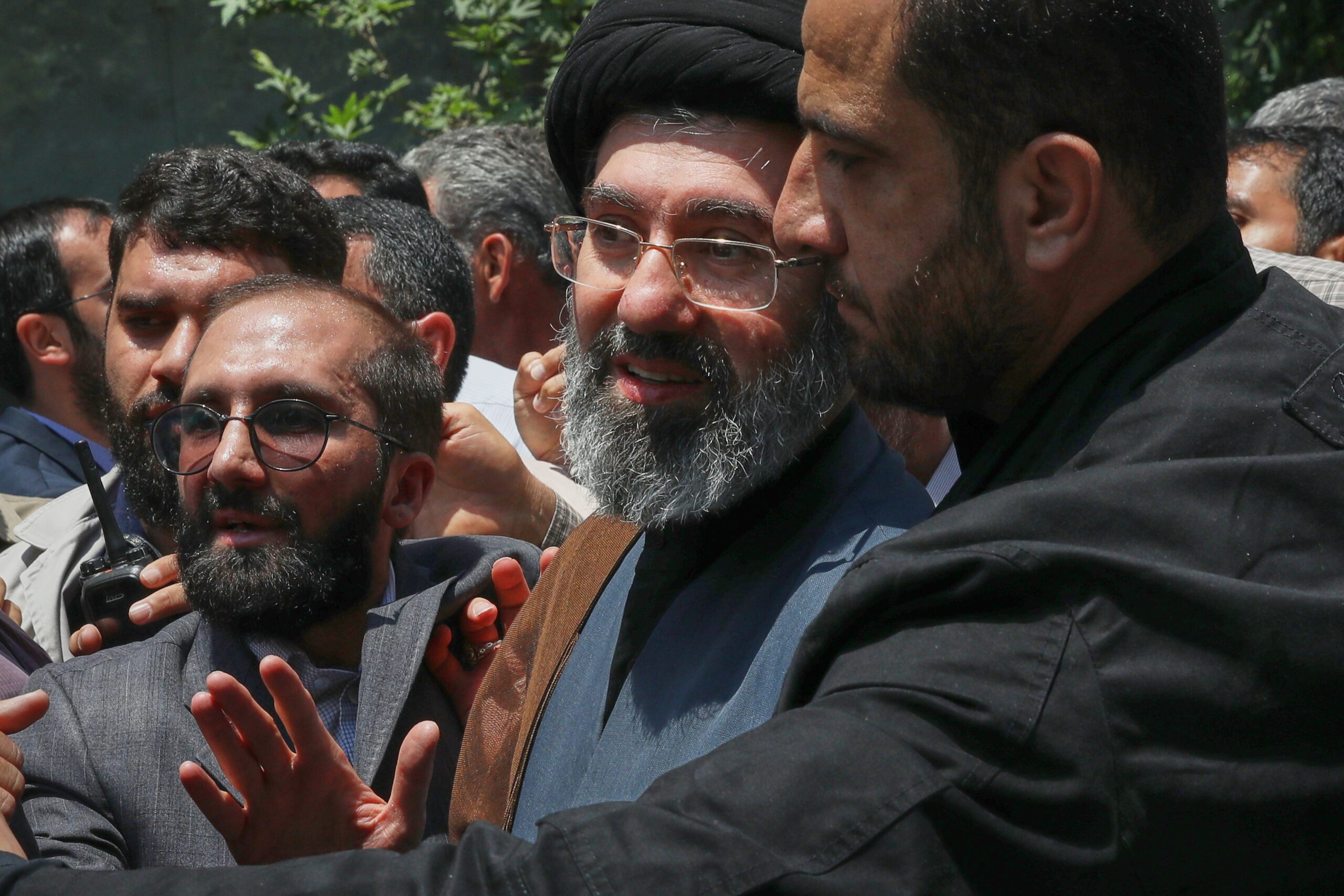
Under Mojtaba, the IRGC Will Reign Supreme
Iran may still call itself an Islamic Republic. In practice, however, it increasingly resembles a state in which the military governs from behind clerical robes.
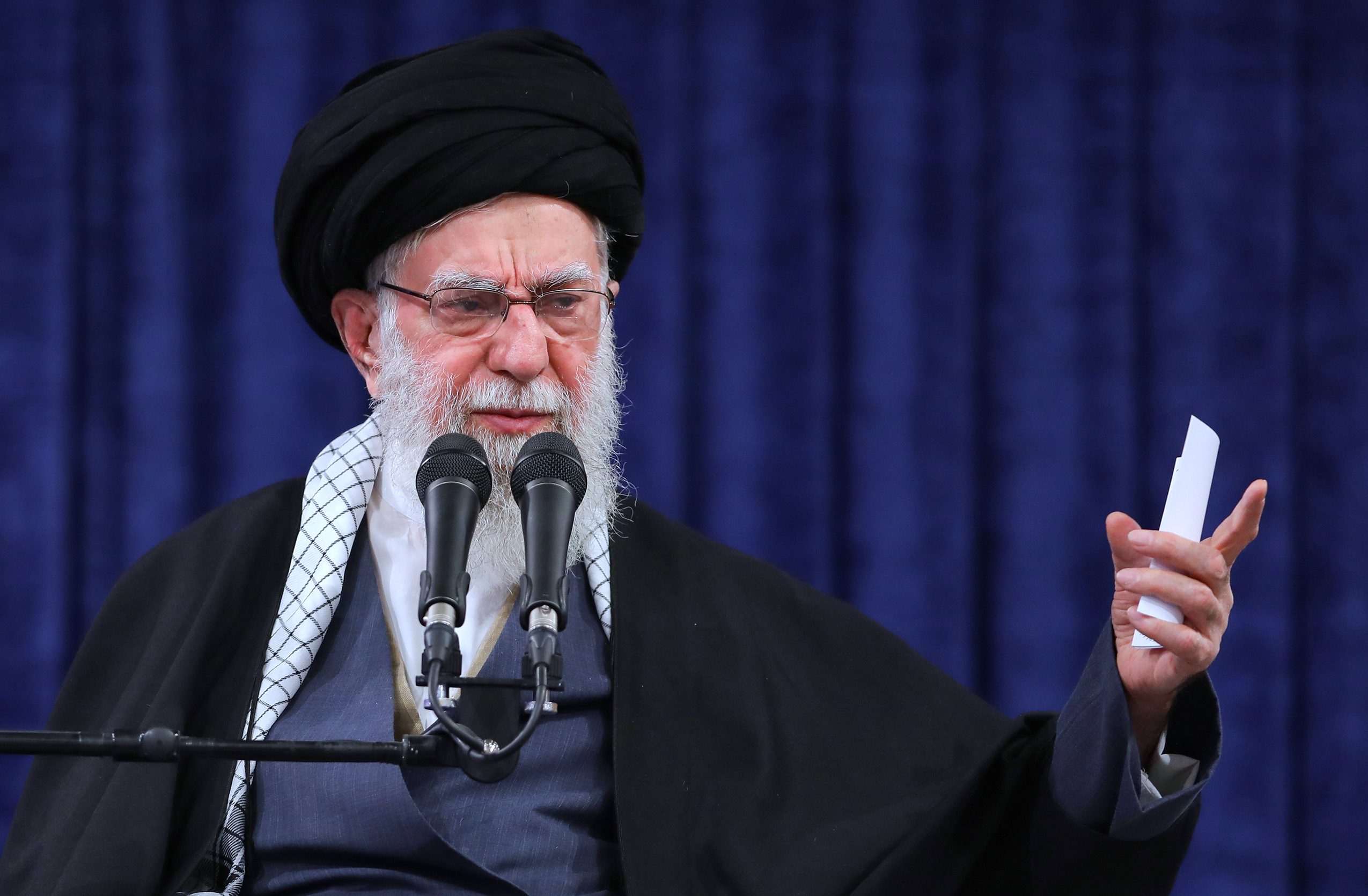
Political Life and Legacy of Iran’s Ayatollah Khamenei
Ayatollah Ali Khamenei was killed in his office in Tehran at age 86, leaving behind a country in ruins and on the verge of civil war and potential disintegration.
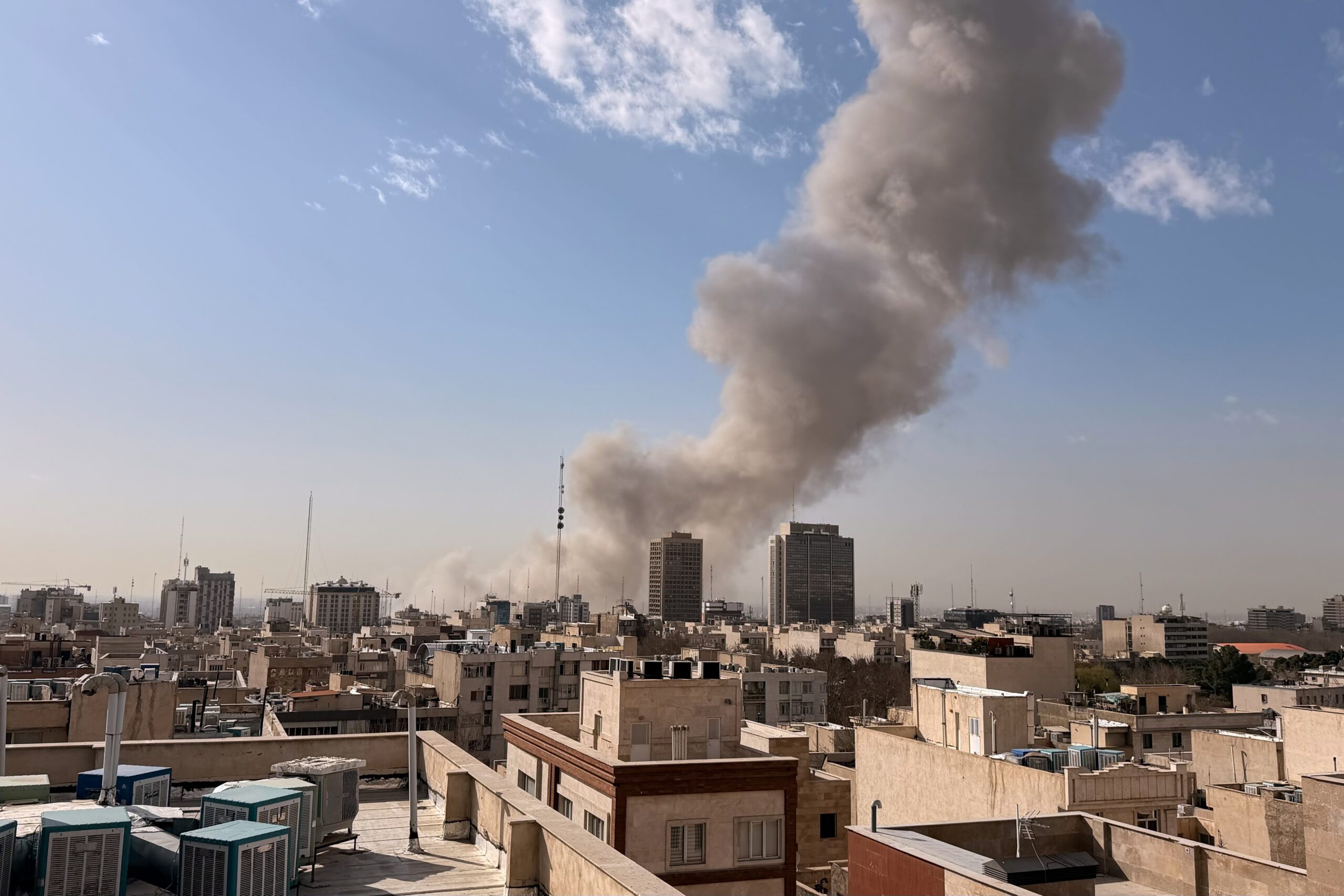
Iranian Regime Fighting for Survival
Iran is signaling that it will not absorb attacks passively. But whether this strategy ensures the regime’s survival, seals its fate, or accelerates a broader catastrophe will shape the region for years to come.
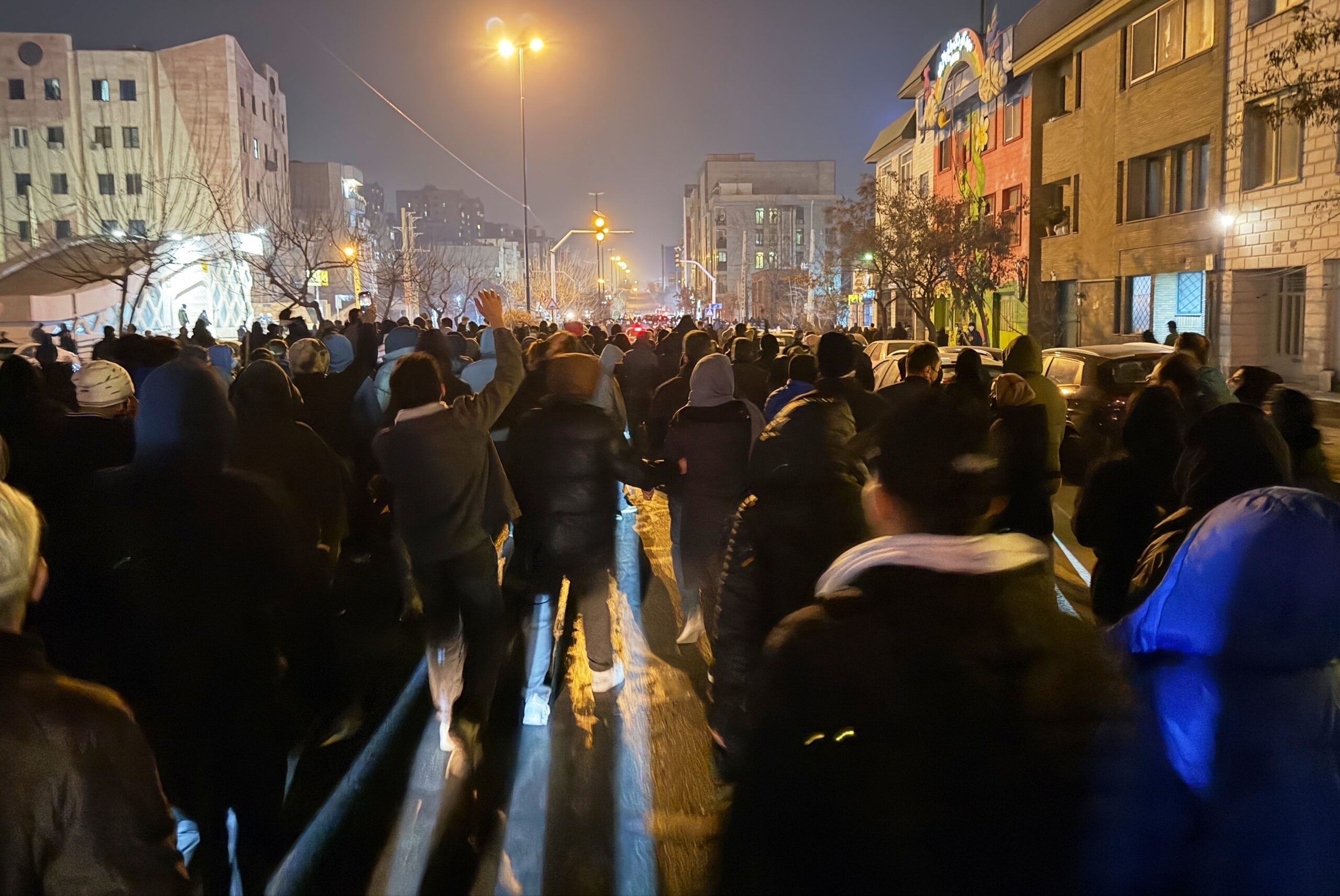
Iran’s 2025-26 Protests in Perspective
The erosion of the regime’s legitimacy across broad segments of society, combined with the breadth of the 2025-26 protest coalition, raises the possibility that a new confrontation could trigger renewed anti-regime mobilization.
Events
Mar 2, 2026
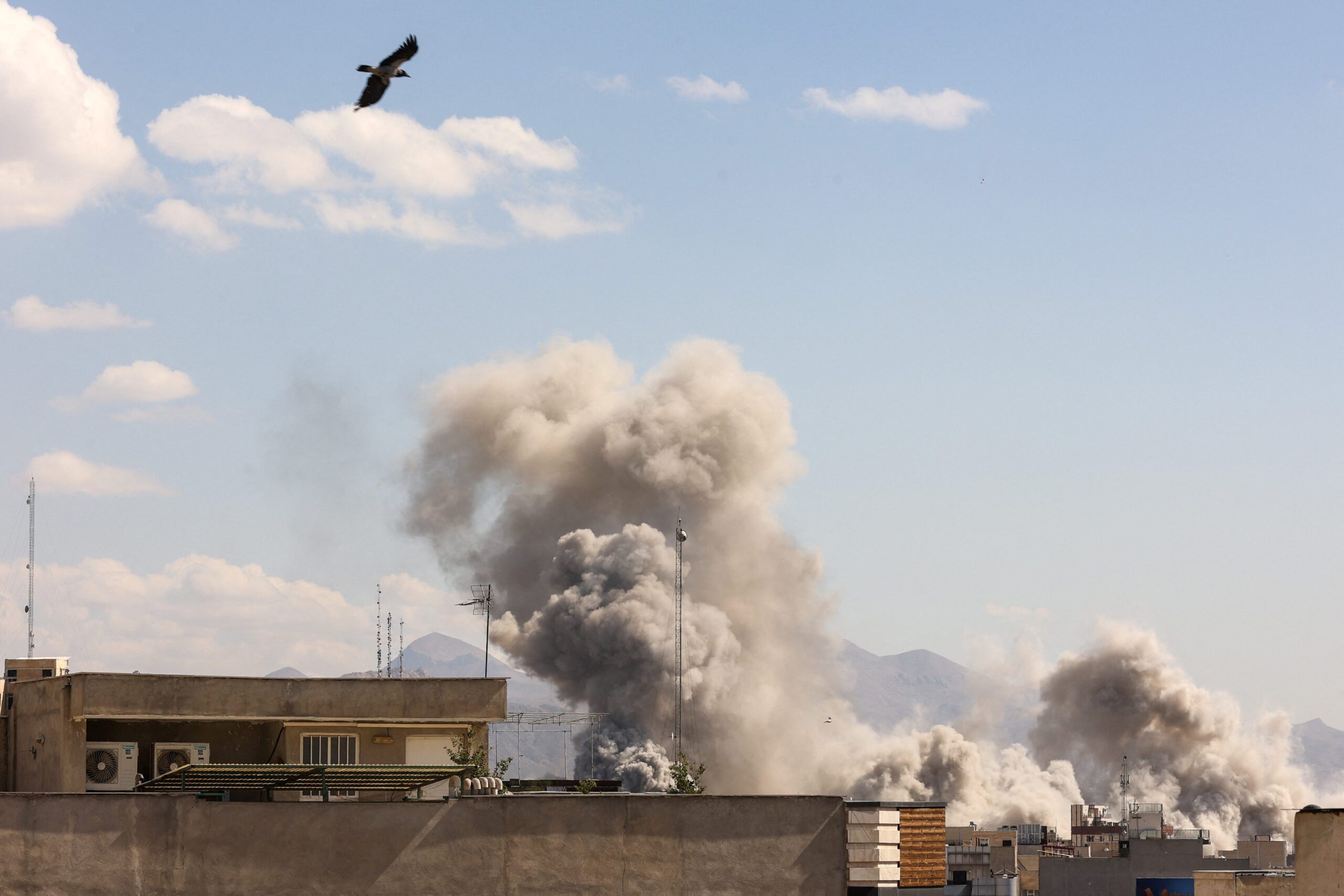
After the Shock: Implications of the U.S.–Israeli Strikes and Iran’s Leadership Transition
On March 2, AGSI hosted a discussion on the U.S.-Israeli strikes on Iran.
Speakers




Jan 8, 2026
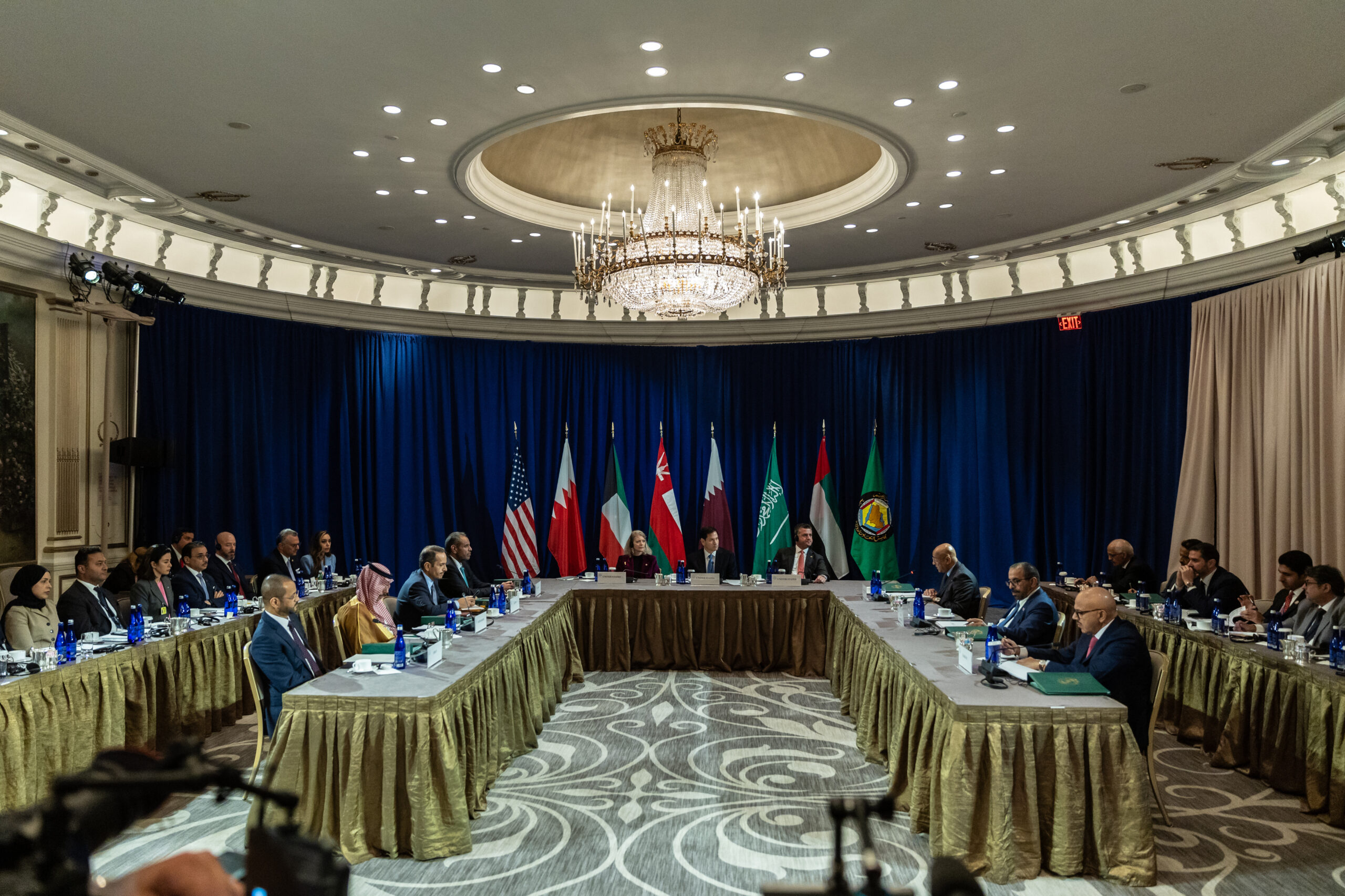
Outlook 2026: Prospects and Priorities for U.S.-Gulf Relations in the Year Ahead
On January 8, AGSI hosted a virtual roundtable with its leadership and scholars as they look ahead and assess trends likely to shape the Gulf region and U.S. foreign policy during the coming year.
Speakers



Sep 16, 2025
Book Talk: Iran’s Grand Strategy: A Political History
On September 16, AGSI hosted a discussion on the roots of Iran's strategic outlook.
Speakers
Jun 23, 2025
U.S. Strike on Iran: Regional and Diplomatic Fallout
On June 23, AGSI hosted a discussion on the United States' attack on Iranian nuclear sites.
Speakers
