Dec 13, 2024
Khamenei on Syria: Defiance in Defeat
The December 13 edition of the Iran Media Review explores the Iranian supreme leader’s first public statement in the wake of the collapse of the Assad regime in Syria.

Iranian Supreme Leader Ayatollah Ali Khamenei showed defiance in defeat in his first public statement in the wake of the collapse of the regime of President Bashar al-Assad in Syria. Indirectly, he accused the new rulers of Syria of being agents of the United States and Israel. Furthermore, he claimed Iran was willing to but incapable of airlifting troops to Syria due to the United States and Israel closing the skies over Syria to Iranian airplanes. But he added that Assad had not requested military assistance from Iran. He spoke extensively about the invulnerability of the “axis of resistance,” his term for what remains of Iran’s proxies, despite the collapse of the Assad regime. However, his final warnings against those who try to “demoralize” the Iranian public prove what is evident for all to see: The Assad regime’s collapse was Iran’s defeat, compounding Hezbollah’s failure in Lebanon.
- December 11: Supreme Leader Ayatollah Ali Khamenei addressed the Iranian public following the overthrow of the Assad regime in remarks transcribed on his website:
- “First and foremost, let there be no doubt that what happened in Syria was the result of a joint American and Zionist plot. Yes, a neighboring state of Syria,” a likely reference to Turkey, “played a role evident to all and is still playing this role. This is visible for all to see, but they,” a reference to the United States and Israel, “are the principal actors, the chief architects, and the ultimate strategists. The command-and-control center is located in America or within the Zionist regime. There is evidence that unequivocally points to this reality. One of the indicators is their conduct in this matter. In a state, even one governed by a regime you do not agree with, entangled in a conflict where two factions vie for dominance, why intervene? Reportedly, the Zionist regime has targeted 300 locations in Syria. Why? If you are not complicit in this conflict and if you claim neutrality, why engage militarily? Why intervene with airstrikes on over three hundred sites? Meanwhile, the Americans announced, as of yesterday – a figure that may have increased since – that they have struck 75 targets, many of which include Syria’s critical infrastructure. These are facilities not easily rebuilt: airports, research centers, and the like. Why did the Zionist regime and the United States escalate their involvement by targeting this sovereign state? Bombing 300-400 locations is no trivial matter. Separately, the Zionist regime has also encroached upon Syrian territorial integrity, with their tanks advancing perilously close to Damascus. The occupied Golan Heights has long been in their hands, and now they are seizing additional territories. The United States, Europe, and other governments, which are usually vocal about territorial breaches – even of mere meters – have not only remained silent but have actively supported Israel, making them equally culpable.”
- He continued that, toward the end of the Assad regime, there was evidence that “urgently required” Iranian humanitarian aid as well as “personnel, forces, and other resources were meant to be deployed there, but Zionist and American aircraft imposed a de facto blockade. F-15 fighter jets patrolled the skies, obstructing all passage. Despite this, one of our pilots demonstrated exceptional valor, risking his life to land in Damascus. However, greater efforts were needed, but they were systematically thwarted. Well, if you are not involved in this conflict and claim to be combating specific terrorist or armed groups, why engage in these obstructive actions? Why intervene, aid the opposition, and prevent assistance to the Syrian populace?”
- “The axis of resistance is not a tangible entity that can be dismantled or obliterated. Resistance is a conviction, an ideology, a commitment rooted in faith, and an intellectual paradigm. The motivation of the axis’ members only strengthens when confronted with malevolence, and its scope will continue to expand. Witnessing the enemy’s brutality reinforces the resolve of those who were previously hesitant, proving that resistance is the sole viable path against oppression. This is the essence of resistance.”
The views represented herein are the author's or speaker's own and do not necessarily reflect the views of AGSI, its staff, or its board of directors.
Related
Iran Media Review
Dec 10, 2024
In the Wake of Fiasco, Catastrophic Outlook
The December 10 edition of the Iran Media Review analyzes Iranian reactions to the collapse of the Assad regime in Syria and concerns over increasing uncertainty in the region.
Iran Media Review
Dec 6, 2024
Intelligence Failure: Hajjarian’s Introspection, the IRGC in Denial
The December 6 edition of the Iran Media Review highlights statements by a co-founder of the Ministry of Intelligence on the alleged infiltration of Iran’s intelligence services.
Dec 10, 2024
In the Wake of Fiasco, Catastrophic Outlook
The December 10 edition of the Iran Media Review analyzes Iranian reactions to the collapse of the Assad regime in Syria and concerns over increasing uncertainty in the region.
Dec 6, 2024
Intelligence Failure: Hajjarian’s Introspection, the IRGC in Denial
The December 6 edition of the Iran Media Review highlights statements by a co-founder of the Ministry of Intelligence on the alleged infiltration of Iran’s intelligence services.
Analysis
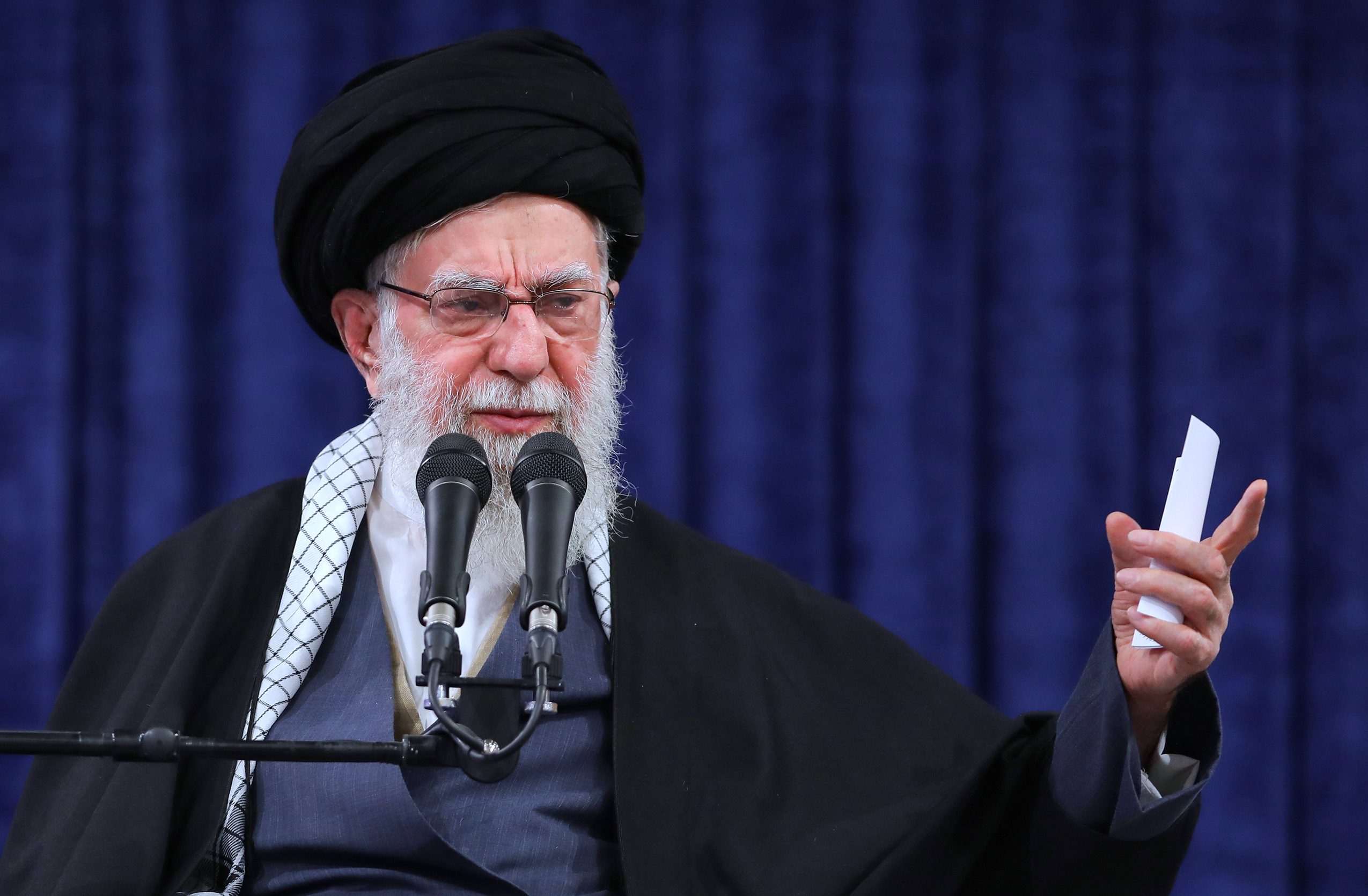
Political Life and Legacy of Iran’s Ayatollah Khamenei
Ayatollah Ali Khamenei was killed in his office in Tehran at age 86, leaving behind a country in ruins and on the verge of civil war and potential disintegration.
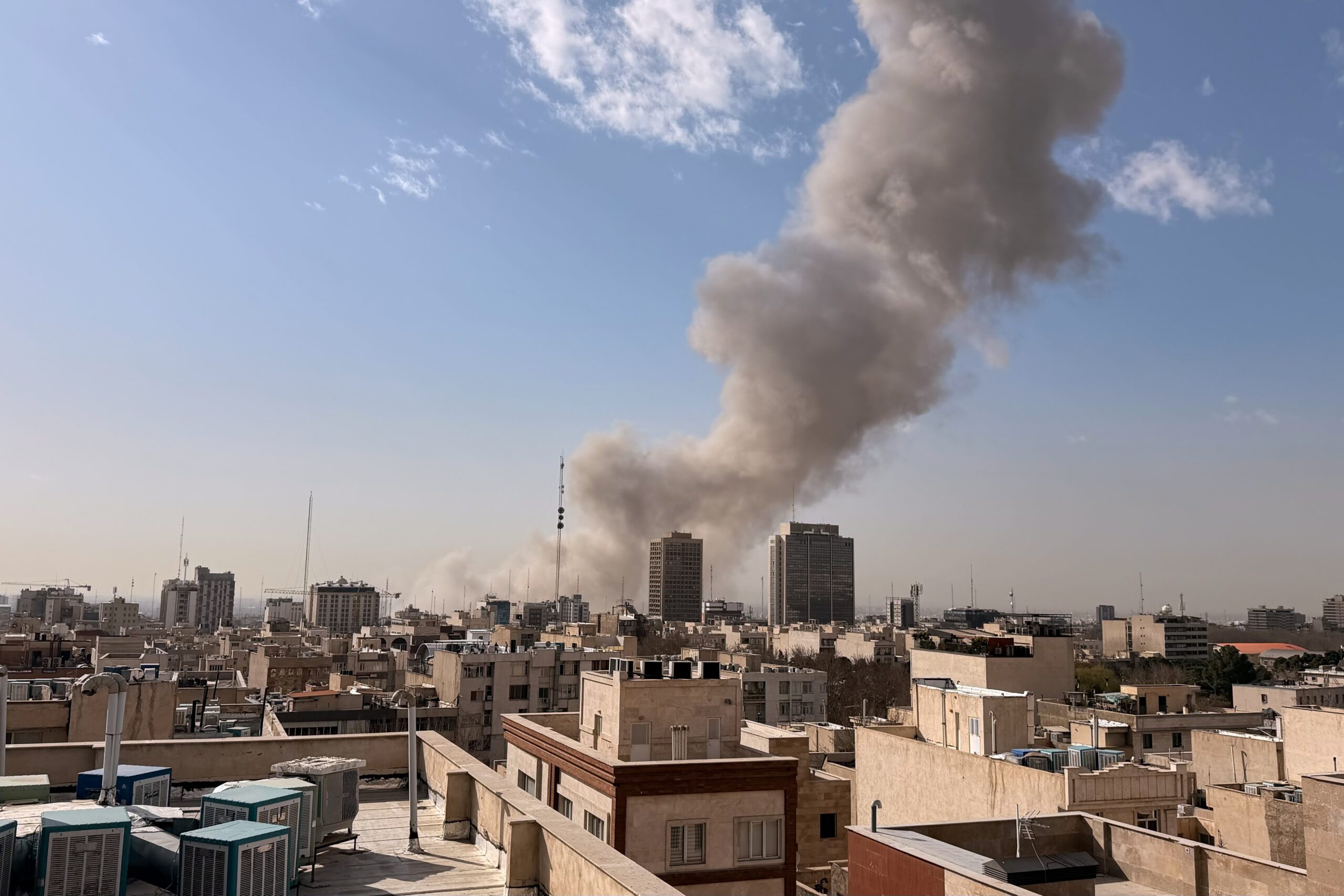
Iranian Regime Fighting for Survival
Iran is signaling that it will not absorb attacks passively. But whether this strategy ensures the regime’s survival, seals its fate, or accelerates a broader catastrophe will shape the region for years to come.
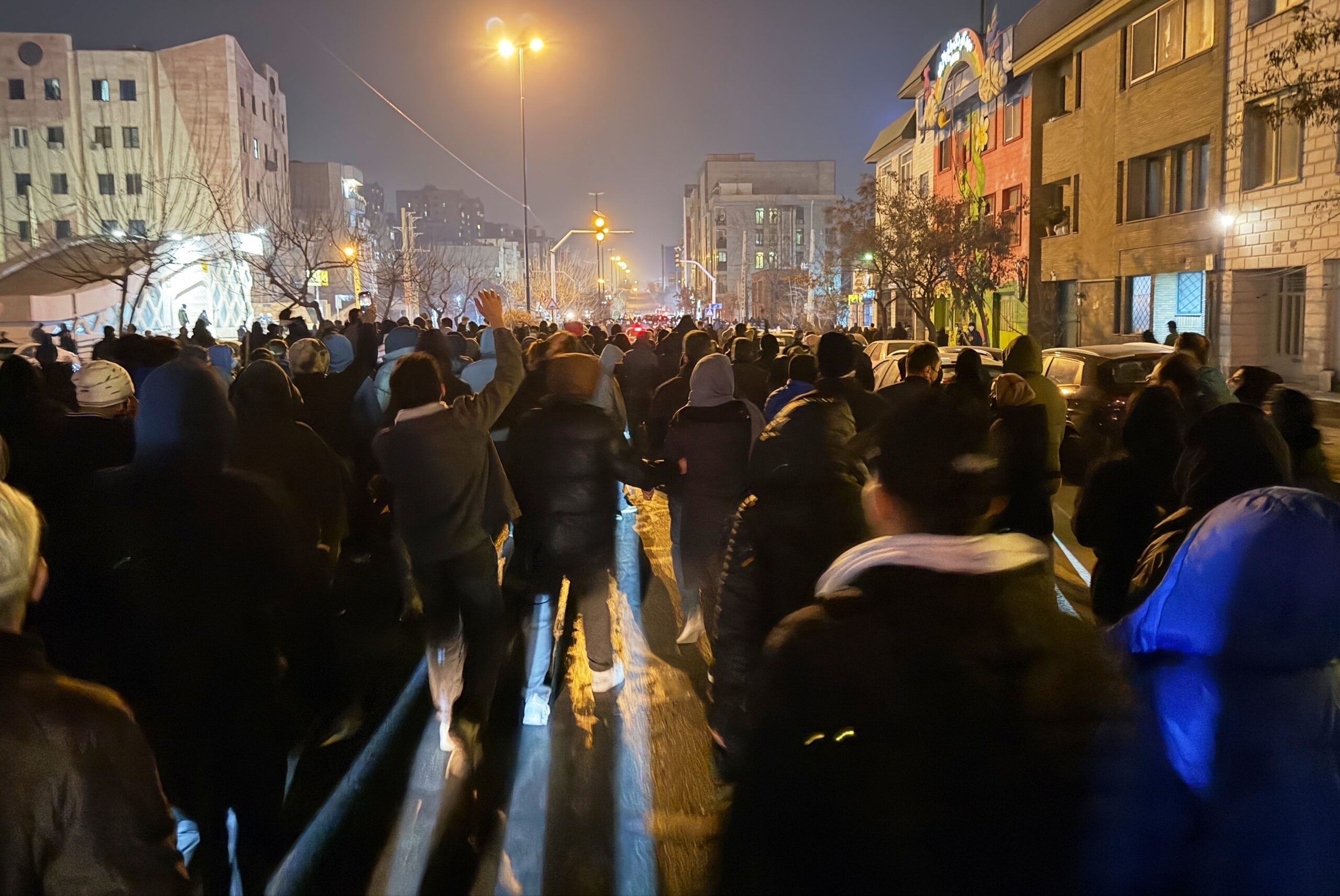
Iran’s 2025-26 Protests in Perspective
The erosion of the regime’s legitimacy across broad segments of society, combined with the breadth of the 2025-26 protest coalition, raises the possibility that a new confrontation could trigger renewed anti-regime mobilization.
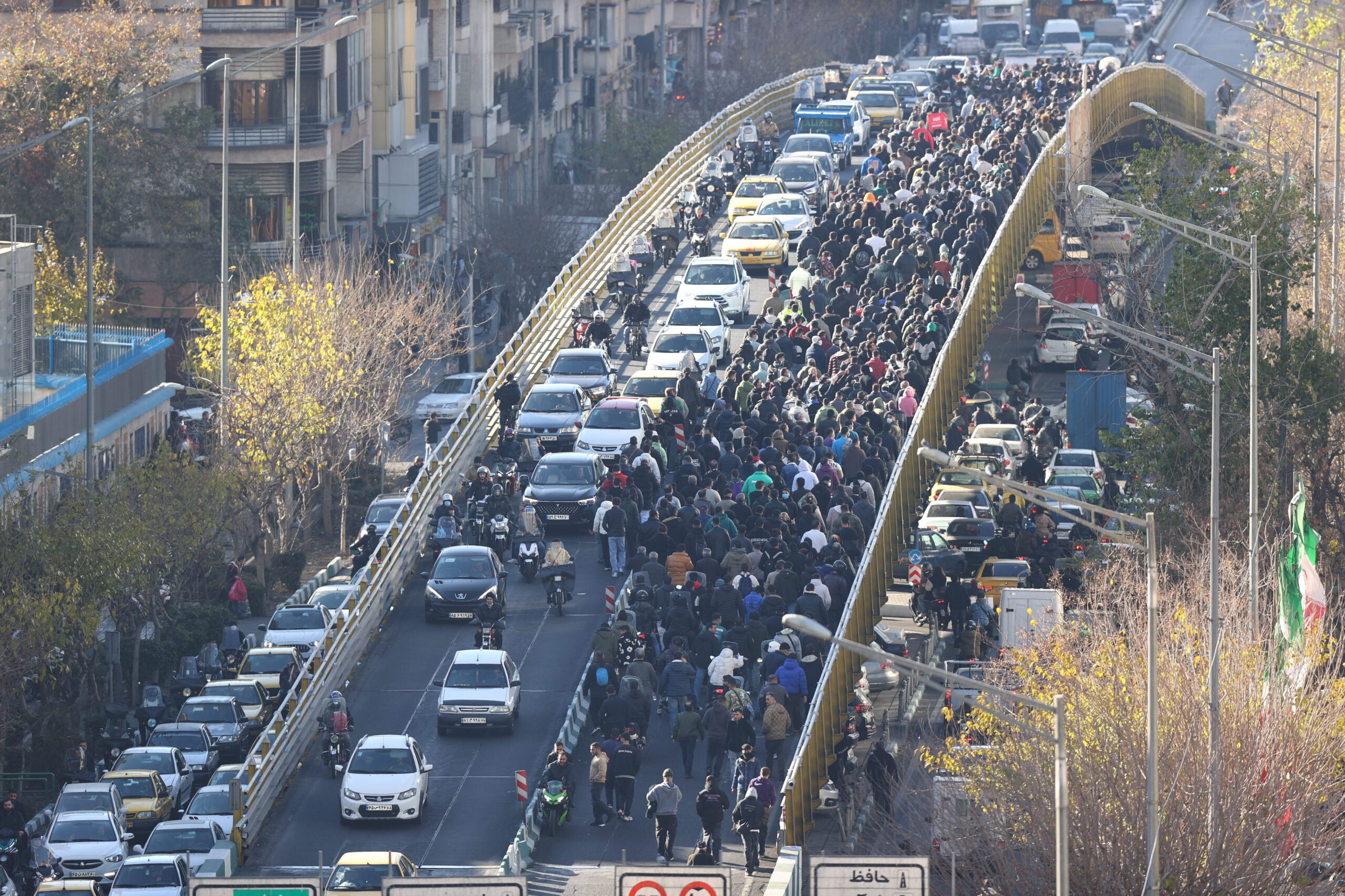
Protests in Iran: Regime Deal With Trump or Degrade Toward Collapse?
Though the Iranian regime is facing increasing pressure from protesters and armed insurgent groups, it is not yet doomed – but without a deal with the United States, the regime is likely headed for a slow collapse.
Events
Mar 2, 2026
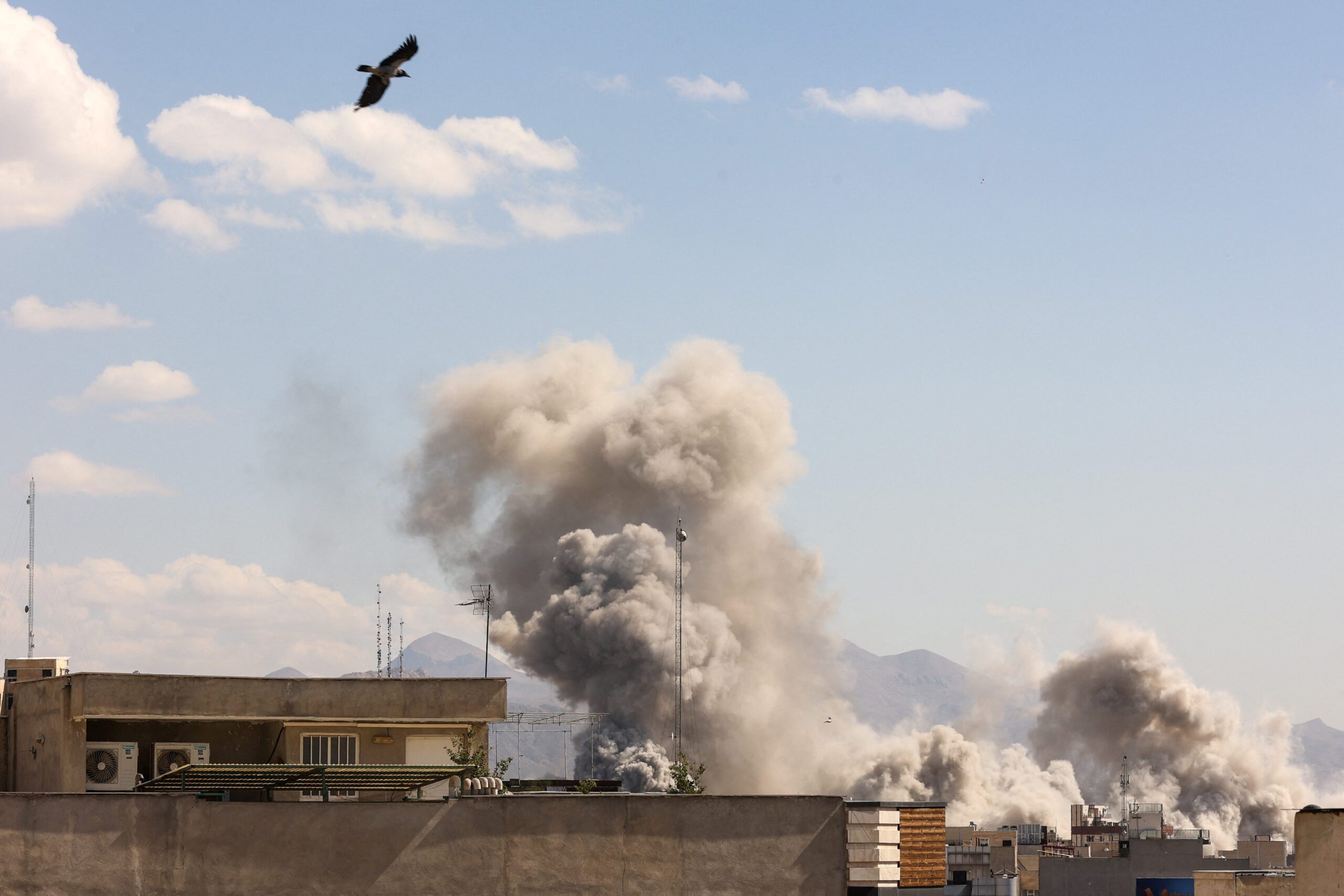
After the Shock: Implications of the U.S.–Israeli Strikes and Iran’s Leadership Transition
On March 2, AGSI hosted a discussion on the U.S.-Israeli strikes on Iran.
Speakers




Jan 8, 2026
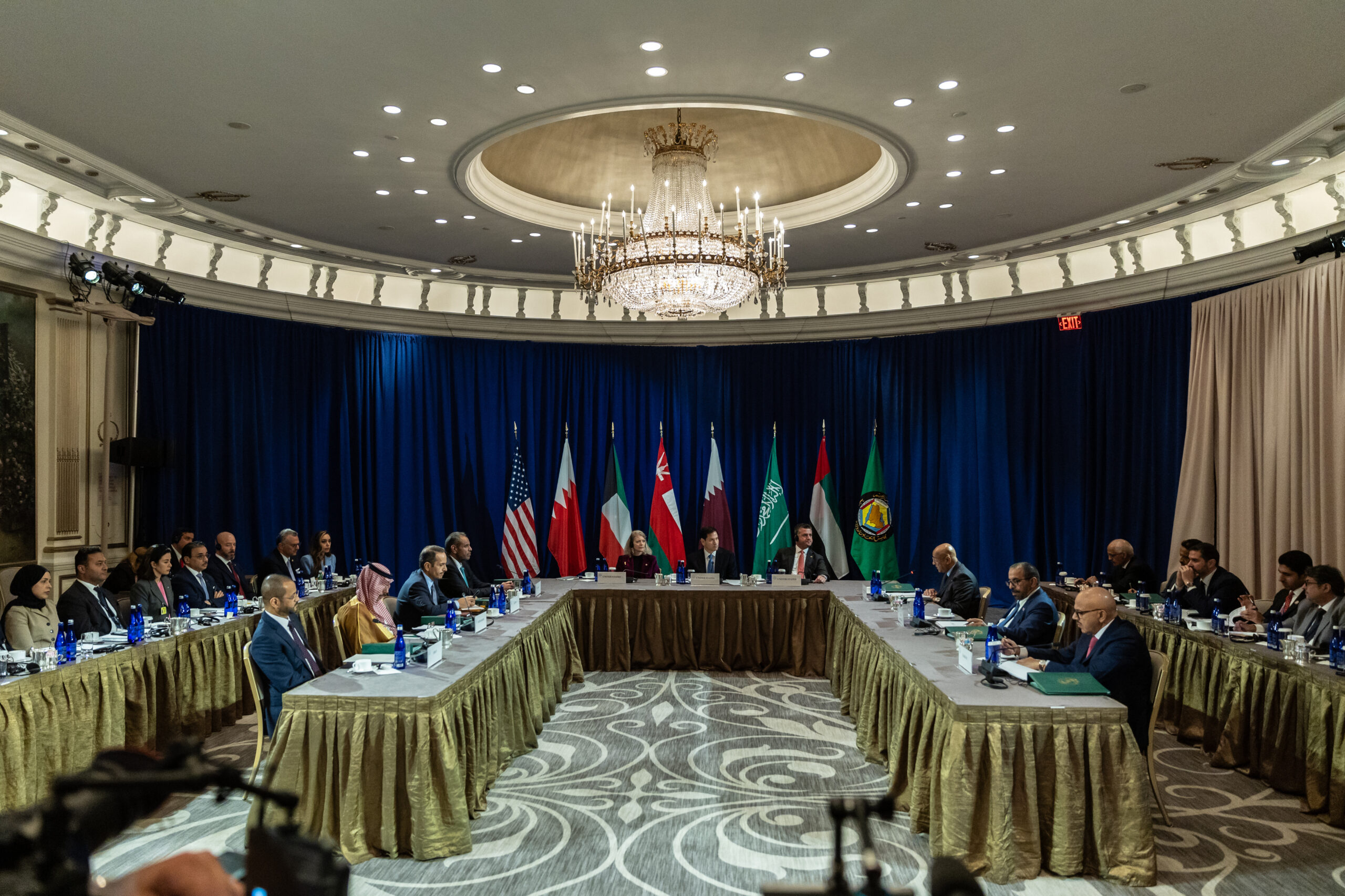
Outlook 2026: Prospects and Priorities for U.S.-Gulf Relations in the Year Ahead
On January 8, AGSI hosted a virtual roundtable with its leadership and scholars as they look ahead and assess trends likely to shape the Gulf region and U.S. foreign policy during the coming year.
Speakers


Sep 16, 2025
Book Talk: Iran’s Grand Strategy: A Political History
On September 16, AGSI hosted a discussion on the roots of Iran's strategic outlook.
Speakers
Jun 23, 2025
U.S. Strike on Iran: Regional and Diplomatic Fallout
On June 23, AGSI hosted a discussion on the United States' attack on Iranian nuclear sites.

Speakers
