Jul 26, 2024
IRGC Weekly Warns New President Against “Putting All the Eggs in the Basket of Negotiations With the West”
The July 26 edition of the Iran Media Review considers IRGC policy recommendations for President-elect Masoud Pezeshkian regarding reviving a nuclear agreement with the United States.

As President-elect Masoud Pezeshkian is preparing to take over the executive branch of government, the Islamic Revolutionary Guard Corps has already started signaling its policy preferences regarding reviving a nuclear agreement with the United States.
- July 22: Sobh-e Sadeq editorial board member Aziz Ghazanfari wrote on page two of the weekly:
- “The coming and going of cabinets in the Islamic Republic, and their position concerning the sanctions and negotiations, in particular with regard to the nuclear issue, should never change the fundamental understanding and calculus of Iranian statesmen: Iranian politicians may well consider the Joint Comprehensive Plan of Action an instrument to untie the knot of the sanctions, but from the viewpoint of American politicians, the sanctions were imposed not only to control an atomic Iran but to contain other sources of Iran’s national power, such as its missile capabilities and regional” presence. “This was the main reason behind Trump’s withdrawal from the nuclear agreement, but Iran resisted Trump’s maximum pressure campaign and opposed demands of the American president in missile and regional fields. Imposing JCPOA Plus on Iran was the minimum goal of Trump and his team. Their desired outcome was what John Bolton said in 2018. Addressing the hypocrites,” referencing the outlawed opposition Mujahedeen-e Khalq organization, “in Paris, he said that the Islamic Revolution of Iran must not survive to celebrate its 40th anniversary.”
- “The idea of negotiations with the West as a way of getting sanctions relief led to the most traumatic events.” Under the presidencies of Trump in the United States and Hassan Rouhani in Iran, “the Americans, most likely in collusion with the Zionists, targeted several Iranian oil tankers in the Mediterranean and in the Red Sea. Absent the strategy and decisive and historical retaliatory responses of the armed forces, the weak body of Iran’s economy would have totally collapsed.”
- “While the current state of affairs is the result of the unilateral withdrawal of the United States from the nuclear agreement, we cannot ignore the analytical flaws and calculations within Iran. When Trump decided to withdraw from the JCPOA, he was convinced that the government of Iran would remain committed to the nuclear agreement … Was it not so that Mr. Rouhani considered the United States as the chieftain of the Global Village? Did his Cabinet not remain committed to the JCPOA a full year after the U.S. withdrawal from the agreement? Nevertheless, the United States continued its maximum pressure campaign against Iran, which amounted to economic warfare.” The United States, “wanted us to slaughter our dignity and sacrifice our national security by accepting its demands concerning our missiles and our regional influence in return for not being targeted as the enemy of the West, and in particular an enemy of the United States … America’s problem is not the Islamic Republic … They are fundamentally opposed to a powerful Iran, and they are fundamentally opposed to the grand decisions made in Iran.”
- “Mr. Rouhani tried several times to dismiss Admiral Ali Shamkhani from the Supreme National Security Council … the main conflict between the president on the one hand, and the secretariat of the Supreme National Security Council and the Parliament was that what the Rouhani Cabinet was pursuing” in its attempts at reviving the JCPOA under President Joseph R. Biden Jr., “marked a further retreat from the JCPOA and was much more harmful. The 2015 JCPOA was preferable.”
- “Dr. Masoud Pezeshkian is familiar with these experiences … What we can hope for is that Dr. Pezeshkian has learned his lessons from what the Iranian nation has endured. ‘Diversification’ and ‘balancing’ Iran’s foreign policy ought to mean not putting all the eggs in the basket of negotiations with the West … Frank views and some constructive deeds of Dr. Pezeshkian in recent days, in particular with regard to his Cabinet’s views on Arab neighbors, the resistance front, Russia, China, and the West, are praiseworthy and encouraging.”
The views represented herein are the author's or speaker's own and do not necessarily reflect the views of AGSI, its staff, or its board of directors.
Related
Iran Media Review
Jul 23, 2024
IRGC Mouthpieces Comment on Israel-Houthi Conflict
The July 23 edition of the Iran Media Review highlights commentary on a recent exchange of attacks between Israel and Yemen’s Houthis.
Iran Media Review
Jul 19, 2024
Military Journals Indicate Iran is Bracing Itself for Social Unrest
The July 19 edition of the Iran Media Review highlights recent academic journal articles focused on the topic of alleged U.S. hybrid warfare against Iran.
Jul 23, 2024
IRGC Mouthpieces Comment on Israel-Houthi Conflict
The July 23 edition of the Iran Media Review highlights commentary on a recent exchange of attacks between Israel and Yemen’s Houthis.
Jul 19, 2024
Military Journals Indicate Iran is Bracing Itself for Social Unrest
The July 19 edition of the Iran Media Review highlights recent academic journal articles focused on the topic of alleged U.S. hybrid warfare against Iran.
Analysis
The Islamic Republic Returns to Offense
After U.S.-Israeli strikes killed Supreme Leader Ayatollah Ali Khamenei on February 28, Iran’s collective leadership has concluded that the best defense is a good offense.
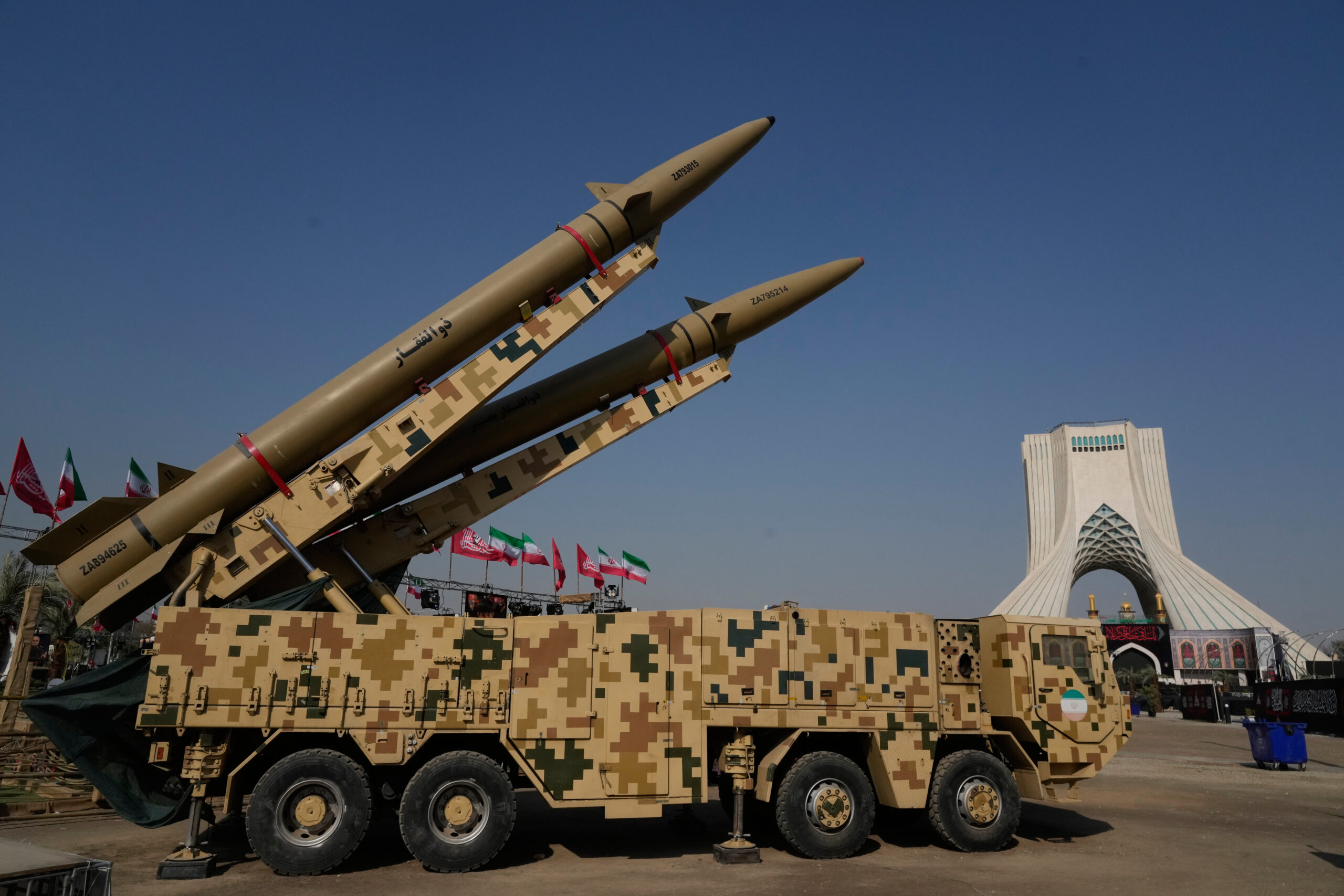
Iran’s Collective Strategic Decision Making
Wartime pressure has temporarily aligned the leadership’s overriding interest in regime survival, even as its members continue to differ over the costs, methods, and ultimate objectives of the war.
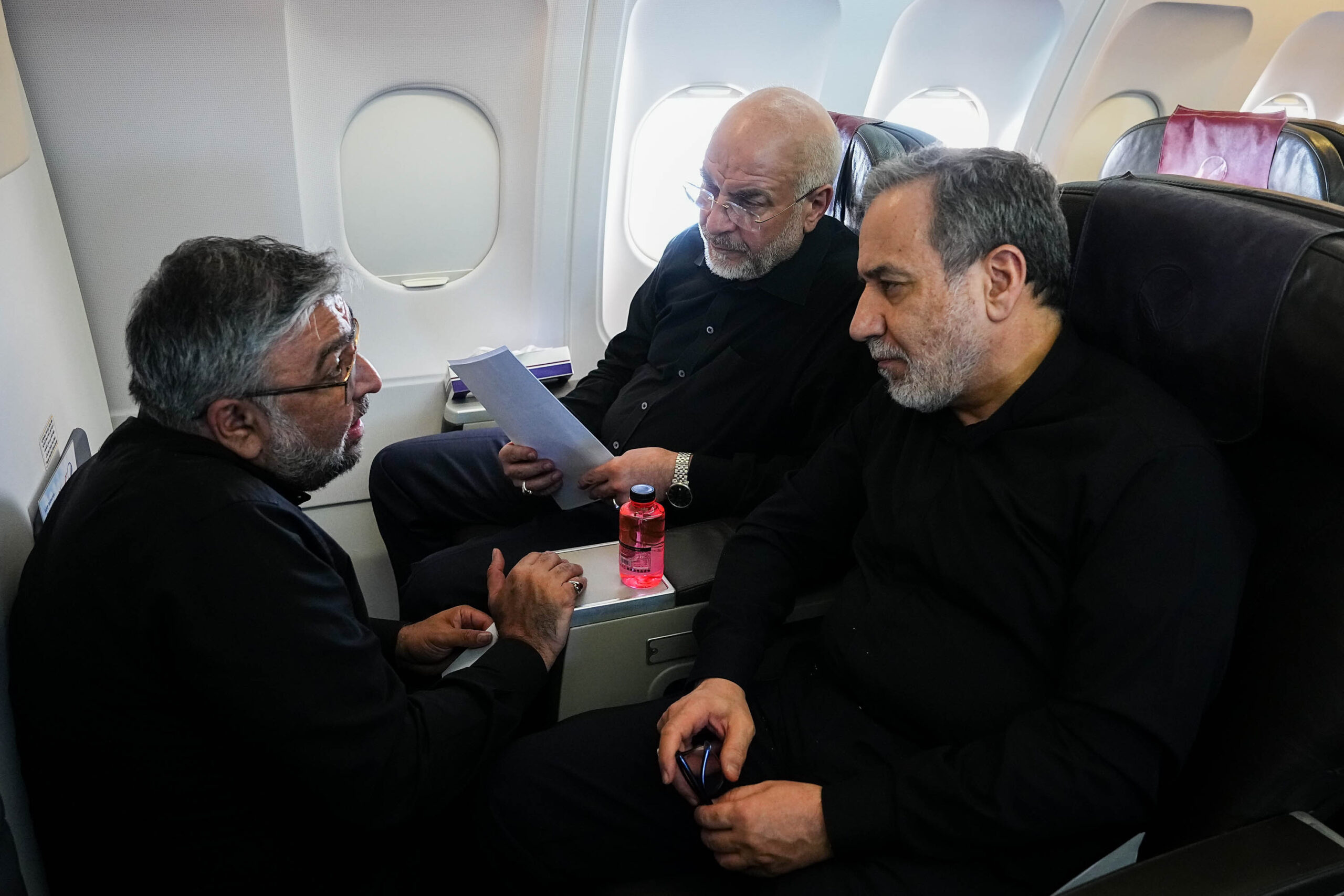
The Islamic Republic’s Collective Leadership
While there is historical precedent for collective leadership in Iran, today’s leadership includes representatives of the IRGC and regular military – a reflection of the IRGC’s expanding role and the necessities of governing under wartime conditions.
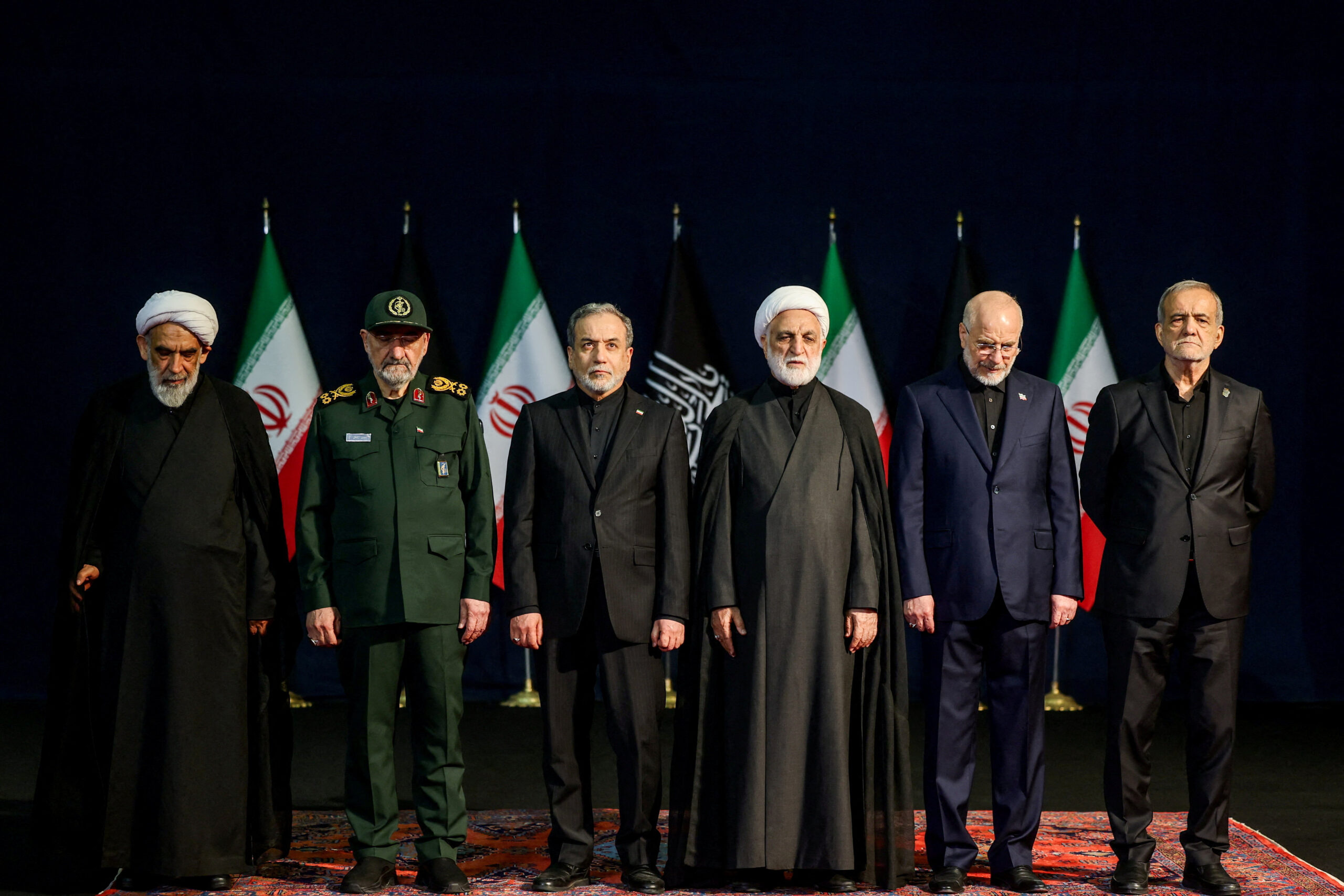
How Did the IRGC Seize Power in Iran?
The IRGC did not seize power in a single stroke. It accumulated it – patiently, methodically – until no counterweight remained.
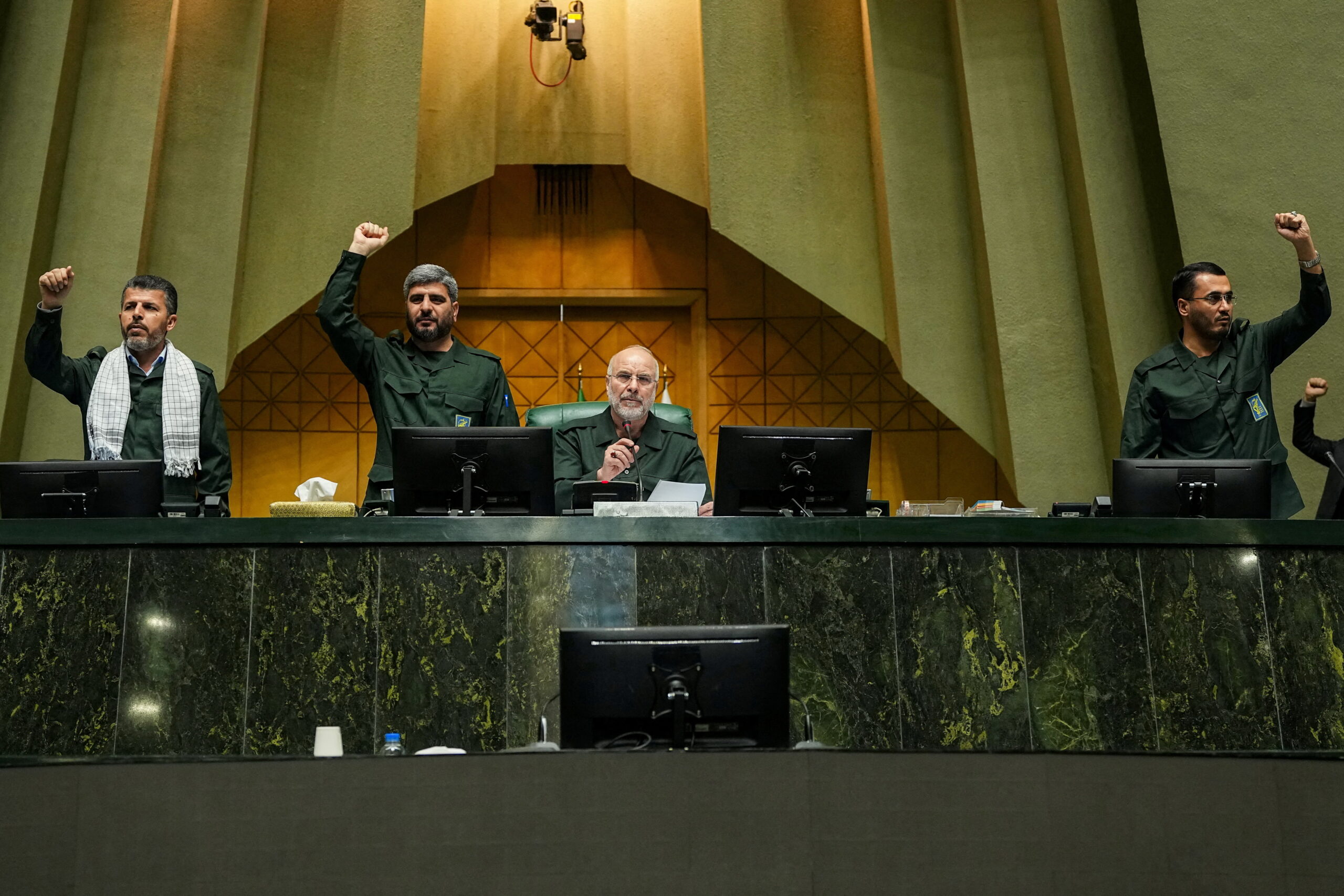
Events
Book Talk: Iran and the Bomb: The United States, Iran and the Nuclear Question
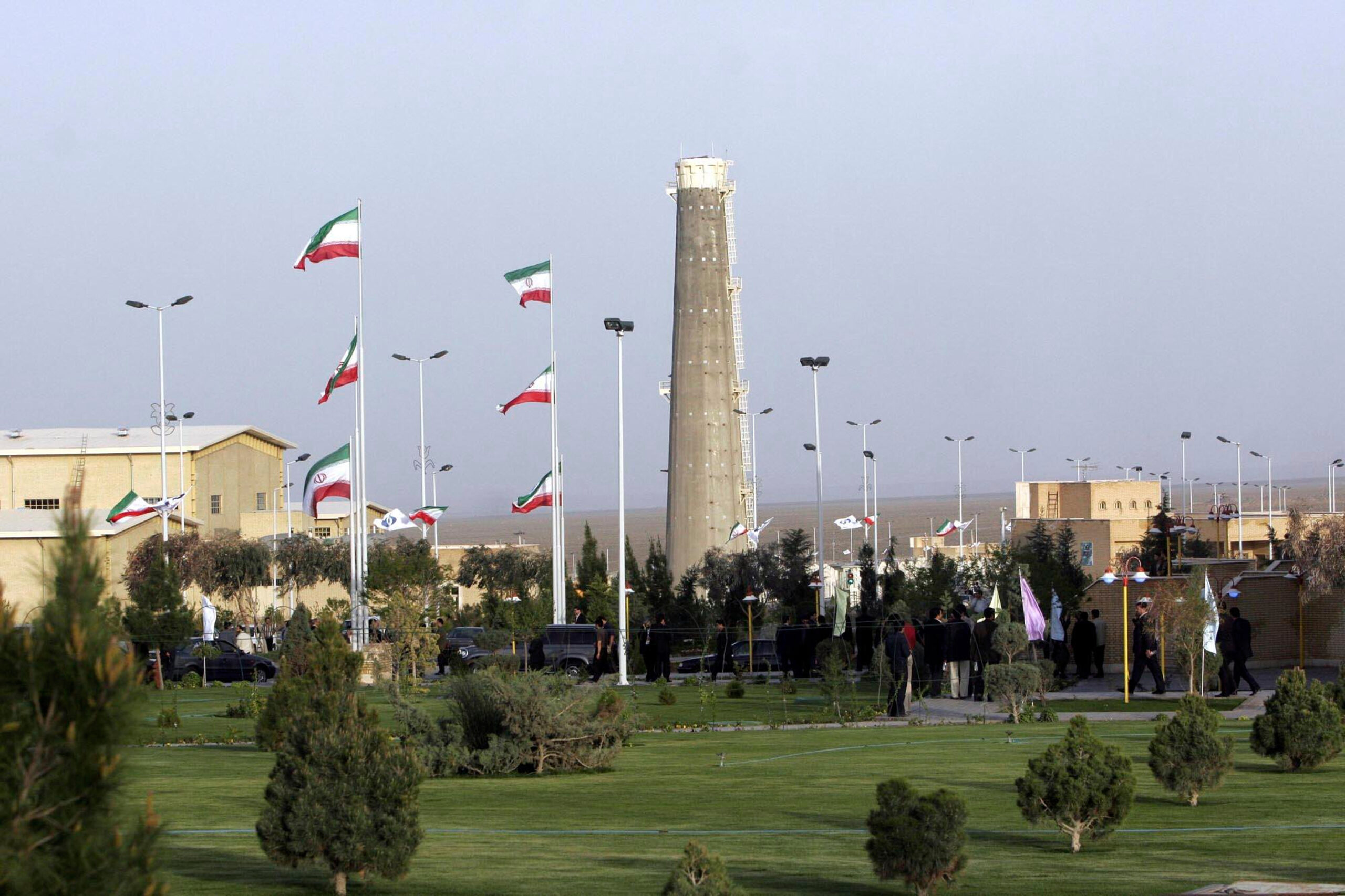
On June 16, AGSI hosted a discussion on the evolution of Iran's nuclear program.
Speakers

Apr 21, 2026
Inside Iran’s Wartime Leadership: Power, Succession, and Regime Stability
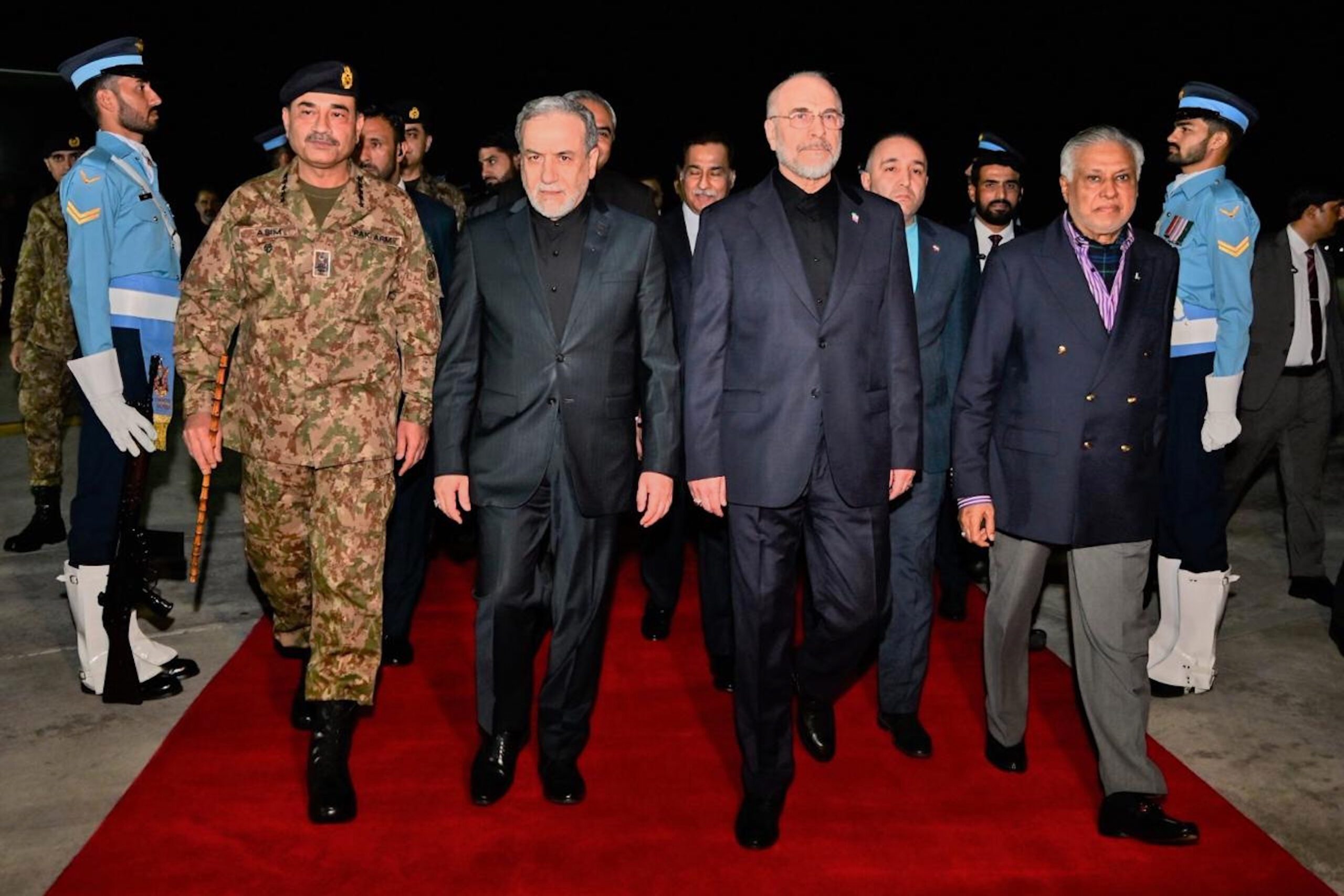
On April 21, AGSI hosted a discussion on the evolution of Iran's leadership during the war.
Speakers

Mar 18, 2026
In Its Conflict With the United States and Israel, Does Escalation Favor Iran?
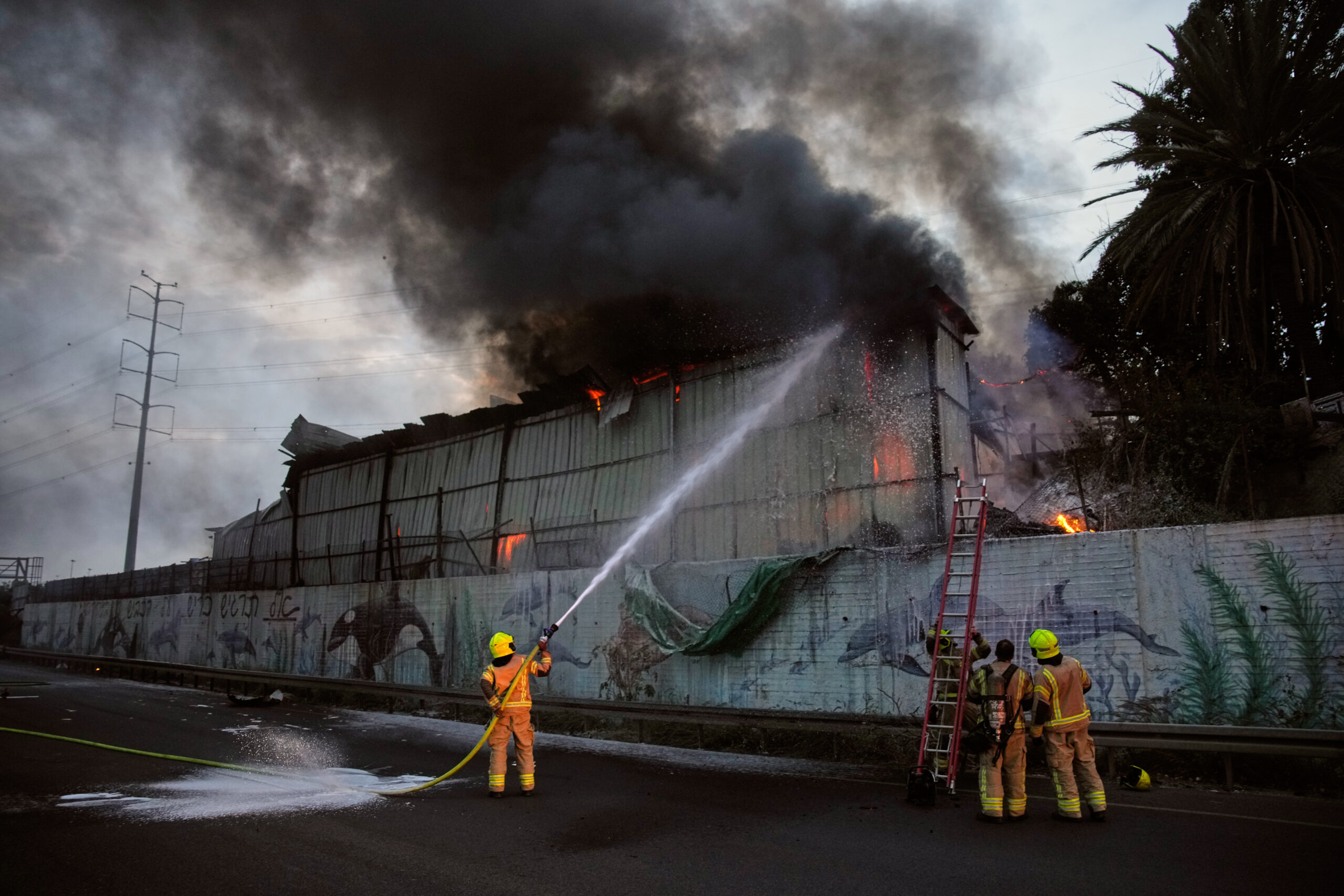
On March 18, AGSI hosted a discussion on the escalation of the Iran war.
Speakers



Mar 2, 2026
After the Shock: Implications of the U.S.–Israeli Strikes and Iran’s Leadership Transition
On March 2, AGSI hosted a discussion on the U.S.-Israeli strikes on Iran.
Speakers