Dec 17, 2024
Iranian Reformists Weaponize Assad’s Fall Against the IRGC
The December 17 edition of the Iran Media Review considers calls by reformist politicians for civilian control over the military and national security decision making in Iran.
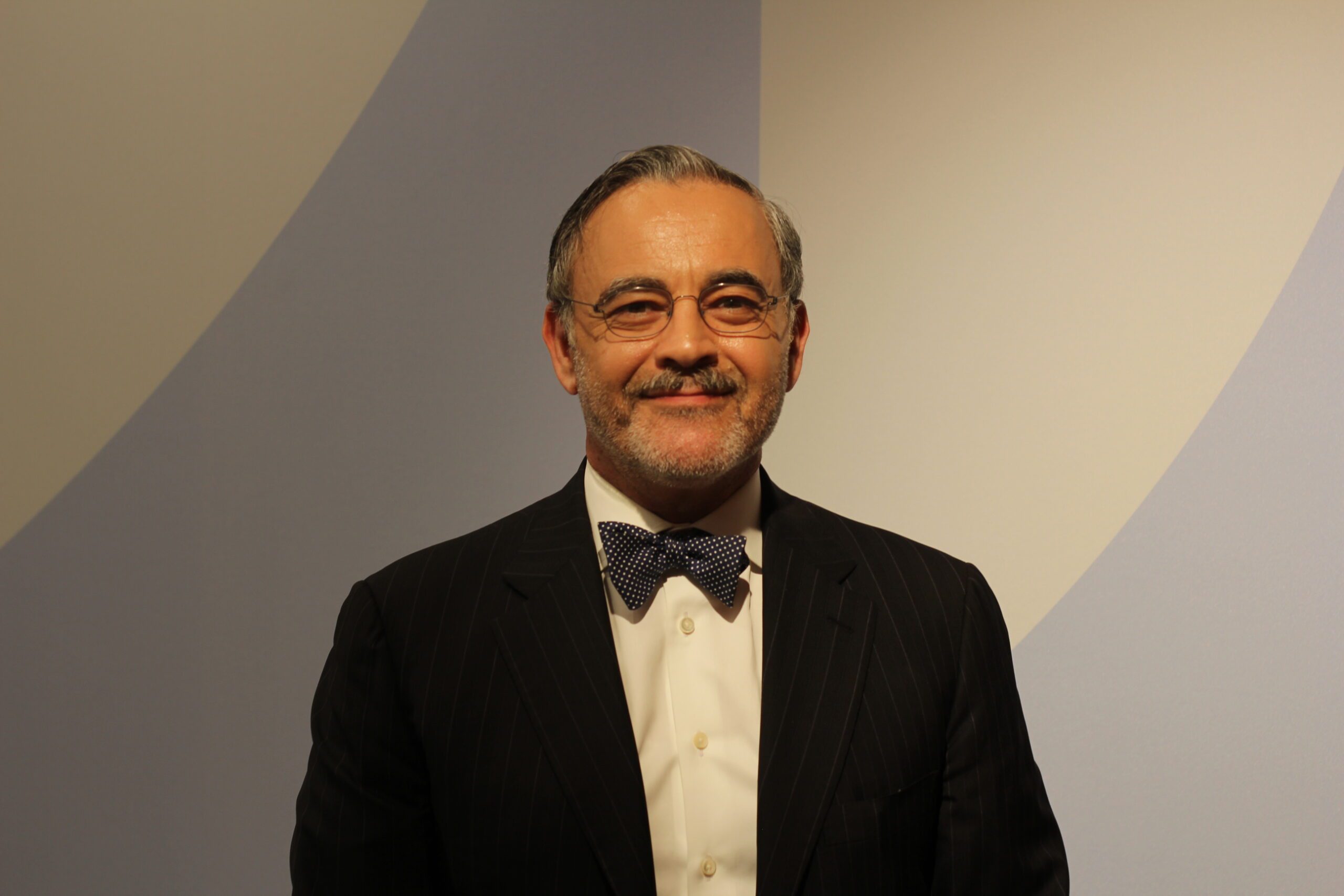
The collapse of the regime of President Bashar al-Assad and manifest defeat of the Islamic Revolutionary Guard Corps’ strategy in Syria have exposed the IRGC to public critique in Iran. While still short of demanding accountability, reformist politicians are openly calling for civilian control over the military and national security decision making. There is, however, no indication that the IRGC leadership is willing to voluntarily subject itself to civilian control or give up its decisive influence over national security decision making. On the contrary, as evident on the front page of IRGC mouthpiece Javan newspaper, it is likely to use the judiciary to prosecute and intimidate critics.
- December 13: In two front page pieces, Javan newspaper warned against “those, who demoralize the public” by criticizing Iran’s debacle in Syria:
- Mohammad-Javad Akhavan in an editorial wrote: “Legal deterrents are prerequisites of psychological security. Today, the national security of our country requires the heads of the three branches of government to reduce the maneuvering room for those who aim to disturb the public mind.”
- Columnist Sajjad Azari wrote: “Last Wednesday, the leader of the revolution said in his address … ‘There are those who try to demoralize the people … Within Iran, nobody must do this, and if someone within Iran, in his statements or analysis, speaks in such a way to dishearten the people, this is a crime and must be prosecuted.’ Afterward, the judiciary issued a statement to the effect that people engaged in media or online media should abstain from addressing issues that disturb the public mind and intimidate people.”
- December 16: Hossein Marashi, secretary-general of the reformist Kargozaran Party, analyzing recent events in Syria, said, as quoted by the party’s Sazandegi newspaper:
- “Everybody claims the events in Syria took place so fast … But there are also those who say what happened in Syria took place with a 13-year delay. For the past 13 years, the Syria case has been open. From the very beginning, Iranian statesmen disagreed on how to deal with this issue.” He continued that the late president, Ayatollah Akbar Hashemi Rafsanjani, “expressed himself very bluntly, by suggesting to preserve the Baath Party, remove Assad, and replace him with someone like Farouk al-Sharaa,” the former Syrian foreign minister who died in 2014. He said, “Such were the suggestions on the table. I once asked Commander Suleimani,” a reference to the late IRGC Quds Force chief, Qassim Suleimani, “would it not have been better to reach an agreement between Assad and the opposition and form a coalition government? He said, ‘We approved of it, and this would have been the best solution, but Erdogan did not allow it to happen.’”
- Reflecting on the broader implications, Marashi emphasized the “lessons from Syria” and critiqued the role of military institutions in policymaking. Referring to the IRGC, he said that “Military organizations should not be in charge of policy. There must be no doubt that armed military organizations, in particular ideological organizations such as the Revolutionary Guard – the power and dignity of which is the power and dignity of us all – must be strong, and their needs must be attended to. However, policy must never be in their control. Armed forces must always remain under civilian control. For a time, we entrusted regional policies to a military organization and did not achieve the desired result. This is because military organizations are not politically capable. When dealing with a problem, politicians consider all options, including military, political, and cultural. The political leadership uses all means of political influence and uses all tools available to it in society. Consider the example of Turkey preventing us from creating a coalition government composed of Assad and the opposition to him. Well, the Baath Party could have remained in government, Assad would, due to popular opposition, abdicate and someone else could have replaced him.” He continued that, instead, “We deployed Iranian forces in Syria. There was a war, and Commander Suleimani fought. Russia assisted by providing air cover and Mr. Assad’s rule was stabilized. Had the politicians been in charge, Assad would have extended a hand of friendship to the opposition as soon as he stabilized his rule over Syria.”
The views represented herein are the author's or speaker's own and do not necessarily reflect the views of AGSI, its staff, or its board of directors.
Related
Iran Media Review
Dec 13, 2024
Khamenei on Syria: Defiance in Defeat
The December 13 edition of the Iran Media Review explores the Iranian supreme leader’s first public statement in the wake of the collapse of the Assad regime in Syria.
Iran Media Review
Dec 10, 2024
In the Wake of Fiasco, Catastrophic Outlook
The December 10 edition of the Iran Media Review analyzes Iranian reactions to the collapse of the Assad regime in Syria and concerns over increasing uncertainty in the region.
Dec 13, 2024
Khamenei on Syria: Defiance in Defeat
The December 13 edition of the Iran Media Review explores the Iranian supreme leader’s first public statement in the wake of the collapse of the Assad regime in Syria.
Dec 10, 2024
In the Wake of Fiasco, Catastrophic Outlook
The December 10 edition of the Iran Media Review analyzes Iranian reactions to the collapse of the Assad regime in Syria and concerns over increasing uncertainty in the region.
Analysis
Political Life and Legacy of Iran’s Ayatollah Khamenei
Ayatollah Ali Khamenei was killed in his office in Tehran at age 86, leaving behind a country in ruins and on the verge of civil war and potential disintegration.
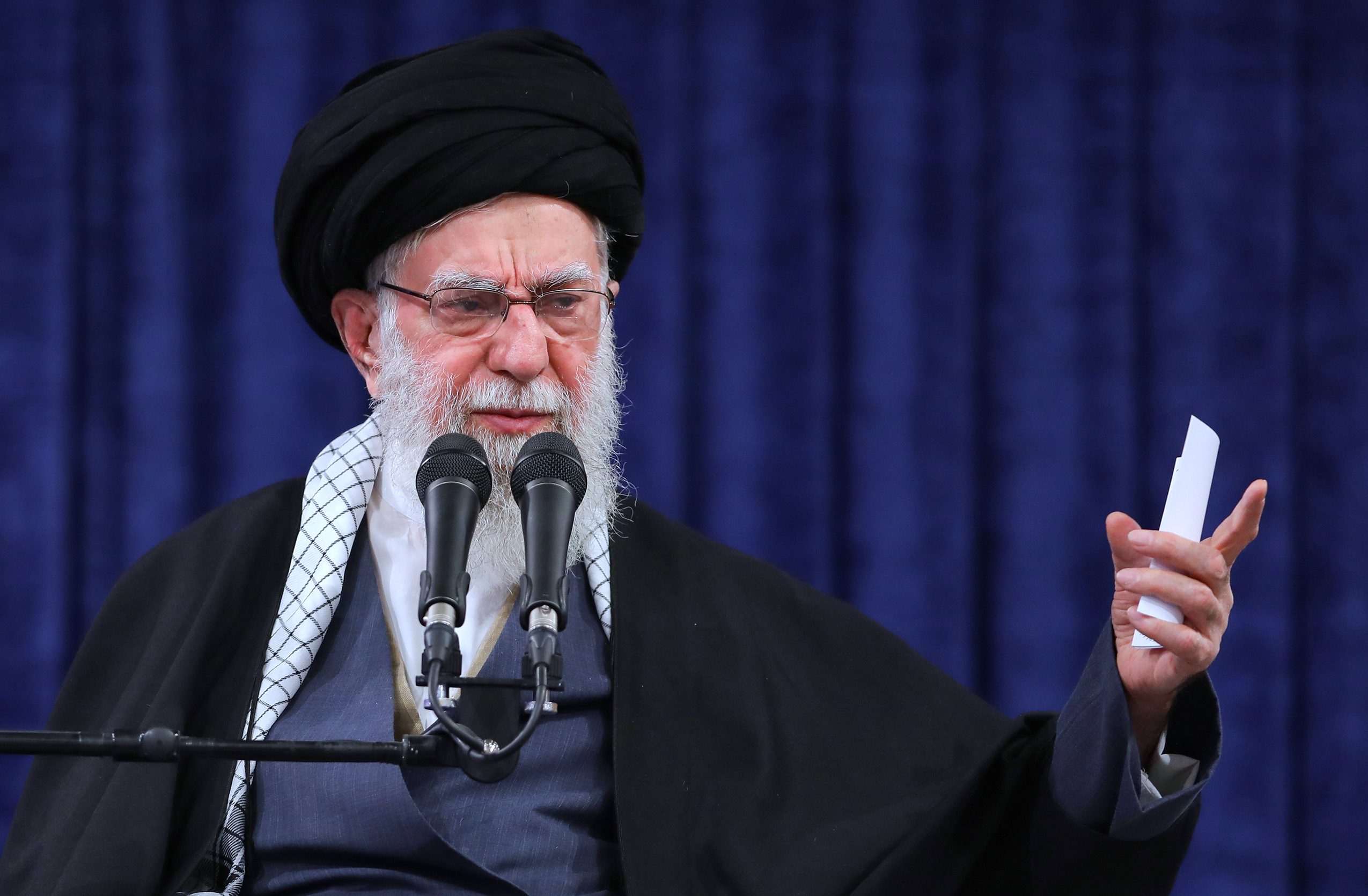
Iranian Regime Fighting for Survival
Iran is signaling that it will not absorb attacks passively. But whether this strategy ensures the regime’s survival, seals its fate, or accelerates a broader catastrophe will shape the region for years to come.
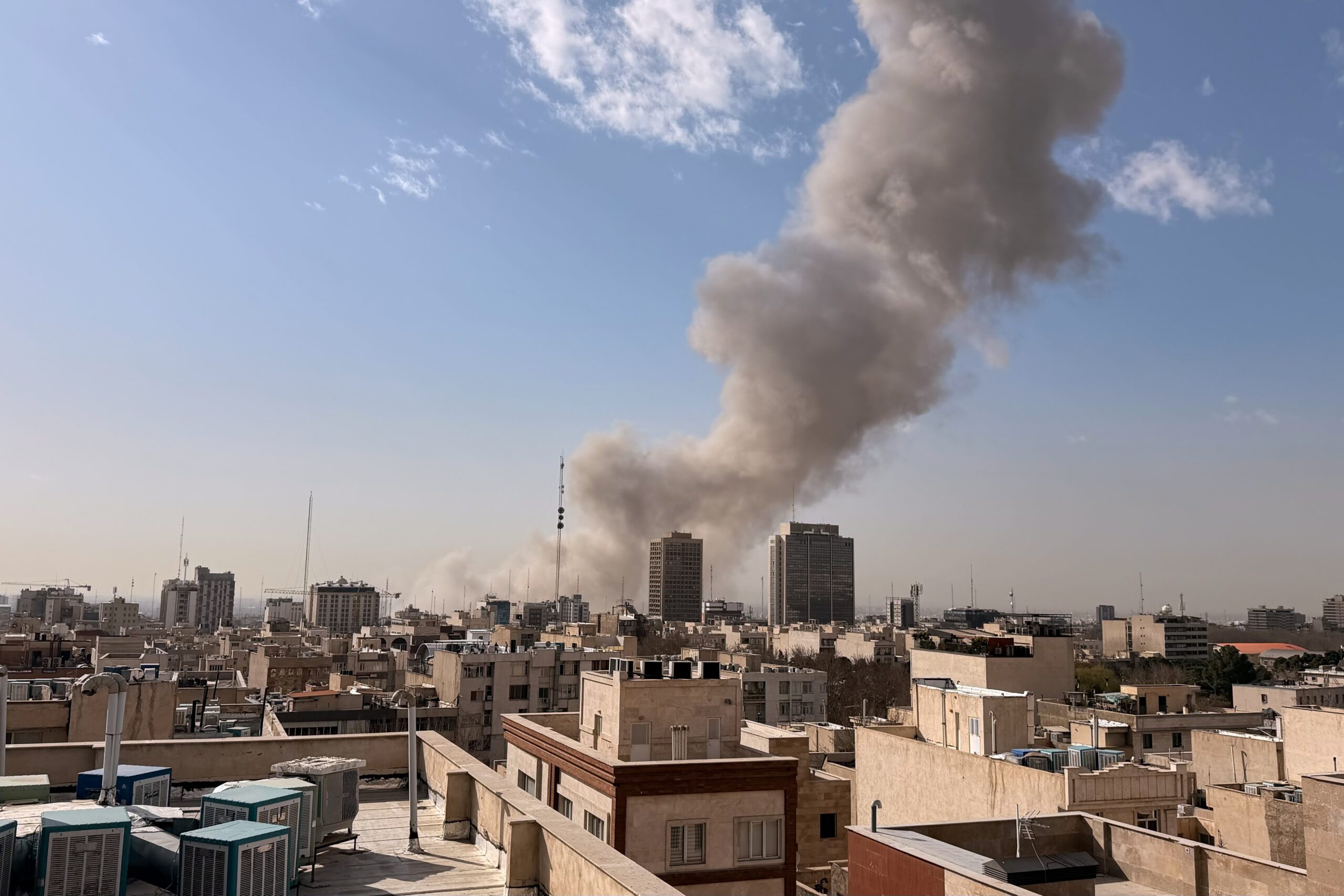
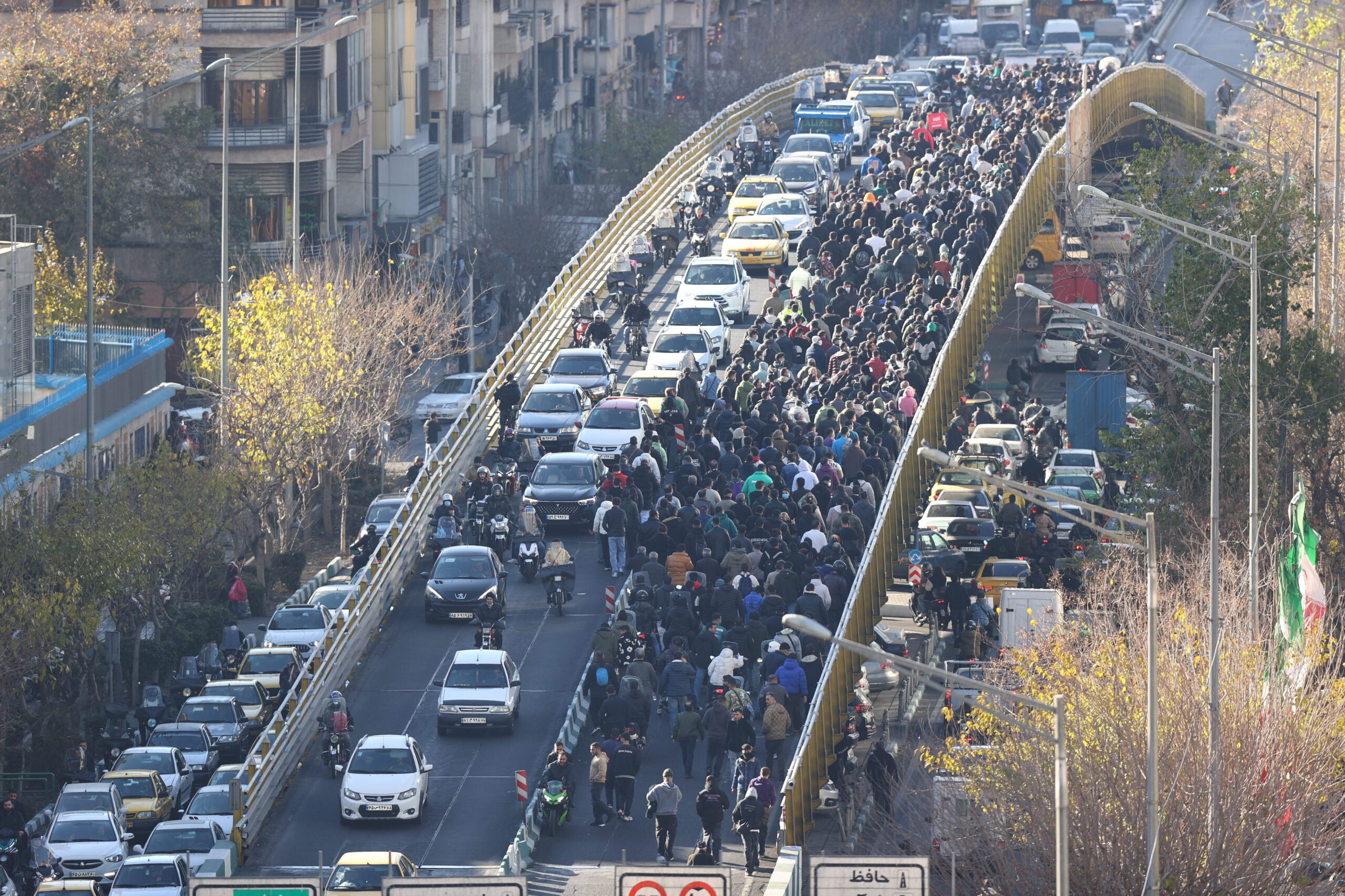
Iran’s 2025-26 Protests in Perspective
The erosion of the regime’s legitimacy across broad segments of society, combined with the breadth of the 2025-26 protest coalition, raises the possibility that a new confrontation could trigger renewed anti-regime mobilization.
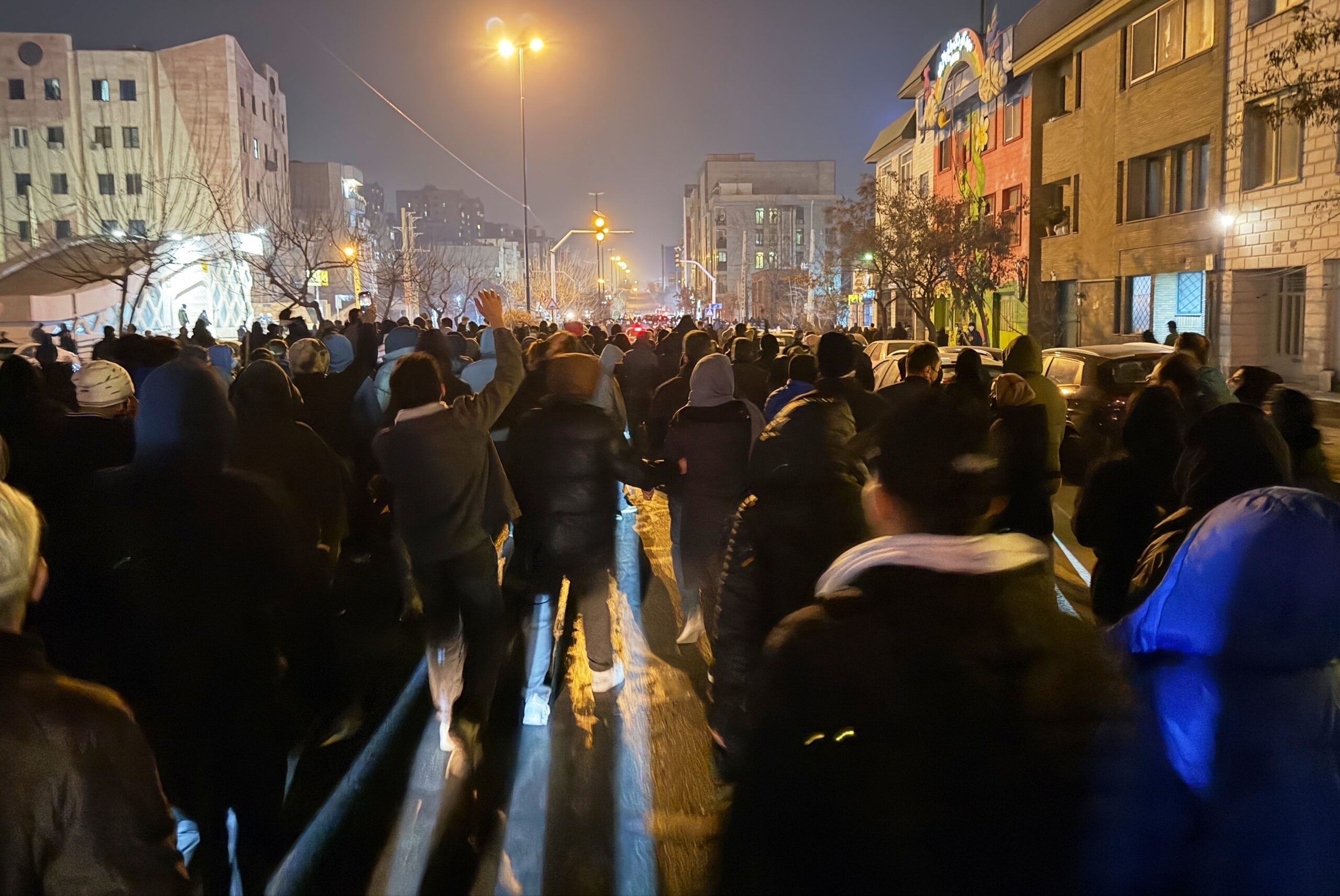
Protests in Iran: Regime Deal With Trump or Degrade Toward Collapse?
Though the Iranian regime is facing increasing pressure from protesters and armed insurgent groups, it is not yet doomed – but without a deal with the United States, the regime is likely headed for a slow collapse.
Events
Mar 2, 2026
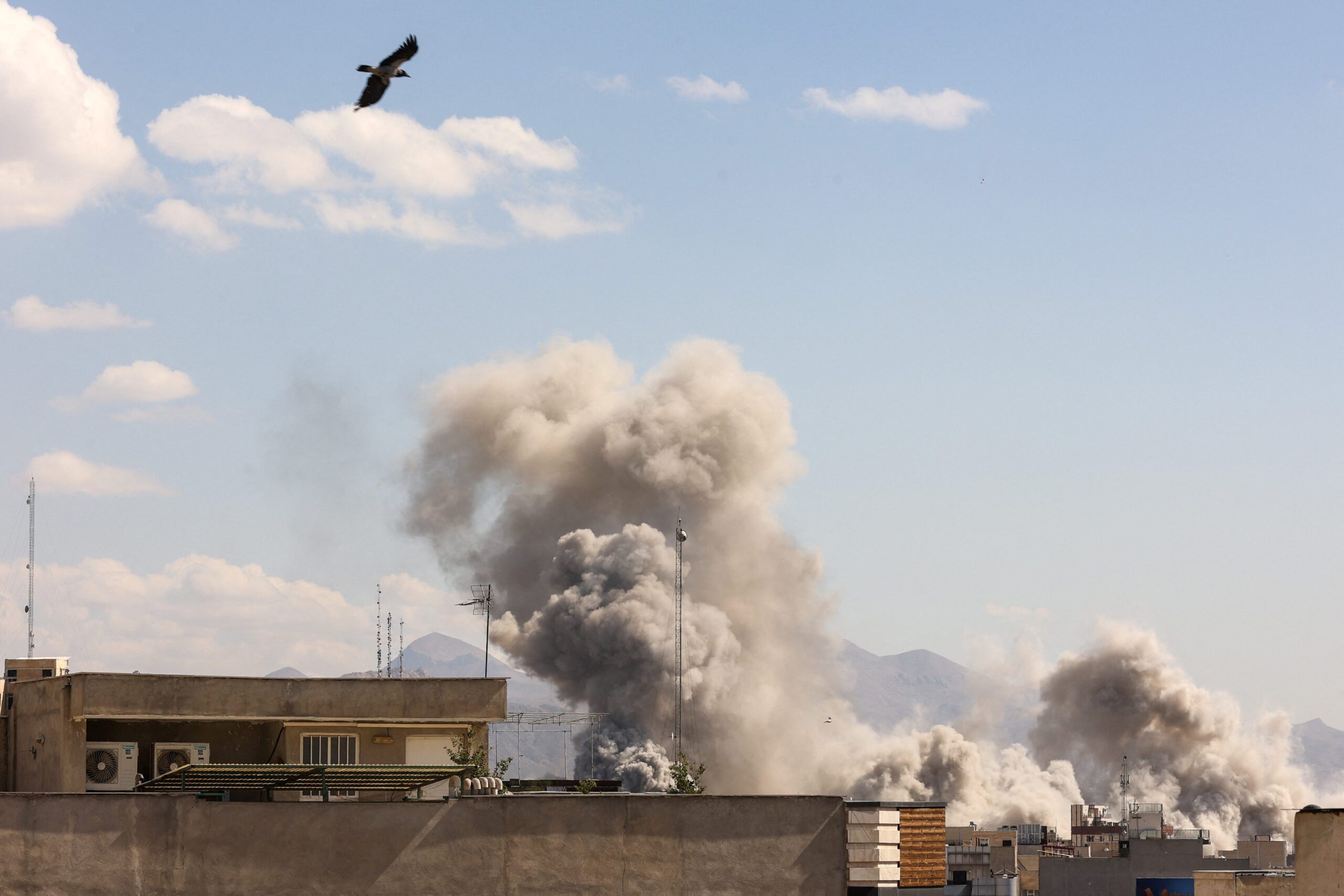
After the Shock: Implications of the U.S.–Israeli Strikes and Iran’s Leadership Transition
On March 2, AGSI hosted a discussion on the U.S.-Israeli strikes on Iran.
Speakers




Jan 8, 2026
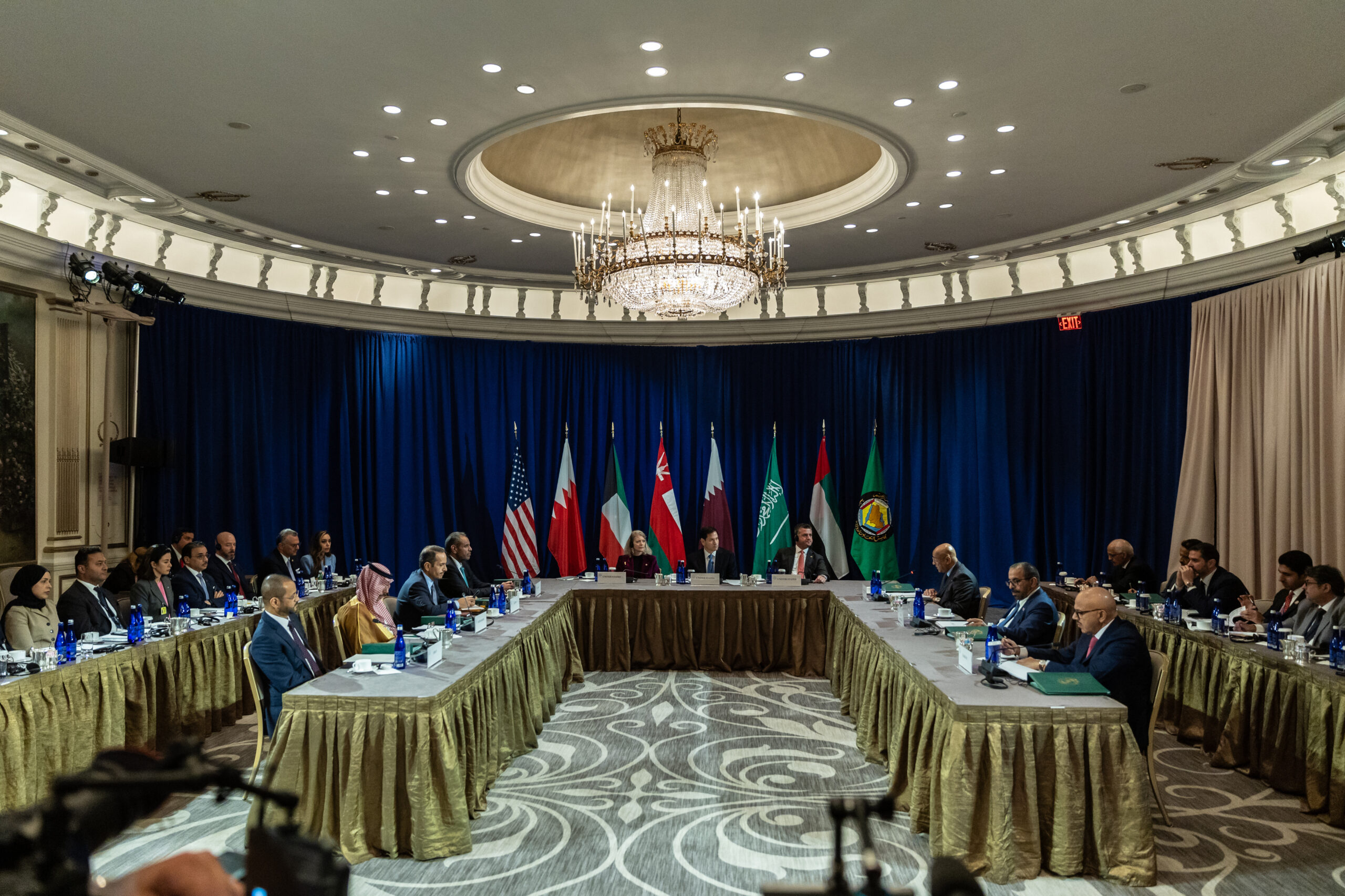
Outlook 2026: Prospects and Priorities for U.S.-Gulf Relations in the Year Ahead
On January 8, AGSI hosted a virtual roundtable with its leadership and scholars as they look ahead and assess trends likely to shape the Gulf region and U.S. foreign policy during the coming year.
Speakers



Sep 16, 2025
Book Talk: Iran’s Grand Strategy: A Political History
On September 16, AGSI hosted a discussion on the roots of Iran's strategic outlook.
Speakers
Jun 23, 2025
U.S. Strike on Iran: Regional and Diplomatic Fallout
On June 23, AGSI hosted a discussion on the United States' attack on Iranian nuclear sites.
Speakers
