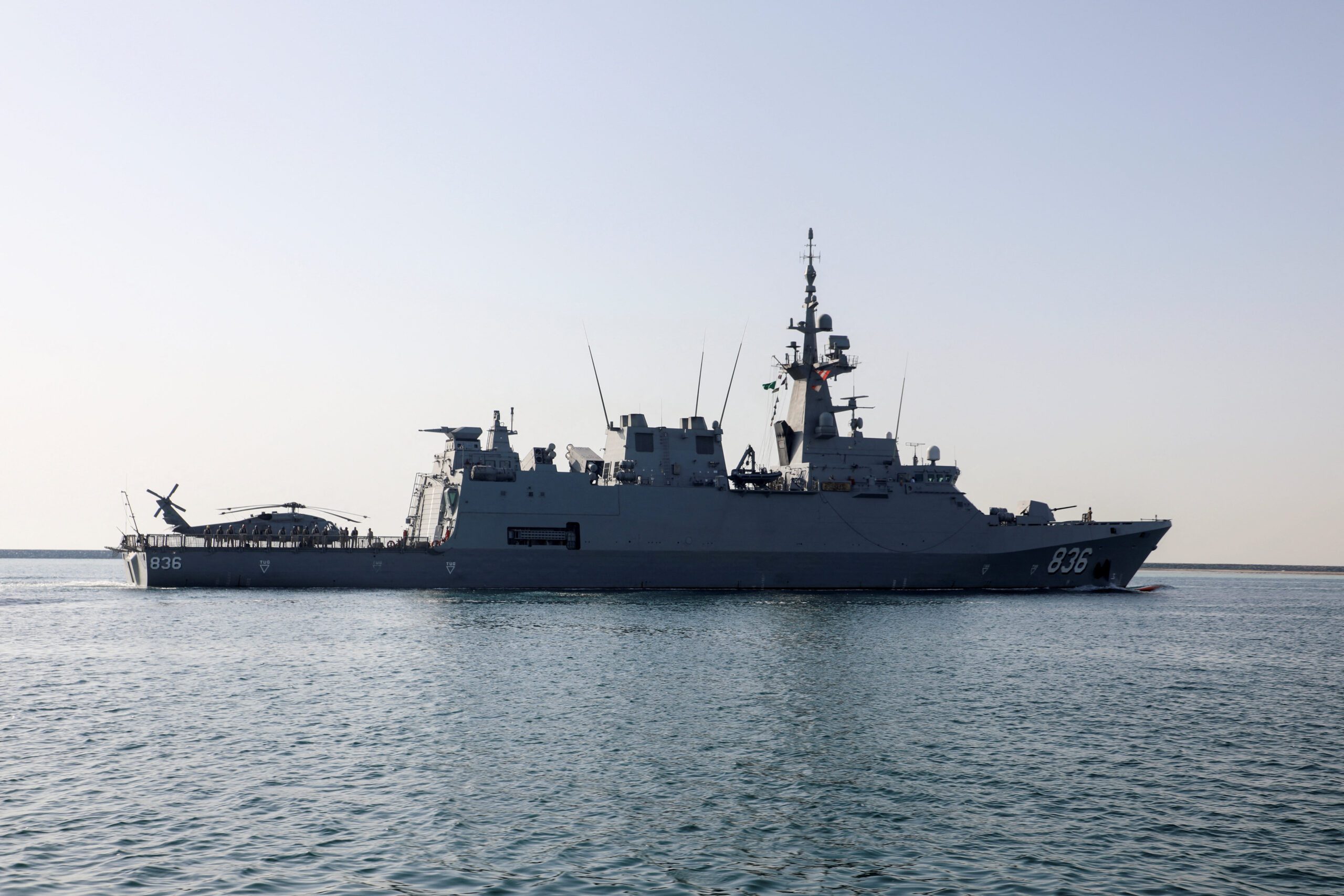
Royal Saudi Naval Forces warship Unayzah sails to Hamad Port ahead of the Doha International Maritime Defence Exhibition and Conference, in Qatar, January 18. (REUTERS/Imad Creidi)
Traditionally reluctant maritime players, the Gulf Cooperation Council states have assumed a more proactive security role at sea since 2018, a shift visible in their growing leadership within the U.S.-led Combined Maritime Forces, a 47-member maritime security partnership.
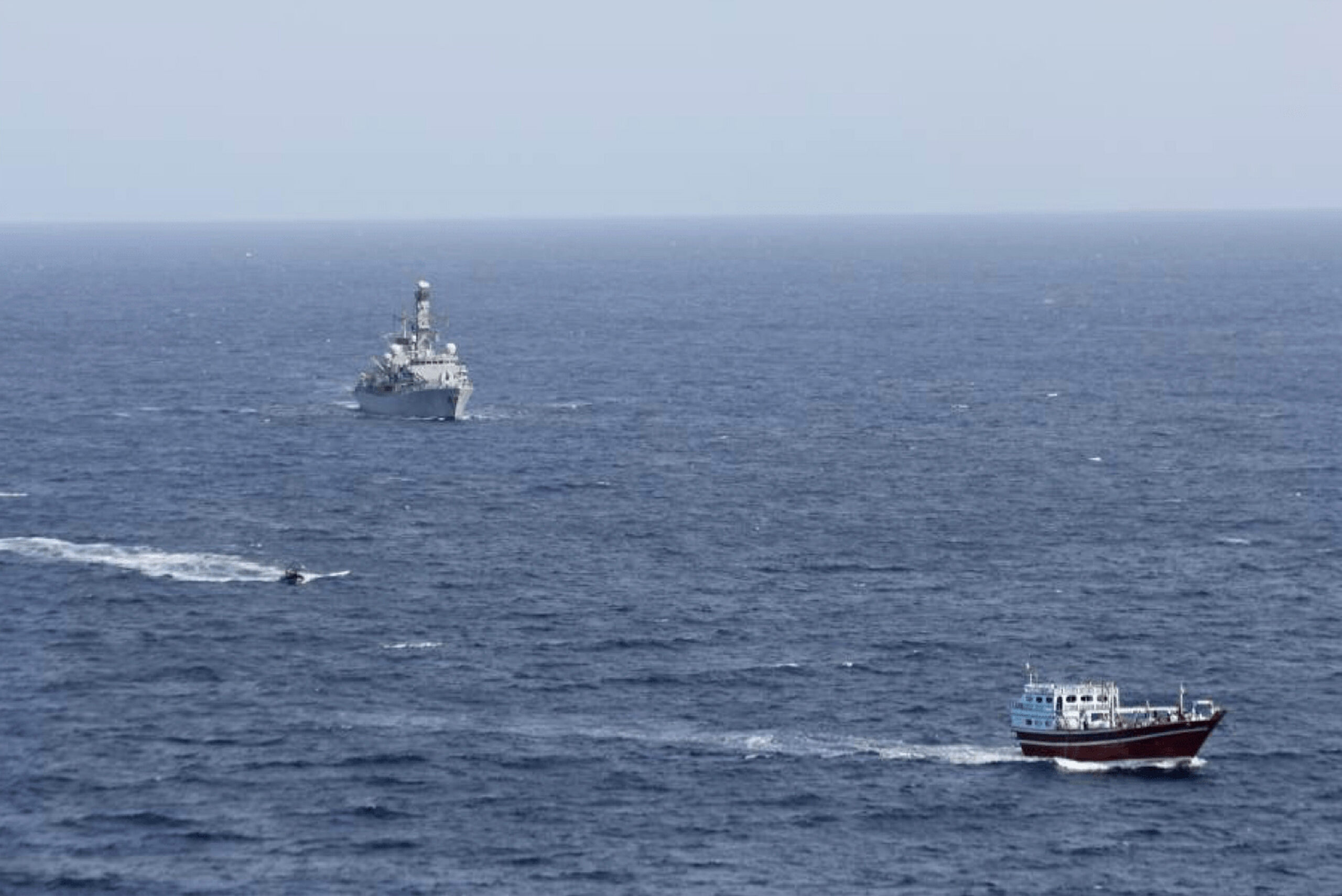
In mid-November 2025, Task Force 150, under Saudi rotating command at the time, seized more than two tons of crystal methamphetamine with an estimated street value of $130 million from a stateless dhow. This major counternarcotics success was part of a series of high-value interdictions in recent months. Only weeks later, Task Force 152, led by Qatar since September 2025, conducted the inaugural Joint Patrol-01, deploying both crewed patrol vessels and unmanned surface vehicles for coordinated surveillance in Gulf waters. While autonomous-system patrols are not new to the Combined Maritime Forces, this operation was a step forward in manned-unmanned teaming.
Once peripheral contributors, several GCC countries are now taking on leadership roles, translating national naval modernization programs into operational experience and regional strategic influence. This emerging activism, however, is uneven, with the GCC divided between states seeking command roles and quieter members whose participation remains limited or risk averse.
Charting a New Course
Historically, geopolitical considerations and threat perceptions pushed the GCC states to deprioritize the maritime domain. Aside from episodic shocks, notably the Tanker War in the 1980s, Gulf security concerns remained overwhelmingly land and air centric. Priorities were shaped by the risk of cross-border incursions, Iran’s expanding missile arsenal, and persistent terrorist threats, while maritime security appeared to be a distant concern.
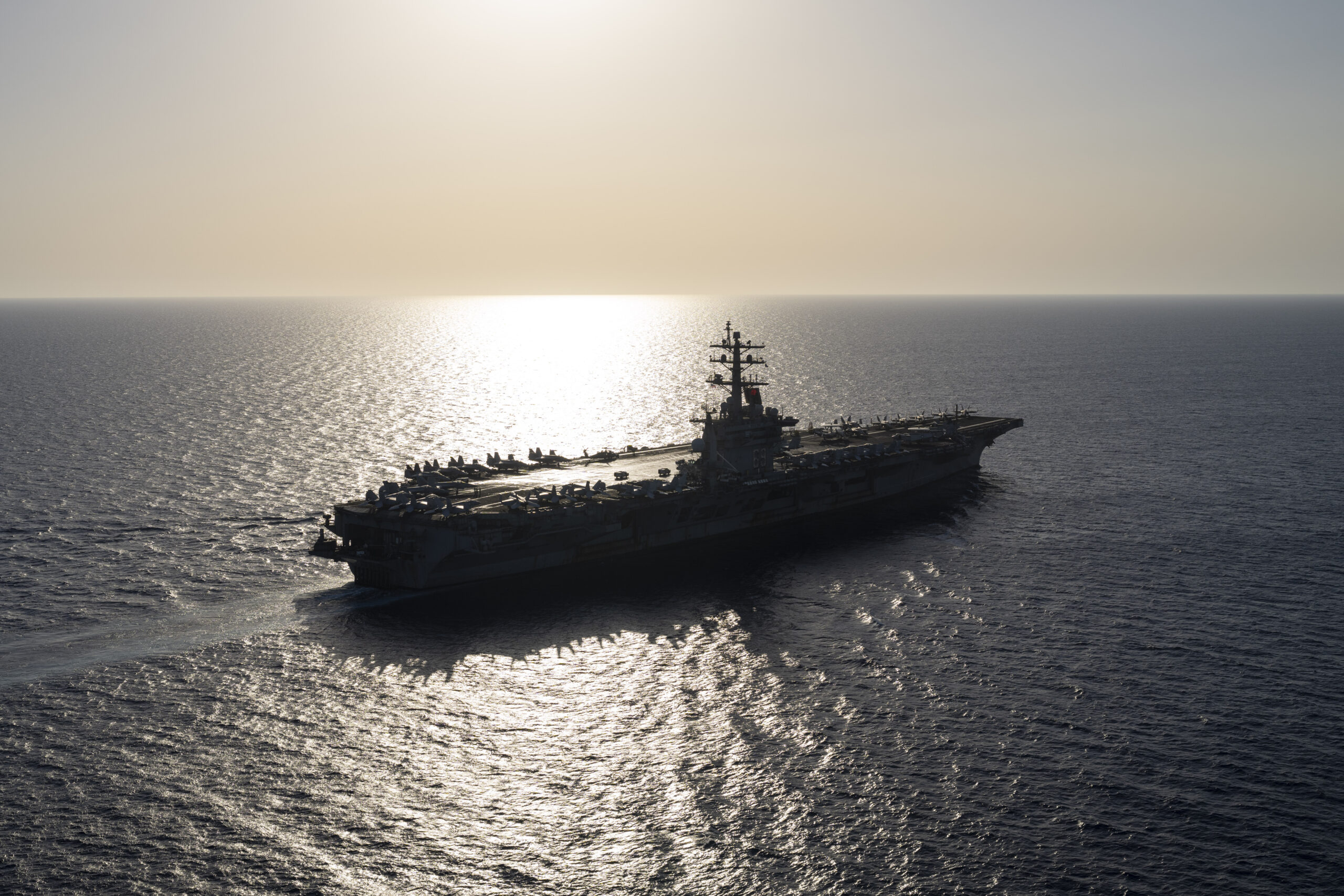
Equally consequential was the long-standing reliance on external security guarantors with superior naval capabilities. The British presence until the early 1970s and, subsequently, the U.S. Navy’s entrenched posture in the Gulf beginning in the 1980s provided a de facto delegation of maritime security responsibilities. This enabled GCC states to focus resources on air defense and land forces, while maritime routes remained under Western protection.
Around the mid-2010s, however, perceptions of U.S. retrenchment and ambitions for greater strategic autonomy prompted Gulf states to shift their maritime approach, and they embarked on a sustained naval buildup, seeking stronger operational capabilities. As these programs matured and delivered increasingly sophisticated platforms, Gulf navies began to translate assets into action, adopting a more visible presence at sea.
A Divided Bloc
Rising Protagonists
Kuwait, Saudi Arabia, Bahrain, and, more recently, Qatar have each commanded task forces in recent years, part of a growing sense of maritime responsibility and ownership in safeguarding vital shipping routes.
They have prioritized Task Force 150, responsible for maritime security from the Arabian Sea to the western Indian Ocean, and Task Force 152, focused on protecting waters west of the Strait of Hormuz. These choices reflect clear strategic priorities: first, disrupting the logistical enablers of regional destabilization and, second, securing waters near national shores.
Launched to counter maritime terrorism, Task Force 150 now focuses primarily on interdicting weapons and, increasingly, narcotics trafficking. The Arabian Sea remains a major conduit for illicit flows between western Asia, the Horn of Africa, and the Arabian Peninsula. While weapons and dual-use components remain a significant concern for the U.S.-led naval coalition, the Combined Maritime Forces have increasingly emphasized narcotics interdictions, a shift appearing to reflect an emerging pattern. This informal distribution of labor may also be the result of recent foreign initiatives, including the September 2025 Saudi-British conference on strengthening the Yemeni coast guard, which prioritized combating piracy and weapons smuggling. Drug trafficking poses a dual threat to the domestic security of Gulf states. It provides a critical revenue stream for nonstate armed actors, including the Houthis, while also fueling addiction and associated public health costs. Since assuming command of Task Force 150 in August 2025, the Saudi-led task force has overseen 13 interdictions with more than $1.36 billion in seized narcotics – “the most successful period of narcotics seizures in CMF history,” according to Task Force 150’s commander, Fahad Aljoiad. The pace of seizures underscores the task force’s enhanced operational tempo and intelligence integration under Saudi leadership.
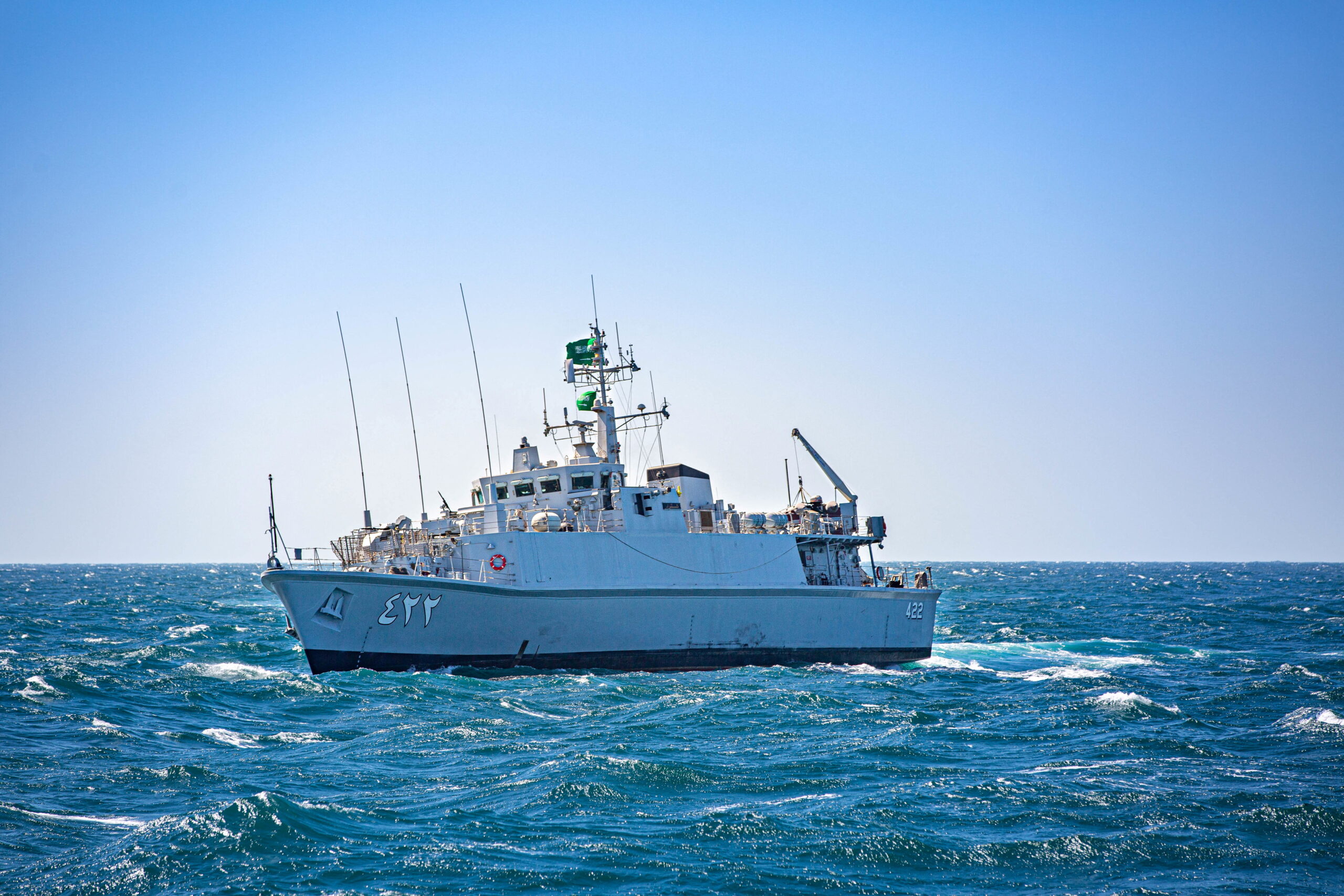
Given the scale of the patrol area, effective interdiction demands tightly coordinated multinational operations. Operation Al Masmak, for instance, involved Saudi coordination with Pakistani, French, Spanish, and U.S. naval assets, reinforcing Riyadh’s credentials for leadership in regional maritime security.
Notably, recent interdictions were executed by Pakistani and French navy vessels rather than Saudi forces. In Combined Maritime Forces practice, command countries regularly coordinate from the Bahrain-based headquarters without deploying ships to station. Saudi Arabia’s decision to withhold key assets likely reflects caution in dealing with the volatile security context surrounding Yemen.
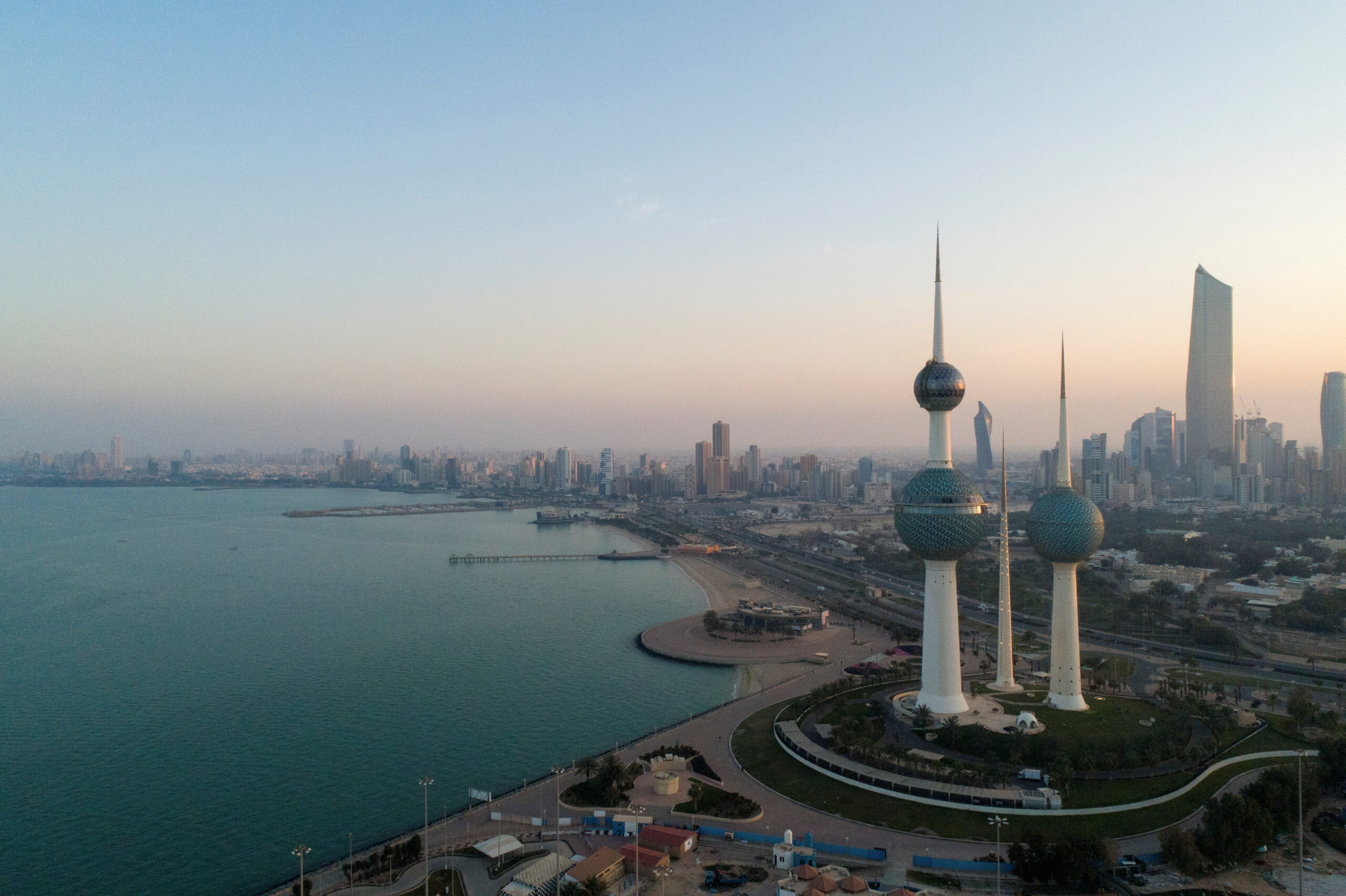
Task Force 152 has attracted the most consistent GCC participation. Since 2009, Gulf states have held its command almost continuously, with only three interruptions, periods that coincided with spikes in Iran-related tensions. Kuwait is the most active contributor, assuming nine commands, followed by Saudi Arabia with four, Bahrain with three, and the United Arab Emirates with two. Qatar, traditionally cautious, assumed its first command in September 2025, signaling a gradual recalibration of its approach to coalition engagement after suffering Iranian and Israeli airstrikes over the summer.
While Riyadh’s leadership aligns with its ambition to assert strategic direction in its neighborhood, smaller GCC states view command roles within the Combined Maritime Forces as a critical avenue to exercise maritime agency. For Kuwait, Bahrain, and now Qatar, Task Force 152 provides a platform to shape security practices in waters often overshadowed by Saudi and Iranian influence.
The multilateral nature of the Combined Maritime Forces lowers political and operational risks for these smaller states. It mitigates regional power asymmetries, strengthens interoperability, and enhances operational readiness within a structured environment. Task Force 152 serves both as a mechanism for safeguarding Gulf waters and as a platform for building naval capabilities and visibility.
Yet, Combined Maritime Forces-led exercises expose the limits of Gulf navies to project power independently. While they can carry out lower- and mid-intensity missions, such as search-and-rescue and countersmuggling, they remain reliant on Western partners for higher-end maritime activities, including antisubmarine warfare, mine countermeasures, and advance unmanned integration. For example, for the Doha-led Joint Patrol-01, two of the three principal surface combatants were Western vessels. Leadership roles do not yet equate to full-spectrum maritime autonomy.
Still, these joint drills have strategic value. They enhance interoperability, expand tactical proficiency, and create habits of cooperation. Over time, they are likely to strengthen the maritime posture of smaller Gulf states and signal a gradual shift toward greater burden sharing.
Quieter Members
This growing Gulf activism is far from uniform. Some GCC states, such as Oman, adopt a deliberately low-profile approach, while the UAE has paused maritime engagement, at least publicly, despite earlier contributions.
Oman has navigated a volatile region by diversifying security partnerships while maintaining strict nonalignment. Neutrality and quiet diplomacy underpin Muscat’s foreign policy and are reflected in its maritime posture. The sultanate’s geography at the mouth of the Gulf, combined with its dense web of geopolitical relationships, compels Muscat to maintain functional ties with all actors holding stakes in the Strait of Hormuz. Sharing the Gulf’s only maritime entryway with Iran, Muscat has cultivated stable relations with Tehran, through regular port calls, military dialogues, and joint drills. At the same time, Oman hosts a British logistics facility in Duqm and grants the U.S. Navy access to its ports while also engaging with non-Western security players, including China and Russia.
Despite joining the Combined Maritime Forces in 2018, Oman’s participation has remained deliberately limited. Muscat is valued as a key interlocutor, but operational contributions have focused on coordination and logistical support rather than high-profile deployments. Assuming a task force command would risk undermining the neutrality central to Oman’s regional diplomacy.
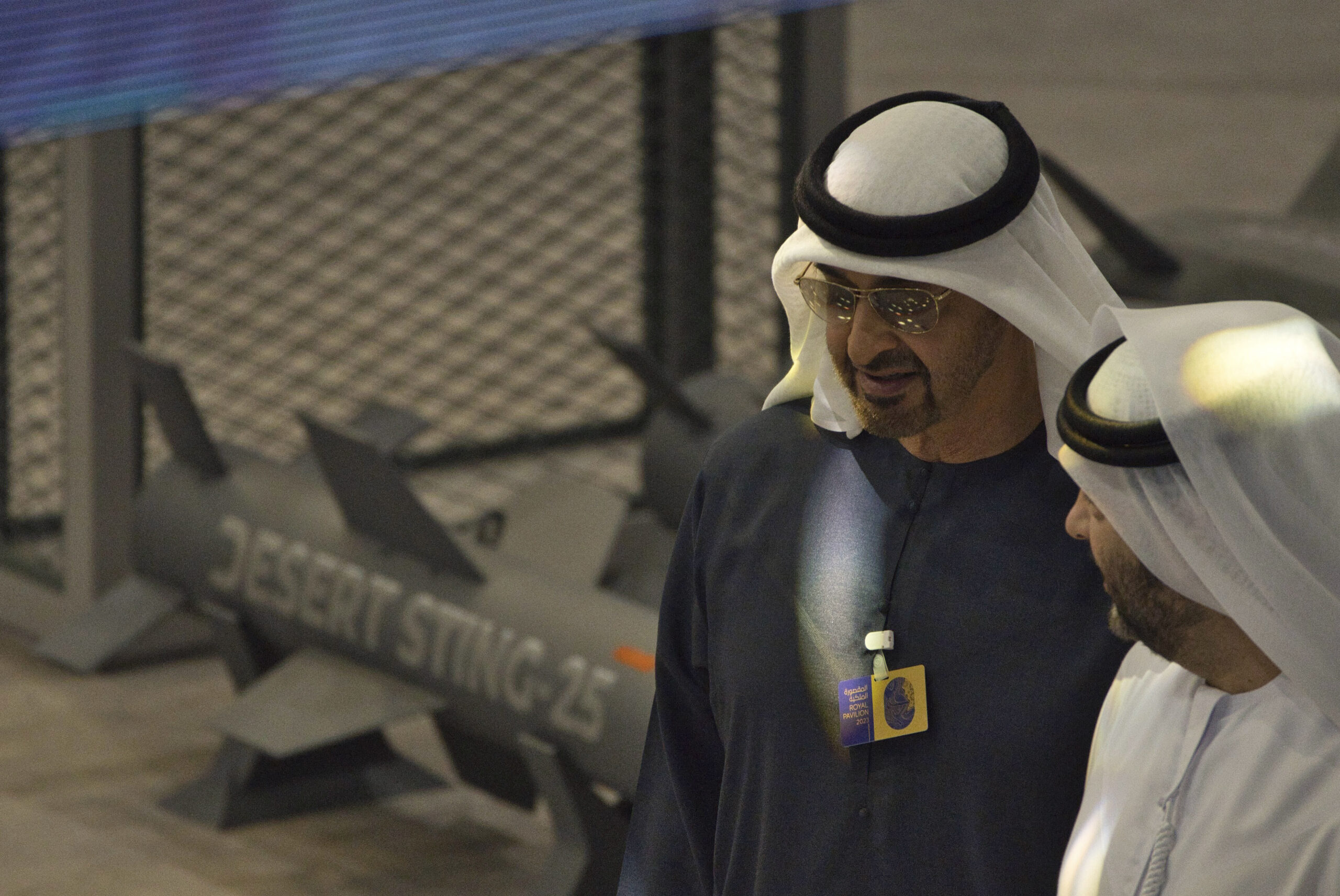
The UAE, once a reliable contributor, announced its withdrawal from the coalition in May 2023, citing an “ongoing evaluation of security cooperation.” Yet the coalition continues to list the UAE among its members, suggesting a strategic pause rather than a full exit. The decline in operational engagement, combined with retained membership, preserves Abu Dhabi’s option to reenegage if conditions become more favorable while signaling autonomy from U.S.-led frameworks.
For a country seeking flexibility and diversified partnerships, operating under a Saudi-led structure may also be unappealing, especially as the UAE is doubling down on options offering greater freedom of maneuver, such as bilateral and minilateral partnerships. This move likely reflects pragmatic calculations about diversifying from the U.S. protection umbrella and decoupling some security choices from Riyadh’s orbit.
Adaptation and Assertiveness
The Gulf’s increased naval engagement reflects both adaptation and growing assertiveness amid a volatile maritime environment shaped by regional tensions, renewed piracy, and intensifying great power rivalry. However, deeper burden sharing with U.S. military operations remains limited, as GCC governments weigh the risks of closer alignment with Washington, as low participation in Operation Prosperity Guardian underscored.
Efforts to diversify security partnerships, including regular Saudi-Chinese naval drills, highlight this caution. While the recent GCC-level Union Exercise signals interest in revamping naval integration, the Combined Maritime Forces remain the most effective platform for practical cooperation, albeit one constrained by each state’s pursuit of strategic flexibility.
Ultimately, Gulf activism within the Combined Maritime Forces points to a more engaged maritime diplomacy. The Gulf states are blending ambition with pragmatic multilateralism, positioning them as increasingly influential, though still cautious, actors in the evolving maritime security landscape.
The views represented herein are the author's or speaker's own and do not necessarily reflect the views of AGSI, its staff, or its board of directors.
Kuwait is working to ensure its naval forces can protect its economic interests, uphold its sovereignty, and contribute meaningfully to multilateral security initiatives.
As the Gaza war and campaign of Houthi attacks targeting commercial shipping have prompted the United States to strengthen its military footprint regionally, the U.S.-led Task Force 154 aims to enhance interforce interoperability.
Saudi Arabia has looked to the Red Sea through the lens of economic investment and infrastructure, but an economy-center focus is insufficient to address the various factors causing instability in the region.
The protracted presence of aircraft carrier strike groups has only partially restored U.S. deterrence and comes with significant economic and strategic costs.
Iran’s first naval exercise since the June conflict with Israel was meant to project strength and ability to threaten the regional interests of Gulf states while avoiding military confrontation with the United States and Israel.
Kuwait is working to ensure its naval forces can protect its economic interests, uphold its sovereignty, and contribute meaningfully to multilateral security initiatives.
The “Make It in the Emirates” forum showcased how far the UAE’s growing defense manufacturing capabilities and ambitions have come – and how far they have left to go.