Event Report – Petro Diplomacy: Gulf Countries on the Front Line of Energy Security
The Arab Gulf States Institute in Washington's eighth annual Petro Diplomacy conference examined the upheaval in the oil and gas markets following Russia’s invasion of Ukraine and the role of Gulf Arab oil producing states in meeting the sudden demand surge.
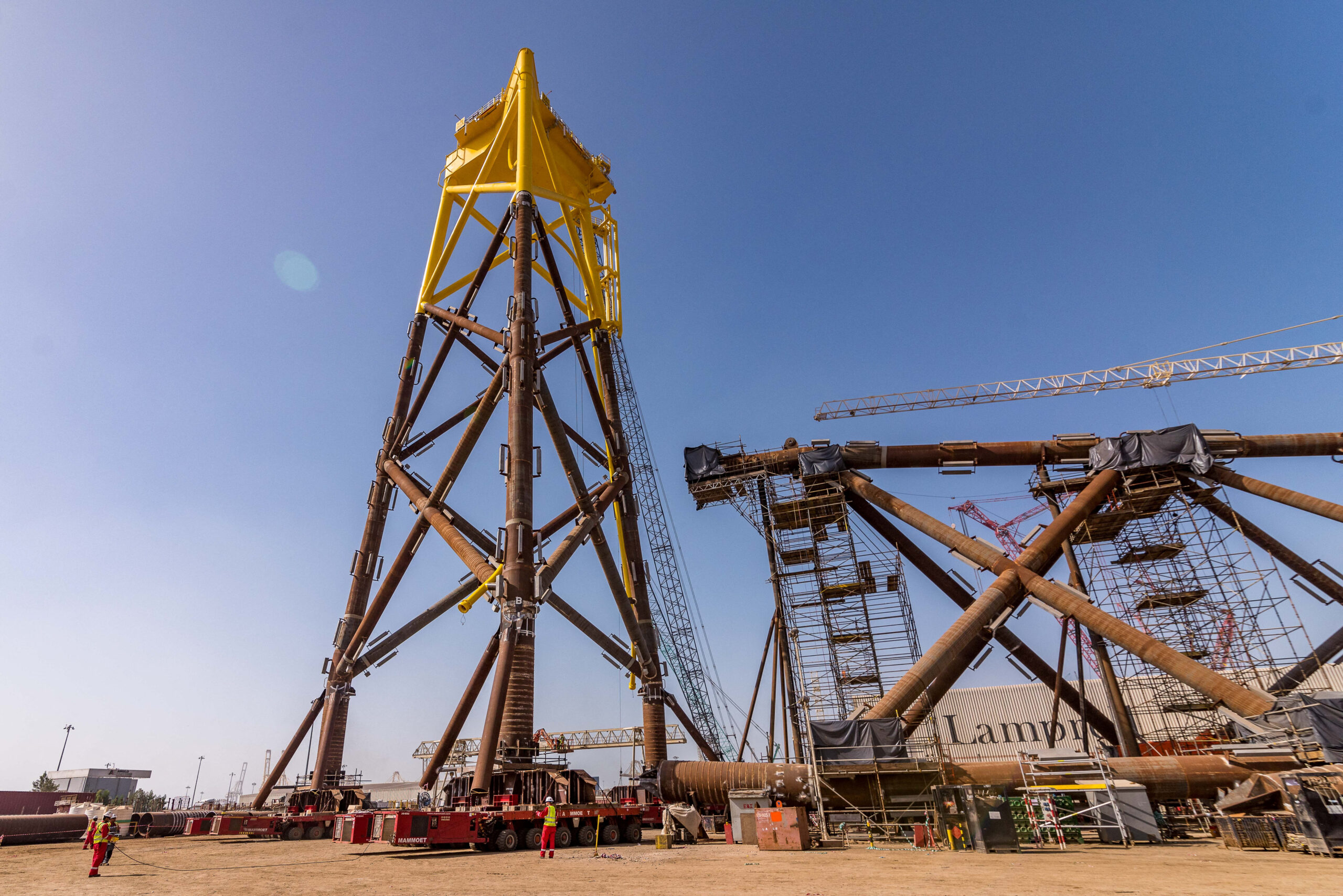
'A facility operated by oil and gas services company Lamprell in Dubai, United Arab Emirates, June 24. (Lamprell/Handout via REUTERS)'
The Arab Gulf States Institute in Washington held its eighth annual Petro Diplomacy conference from October 20-21. The event examined the upheaval in the oil and gas markets following Russia’s invasion of Ukraine and the role of Gulf Arab oil producing states in meeting the sudden demand surge, as a cascade of economic and energy sanctions disrupted oil and gas flows from Russia.
Held in hybrid format over two days, the conference was broken up into three sessions. In the first panel, speakers discussed the state of the oil market in light of the Ukraine crisis and sanctions against Russia and how these developments are affecting demand for Middle Eastern crude oil and whether the surge in demand for crude oil is a permanent trend. The second session explored how reduced flows of natural gas from Russia are impacting the market and the role that the Middle Eastern producers could play in filling the gap. The third session debated the implications of the decision by the OPEC+ alliance of OPEC and non-OPEC oil producers to make a steep cut to production quotas and its ramifications for U.S.-Saudi relations.
This paper is the report for the 2022 Petro Diplomacy conference. For the eighth consecutive year, AGSIW convened its Petro Diplomacy conference, held in a hybrid format for the first time. The conference brought together private and public sector stakeholders from the United States, Europe, and the Gulf Arab countries, at a particularly critical time, to discuss the upheaval in the oil and gas markets following Russia’s invasion of Ukraine and the role of Gulf Arab states in meeting the sudden demand surge, as international sanctions disrupted oil and gas flows from Russia.
The views represented herein are the author's or speaker's own and do not necessarily reflect the views of AGSI, its staff, or its board of directors.
The conflict in Ukraine has brought about a change in the psychology and geography of the oil and gas markets, and the ramifications will be felt across the energy complex for years.
Petro Diplomacy is a signature annual event in Washington, DC bringing together private and
public sector stakeholders from the United States and the Gulf Arab countries to discuss emerging
trends in energy markets and regional politics.
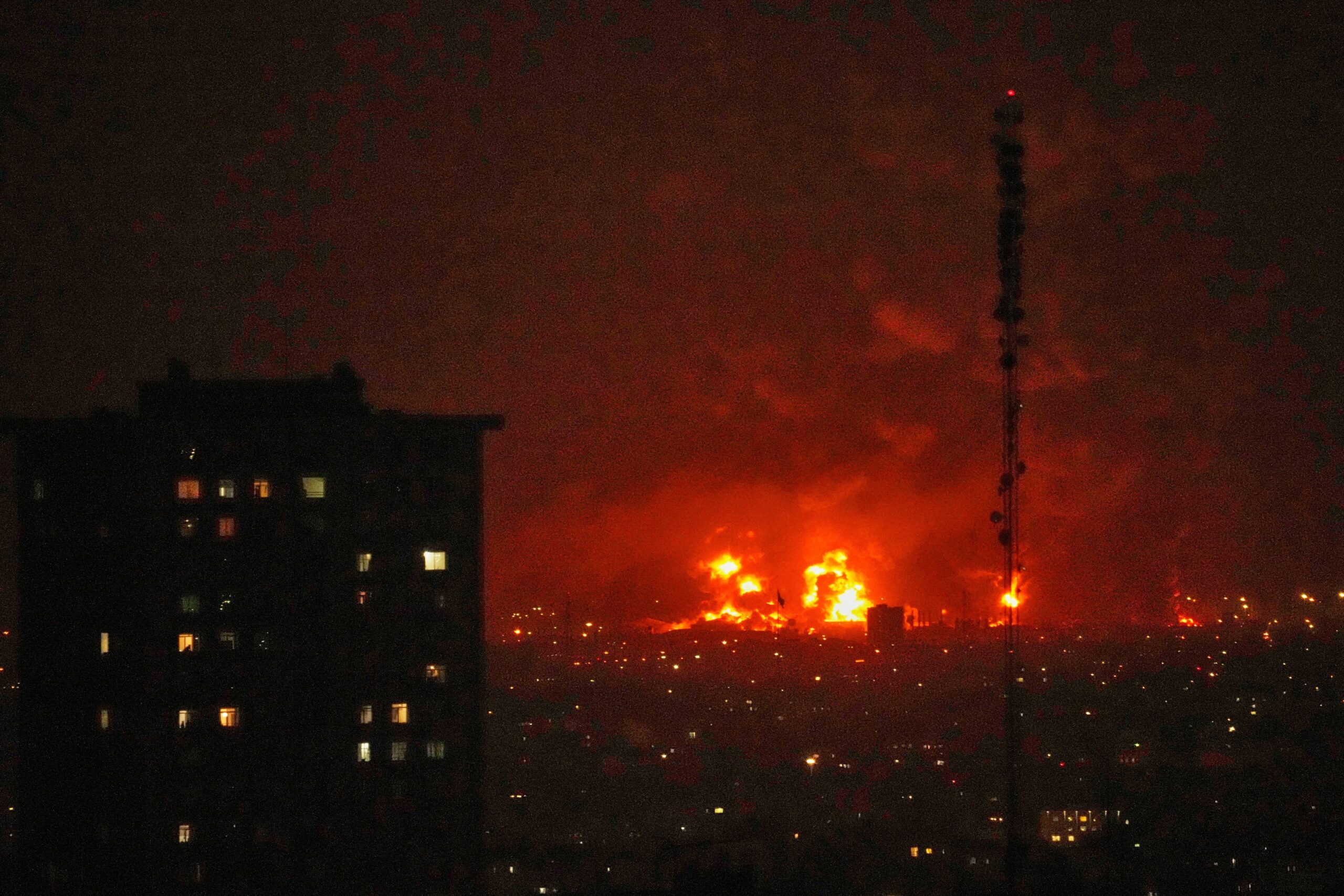
There was a growing war risk premium in the oil markets tied to escalating regional tensions; the shift from shadow confrontation to direct military action changes the calculus.
From the Gulf to the eastern Mediterranean and North Africa, governments are recalibrating fiscal terms, monetization strategies, and partnership models to attract international players.
A founding member of OPEC is now effectively under external control, raising questions about sovereignty, influence, and the resilience of producer-led market management.