The war has hit the United Arab Emirates during a period of cultural and economic flourishing. While life goes on amid continuous Iranian attacks, the country’s residents rally for its postwar return.
“Habibi, go home,” people would often joke – until about a month ago – in Dubai when stuck in traffic jams in the Gulf megacity due to the high influx of new residents and tourists. In 2024 the country’s population surged, nearing 11.3 million people, reflecting a long-term trend of rapid expansion. Dubai, in particular, surpassed 4 million residents in September 2025, marking its fastest population growth in history.
Before the U.S. and Israeli war with Iran began February 28, the United Arab Emirates was experiencing a period of intense economic and cultural flourishing. In the first quarter of 2025, the non-oil sector grew by 5.3%, bringing its contribution to a record 77.3% of the total real gross domestic product, according to the UAE Ministry of Economy and Tourism, driven by high performance in tourism, finance, and construction. This is up from 4.5% growth in the country’s non-oil sector during the first half of 2023.
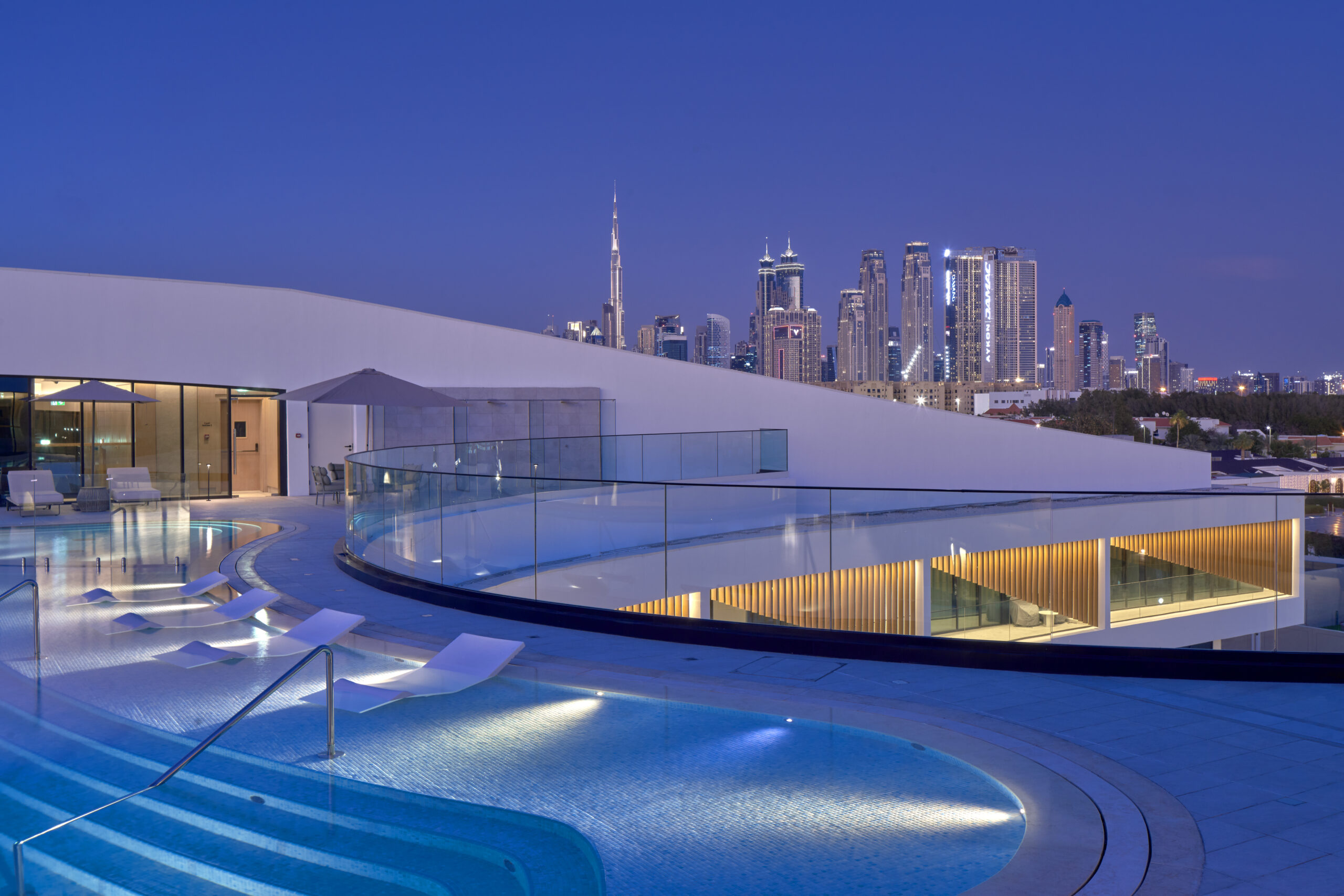
From new state-of-the-art cultural infrastructure across the country to a surge in high profile events, glistening new luxury developments, and lucrative schemes for investors and entrepreneurs – the UAE, long an attractive haven for expatriates, was luring new residents and visitors like never before. There was great pride in the air and steadfast faith in the unique entrepreneurial landscape the country offers.
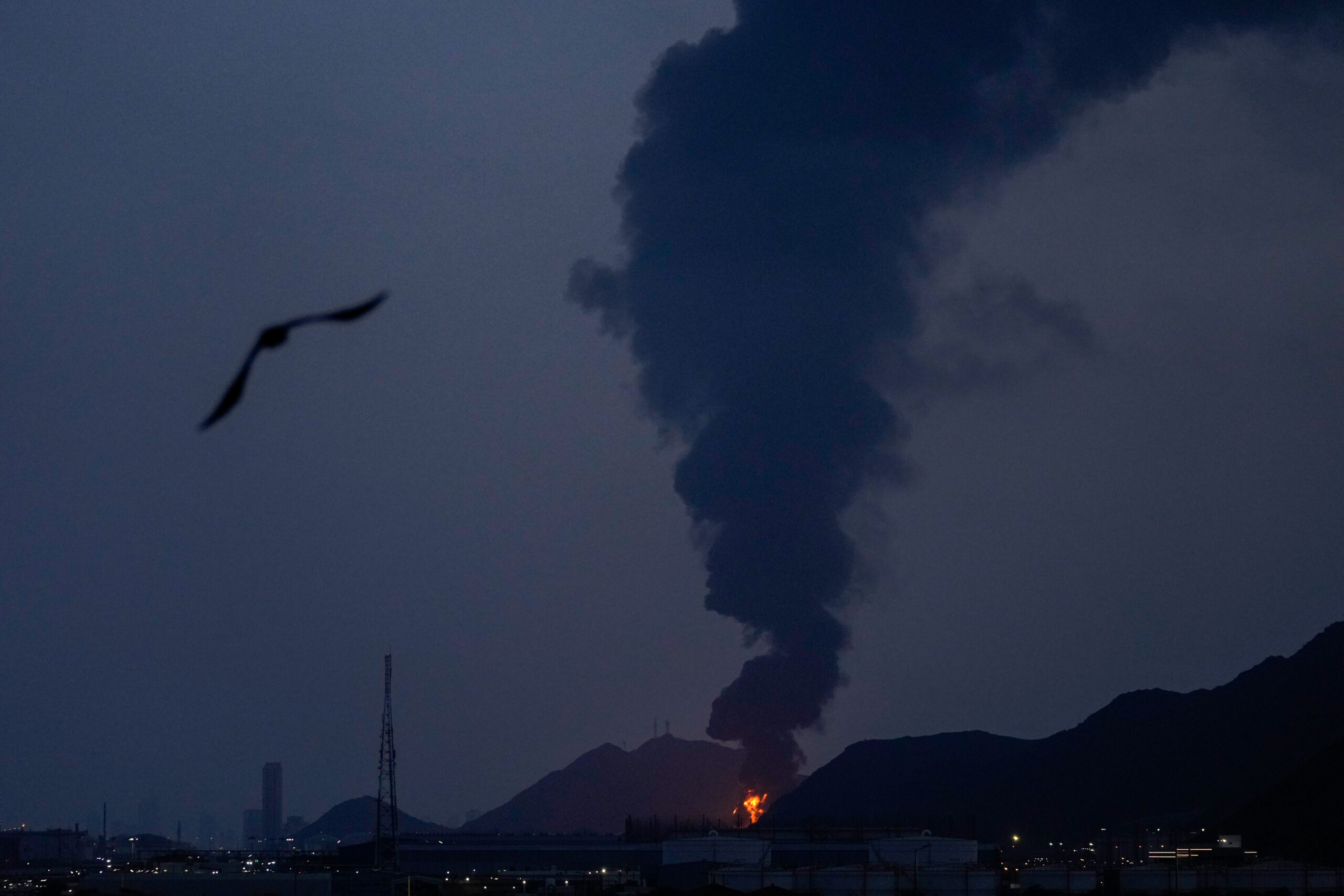
It has now been a month and a half since the UAE, like its Gulf neighbors, has been in the crossfire of the war. In the first 11 days of the conflict, the UAE successfully intercepted 92% of ballistic missiles fired by Iran and nearly 94% of drones, according to the UAE’s Ministry of Defense, enabling life to continue in a country that has historically projected itself as among the safest in the world. Gulf businesses in turn have adapted to daily security interruptions. While a fragile two-week U.S.-Iranian cease-fire has brought hope, the regional conflict is beginning to weigh on the UAE economy, dulling the rapid growth seen in early 2025.
“This war is a perfect storm brewing,” said Nasser Saidi, former Lebanese economy and trade minister and founder of Nasser Saidi & Associates, an economic and business advisory consultancy based in Dubai. “The ongoing war is multifaceted and will have economic, security, financial, environmental, and socioeconomic consequences,” noted Saidi in an interview with the author.” He added, “The effects and consequences will depend on the duration of the war, whether it lasts for weeks, months, or years, and the intensity, depth, and breadth of the shocks, regionally and globally. Already, the past year, since the onset of trade wars in April 2025, has witnessed unprecedentedly high levels of economic and trade policy uncertainty, which are now being galvanized by heightened geopolitical uncertainty. The uncertainty is impacting both the private and public sectors.”
The country’s private and public sectors have been forced to adapt quickly as both residents and visitors leave the country. While Dubai reported an 86% hotel occupancy rate in January, some reports indicate that hotel occupancy in key areas has dropped as low as 16% since the war began.
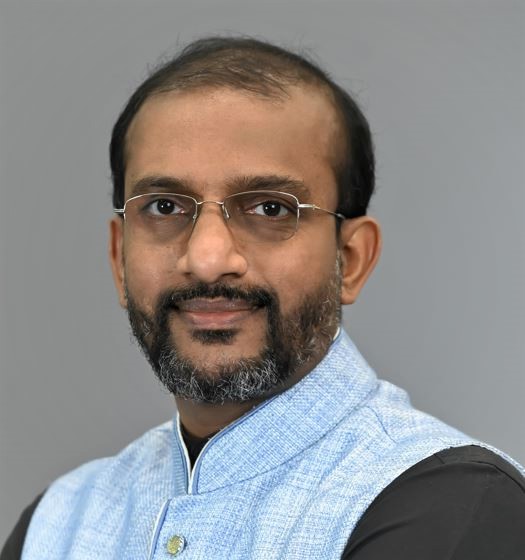
Natasha Sideris. (Courtesy of Tashas Group)
Natasha Sideris, founder and CEO of Tashas Group, who runs 18 restaurants across Saudi Arabia, Bahrain, and the UAE, said she has had to reduce salaries across the business. “This is temporary and has allowed us to keep all our team members – even new recruits,” she said. “To mitigate the fallout and to protect the business that I have spent over 20 years building – we have had to stay agile in our decision, adapting as the situation has continued to evolve.”
On March 18, the Central Bank of the UAE announced the comprehensive “Financial Institution resilience package” aimed at supporting banks to safeguard financial stability and the broader economy during the war.
“We have had no canceled contracts since the start of the war, but many new business prospects have gone on hold pending regional developments,” said Wajih Halawa, a managing partner at Capital Gate Advisors, a strategic communications and government relations consultancy. “Business prospects are taking a wait-and-see posture. The UAE has been incredibly successful at building a strong non-oil economy, and what we are facing is another test of its resilience. The biggest hurdle will be waiting periods for pending payments from business,” especially small and medium-sized enterprises.
“Over 40% of our clients have paused contracts,” said an owner of a luxury boutique public relations firm in Dubai on condition of anonymity. “The pauses are short term. No one has asked for more than a six month pause at present, so our business needs to absorb these costs. If it continues, we will need to start putting the team on four days per week work calendar.”
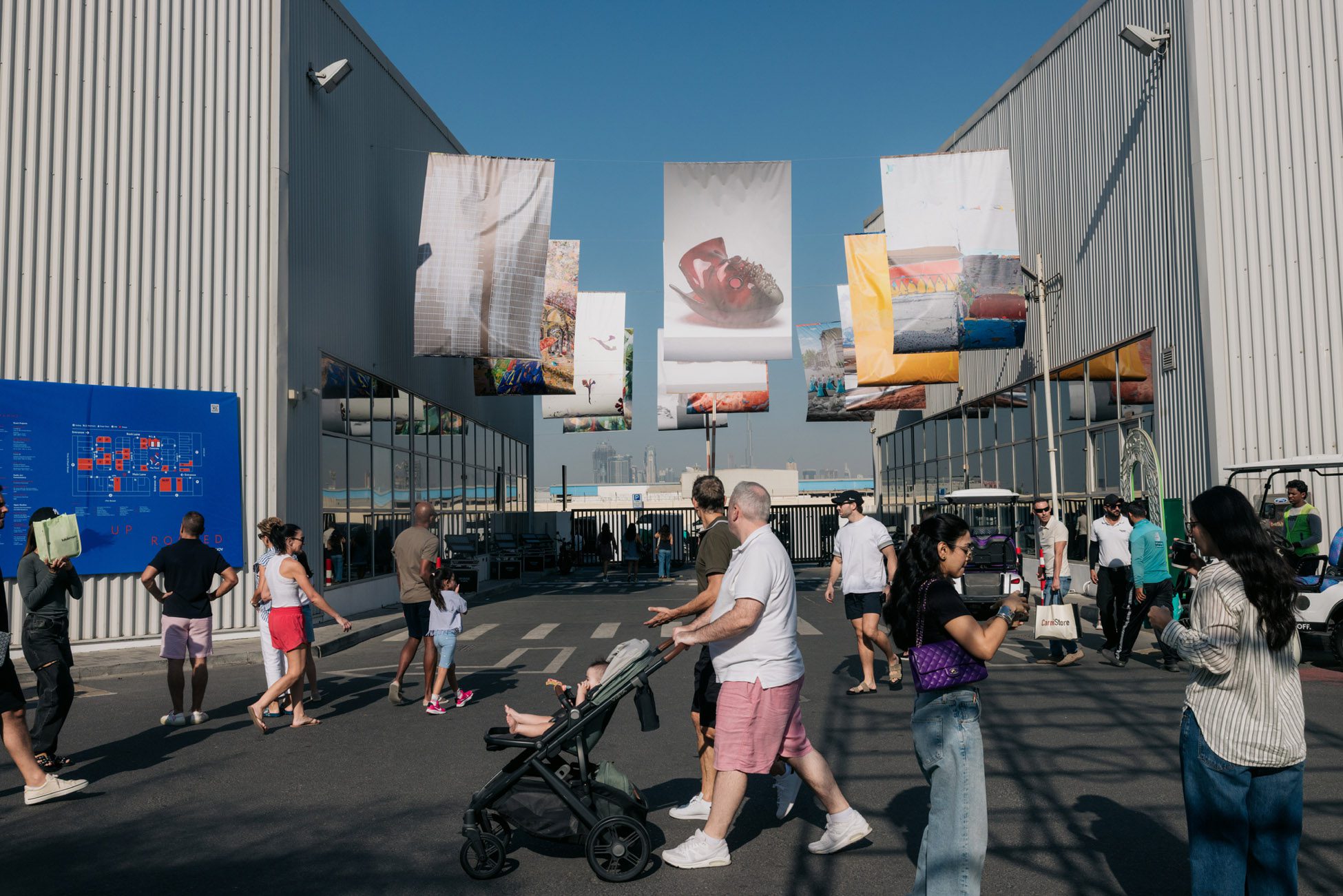
For most private and public enterprises in the UAE, it is now business as usual. While many businesses closed for the first few days of the war and others opted for work from home options, most have since reopened and are operating with new precautions and shelter areas in the face of attacks.
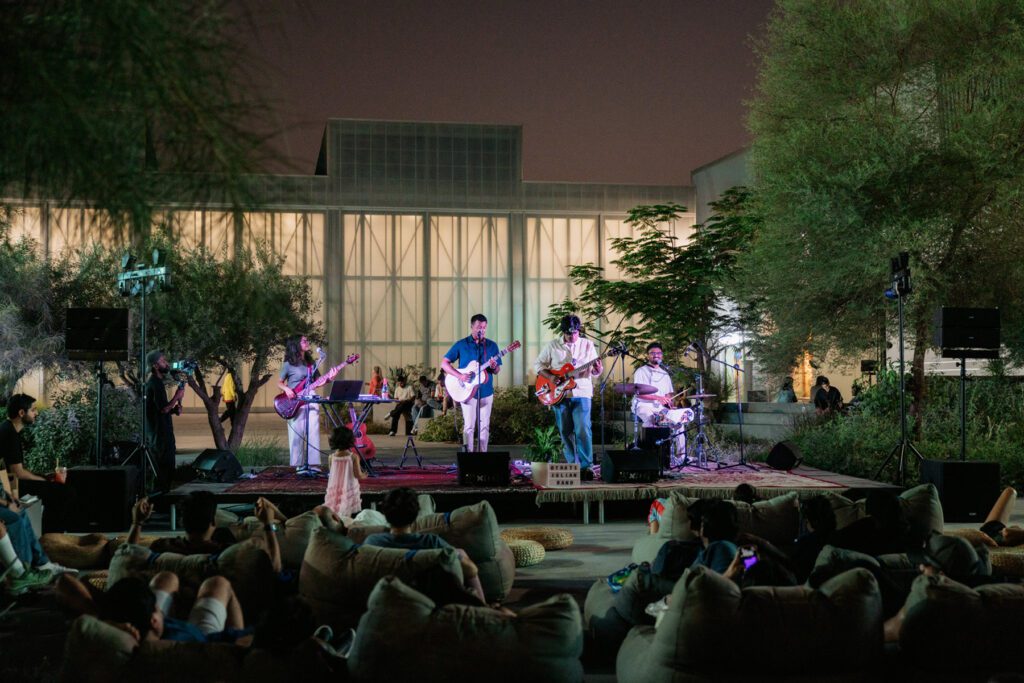
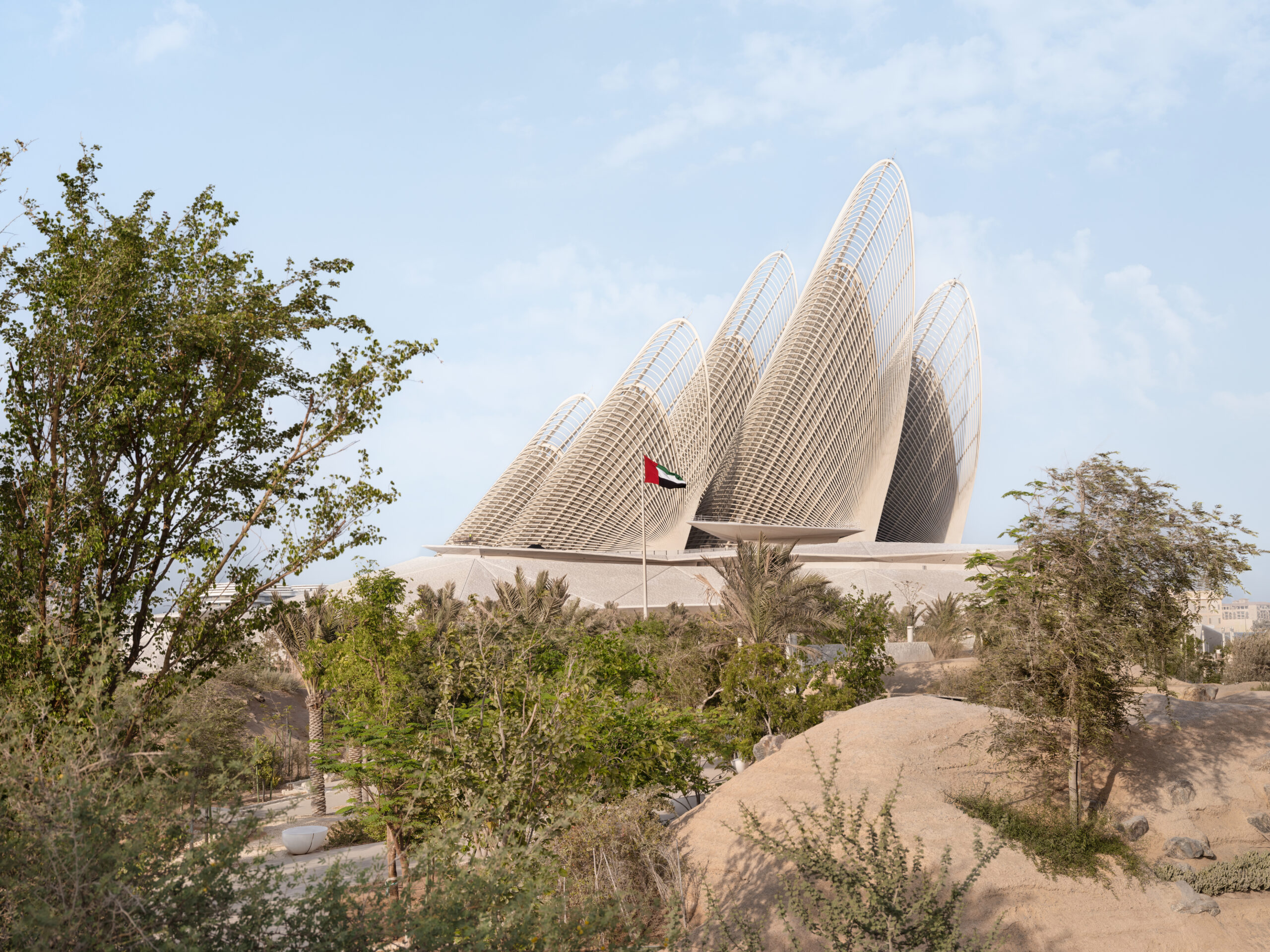
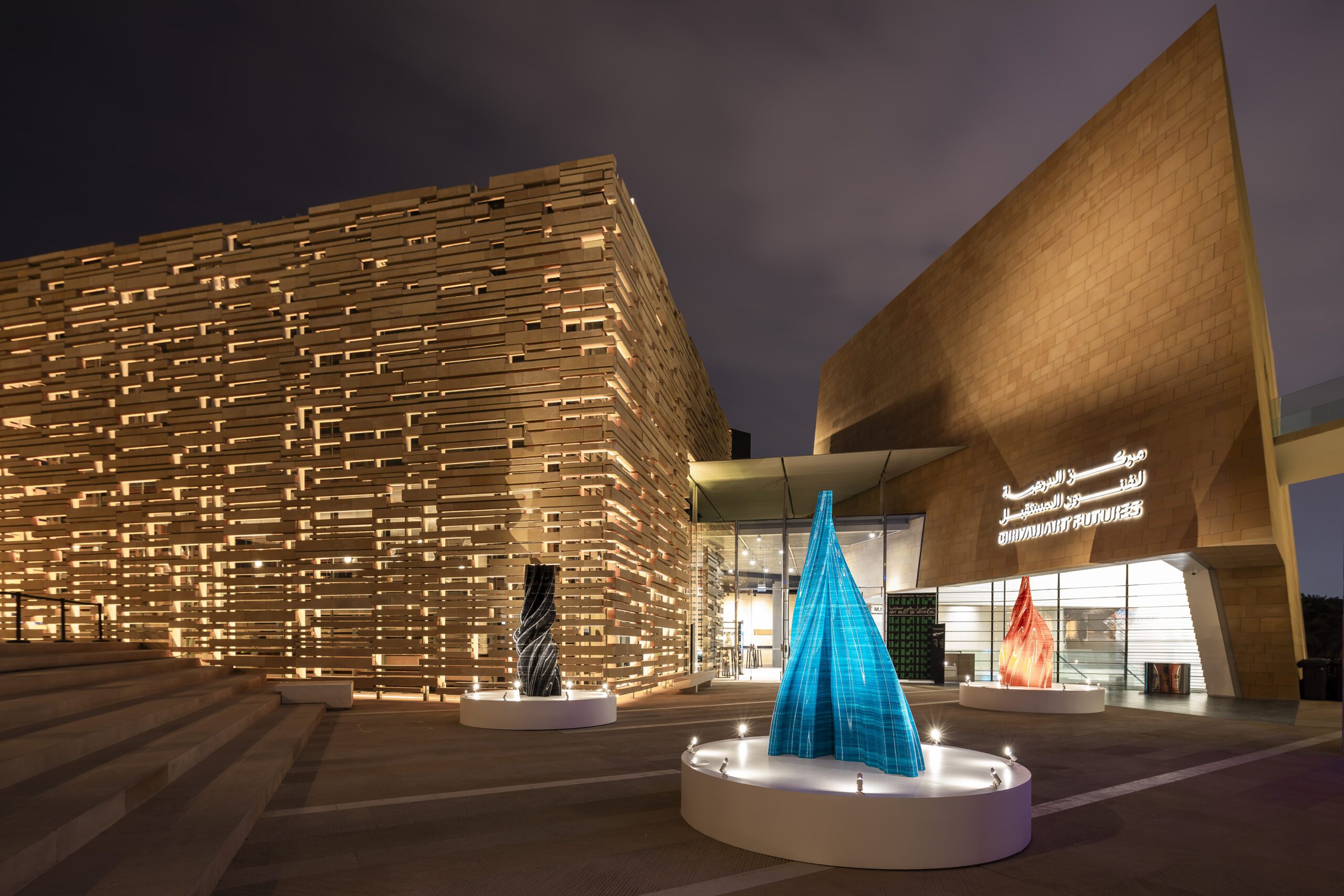
Cultural institutions throughout the country are open and operating as usual. In Abu Dhabi, Zayed National Museum, which opened December 3, 2025 and is dedicated to the life and legacy of the UAE’s founder, is offering a learning and public engagement program throughout April. While several galleries and concept stores in Dubai’s cultural district, Alserkal Avenue, closed the first few days of the war, most are now fully open.
Performance at Alserkal Avenue. (Courtesy of Alserkal Avenue)
Community-focused initiatives are appearing across the UAE to encourage people who have remained in the country to support local businesses. The Entertainer, a popular app-based incentive program offering deals on dining, leisure, entertainment, and hotel stays, is offering a limited-time complimentary membership providing users in Gulf Cooperation Council markets access to buy-one-get-one-free offers from dining, wellness, and hotel merchants until September 15.
“Having lived and worked here for over 20 years, I have seen Dubai navigate major external shocks before – from the 2008 financial crisis to the COVID pandemic – and each time, the response has been intelligently coordinated, highly strategic, and anchored in a long-term growth vision,” said Evgeny Kuzin, founder of Fundamental Hospitality, a premier hospitality group. “In the short term, there has been a natural recalibration. We look forward to welcoming international guests back across our venues as travel continues to normalize.”
Despite the UAE’s remarkable ability to intercept incoming missiles and drones, more than 60 energy infrastructure assets in the GCC states have been hit by strikes. This is in addition to destruction of desalination plants as well as digital, telecommunications, artificial intelligence, transportation, and logistics infrastructure. “All will be costly to repair and reconstruct and affect the cost and speed of recovery from war,” explained Saidi. “Activity in trade and finance of both the oil and non-oil sectors has been impacted, including fiscal (oil and non-oil revenue, security, defense, and compensatory government spending), debt and equity markets, trade and balance of payments, and capital flows, as portfolios are adjusted with expectations and outcomes,” Saidi added.
When the cease-fire was announced, in his April 10 weekly insights, Saidi noted the spike in global equity and bond markets and regional indices. “However, market reaction is an overly optimistic relief rally rather than a structural upward trend, unless war is called off by all parties and long-standing issues resolved. This is unlikely to be resolved in the next few weeks … A return to normalcy will likely take months.”
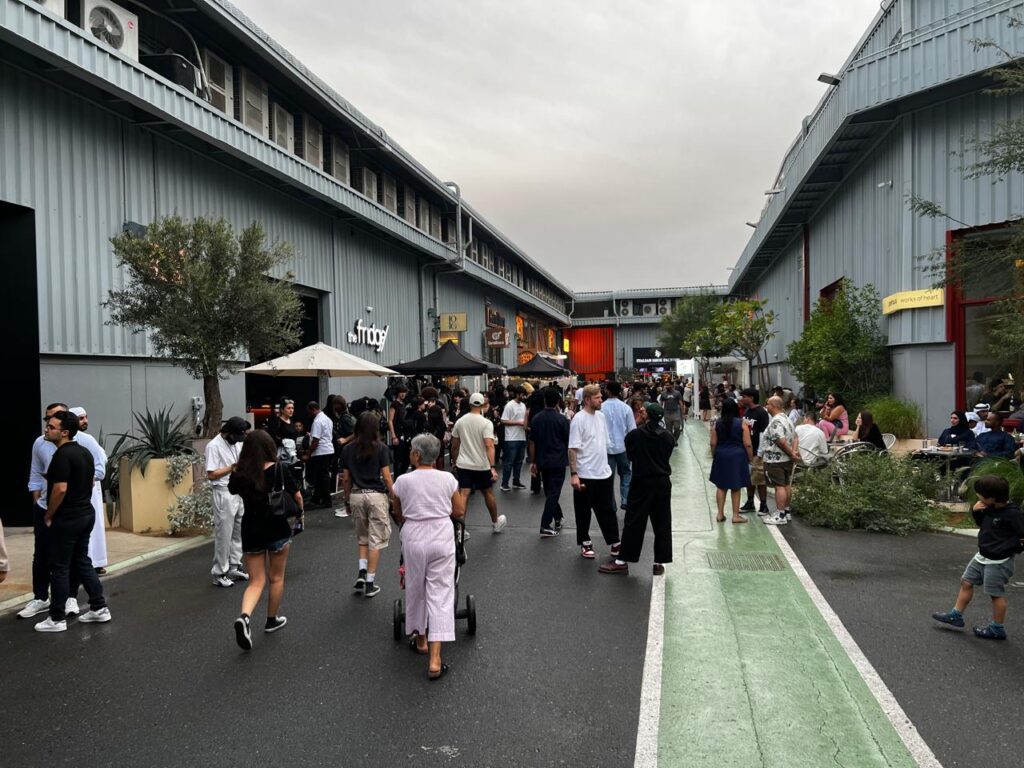
Alserkal Avenue, in Dubai, the United Arab Emirates, April 12. (Courtesy of Alserkal Avenue)
For the UAE, like many GCC countries, many of the shocks are unprecedented. However, the UAE has a history of transforming challenging times into opportunities. In May 1981, nine months after the start of the Iran-Iraq War, Abu Dhabi brought together leaders of the six Gulf Arab states to establish the GCC. Most recently, the UAE managed a swift and efficient tech-driven response to the coronavirus pandemic, which included massive testing, early vaccination rollouts, and a $70 billion stimulus package. This enabled a rapid economic reopening, leading to a flourishing of business and population growth, specifically in Dubai, which became a safe haven for capital and talent while many other global hubs were still under lockdown.
“We are entering a period of review and reconfiguration of strategies,” explained Saidi. “Over the past decade the GCC states have emerged as global hubs for both fossil fuel energy (oil and gas) and renewable energy, along with fertilizers and petrochemicals, aluminum, transport, and logistics through their ports and airports and increasingly through their financial centers and the size and reach of their sovereign wealth funds. The ongoing multifaceted war will likely lead to a review of diversification strategies and policies, as happened because of the COVID pandemic. Regional and global supply chains will be redesigned depending on the outcomes of the ongoing war.”
Some residents and visitors who have stayed have expressed faith in the UAE’s leadership and ability to weather another storm. “I see people here transforming the chaos into creativity,” said Emirati business owner Ahmad Al Gergawi, the founder and creative director of Dyemension A. “The country will change forever after this. It will not be the same. It will be a great change. While we face some temporary issues, afterward business will boom. We, as a nation, will be more united than ever before and respected on the global stage.”
The views represented herein are the author's or speaker's own and do not necessarily reflect the views of AGSI, its staff, or its board of directors.
Caught between Iranian strikes and U.S.-Israeli pressure to join the fight, Gulf Arab states strive to maintain their autonomy over decision making, playing defense and preserving the space to maneuver when the war ends.
The early reactions of regional stock markets reflect serious concerns but not full-blown panic despite an unprecedented escalation of the Iran conflict.