Digital Risks in the Strait of Hormuz Present New Challenges
Iran’s threats involving undersea internet cables and digital infrastructure in the Strait of Hormuz have transformed the crisis from an energy chokepoint into a hybrid risk for Gulf Arab economies.
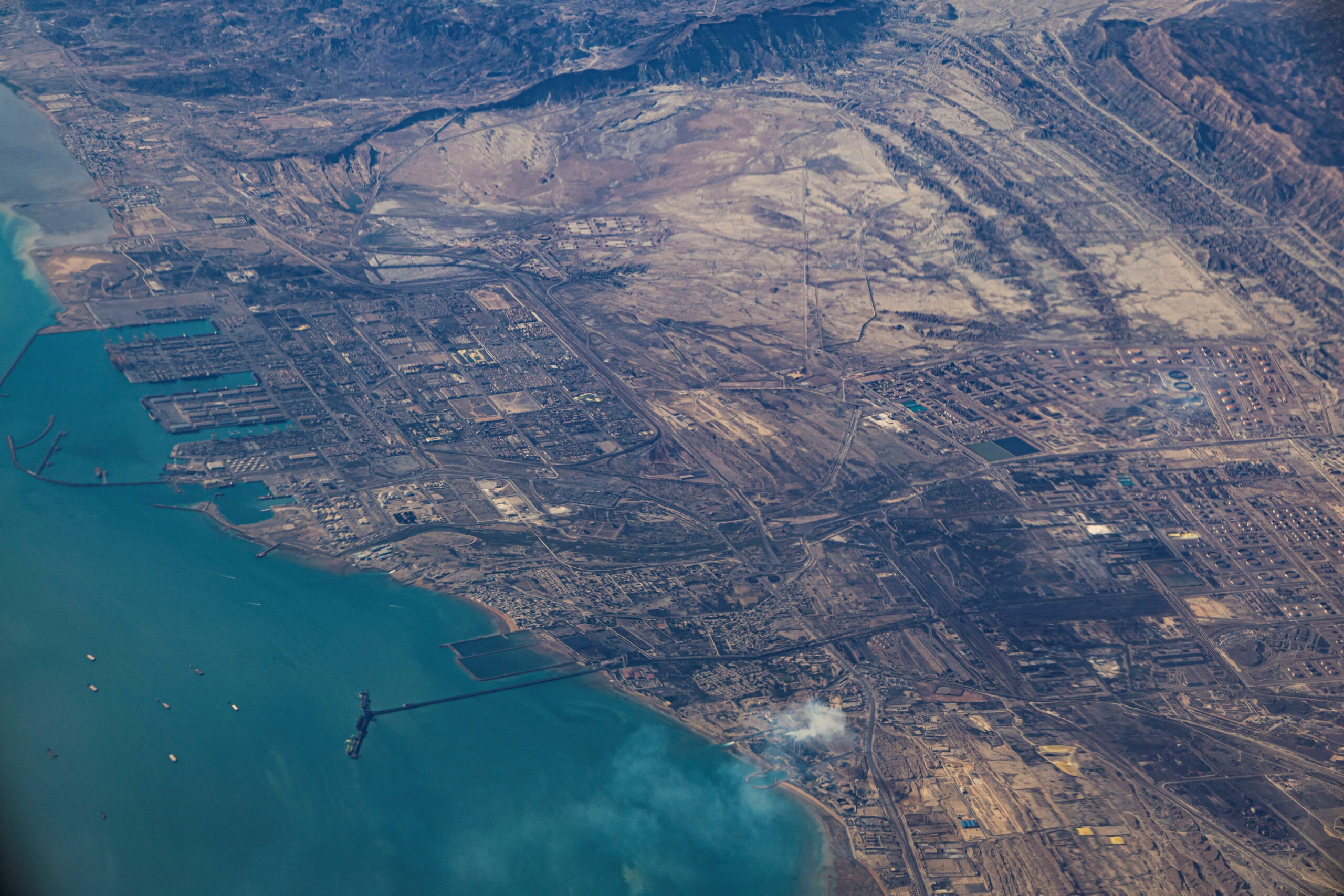
An aerial view of the port of Fujairah, United Arab Emirates, in the strait of Hormuz, December 10, 2023. (REUTERS/Stringer/File Photo)
The military conflict between the United States and Iran is seemingly winding down, with talks ongoing in Switzerland. However, some of Tehran’s threats during the war, which go beyond mere targeting of shipping lanes or disrupting energy flows, remain a concern. Notably, during the war, Iran expanded its pressure campaign to include the region’s digital infrastructure. The head of the Khatam al-Anbiya headquarters of the Iranian armed forces, Ebrahim Zolfaqari, announced in May that Iran would be imposing fines on undersea internet cables. Additionally, Islamic Revolutionary Guard Corps-affiliated media outlets Tasnim and Fars News called for taking steps to generative revenue from undersea internet cables, such as through licenses and fees, and potentially restricting such cables in the region. This shift in approach from Tehran toward a hybrid, pressure-based strategy in the strait can resurface should hostilities resume and talks break down, transforming the waterway from a mere energy chokepoint to a roadblock for the regional digital economy.
From Energy Chokepoint to Hybrid Pressure
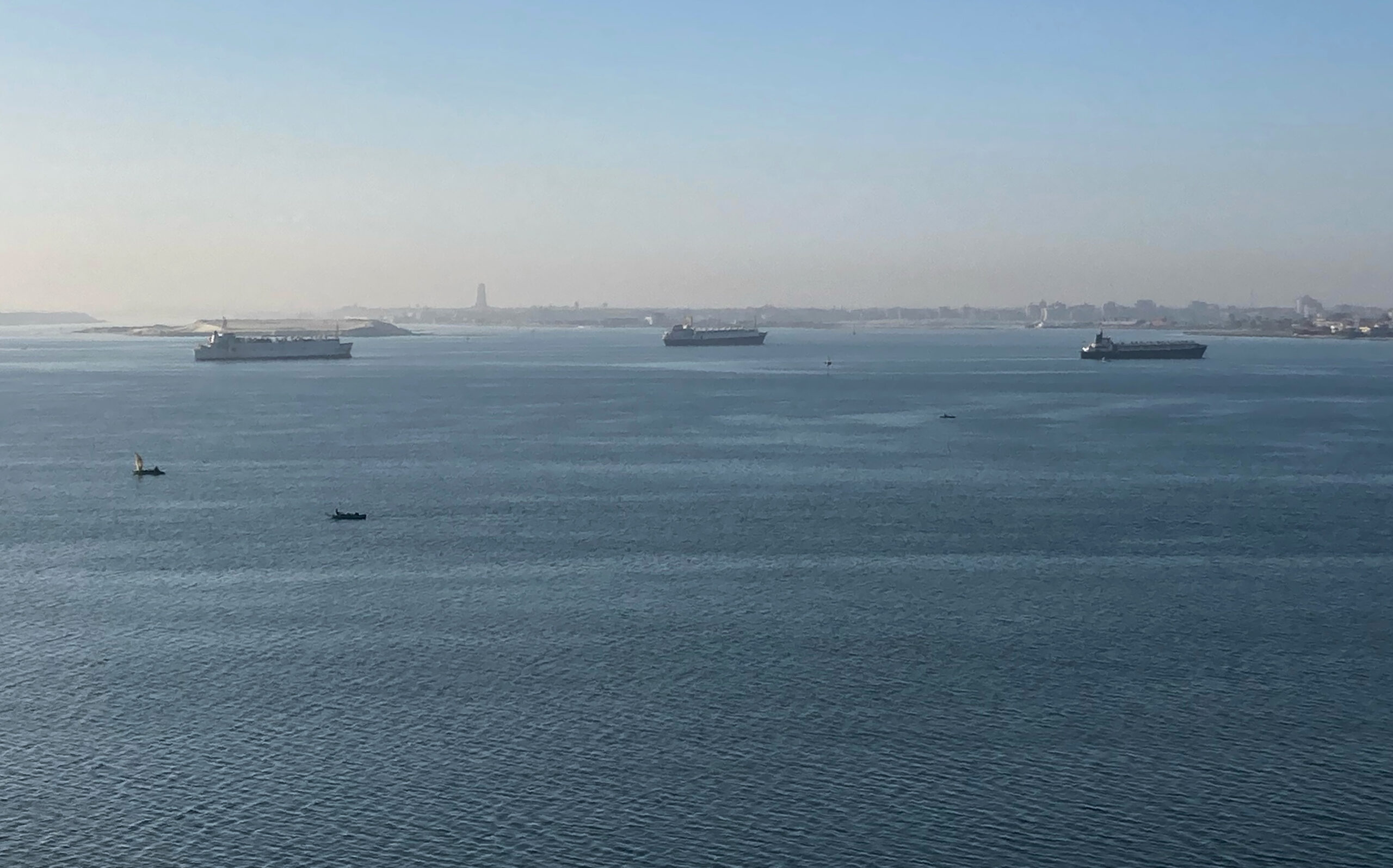
In April, the World Economic Forum characterized the shipping crisis in the Strait of Hormuz as the largest supply disruption in the history of oil markets. Its impact is evident even in the declining exports of non-oil commodities, including sulfur, methanol, and aluminum.
At the same time, more than a million GPS jamming incidents have occurred since the beginning of the war – 98% of them in the Gulf. Thomas Withington, from the Royal United States Institute, noted that Iran and other Gulf states as well as the United States are doing this. However, he highlighted that Tehran has mastered jamming technologies, having bought equipment from Russia and expanded its domestic capabilities. Additionally, Michelle Bockmann, a senior maritime intelligence analyst at Windward, said Iranian tankers conducted deceptive shipping practices, spoofing their locations and sailing in the “dark” while keeping their automatic identification systems off. The Wall Street Journal further reported that ships operating in proximity to the strait experienced “GPS spoofing,” fraudulent tactics employed by states to disrupt navigation to their original, planned destinations.
The Iranian regime issued official warnings that submarine cables are a volatile aspect of the regional digital economy. Should peace efforts break down and the military conflict resume, these regional vulnerabilities can be exploited with an increased probability of attacks, warranting immediate attention from Gulf policymakers. During the war, IRGC-affiliated Tasnim News published an article mapping undersea internet cables as strategic pressure points, which came just months after Iran launched drone strikes on Amazon data centers in the United Arab Emirates and Bahrain.
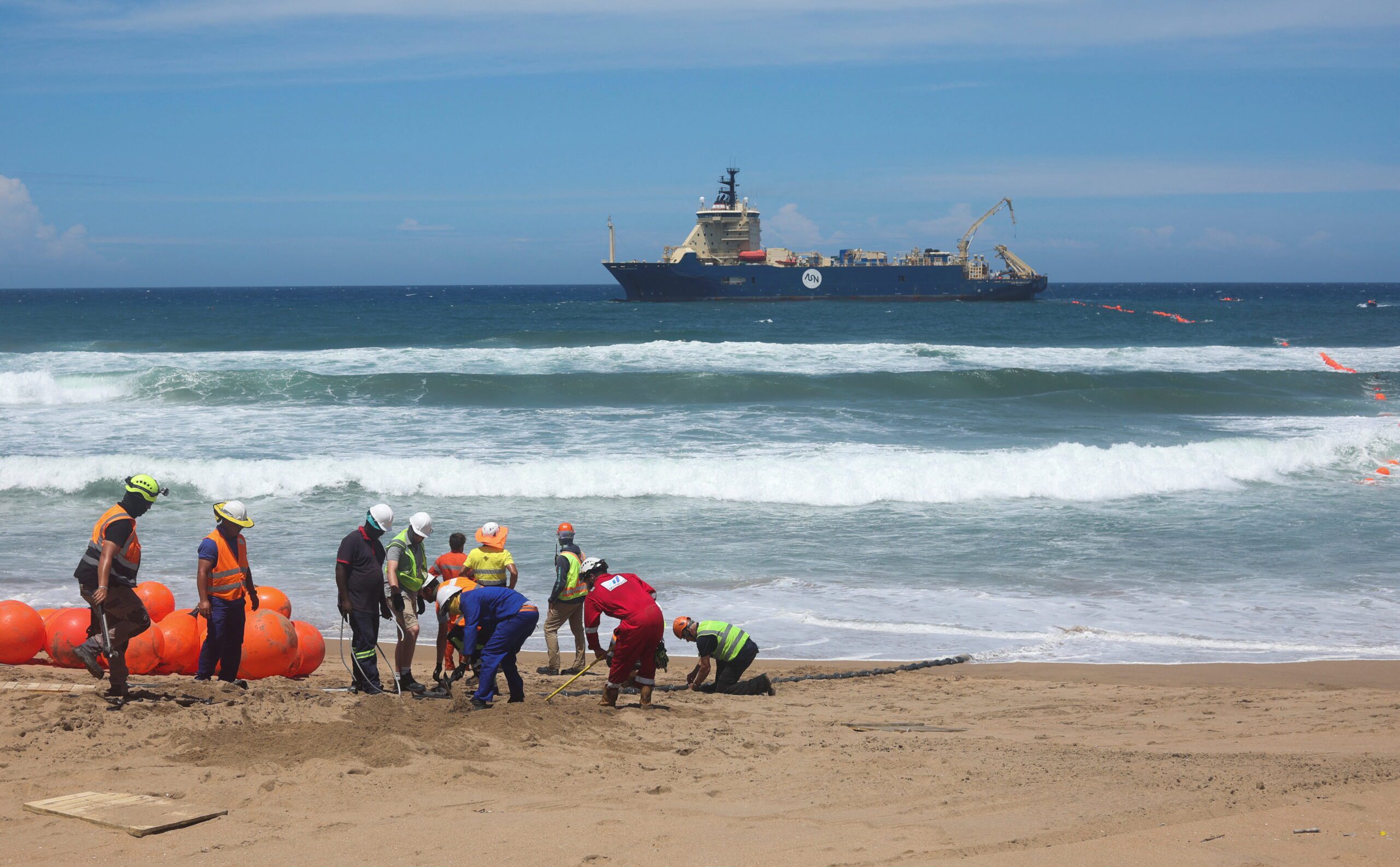
For policymakers and stakeholders of maritime security for digital economies in the region, this poses multiple threats. First, maritime visibility in the Gulf of Oman and Strait of Hormuz declined during the conflict, with up to 470 vessels affected by GPS jamming by early May. Undersea cables, which across the world carry an estimated 99% of global internet traffic, are also under threat, including fiber optic and electrical cables critical for cloud networking, e-commerce services, and online transactions – which are essential for Gulf Arab states working to transition to post-oil economies. Over the years, both Saudi Arabia and the United Arab Emirates have invested billions of dollars toward digitalizing their economies and building artificial intelligence infrastructure. Riyadh plans to deploy tens of billions of dollars into its data infrastructure as part of Vision 2030. Increased tensions between Tehran and Abu Dhabi, which can reignite should hostilities resume between Iran and the United States, raise the probability of attacks on key submarine cables, including the 7,000-mile FLAG Alcatel-Lucent Optical Network that connects the UAE with Saudi Arabia, Qatar, Kuwait, Sudan, Egypt, Iraq, Yemen, India, the Maldives, and Sri Lanka as well as the 15,500-mile Asia Africa Europe-1 cable that connects the Strait of Hormuz with Gulf waters.
The Need for Evolving, Holistic Security Strategies
The threat to undersea cables from Iran clearly presents challenges to the security strategies of Gulf Arab states, particularly Saudi Arabia, Qatar, and the UAE, which have all been directly impacted by Iran’s previous bombardments. Existing maritime governance frameworks are limited to protecting oil tanker traffic and freedom of shipping not digital infrastructure. The UAE, for example, focused on rerouting its oil tankers amid the crisis through the ports of Fujairah and Khor Fakkan. It has not yet adopted measures or contingency plans to protect its underwater digital infrastructure. At the same time, there are attempts by Abu Dhabi, Riyadh, and other regional governments to initiate new overland routes including the 2,800-mile SilkLink with Syria and connections to Jordan, Lebanon, and Turkey. Similarly, Saudi Arabia reaffirmed its crisis management approach at the 111th session of the Maritime Safety Committee at the International Maritime Organization in May by supporting international commitments to ensure sustainability of supply chains, addressing the welfare of seafarers, and activating alternate routes.
However, existing Saudi and Emirati naval deterrence operations need to evolve and expand to address the existential threat from Tehran to the Gulf’s digital economy. The absence of regional protection mechanisms to counter this threat has prompted countries, such as Qatar, to pursue unilateral measures, including constructing additional cables via state-owned Ooredoo.
However, the integrated nature of submarine cables for the digital economies of Gulf Arab states warrants integrated, comprehensive approaches. Such approaches, merging maritime security with infrastructure protection, are critical for unfettered data flows and digital resilience. Accounting for emerging vulnerabilities from Iran’s threats, which can be exploited in the future if the conflict resumes, would help address this hybrid security challenge.
The views represented herein are the author's or speaker's own and do not necessarily reflect the views of AGSI, its staff, or its board of directors.
With the Iran war, large AI projects now sit inside a regional battlespace. The next phase of Gulf AI strategy will need to focus on resilience, continuity, and trusted infrastructure, not only capital and scale.
Undersea cables are necessary for the rapid movement of information that the Gulf’s AI ambitions require, but they are uniquely vulnerable to disruption and sabotage.
A misreading of the Belt and Road Initiative has prompted a regional scramble to develop economic corridors ahead of the more foundational development of integrated manufacturing and intraregional trade.