May 29, 2026
Iran’s State-Censored Media Downplays Latest Military Clashes
The May 29 edition of the Iran Media Review considers Iranian media coverage of the latest military clashes between the United States and Iran.

Iran’s state-censored media largely downplayed recent military clashes between the United States and Iran, centered on the Strait of Hormuz and the area around the port city of Bandar Abbas. The media also downplayed the most recent incident, in which a U.S. tanker allegedly attempted to transit the strait with its transponder switched off, prompting a response from the Islamic Revolution Guard Corps navy, which fired warning shots at the vessel.
- May 28: Supreme National Security Council mouthpiece Nour News Agency, quoting “an informed military source,” reported on the latest military clashes between Iran and the United States:
- “Hours ago, an American oil tanker attempted to pass through the Strait of Hormuz with its radar/transponder system turned off. Following a swift and decisive response by the IRGC navy, including warning fire directed toward the vessel, it was forced to stop and turn back … In response, the terrorist U.S. military fired at a barren area near Bandar Abbas. The sounds of explosions that were heard were related to this incident. The strike caused neither casualties nor material damage.”
- May 28: Center-right Farda News, quoting Saeed Ajorlou, a public relations member of the Iranian negotiating team, wrote:
- Parliamentary Speaker Mohammad-Bagher “Qalibaf’s visit to Qatar to release $12 billion frozen Iranian assets was successful.”
- May 28: Centrist Asr-e Iran identified “four principal sources of the war against Iran”:
- Israeli Prime Minister Benjamin “Netanyahu and other Israeli Zionists … who pursue the policy of isolating and weakening Iran … through a war with the United States.”
- “Evangelicals in the United States, who expect the resurrection of the Messiah once the Jews prevail over the Muslims.”
- “United Arab Emirates, which has aligned itself with Israel in encouraging Trump to continue the war against Iran.”
- “Iranian superrevolutionaries, who meet any kind of diplomacy and negotiation with capitulation and humiliation.”
The views represented herein are the author's or speaker's own and do not necessarily reflect the views of AGSI, its staff, or its board of directors.
Related
Iran Media Review
May 26, 2026
Permanence of Neither War Nor Peace?
The May 26 edition of the Iran Media Review examines Iranian messaging around negotiations with the United States and possible futures for Iran and the region.
Iran Media Review
May 22, 2026
The IRGC Warns of War “Beyond the Region”
The May 22 edition of the Iran Media Review highlights an IRGC warning that renewed conflict with the United States and Israel could spread “beyond the region.”
Iran Media Review
May 19, 2026
Hijab Revisionism, Reactions to Trump, and the Continued Rise of Qalibaf
The May 19 edition of the Iran Media Review analyzes a regime-backed religious defense of women who don’t wear the hijab, IRGC responses to Trump’s threats, and the empowerment of Iran’s parliamentary speaker.
May 26, 2026
Permanence of Neither War Nor Peace?
The May 26 edition of the Iran Media Review examines Iranian messaging around negotiations with the United States and possible futures for Iran and the region.
May 22, 2026
The IRGC Warns of War “Beyond the Region”
The May 22 edition of the Iran Media Review highlights an IRGC warning that renewed conflict with the United States and Israel could spread “beyond the region.”
May 19, 2026
Hijab Revisionism, Reactions to Trump, and the Continued Rise of Qalibaf
The May 19 edition of the Iran Media Review analyzes a regime-backed religious defense of women who don’t wear the hijab, IRGC responses to Trump’s threats, and the empowerment of Iran’s parliamentary speaker.
Analysis
The Committee of Six and Strategic Decision Making in Iran
Remarks by Iran’s president offer a rare glimpse of how the Islamic Republic has adapted its decision making to the absence of its supreme leader.
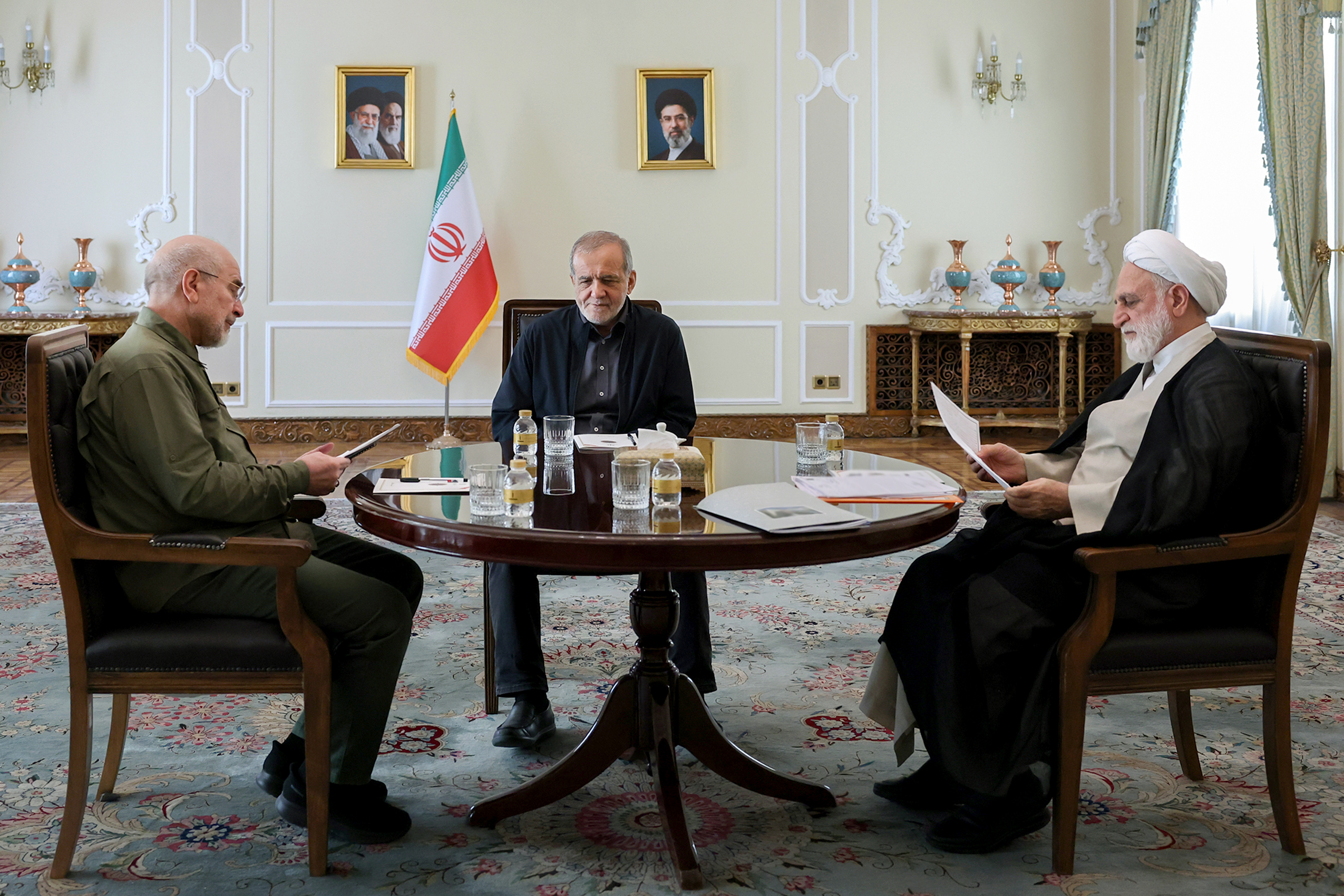
Mohsen Rezaei at the Helm of Iran’s Supreme National Security Council
Under Rezaei, the SNSC could prove constructive or paralyze strategic decision making.
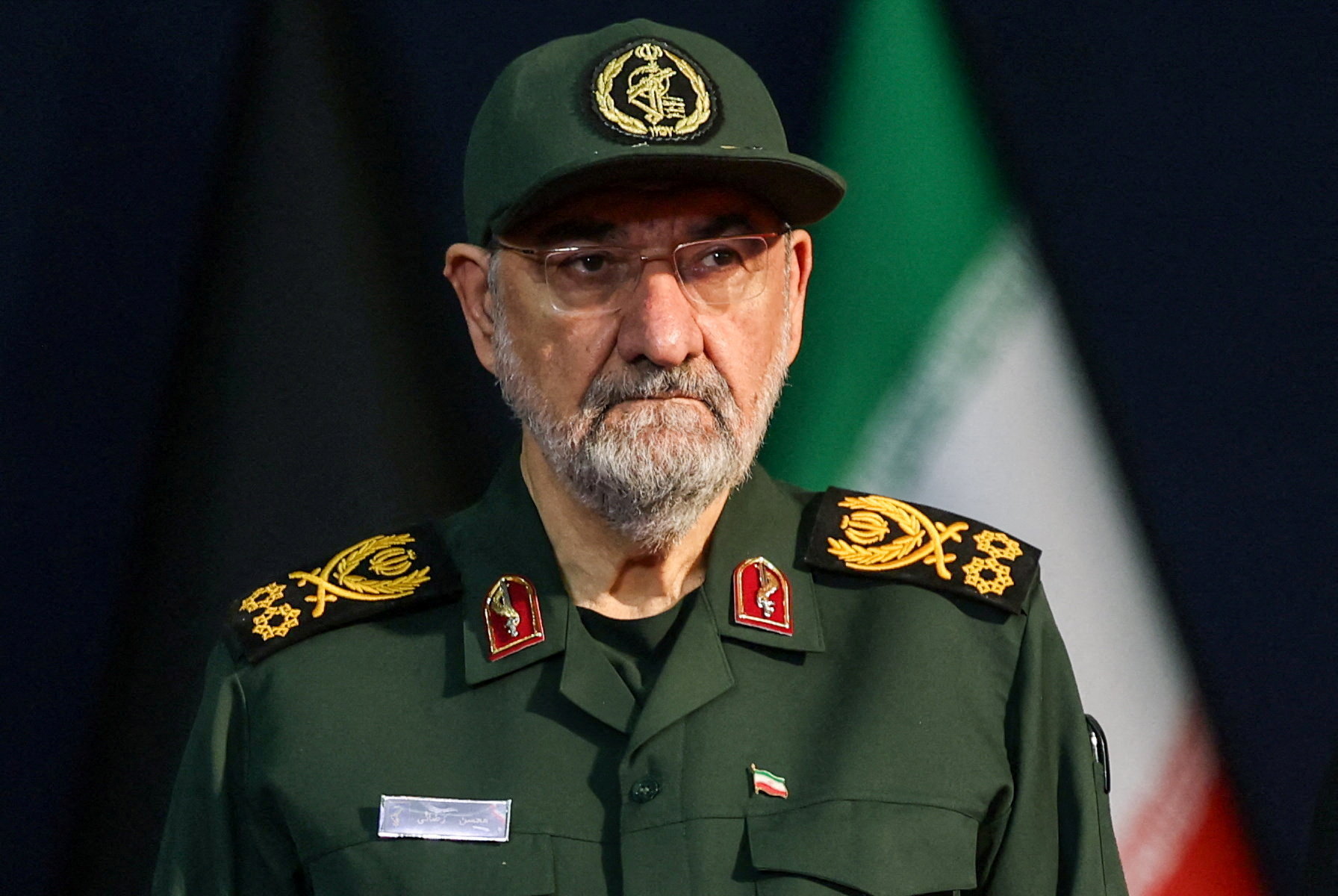
The Islamic Republic Returns to Offense
After U.S.-Israeli strikes killed Supreme Leader Ayatollah Ali Khamenei on February 28, Iran’s collective leadership has concluded that the best defense is a good offense.
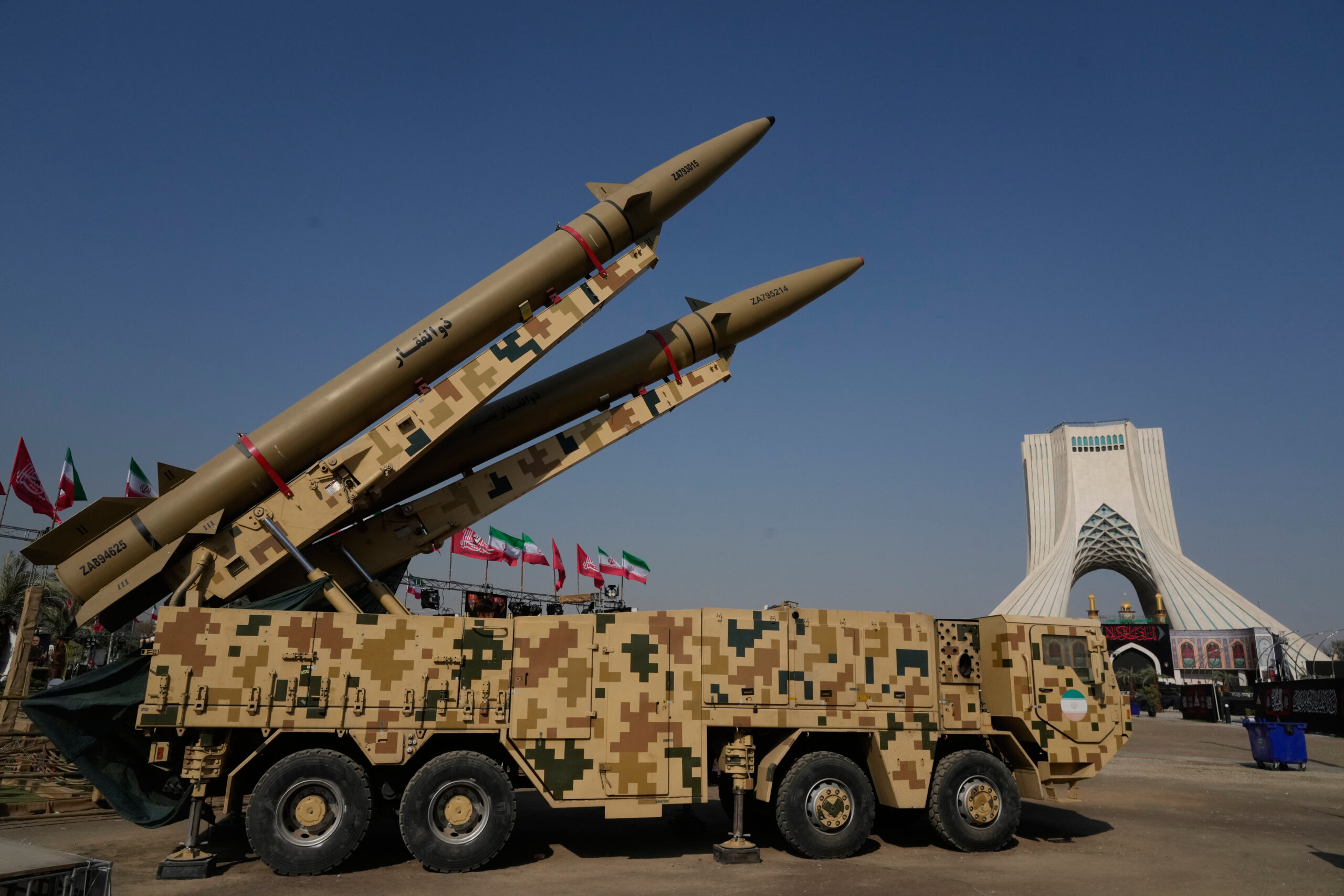
Iran’s Collective Strategic Decision Making
Wartime pressure has temporarily aligned the leadership’s overriding interest in regime survival, even as its members continue to differ over the costs, methods, and ultimate objectives of the war.
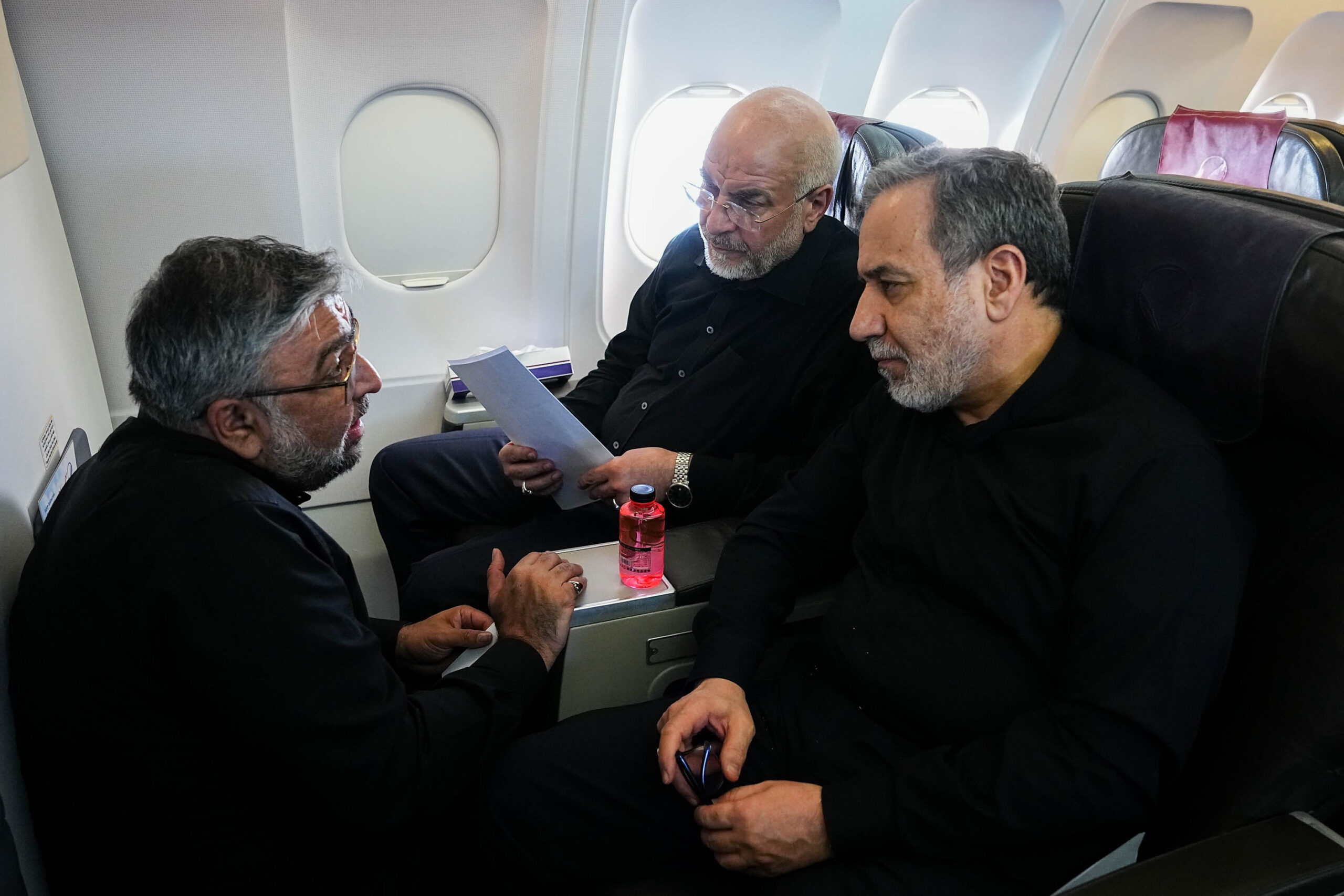
Events
Oct 6, 2026
Is the U.S.-Iran Stalemate a “New Normal” or the Prelude to Another Explosion?
On October 6, AGSI hosted a discussion on the U.S.-Iran stalemate and the prospects for a cease-fire.
Speakers



Book Talk: Iran and the Bomb: The United States, Iran and the Nuclear Question
On June 16, AGSI hosted a discussion on the evolution of Iran's nuclear program.
Speakers
Apr 21, 2026
Inside Iran’s Wartime Leadership: Power, Succession, and Regime Stability
On April 21, AGSI hosted a discussion on the evolution of Iran's leadership during the war.
Speakers

Mar 18, 2026
In Its Conflict With the United States and Israel, Does Escalation Favor Iran?
On March 18, AGSI hosted a discussion on the escalation of the Iran war.
Speakers