May 12, 2026
What Did Iran Offer Trump?
The May 12 edition of the Iran Media Review considers Iranian reporting on the contents of the latest Iranian proposal to end the war with the United States.

On May 10, President Donald J. Trump rejected Iran’s latest proposal to end the war with the United States calling it “TOTALLY UNACCEPTABLE.” On May 11, Trump further said the cease-fire was “on life support.” But what exactly did Iran propose? Details have since emerged from two sources: former Islamic Revolutionary Guard Corps Commander Major General Mohammad Ali Jafari, who outlined a series of Iranian demands without explicitly referring to the proposal, and the daily Sobh-e No, affiliated with Parliamentary Speaker Mohammad-Bagher Qalibaf, which claims to have disclosed elements of the offer. Beyond the substance of the proposal, the striking absence of any major discrepancy between Jafari’s statements and the purported official offer suggests that there is no meaningful divide between the IRGC and civilian leadership.
- May 11: According to Islamic Revolutionary Guard Corps-affiliated Fars News Agency’s Telegram channel, IRGC Commander Major General Mohammad Ali Jafari said:
- “In such circumstances, having failed to achieve its objectives through war, Trump now seeks to attain those same objectives through negotiations.”
- “In my view, the regime’s decision under these sensitive circumstances is precisely the five fundamental preconditions for entering any possible negotiations: That is, so long as the war has not ended on all fronts, sanctions have not been lifted, blocked Iranian funds have not been released, war damages have not been compensated, and Iran’s sovereign right over the Strait of Hormuz has not been recognized, there will be no further negotiations. This is the demand of the people on the negotiating team and the message of the Iranian nation to the American government.”
- May 12: The website Avash, whose political affiliation is unknown, released a frontpage article by Sobh-e No that purported to convey the details of Iran’s latest negotiation offer to the United States:
- “This document was prepared under the supervision of the Supreme National Security Council and negotiations committee, within the framework of the regime’s general policies and the authority of this body. It was sent after extensive consultations and consensus building. Broadly speaking, the document envisions three stages.”
- “A: Initial confidence-building measures intended to test the United States’ seriousness about reaching an agreement. It appears that the intended initial measures include a declaration ending the war, lifting the naval blockade, releasing frozen assets, and granting exemptions from oil sanctions until all sanctions are lifted. Iran, in turn, would likely manage traffic through the strait according to an ‘Iranian model.’”
- “B: A timetable for reciprocal measures during the intermediate phase. In this phase, the process would likely proceed step by step, with every concession by one side matched by reciprocal action from the other.”
- “C: Guarantees for the agreement, including a monitoring committee and a United Nations Security Council resolution.”
- “Because of the two military attacks carried out during the negotiations, Iran does not trust the opposing side and is demanding Security Council guarantees to prevent any future war or violation of the agreement.”
- “Iran envisions the negotiations lasting 30 days. Rather than merely extending the cease-fire, Iran seeks to focus on a definitive ‘end to the war.’”
- “The text emphasizes ending the war on all fronts, including in Lebanon, immediately following the announcement of a political agreement. In its proposal, Iran calls for an end to the conflict across all theaters.”
- “Another clause in the document concerns breaking the blockade, releasing frozen funds within a specified time frame, and regulating passage through the Strait of Hormuz according to the Iranian model, provided that an understanding is reached on these 14 points.”
- “Reopening the strait under the Iranian model means that commercial vessels would pass through the Iranian route, north of Larak Island, with the understanding that political and financial arrangements governing transit would be concluded.”
- “In its text, Iran emphasizes recognition of its right to enrichment, the lifting of sanctions, and tangible economic benefits.”
- “The text also stresses respect for Iran’s national sovereignty.”
- “Iran further demands the suspension of oil sanctions until all sanctions are removed.”
- “Iran also insists on the establishment of an investment and reconstruction fund.”
- “This document was prepared under the supervision of the Supreme National Security Council and negotiations committee, within the framework of the regime’s general policies and the authority of this body. It was sent after extensive consultations and consensus building. Broadly speaking, the document envisions three stages.”
The views represented herein are the author's or speaker's own and do not necessarily reflect the views of AGSI, its staff, or its board of directors.
Related
Iran Media Review
May 8, 2026
The World According to an IRGC Strategist
The May 8 edition of the Iran Media Review analyzes an interview with an IRGC strategist about the war and Iranian relations with the United States.
Iran Media Review
May 5, 2026
The UAE Targeted by Iran’s State-Censored Media and Armed Drones
The May 5 edition of the Iran Media Review examines Iranian media messaging threatening the United Arab Emirates.
Iran Media Review
May 1, 2026
Ayatollah Khamenei’s “National Day of the Persian Gulf” Message
The May 1 edition of the Iran Media Review highlights a message from Iran’s absent supreme leader and considers how much authority he maintains.
May 8, 2026
The World According to an IRGC Strategist
The May 8 edition of the Iran Media Review analyzes an interview with an IRGC strategist about the war and Iranian relations with the United States.
May 5, 2026
The UAE Targeted by Iran’s State-Censored Media and Armed Drones
The May 5 edition of the Iran Media Review examines Iranian media messaging threatening the United Arab Emirates.
May 1, 2026
Ayatollah Khamenei’s “National Day of the Persian Gulf” Message
The May 1 edition of the Iran Media Review highlights a message from Iran’s absent supreme leader and considers how much authority he maintains.
Analysis
The Islamic Republic Returns to Offense
After U.S.-Israeli strikes killed Supreme Leader Ayatollah Ali Khamenei on February 28, Iran’s collective leadership has concluded that the best defense is a good offense.
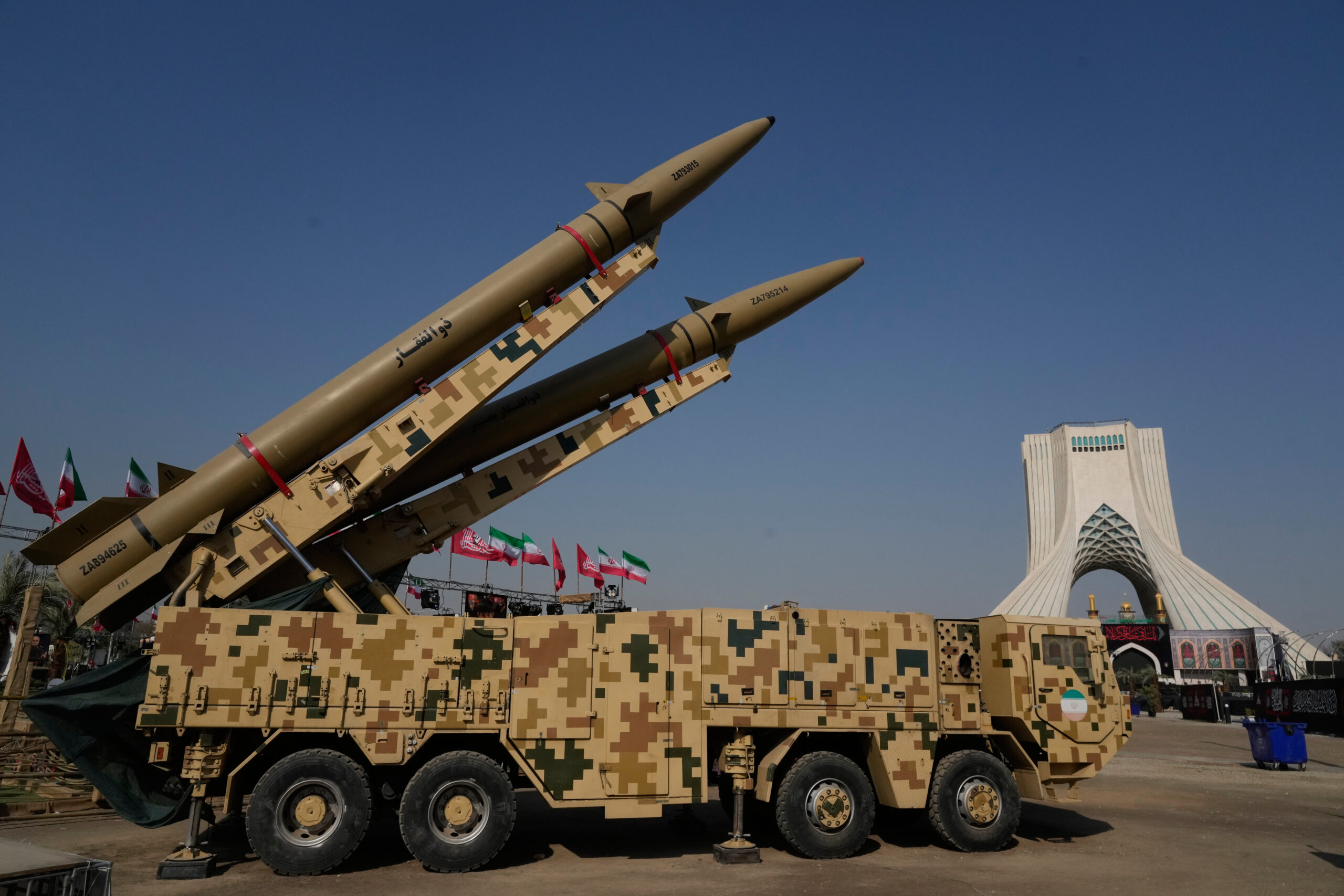
Iran’s Collective Strategic Decision Making
Wartime pressure has temporarily aligned the leadership’s overriding interest in regime survival, even as its members continue to differ over the costs, methods, and ultimate objectives of the war.
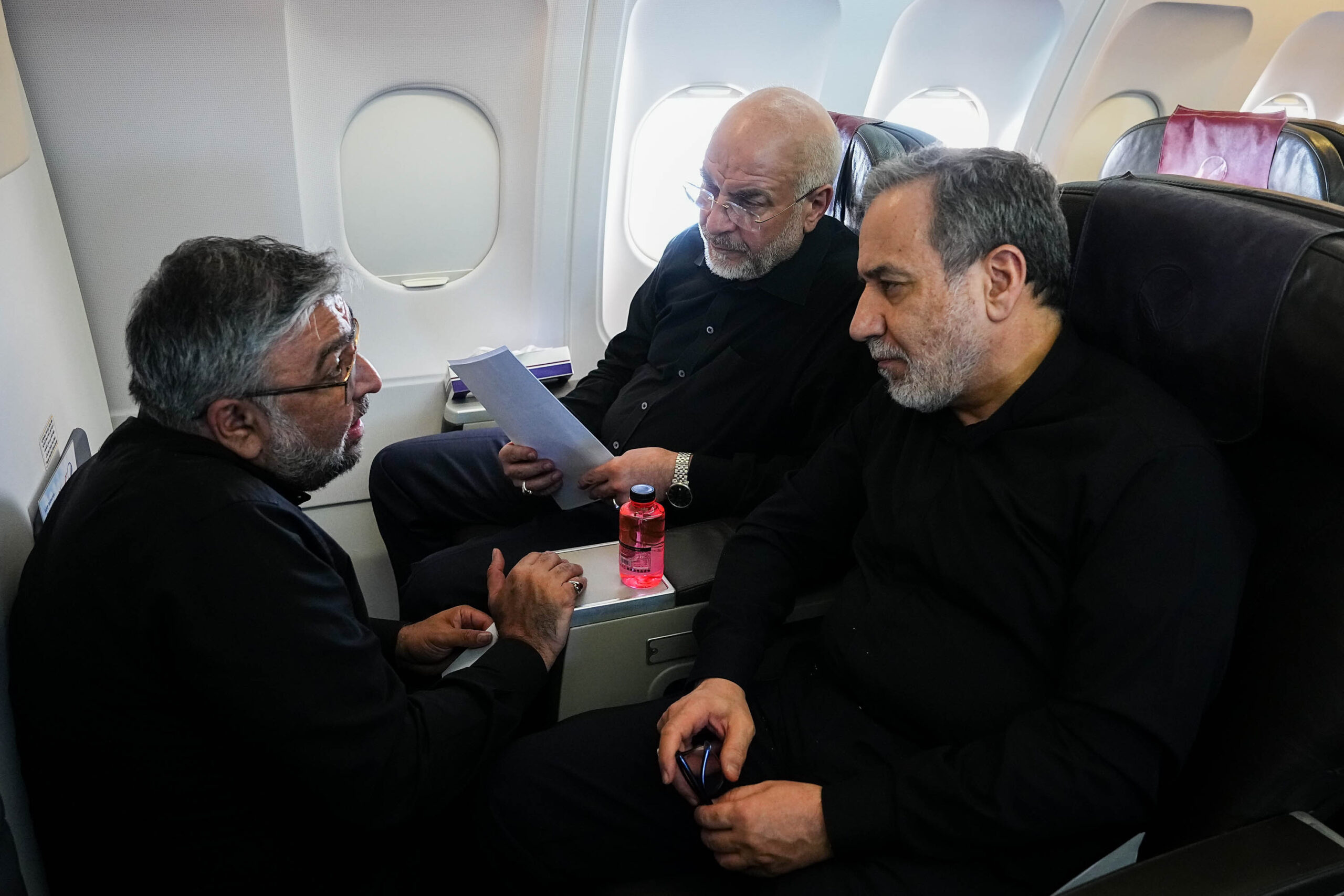
The Islamic Republic’s Collective Leadership
While there is historical precedent for collective leadership in Iran, today’s leadership includes representatives of the IRGC and regular military – a reflection of the IRGC’s expanding role and the necessities of governing under wartime conditions.
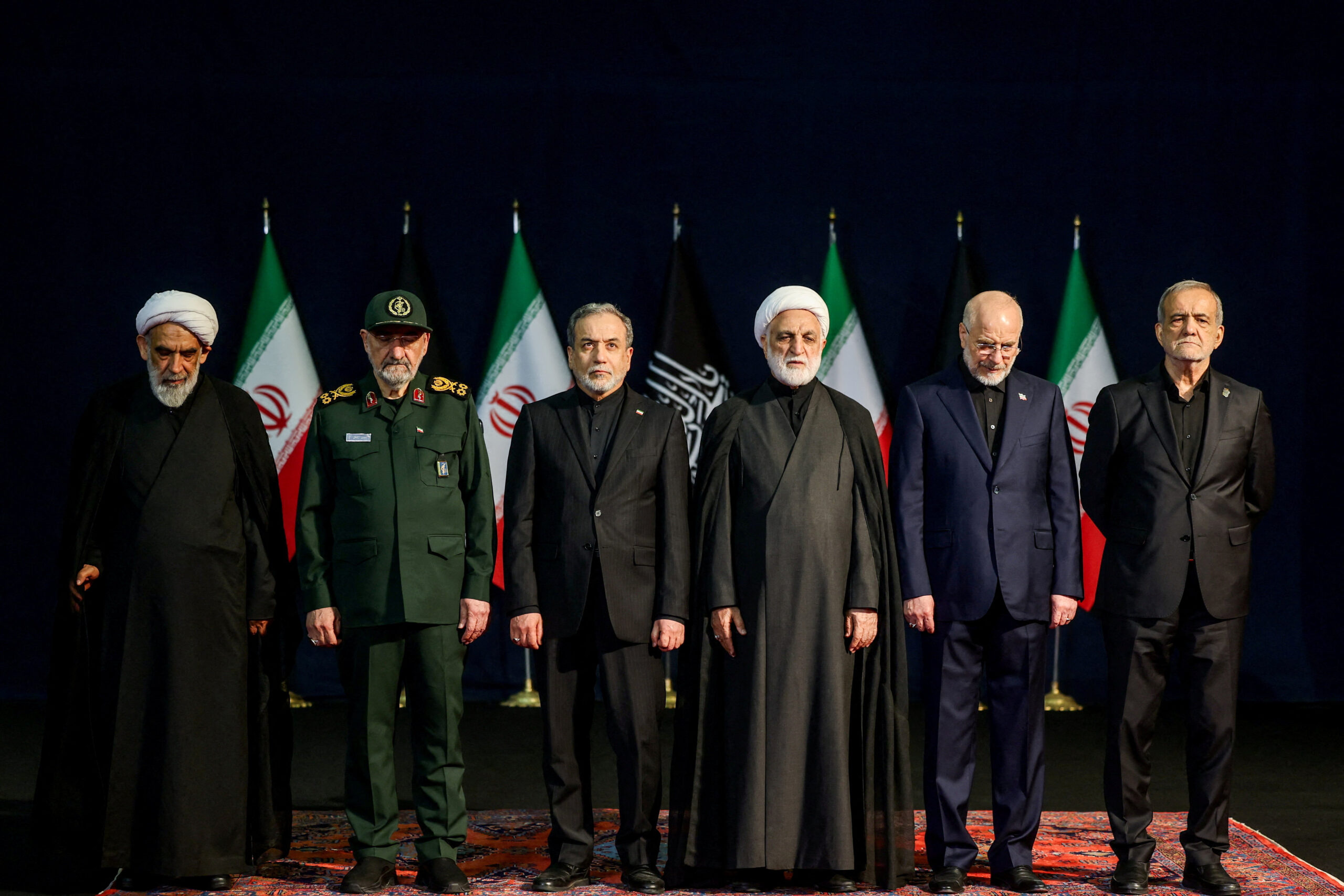
How Did the IRGC Seize Power in Iran?
The IRGC did not seize power in a single stroke. It accumulated it – patiently, methodically – until no counterweight remained.
Events
Book Talk: Iran and the Bomb: The United States, Iran and the Nuclear Question
On June 16, AGSI hosted a discussion on the evolution of Iran's nuclear program.
Speakers


Apr 21, 2026
Inside Iran’s Wartime Leadership: Power, Succession, and Regime Stability
On April 21, AGSI hosted a discussion on the evolution of Iran's leadership during the war.
Speakers

Mar 18, 2026
In Its Conflict With the United States and Israel, Does Escalation Favor Iran?
On March 18, AGSI hosted a discussion on the escalation of the Iran war.
Speakers



Mar 2, 2026
After the Shock: Implications of the U.S.–Israeli Strikes and Iran’s Leadership Transition
On March 2, AGSI hosted a discussion on the U.S.-Israeli strikes on Iran.
Speakers