In the future landscape of Gulf security, the United States may remain an essential arms supplier but wield less influence over force structure and military doctrine.
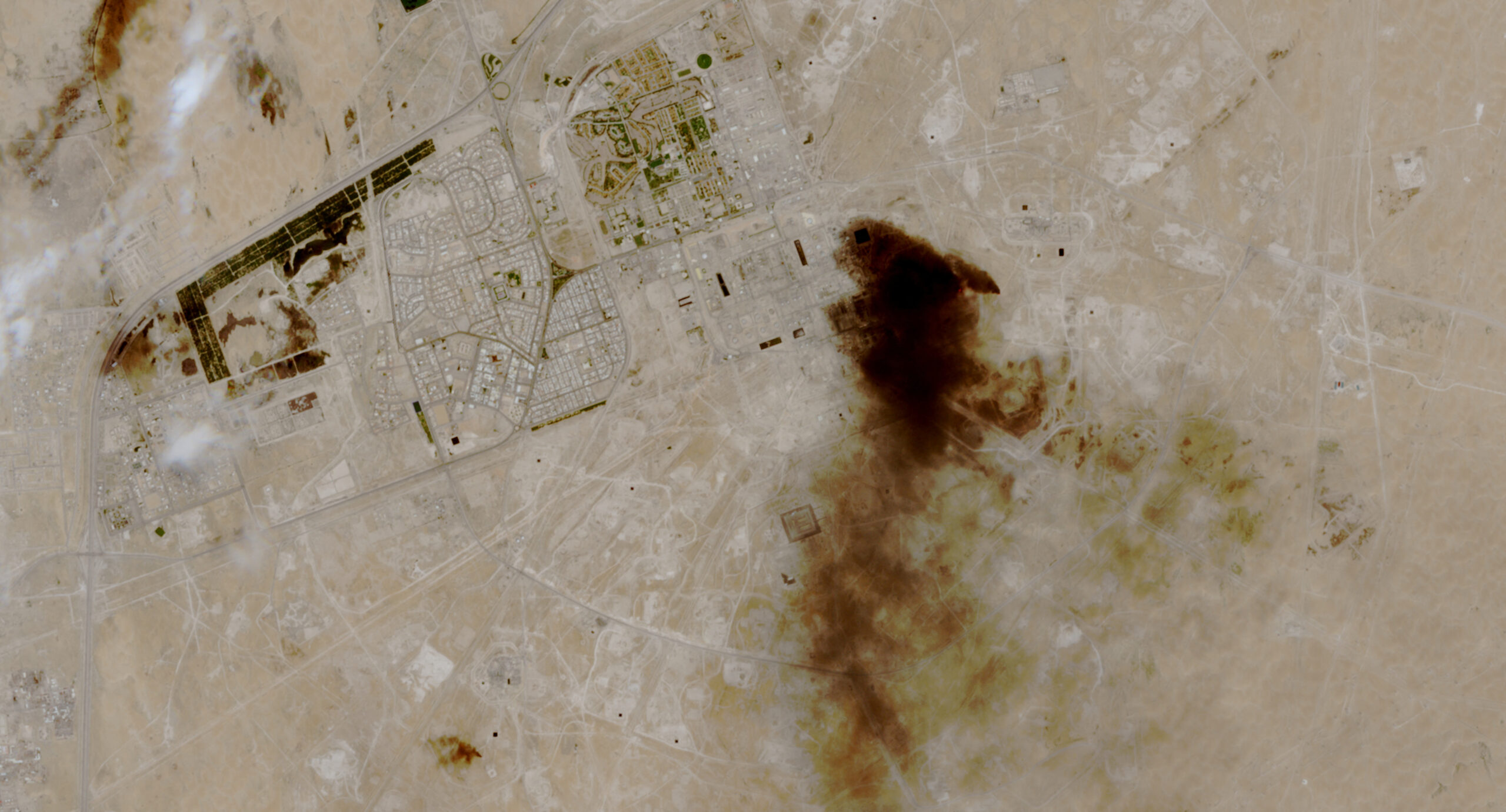
A satellite view of smoke billowing at a Saudi Aramco oil facility after a reported attackin Abqaiq, Saudi Arabia, April 8. (European Union/Copernicus Sentinel-2/Handout via REUTERS)
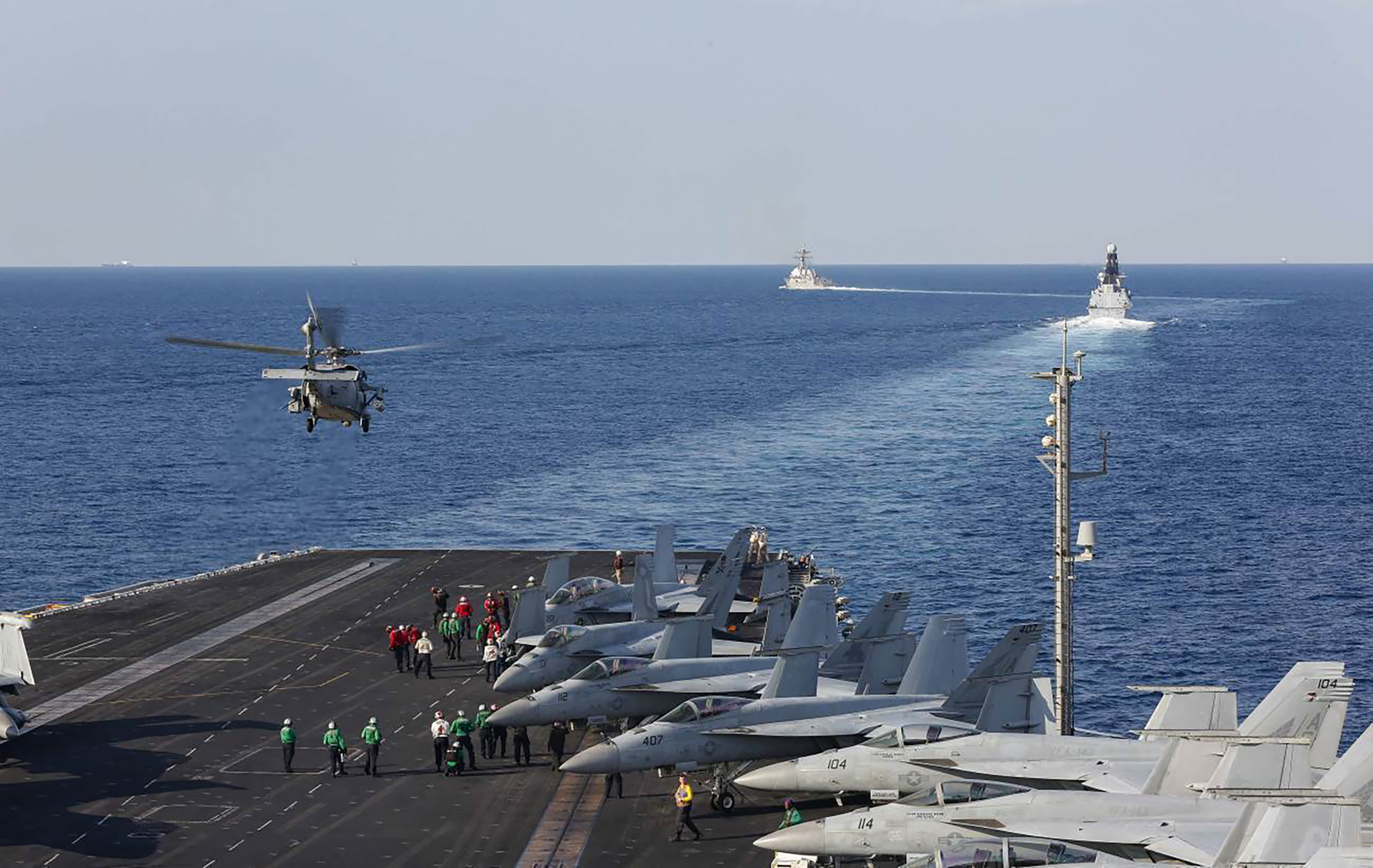
Whatever its outcome, the United States’ war with Iran has already shattered the security order it was meant to protect. For the past three decades, the six member states of the Gulf Cooperation Council assumed that a U.S. military presence on their soil would deter an attack by any rival – whether Iraq until 2003 or Iran today. This assumption was not a given but emerged after the Iraqi invasion of Kuwait in August 1990 and the U.S. operation Desert Storm less than a year later. In the absence of capable local armed forces, Gulf Arab states deemed it necessary to balance external threats by committing the United States to their security. The United States’ own interest in securing access to the Arabian Peninsula’s energy supplies made it possible, and it led to the expansion of U.S. military bases across the region.
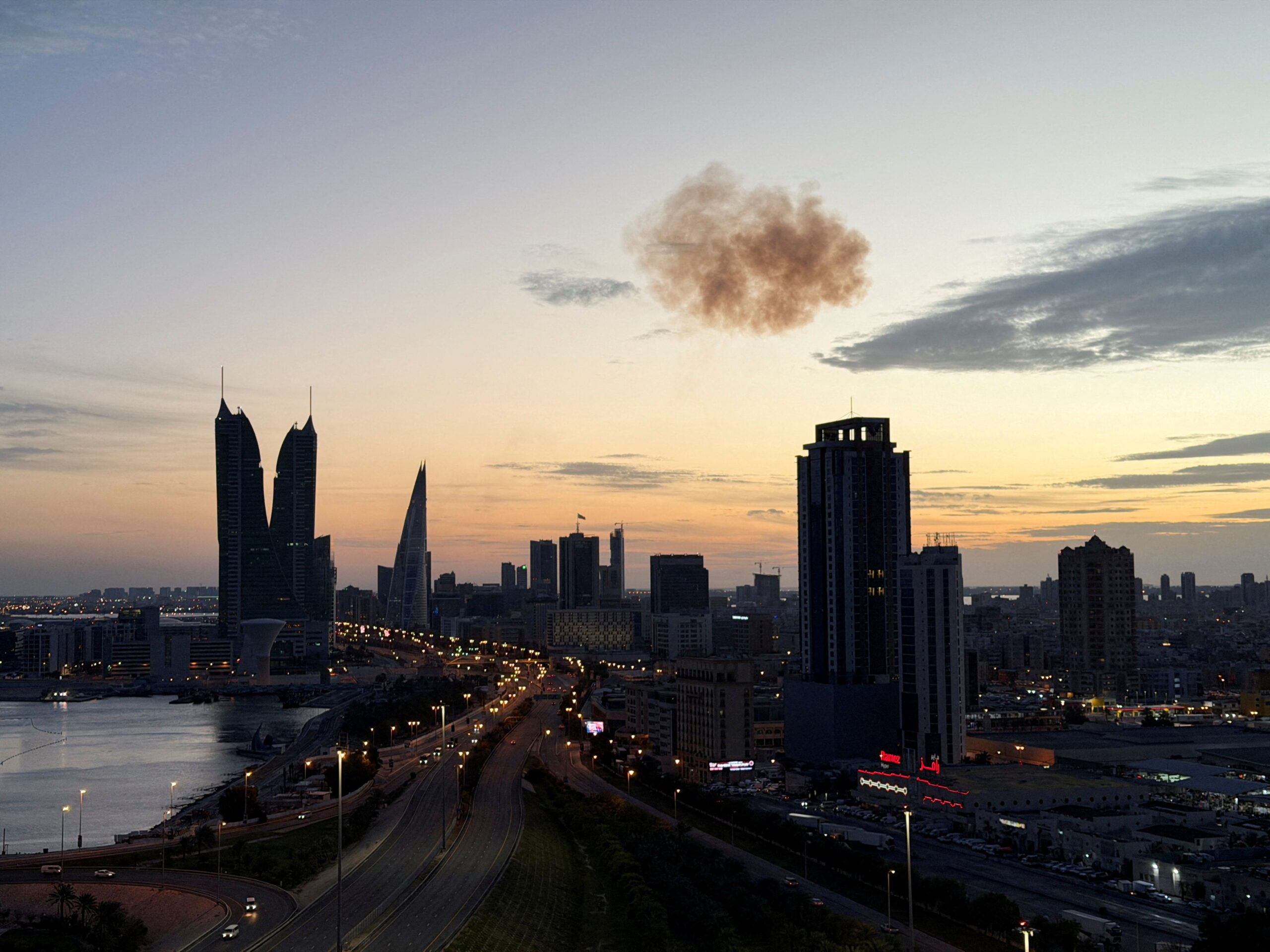
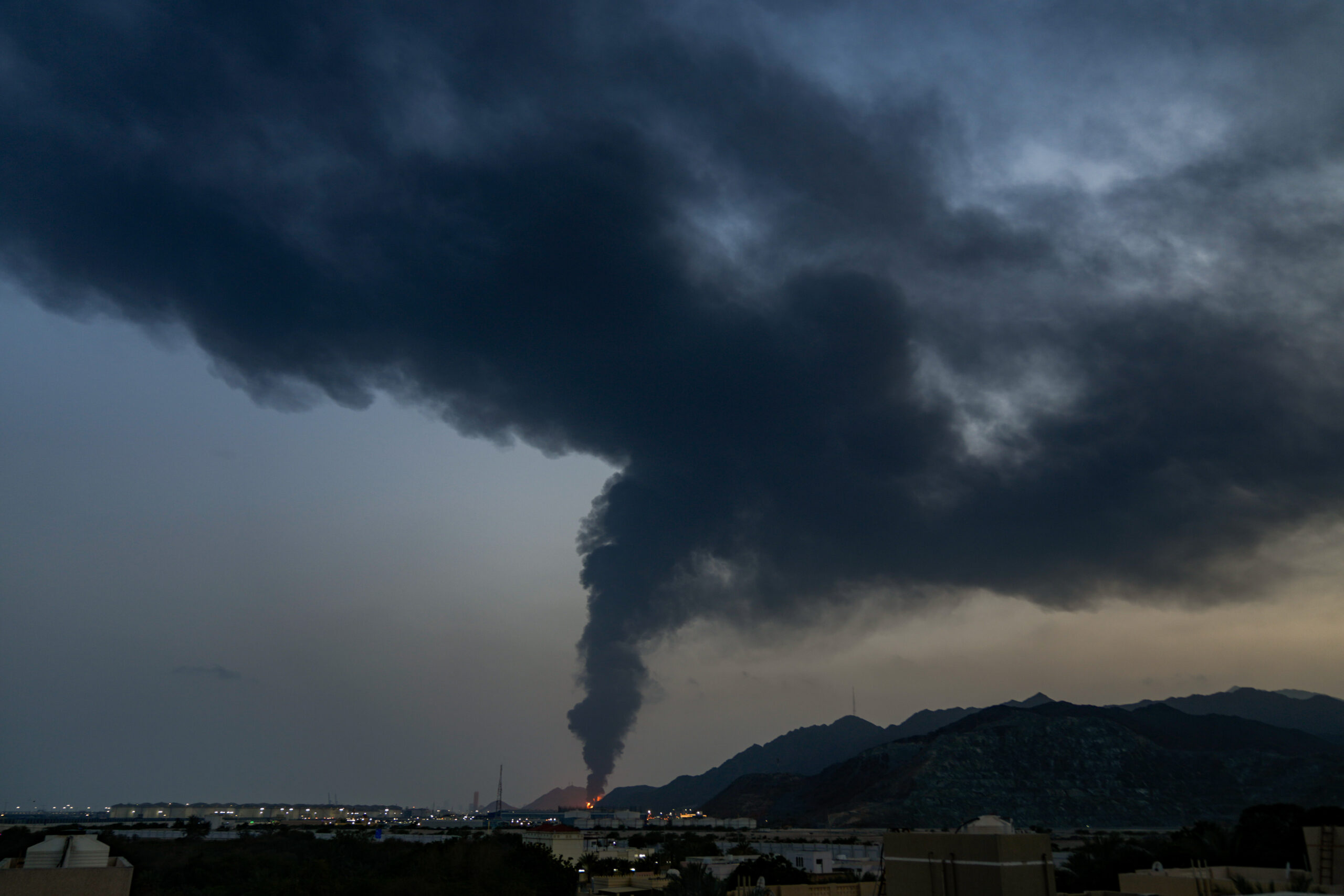
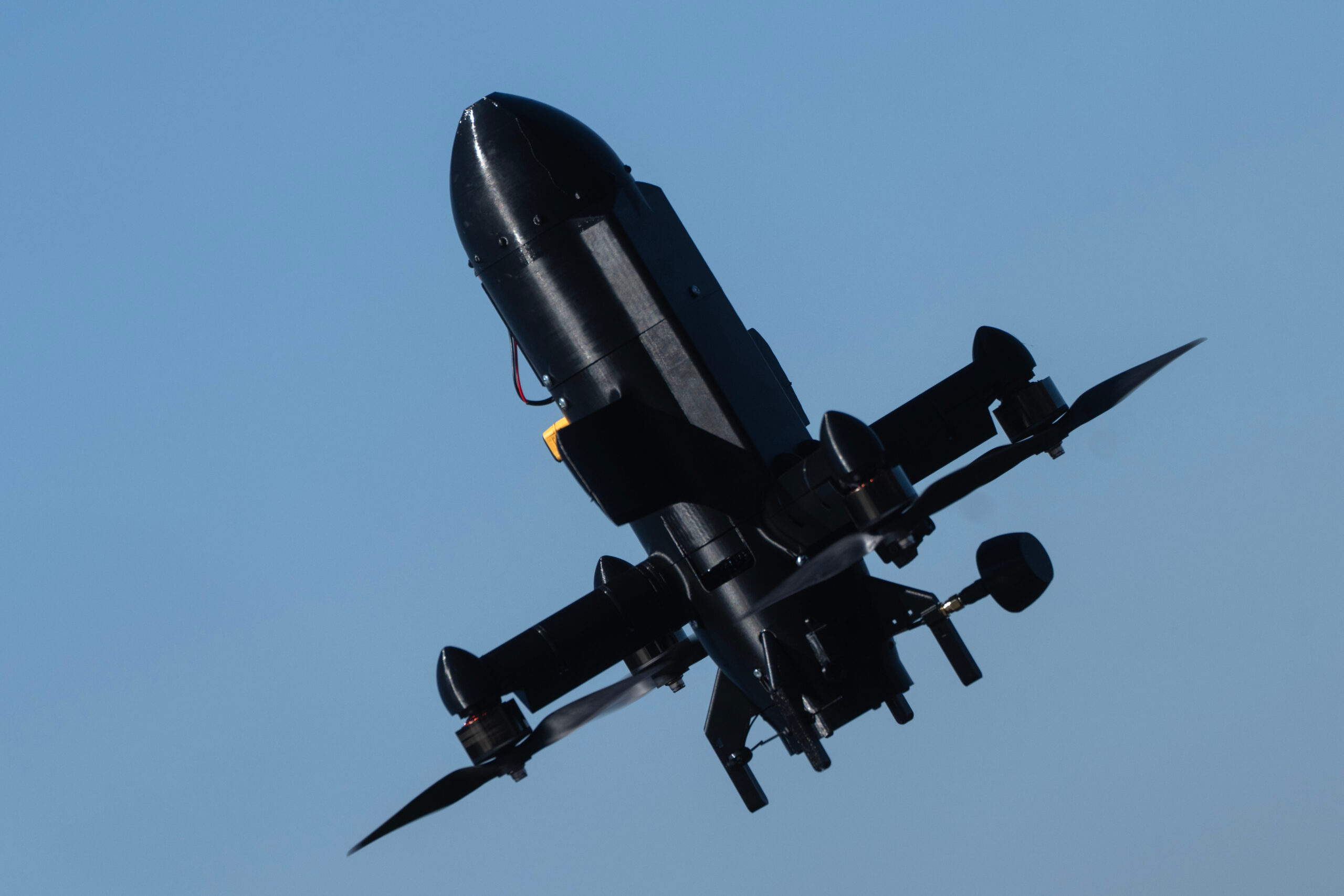
Fast-forward to 2026, and the Iran war has upended the belief in the deterrent effect of U.S. military bases. Not only did U.S. military bases in the Gulf fail to deter attacks, but they actually attracted them. As a result, Gulf states have suffered a total of 1,372 missile and 4,415 drone attacks from Iran over approximately six weeks. This failure was even more painful, as Gulf diplomats initially tried to prevent that war.
So far, Gulf governments have refrained from publicly expressing discontent with the U.S. administration. Some, such as the United Arab Emirates, even assert that ties are getting stronger and will get even stronger after the war. Still, frustration and anger over the lack of consultation and preparation with Washington are evident in off-the-record conversations with Gulf representatives. This is unlikely to lead to a sudden turnaround in which Gulf states would end their partnership with the United States, but the strategic assumption that held it together no longer works – hence, the need to rethink Gulf security.
There are several ways U.S.-Gulf relations could evolve in the aftermath of the Iran war. In the short term, and probably for the remaining years of the presidency of Donald J. Trump, Gulf states will be reluctant to pick a fight with Washington. Gulf citizens and decision makers may hold a grudge against a U.S. administration that barely factored their security into the decision to go to war with Iran, but, ultimately, local armed forces still depend on U.S. security assistance, particularly for air defense. As the Iranian regime will likely remain in place, Gulf states will need to find ways to prevent future aggression. This matters for their territorial integrity and to reassure foreign investors that their countries are safe destinations. In that context, there is simply no alternative to the U.S. security provisions: China is unwilling and unable to assume that role, and European countries, such as the United Kingdom and France, lack the military might to do so.
However, in the long term, Gulf states will likely seek ways to reduce their reliance on the United States, specifically regarding its permanent military presence. There are many examples in Europe and Asia of U.S. partners and allies whose militaries maintain close ties with the U.S. Armed Forces without hosting a U.S. military base. In Southeast Asia, the U.S. military cooperates closely with its counterparts in Thailand and Singapore without a permanent military base. From that perspective, Gulf states could retain U.S. arms sales and training programs for their armed forces while at the same time reducing the scale or, in some cases, closing U.S. bases on their territory.
That decision will be assessed differently across the six GCC states, according to their ambitions and means toward strategic autonomy. At one end of the spectrum, Saudi Arabia and the UAE may feel the most confident. They have already modernized their armed forces over the past 10 years and rely on relatively limited U.S. military deployments (respectively 2,000 and 4,000 troops before the war). Likewise, Oman has long cultivated a neutral foreign policy, and its armed forces have only modest engagement with the United States. At the other end of the spectrum, small states, such as Kuwait and Bahrain, could hardly conceive of their national security without preserving a U.S. military presence, respectively the U.S. Army’s Camp Arifjan and U.S. Navy’s 5th fleet.
A major unknown in that scenario would be Qatar, which hosts the forward headquarters of the U.S. Central Command while cultivating aspirations of strategic autonomy. Qatari armed forces have launched many reforms in the past decade, but their readiness remains untested.
While the United States will stay an essential partner for Gulf security arrangements, another lesson that governments may draw from the Iran war is that cooperation with small and middle states may often be more relevant than with the United States. Amid the conflict with Iran, Gulf states desperately sought ways to cope with the barrages of drones and missiles launched by Tehran. In that context, U.S. systems, including Patriot and THAAD batteries, quickly proved ill-suited. Surely, they are the most sophisticated air defense systems Gulf states can procure, but they are too expensive and too few to protect their territories.
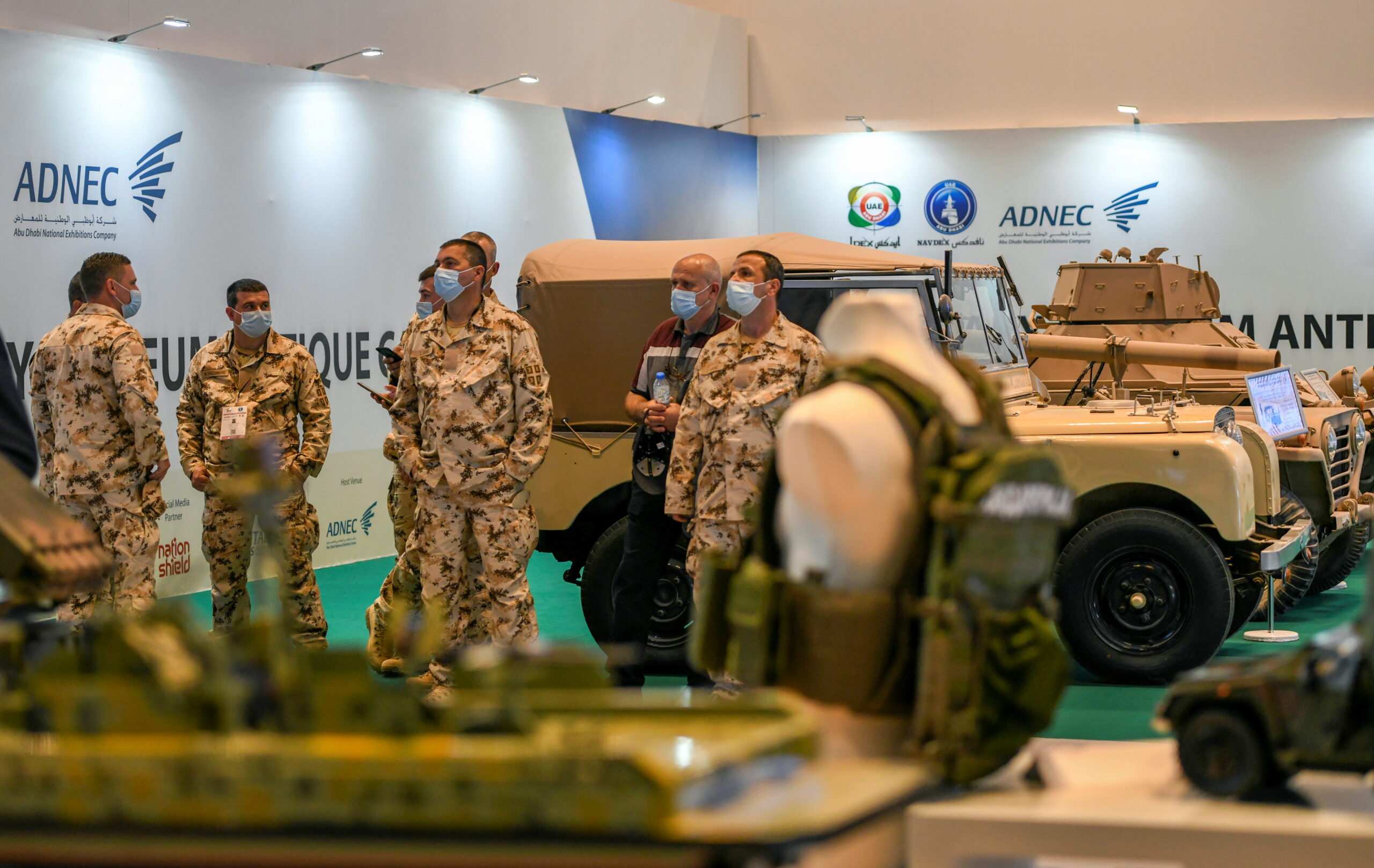
Instead, Gulf governments improvised a defensive response that combined various systems. For instance, in the UAE, France deployed Rafale fighter jets, and South Korea accelerated the deployment of its Cheongung-II air defense system to shore up Abu Dhabi’s defenses. Notably, Saudi Arabia, the UAE, and Qatar signed defense agreements with Ukraine that include cooperation on counterdrone systems. The agreement with Kyiv is a 10-year framework that will involve Gulf investments in the Ukrainian defense industry.
In the UAE and Bahrain, decision makers will also investigate Israel’s missile defense experience. This was already the case prior to the war, with Abu Dhabi procuring Israel’s Barak system in 2022. But beyond procurement, other lessons could be drawn: Israel’s policies to protect its population against missile attacks, whether through early-warning apps or the construction of a wide network of public shelters, will inform the Emirati and Bahraini governments as they try to strengthen local resilience. Altogether, these ties may foreshadow the future landscape of Gulf security strategies, one in which the United States remains an essential arms supplier but wields less influence over force structure and military doctrine.
It could then prompt a deeper rethinking of the Gulf’s strategic culture. Over the past two decades, this culture in Abu Dhabi, Riyadh, and Doha was shaped by the U.S. military model, taught to local elites in their war colleges and diplomatic academies. This often created a disconnect between the U.S. strategic prescriptions and the needs of small armed forces, like those in the Gulf. Most of the Gulf military challenges – lack of strategic depth, limited personnel, or asymmetry of means vis-a-vis neighbors, such as Iraq and Iran – are foreign to the United States. In truth, Gulf militaries have more to learn from the experiences of similar small states, such as South Korea, Ukraine, Singapore, and Israel, than from the United States. In that environment, the United States won’t be absent, but its centrality will loosen.
Ultimately, this also raises the question of whether the Gulf states will better coordinate, if not integrate, their security strategies. After each regional crisis, local voices call for strengthening regional cooperation, particularly through the GCC. However, there are reasons to doubt that, even after this war, the GCC will play a new, more robust role. The GCC was never designed as the NATO of the Gulf. Its 1981 charter avoided discussing security arrangements and only vaguely referred to common values. Distrust among Gulf leaders remains high even today. Qatari officials still vividly remember the boycott imposed by their neighbors between 2017 and 2021. Until the Iran war started, the biggest news story in the region was a Saudi-Emirati dispute that led the Saudi air force to bomb Abu Dhabi-backed forces in Yemen. Iran’s attacks did not remove those issues but merely put them on the back burner. In fact, disagreements are already resurfacing as Gulf states grapple with the war’s consequences. Whereas the UAE has leaned toward supporting the U.S. military campaign against Iran, Oman has publicly blamed Washington and Israel for the regional chaos.
Despite the GCC’s paralysis, new ad hoc arrangements at the bilateral or minilateral levels could still form. For instance, at the level of local defense industries, Gulf states, such as Saudi Arabia, Qatar, and the UAE, may set aside their differences to pool resources and cooperate on joint projects, such as unmanned systems or air defense. Meanwhile, if the U.S. military presence significantly decreases, smaller states, such as Bahrain, may seek local alternatives. Deeper security arrangements between Manama and Saudi Arabia, and possibly the UAE, could then surface.
There is a range of possible trajectories for Gulf security strategies after the Iran war. Ultimately, the question that matters is not whether Gulf states will cease their reliance on the U.S. military presence but how they can reduce it without compromising their security interests. From that perspective, the Gulf security environment will not change suddenly; rather, its trajectory will gradually diverge from its decades-old orbit around the United States.
The views represented herein are the author's or speaker's own and do not necessarily reflect the views of AGSI, its staff, or its board of directors.
Regardless of the outcome of ongoing U.S.-Iranian negotiations, Gulf states are likely to speed up the diversification of their defense partnerships, including with each other, though many hurdles have yet to be overcome.
The imperative for Gulf states to unify their position has grown since the onset of Iranian attacks on their countries. Yet under conditions of uncertainty about the U.S. position and the war's outcome, Gulf states are demonstrating differing regional alignments and preferences for managing the crisis.
Even if the Ukraine war comes to an end, the implications of Russia’s partnerships with Iran and the Houthis will last, and the consequences will be felt, first and foremost, in the Gulf.
By investing politically and economically in the small states of the Indian Ocean, both on its African and Asian shores, Gulf Arab states are positioning themselves as pivotal actors in the region.