Apr 3, 2026
Eye for an Eye, Bridge for a Bridge
The April 3 edition of the Iran Media Review examines Iranian responses to President Trump’s April 1 speech and U.S. strikes against an Iranian bridge.

Supreme National Security Council-affiliated Nour News Agency downplayed the significance of President Donald J. Trump’s latest address. But an article published in Tabnak News Agency – which is linked to Major General Mohsen Rezaei, a senior military advisor to Supreme Leader Ayatollah Mojtaba Khamenei – took a more pointed stance: It identified bridges in Gulf Cooperation Council states and Jordan as potential targets for retaliatory strikes.
- April 2: Nour News Agency commented on President Donald J. Trump’s April 1 address:
- “What can be inferred from this speech is not the presentation of a new path but rather a reflection of the current situation – a situation that shows Trump does not have the ability to make a meaningful change in the questionable status quo and is instead trying to manage it primarily by stalling and controlling perceptions.”
- “Continuing this approach without acknowledging existing realities and adapting to them is unlikely to lead to any fundamental change and will merely prolong the current situation. Although the U.S. president has so far shown that he lacks the ability to accept reality, given the current conditions, it seems that the only path ahead for Trump is to alter his current political position; otherwise, no change in the existing situation will occur.”
- “The two weeks that Trump mentioned in his speech as the possible time frame for ending the war should serve as an opportunity for him to come to terms with himself, accept the cost of his failure, and as soon as possible yield in the futile war he initiated by accepting Iran’s new and undeniable position based on on-the-ground and political realities.”
- April 2: Tabnak News Agency published a list of bridges in Gulf Cooperation Council states and Jordan that, according to the outlet, constitute “legitimate targets” in retaliation for U.S. strikes against the B1 bridge in Karaj, Alborz province.
- April 4: According to Tabnak News Agency, the United Arab Emirates has “officially entered the war against Iran” as “documented by the use of a Chinese drone downed in Shiraz … a drone type not in the possession of the United States or Israel but previously deployed by the UAE in the war in Yemen.”
The views represented herein are the author's or speaker's own and do not necessarily reflect the views of AGSI, its staff, or its board of directors.
Related
Iran Media Review
Mar 31, 2026
Iran: From Defense to Offense
The March 31 edition of the Iran Media Review analyzes Iranian reports that Iran is about to enter an “offensive phase” as well as warnings against a U.S. ground invasion.
Iran Media Review
Mar 27, 2026
Iran to Gulf States: Keep Your Distance – or Risk Being Drawn In
The March 27 edition of the Iran Media Review highlights Iranian officials’ threats to Gulf states not to get more involved in the U.S.-Israeli conflict with Iran.
Iran Media Review
Mar 24, 2026
Iran: Resilience, Defiance, and Willingness to Talk
The March 24 edition of the Iran Media Review considers Iranian messaging projecting a mix of defiance and a possible willingness to negotiate with the United States.
Mar 31, 2026
Iran: From Defense to Offense
The March 31 edition of the Iran Media Review analyzes Iranian reports that Iran is about to enter an “offensive phase” as well as warnings against a U.S. ground invasion.
Mar 27, 2026
Iran to Gulf States: Keep Your Distance – or Risk Being Drawn In
The March 27 edition of the Iran Media Review highlights Iranian officials’ threats to Gulf states not to get more involved in the U.S.-Israeli conflict with Iran.
Mar 24, 2026
Iran: Resilience, Defiance, and Willingness to Talk
The March 24 edition of the Iran Media Review considers Iranian messaging projecting a mix of defiance and a possible willingness to negotiate with the United States.
Analysis
Debating Policy in Public: Iranian Elites Turn to YouTube
Rival camps within the Islamic Republic are increasingly turning to YouTube for policy debate, but there is a limit to the regime’s tolerance for that debate.
The Committee of Six and Strategic Decision Making in Iran
Remarks by Iran’s president offer a rare glimpse of how the Islamic Republic has adapted its decision making to the absence of its supreme leader.
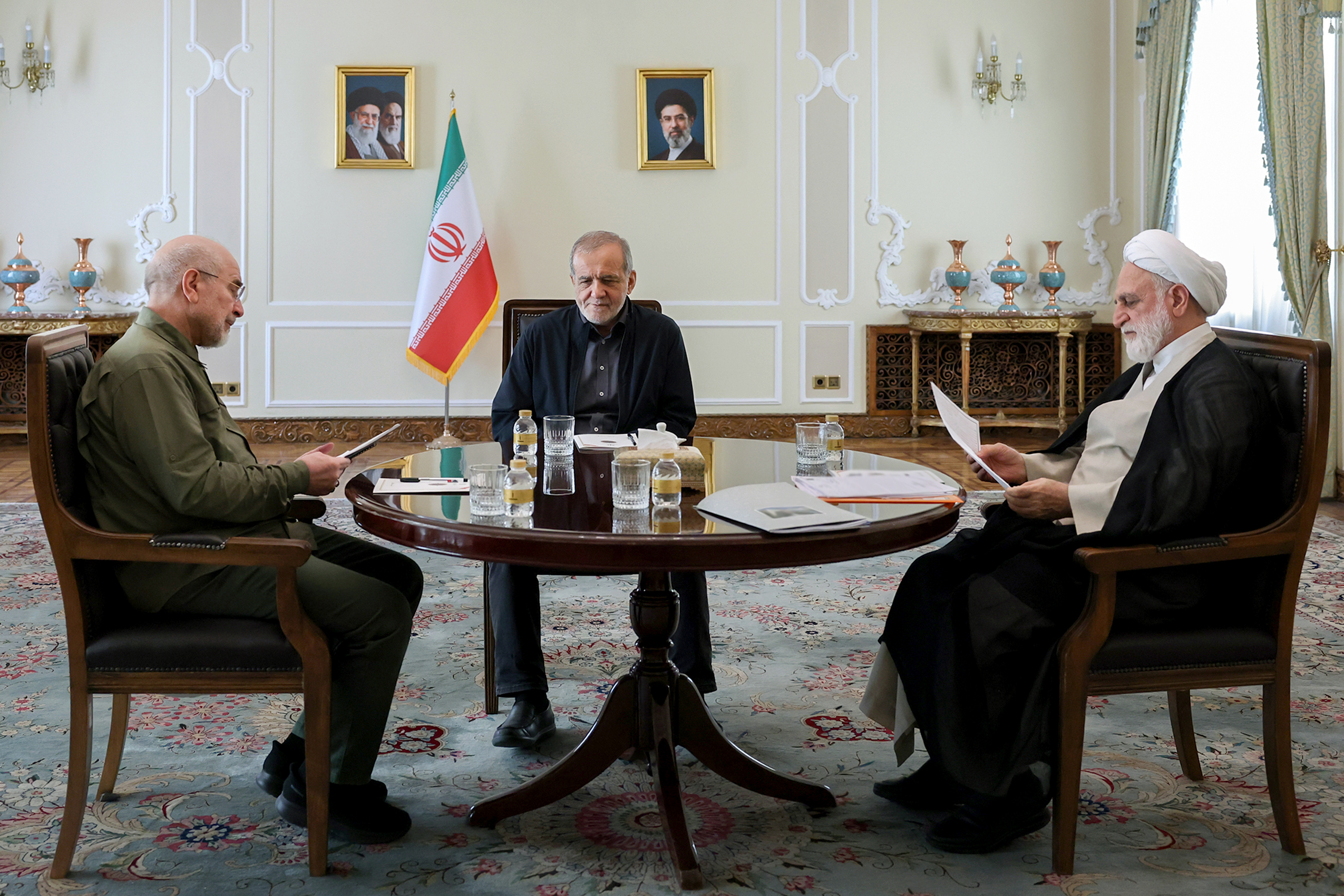
Mohsen Rezaei at the Helm of Iran’s Supreme National Security Council
Under Rezaei, the SNSC could prove constructive or paralyze strategic decision making.
The Islamic Republic Returns to Offense
After U.S.-Israeli strikes killed Supreme Leader Ayatollah Ali Khamenei on February 28, Iran’s collective leadership has concluded that the best defense is a good offense.
Events
Oct 6, 2026
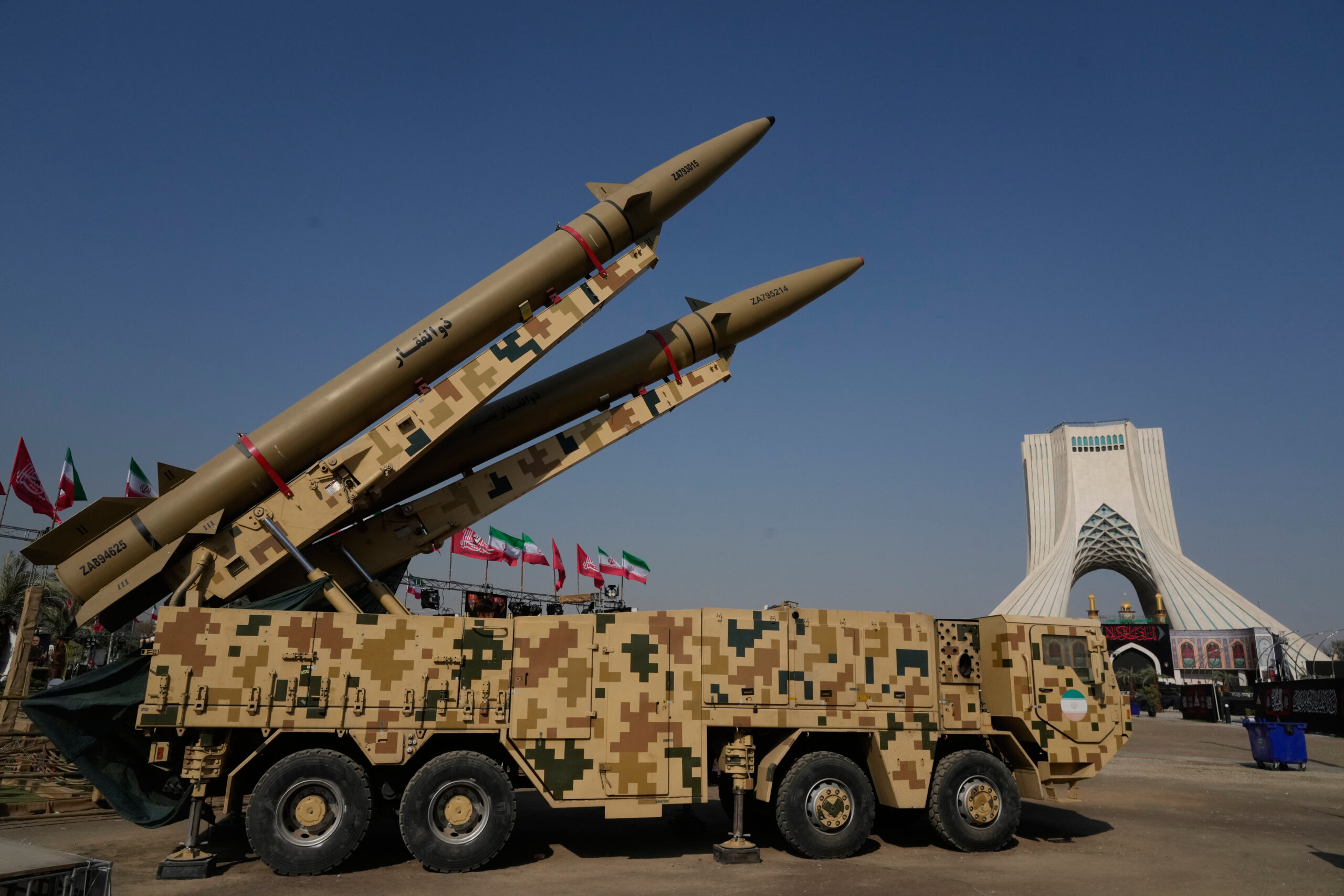
Is the U.S.-Iran Stalemate a “New Normal” or the Prelude to Another Explosion?
On October 6, AGSI hosted a discussion on the U.S.-Iran stalemate and the prospects for a cease-fire.
Speakers



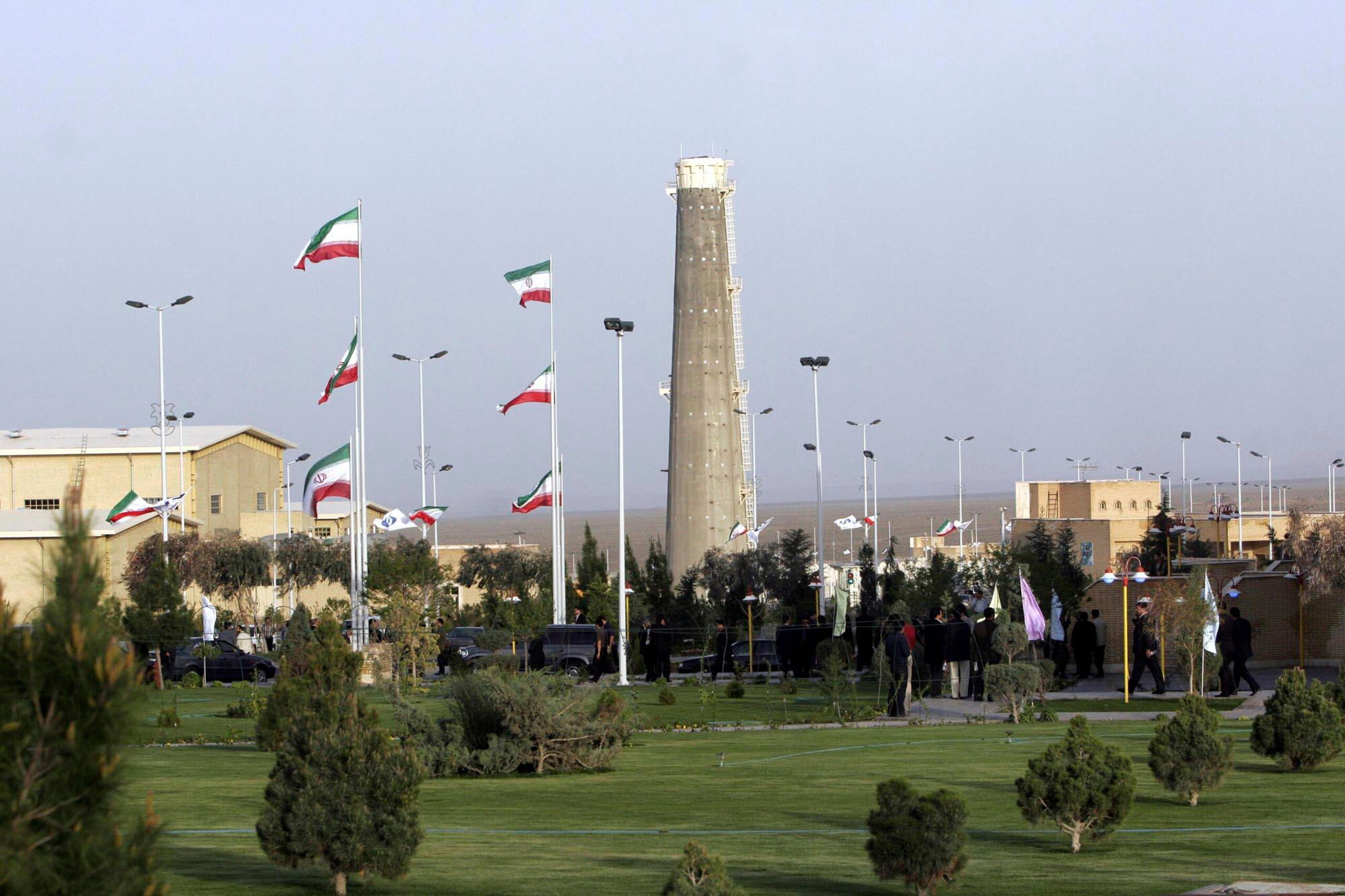
Book Talk: Iran and the Bomb: The United States, Iran and the Nuclear Question
On June 16, AGSI hosted a discussion on the evolution of Iran's nuclear program.
Speakers
Apr 21, 2026
Inside Iran’s Wartime Leadership: Power, Succession, and Regime Stability
On April 21, AGSI hosted a discussion on the evolution of Iran's leadership during the war.
Speakers

Mar 18, 2026
In Its Conflict With the United States and Israel, Does Escalation Favor Iran?
On March 18, AGSI hosted a discussion on the escalation of the Iran war.
Speakers