Mar 31, 2026
Iran: From Defense to Offense
The March 31 edition of the Iran Media Review analyzes Iranian reports that Iran is about to enter an “offensive phase” as well as warnings against a U.S. ground invasion.

Tabnak News Agency, a mouthpiece of Major General Mohsen Rezaei, a senior military advisor to Supreme Leader Ayatollah Mojtaba Khamenei, claimed Iran is about to enter an “offensive phase” in the war. At the same time, Supreme National Security Council mouthpiece Nour News warned the United States of the perils of a ground operation against Iran.
- March 31: According to Tabnak News Agency, Iran has so far been able to repel direct threats from Israel and the United States by “equipping its defense systems, including missile and air defense systems, and has established security at its borders and critical centers” and is about to start an “offensive phase”:
- “Moving toward offense means designing operations that not only respond to threats but also deter the enemy from taking military action. This approach includes identifying predetermined enemy targets, sensitive logistical points, and command centers and taking preemptive action against them. In this way, Iran can relieve pressure from its borders and take the initiative.”
- “A successful offensive is impossible without accurate and up-to-date intelligence. Identifying enemy bases, equipment transfer routes, communication networks, and vulnerable points constitutes the backbone of any offensive operation. By utilizing domestic intelligence capabilities and regional networks, Iran can deliver targeted, low-cost, yet effective, strikes without leading to a broader crisis.”
- “The move toward offense should not be purely military. Coordination with regional actors and the use of diplomatic tools, economic pressure, and media influence can multiply the impact of military offense. In other words, a smart offensive is a combination of combat capability and indirect tools to create sustainable deterrence.”
- “Entering an offensive phase sends a clear message to the enemy: Iran will not just defend itself but also has the capability and readiness to deliver a targeted counterstrike.”
- March 31: Supreme National Security Council mouthpiece Nour News Agency wrote on the perils of a U.S. ground invasion of Iran:
- “The scenario of a U.S. ground attack is not a sign of superiority but rather an indication of entering a stage of complexity and strategic deadlock. The combination of three main elements – namely Iran’s ground advantages, the strategic position of the Strait of Hormuz, and the operational capacity of the ‘axis of resistance’ – has created conditions in which any move into a ground phase becomes a costly and multilayered decision.”
- “The regionalization of the war is not a future possibility but a reality that has been established through the expansion of the scope of conflict. Therefore, a ground war is not the end of the crisis but the beginning of a stage in which costs, actors, and consequences increase exponentially and control of the battlefield becomes significantly more difficult.”
The views represented herein are the author's or speaker's own and do not necessarily reflect the views of AGSI, its staff, or its board of directors.
Related
Iran Media Review
Mar 27, 2026
Iran to Gulf States: Keep Your Distance – or Risk Being Drawn In
The March 27 edition of the Iran Media Review highlights Iranian officials’ threats to Gulf states not to get more involved in the U.S.-Israeli conflict with Iran.
Iran Media Review
Mar 24, 2026
Iran: Resilience, Defiance, and Willingness to Talk
The March 24 edition of the Iran Media Review considers Iranian messaging projecting a mix of defiance and a possible willingness to negotiate with the United States.
Iran Media Review
Mar 13, 2026
Quds Day in Iran
The March 13 edition of the Iran Media Review examines Iranian media reports of regime defiance at Quds Day rallies as the U.S.-Israeli conflict with Iran continues.
Mar 27, 2026
Iran to Gulf States: Keep Your Distance – or Risk Being Drawn In
The March 27 edition of the Iran Media Review highlights Iranian officials’ threats to Gulf states not to get more involved in the U.S.-Israeli conflict with Iran.
Mar 24, 2026
Iran: Resilience, Defiance, and Willingness to Talk
The March 24 edition of the Iran Media Review considers Iranian messaging projecting a mix of defiance and a possible willingness to negotiate with the United States.
Mar 13, 2026
Quds Day in Iran
The March 13 edition of the Iran Media Review examines Iranian media reports of regime defiance at Quds Day rallies as the U.S.-Israeli conflict with Iran continues.
Analysis
The Islamic Republic Returns to Offense
After U.S.-Israeli strikes killed Supreme Leader Ayatollah Ali Khamenei on February 28, Iran’s collective leadership has concluded that the best defense is a good offense.
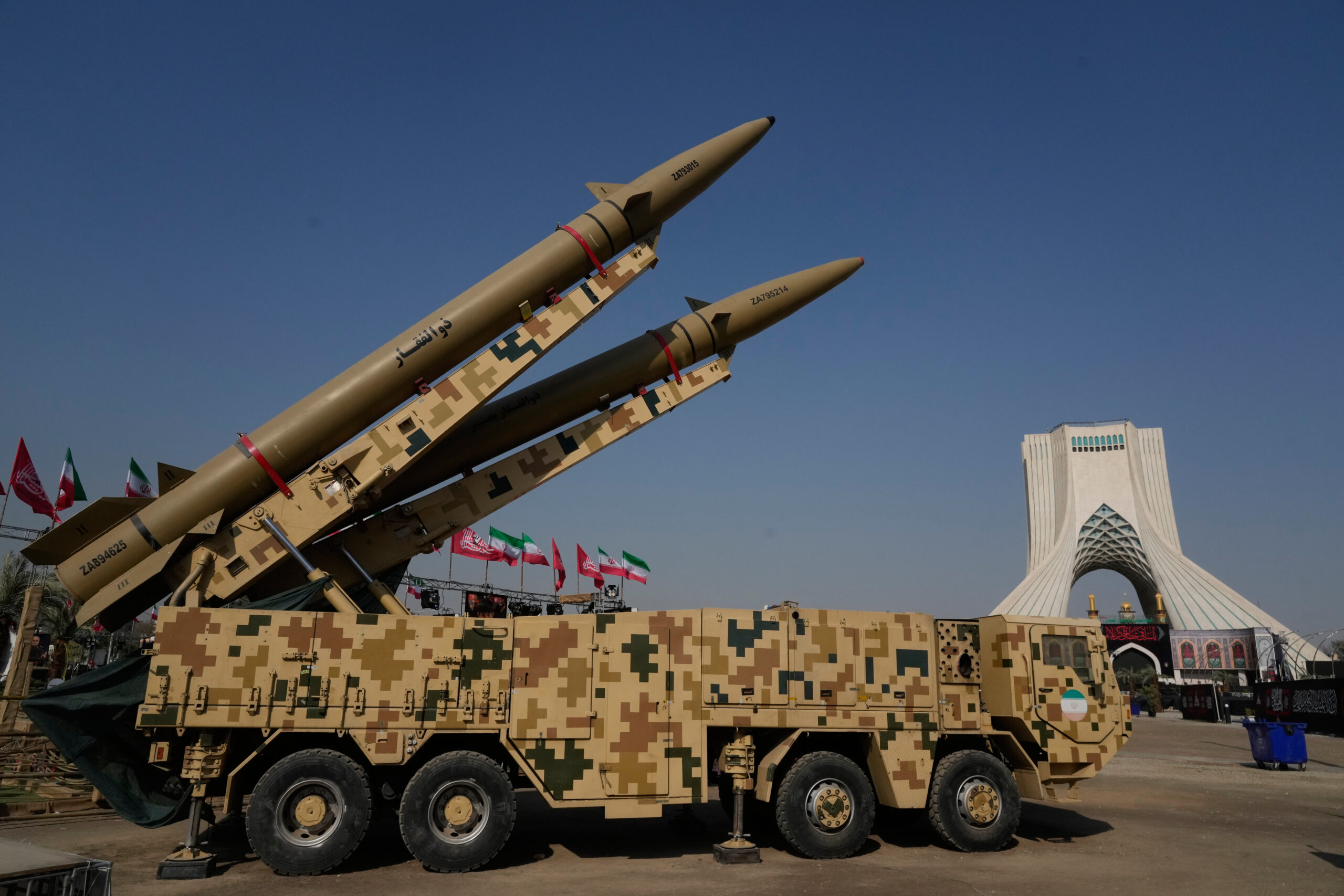
Iran’s Collective Strategic Decision Making
Wartime pressure has temporarily aligned the leadership’s overriding interest in regime survival, even as its members continue to differ over the costs, methods, and ultimate objectives of the war.
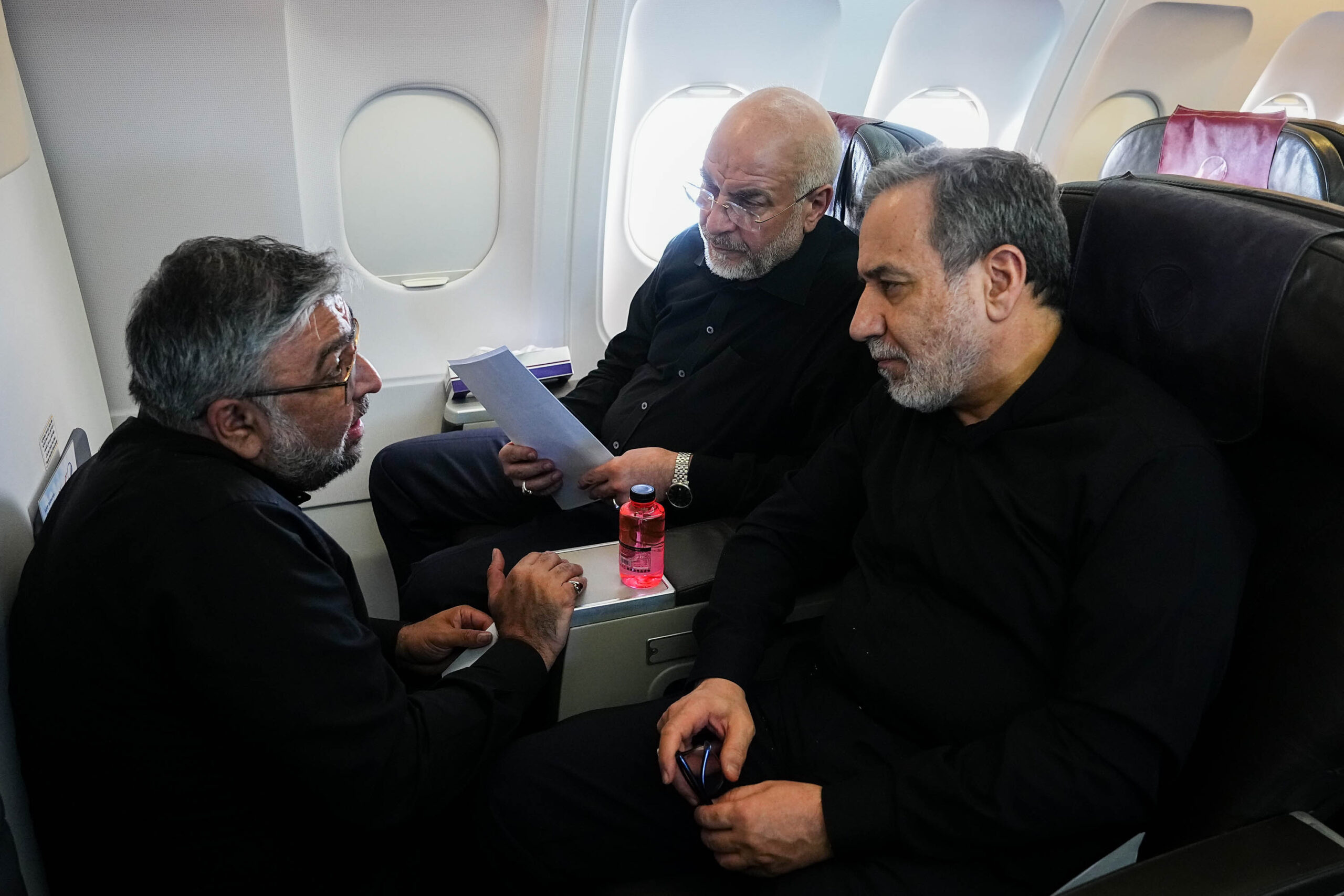
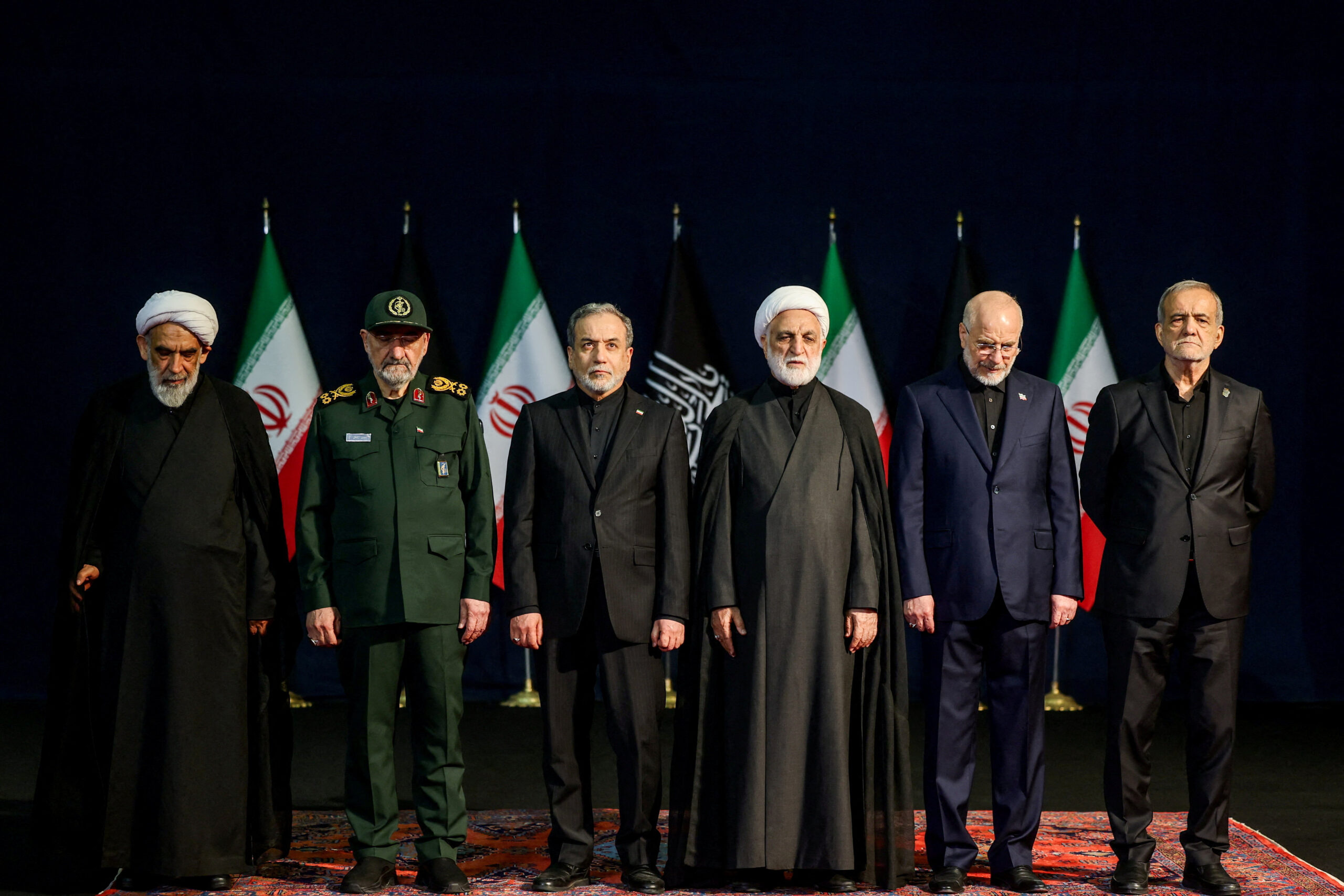
The Islamic Republic’s Collective Leadership
While there is historical precedent for collective leadership in Iran, today’s leadership includes representatives of the IRGC and regular military – a reflection of the IRGC’s expanding role and the necessities of governing under wartime conditions.
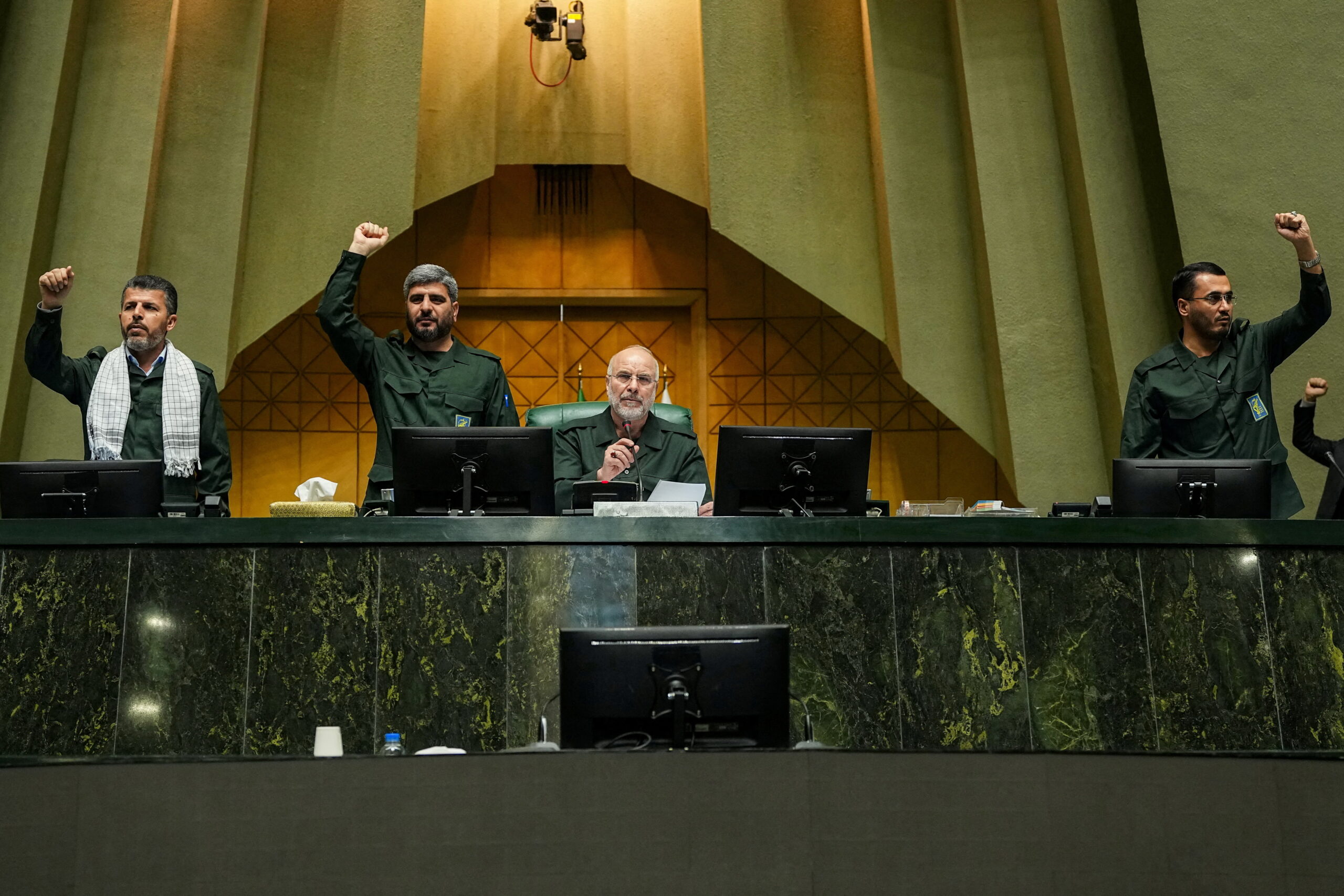
How Did the IRGC Seize Power in Iran?
The IRGC did not seize power in a single stroke. It accumulated it – patiently, methodically – until no counterweight remained.
Events
Book Talk: Iran and the Bomb: The United States, Iran and the Nuclear Question
On June 16, AGSI hosted a discussion on the evolution of Iran's nuclear program.
Speakers


Apr 21, 2026
Inside Iran’s Wartime Leadership: Power, Succession, and Regime Stability
On April 21, AGSI hosted a discussion on the evolution of Iran's leadership during the war.
Speakers

Mar 18, 2026
In Its Conflict With the United States and Israel, Does Escalation Favor Iran?
On March 18, AGSI hosted a discussion on the escalation of the Iran war.
Speakers



Mar 2, 2026
After the Shock: Implications of the U.S.–Israeli Strikes and Iran’s Leadership Transition
On March 2, AGSI hosted a discussion on the U.S.-Israeli strikes on Iran.
Speakers