Jan 20, 2026
Defiant Khamenei Blames Trump for the Protests
The January 20 edition of the Iran Media Review examines a speech by Ayatollah Ali Khamenei blaming the United States for recent protests in Iran.

Supreme Leader Ayatollah Ali Khamenei insists that the regime has suppressed what he calls U.S.-orchestrated “sedition” in which “thousands” were killed by “enemy agents.” But the continued disruption of internet access across Iran, along with ongoing restrictions even on domestic text-messaging services, reveals the regime’s deep fear of renewed protests. Those fears are well founded: The economic problems that ignited the unrest remain unresolved and are unlikely to be solved through rhetoric alone.
- January 17: During his second public commentary since the beginning of protests in late December 2025, in comments published on his website (one of the few websites connected to the internet in Iran), Supreme Leader Ayatollah Ali Khamenei said:
- “Sedition occurred; it caused some distress among the people, harmed them, and inflicted damage on the country – after all, it was sedition. Then, by divine grace, through the hands of the people and the timely and capable actions of the responsible officials and agents, praise be to God, this sedition was extinguished.”
- “This was American sedition. It was obvious; the Americans planned it and carried it out. And the Americans’ objective – as I state decisively and explicitly, based on more than 40 years of experience in the Islamic Republic – is to swallow Iran … The president of the United States himself – personally – intervened: He spoke, made statements, issued threats, and encouraged the agitators. Messages were sent from the United States to those individuals – I will explain later who they were – telling them to move forward and not be afraid. He said, ‘We support you; we will provide military support.’ That is, the president of the United States himself entered this sedition and is part of it.”
- Next, Khamenei turned to the people involved in the “sedition”:
- “They fell into two groups. One group consisted of individuals whom the American and Israeli intelligence services had carefully selected and identified; most of them had been taken abroad, and some had also been trained right here – trained how to move, set fires, create fear, and evade the police. They had also been given substantial funding. These were the ones who were the ringleaders of the crowd; they themselves refer to themselves as ‘leaders’ – ‘we are the leaders of this group.’ These were the ringleaders; one group consisted of them. Praise be to God, a large number of these individuals were arrested and detained.”
- “The second group had no connection with the Zionist regime or with any particular intelligence service. They were naive adolescents – people would talk to them, influence them, stir excitement in them … These were the foot soldiers; their mission was to go and attack a place: a police post, a house, an office, a bank, an industrial center, a power facility. That was their mission. The ringleaders gathered them together – each ringleader assembled 10, 20, 50 people – and directed them.”
- In response to President Donald J. Trump, who threatened the Islamic Republic with war if authorities executed protesters, Khamenei said: “We are not taking the country toward war; we have no intention of pushing the country into war. But we will not let domestic criminals go free either. Worse than domestic criminals are international criminals; we will not let them go free either. This must be pursued in its proper manner, with the correct methods, and – by divine grace – the Iranian nation, just as it broke the backbone of the sedition, must also break the backbone of the seditionists.”
- In the final part of his speech, Khamenei addressed the main reason for the protests: “Of course, the economic situation is not a good one; people’s livelihoods are truly facing difficulties – I am aware of this. Those responsible must therefore work twice as hard in these areas. For essential goods, livestock feed, basic foodstuffs, and the general needs of the people, government officials must work twice as hard as usual; they must work with greater seriousness – there is no doubt about this. They have duties, and we, the people, also have duties; we must fulfill our responsibilities. If we fulfill our duties, Almighty God will bless our efforts.”
The views represented herein are the author's or speaker's own and do not necessarily reflect the views of AGSI, its staff, or its board of directors.
Related
Iran Media Review
Jan 13, 2026
Decoupled From the Internet, IRGC Media Talks of Unity
The January 13 edition of the Iran Media Review considers IRGC-affiliated media’s unverifiable account of societal cohesion amid ongoing protests.
Iran Media Review
Jan 9, 2026
The IRGC Warns Iraq’s Kurdistan Region
The January 9 edition of the Iran Media Review analyzes IRGC-affiliated media threats against Kurdish parties headquartered in the Kurdistan region of Iraq.
Iran Media Review
Jan 6, 2026
Khamenei Comments on the Protests in Iran
The January 6 edition of the Iran Media Review examines Supreme Leader Ayatollah Ali Khamenei’s response to a new wave of protests.
Jan 13, 2026
Decoupled From the Internet, IRGC Media Talks of Unity
The January 13 edition of the Iran Media Review considers IRGC-affiliated media’s unverifiable account of societal cohesion amid ongoing protests.
Jan 9, 2026
The IRGC Warns Iraq’s Kurdistan Region
The January 9 edition of the Iran Media Review analyzes IRGC-affiliated media threats against Kurdish parties headquartered in the Kurdistan region of Iraq.
Jan 6, 2026
Khamenei Comments on the Protests in Iran
The January 6 edition of the Iran Media Review examines Supreme Leader Ayatollah Ali Khamenei’s response to a new wave of protests.
Analysis
The Committee of Six and Strategic Decision Making in Iran
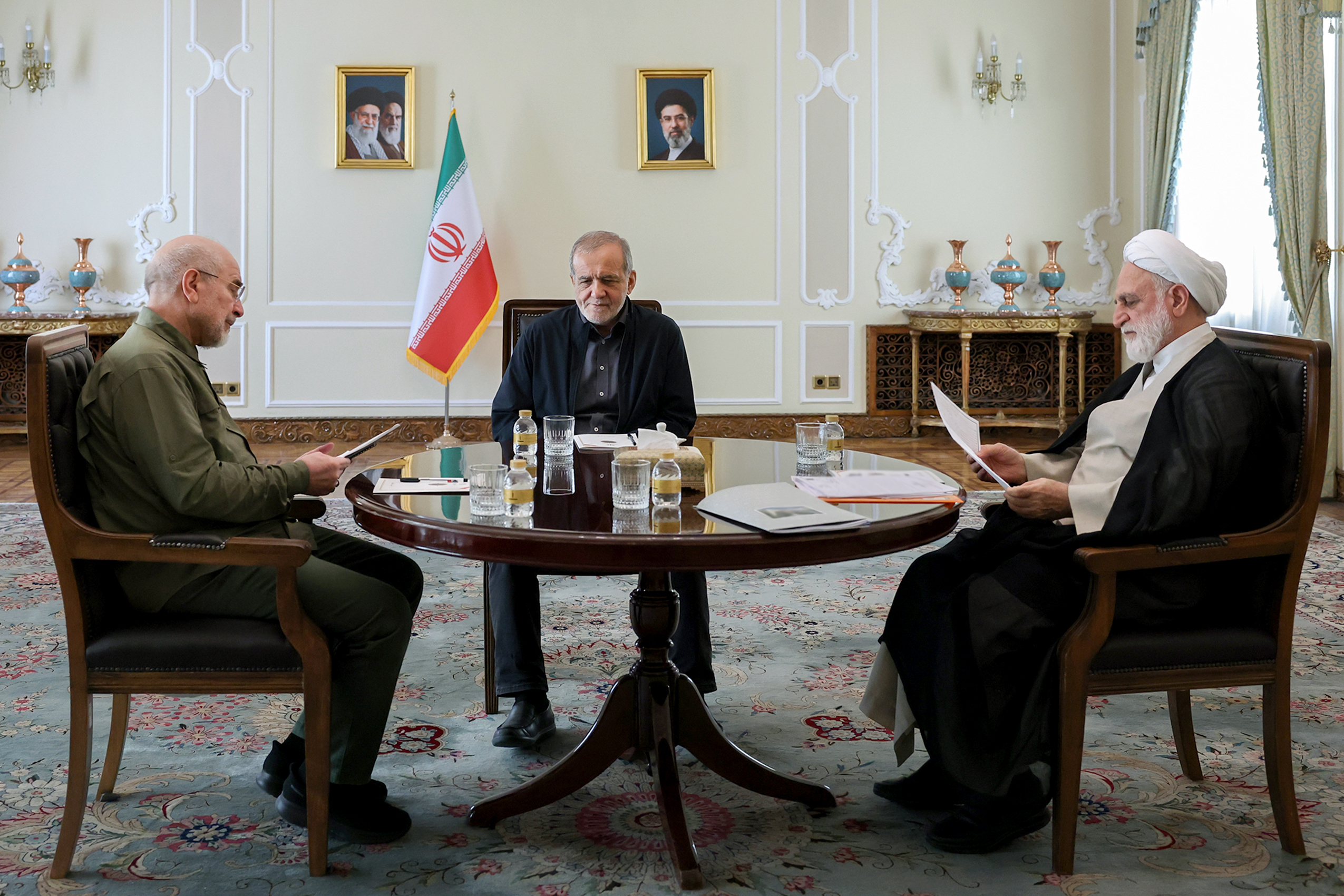
Remarks by Iran’s president offer a rare glimpse of how the Islamic Republic has adapted its decision making to the absence of its supreme leader.
Mohsen Rezaei at the Helm of Iran’s Supreme National Security Council
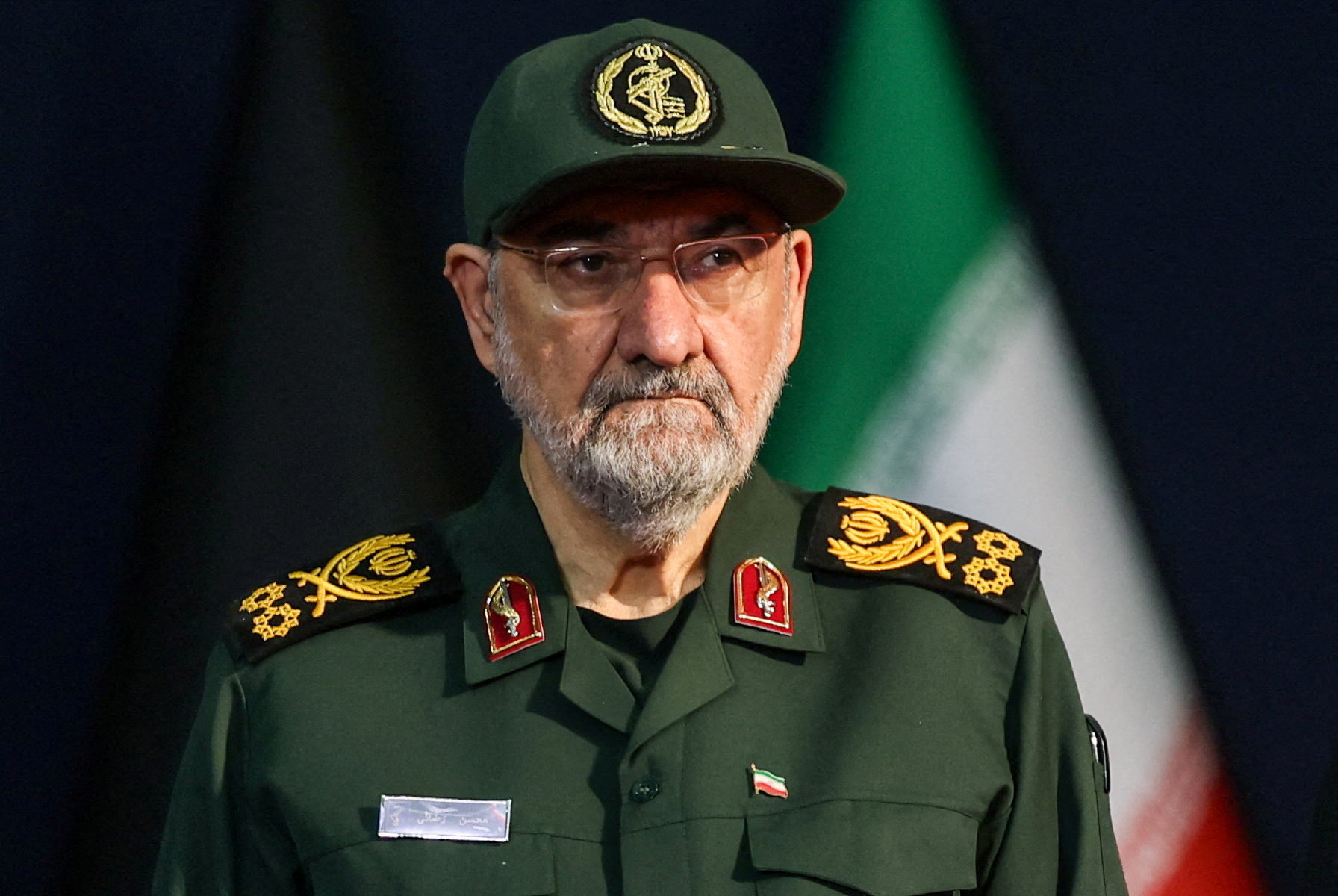
Under Rezaei, the SNSC could prove constructive or paralyze strategic decision making.
The Islamic Republic Returns to Offense
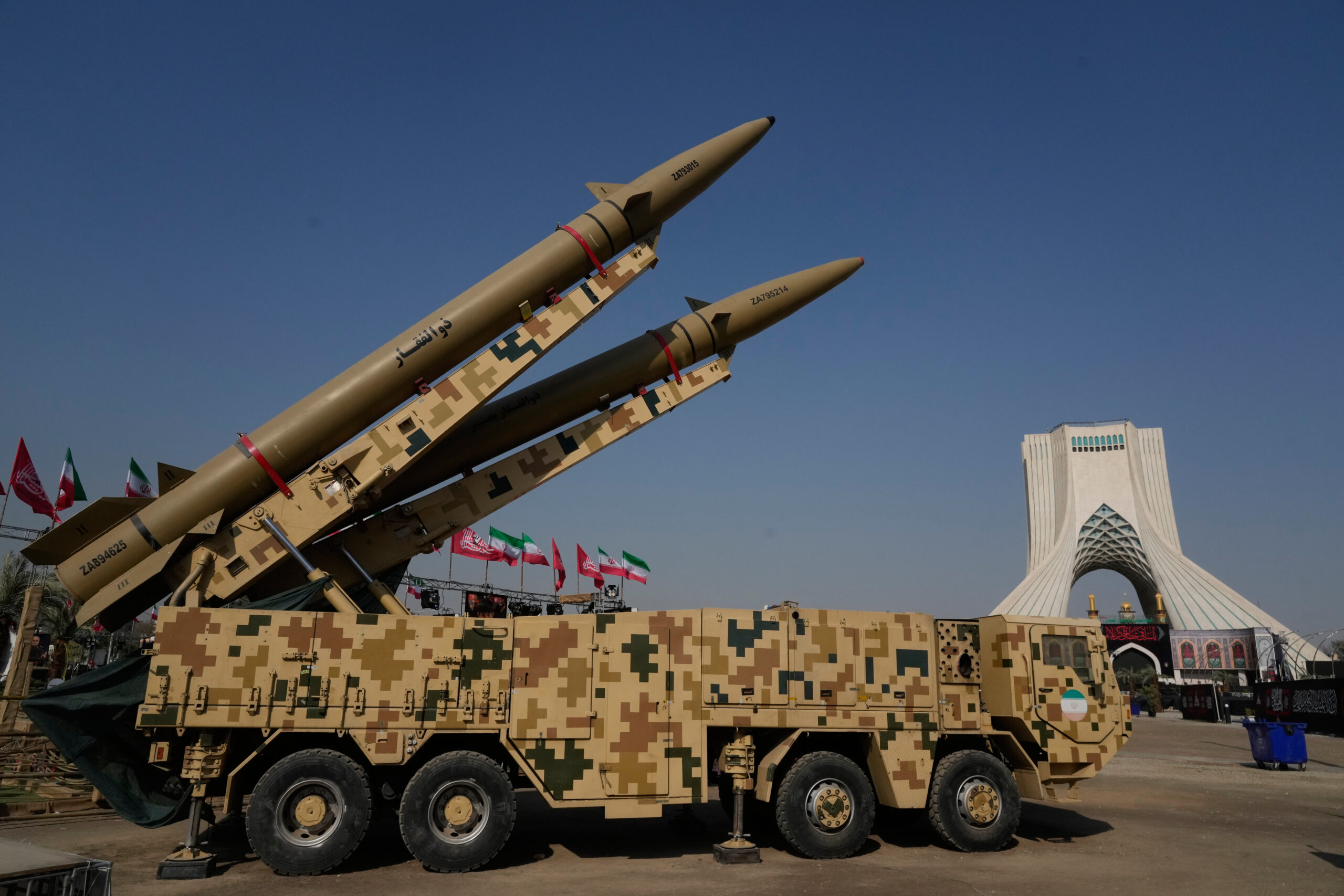
After U.S.-Israeli strikes killed Supreme Leader Ayatollah Ali Khamenei on February 28, Iran’s collective leadership has concluded that the best defense is a good offense.
Iran’s Collective Strategic Decision Making
Wartime pressure has temporarily aligned the leadership’s overriding interest in regime survival, even as its members continue to differ over the costs, methods, and ultimate objectives of the war.
Events
Oct 6, 2026
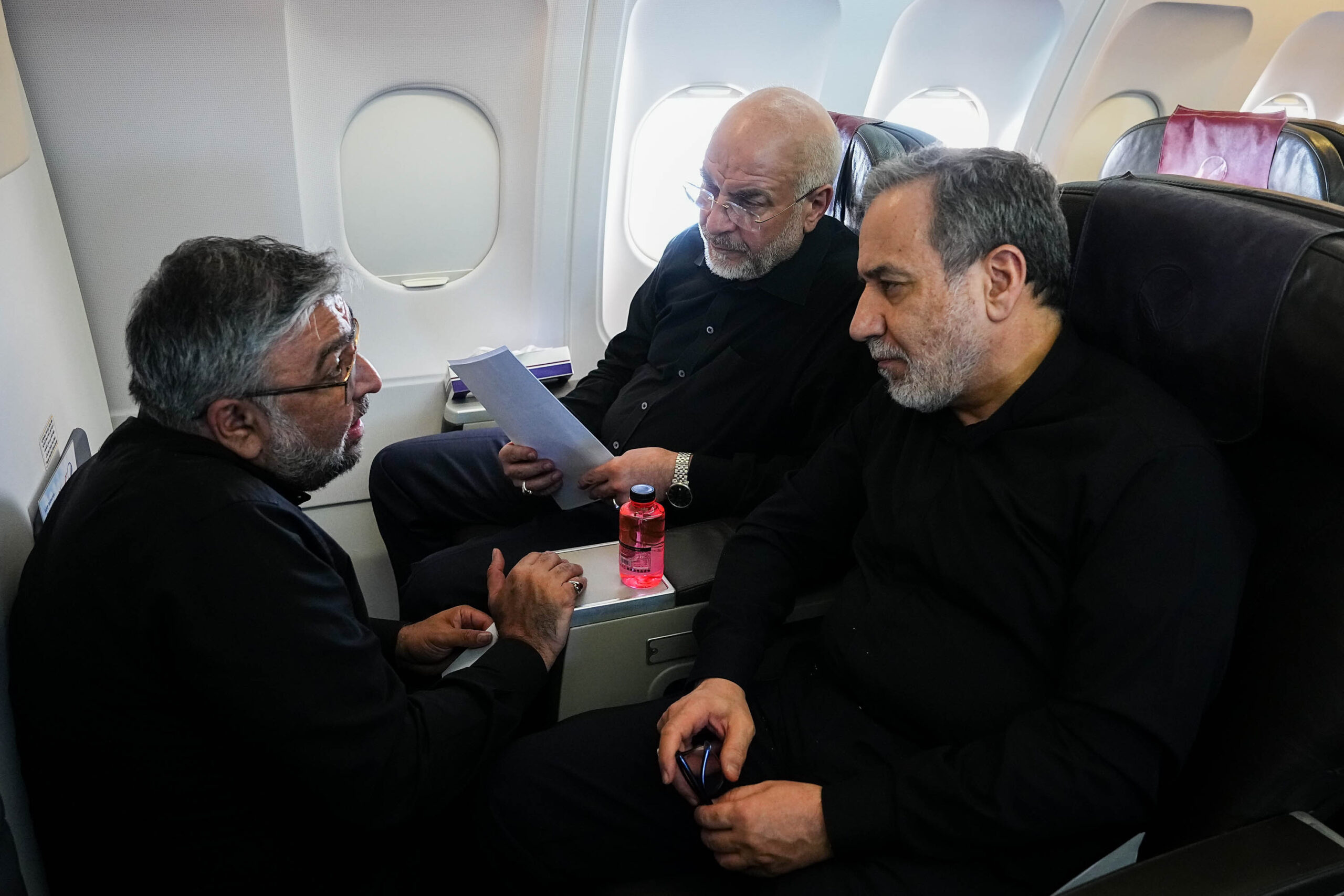
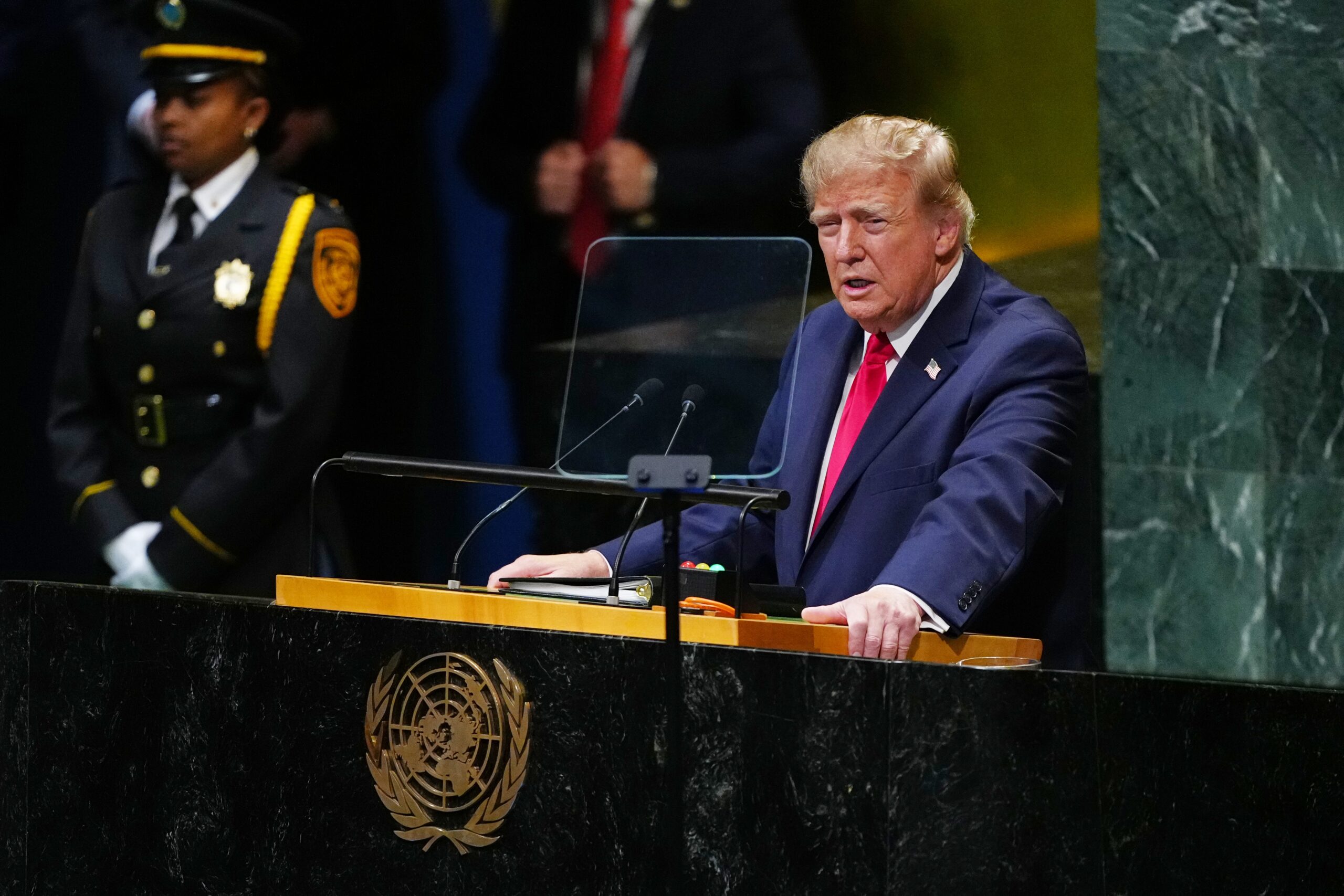
Is the U.S.-Iran Stalemate a “New Normal” or the Prelude to Another Explosion?
On October 6, AGSI hosted a discussion on the U.S.-Iran stalemate and the prospects for a cease-fire.
Speakers


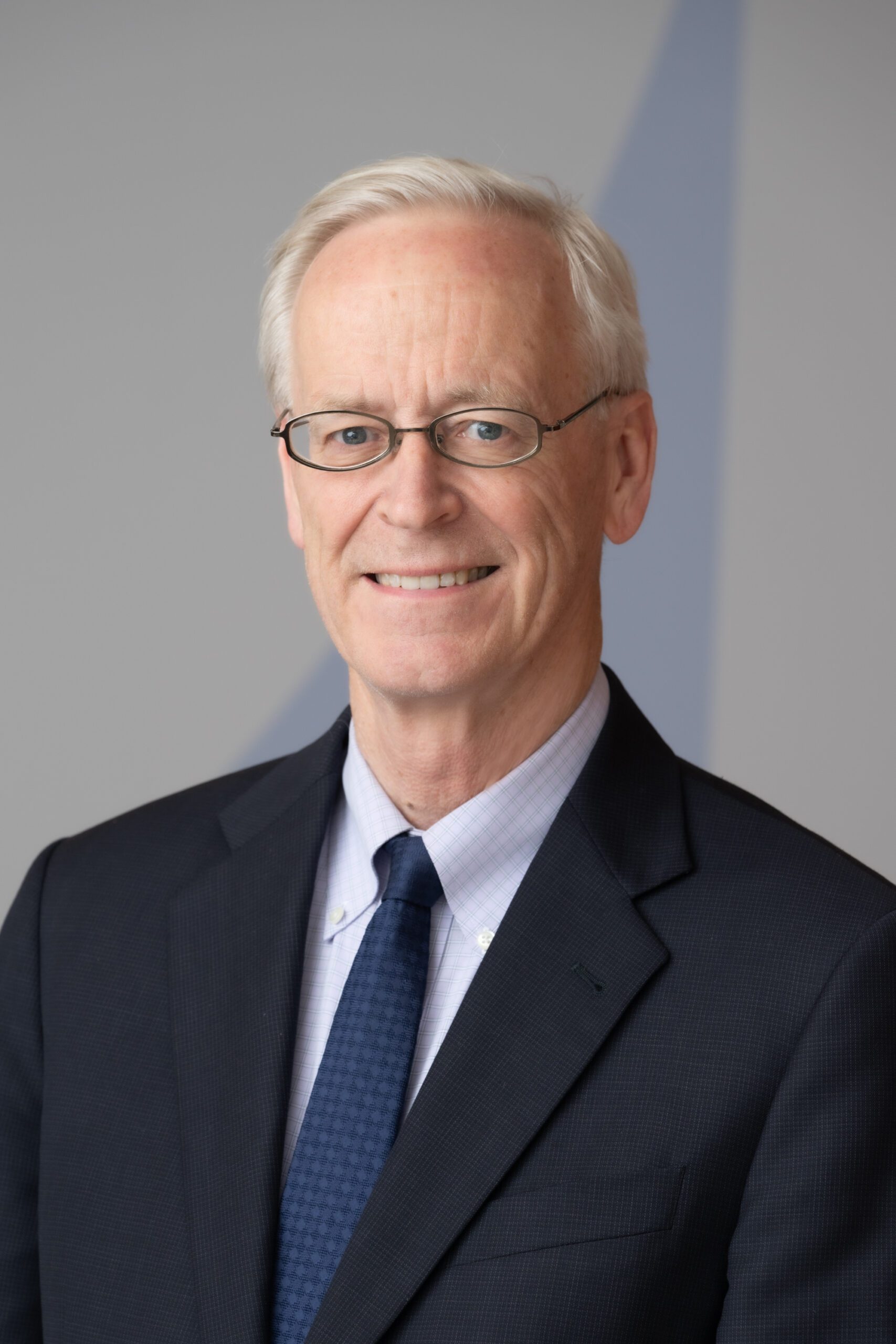
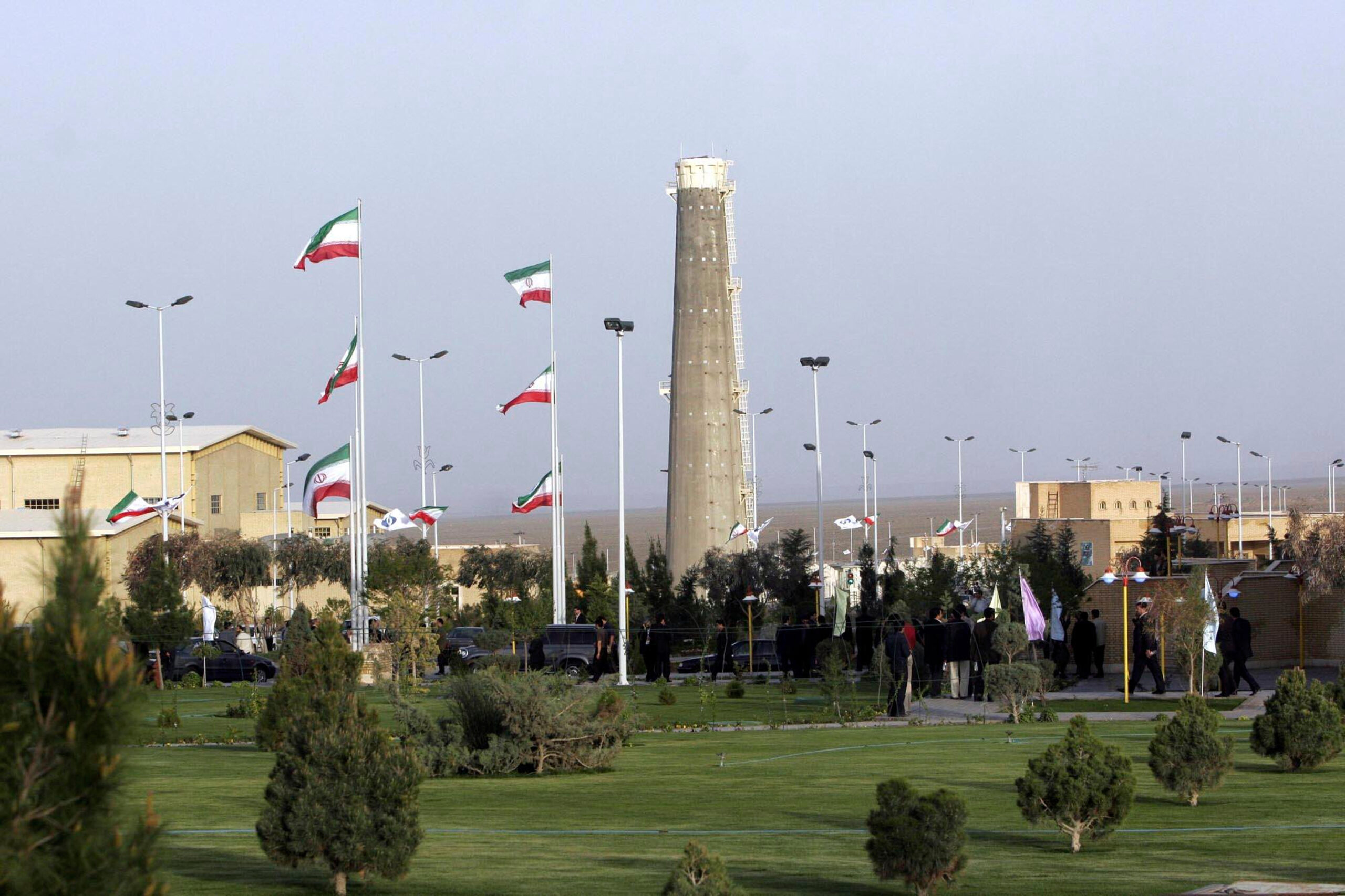
Book Talk: Iran and the Bomb: The United States, Iran and the Nuclear Question
On June 16, AGSI hosted a discussion on the evolution of Iran's nuclear program.
Speakers
Apr 21, 2026
Inside Iran’s Wartime Leadership: Power, Succession, and Regime Stability
On April 21, AGSI hosted a discussion on the evolution of Iran's leadership during the war.
Speakers

Mar 18, 2026
In Its Conflict With the United States and Israel, Does Escalation Favor Iran?
On March 18, AGSI hosted a discussion on the escalation of the Iran war.
Speakers