The Saudi Nuclear Gambit: Atomic Leverage and the U.S. Red Line
The U.S.-Saudi deal prioritizes nuclear pragmatism, transparency, and U.S. oversight to preserve a critical strategic alliance and maintain technological preeminence in the face of escalating competition from Moscow and Beijing.
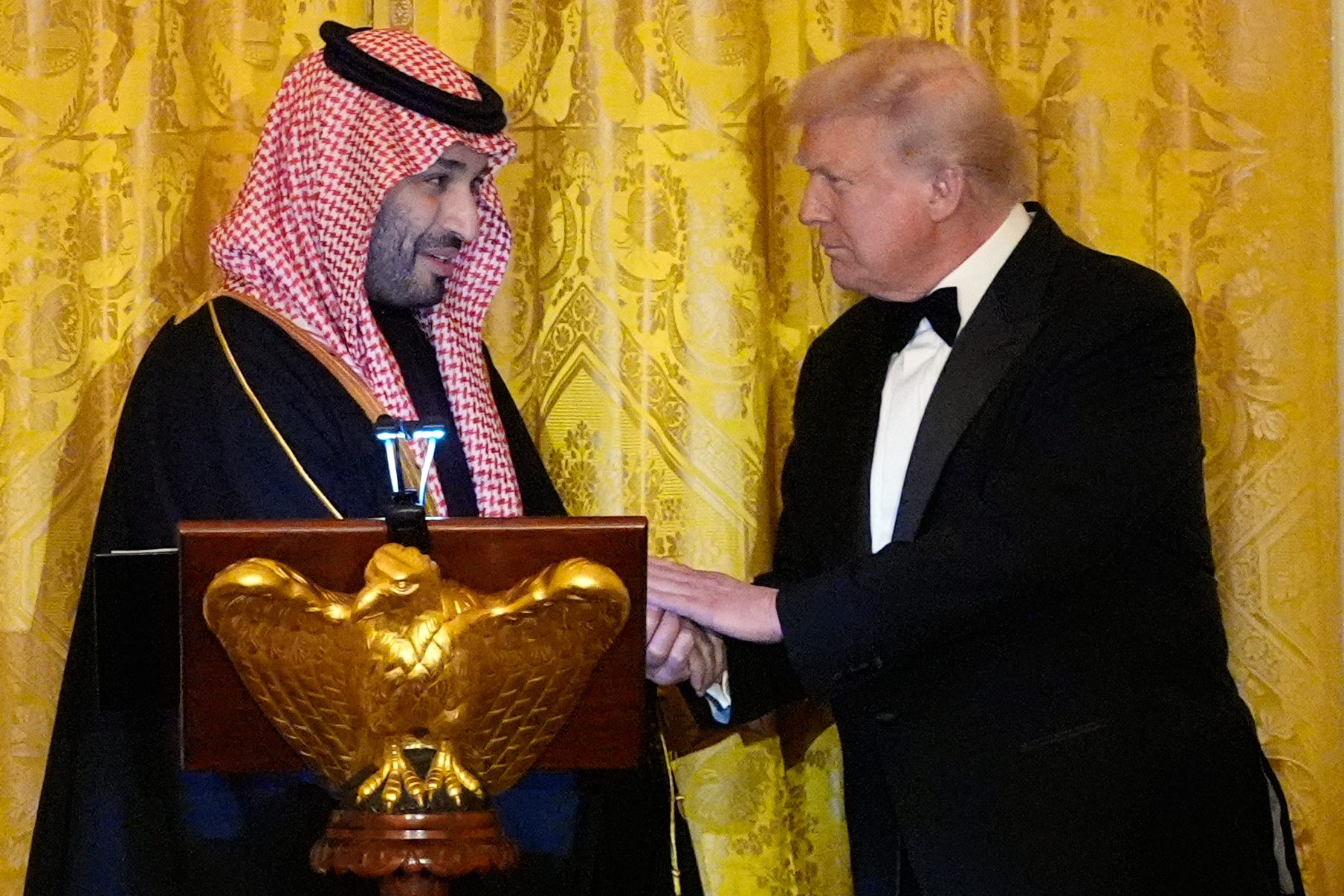
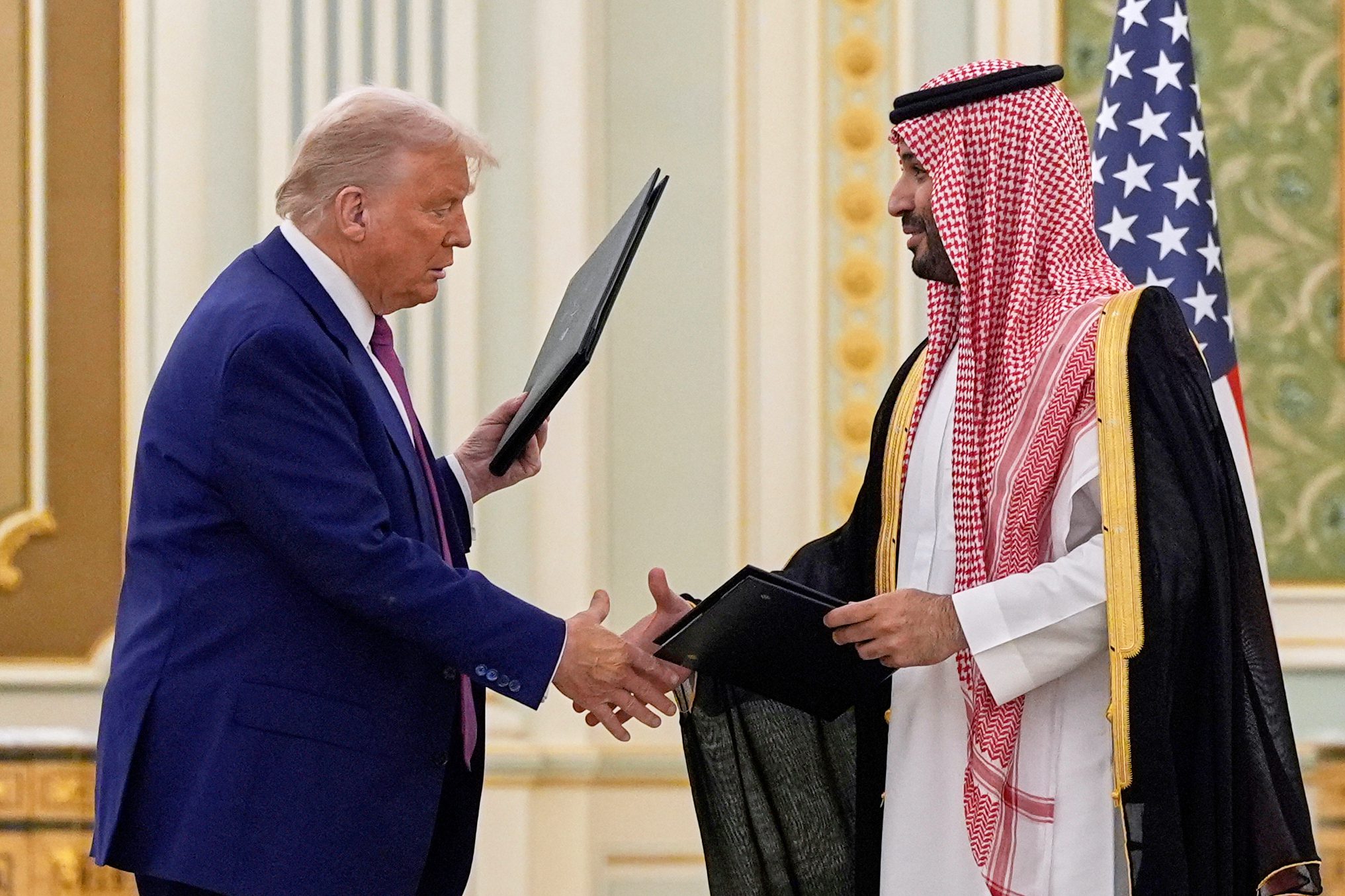
President Donald J. Trump shakes hands with Saudi Crown Prince Mohammed bin Salman during a dinner in the East Room of the White House, November 18, in Washington. (AP Photo/Alex Brandon)
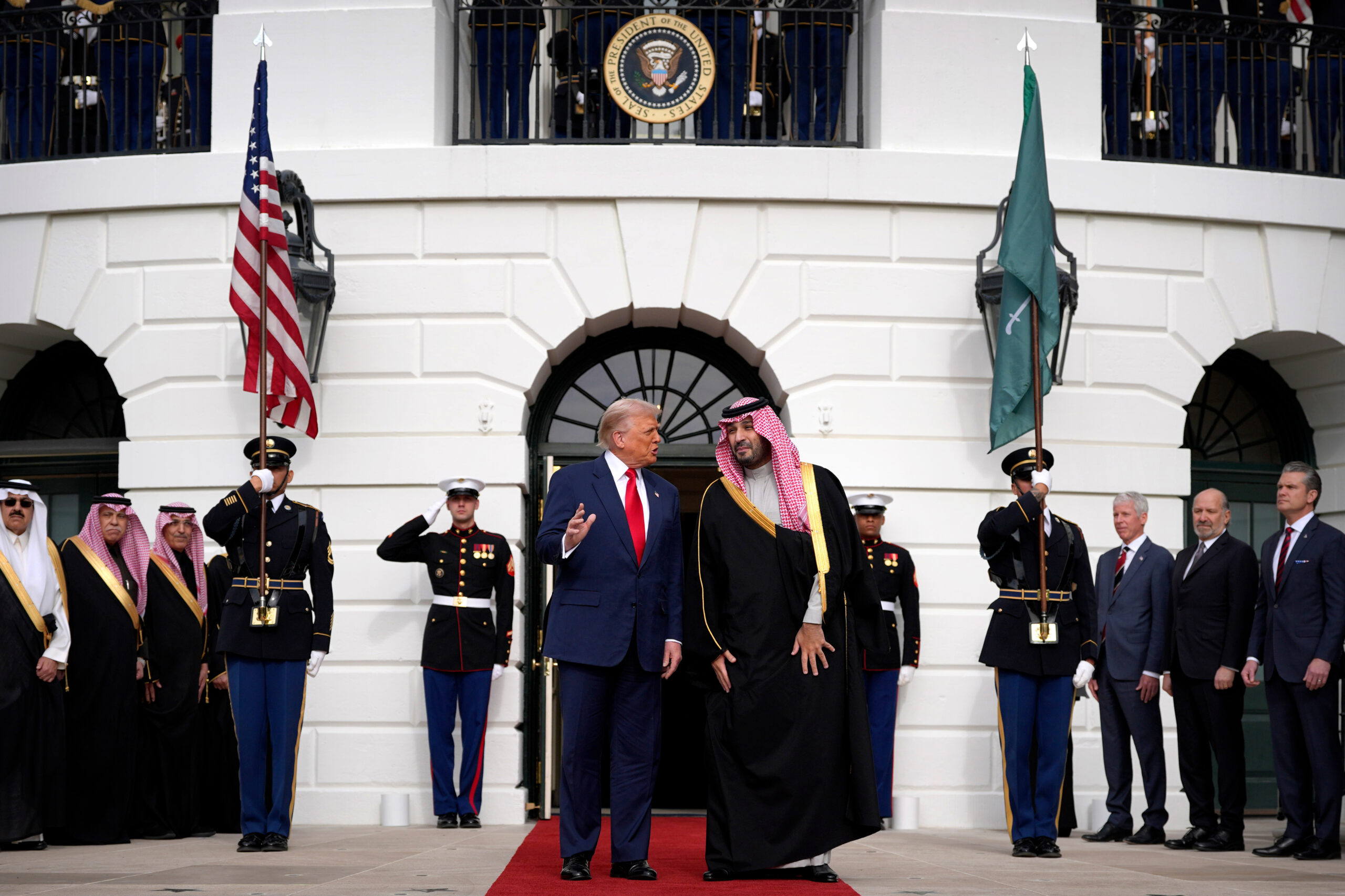
The discussions around Saudi Crown Prince Mohammed bin Salman’s November visit to the White House – as anticipated – extended far beyond the usual talking points of oil markets and counterterrorism. The centerpiece of this high-stakes engagement was the finalized negotiations that will define the future of the U.S.-Saudi partnership and fundamentally reshape the security architecture of the Middle East. At issue was Saudi Arabia’s determined push for U.S. nuclear technology – a topic that encapsulated the kingdom’s strategic ambitions and Washington’s deeply held nonproliferation anxieties. The outcome was a complex strategic compromise that serves as a profound referendum on the United States’ shifting influence in a region it has dominated for decades.
Vision 2030’s Nuclear Pivot
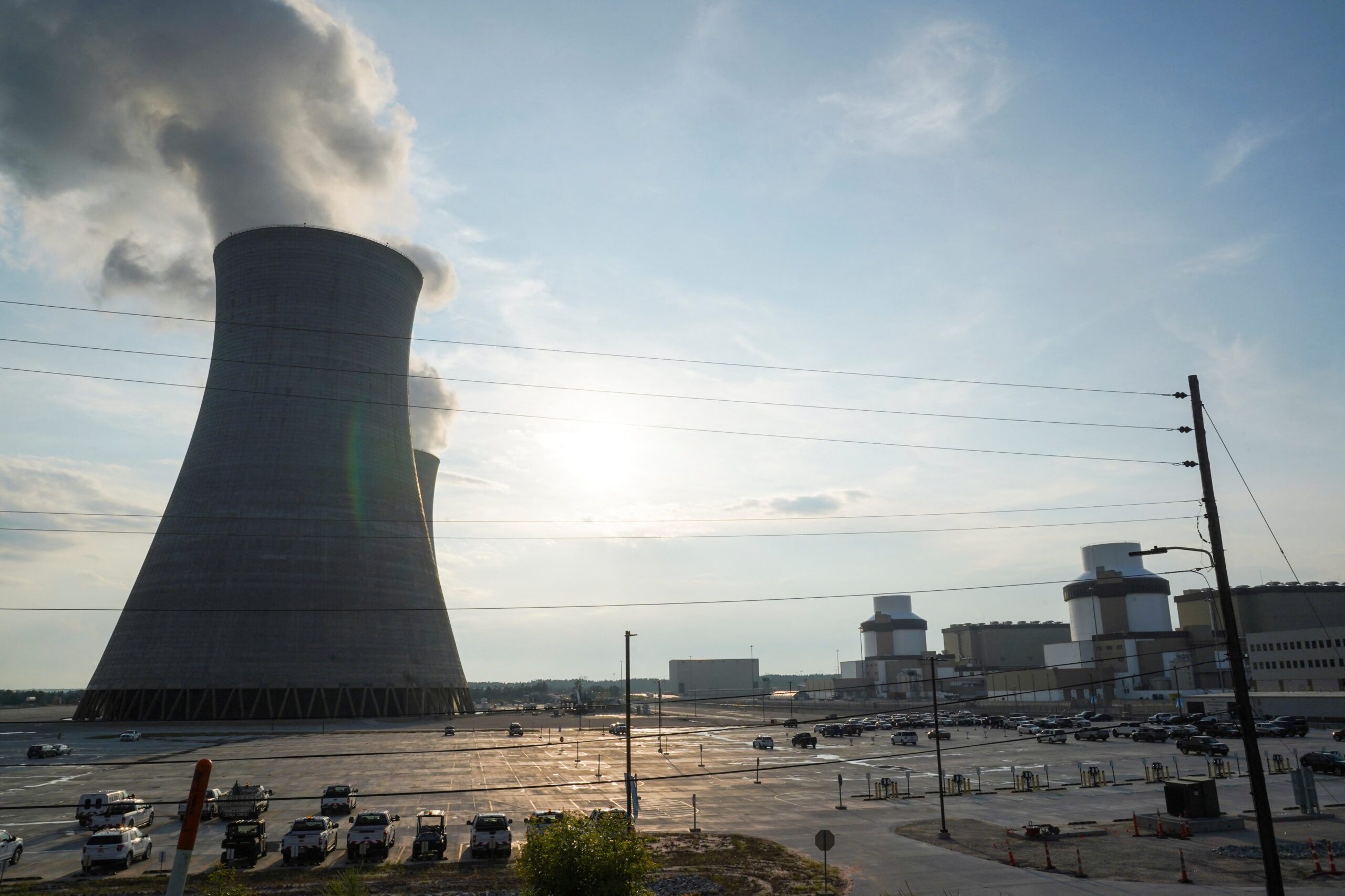
Saudi Arabia’s civilian nuclear program remains, fundamentally, the technological cornerstone of Vision 2030, a grand strategy to pivot from oil dependency to atomic leverage. For Mohammed bin Salman, this has always been a deliberate bid for technological sovereignty, transcending mere energy policy. While the public-facing justification – that a country with vast solar potential needs nuclear power for desalination and grid stability – holds technical merit, the underlying strategic reality is clear: Riyadh views nuclear capability as a prerequisite for great power status and a critical hedge in a volatile neighborhood.
The leverage Saudi Arabia wielded in Washington was the explicit threat of a geopolitical pivot: Had the United States not provided the pathway to a civilian nuclear program, including some form of enrichment rights, Riyadh was fully prepared to finalize deals with Beijing or Moscow – competitors who had long signaled their willingness to build reactors without the stringent nonproliferation strings that the United States traditionally insists upon.
The Negotiated Enrichment Compromise
The talks were initially defined by the central impasse over the enrichment red line. Washington’s nonproliferation policy had long been guided by the “gold standard” established in the 2009 U.S.-UAE 123 Agreement, which explicitly forbids domestic enrichment and reprocessing. Nonetheless, Section 123 of the U.S. Atomic Energy Act of 1954, upon which all such agreements are based, does not explicitly require this “gold standard” waiving enrichment and reprocessing technology by a country receiving U.S. civilian nuclear assistance and technology.
The core fear in Washington is the creation of a “threshold state”: a country possessing the technical infrastructure to rapidly weaponize fissile material. However, the negotiated framework suggests that the United States is prepared to relinquish the rigid “gold standard” requirement of forsaking enrichment in exchange for cementing the alliance for the coming generation. The breakthrough was achieved via a highly specific, controlled compromise. While Riyadh received U.S. commitment to the necessary technological assistance and U.S. backing for a civilian nuclear program, the “full fuel cycle” was not granted outright. Instead, the framework described by diplomatic sources utilizes a hybrid model:
U.S.-Controlled Fuel Repatriation: The United States agreed to supply the enriched uranium fuel, and, crucially, all spent fuel will be repatriated by the United States or a designated international partner, preventing the reprocessing capability that is the critical step toward weaponization.
Advanced Research and Development and Training: The United States will provide significant assistance in nuclear research and development and training, fulfilling Mohammed bin Salman’s demand for technological sovereignty and building the indigenous human capital required for a future “threshold state” – but one that is initially and heavily reliant on the United States for maintenance and fuel supply.
Enhanced IAEA Protocol: Saudi Arabia agreed to adopt the International Atomic Energy Agency’s Additional Protocol, mandating far more intrusive inspections and transparency measures than the kingdom previously adhered to – an apparent concession to mollify congressional hard-liners.
Israel’s Conditional Acceptance
The U.S.-Saudi package was ultimately structured as a comprehensive deal, inextricably tethered to a formal, NATO-style defense pact and U.S. approval for the transfer of advanced weaponry, potentially including F-35 fighter jet sales, as explored in the lead-up to these negotiations.
For Israel, the initial prospect of a nuclear-capable Saudi Arabia armed with fifth-generation aircraft was viewed as a direct assault on the long-standing U.S. commitment to Israel’s qualitative military edge. Diplomatic sources confirm that first, Israel’s silent veto was active until the final hours. Second, there is a high probability the compromise was brokered through a massive, undisclosed qualitative military edge enhancement package committed to by the United States for Israel, and third Israel’s acceptance of the deal was conditional on the highly intrusive inspection regime established by the Additional Protocol and the United States’ ironclad guarantee regarding fuel repatriation. This move effectively decoupled the immediate threat of a Saudi bomb from the qualitative military edge issue, trading future risk for immediate, tangible security guarantees for Israel.
Iran’s Shadow Calculus Intensifies
The most profound ripple effect of the deal is the immediate intensification of Iran’s “shadow war” calculus. This refers to Tehran’s reliance on asymmetric proxies and covert destabilization to offset Saudi Arabia’s new conventional advantage. The White House secured a deal cemented by a defense pact and conventional superiority, signaling U.S. resolve to guarantee the kingdom’s security and deter regional aggression. The U.S.-backed program is thus not merely civilian; it is a formalized deterrent, serving as the technological pillar of the new defense pact – a tangible, U.S.-stamped signal to Tehran that Saudi Arabia’s conventional and technological modernization has Washington’s full backing.
On the other hand, initial reactions from Tehran suggest the deterrent effect may be short lived. Iranian officials have condemned the deal as a “Western capitulation” and direct threat to regional stability, asserting that even a leashed Saudi program will accelerate their own proliferation efforts. Regional analysts stress that the deal has not necessarily prevented a regional arms race but rather shifted its terms. Tehran, seeing the United States break the “gold standard,” now possesses enhanced rhetorical justification and geopolitical urgency to accelerate its sprint to a bomb. Mohammed bin Salman’s statement that if Iran gets a bomb, Saudi Arabia will follow, is now a much more imminent and credible threat, creating a cascade risk that still looms over other regional powers, including Egypt and Turkey.
The Price of Influence
The agreement was the strategic compromise widely anticipated. The United States traded its rigid nonproliferation purity for influence, accepting a leashed Saudi nuclear ambition as the price of preventing a “rogue” one – or worse, a Chinese-built one. This U.S.-backed program is “civilian” in name, but its true value is strategic. It functions, first, as a geopolitical anchor: a multibillion-dollar, multidecade U.S. technological and security presence on Saudi soil, locking Riyadh into a U.S. technological and security orbit for the next generation. It provided Mohammed bin Salman with the necessary win to claim technological sovereignty and build the human capital he demanded, all while ensuring the most dangerous proliferation component – the fuel cycle – remains under a tight U.S. leash. This evolution marks the fruition of the strategic groundwork laid out in recent U.S.-Saudi arms deliberations, solidifying Riyadh’s pivot within Washington’s orbit. The agreement also nests well strategically, on Washington’s side, with the administration’s strong tilt toward nuclear energy, evident in executive orders President Donald J. Trump signed in May, a U.S. energy tilt that many analysts believe will critically depend on the kind of ample, responsible financing Saudi Arabia represents on the nuclear energy technology export horizon.
The administration’s decision reflects the current global geopolitical reality: Washington can no longer simply enforce a “gold standard” in a region where trust is measured in warheads and strategic partnerships not just legally binding agreements. The U.S.-Saudi deal is a reluctant acknowledgment of this new reality, sacrificing perfect world nonproliferation dogma not required by U.S. law or policy to preserve a critical strategic alliance and maintain technological preeminence in the face of escalating competition from Moscow and Beijing.
The views represented herein are the author's or speaker's own and do not necessarily reflect the views of AGSI, its staff, or its board of directors.
The United States and Saudi Arabia signed a joint declaration cementing U.S. interest in nuclear cooperation, but they have yet to settle the more divisive issues, mainly domestic enrichment.
U.S. authorizations for exporting advanced chips to the leading Gulf technology firms is sure to please regional authorities, who will push to broaden and accelerate technology collaboration with the United States.
Washington and Riyadh must decide whether confronting the domestic political challenges of testing the United States’ QME doctrine or seeking an off-ramp makes more sense.
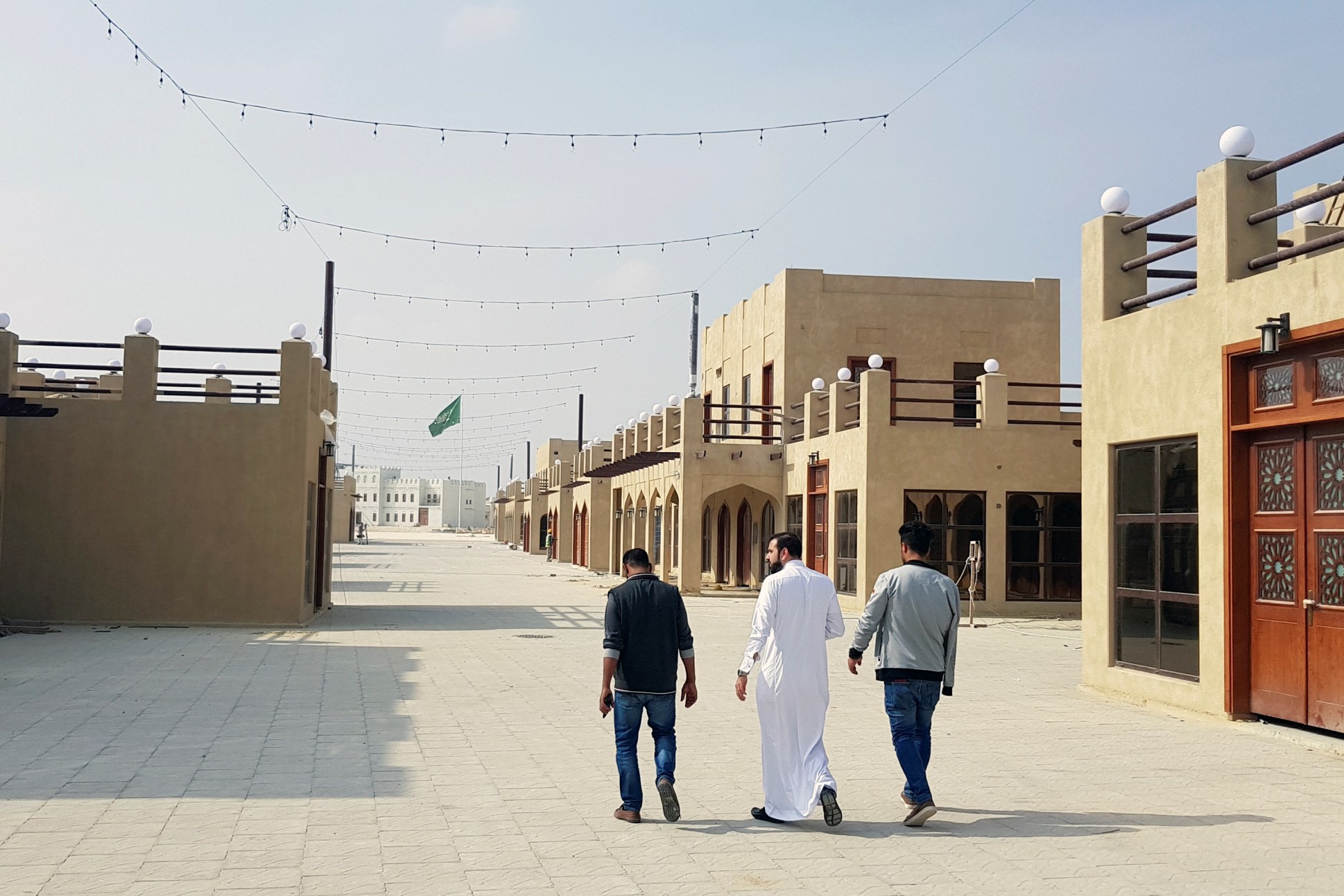
The Downtown Awamiya development project is an important initiative in a region that has been deprived of cultural resources and investment from the state.