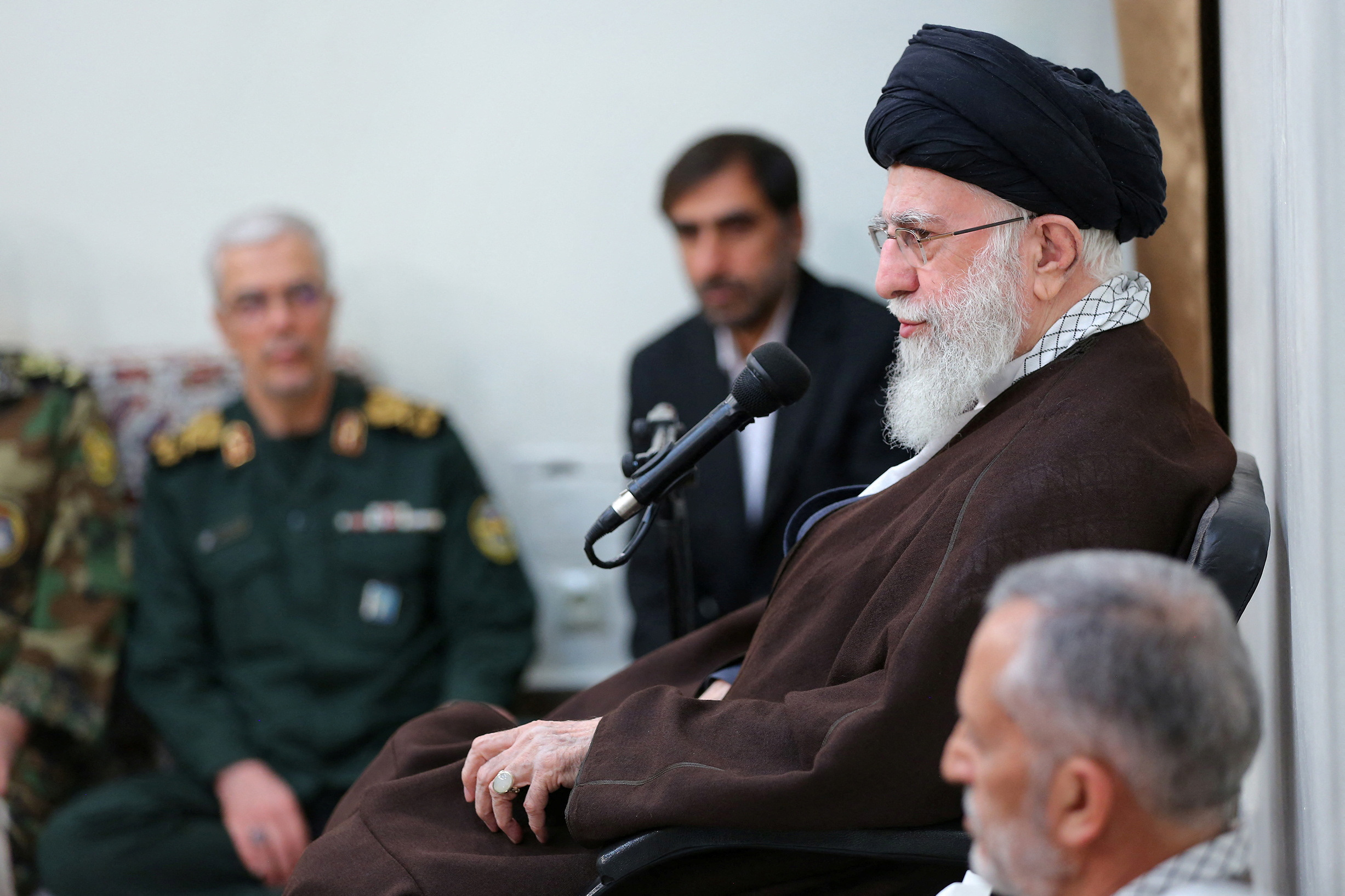
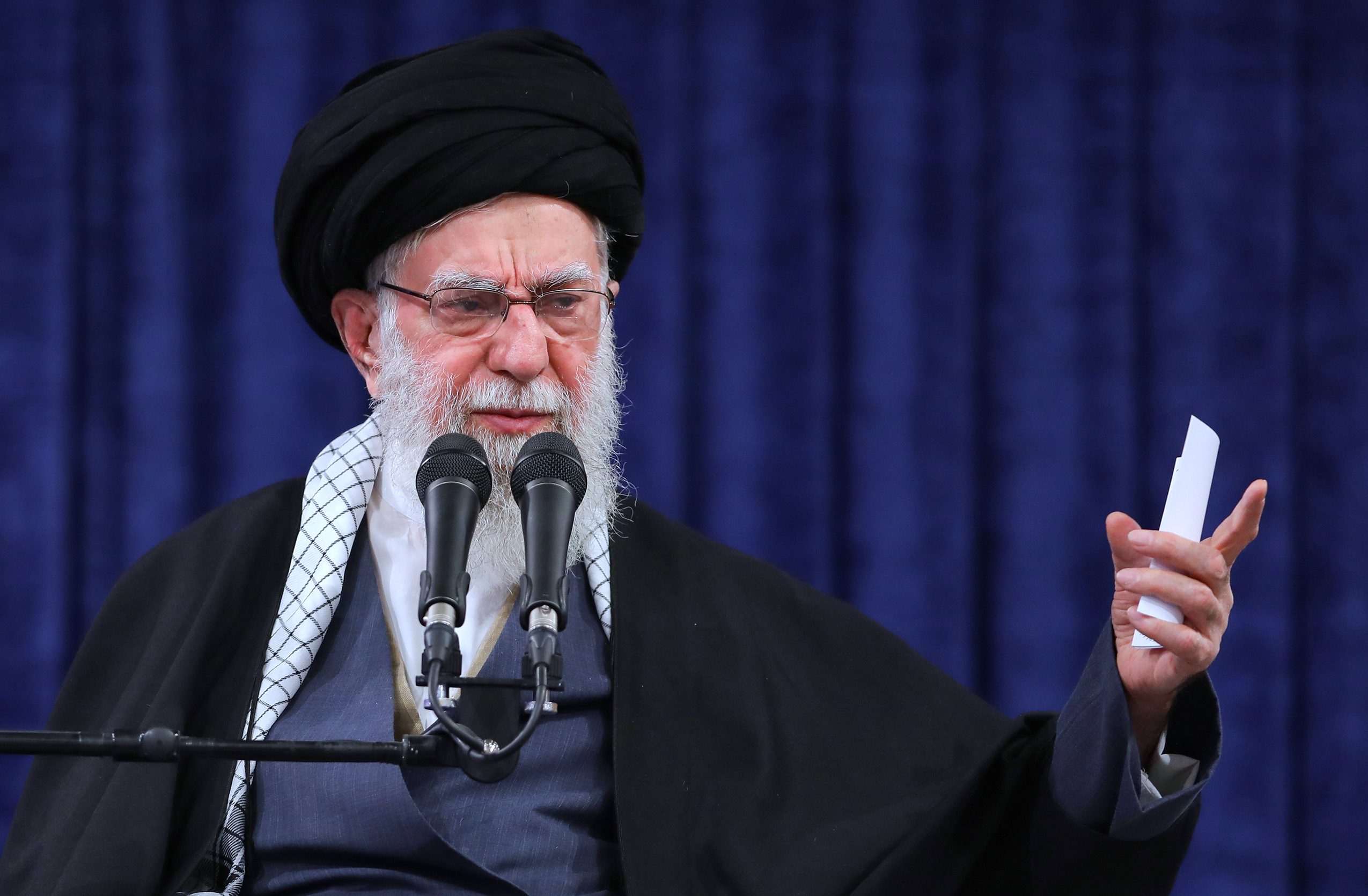
'Iranian Supreme Leader Ayatollah Ali Khamenei speaks during a meeting with the commanders of the Iranian armed forces in Tehran, Iran, April 21. (Office of the Iranian Supreme Leader/West Asia News Agency/Handout via REUTERS)'
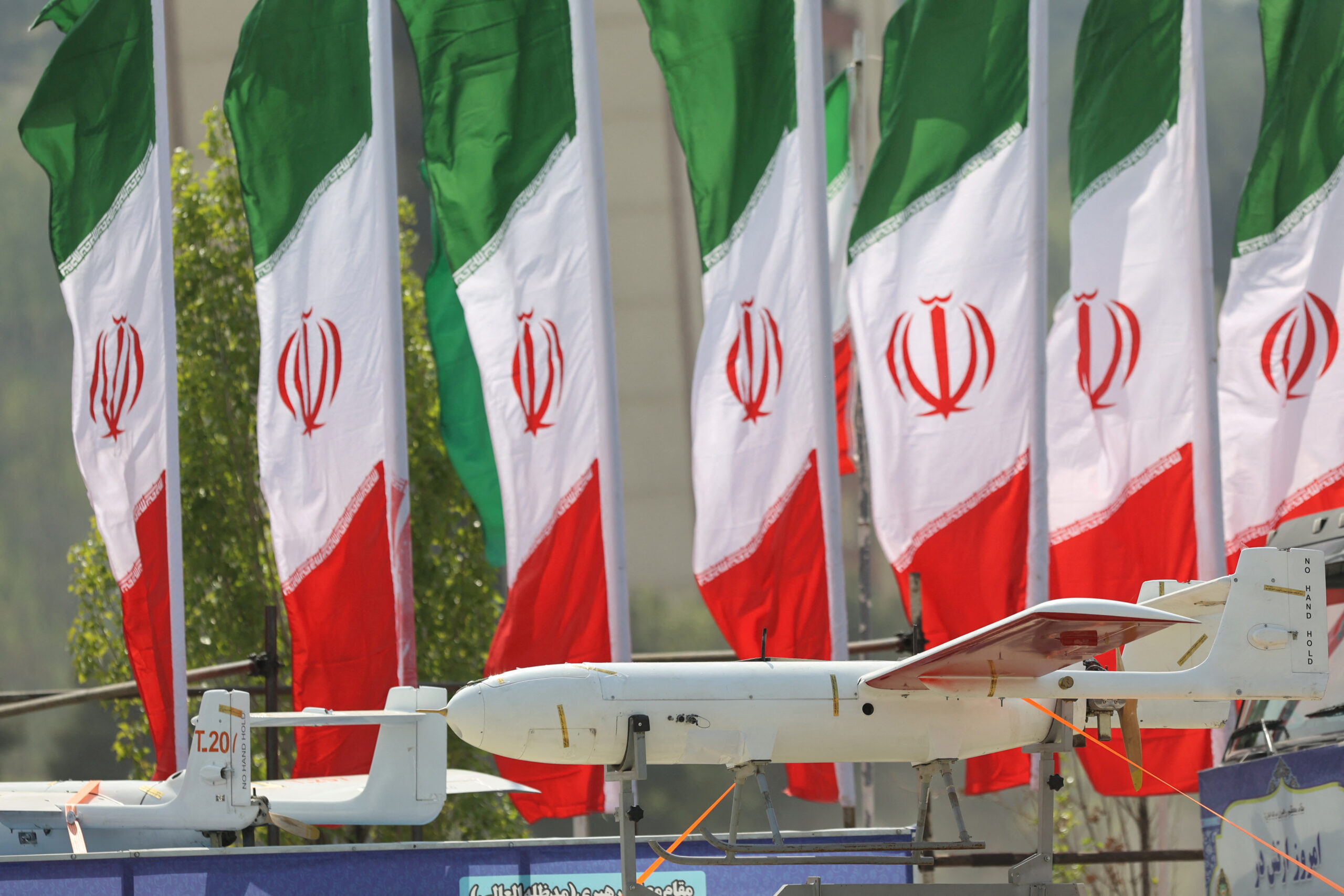
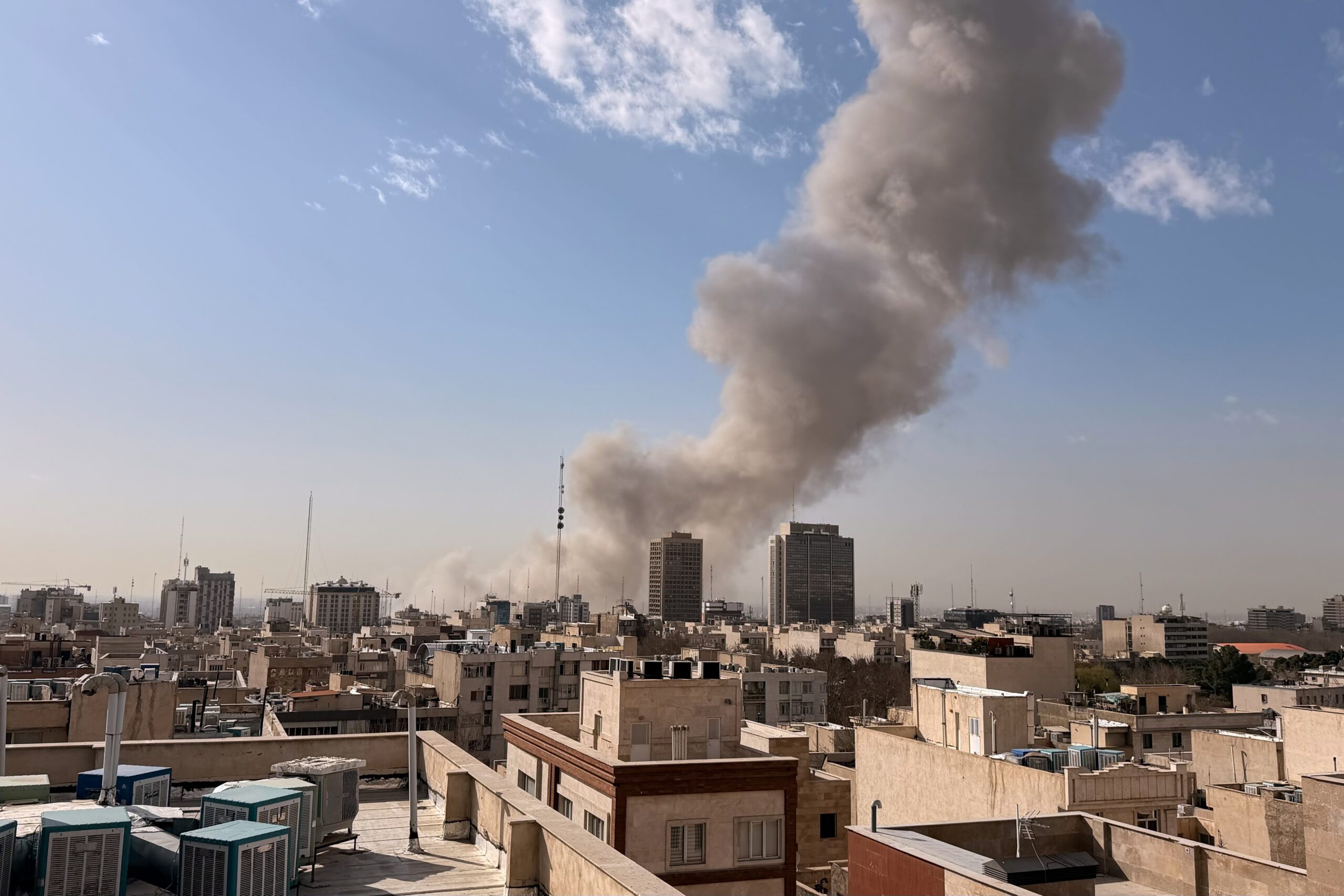
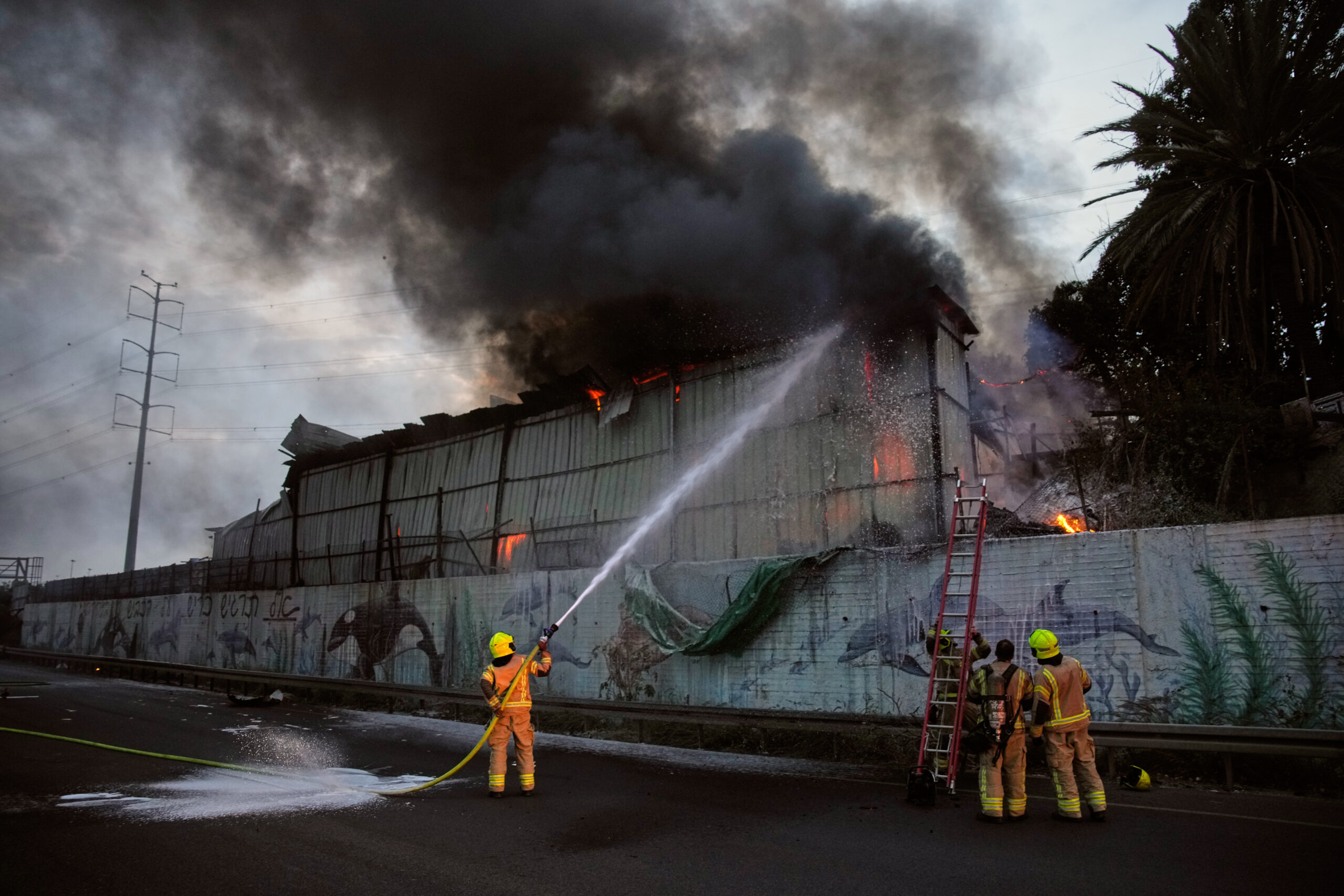
The recent unprecedented direct exchange of fire between Iran and Israel has revealed the relative military weaknesses of Iran. While most of Iran’s drones and ballistic and cruise missiles were intercepted by Israel’s multilayered air defense system as well as the U.S. and Jordanian militaries, Israeli missiles managed to penetrate Iranian airspace, successfully targeting a radar installation in Isfahan province in central Iran. Furthermore, from Iran’s perspective, the Israeli response could have been far harsher had it not been for the United States’ restraint on Prime Minister Benjamin Netanyahu, and it is not known to Tehran if Washington will restrain Israel after the November presidential election.
What lessons has Iran learned from its first direct confrontation with Israel? How is Iran poised to adjust its tactics, and perhaps even strategy, to address its technological shortcomings? And how might these tactical or strategic adjustments influence regional security?
Shortcomings of Iran’s Attack
Receiving Iran’s top military commanders April 21, Supreme Leader Ayatollah Ali Khamenei said: “How many missiles were launched and whether they reached their targets or not … is a secondary issue. The main issue is the manifestation of the resolve of the Iranian nation and that of the armed forces in the international arena.” Disregarding the bluster, Khamenei’s statements were seemingly an admission of the inefficacy of Iran’s missiles against the formidable Israeli and allied air defense systems.
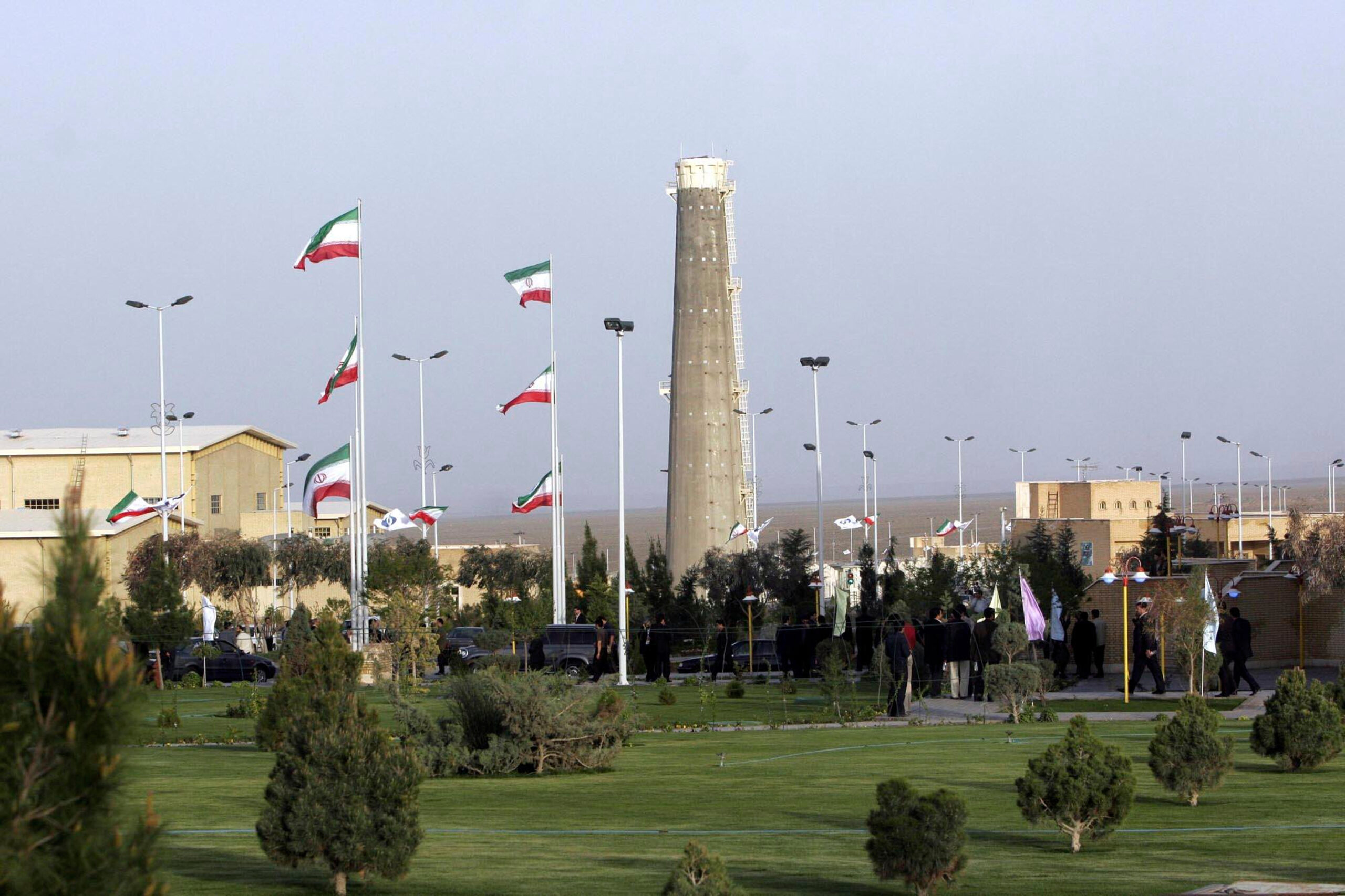
Iran’s air defenses, conversely, seem incapable of detecting and intercepting Israeli missiles, as evidenced by the April 19 Israeli strike against the Isfahan radar installation used to protect Iran’s Natanz nuclear facility. In an interview with NBC News, Iranian Foreign Minister Hossein Amir-Abdollahian refused to attribute the attack to Israel and dismissed the weapons used as “children’s toys.” However, such statements are more likely a face-saving maneuver rather than an indication of lessons learned by Iranian strategists.
While no child’s play, Israel’s response in this round of the conflict was limited, largely due to the diplomatic efforts of President Joseph R. Biden Jr. Absent U.S. pressure against Israel and the White House’s unequivocal refusal to participate in an Israeli attack against Iran, Israel may well have dealt a more humiliating blow to Iran, potentially pressuring Iran to retaliate and igniting a regional war.
Iranian leaders typically do not openly share their strategic insights from ongoing conflicts. However, they will likely seek to adapt their tactics and potentially even their overall strategy to address Iran’s military weaknesses in a direct confrontation with Israel.
Chief among these shortcomings was the considerable time it took for Iran’s drones to reach Israel. It is highly likely that Israel and the United States, potentially aided by intelligence from Arab allies, were promptly alerted upon their launch, affording them ample time for interception. Moreover, anticipating Iran’s strategy to combine the use of less sophisticated drones with faster-traveling ballistic and cruise missiles, both Israel and the United States were well prepared.
As a tactical solution to this challenge, Iran may contemplate bolstering the drone and missile arsenals of Lebanese Hezbollah and other nonstate allies. Their geographic proximity to Israel would significantly reduce interception time and likely enhance the effectiveness of Iran’s drones and missiles.
Acknowledging this potential threat, Israel is likely to escalate its airstrikes targeting Islamic Revolutionary Guard Corps weapons shipments from Syria to Lebanon and possibly extend its operations to include Iran’s Iraqi proxies. Israel has previously conducted similar air campaigns against Iranian weapons shipments not only from Syria to Lebanon but also within Syria. Syrian President Bashar al-Assad, while aiming to avoid entanglement in the conflict between Iran and Israel, has found himself more and more reliant on Iranian support for his regime’s survival. Consequently, his country may continue to be used as a battleground for foreign powers.
Nuclear Shift?
Iran’s recent experiences may also bolster the influence of factions within the regime advocating for a shift in Iran’s strategy, particularly regarding nuclear weapons. There have been indications of Iran’s readiness to pursue nuclear weaponization since July 2022, when Kamal Kharazi, Khamenei’s foreign policy advisor, remarked, “It is not a secret to anyone that we have the technical means to build the nuclear bomb, but we have not decided to.” More recently, on April 8, Mahmoud-Reza Aqamiri, a nuclear engineering professor and dean at Shahid Beheshti University, said, “According to the fatwa of the leader of the revolution, it is religiously prohibited to build the nuclear bomb. However, should his view and fatwa change, we are capable of building the nuclear bomb.”
As Israel assessed its response to Iran’s drone and missile attacks, Brigadier General Ahmad Haqtalab, who is responsible for the security of Iran’s nuclear installations, issued a warning April 18, saying Iran would “reconsider its nuclear doctrine and policies” if its nuclear facilities were attacked. He further suggested it was “likely and conceivable” that Iran would “deviate from previously stated positions,” possibly referring to Khamenei’s highly publicized fatwa against nuclear weapons development. Adding to the discourse, on April 22, Javad Karimi Qodousi, a member of the National Security and Foreign Policy Committee of the Iranian Parliament, weighed in on X, formerly known as Twitter, writing, “It will only take a week from the time permission is given until the first test is conducted,” alluding to the potential for nuclear testing.
These statements, unlikely to be made inadvertently, serve various tactical aims and are subject to multiple interpretations. However, it’s undeniable that Iranian leaders, apprehensive about the consequences of the upcoming presidential election in the United States, which could see the return of former President Donald J. Trump to the White House, or uncertain about potential shifts in Biden’s approach to Iran in a second term, are giving serious consideration to nuclear weaponization.
If Israel, with its intelligence services seemingly entrenched within various echelons of decision making in Iran, discerns Iran is resolved to pursue nuclear weapons, it will face the dilemma of weighing the risks associated with a preemptive attack against Iran versus the hazards of living with a nuclear Iran.
The views represented herein are the author's or speaker's own and do not necessarily reflect the views of AGSI, its staff, or its board of directors.
The crisis between Iran and Israel may be contained for now, but the breakdown in decision making that led to the end of Iran’s “strategic patience” carries risks going forward.
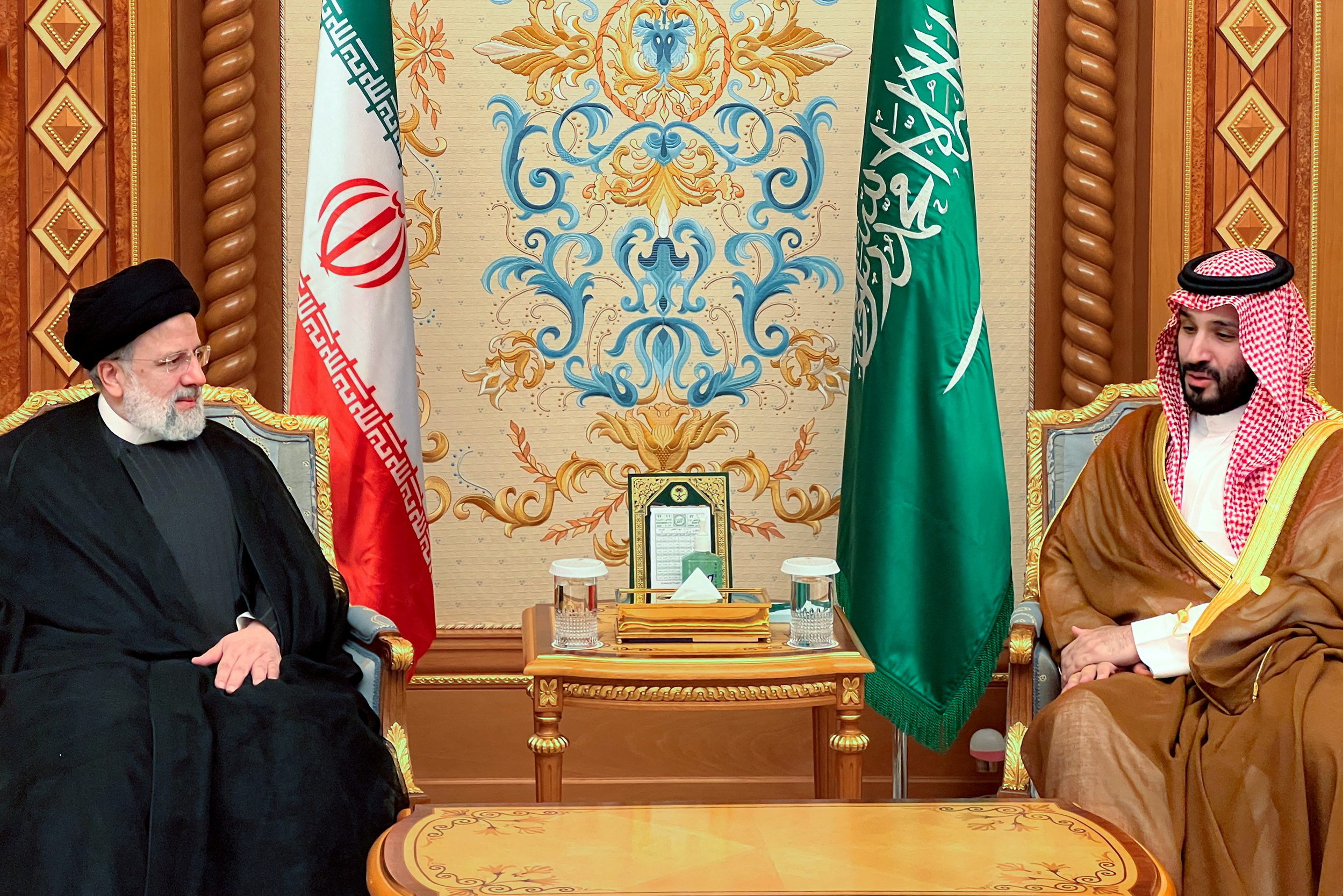
The Gaza war has demonstrated the strategic utility and resilience of the detente between Saudi Arabia and Iran. However, its longer-term sustainability may depend on unpredictable regional dynamics or other outside factors.
In offering support for Hamas and the Palestinian cause, Tehran is likely to avoid direct regime – or irretrievable Hezbollah – entanglement to shield its core strategic interests.
Iran may still call itself an Islamic Republic. In practice, however, it increasingly resembles a state in which the military governs from behind clerical robes.
Ayatollah Ali Khamenei was killed in his office in Tehran at age 86, leaving behind a country in ruins and on the verge of civil war and potential disintegration.
Iran is signaling that it will not absorb attacks passively. But whether this strategy ensures the regime’s survival, seals its fate, or accelerates a broader catastrophe will shape the region for years to come.