Mar 26, 2024
Former Supreme National Security Council Secretary: “Managing Tensions” Between Iran and Saudi Arabia
The March 26 edition of the Iran Media Review highlights commentary on the state of Iranian-Saudi ties one year after they agreed to normalize relations.

Commenting on the anniversary of the Chinese-brokered agreement between Iran and Saudi Arabia to normalize relations, Admiral Ali Shamkhani, who was secretary of Iran’s Supreme National Security Council from September 2013-May 2023, praised both countries for effectively “managing tensions.” However, Shamkhani also pointed at the unrealized economic potentials of normalization of diplomatic relations.
- March 20: Looking at the roots of the agreement, Shamkhani told SNSC mouthpiece Nour News:
- “The process began two years prior to the agreement, toward the end of 2021, at the secretariat of the Supreme National Security Council. There were preliminary negotiations between Iranian and Saudi representatives in Baghdad. Iran’s representative was Mr. Amir Saeed Iravani, who is currently ambassador to the United Nations but back then served as the head of the foreign policy directorate of the Supreme National Security Council. From Saudi Arabia, Khalid al-Humaidan, director general of the General intelligence Directorate, participated. The Iraqis hosted the talks … And Mr. Mustafa al-Kadhimi, then Iraq’s prime minister, was always present at the beginning of the meetings. Within this framework, eight rounds of negotiations were conducted … After the presidential election” in Iran in June 2021, “it was decided that the negotiations should continue. In the end, the talks led to the talks between Mr. Ebrahim Raisi and the Chinese president … Further talks, in a much more concentrated form, took place in February 2023 … which led to the agreement.”
- “The way the agreement took shape and what has transpired since, including exchanging ambassadors, show that both countries are determined to increase the level of their relations … But in my opinion, things can be conducted at a much faster pace.”
- “The normalization of Iran’s relations with countries like Saudi Arabia, the United Arab Emirates, and Iraq has great economic potential … However, there is a need for better planning … It is an undeniable reality that regional states have reached maturity and need comprehensive development, so they must abstain from engaging in geopolitical rivalry and create more economic potential … Should there be rivalry, it ought to be in the realm of economics … Managing tensions is the necessary precondition for cooperation based on shared interests, and Iran’s new relations with Saudi Arabia are an important sign of these dynamics in West Asia.”
The views represented herein are the author's or speaker's own and do not necessarily reflect the views of AGSI, its staff, or its board of directors.
Related
Iran Media Review
Mar 22, 2024
Parallel Universe of Ayatollah Khamenei’s New Year Address
The March 22 edition of the Iran Media Review highlights Supreme Leader Ayatollah Ali Khamenei’s public promise of a “leap in production” in the Iranian new year.
Iran Media Review
Mar 19, 2024
On the Perils of “Oil-for-Services” Barter Deals With China
The March 19 edition of the Iran Media Review focuses on the debate over Iran bartering its oil for construction services to bypass U.S. sanctions.
Mar 22, 2024
Parallel Universe of Ayatollah Khamenei’s New Year Address
The March 22 edition of the Iran Media Review highlights Supreme Leader Ayatollah Ali Khamenei’s public promise of a “leap in production” in the Iranian new year.
Mar 19, 2024
On the Perils of “Oil-for-Services” Barter Deals With China
The March 19 edition of the Iran Media Review focuses on the debate over Iran bartering its oil for construction services to bypass U.S. sanctions.
Analysis
The Islamic Republic Returns to Offense
After U.S.-Israeli strikes killed Supreme Leader Ayatollah Ali Khamenei on February 28, Iran’s collective leadership has concluded that the best defense is a good offense.
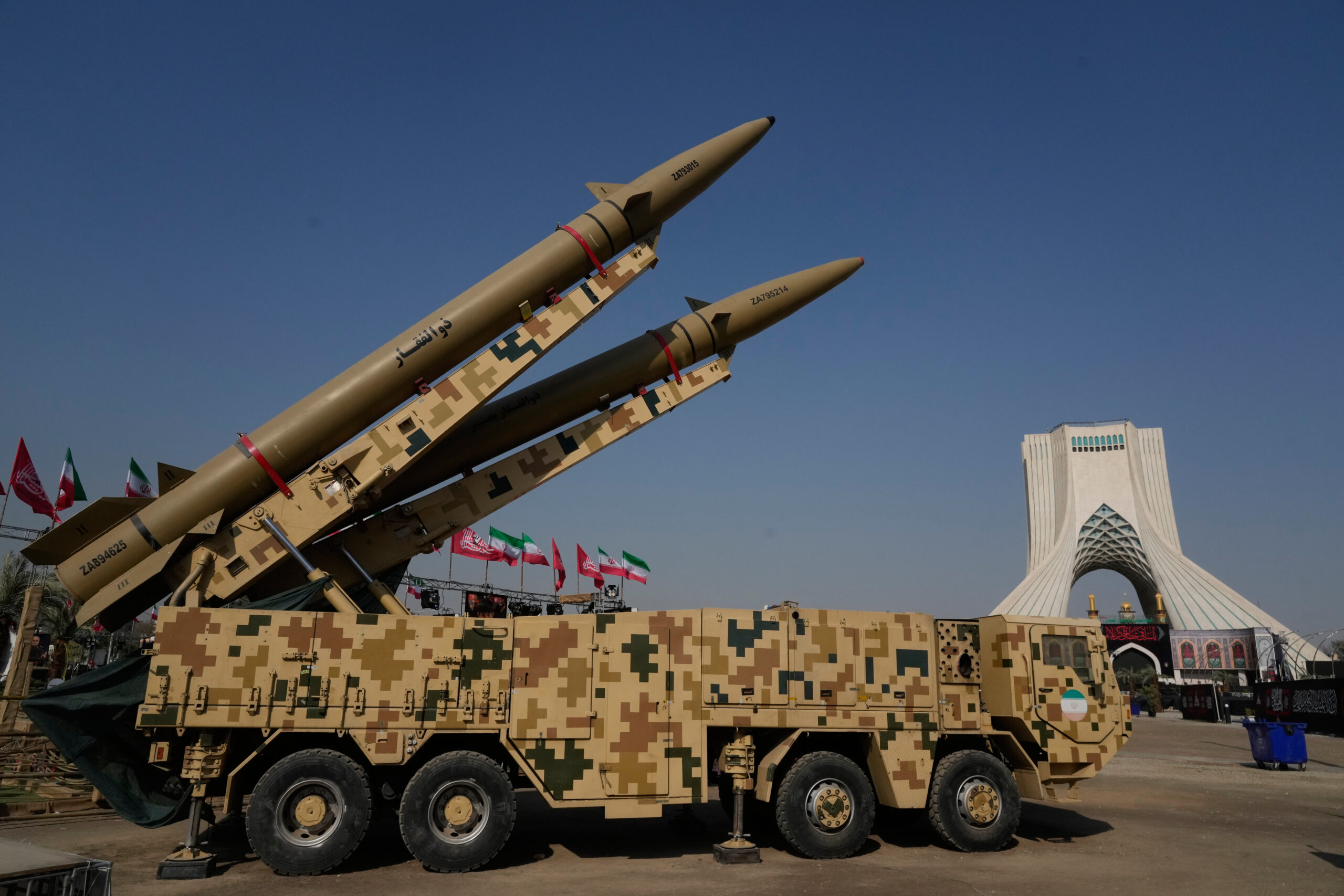
Iran’s Collective Strategic Decision Making
Wartime pressure has temporarily aligned the leadership’s overriding interest in regime survival, even as its members continue to differ over the costs, methods, and ultimate objectives of the war.
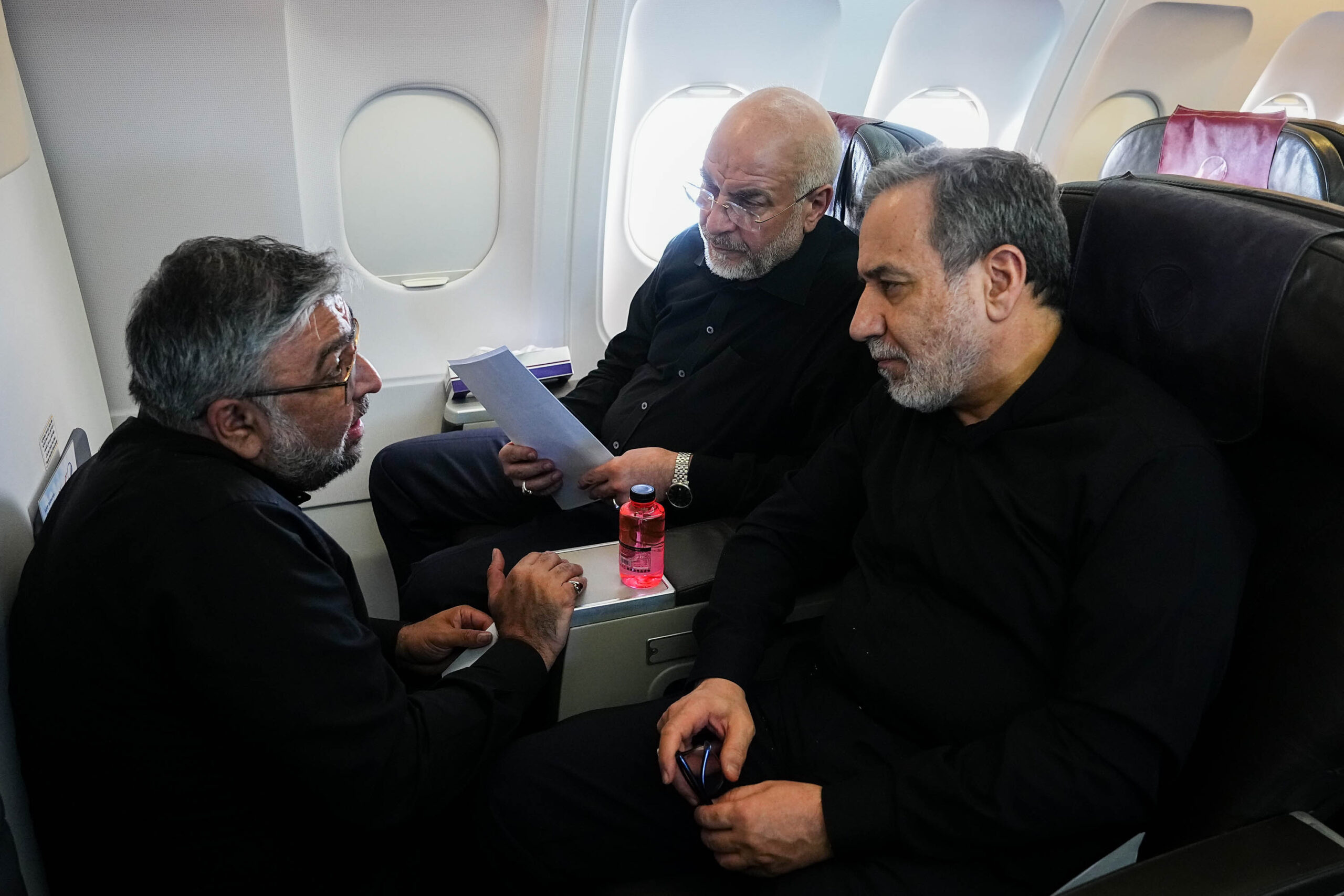
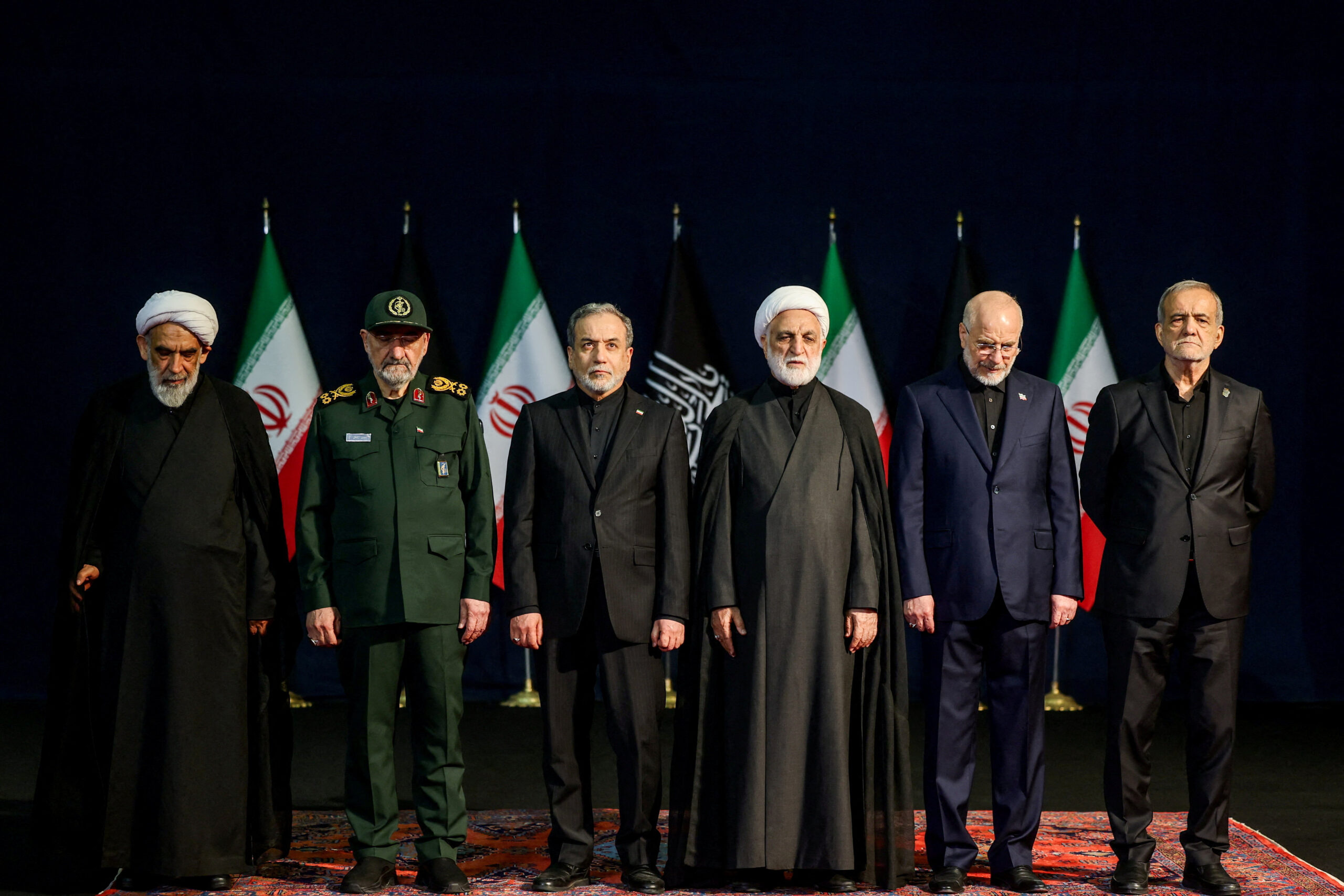
The Islamic Republic’s Collective Leadership
While there is historical precedent for collective leadership in Iran, today’s leadership includes representatives of the IRGC and regular military – a reflection of the IRGC’s expanding role and the necessities of governing under wartime conditions.
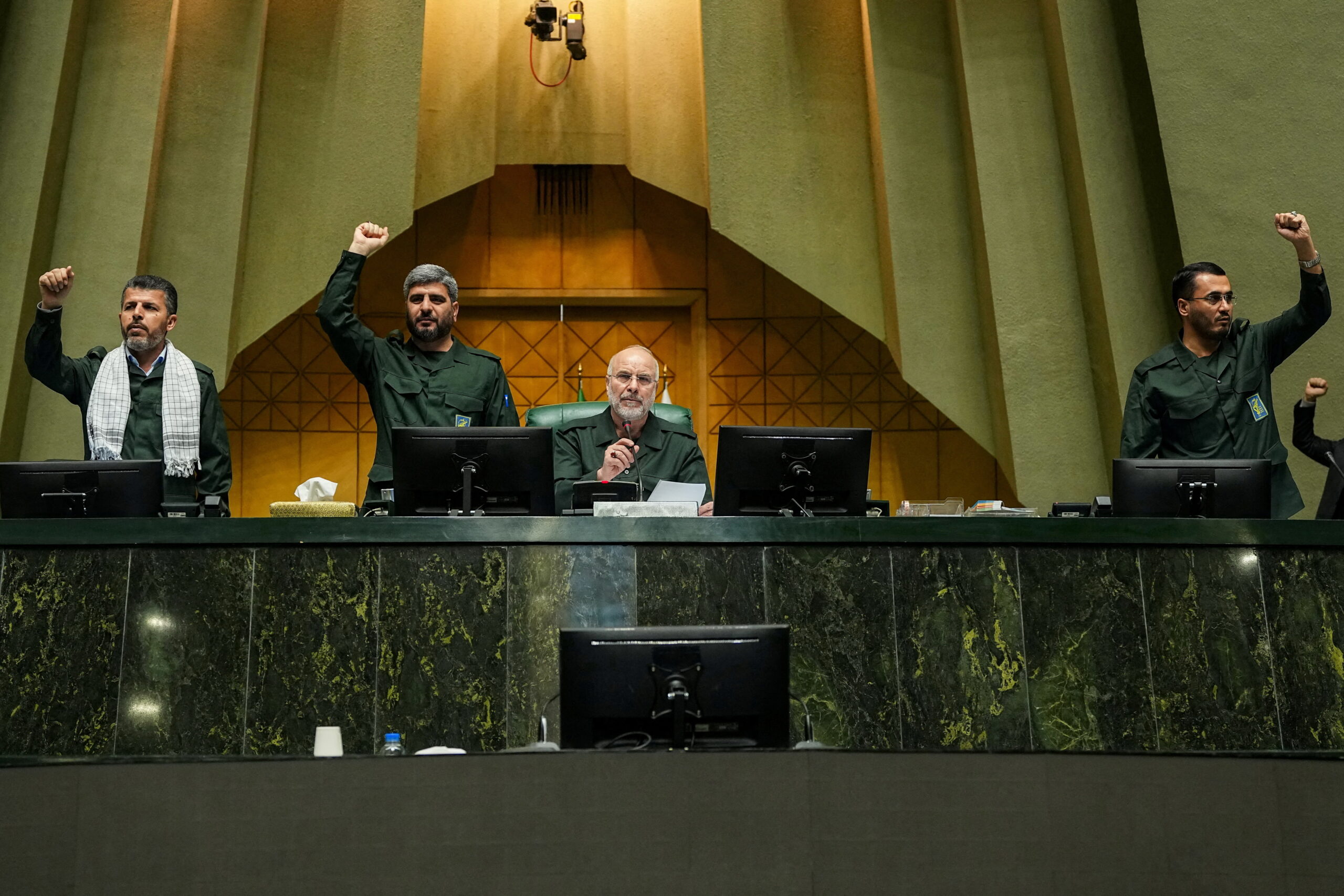
How Did the IRGC Seize Power in Iran?
The IRGC did not seize power in a single stroke. It accumulated it – patiently, methodically – until no counterweight remained.
Events
Oct 6, 2026
10:00am - 11:00am
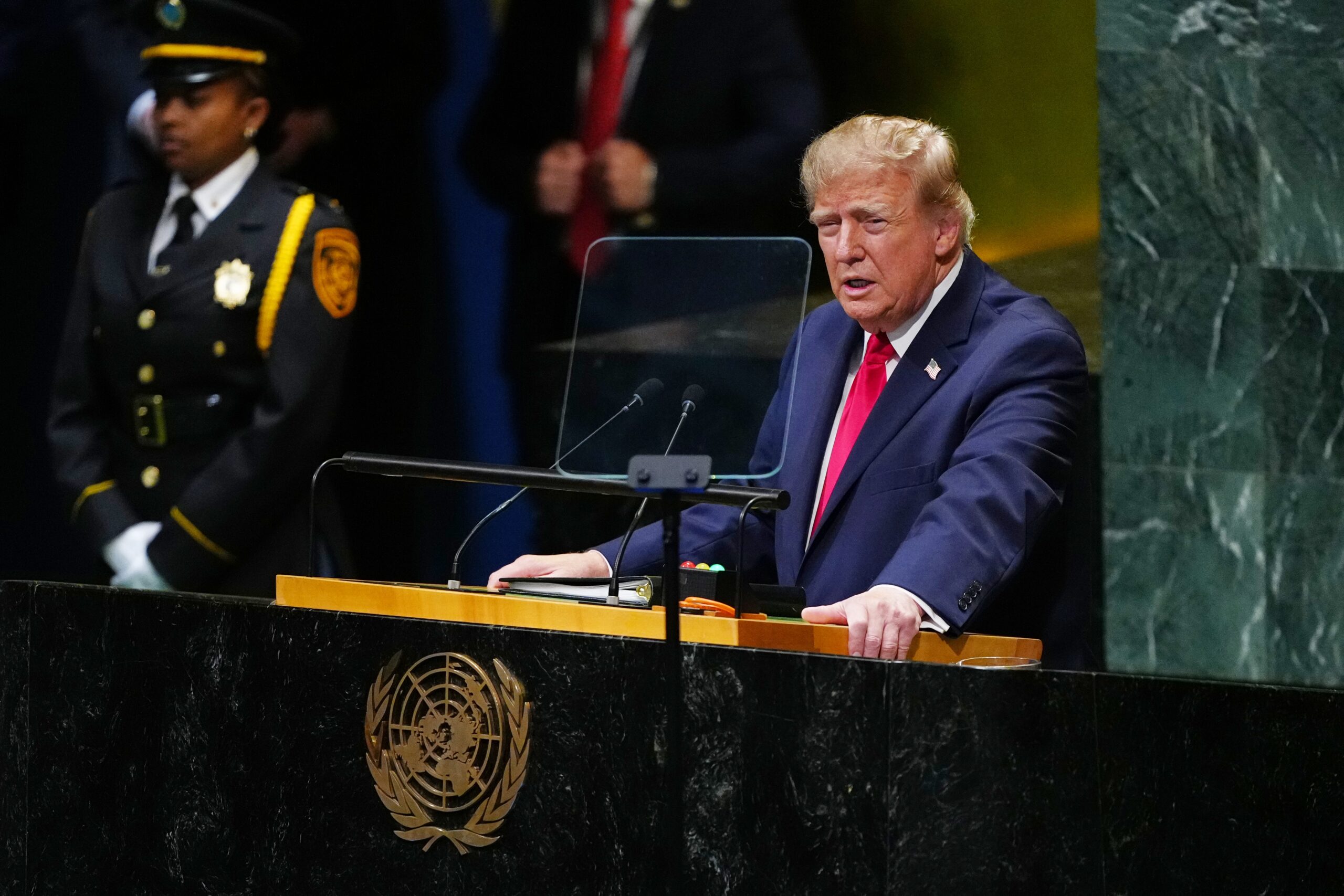
Is the U.S.-Iran Stalemate a “New Normal” or the Prelude to Another Explosion?
On October 6, AGSI will host a discussion on the U.S.-Iran stalemate and the prospects for a cease-fire.
Speakers



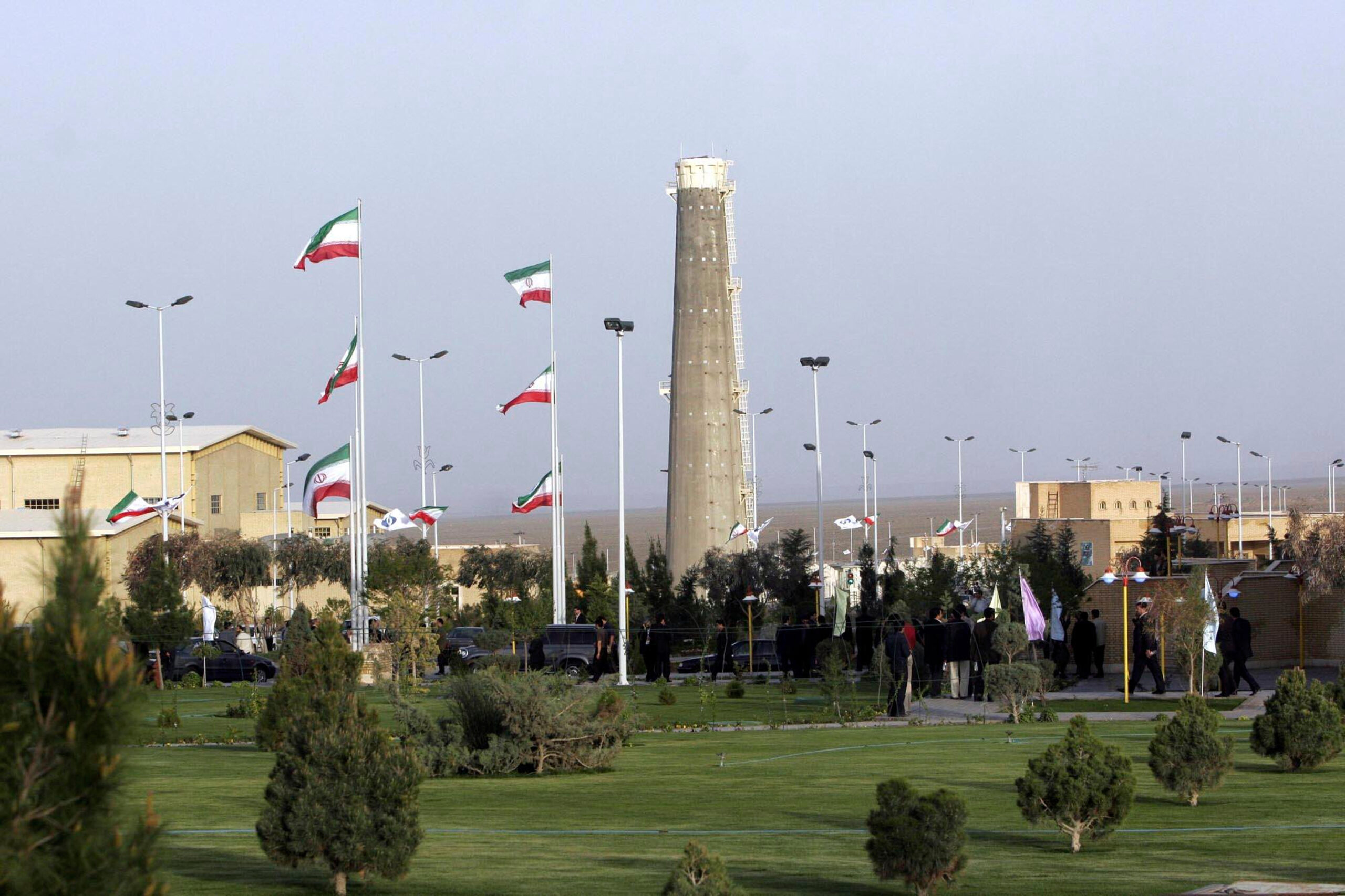
Book Talk: Iran and the Bomb: The United States, Iran and the Nuclear Question
On June 16, AGSI hosted a discussion on the evolution of Iran's nuclear program.
Speakers
Apr 21, 2026
Inside Iran’s Wartime Leadership: Power, Succession, and Regime Stability
On April 21, AGSI hosted a discussion on the evolution of Iran's leadership during the war.
Speakers

Mar 18, 2026
In Its Conflict With the United States and Israel, Does Escalation Favor Iran?
On March 18, AGSI hosted a discussion on the escalation of the Iran war.
Speakers