Apr 18, 2023
Quds Day Rallies Take Back Seat for Iranian Public
The April 18 edition of the Iran Media Review explores public reactions to articles on Quds Day, indicating that the Iranian economy is top of mind.
In response to the Israeli air force’s bombardment of Palestine Liberation Organization paramilitary bases in southern Lebanon on August 7, 1979, Grand Ayatollah Ruhollah Khomeini, then Iran’s head of state, proclaimed the last Friday of the month of Ramadan as “Quds Day,” using the Arabic name for Jerusalem. He also issued a message urging “all the Muslims of the world and the Muslim governments to join together to sever the hand of this usurper,” in reference to Israel, “and its supporters” from Muslim lands. Before long, the Islamic Republic fell out with the PLO, which Iran and Israel both desired to evict from southern Lebanon, but the annual Quds Day parade, with its carnival-like anti-Israel rituals and theatrics, remains a red-letter day in Iran’s state calendar. To judge by reader comments in response to recent articles on Quds Day, however, the “liberation” of “Quds” from what Islamic Republic officials depict as “Israeli occupation” is not on top of the priorities of the Iranian public.
- April 14: Reader comments on Tabnak News’ article “Enthusiastic Popular Participation in Glorious Countrywide Quds Day Rallies” exhibited various degrees of sarcasm:
- “I’m ashamed of going home after work because I can’t even afford to buy bread for my family, and you want me to scream slogans for the sake of Palestine?”
- “The plight of the Palestinians and the Lebanese is better than us Iranians. They should arrange rallies for our sake here in Iran!”
- “No more aerial photos?” (referring to the limited public participation in the rallies)
- “I wish we were authorized to have a rally to express our opinion about the economic conditions in Iran.”
- “If you people care about Iran, you should be concerned about the price of chicken, which fluctuates between 80,000 and 90,000 toman per kilogram.”
- “The cost of a Pride” Iranian-produced car “is 400 million toman, the price of rice is 120,000 toman per kilogram, and red meat 500,000 toman. Is this your definition of victory?”
- “Why should we Iranians be more Palestinian than the Palestinians themselves?”
- April 14: A Young Journalists Club article on Quds Day rallies around the world elicited fewer, but no less critical, comments:
- “What is the price of the dollar?” (alluding to the collapse of the Iranian currency against the U.S. dollar)
- “Did you remember to scream ‘Death to Saudi’?” (referring to the recent detente with Saudi Arabia, which has led to a moratorium on the traditional anti-Saudi sloganeering in Quds Day rallies)
The views represented herein are the author's or speaker's own and do not necessarily reflect the views of AGSI, its staff, or its board of directors.
Related
Iran Media Review
Sep 11, 2026
Diminishing Importance of the Straits?
The September 11 edition of the Iran Media Review contrasts hard-liners’ celebration of oil prices rising with a technocratic Iranian newspaper’s warning that the regime’s ability to take the world economy hostage is diminishing.
Iran Media Review
Sep 8, 2026
Mohsen Rezaei Explains Tehran’s Strategy
The September 8 edition of the Iran Media Review outlines the Iranian Supreme National Security Council secretary’s remarks on Iran’s strategic response to the U.S. naval blockade.
Iran Media Review
Sep 4, 2026
Is Iran Planning to Withdraw From the Nuclear Nonproliferation Treaty?
The September 4 edition of the Iran Media Review considers Iranian messaging about the possibility of Iran withdrawing from the Nuclear Nonproliferation Treaty.
Sep 11, 2026
Diminishing Importance of the Straits?
The September 11 edition of the Iran Media Review contrasts hard-liners’ celebration of oil prices rising with a technocratic Iranian newspaper’s warning that the regime’s ability to take the world economy hostage is diminishing.
Sep 8, 2026
Mohsen Rezaei Explains Tehran’s Strategy
The September 8 edition of the Iran Media Review outlines the Iranian Supreme National Security Council secretary’s remarks on Iran’s strategic response to the U.S. naval blockade.
Sep 4, 2026
Is Iran Planning to Withdraw From the Nuclear Nonproliferation Treaty?
The September 4 edition of the Iran Media Review considers Iranian messaging about the possibility of Iran withdrawing from the Nuclear Nonproliferation Treaty.
Analysis
The Islamic Republic Returns to Offense
After U.S.-Israeli strikes killed Supreme Leader Ayatollah Ali Khamenei on February 28, Iran’s collective leadership has concluded that the best defense is a good offense.
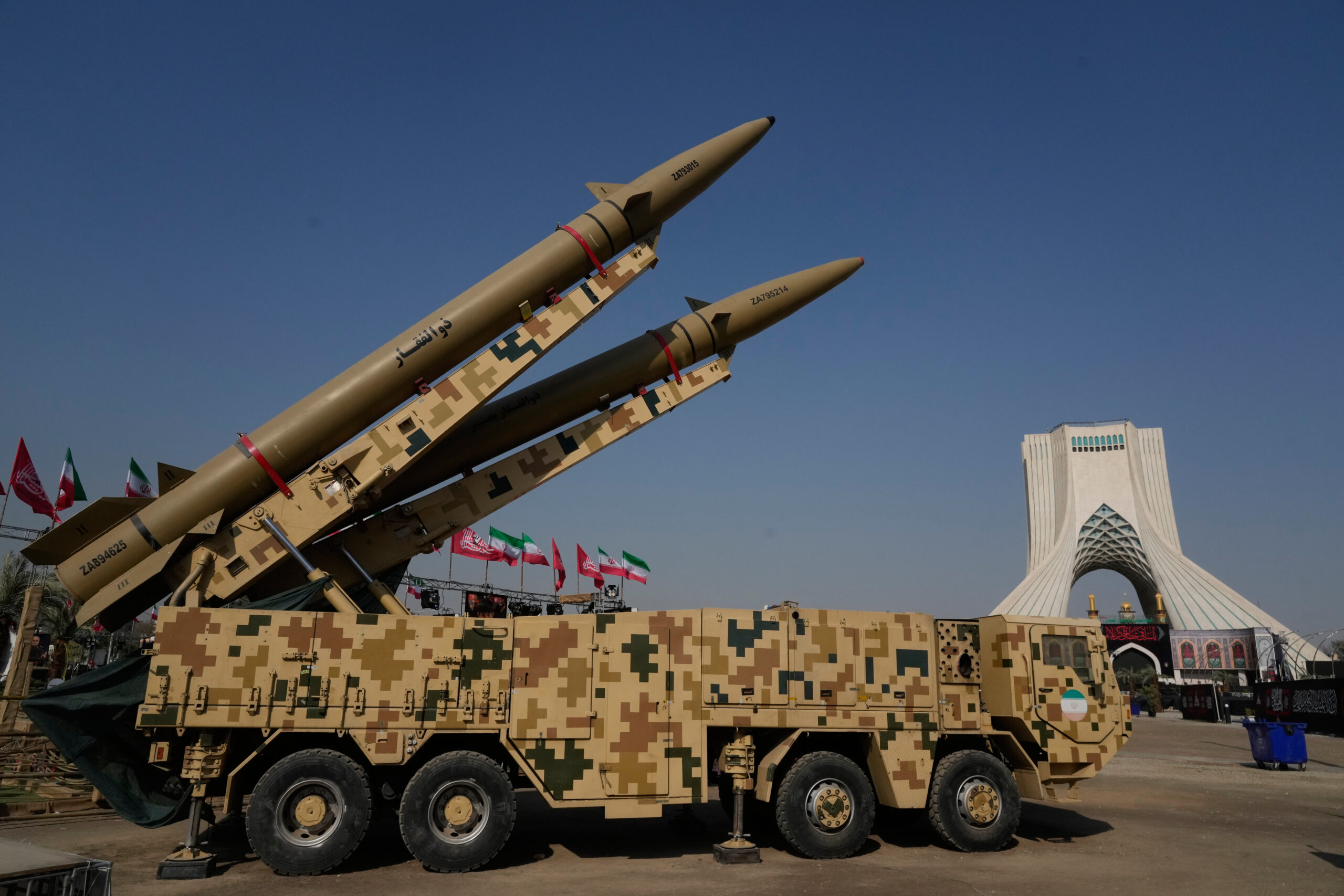
Iran’s Collective Strategic Decision Making
Wartime pressure has temporarily aligned the leadership’s overriding interest in regime survival, even as its members continue to differ over the costs, methods, and ultimate objectives of the war.
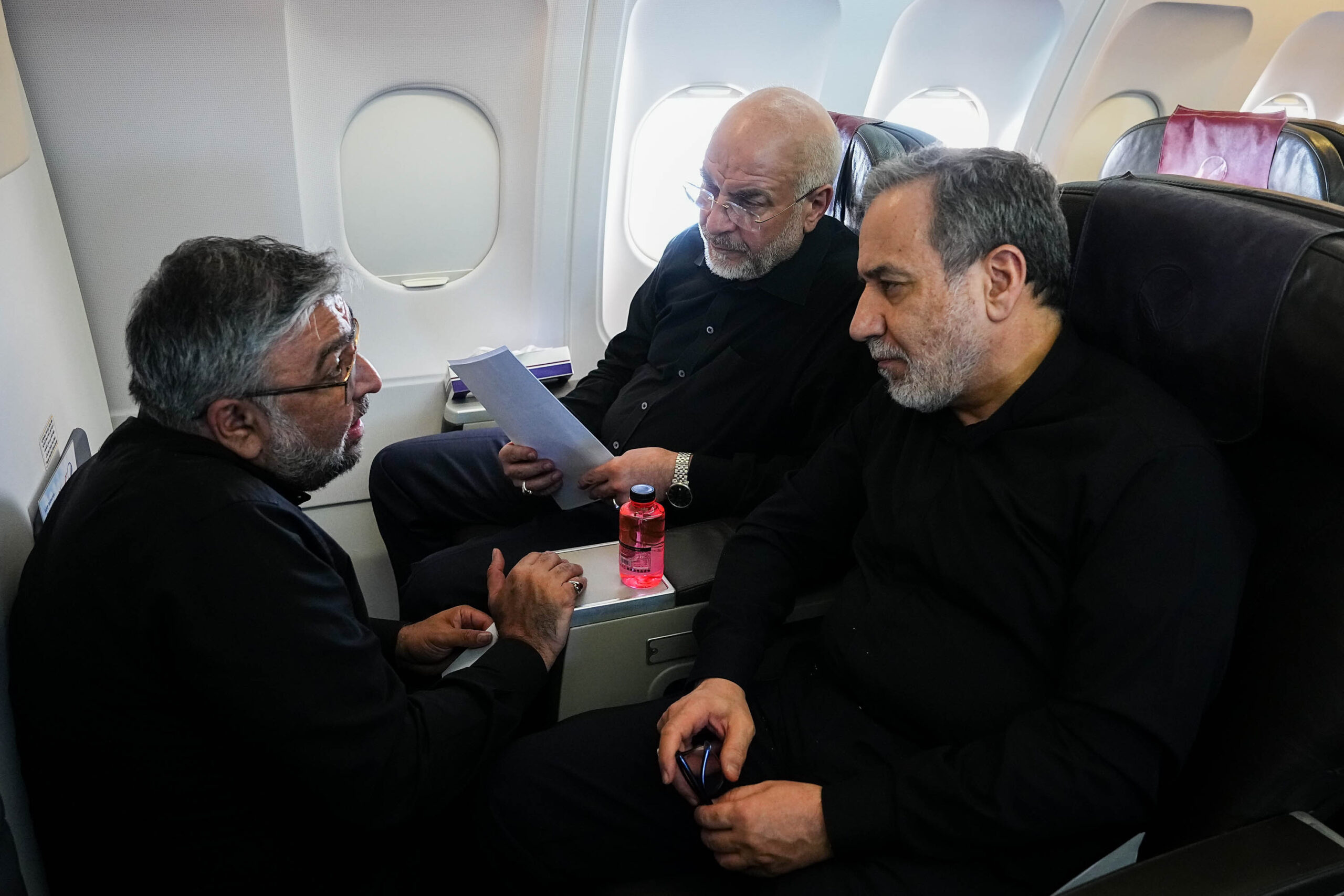
The Islamic Republic’s Collective Leadership
While there is historical precedent for collective leadership in Iran, today’s leadership includes representatives of the IRGC and regular military – a reflection of the IRGC’s expanding role and the necessities of governing under wartime conditions.
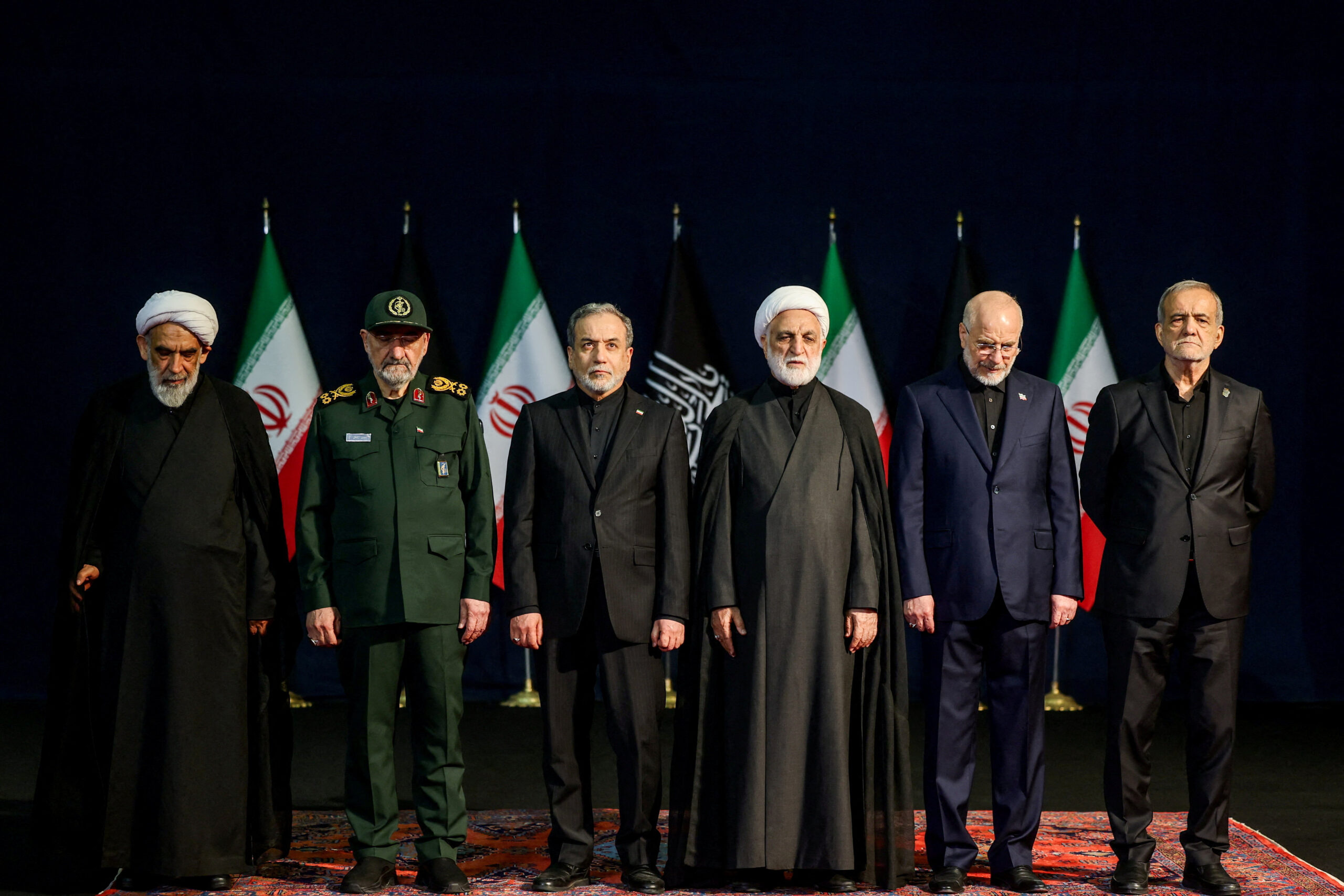
How Did the IRGC Seize Power in Iran?
The IRGC did not seize power in a single stroke. It accumulated it – patiently, methodically – until no counterweight remained.
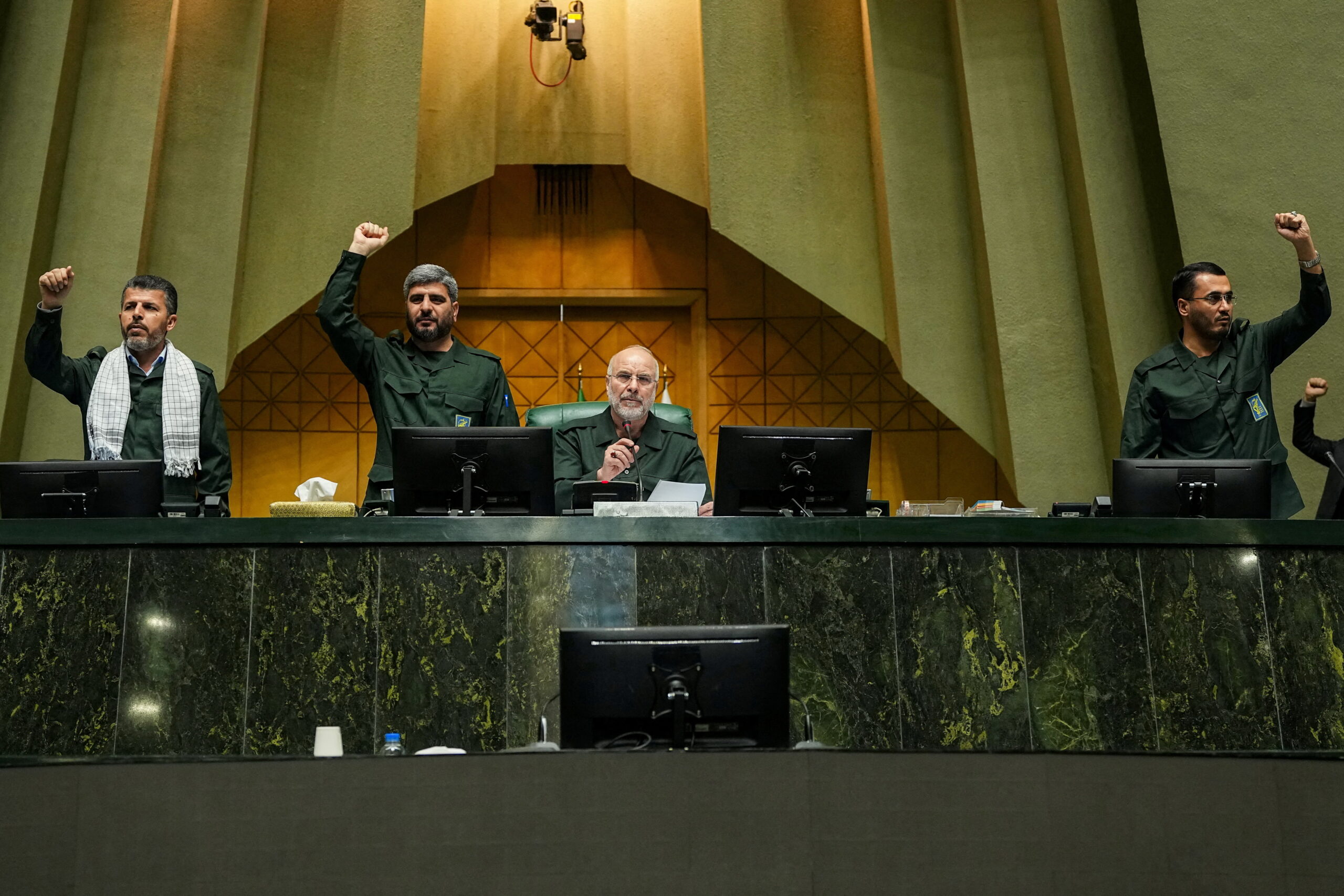
Events
Book Talk: Iran and the Bomb: The United States, Iran and the Nuclear Question
On June 16, AGSI hosted a discussion on the evolution of Iran's nuclear program.
Speakers

Apr 21, 2026
Inside Iran’s Wartime Leadership: Power, Succession, and Regime Stability
On April 21, AGSI hosted a discussion on the evolution of Iran's leadership during the war.
Speakers

Mar 18, 2026
In Its Conflict With the United States and Israel, Does Escalation Favor Iran?
On March 18, AGSI hosted a discussion on the escalation of the Iran war.
Speakers


Mar 2, 2026
After the Shock: Implications of the U.S.–Israeli Strikes and Iran’s Leadership Transition
On March 2, AGSI hosted a discussion on the U.S.-Israeli strikes on Iran.
Speakers