Sep 30, 2022
The Informal Collective Leadership of the IRGC
The September 30 edition of the Iran Media Review considers the IRGC’s response to Iranian President Ebrahim Raisi’s remarks at the United Nations General Assembly.

Iranian President Ebrahim Raisi, showing a photo of late Major General Qassim Suleimani, commander of the Quds Force of the Islamic Revolutionary Guard Corps, from the podium of the United Nations General Assembly in New York, was widely praised by Iran’s state-censored media. The top brass of the IRGC even published an open letter expressing their gratitude to the president, which has been interpreted in Washington as an endorsement of Raisi succeeding Ayatollah Ali Khamenei as supreme leader and Iran’s head of state. While this interpretation may not be correct, the signatories included members of the informal collective leadership of the IRGC.
- September 23: Brigadier General Ismail Qaani, Quds Force commander, in a letter released by the Iranian Labour News Agency, thanked Raisi for his “brave statements explaining crimes of the United States against the right of innocent nations, in particular by condemning the assassination of the champion of the fight against terrorism by raising the photo of the martyr Suleimani.”
- September 24: ILNA released an open letter by Major General Hossein Salami, IRGC chief commander, who expressed his gratitude for Raisi’s address at the U.N. General Assembly.
- September 24: ILNA released an open letter by a group of present and former IRGC commanders praising Raisi’s address at the U.N. General Assembly.
The views represented herein are the author's or speaker's own and do not necessarily reflect the views of AGSI, its staff, or its board of directors.
Related
Iran Media Review
Sep 27, 2022
Regime Response to Protests: Threats, Externalization, and Safety Valves
The September 27 edition of the Iran Media Review considers the range of responses to growing protests in Iran.
Iran Media Review
Sep 23, 2022
Iran’s Hard-Line Media: “Do Not Show Mercy to Criminals”
The September 23 edition of the Iran Media Review considers warnings to protesters from media outlets close to the IRGC.
Sep 27, 2022
Regime Response to Protests: Threats, Externalization, and Safety Valves
The September 27 edition of the Iran Media Review considers the range of responses to growing protests in Iran.
Sep 23, 2022
Iran’s Hard-Line Media: “Do Not Show Mercy to Criminals”
The September 23 edition of the Iran Media Review considers warnings to protesters from media outlets close to the IRGC.
Analysis
The Islamic Republic Returns to Offense
After U.S.-Israeli strikes killed Supreme Leader Ayatollah Ali Khamenei on February 28, Iran’s collective leadership has concluded that the best defense is a good offense.
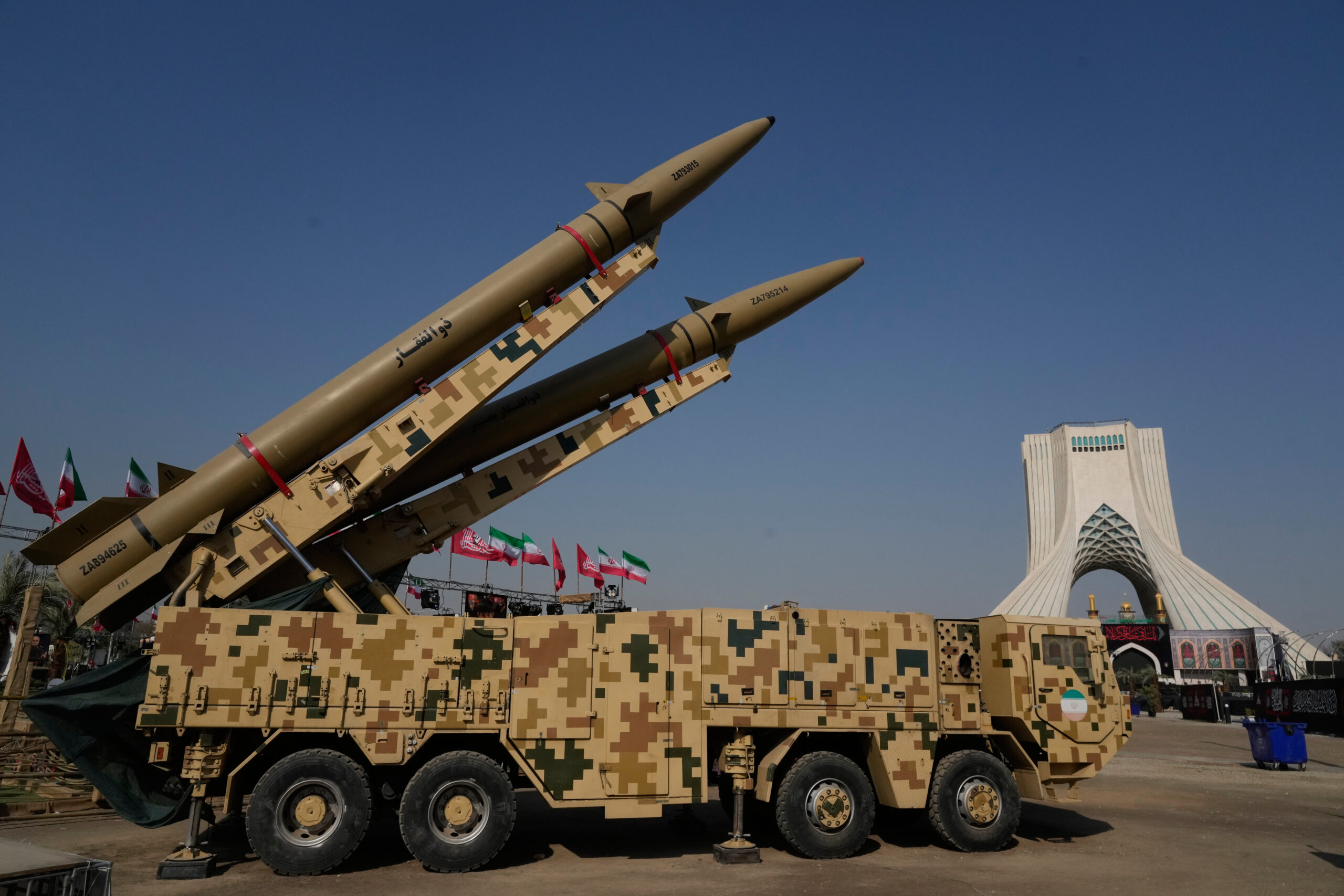
Iran’s Collective Strategic Decision Making
Wartime pressure has temporarily aligned the leadership’s overriding interest in regime survival, even as its members continue to differ over the costs, methods, and ultimate objectives of the war.
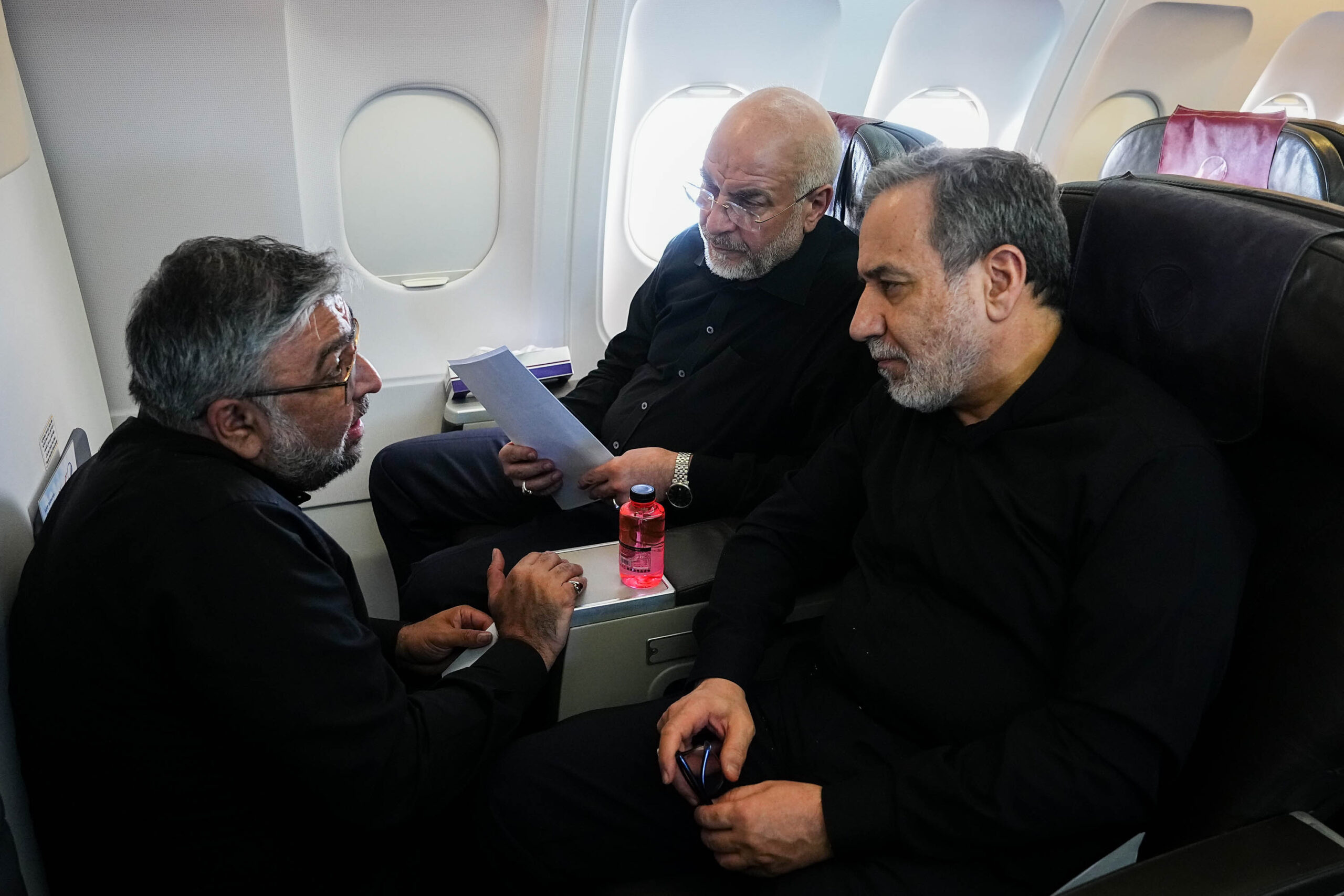
The Islamic Republic’s Collective Leadership
While there is historical precedent for collective leadership in Iran, today’s leadership includes representatives of the IRGC and regular military – a reflection of the IRGC’s expanding role and the necessities of governing under wartime conditions.
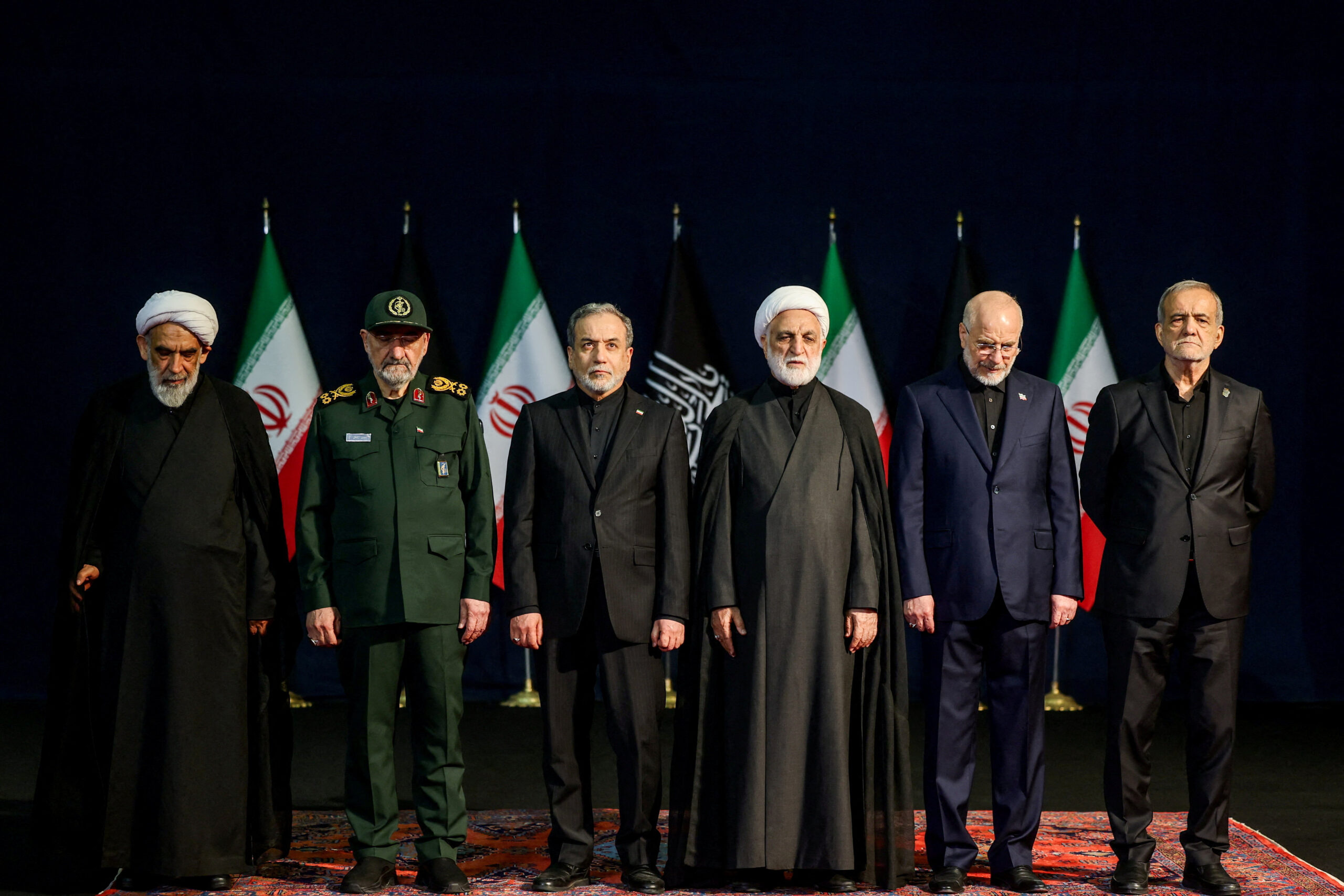
How Did the IRGC Seize Power in Iran?
The IRGC did not seize power in a single stroke. It accumulated it – patiently, methodically – until no counterweight remained.
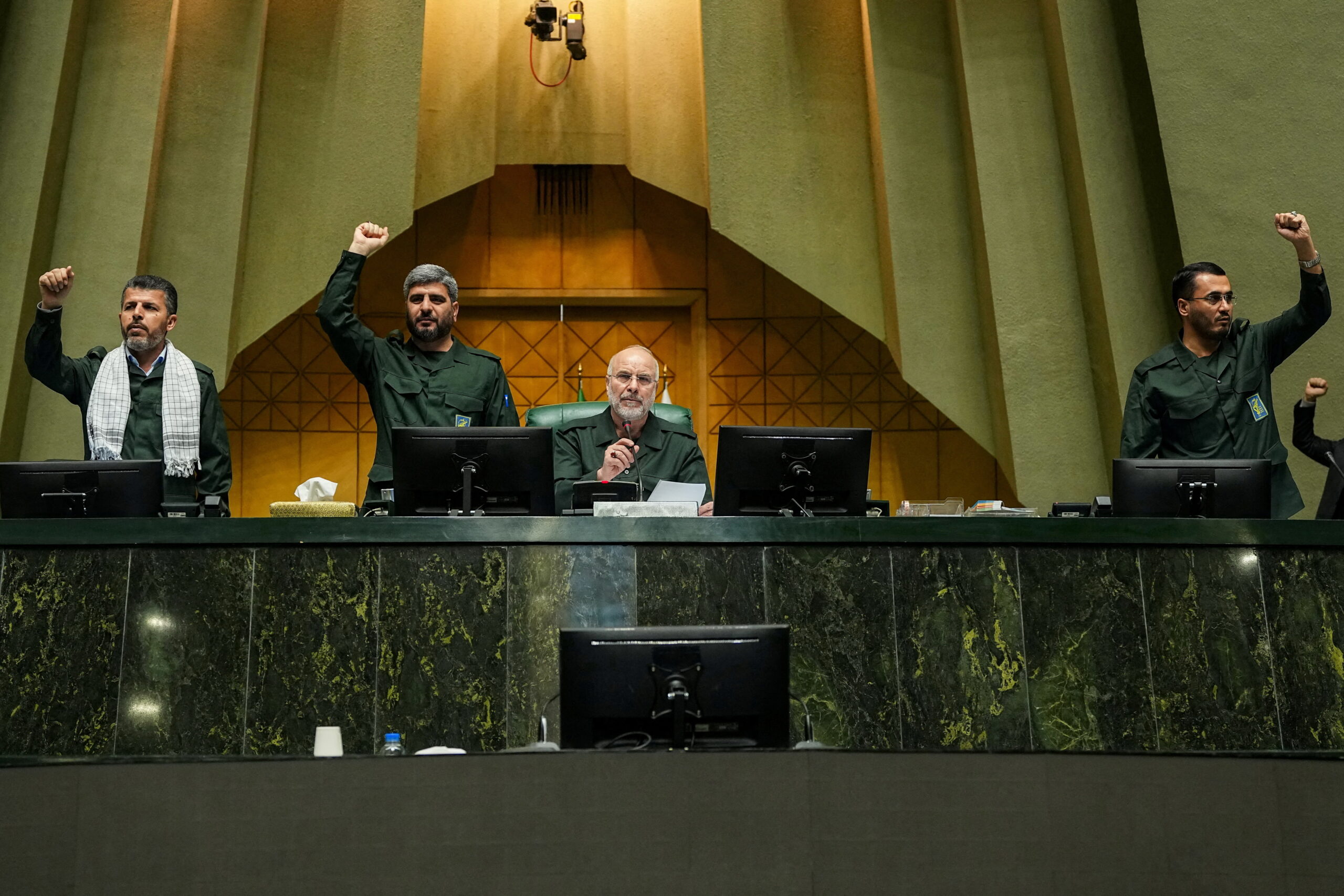
Events
Book Talk: Iran and the Bomb: The United States, Iran and the Nuclear Question
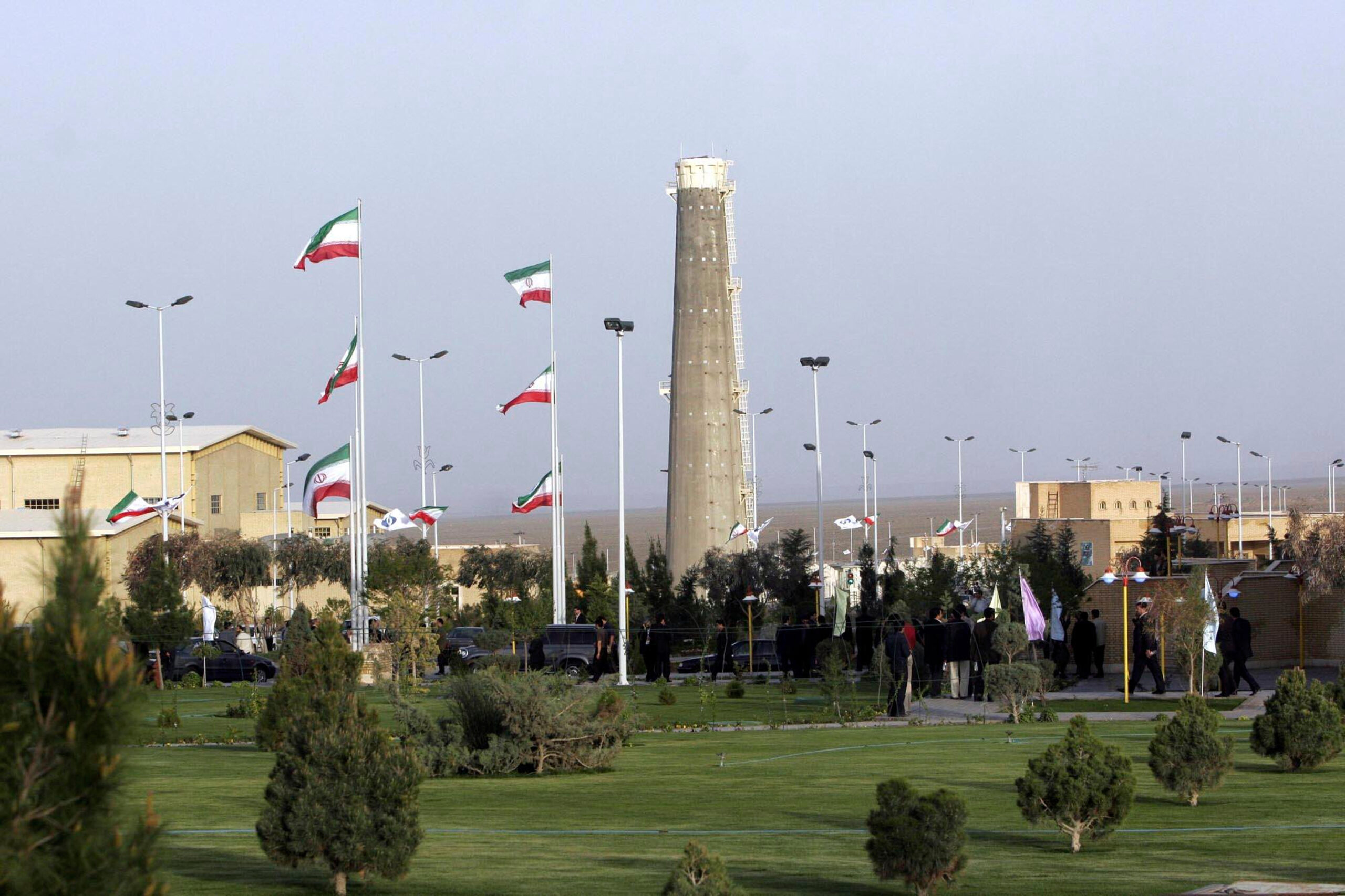
On June 16, AGSI hosted a discussion on the evolution of Iran's nuclear program.
Speakers

Apr 21, 2026
Inside Iran’s Wartime Leadership: Power, Succession, and Regime Stability
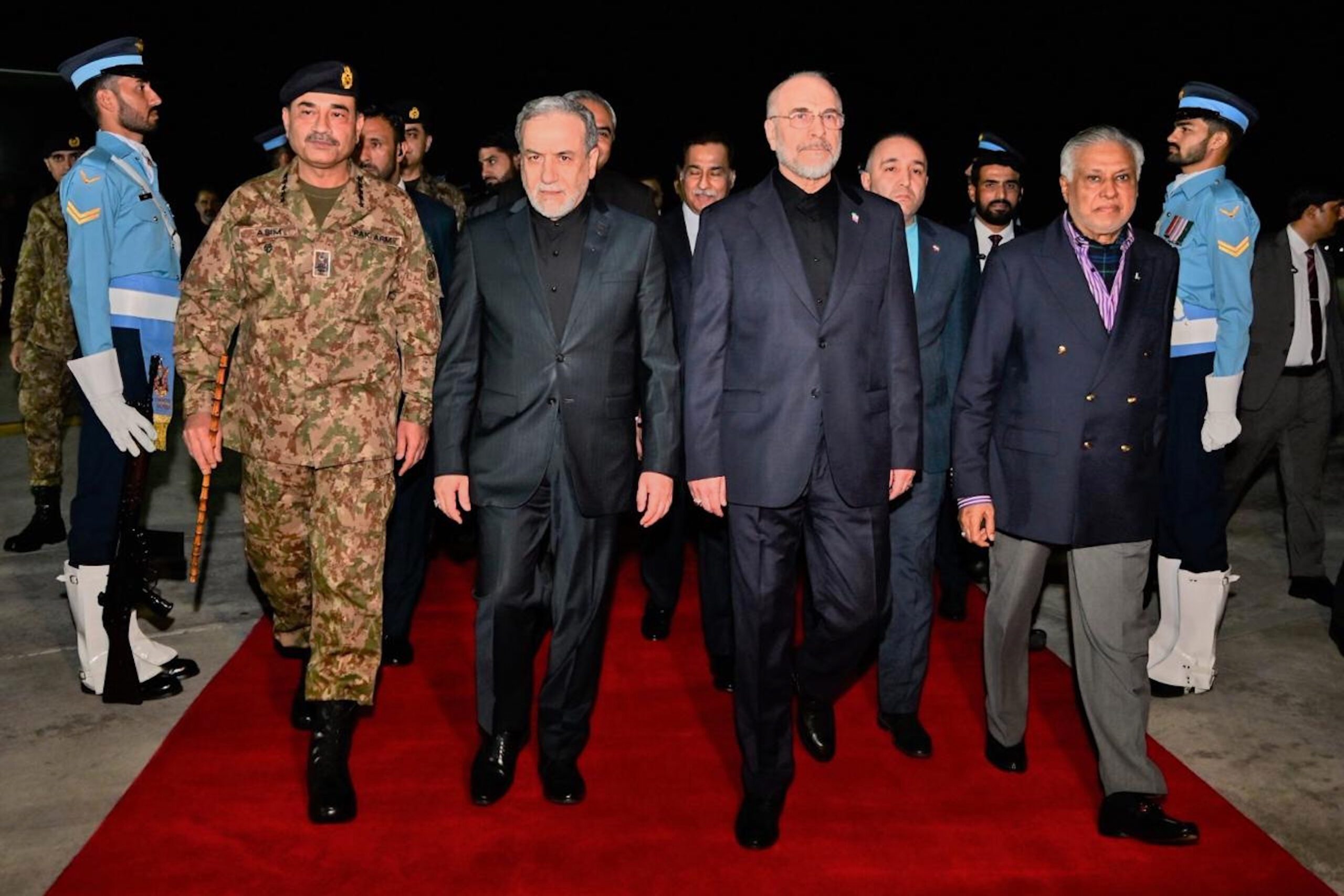
On April 21, AGSI hosted a discussion on the evolution of Iran's leadership during the war.
Speakers

Mar 18, 2026
In Its Conflict With the United States and Israel, Does Escalation Favor Iran?
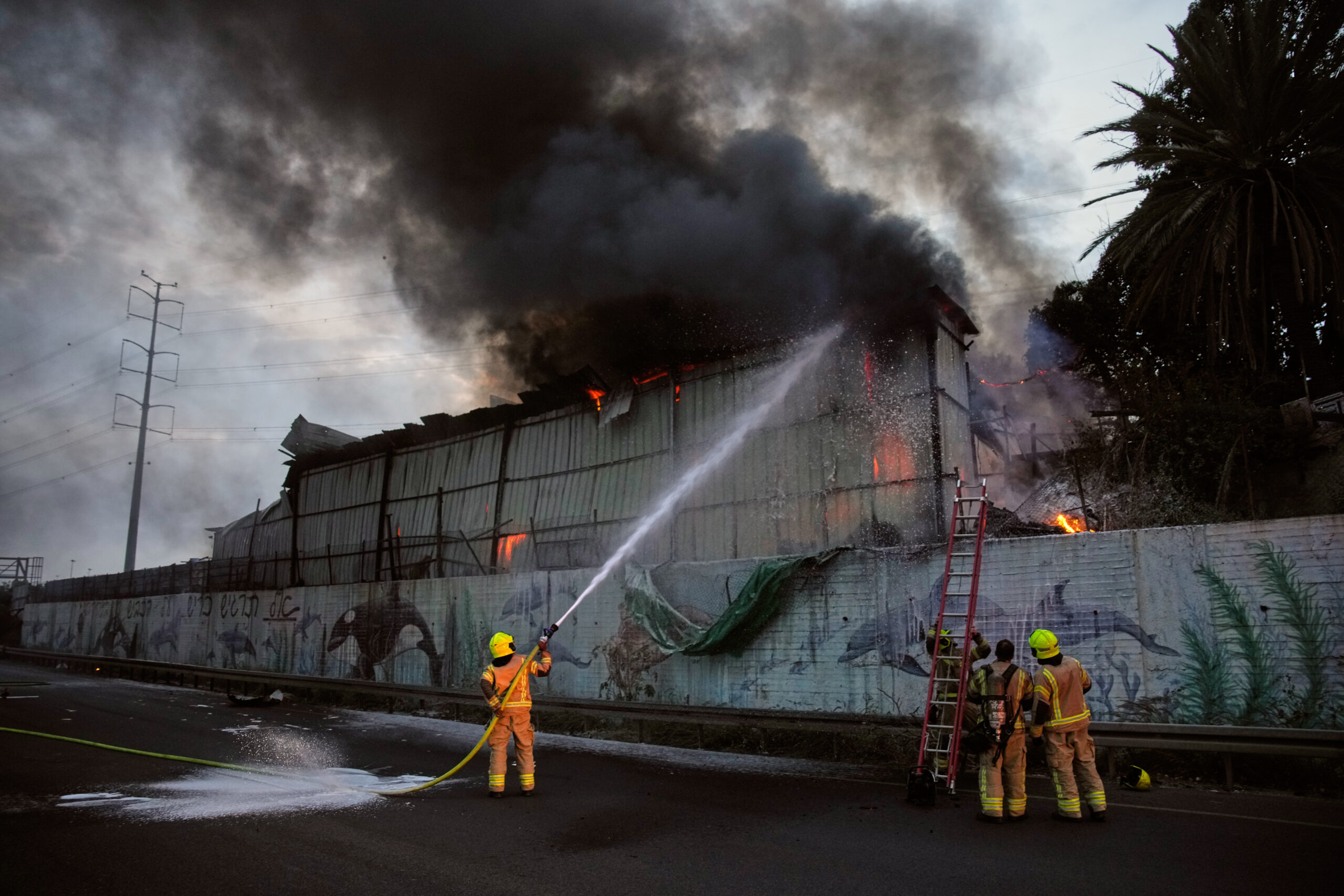
On March 18, AGSI hosted a discussion on the escalation of the Iran war.
Speakers


Mar 2, 2026
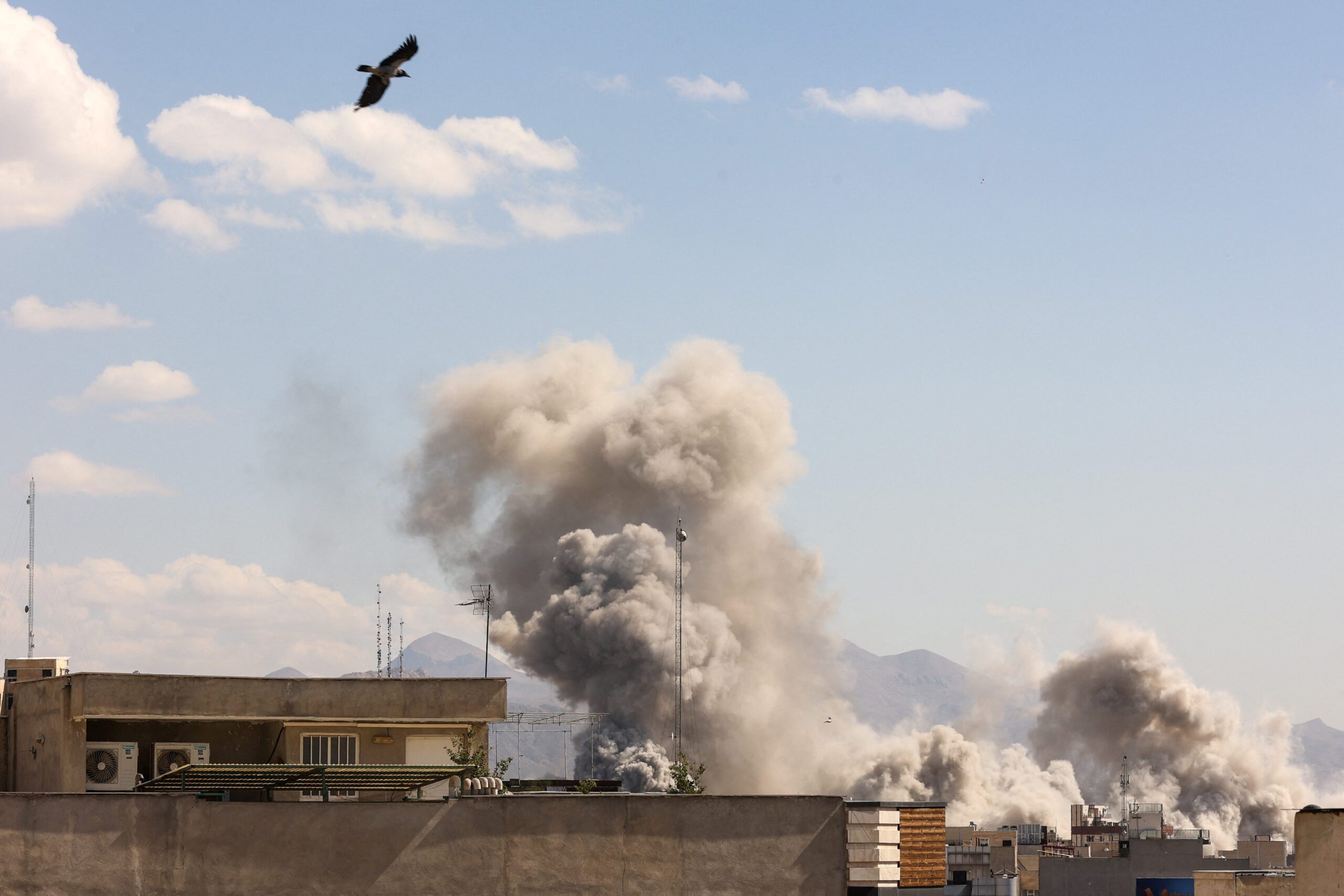
After the Shock: Implications of the U.S.–Israeli Strikes and Iran’s Leadership Transition
On March 2, AGSI hosted a discussion on the U.S.-Israeli strikes on Iran.
Speakers