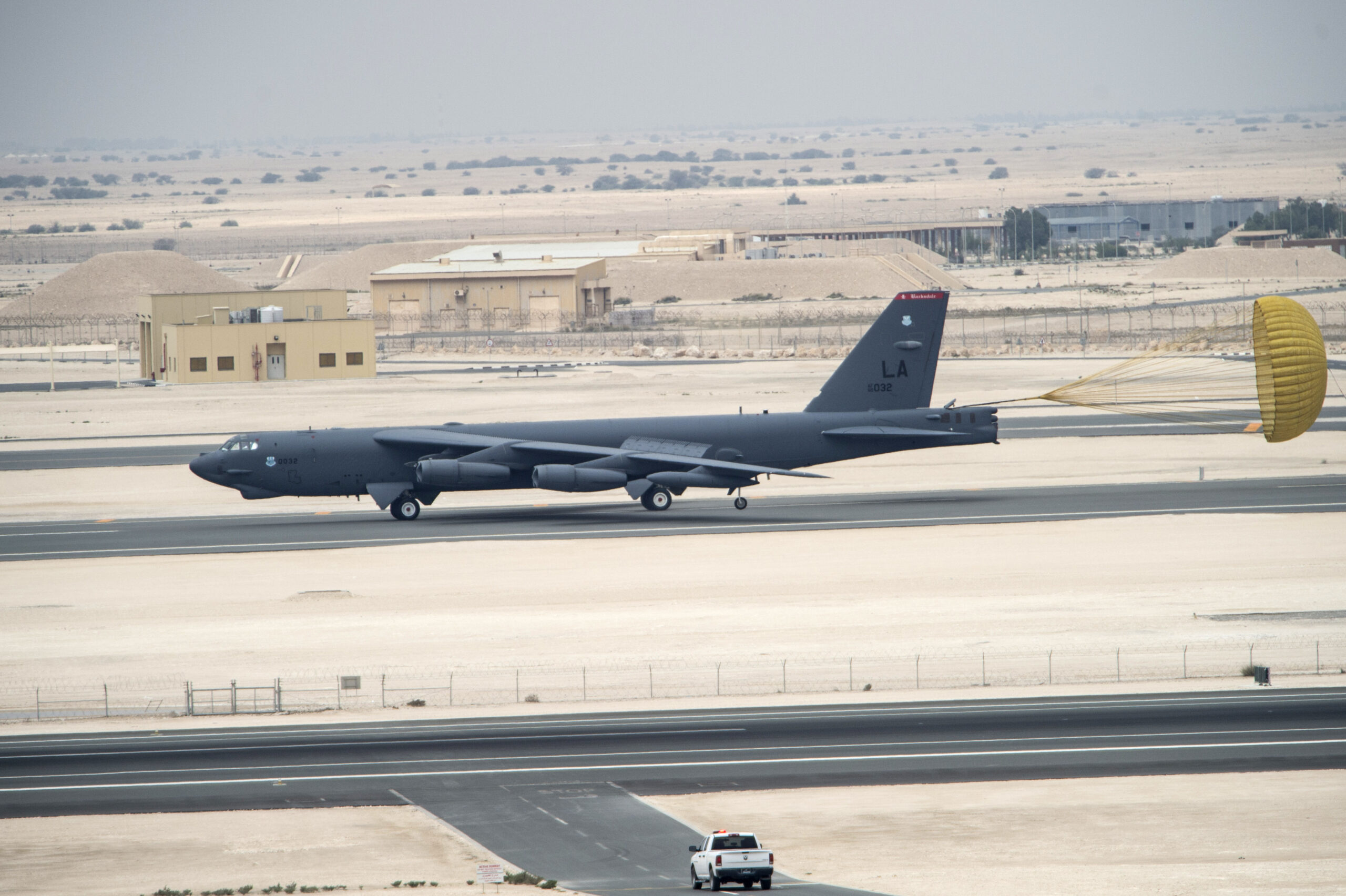
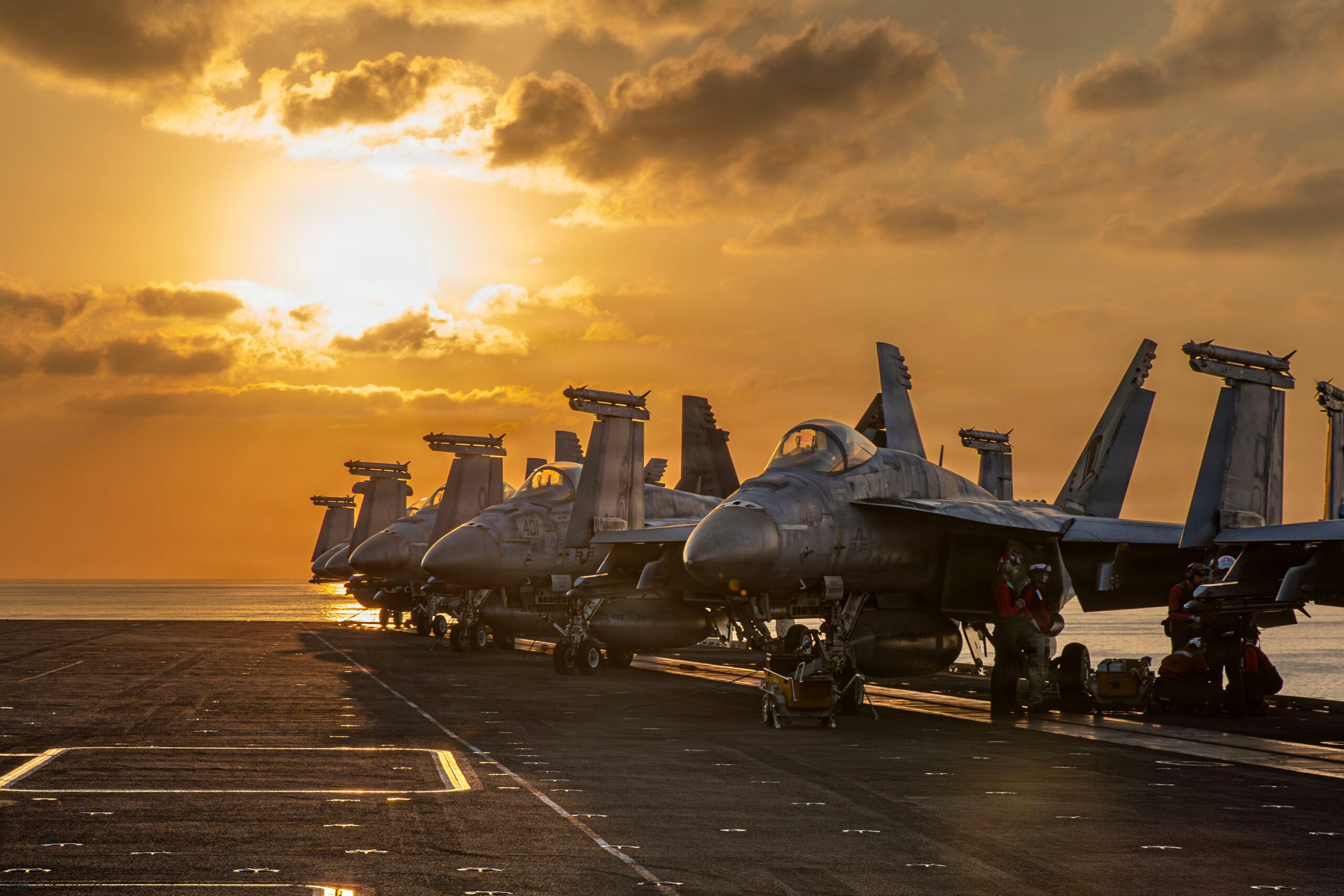
The small Gulf state of Qatar secures itself in two ways. First, its security is based on close relations with the United States stemming from the provision of the near-irreplaceable Al Udeid Air Base for U.S. military use. Second, diversifying this dependency, Qatar has buried itself into the energy supplies of a range of the world’s more powerful states with its provision of liquefied natural gas (LNG). Add to this a small, stable, and well-provided for set of citizens, and the Qatari state is well-secured.
But, with few external security concerns and fewer domestic ones, Qatar’s leaders overreached during the Arab Spring. In trying to support revolutions around the region, Qatar (and a range of other states) failed, sowed division, and angered regional states.
Challenges have now emerged from Qatar’s three closest neighbors that are testing its two-pronged security modus operandi. Though Qatar’s U.S. and international relations have proved to be resilient and are, thus far, supportive of Qatar, there have been deeply worrying moments. It remains to be seen how long Qatar can defy the geopolitical gravity of its region.
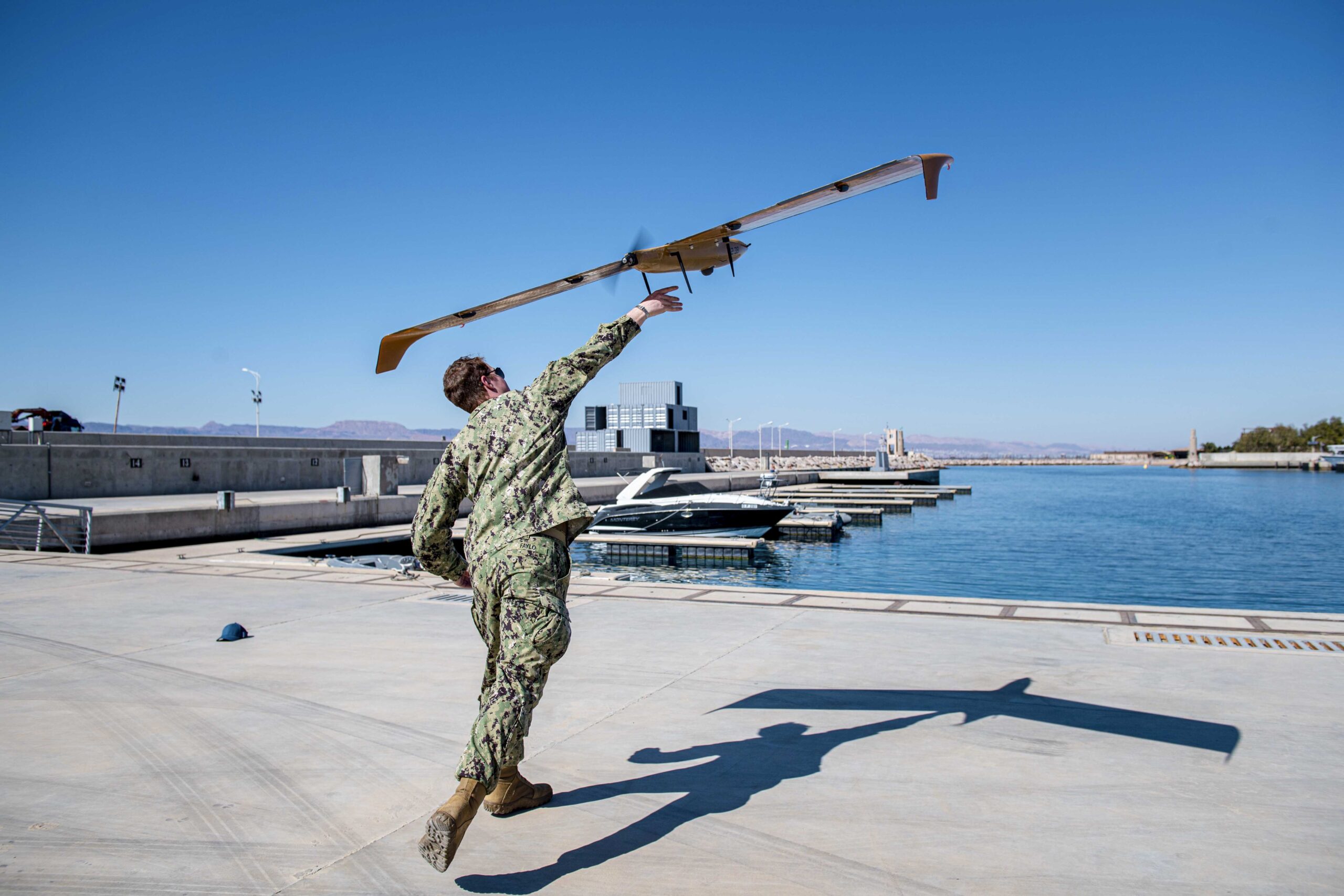
U.S. force projection in the Gulf is increasingly relying on artificial intelligence, unmanned platforms, and space technology, using these systems to augment existing military infrastructure.
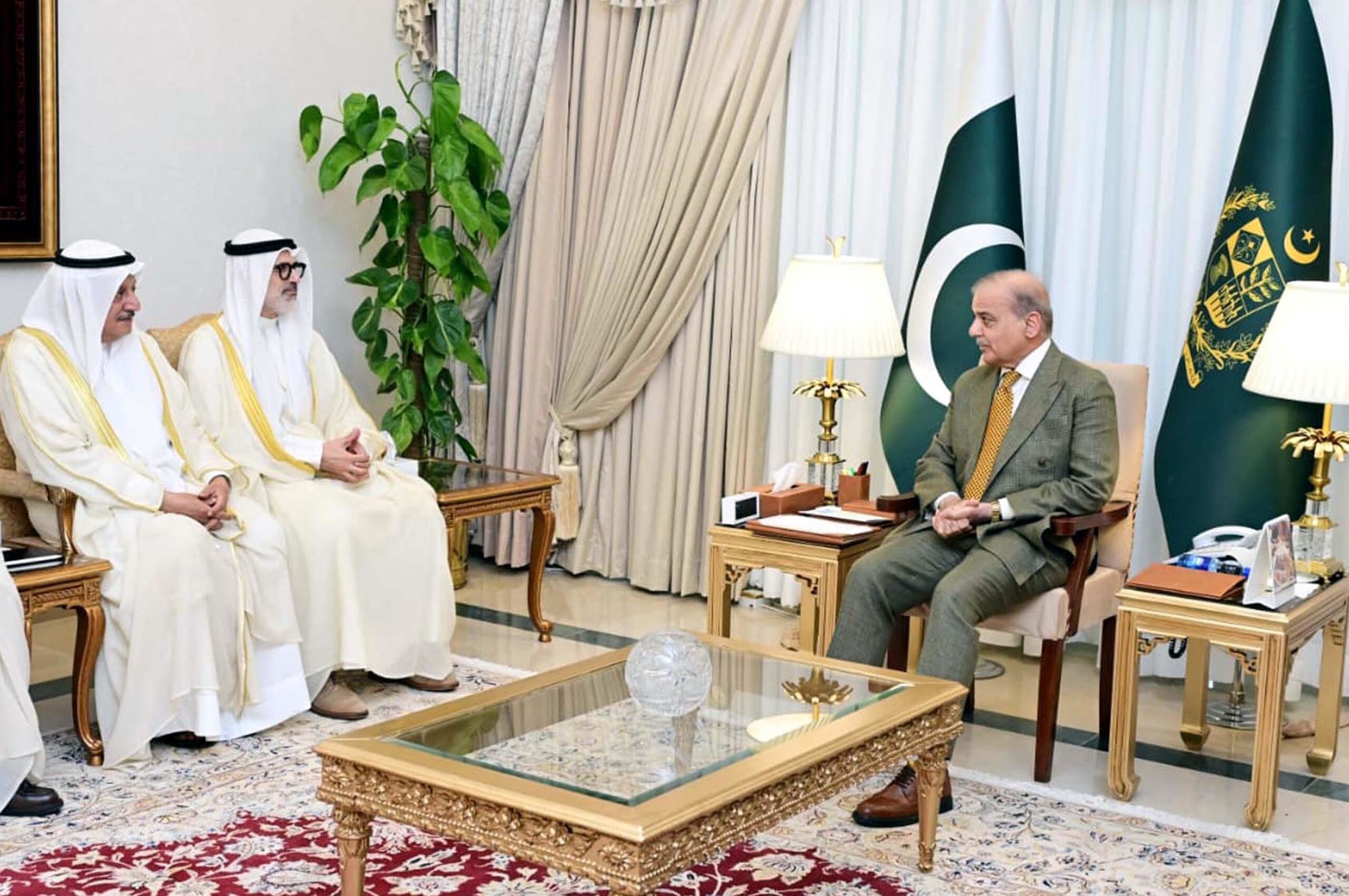
The significance of Kuwait’s defense pact with Pakistan lies less in any immediate military transformation than in what it reveals about the evolving security landscape of the Gulf.
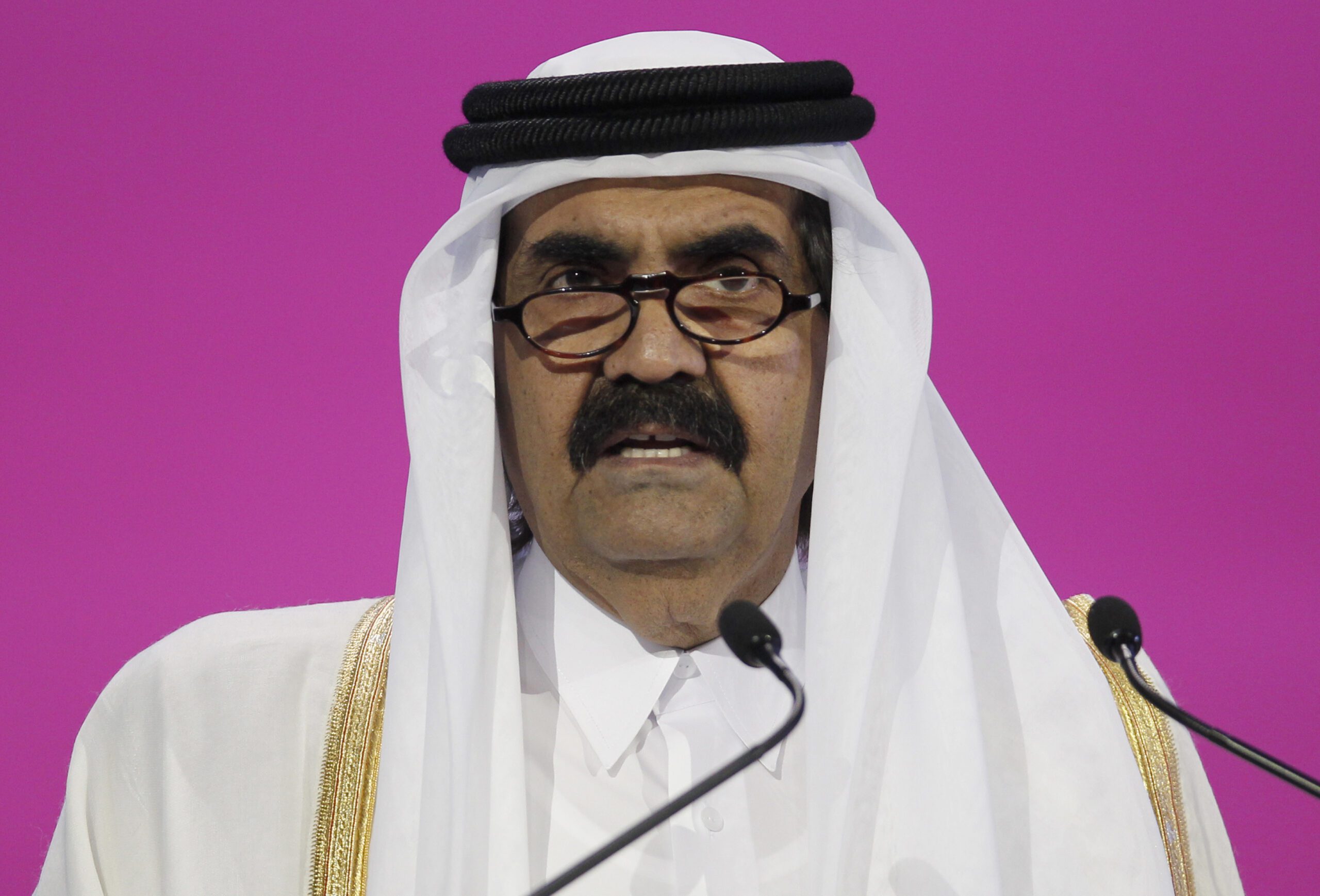
Under Emir Hamad bin Khalifa al-Thani, Qatar would be known – as a mediator, a broadcaster, a host of mega sports events, and an investor – and that notoriety would itself become a form of security: deterrence by relevance.
As Gulf states pursue economic diversification and knowledge economies less dependent on resource extraction, the logic of competition may be becoming less compelling and the benefits of coordination more apparent.