Security
Mar 19, 2026
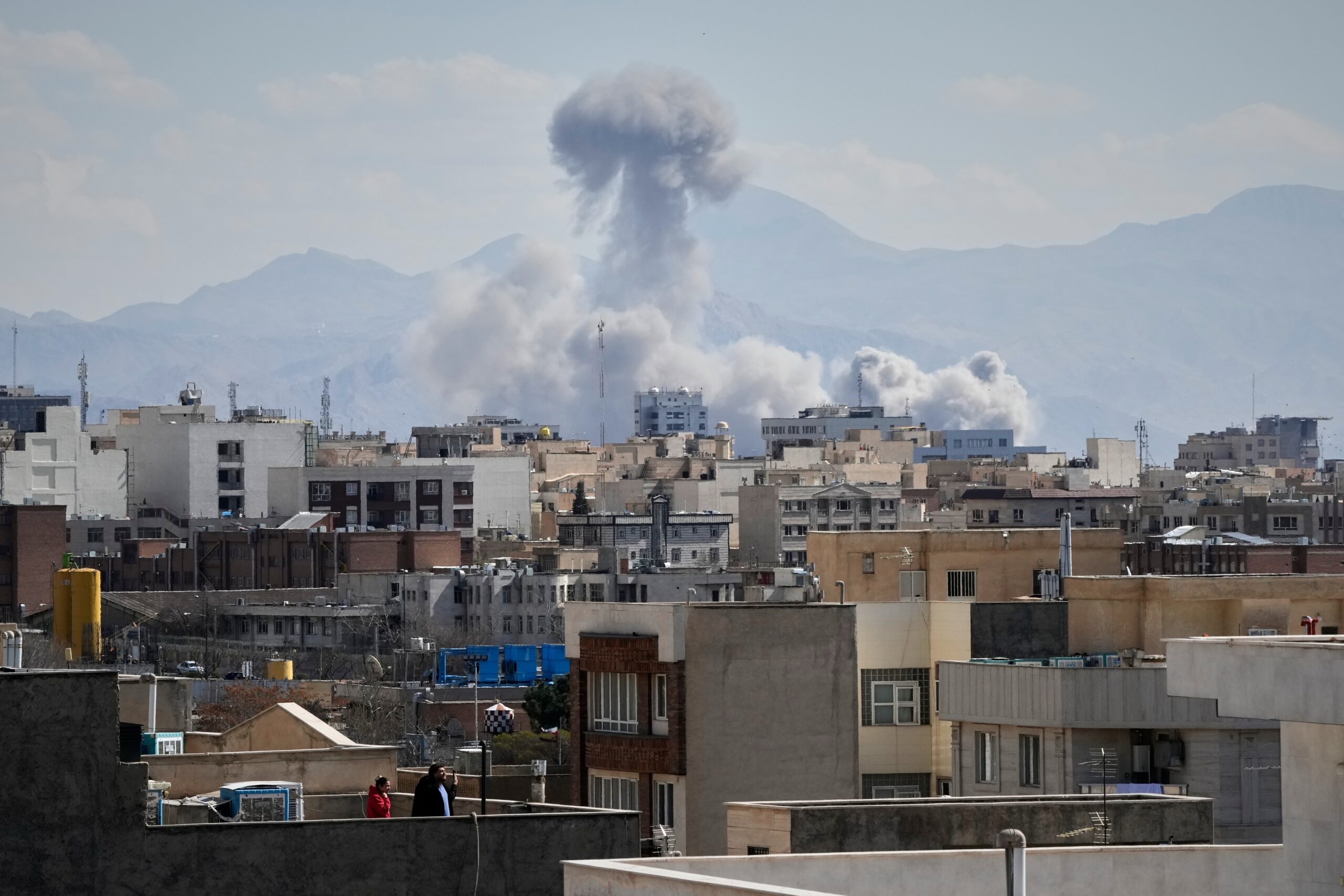
The Squeeze on Erbil
The war in Iran both underscores the urgency and will delay action on a U.S.-brokered Peshmerga-Baghdad redeployment in the disputed territories.

Mar 18, 2026
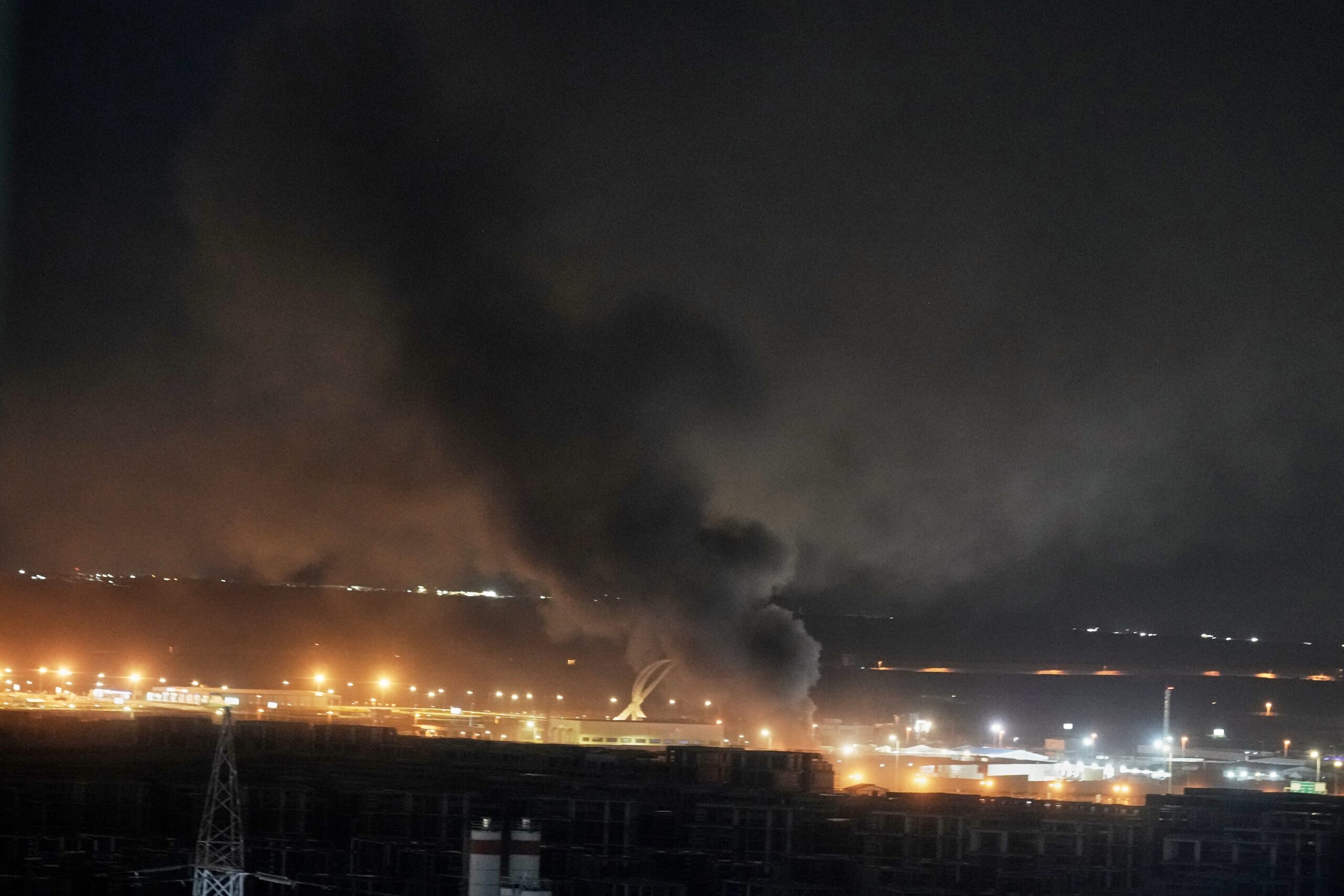
Air and Missile Defense in the Gulf
The war is demonstrating that missile defense can blunt Iran’s strategy – but only if the United States and its regional partners ensure that their defenses can keep pace with the scale and speed of future conflicts.

Mar 13, 2026
In Its Conflict With the United States and Israel, Does Escalation Favor Iran?
On March 18, AGSI hosted a discussion on the escalation of the Iran war.




Mar 11, 2026
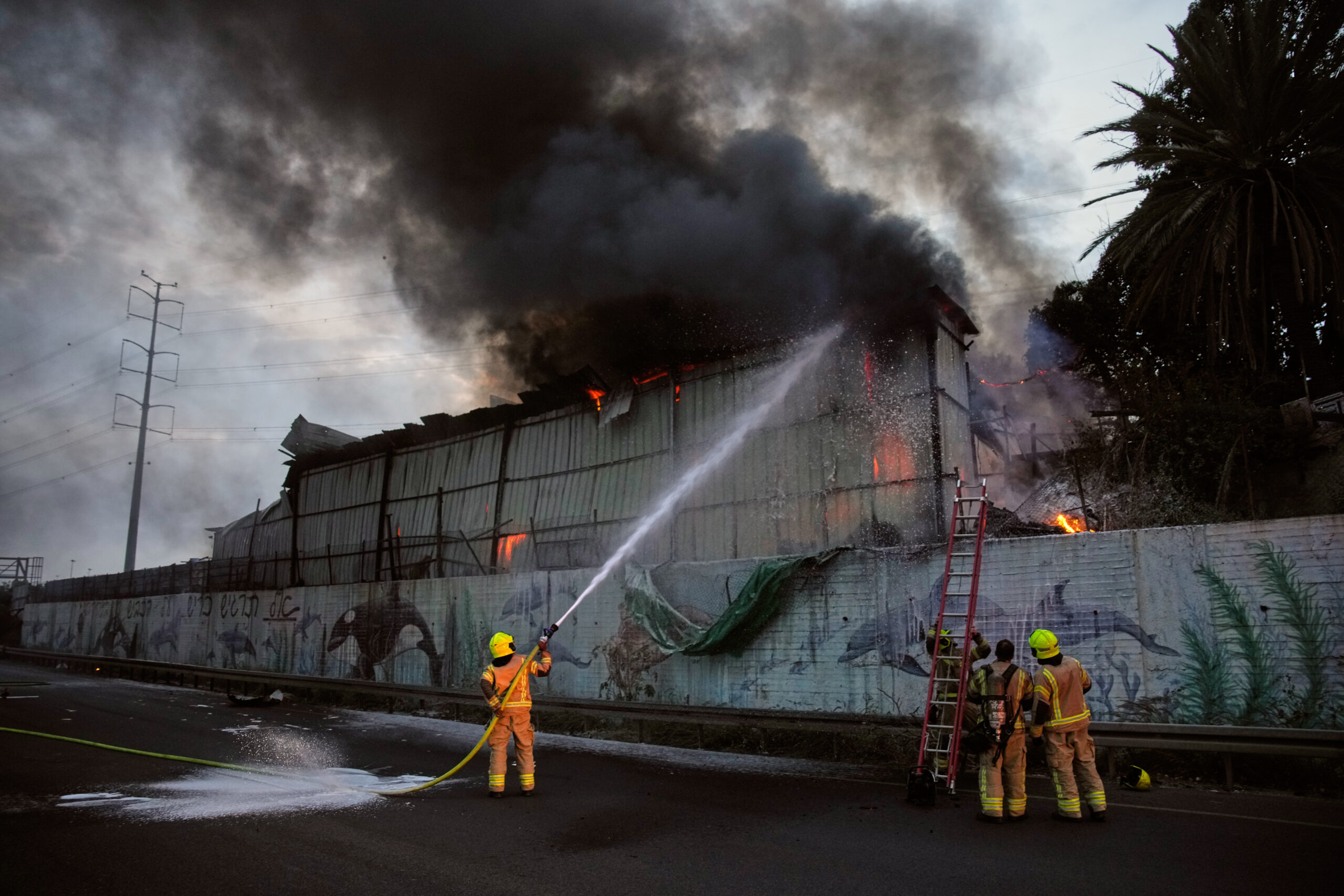
Gulf States Play Defense
Caught between Iranian strikes and U.S.-Israeli pressure to join the fight, Gulf Arab states strive to maintain their autonomy over decision making, playing defense and preserving the space to maneuver when the war ends.


Mar 10, 2026
The Houthi Conundrum and the War in Iran
The Houthis have stayed out of the U.S.-Israeli conflict with Iran. Are they unable, unwilling, or simply biding their time?

Mar 4, 2026
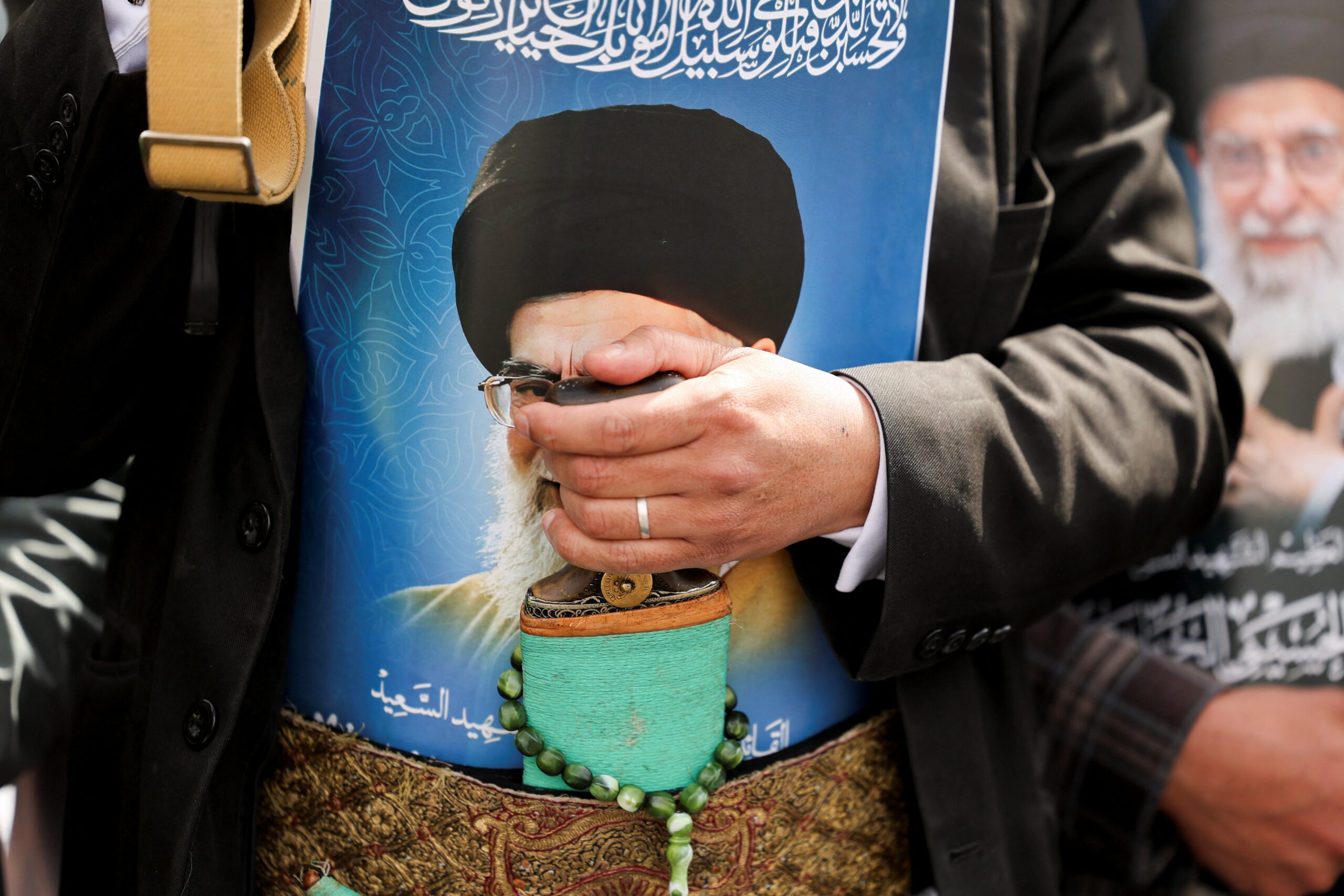
Caught in the Crosshairs, Gulf Arab Countries Remain Crucial to Peace
Though they were unsuccessful in preventing the current conflict, and, as expected, have been dragged into the U.S.-Israeli confrontation with Iran, Gulf Arab countries remain crucial to hopes for limiting the war and bringing it to a quick resolution.

Mar 3, 2026
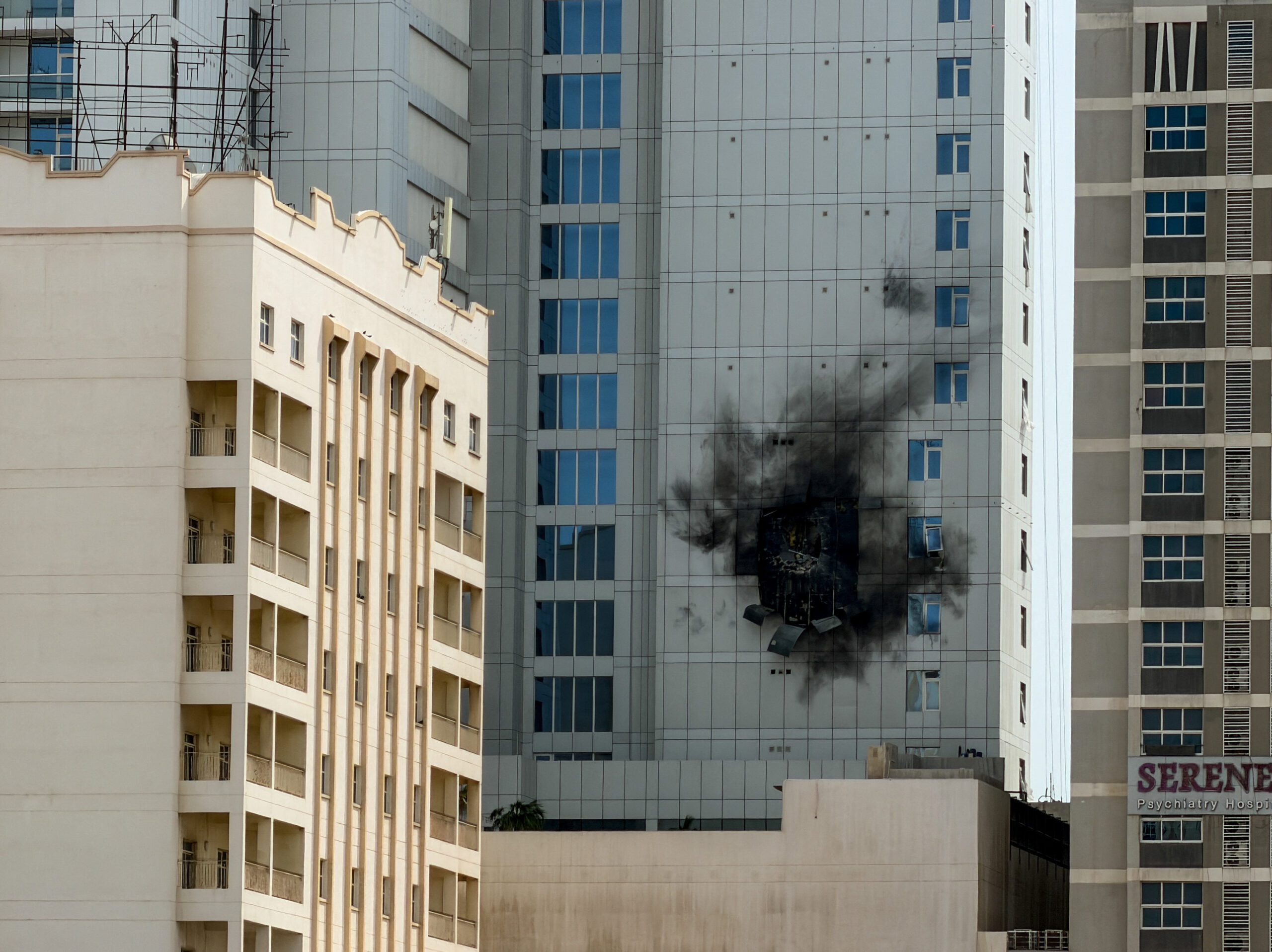
Iran War Provides Decisive Test for Lebanon to Assert Authority Over Hezbollah
After decades of tolerating Hezbollah’s warmaking independence, the current crisis has compelled Lebanese leaders to ban its military activities; this project will do much to determine the reach Iran can maintain in the Arab world.
Mar 2, 2026
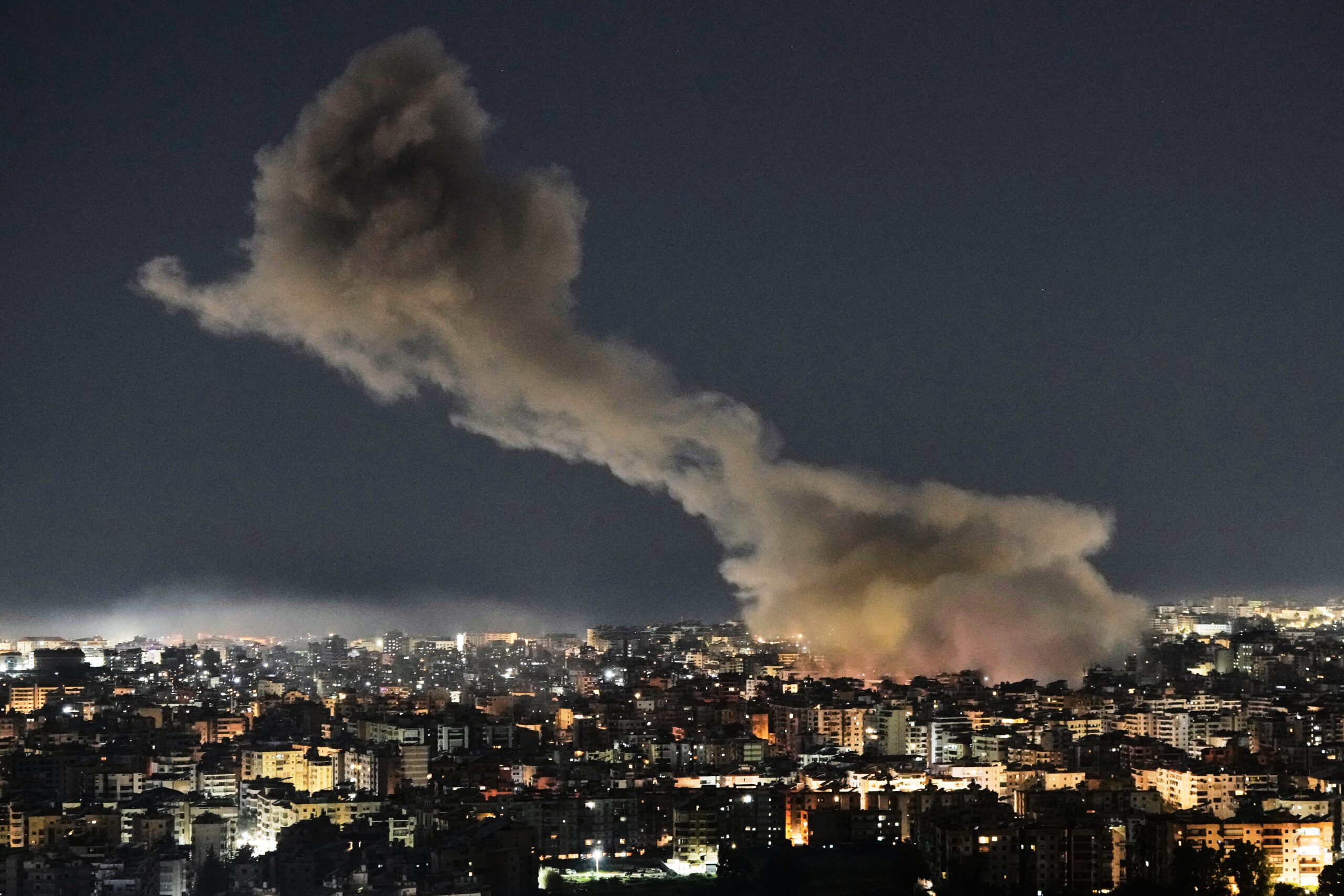
Iran War: Gulf Unity, Economic Shocks, and Regime Scenarios
After a massive U.S.-Israeli campaign against Iran, AGSI explores scenarios for the future of Iran and implications for broader Gulf security.