Mohamed Z. Bechri
Contributor
Mohamed Z. Bechri is a former economics professor at the University of Tunisia. He served as principal economist at the Central Bank of the United Arab Emirates from 2001-22, where he conducted policy-oriented research and was the lead author of “The U.A.E. MSMEs Business Survey Reports” for 2019 and 2020. He was also an economist in the International Monetary Fund’s African Department from 1993-95. His main research focus is on monetary policy, institutions, and development. Bechri holds a doctorate in monetary economics from La Sorbonne University in Paris and a PhD in economics from the University of Southern California in the United States.
Analysis
For SME Growth, Gulf Countries Need Supportive Ecosystems
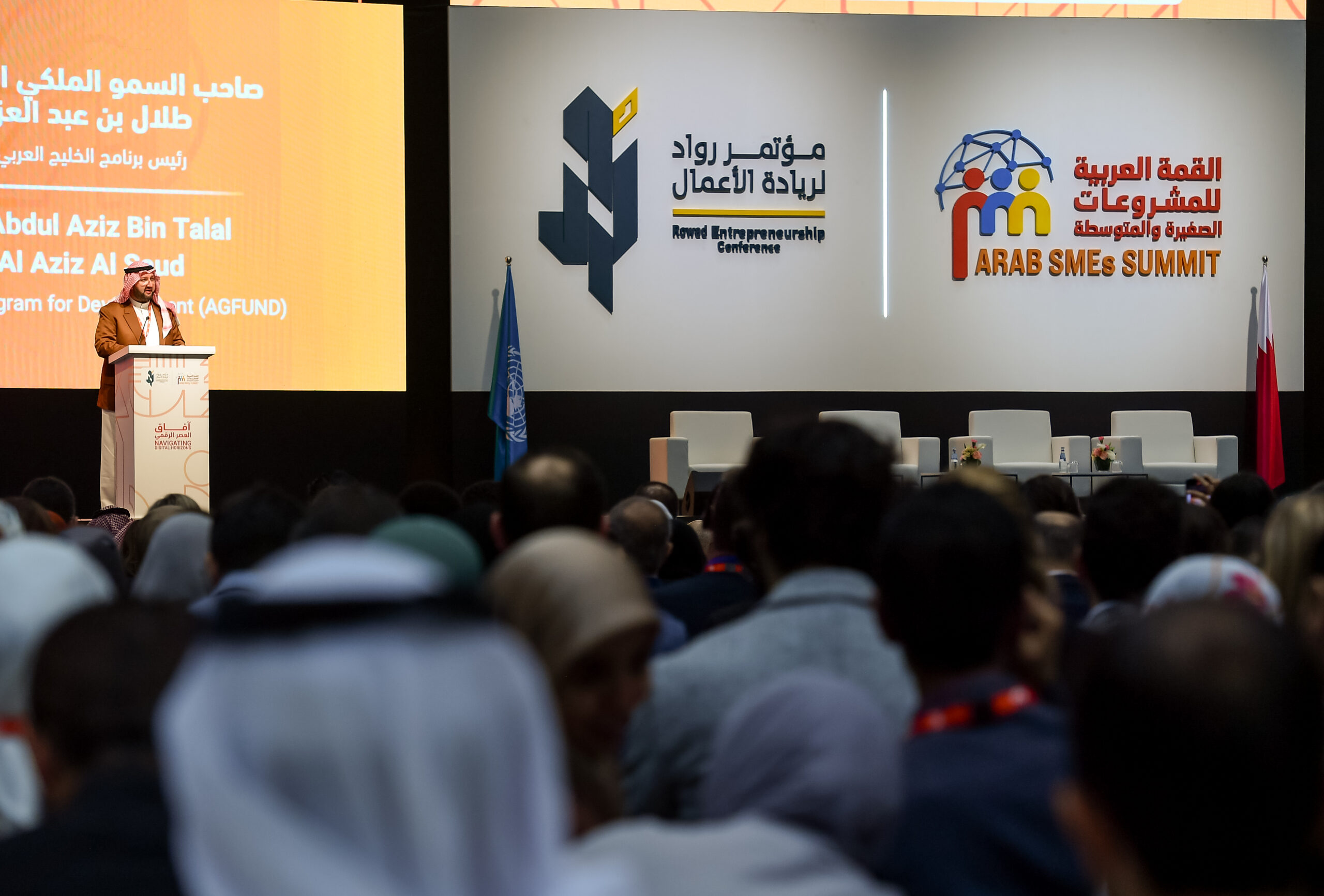
Small and medium enterprises are central to Gulf diversification efforts, but strong, well-integrated support systems, including national small business administrations and public credit guarantee schemes, are needed to help them thrive.
14 min read

The Gulf Countries Need “Good Jobs” in Services
As the Gulf countries transition to a new energy order, creating “good jobs” in high-value export-oriented services that provide citizens with adequate benefits, economic security, and career ladders will help these economies diversify and achieve increased growth.
7 min read

Public-Private Partnerships Becoming the It Couple for Gulf Infrastructure Development
Successful public-private partnerships could help Gulf Arab states improve infrastructure without further burdening state resources.
11 min read

Gulf Sovereign Wealth Fund Investment in the Energy Transition
Regional sovereign wealth funds are increasingly focusing on sustainability, mobilizing resources for investments in alternative energy projects and demonstrating an alignment with their respective government’s strategy for the energy transition.
11 min read

The Urgent Need for Transparency Reform in Gulf Central Banks
Gulf central banks can increase transparency by adopting credible reform agendas focused on the publication of accurate statistics, disclosure of analysis and forecasting methodology, and forward-looking explanations of policy decisions.

Transitioning to Countercyclical Fiscal Policy in the Gulf
Given the volatility of hydrocarbon prices and other external shocks, Gulf Arab states can benefit from adopting countercyclical fiscal policies – a bold, but necessary, shift that will limit fallback during economic downturns.