Feb 18, 2025
Negotiation or No Negotiation? Cabinet vs. IRGC
The February 18 edition of the Iran Media Review examines conflicting statements on talks with the United States from Iran’s Cabinet and the Islamic Revolutionary Guard Corps.

As Supreme Leader Ayatollah Ali Khamenei has made contradictory statements regarding diplomatic engagement between Iran and the United States, competing factions within the Iranian political establishment also appear to be pursuing divergent approaches. President Masoud Pezeshkian’s Cabinet signals a willingness to pursue negotiations, while the Islamic Revolutionary Guard Corps-affiliated Javan newspaper vehemently opposes any efforts to revive diplomatic talks. These domestic political fissures are exacerbating uncertainty over Tehran’s strategic posture.
- February 16: The Islamic Republic News Agency, which generally reflects the prevailing views of the Cabinet, stated:
- “Iran’s negotiation strategy follows the same foundational framework as the Joint Comprehensive Plan of Action (JCPOA), or as the foreign minister articulated: ‘confidence-building measures regarding Iran’s nuclear program in exchange for the lifting of sanctions.’ Within this framework, the European troika can assume a constructive role. While an exact replication of the JCPOA may no longer be feasible due to developments in Iran’s nuclear program and evolving geopolitical conditions, the underlying principle of trust-building remains intact.”
- February 16: Javan newspaper columnist Fatemeh Nasiri condemned “attempts at tying the solution of internal problems” to negotiations:
- “Despite the Islamic Republic’s official stance of rejecting negotiations with the United States, domestic factions with vested partisan interests in continued diplomatic engagement persist in advocating for talks. This political current, with a long-standing history of imposing its agenda on the public, now argues that the only viable solution to Iran’s challenges lies in acknowledging Tehran’s culpability and promoting the notion of fostering ‘smart relations’ with the United States.”
- “However, Washington’s strategic approach toward its adversaries is a well-documented pattern: economic sanctions, engineered state fragmentation, the transformation of public discontent into open rebellion, support for opposition movements, military interventions, and proxy warfare as instruments of geopolitical dominance. This playbook remains central to U.S. efforts to subdue its global rivals.”
- “There are ample precedents, including the unilateral U.S. withdrawal from the Joint Comprehensive Plan of Action (JCPOA) and former President Trump’s increasingly bellicose rhetoric against Iran. Under such conditions, pursuing negotiations with the United States constitutes a profound strategic miscalculation, and the expectation of securing meaningful outcomes through diplomatic engagement is nothing more than a delusion.”
The views represented herein are the author's or speaker's own and do not necessarily reflect the views of AGSI, its staff, or its board of directors.
Related
Iran Media Review
Feb 14, 2025
Revolution Day Messages to Washington
The February 14 edition of the Iran Media Review considers Iranian officials’ calls for unity and resistance to negotiations with the United States.
Iran Media Review
Feb 11, 2025
Khamenei Nixes U.S. Negotiations, Sparks Rumors of Pezeshkian’s Resignation
The February 11 edition of the Iran Media Review examines Iranian media responses to Supreme Leader Ayatollah Ali Khamenei’s shifts on negotiations with the United States.
Feb 14, 2025
Revolution Day Messages to Washington
The February 14 edition of the Iran Media Review considers Iranian officials’ calls for unity and resistance to negotiations with the United States.
Feb 11, 2025
Khamenei Nixes U.S. Negotiations, Sparks Rumors of Pezeshkian’s Resignation
The February 11 edition of the Iran Media Review examines Iranian media responses to Supreme Leader Ayatollah Ali Khamenei’s shifts on negotiations with the United States.
Analysis
The Committee of Six and Strategic Decision Making in Iran
Remarks by Iran’s president offer a rare glimpse of how the Islamic Republic has adapted its decision making to the absence of its supreme leader.
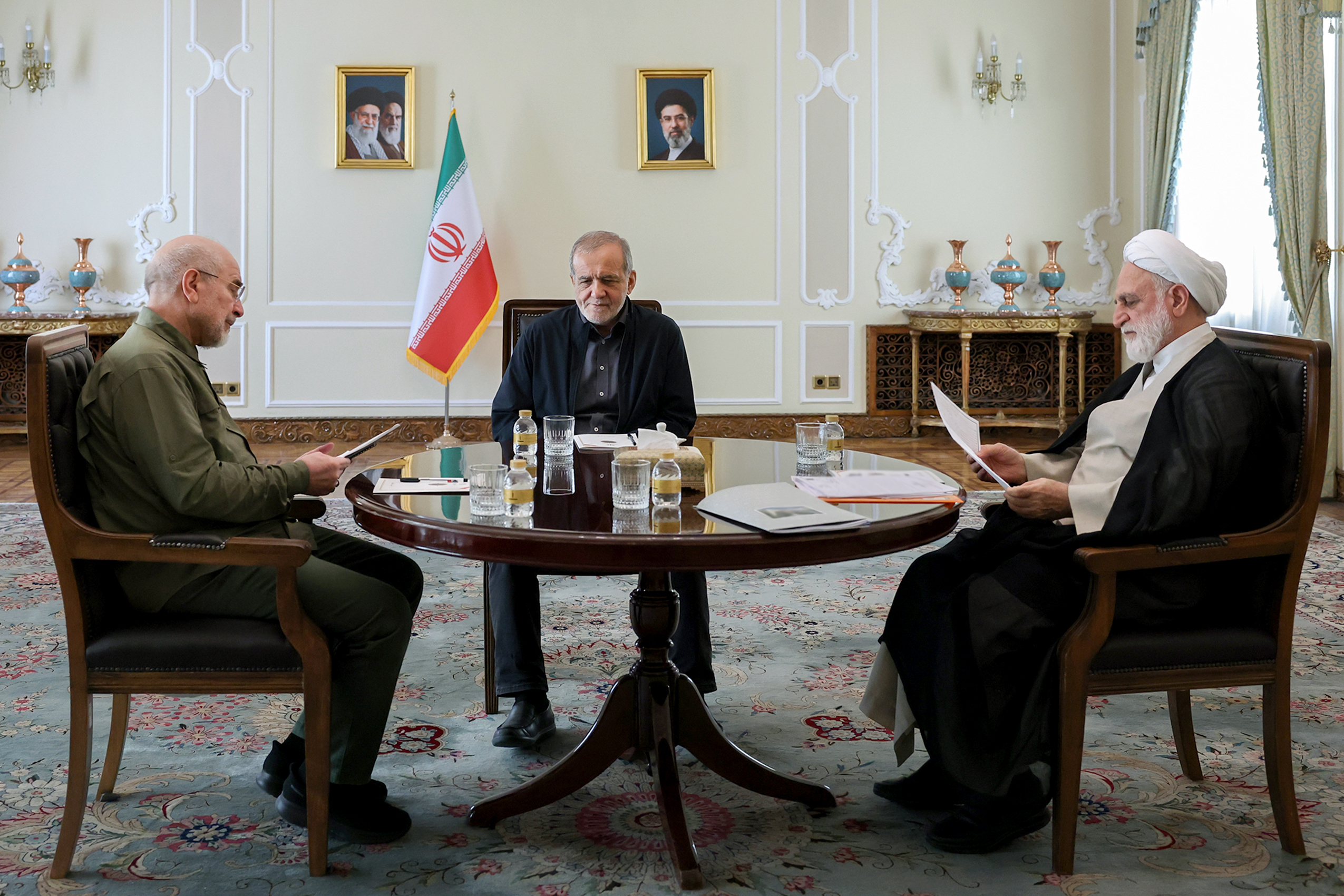
Mohsen Rezaei at the Helm of Iran’s Supreme National Security Council
Under Rezaei, the SNSC could prove constructive or paralyze strategic decision making.
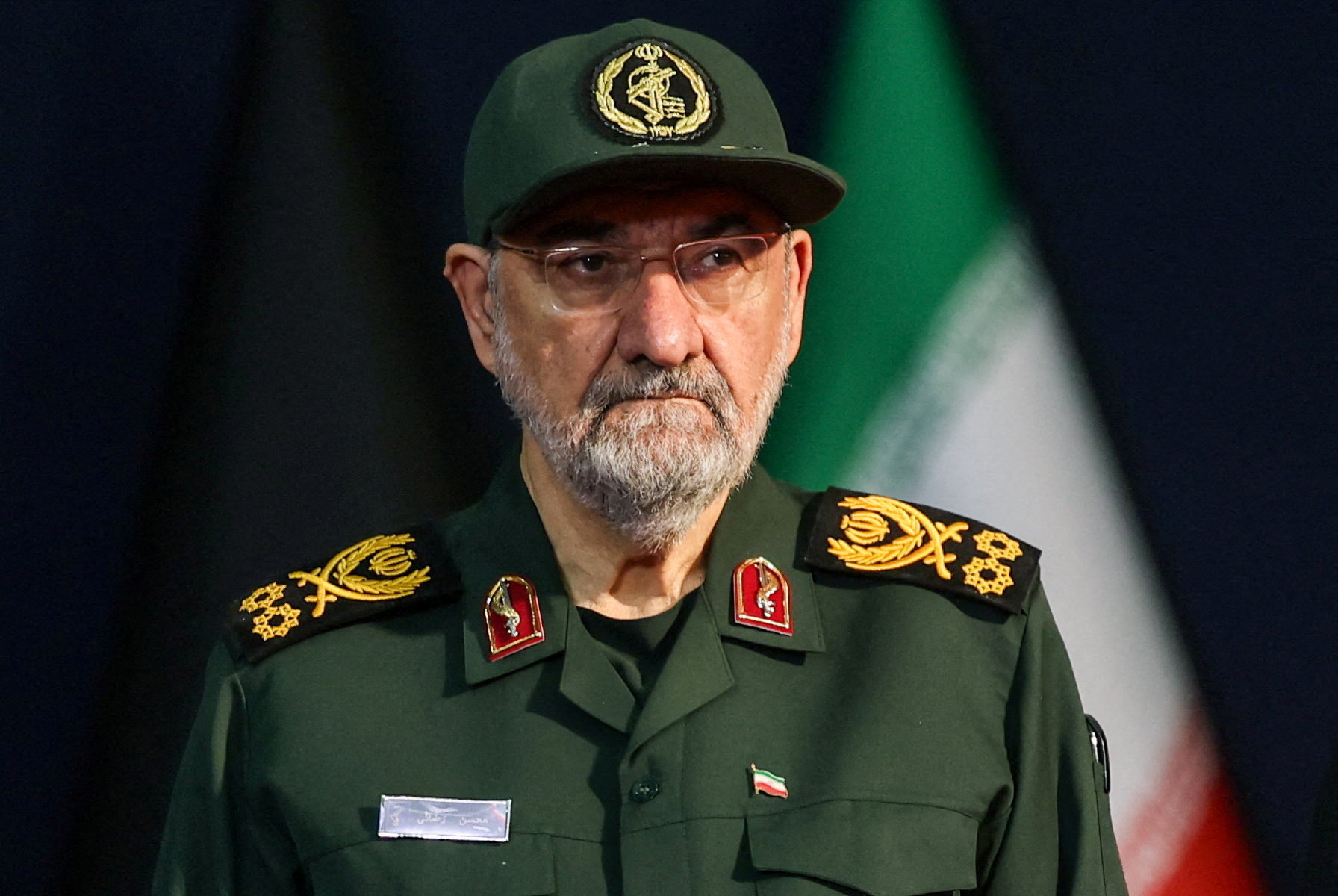
The Islamic Republic Returns to Offense
After U.S.-Israeli strikes killed Supreme Leader Ayatollah Ali Khamenei on February 28, Iran’s collective leadership has concluded that the best defense is a good offense.
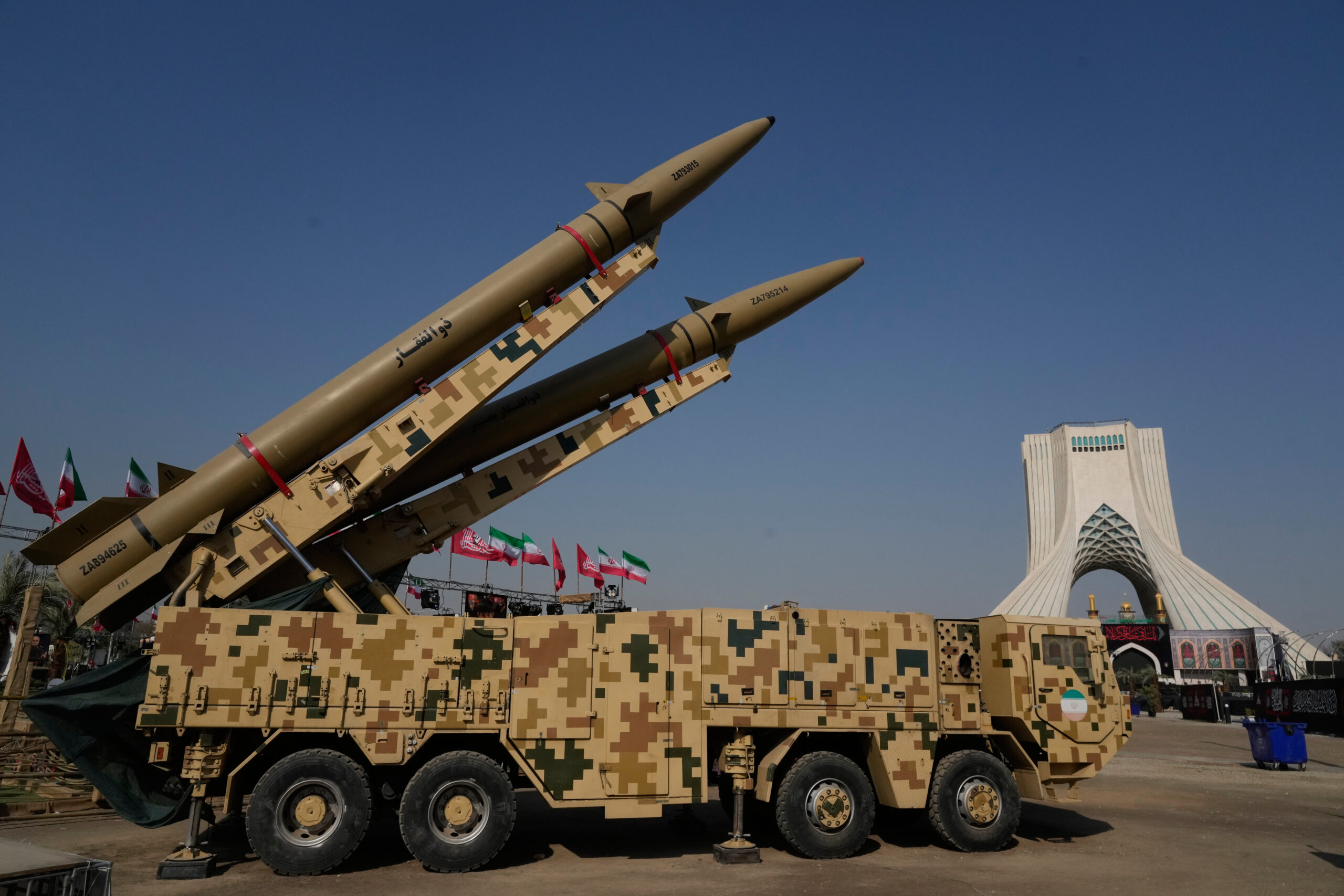
Iran’s Collective Strategic Decision Making
Wartime pressure has temporarily aligned the leadership’s overriding interest in regime survival, even as its members continue to differ over the costs, methods, and ultimate objectives of the war.
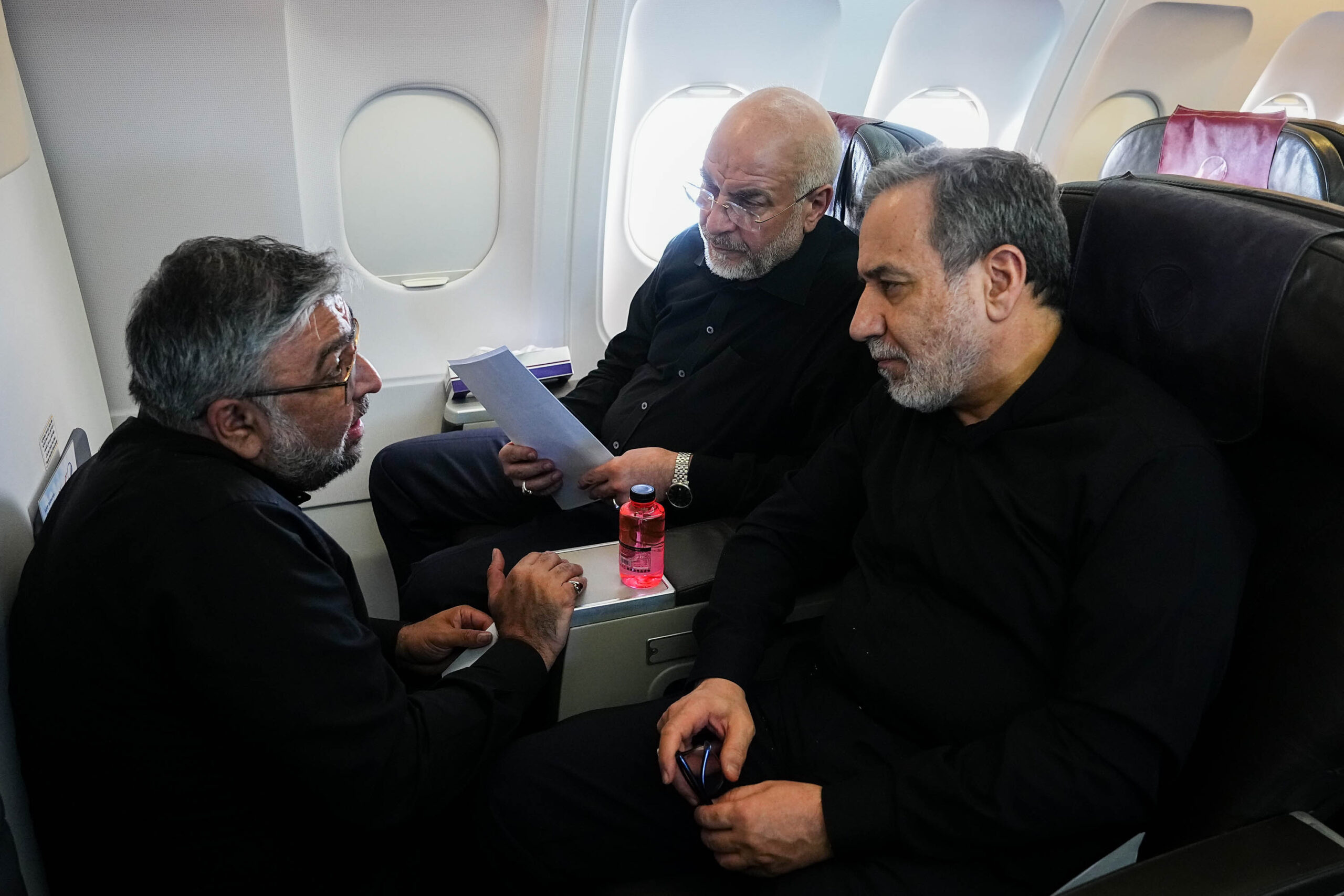
Events
Oct 6, 2026
Is the U.S.-Iran Stalemate a “New Normal” or the Prelude to Another Explosion?
On October 6, AGSI hosted a discussion on the U.S.-Iran stalemate and the prospects for a cease-fire.
Speakers



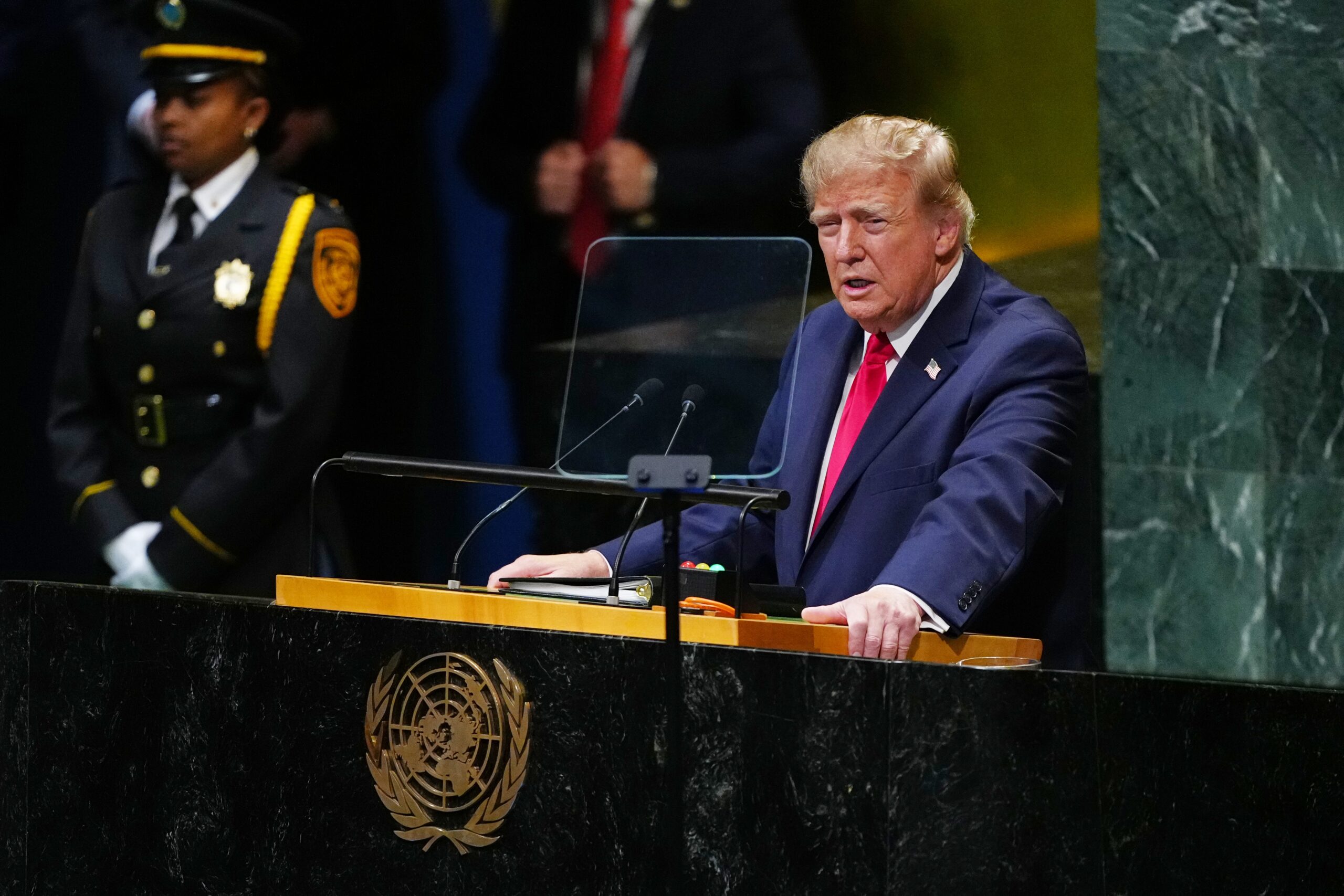
Book Talk: Iran and the Bomb: The United States, Iran and the Nuclear Question
On June 16, AGSI hosted a discussion on the evolution of Iran's nuclear program.
Speakers
Apr 21, 2026
Inside Iran’s Wartime Leadership: Power, Succession, and Regime Stability
On April 21, AGSI hosted a discussion on the evolution of Iran's leadership during the war.
Speakers

Mar 18, 2026
In Its Conflict With the United States and Israel, Does Escalation Favor Iran?
On March 18, AGSI hosted a discussion on the escalation of the Iran war.
Speakers